



Tours in Cagliari (Sardinia)


Cruising to Cagliari (Sardinia) in a group?
Skip the crowded ship excursion bus. One dedicated planner will design a private shore experience around exactly what your group wants — coordinated from first enquiry to the moment you're back on board. More memorable, more flexible, and more affordable than you might expect. Spend less time organising, more time enjoying.
Explore Group Travel →Cruising to Cagliari (Sardinia)
Cagliari has been Sardinia's principal city since Phoenician traders established a settlement on its harbour more than 2,500 years ago. Romans, Byzantines, Pisans, Aragonese, and Savoyards each left their mark on the city's layered architecture — most visibly in the medieval towers and fortifications of the Castello district, which still commands the hillside above the modern port. For cruise visitors, Cagliari functions as both a destination in itself and a gateway to Sardinia's broader natural and cultural landscape. The city's historic quarters, waterfront promenade, and famous flamingo lagoons are within easy reach of the dock; the island's extraordinary coastline — jagged limestone cliffs, secret coves, and crystalline water — unfolds along the southern shore by boat. The island also produces genuinely distinctive wines, with the Sulcis-Iglesiente region's Carignano del Sulcis among Italy's most characterful reds, accessible on dedicated winery excursions.
Top things to do in Cagliari (Sardinia) on a cruise stopover
Cagliari's Dramatic Coastal Cliffs and Hidden Coves
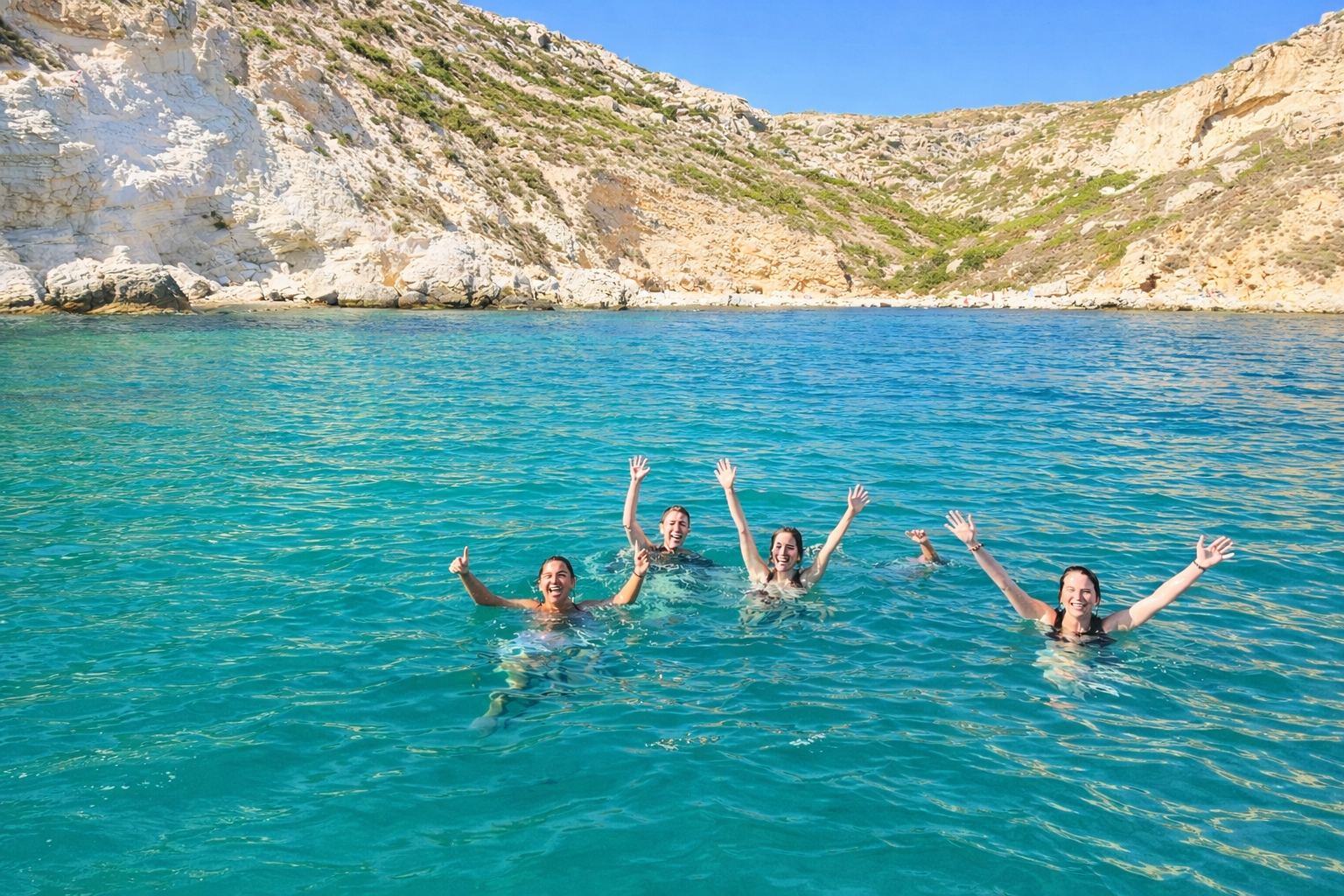
The southern Sardinian coastline flanking Cagliari features some of the Mediterranean's most striking sea-cliff scenery — sheer limestone faces dropping directly into water of exceptional clarity. Between the headlands lie coves accessible only from the sea, their beaches of white pebble and pale sand rarely reachable on foot. The colours shift from emerald in the shallows to deep cobalt further out, with visibility in calm conditions reaching 20 metres or more. A relaxed coastal cruise traces these formations from the water level, allowing passengers to appreciate the scale of the cliffs and stop at coves that remain unknown to most visitors arriving overland. The light in late morning is particularly favourable for photographing the rock formations.
Private Coastal Sailing Along Sardinia's Southern Shore
Sardinia's reputation as a sailing destination rests on the quality and variety of its coastline, and the southern shore around Cagliari offers this in accessible form. A private coastal cruise provides the freedom to pace the day around wind conditions, sea swimming stops, and anchorages in sheltered coves unreachable from the land. The experience of approaching Cagliari's coastal architecture from the water — the white city rising behind its harbour, Poetto beach stretching eastwards, the salt lagoons shimmering with flamingos — offers a perspective unavailable from any land-based vantage point. Sardinia's waters are among the cleanest in the Mediterranean basin.
The Castello District: Medieval Cagliari Above the Harbour
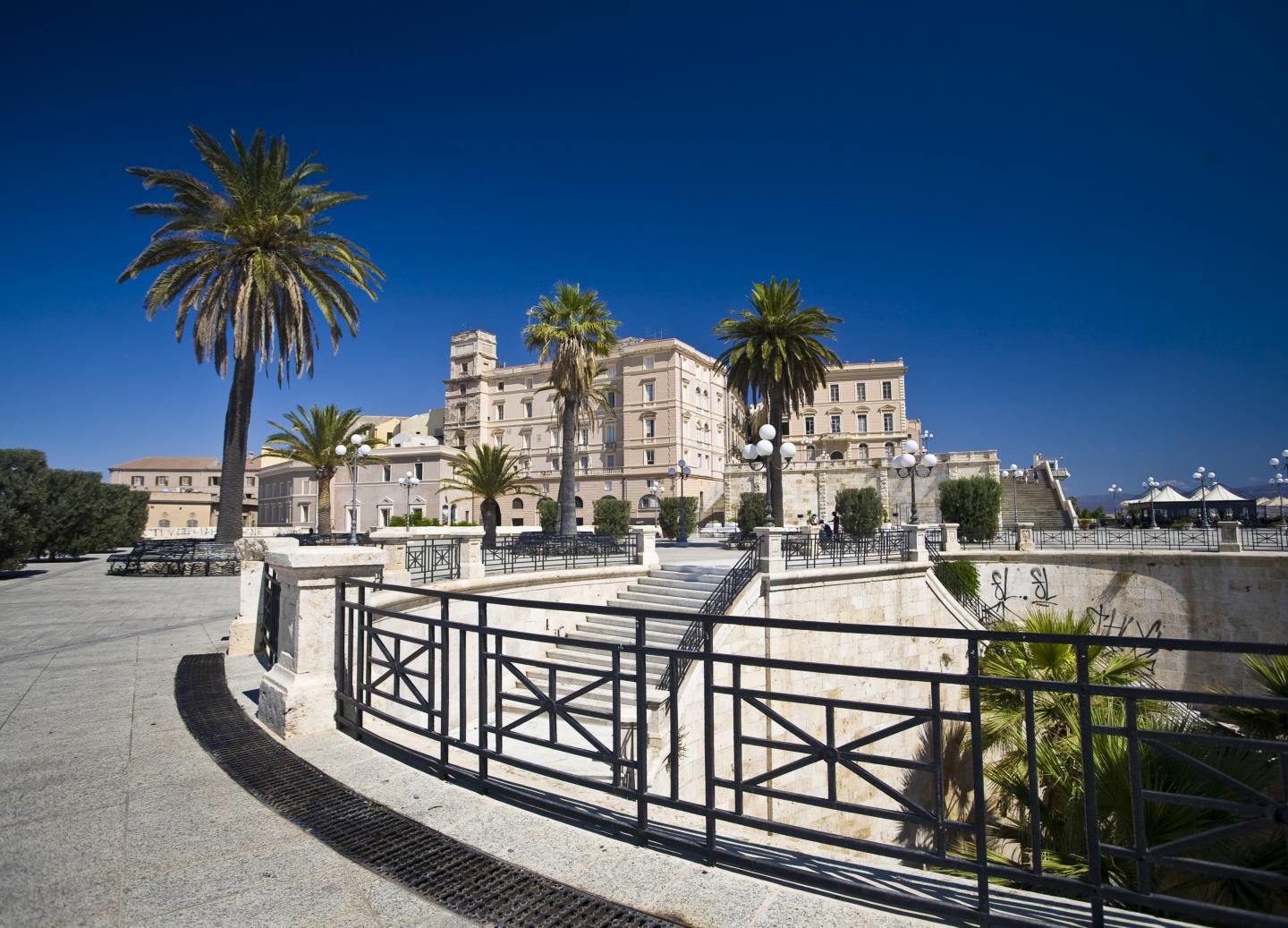
Rising steeply above the port, Cagliari's Castello quarter is the city's medieval heart — a walled hilltop neighbourhood of narrow lanes, Pisan towers, and layered centuries of architecture. The Cathedral of Santa Maria contains Sardinian artworks of considerable quality. The Torre dell'Elefante and Torre di San Pancrazio, both 14th-century Pisan fortifications, mark the district's boundaries and offer views over the city and harbour. The Cittadella dei Musei complex houses the National Archaeological Museum with its extraordinary collection of nuragic bronzes — small figurines from Sardinia's mysterious Bronze Age civilisation, unique in the Mediterranean world.
Sardinian Wine Country: The Sulcis-Iglesiente Vineyards
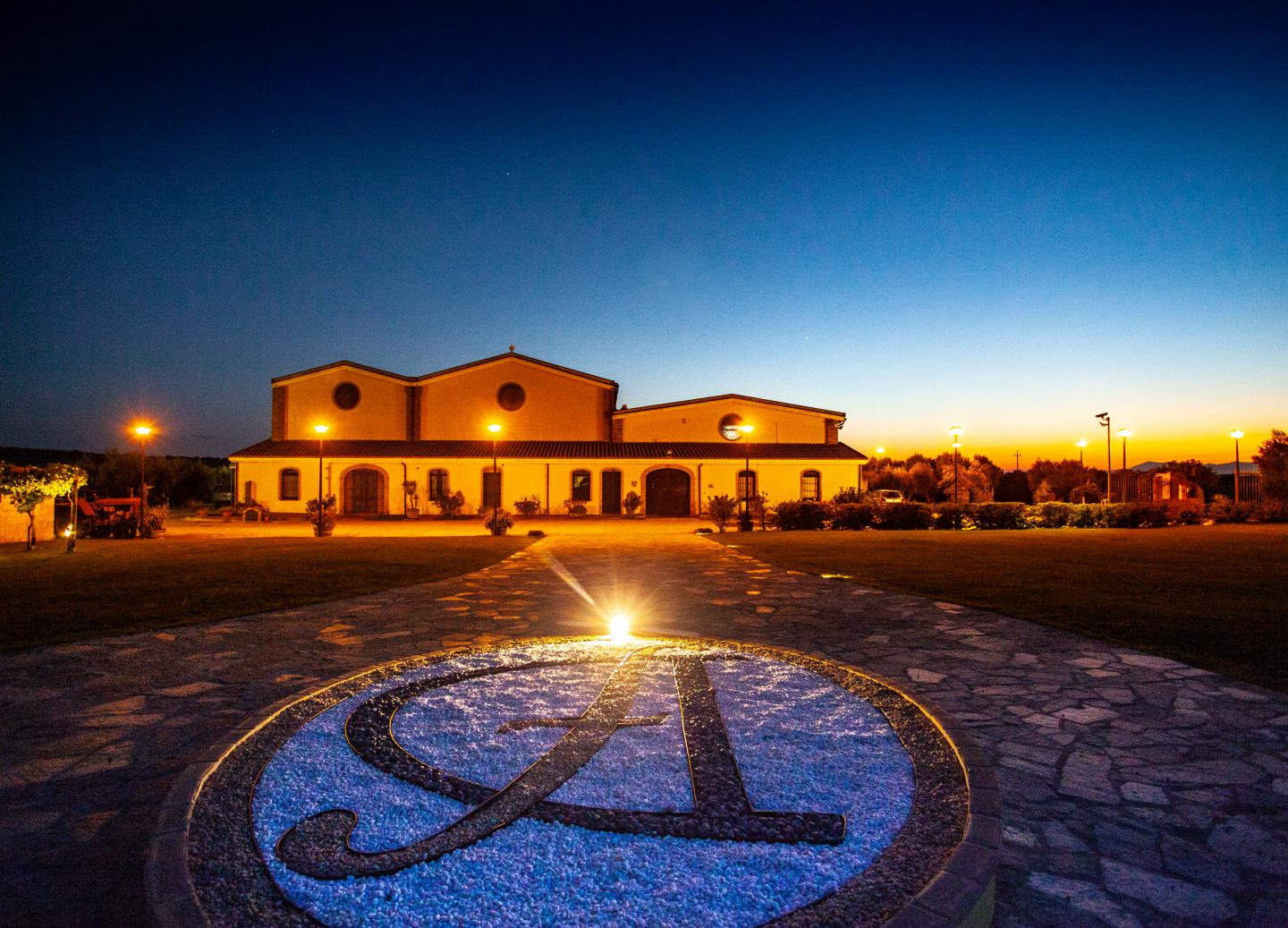
Sardinia produces wines of genuine distinction that remain relatively obscure outside the island. The Sulcis region, southwest of Cagliari, is the primary home of Carignano del Sulcis — a full-bodied, deeply coloured red wine produced from old-vine Carignan vines that survived the phylloxera epidemic of the late 19th century because of the sandy coastal soils. Visiting a working winery in this region provides insight into both the wine and the landscape — arid, wind-sculpted, and unlike any other Italian wine region. Vermentino white wines produced across the island are equally characterful: saline, aromatic, and well-suited to local seafood.
Sardinia's Nuragic Heritage and Bronze Age Civilisation
Sardinia is home to more than 7,000 nuraghi — circular stone towers built by the island's Bronze Age inhabitants between approximately 1800 and 700 BC. These structures, unique to Sardinia, dot the landscape across the island in extraordinary density, and their culture produced a remarkable tradition of small bronze sculpture. The National Archaeological Museum in Cagliari's Castello district holds the finest collection of nuragic bronzes in existence — warriors, priests, and animals rendered with sophisticated artistry. A private Sardinia exploration excursion can incorporate nuragic sites in the island's interior alongside coastal and cultural highlights.
The Waterfront, Flamingo Lagoons, and Poetto Beach
Cagliari's Via Roma waterfront promenade connects the cruise terminal with the city's commercial heart in a pleasantly navigable stroll lined with cafes and bookshops. East of the city, the Stagno di Molentargius is a protected salt lagoon supporting a year-round population of greater flamingos — typically hundreds of birds visible without binoculars from the lagoon edges. The adjacent Poetto beach stretches for 8 kilometres of fine sand along the Gulf of Cagliari. Together these form an unusual natural corridor between city and coastline, accessible within a short journey from the port.
Cagliari (Sardinia) travel tips
Take the Public Lift to Castello — Save Energy for Exploration. The Castello district sits high above the port on a steep limestone hill. The public lift (ascensore) near Piazza Costituzione and the covered escalator system both provide free or low-cost access to the upper town without the considerable uphill climb. This is particularly valuable in summer when morning temperatures are already warm. The return downhill on foot through the old lanes is easier and makes for an enjoyable descent with good views at each turn.
Book Coastal Boat Excursions for Morning Departures. Sea conditions along Sardinia's southern coast are typically calmest in the morning hours, before the afternoon sea breeze builds. Morning departures also benefit from the best light for photography and allow passengers to explore coves before other boats arrive. Afternoon wind can occasionally make open-sea stretches rougher — planning for an earlier return gives flexibility and a more relaxed pace on the water.
The Nuragic Bronzes Deserve More Time Than Most Give Them. The Cagliari National Archaeological Museum's collection of nuragic bronzes is genuinely exceptional — comparable in significance to any ancient collection in Italy — yet it receives a fraction of the visitor attention given to Rome's or Florence's museums. Allocating 45–60 minutes specifically to the bronze collection reveals a Sardinian civilisation of surprising sophistication and artistry. The museum is within the Castello complex and easily combined with a walk through the historic quarter.
Seek Out Traditional Sardinian Dishes Rather Than Familiar Italian Staples. Sardinian food differs meaningfully from Italian mainland cooking, and the best experiences come from seeking out traditional dishes deliberately. Bottarga — cured and dried grey mullet roe, grated over pasta or eaten in thin slices with oil and lemon — is an island speciality with an intense, saline flavour. Seadas, deep-fried pastry filled with fresh cheese and drizzled with bitter corbezzolo honey, are worth seeking out as a dessert. Restaurants in the Stampace and Villanova neighbourhoods generally offer better value and more traditional cooking than port-area establishments.
Flamingos Are a Year-Round Resident, Not a Seasonal Spectacle. Greater flamingos have colonised Cagliari's coastal lagoons as permanent residents — the city has one of the few urban flamingo populations in Europe. They are visible from the edges of the Stagno di Molentargius east of the city throughout the year, not only in migration season. The lagoon is a short bus ride from the port. Early morning visits tend to find the birds in more active feeding positions before midday heat drives them into shaded shallows.
Carry Cash for Markets, Small Bars, and Rural Wine Estates. While cards are widely accepted in Cagliari's restaurants and shops, smaller establishments, market stalls, and rural winery visits often prefer or require cash. Sardinian wineries in the Sulcis region may not have card facilities. Withdrawing euros from a city-centre ATM before departing for excursions avoids any difficulty. Some wineries sell bottles directly at estate prices considerably below retail — cash simplifies these purchases considerably.
Port Facts Every Cruiser Needs To Know
Cagliari (Sardinia) shore excursion FAQs
The cruise terminal at Molo Sabaudo sits directly on the Via Roma waterfront, the city's main promenade. The commercial centre and the base of the Castello district are within a 5–10 minute walk. The Castello hilltop itself is 20 minutes on foot or a short ride by public lift.
Yes. Greater flamingos are year-round residents of the Stagno di Molentargius, a salt lagoon east of the city. Several hundred birds are typically present throughout the year. The lagoon is accessible by public bus or on foot from the Poetto beach area, and the flamingos are visible without specialist equipment from the lagoon edges.
Strongly so, especially in calm conditions. The limestone cliffs and hidden coves south of Cagliari are among the most striking on the island, and many of the best coves are inaccessible except by boat. The water clarity is exceptional. Coastal cruises typically include swimming stops in sheltered coves and provide a perspective on the coastline impossible to replicate from land.
Sardinia's wines are genuinely distinct from Italian mainland varieties. The island's isolation and different terroir produce wines with strong individual character. Carignano del Sulcis, from old ungrafted vines in the southwest, produces a deeply concentrated red unlike any mainland Italian wine. Cannonau (Grenache) makes spicy, tannic reds. Vermentino di Sardegna is a saline, aromatic white excellent with local seafood.
Nuraghi are circular stone tower-fortresses built by Sardinia's Bronze Age inhabitants between approximately 1800 and 700 BC. More than 7,000 survive across the island — a density unmatched anywhere in the Mediterranean. Their builders also created a remarkable tradition of small bronze sculpture. The collection at Cagliari's National Archaeological Museum is the best place to understand this unique civilisation.
The Castello district sits atop a steep limestone hill and the direct ascent on foot is quite demanding, particularly in warm weather. However, a public lift near Piazza Costituzione and a covered escalator system provide easy access to the upper town. Most visitors take the lift up and walk down through the old lanes, which is a much gentler descent with good views.
May, June, and September offer the best combination of warm weather (22–28°C), calm sea conditions for coastal activities, and manageable visitor numbers. July and August are hottest (often 30–35°C) with peak tourism. October is mild and uncrowded. Winter is quiet and mild but some coastal facilities and boat services close.
Yes. Cagliari is generally safe for visitors and its historic centre is well maintained. The Castello and Stampace districts have cobbled streets and some steep gradients, so sturdy flat-soled shoes are more practical than sandals or heels. The waterfront and Via Roma area are flat and accessible. Normal city-centre awareness applies in crowded market areas.
Yes. The Sulcis wine region is roughly 60–80 kilometres southwest of Cagliari and accessible as a half-day excursion. A private winery tour from the port typically allows 2–3 hours at the estate including guided tasting and the opportunity to purchase wines directly at estate prices. Returning to the port in time for departure is straightforward with a well-timed itinerary.
Italian is the official language. Sardinian (Sardo) is widely spoken as a distinct regional language. In Cagliari's tourist areas, restaurants, and hotels, English is generally understood and often spoken comfortably. Outside the city and in rural areas, Italian is more reliably needed. Basic Italian phrases are welcomed and often open conversations considerably.
Filters
Select a filter to refine results.
Tour Type
Tour Activity
 Cart
Cart
 USD
USD GBP
GBP AUD
AUD EUR
EUR CAD
CAD