



Tours in Da Nang (Chan May, Hue, Hoi An)



Cruising to Da Nang (Chan May, Hue, Hoi An) in a group?
Skip the crowded ship excursion bus. One dedicated planner will design a private shore experience around exactly what your group wants — coordinated from first enquiry to the moment you're back on board. More memorable, more flexible, and more affordable than you might expect. Spend less time organising, more time enjoying.
Explore Group Travel →Cruising to Da Nang (Chan May, Hue, Hoi An)
The coast of central Vietnam between the port of Chan May and the ancient trading town of Hoi An compresses several centuries of history into a drive of roughly 80 kilometres. Ships calling here place passengers within reach of three UNESCO World Heritage Sites: the Imperial City of Hue, the Ancient Town of Hoi An, and the Cham ruins at My Son — a concentration that few stretches of coastline anywhere can match. The landscape between them shifts from the Hai Van Pass's mist-draped ridgeline, where the mountains meet the sea, to the flat, rice-paddy plains of the Thu Bon river delta.
Da Nang itself, the region's largest city, has transformed in recent decades from a war-scarred port into a growing coastal metropolis of more than 1.1 million people. Its beaches — particularly My Khe, which stretches for more than 30 kilometres — are among Southeast Asia's most developed, backed by resorts that have moved upmarket rapidly. But for cruise passengers seeking historical and cultural depth, Da Nang functions primarily as a transit hub: the city's own offerings, including the Cham Museum and the Dragon Bridge, are worthwhile, but the real gravitational pull lies to the north toward Hue and to the south toward Hoi An.
Hue served as Vietnam's imperial capital under the Nguyen dynasty from 1802 until 1945, and its Citadel — a walled city-within-a-city modelled partly on Beijing's Forbidden City — remains one of Southeast Asia's most atmospheric historical complexes. The Royal Tombs scattered along the Perfume River outside the city walls add another layer: each emperor built his own monument, and the contrasting styles from austere to flamboyant tell a story of a dynasty navigating the pressures of French colonialism. The city's food culture, developed to serve a royal court, is considered the most refined in Vietnam — bun bo Hue (spicy beef noodle soup), banh khoai (crispy pancakes), and an array of tiny tasting dishes that once appeared at imperial banquets.
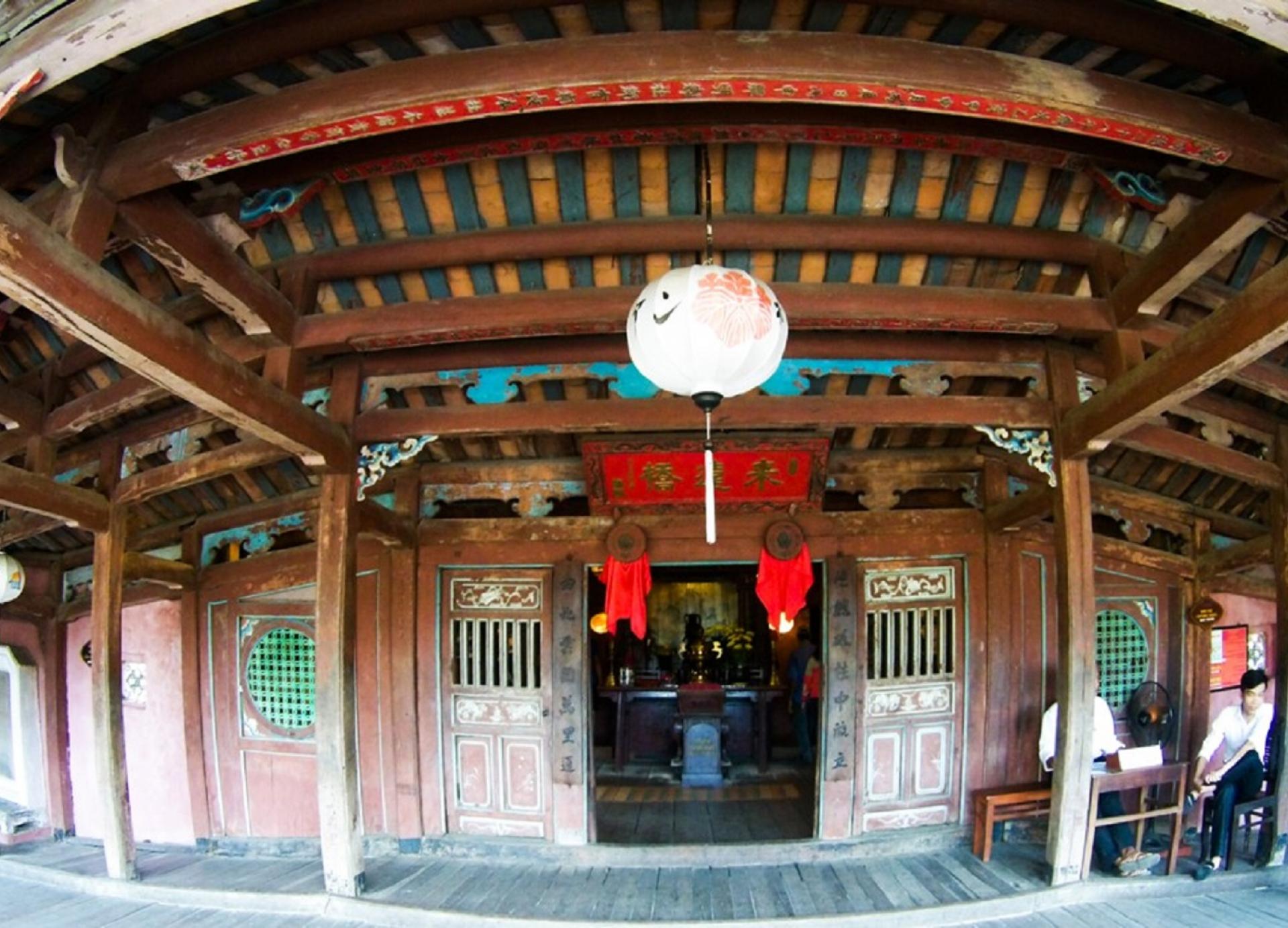
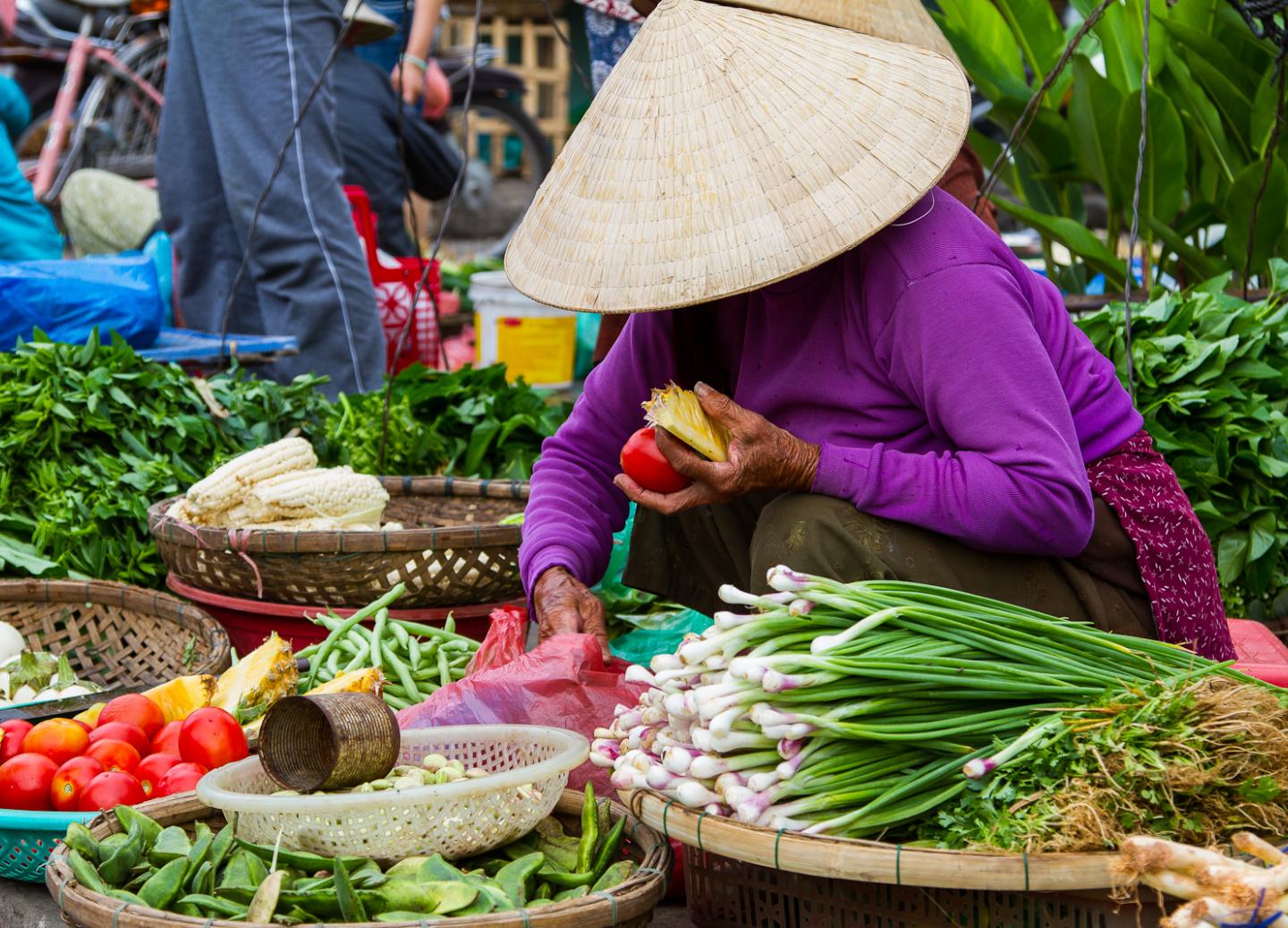
Hoi An operates at a different register entirely. The Ancient Town, with its preserved merchants' houses, assembly halls built by Chinese trading communities, Japanese-influenced covered bridge, and the tailors and lantern-makers who still work in their family workshops, has been a draw for travellers since the 1990s without losing its coherence as a lived-in place. The town functions as much as a market and dining destination as a museum — the food stalls and market vendors along Bach Dang Street, the atmospheric riverside restaurants, and the cooking schools offering morning market tours all reflect a culinary culture that draws heavily on Vietnamese, Chinese, and Japanese trading influences.
Top things to do in Da Nang (Chan May, Hue, Hoi An) on a cruise stopover
Hue Imperial City & the Citadel
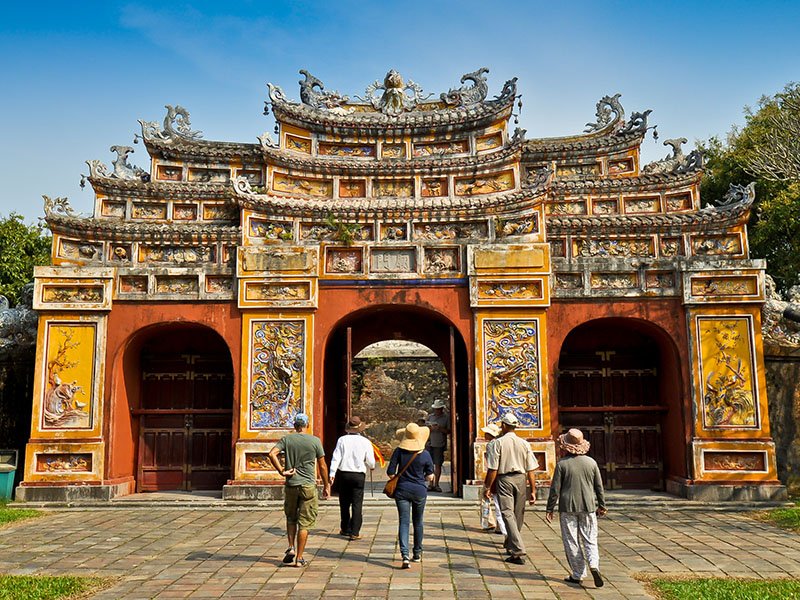
The Hue Citadel — built between 1805 and 1832 — encloses a walled complex that served as the political and ceremonial heart of unified Vietnam under the Nguyen emperors. Within its walls sit the Imperial Enclosure, where the royal courts conducted affairs of state, and the Forbidden Purple City, the innermost sanctum reserved for the emperor and his closest household. Much was damaged in the 1968 Tet Offensive and subsequent restoration has been ongoing for decades, creating an experience that mixes well-preserved ceremonial gates and pavilions with roofless courtyards still bearing the marks of conflict. The scale is considerable — allow at minimum two hours for the Citadel proper, more if the Royal Tombs along the Perfume River are added.
Hoi An Ancient Town
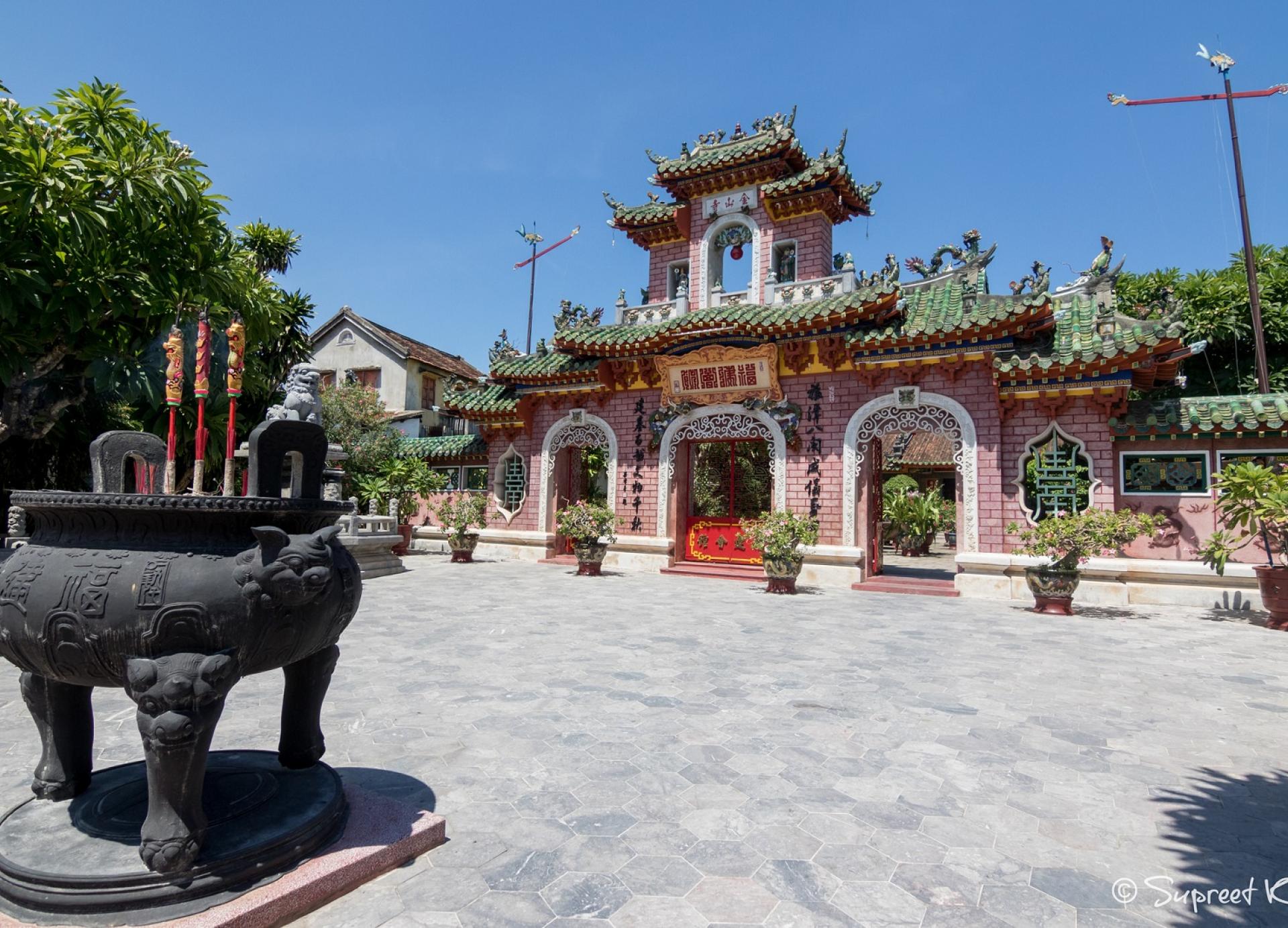
The Ancient Town of Hoi An has been a UNESCO World Heritage Site since 1999, recognised for its exceptional state of preservation as a trading port that flourished from the 15th through 19th centuries. The town's merchant houses — with their Chinese-style wooden interiors, Japanese-influenced construction techniques, and Vietnamese decorative details — reflect the multicultural commerce that moved through the port. The Japanese Covered Bridge, the Fujian Chinese Assembly Hall, and the Museum of Trading Ceramics each illuminate a different thread of this history. The Ancient Town is also one of Vietnam's finest food destinations: cao lau (thick wheat noodles with pork and crispy croutons made exclusively with water from Hoi An's wells), white rose dumplings, and fresh spring rolls are local specialities with genuine regional specificity.
Hai Van Pass
The Hai Van Pass — 'Ocean Cloud Pass' — crosses a spur of the Truong Son mountains at 496 metres where they meet the sea, forming both a geographic and climatic boundary between northern and southern Vietnam. The road over the pass, used for centuries as a strategic and trade route, offers views of extraordinary drama: the South China Sea on one side, forested mountain ridges on the other, and often a literal boundary between sunshine to the south and cloud to the north. The French colonial-era fortifications at the summit and the old American military bunkers from the war add historical texture. Travellers moving between Chan May or Hue and Da Nang cross this pass — it is worth pausing rather than treating it as mere transit.
Ba Na Hills and the Golden Bridge: An Iconic Mountain Escape
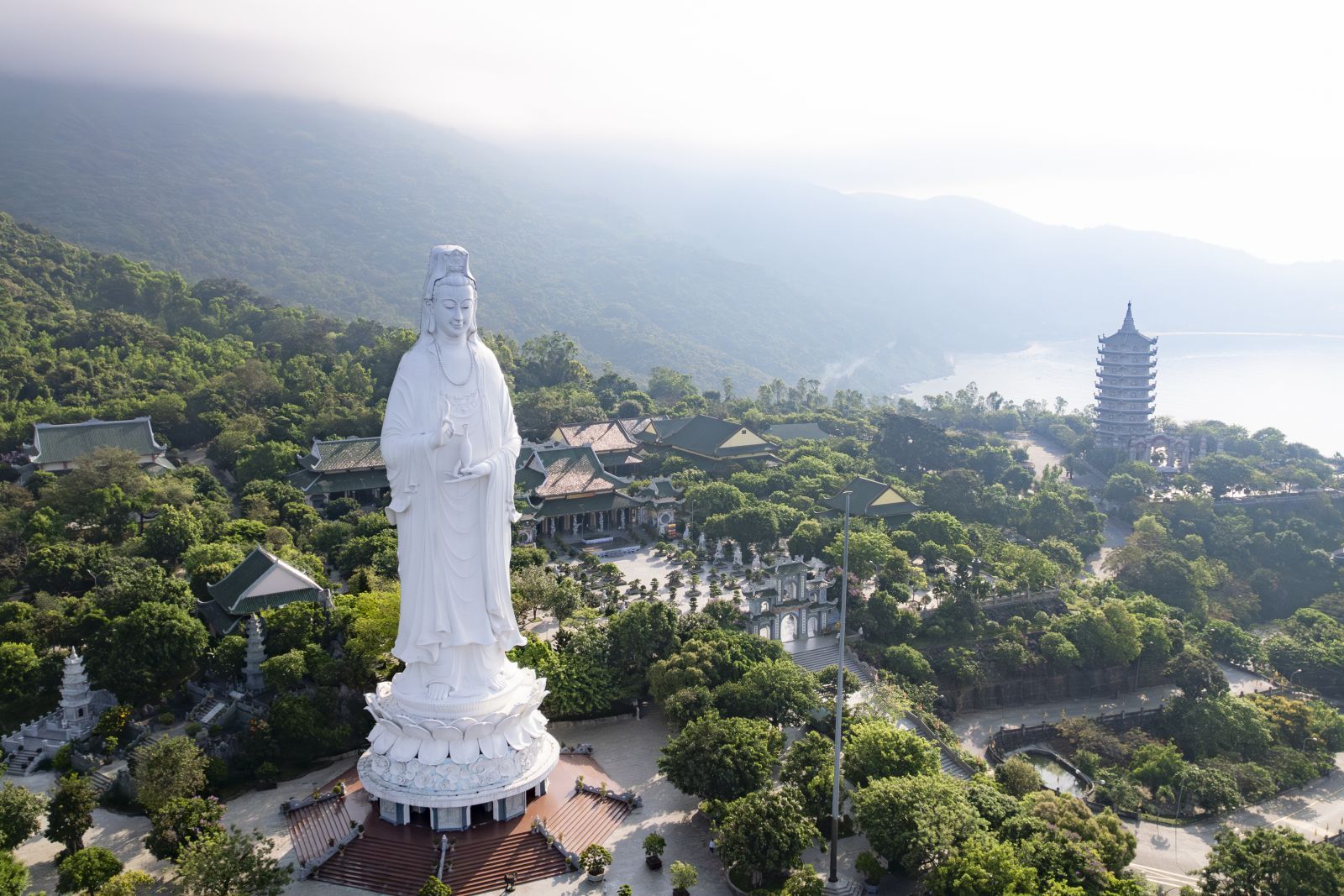
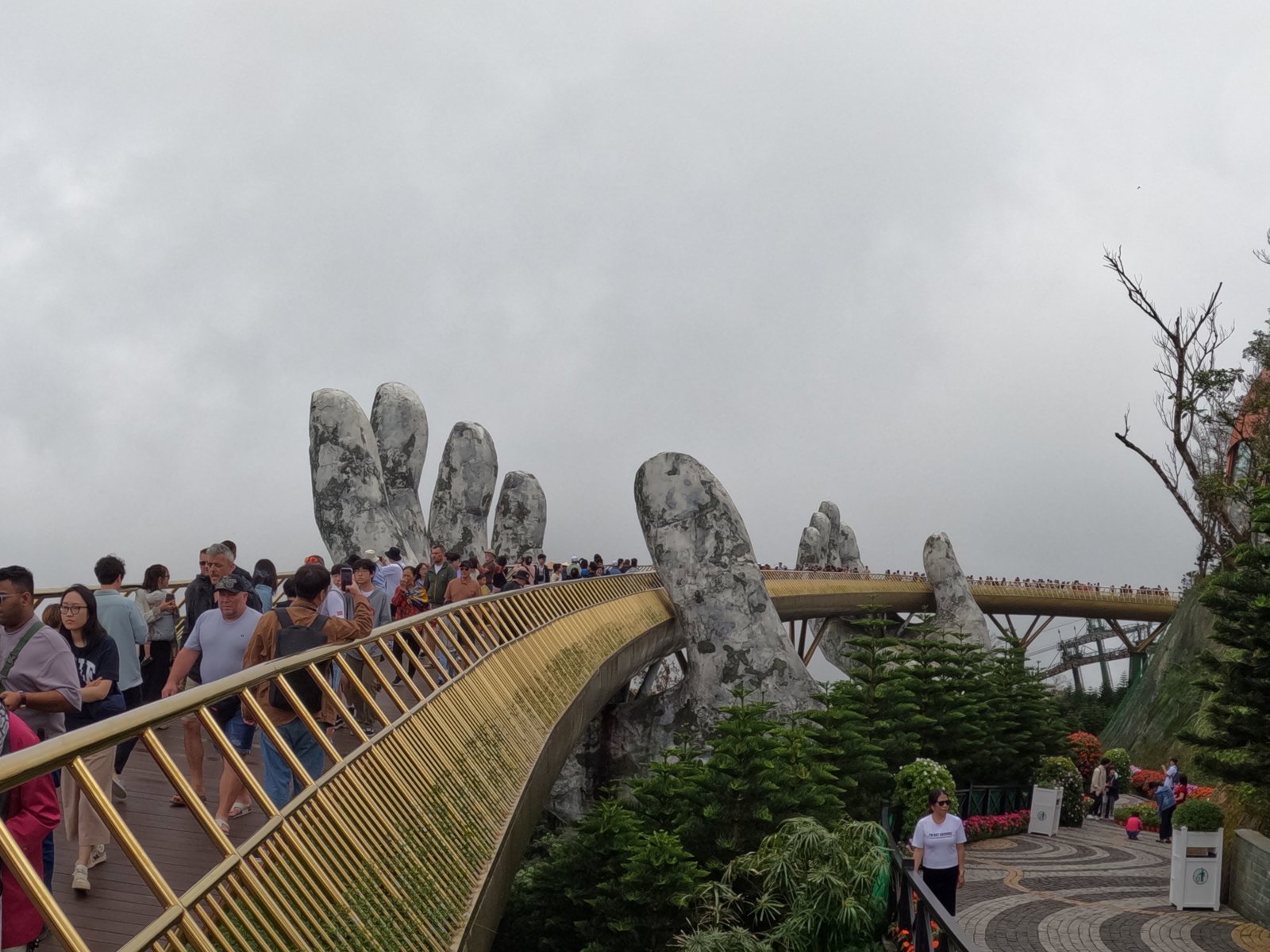
Ba Na Hills is a mountain resort complex perched 1,487 metres above Da Nang, accessible by one of the world's longest cable car systems — a 5,771-metre ride from the valley floor that crosses dense jungle canopy and reveals the coastal plain far below. The Golden Bridge at the top, opened in 2018, has become one of the most recognised images of modern Vietnam: a 150-metre pedestrian bridge held aloft by two giant stone hands emerging from the hillside, its arching span framing views of the surrounding mountains. The Ba Na Hills complex also includes a French Village modelled on European medieval architecture, the Linh Ung Pagoda, gardens, and an indoor amusement park. The summit is significantly cooler than Da Nang city (often 10–15°C lower) and frequently wreathed in cloud, lending it an atmospheric quality unlike anything on the coastal plain. Clear-sky mornings generally offer the best visibility; build at least three to four hours into any visit to do the site justice.
Hue's Royal Tombs & the Perfume River
The seven royal tombs of the Nguyen emperors are scattered along the Perfume River south of Hue's city centre, each constructed during the relevant emperor's lifetime according to his own aesthetic preferences. Minh Mang's tomb is the most formal and symmetrically Chinese in character; Tu Duc's is an elaborate garden retreat with pavilions, ponds, and poetry inscribed on stone; Khai Dinh's, the last built (1931), is a hybrid of Vietnamese and European Baroque elements that polarises visitors but is architecturally impossible to dismiss. Visiting two or three tombs in a half-day excursion alongside the Citadel gives a rounded sense of the dynasty's character and the pressures of its final century.
Marble Mountains (Ngu Hanh Son)
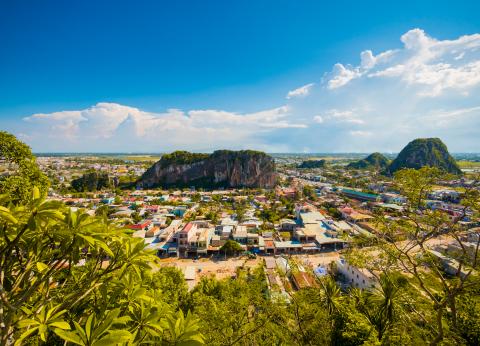
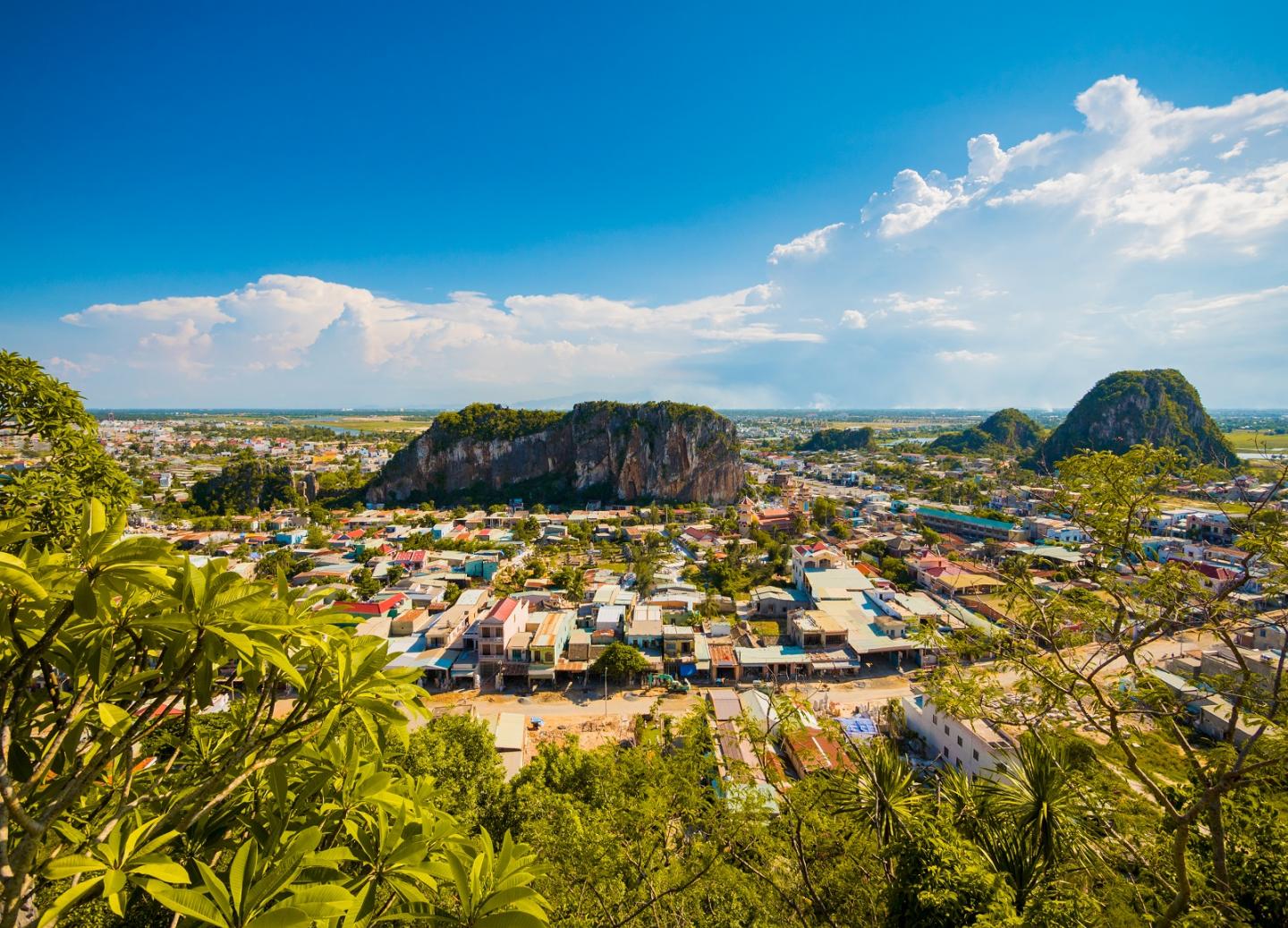
Five marble and limestone outcroppings rise abruptly from the flat coastal plain between Da Nang and Hoi An, each named for one of the classical elements. The largest, Thuy Son (Water Mountain), contains a network of Buddhist and Hindu cave sanctuaries — natural caves enlarged and decorated over centuries, where altars and statues occupy chambers lit by shafts of light from natural openings in the rock above. The approach involves a climb, but cable cars now serve the summit. The nearby marble-carving workshops at the mountain's base have operated for generations and offer a more substantive craft context than the tourist-market stalls at the top.
Da Nang (Chan May, Hue, Hoi An) travel tips
Confirm Your Ship's Docking Location Before Planning. This is not a minor detail. Ships calling central Vietnam may dock at Chan May (70 km north of Da Nang), Da Nang Port (city centre), or occasionally Tien Sa terminal (closer to Da Nang's beach district). The difference between Chan May and Da Nang Port is approximately one hour of driving each way — which can determine whether Hoi An is realistic within your time ashore. Check your cruise documentation carefully and plan accordingly.
Choose One Destination Anchor and Do It Properly. The temptation to combine Hue and Hoi An in a single day is understandable but usually counterproductive — the driving alone consumes 4–5 hours round trip from Chan May if you visit both. A more satisfying approach is to commit to one: either spend the day in Hue with the Citadel and one or two Royal Tombs, or spend the day in Hoi An with time to walk the Ancient Town, eat well, and explore the surrounding countryside. Both are genuinely worthwhile; trying to do both tends to result in neither.
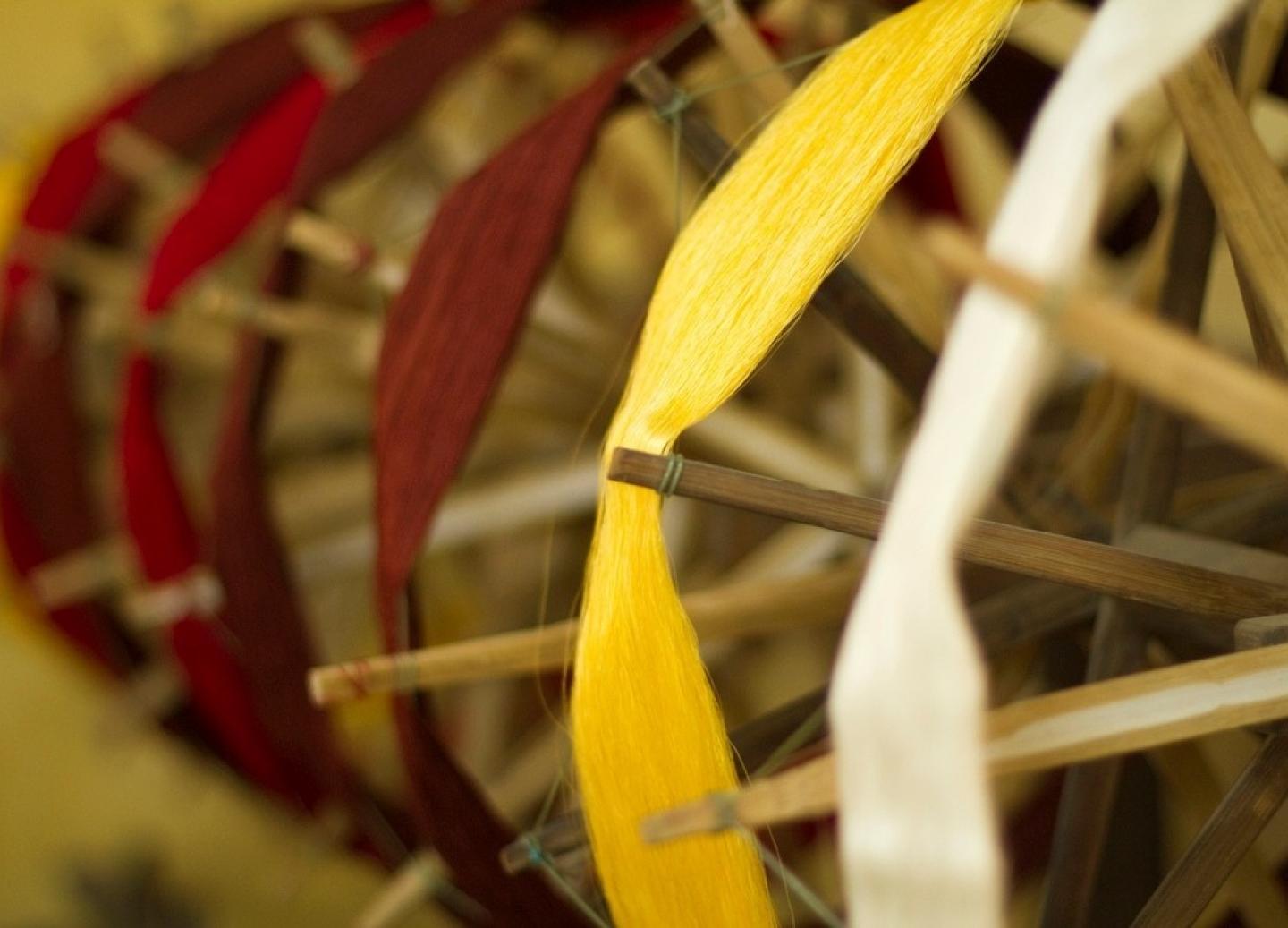
Hoi An's Tailoring Culture: What to Know Before You Commission. Hoi An has been a centre for bespoke tailoring since its days as a trading port, when Japanese, Chinese, and Dutch merchants needed clothing made quickly. Today the town contains hundreds of tailors, ranging from highly skilled ateliers to mass-market operations. If commissioning clothing, allow at least two fittings — ideally on separate days — and be specific about fabric weight, lining, and button quality. Synthetic fabric sold as silk is common; rub the material between your fingers and hold it to light. A legitimate silk merchant will allow this scrutiny without offense. Give clear reference photographs rather than verbal descriptions, and agree on the number of alterations included in the price before paying any deposit. Hoi An's tailors can produce remarkable results in 24–48 hours, but rushing increases the risk of errors. The better workshops are generally found a few streets back from the main tourist strip on Tran Phu and Nguyen Thai Hoc roads.
Eat in Hue If You're There — the Food Is Worth the Trip Alone. Hue's royal court cuisine is considered Vietnam's most sophisticated regional cooking, and the city takes justifiable pride in it. Bun bo Hue (a spicier, more complex cousin of Hanoi's pho) is the street staple; banh khoai (a smaller, crispier version of the southern banh xeo pancake) is typically eaten at the city's dedicated restaurants near Dong Ba Market. A lunch stop in Hue adds relatively little time to a day itinerary and substantially improves the day.
Buy Entry Tickets to Hoi An Ancient Town in Advance or at the Gate — Not from Touts. The Hoi An Ancient Town ticket (required to enter the protected historic buildings) is sold at official booths at the town's main entry points. The ticket covers a set number of attraction entries and is straightforward to purchase. Individuals approaching you on the street offering to 'help' with tickets or guiding services are not official representatives — the ticketing system is simple and the booths are clearly signposted.
Allow More Return Time Than You Think Necessary. Traffic between Hoi An and Da Nang can be sluggish, particularly in the afternoon. The road between Da Nang and the Hai Van Pass requires careful driving. Build in at minimum 90 minutes of buffer from your final destination back to the ship — more if you are coming from Hoi An to Chan May Port. Vietnamese traffic is fluid and the consequences of misjudging the return journey are severe.
Port Facts Every Cruiser Needs To Know
Da Nang (Chan May, Hue, Hoi An) shore excursion FAQs
Cruise ships calling central Vietnam typically dock at one of three ports: Chan May Port (approximately 70 km north of Da Nang, 50 km south of Hue), Da Nang's main port (city centre), or Tien Sa terminal (near Da Nang's beach district). The docking location profoundly affects your options. From Chan May, Hue is about 60–75 minutes by road and Hoi An is 90–120 minutes — meaning a combined visit is very difficult in a standard 8–10 hour port call. From Da Nang port, Hoi An is only 45 minutes south and more manageable. Always confirm your specific docking location through ship documentation before planning.
Technically possible but rarely satisfying. If docked at Chan May, a combined Hue and Hoi An day involves roughly 4–5 hours of driving, leaving 4–5 hours for two of Vietnam's most substantial cultural sites. The result is a superficial encounter with both rather than a meaningful engagement with either. Most experienced travellers to this region recommend choosing one and exploring it properly — Hue for imperial history and refined food culture, Hoi An for its preserved merchant town and culinary scene. If your ship makes multiple Vietnam calls, split the destinations across port days.
Entry to Hoi An's protected historic buildings requires a combined ticket purchased at the town's official booths, located at the main access points to the Ancient Town. The ticket covers a set number of attractions from a list that includes the Japanese Covered Bridge, various Chinese assembly halls, traditional merchant houses, the Museum of Trading Ceramics, and others. You choose which to visit, up to the allocated number. The ticket does not cover restaurants, shops, or the public streets of the Ancient Town itself — you can walk freely through the town; the ticket is required only to enter the specific historic buildings.
Central Vietnam has arguably the country's most distinctive regional cuisine, developed partly under the influence of the Hue royal court. In Hue: bun bo Hue (beef noodle soup with lemongrass and chilli, notably spicier than pho), banh khoai (crispy rice-flour pancakes filled with shrimp and pork), and com hen (rice with baby clams and accompaniments). In Hoi An: cao lau (thick wheat noodles with char siu pork and crackers, made with local well water), white rose dumplings (banh bao vac, delicate shrimp-filled dumplings), and fresh spring rolls. Both towns have a well-developed café culture and restaurant scene that reflects decades of international tourism.
Street food and market food in these cities is generally safe for travellers who take basic precautions. Busy stalls with high turnover of food and customers are typically more reliable than quiet ones. Cooked food served hot is safer than raw preparations. Bottled water and sealed drinks are preferable to ice in street settings, though ice in established restaurants is usually from commercial suppliers and considered safe. Hoi An and Hue both have well-established tourist food scenes; travellers with sensitive stomachs can eat comfortably at slightly more formal local restaurants without sacrificing authenticity.
The Hai Van Pass is a mountain road crossing at 496 metres elevation where the Truong Son mountain range meets the South China Sea, roughly 25 km north of Da Nang. It marks a genuine climatic boundary — the south is typically warmer and drier, the north cooler and more prone to mist. The views from the summit, particularly of the bay to the south and the mountains to the north, are considerable. French colonial-era fortifications and wartime bunkers at the summit add historical context. For travellers driving between Chan May or Hue and Da Nang or Hoi An, the route crosses the pass naturally — asking your driver to stop at the summit for 15 minutes adds no meaningful time to your journey and is worthwhile.
Central Vietnam's climate is warm to hot and humid for most of the year. Lightweight, breathable clothing is practical. The Hue Citadel and Royal Tombs, and the assembly halls and pagodas in Hoi An, require modest dress — shoulders and knees covered. Carrying a light scarf or sarong to add as a layer for temple visits is the most flexible solution. Comfortable walking shoes with grip are advisable, as temple and citadel courtyards involve uneven surfaces. Sunscreen, a hat, and a water bottle are essential for outdoor sightseeing between April and September.
Vietnamese Dong (VND) is essential for most transactions — markets, street food, local transport, and smaller restaurants operate on cash. ATMs are well distributed in Da Nang and Hoi An Ancient Town; carry enough cash for the day before departing the port area. Credit cards are accepted at larger restaurants and hotels in both cities and at the main attraction ticket booths in Hoi An, but not universally. USD is occasionally accepted at tourist-facing businesses but at rates less favourable than exchanging for Dong first.
My Son, a UNESCO-listed complex of Cham Hindu temples in a jungle valley about 70 km southwest of Da Nang, is a historically significant site — the religious centre of the Cham kingdom for nearly a thousand years. However, for cruise passengers, the logistics are challenging: from Chan May, My Son adds substantial driving time to an already lengthy journey, and the site itself requires 2–3 hours for a satisfying visit. If your priority is historical depth, My Son competes with the Hue Citadel for the day's focus. The Da Nang Museum of Cham Sculpture offers an alternative for those wanting Cham cultural context without the drive.
Hoi An and Hue are both experienced with international tourism and the issues are generally minor rather than serious. Common situations include: cyclo drivers or tuk-tuk operators offering rides at prices that increase significantly at journey's end (agree on price and confirm it is for the whole journey, not per person); unofficial 'guides' near attraction entrances who are not licensed; stalls near the Japanese Covered Bridge with inflated prices for goods sold more cheaply in the town's interior streets. The vast majority of interactions are straightforward. Having small denominations of Dong ready, agreeing prices before any service, and using metered or app-based taxis eliminates most friction.
Filters
Select a filter to refine results.
Tour Type
Tour Activity
 Cart
Cart
 USD
USD GBP
GBP AUD
AUD EUR
EUR CAD
CAD