



Tours in Hong Kong
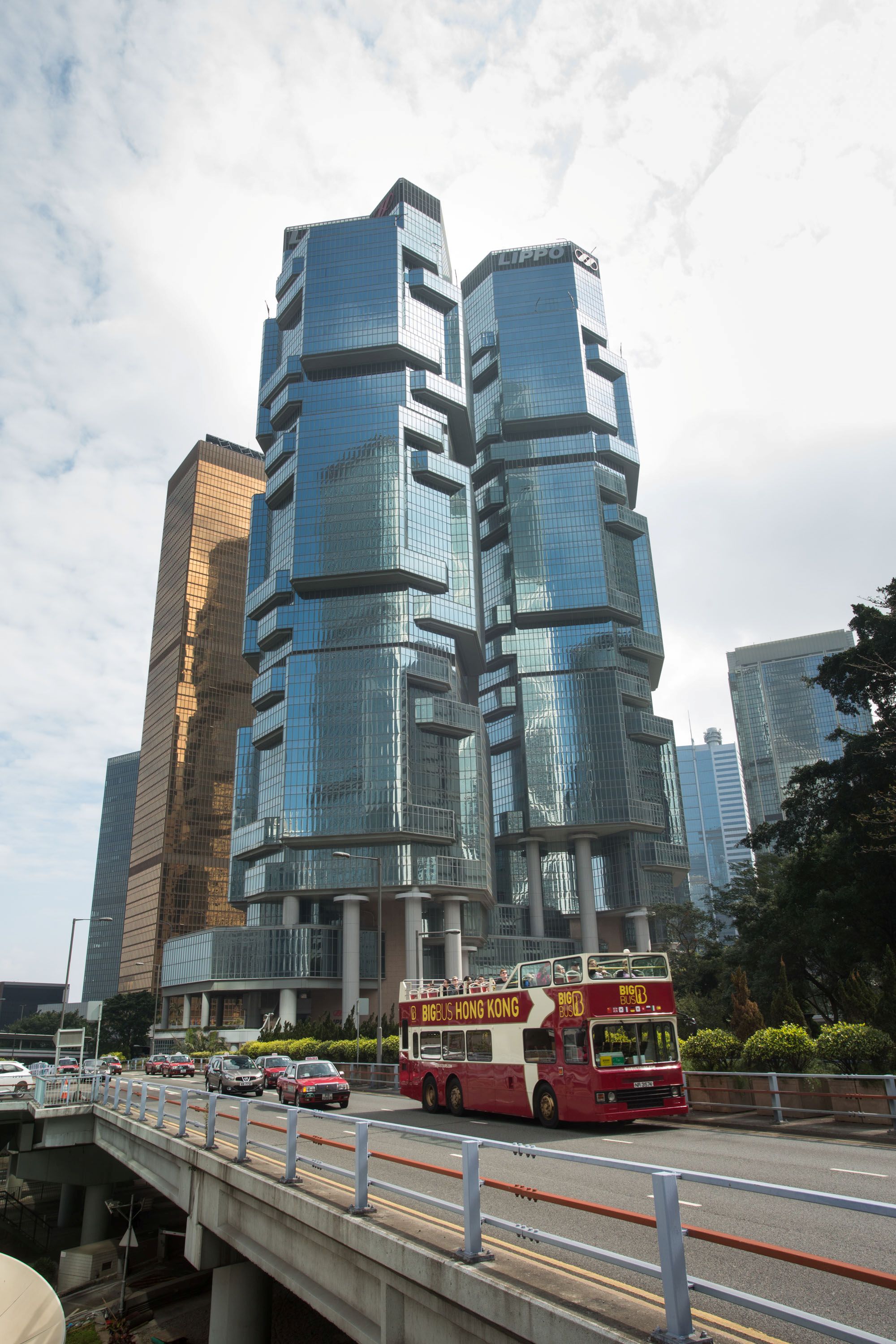


Cruising to Hong Kong in a group?
Skip the crowded ship excursion bus. One dedicated planner will design a private shore experience around exactly what your group wants — coordinated from first enquiry to the moment you're back on board. More memorable, more flexible, and more affordable than you might expect. Spend less time organising, more time enjoying.
Explore Group Travel →Cruising to Hong Kong
Few cities announce themselves with such theatrical confidence as Hong Kong. Arriving by sea, passengers are treated to a panorama that has barely dimmed despite decades of development: the layered skyline of Hong Kong Island rising sharply from Victoria Harbour, Peak silhouette behind it, Kowloon's own dense grid of neon and concrete across the water. The harbour itself remains one of the great urban waterways, alive with Star Ferries, tankers, and the occasional traditional junk.
On the streets, Hong Kong's famous density becomes something to savour rather than endure. In Kowloon's Mong Kok and Tsim Sha Tsui, market stalls selling jade bangles and dried seafood sit metres from luxury malls; in the older western districts of Hong Kong Island, wet markets spill onto footpaths beside century-old clan houses. The city has always operated at this dual register — restless commerce and deep-rooted tradition existing in close, productive tension.
Food is the great common language. Dim sum breakfast at a Cantonese tea house is a ritual, not a tourist attraction — large round tables, stacked bamboo baskets, the clatter of carts, and a menu that rewards the adventurous. Beyond yum cha, the city offers roast goose in Sham Shui Po, wonton noodles ladled from cauldrons at dawn, clay-pot rice in the back lanes of Wan Chai, and creative Chinese fine dining that has driven the city's restaurant renaissance.
For passengers arriving by cruise, Hong Kong is an exceptional day-in-port destination. Its public transport is among the most efficient in the world, meaning the harbour, the Peak, the markets, and the temples are all genuinely accessible within a single day ashore. This is a city that rewards those who look past the shopping malls to the older, grittier, and more particular Hong Kong underneath.
Top things to do in Hong Kong on a cruise stopover
Victoria Peak: Elevation and Perspective
The Peak Tram has carried passengers up the 552-metre ascent since 1888, and the journey remains disorienting in the best possible sense — carriages angled at nearly 30 degrees, the city tilting theatrically below. At the summit, the view across Victoria Harbour to Kowloon's dense geometry and the mountains of the New Territories beyond is genuinely arresting. Come early morning to beat tour groups, or accept the queues for the tram and take a taxi down. The residential streets just below the commercial Peak Tower — Magazine Gap Road, Lugard Road — offer a quieter, leafier perspective and gentle ridge walking with intermittent harbour glimpses.
Star Ferry: The Harbour Crossing
The seven-minute crossing between Tsim Sha Tsui and Central Pier is one of the great cheap thrills of Asian travel. For just a few Hong Kong dollars, the green-and-white double-decked ferries trace a diagonal across the harbour, offering unobstructed views of both skylines. Ride the upper deck; position yourself on the starboard side heading to Kowloon for the Island skyline, port side returning. The ferry runs from roughly 6:30am to 11:30pm. It is simultaneously the most practical and most atmospheric way to cross the harbour, and should not be substituted with the MTR tunnel for the sake of speed alone.
Kowloon Markets: Jade, Flowers, and Bird Street
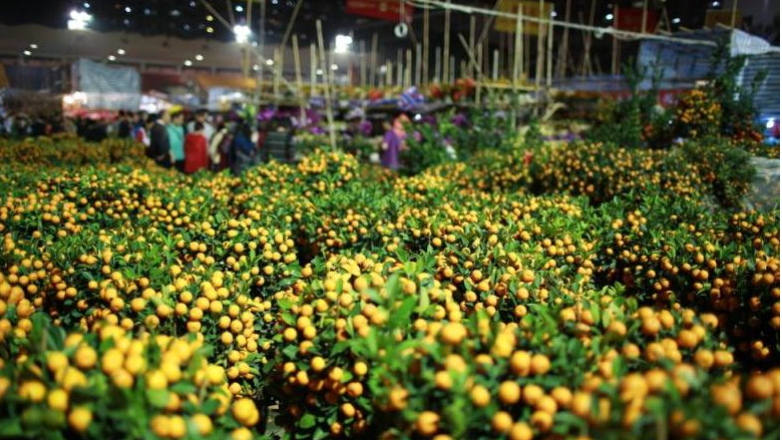
Three adjacent markets in central Kowloon reward an unhurried morning: the Jade Market beneath the flyover on Battery Street (best before noon, jade pendants and carved figurines at every price point), the Flower Market on Flower Market Road (ablaze with cut flowers, orchids, and potted plants, most vivid early in the day), and the Bird Garden on Yuen Po Street, where songbird enthusiasts hang elaborately crafted cages from trees. None of these are curated tourist experiences — they are functional neighbourhood markets that happen to be visually extraordinary. Bargaining is appropriate at Jade Market; the other two generally run fixed prices.
Dim Sum at a Cantonese Tea House
Yum cha — drinking tea, eating dim sum — is a Hong Kong institution that predates the city's colonial era. The archetypal experience happens at a large, loud, fluorescent-lit tea house where families gather on weekend mornings. Order by ticking a paper form or flagging a cart: har gow (translucent prawn dumplings), siu mai (pork and shrimp), char siu bao (barbecue pork buns, steamed or baked), cheung fun (silky rice noodle rolls), and egg tarts to finish. Tim Ho Wan (multiple locations, Michelin-starred but affordable) is reliably excellent for visitors. Lin Heung Tea House in Sheung Wan is the classic old-Hong Kong version. Arrive before 11am for the full cart experience.
Sheung Wan and the Western District: The Older Hong Kong
West of Central, the neighbourhood of Sheung Wan retains an older commercial character that the financial district long ago erased. Man Mo Temple on Hollywood Road — dedicated to the God of Literature and the God of War — fills with incense smoke and the quiet devotion of genuine worshippers, not just curious visitors. The surrounding streets are packed with antique dealers, dried-seafood merchants (the smell is distinctive and worth tolerating), and traditional medicine halls. Further west, the Sai Ying Pun neighbourhood has in the past decade become a cluster of small galleries, independent cafes, and wine bars without losing its residential texture.
Tsim Sha Tsui Promenade: The Avenue of Stars and the Skyline
The pedestrian waterfront promenade running along Tsim Sha Tsui's southern edge offers the most accessible and consistently rewarding harbour views in Hong Kong. The Avenue of Stars, modelled loosely on Hollywood's version, pays tribute to the Cantonese film industry with handprints and sculptures. More compellingly, the promenade provides an unobstructed sightline to the Hong Kong Island skyline across 900 metres of harbour — best at dusk, when the towers begin to light up. At 8pm each evening, the Symphony of Lights show projects colour and laser patterns across the waterfront buildings. It is essentially a synchronised advertisement, but the scale of it is hard to dismiss.
Hong Kong travel tips
Get an Octopus Card Before You Leave the Terminal. The Kai Tak Cruise Terminal has convenience stores where you can purchase and load an Octopus card. This rechargeable contactless card works on the MTR, buses, Star Ferry, and trams, and is accepted at 7-Eleven, Circle K, and many cafes. It eliminates the need to handle coins or buy individual transit tickets and saves meaningful time at busy turnstiles. Load HK$150-200 for a full day of transport and small purchases.
Eat Where Locals Eat, Not Where the Signs Are in English. The restaurants closest to major tourist sites — particularly along the Tsim Sha Tsui waterfront and near the Peak — tend to offer inflated prices and diminished quality. Walk one or two streets back and look for places where the menu is written in Chinese first (with a translated insert if you are lucky), where the tables are filled by lunchtime, and where orders arrive quickly. A bowl of wonton noodles in such a place will cost a fraction of the harbour-view equivalent and will almost certainly taste better.
The Tram Along Hong Kong Island Is Both Transport and Experience. The double-decker trams — called ding dings locally, for the bell they ring — run the length of Hong Kong Island's northern corridor from Kennedy Town in the west to Shau Kei Wan in the east. Riding from Western Market in Sheung Wan to Causeway Bay costs a flat HKD 3 (payable with Octopus or exact coins on exit) and takes 30-40 minutes through some of the city's most varied streetscapes. Always ride upstairs and sit at the front. It is not the fastest way to travel, but it is one of the most pleasurable.
Check Weather and Typhoon Signal Before Committing to the Peak. Victoria Peak is spectacular in clear weather and thoroughly unrewarding in cloud and mist, which descend frequently and with little warning. Check the Hong Kong Observatory app or website before you set off, and have a backup plan. If the Peak is socked in, redirect to the Tsim Sha Tsui promenade, the Jade Market, or a long dim sum lunch — all of which are weather-independent.
Nathan Road Is for Transit, Not Shopping. Kowloon's main commercial artery, Nathan Road, is often pointed to as a shopping destination, but its chain stores and electronics outlets offer little that cannot be found more cheaply or reliably at home. It is, however, a useful orientation spine: MTR stations sit beneath it at regular intervals, and turning off it into the surrounding residential streets — east toward the mosques and Chungking Mansions, west toward the older Yau Ma Tei market district — leads to more interesting territory.
Confirm Ship Return Times Generously. Kai Tak terminal is not in the city centre, and the return journey from Tsim Sha Tsui by taxi typically takes 20-30 minutes depending on traffic — longer during afternoon peak hours (roughly 5-7pm). Plan to leave your last destination at least 90 minutes before the ship's all-aboard time. Taxis are plentiful in Tsim Sha Tsui; the MTR to Diamond Hill (then shuttle) is more reliable than taxis in heavy traffic.
Port Facts Every Cruiser Needs To Know
Hong Kong shore excursion FAQs
Most cruise ships berth at the Kai Tak Cruise Terminal, located on the former airport runway peninsula in Kowloon. It is a modern facility with a rooftop observation deck. The terminal is approximately 6 kilometres from Tsim Sha Tsui. A taxi to Tsim Sha Tsui takes 15-25 minutes depending on traffic and costs around HK$50-70. Alternatively, a free shuttle bus runs to Kai Tak MTR station or nearby bus stops — check the terminal's current service as routes occasionally change. The Cruise Terminal also has a shuttle to Diamond Hill MTR, from where you can reach the rest of Kowloon and cross to Hong Kong Island.
Hong Kong is one of the safest cities in Asia for travellers. Petty theft is uncommon, streets are generally well-lit and populated, and the public transport system is reliable and secure. Visitors who exercise standard urban awareness — keeping bags in front, being alert in crowded market areas — should have no concerns. The MTR is particularly safe at all hours.
Citizens of most Western countries, including EU member states, the United Kingdom, the United States, Canada, and Australia, can enter Hong Kong visa-free for stays ranging from 14 to 180 days, depending on nationality. Hong Kong maintains its own immigration policy separate from mainland China. Always verify current entry requirements with your country's foreign affairs department or the Hong Kong Immigration Department website before travel, as policies can change.
The most straightforward route: taxi or shuttle from Kai Tak to Tsim Sha Tsui, then Star Ferry to Central Pier (7 minutes), then walk or take a short taxi to the Peak Tram Lower Terminus on Garden Road. The Peak Tram ride takes about 8 minutes and operates continuously from approximately 7am. Expect queues of 20-45 minutes at the tram during peak hours (late morning through afternoon). Alternatively, bus 15C connects Central to the tram station. Buying tram tickets online in advance reduces wait time. Budget roughly 90 minutes of transit from the ship to reach the Peak summit.
The Hong Kong Dollar (HKD) is the local currency. The approximate exchange: 1 USD ≈ 7.8 HKD (the HKD is pegged to the USD). Credit and debit cards (Visa, Mastercard) are accepted at hotels, restaurants, and retail shops. However, street markets, wet markets, local tea houses, and smaller noodle shops operate on cash only. An Octopus card (rechargeable transit card) is useful for transport and convenience store purchases. Withdraw HKD from ATMs upon arrival — rates are generally better than airport or terminal exchange counters.
Technically possible but strongly not recommended for a single cruise day. Crossing into mainland China (Shenzhen is the closest city, via the Lo Wu or Lok Ma Chau border crossings) requires a valid Chinese visa for most nationalities, which must be obtained in advance. Border crossing formalities can take 30-60 minutes in each direction. Unless you have prior experience with the crossing and a specific purpose in Shenzhen, the time investment detracts significantly from a Hong Kong day.
The Jade Market beneath the flyover at the junction of Battery Street and Kansu Street in Yau Ma Tei is open daily from approximately 10am to 5pm, with the best selection and liveliest atmosphere before noon. The market has around 400 stalls selling jade in every grade, from inexpensive dyed pieces to genuine high-quality nephrite and jadeite. Bargaining is entirely normal and expected — vendors typically start at 30-50% above their acceptable price. Approach negotiations as a friendly exchange, not a confrontation. If you are considering a significant purchase, do some research on jade grading beforehand, as distinguishing grades requires knowledge.
Hong Kong's food culture extends well beyond dim sum, though dim sum remains essential. Roast goose (look for Yung Kee descendants or Kam's Roast in Wan Chai) is a distinctly Hong Kong Cantonese speciality, lacquered and crackling-skinned. Wonton noodles — egg noodles in a clear shrimp-roe broth with hand-made wontons — is the signature quick meal, best at old-school shops in Sham Shui Po or Mong Kok. Egg tarts (pastry shells with silky baked egg custard) are found at any decent bakery. Pineapple buns (bo lo bao) filled with a slab of cold butter make for a perfect mid-morning snack at a Hong Kong-style cafe (cha chaan teng). Milk tea — strong black tea blended with evaporated milk — is the city's unofficial beverage.
The Symphony of Lights show runs at 8pm every evening, projecting coloured lights and lasers across the Hong Kong Island skyline from a north Kowloon waterfront perspective. The best viewing positions are along the Tsim Sha Tsui promenade, particularly between the Clock Tower and the Hong Kong Cultural Centre. The show lasts about 13 minutes. It is a large-scale spectacle rather than an artistic production, and reactions vary — those arriving with modest expectations tend to enjoy it. Whether it is worth timing an evening around depends on your ship's departure. If you are still ashore at 8pm, the promenade is worth being on; if it requires delaying your return, it is probably not.
The Kai Tak Cruise Terminal itself has limited luggage facilities — confirm directly with the terminal or your cruise line regarding ship-side storage. In the city, Hong Kong International Airport offers luggage storage at Terminal 1 (though travel to the airport and back adds considerable time and is impractical for a day ashore). Several private luggage storage services operate in Tsim Sha Tsui and Central, often at MTR station exits, bookable via apps such as Radical Storage or Bounce. Hotels with which you have a relationship may also hold bags, though this is less common in Hong Kong than in other cities.
Filters
Select a filter to refine results.
Tour Type
Tour Activity
 Cart
Cart
 USD
USD GBP
GBP AUD
AUD EUR
EUR CAD
CAD