



Tours in Tokyo



Cruising to Tokyo in a group?
Skip the crowded ship excursion bus. One dedicated planner will design a private shore experience around exactly what your group wants — coordinated from first enquiry to the moment you're back on board. More memorable, more flexible, and more affordable than you might expect. Spend less time organising, more time enjoying.
Explore Group Travel →Cruising to Tokyo
Tokyo operates at a scale that takes time to absorb. The greater metropolitan area holds over 37 million people, served by a train network of such complexity and punctuality that it is studied by urban planners the way architects study Gothic cathedrals. And yet the city is not intimidating — it is, in many respects, the easiest major metropolis in Asia to navigate, eat in, and move through safely, despite signage that is often entirely in Japanese.
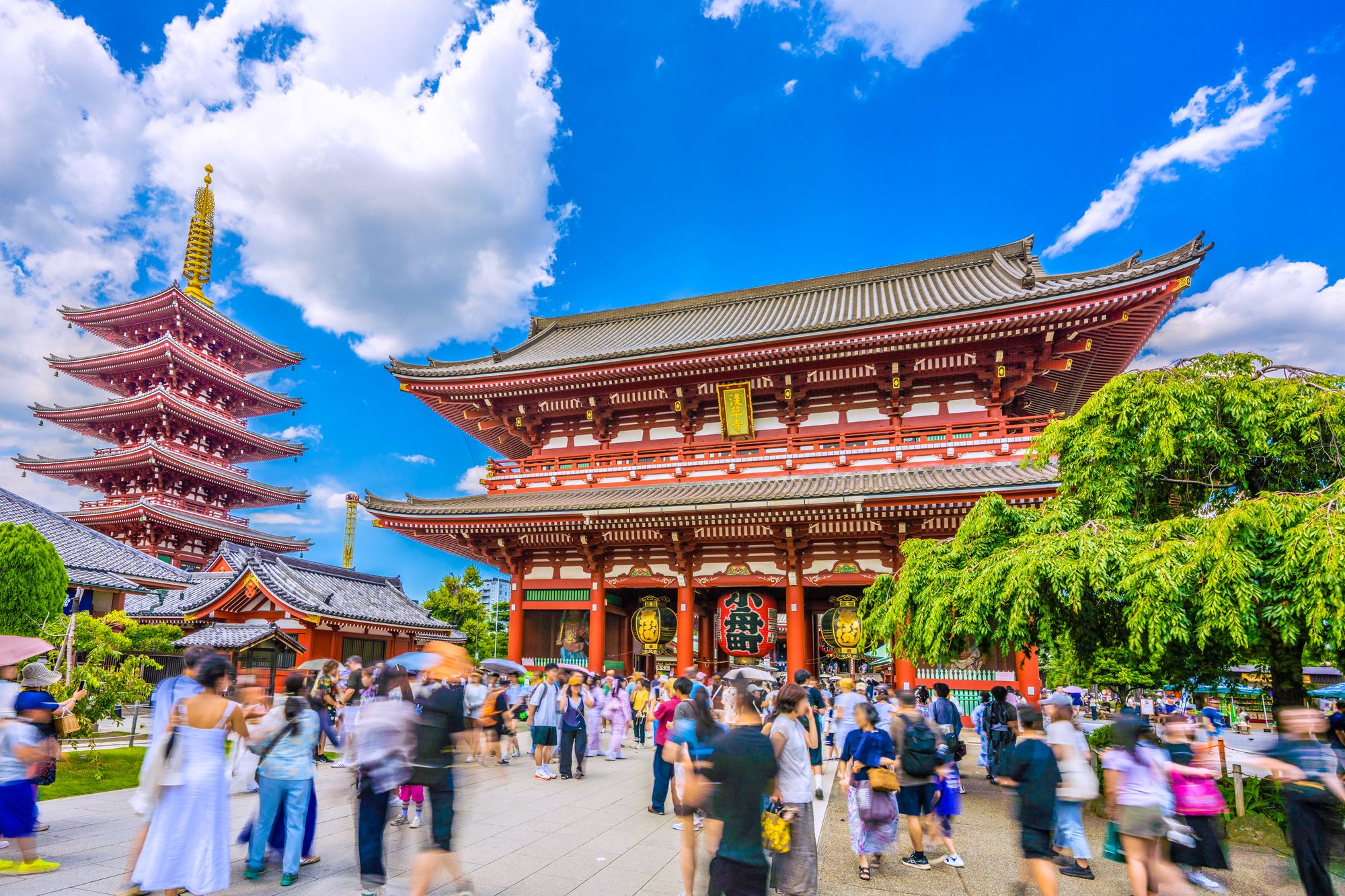
The central experience of Tokyo is its coexistence of registers. Asakusa, the city's oldest entertainment district, preserves its approach along Nakamise-dori — a lane of traditional craft and food stalls — exactly as it has for centuries, ending at the Senso-ji temple complex where the great lantern has hung since the seventh century. Twenty minutes by train, Akihabara sells seven floors of electronics, manga, and gaming culture with the same intensity. Neither is performing for tourists; both are simply doing what they do.
Tokyo's food culture is staggering in its depth. The city has more Michelin-starred restaurants than Paris, but the more honest measure of its food is the basement food halls (depachika) of its department stores, the ramen shops where a solitary chef tends a 40-year-old broth recipe, and the sushi counters where the rice temperature is calibrated to within a single degree. Eating well in Tokyo does not require money so much as intention — the cheapest options are often the most serious.
For cruise visitors docking at Tokyo International Cruise Terminal in Odaiba, the city is 30–40 minutes from the pier by rail or water taxi. That journey rewards patience: the approach by ferry across Tokyo Bay, with the Rainbow Bridge and the towers of Shinjuku on the horizon, is one of the great urban arrivals in Asia.
Top things to do in Tokyo on a cruise stopover
Senso-ji Temple and Asakusa
Senso-ji, founded in 628 AD, is Tokyo's oldest temple and one of the most visited religious sites in Japan — not as a museum piece but as an active place of worship, thick with incense smoke and the quiet rituals of daily devotees. The approach via Kaminarimon Gate and Nakamise-dori is tourist-dense but authentic: the craft and food stalls along Nakamise have operated in various forms for centuries. Beyond the main hall, the Senso-ji complex spreads into secondary shrines, pagodas, and gardens that most day visitors do not reach. Asakusa itself — the surrounding neighbourhood — retains the texture of old shitamachi (low city) Tokyo, with rickshaw pullers, traditional craft shops, and tempura restaurants that have not changed their menus since the postwar era. Arrive at opening or late afternoon for fewer crowds at the main gate.
Imperial Palace and East Gardens: The Heart of Historic Tokyo
The Imperial Palace grounds occupy 1.15 square kilometres in the geometric centre of Tokyo, on the site of Edo Castle — the fortress that was the seat of Tokugawa shogunal power for 250 years and became the imperial residence after the Meiji Restoration of 1868. The palace buildings themselves are not accessible to visitors except on two designated days per year, but the East Gardens are open daily (closed Monday and Friday) and contain the stone foundations of Edo Castle's main keep — three storey platforms of massive granite blocks from which the original five-storey tower rose before burning in 1657. The inner moat, stone bridges, and ancient pine trees create a landscape that is entirely unlike the city surrounding it: formal, quiet, and clearly occupied by a different sense of time.
Shibuya Crossing and the District Below
Shibuya Scramble Crossing is, statistically, the busiest pedestrian intersection in the world — on peak evenings, up to 3,000 people cross simultaneously in every diagonal direction when the lights change. Watching it from the second-floor windows of the Starbucks or the observation deck above Shibuya Sky is a different experience from crossing it; do both. Below and around the crossing, Shibuya operates as a department of Japanese contemporary culture: the youth fashion of Center-gai, the record shops on side streets, the food floors of Shibuya Hikarie, and the older shotengai shopping arcades that run perpendicular to the main drags. Shibuya is also where Hachiko's bronze statue stands — the Akita dog who waited at this station for his deceased owner every day for nine years.
Tsukiji Outer Market
The famous wholesale fish market moved to Toyosu in 2018, but the Tsukiji Outer Market — the surrounding retail and street food area — remained, and it remains one of the most concentrated food experiences in the city. The lanes are lined with vendors selling tamago sushi, grilled scallops, tamagoyaki, fresh oysters, sea urchin on rice, and every conceivable form of pickled and cured seafood. The best approach is a slow walk with no agenda: eat what looks good, buy nothing that requires refrigeration, and ignore the queues for name-brand stalls in favour of the smaller operators. Morning — by 9am — is the ideal time; many stalls close by early afternoon.
Tokyo's Ancient and Ultra-Modern: Reading the City's Contrasts
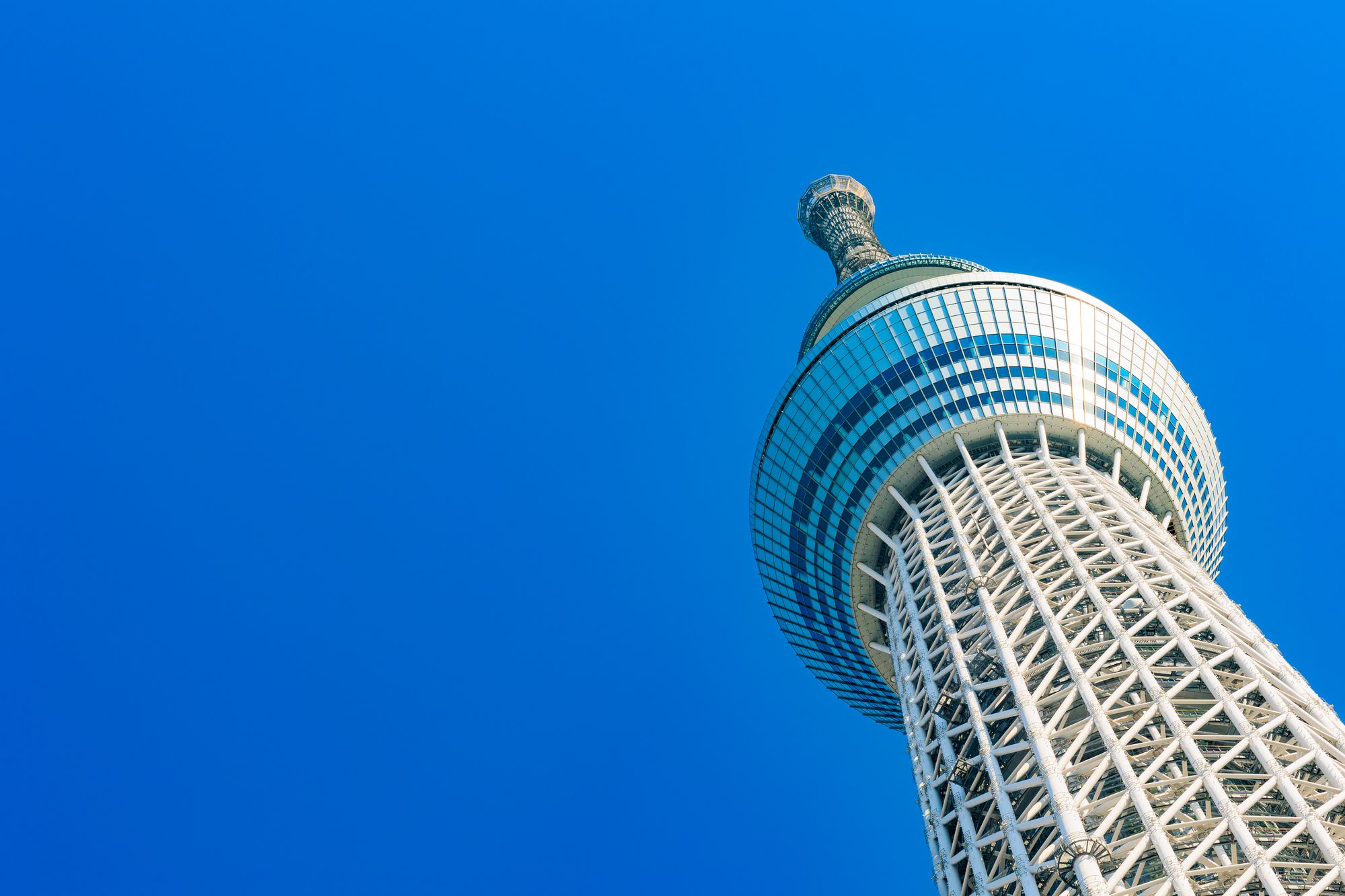
Tokyo's character is defined by its refusal to resolve the tension between old and new. Within a single walk from Asakusa to the Sumida River, visitors move between the 7th-century Buddhist pilgrimage tradition of Senso-ji, the Skytree's 634-metre observation deck, a riverside market selling dried sardines, and a high-concept coffee shop with a barista using Aeropress and a spectrophotometer — all within 20 minutes' walking. This compression of eras is not accidental: Tokyo has been rebuilt from scratch multiple times (the 1923 earthquake, the 1945 firebombing, and the rapid postwar growth of the 1960s each remade large portions of the city), and each rebuilding layered a different aesthetic register over what survived. Reading the city means noticing the grammar of these layers: a surviving merchant house from the Meiji era sitting below a Showa-period office block beside a Heisei-period pedestrian bridge.
Nakamise Shopping Street and the Craft Tradition of Asakusa
The 250-metre approach to Senso-ji through Nakamise-dori is lined with approximately 90 small shops selling a range of goods from straightforwardly touristic to genuinely traditional. The more interesting end of the spectrum includes: ningyo-yaki (small sponge cakes moulded in the shape of Senso-ji's Thunder Gate and filled with red bean paste), traditional hair ornaments (kanzashi) for kimono dressing, folding fans, wooden sandals (geta), and hand-painted tenugui (cotton towels used as wrapping cloths and wall hangings). Beyond Nakamise, the Kappabashi district — Japan's professional kitchen supply area — extends north through a neighbourhood of shops selling lacquerware, ceramic teapots, bamboo steamers, and the exquisite plastic food models (sampuru) that display in restaurant windows across Japan.
Tokyo travel tips
Get a Suica Card as Soon as You Clear the Pier. A Suica IC card is the single most useful object you can carry in Tokyo. Loaded with yen, it works on virtually every train, subway, and bus line in the city, eliminating the need to buy individual tickets or decipher fare tables. It also works at convenience stores (7-Eleven, FamilyMart, Lawson), many vending machines, and an increasing number of restaurants. Load it at any JR East machine using cash or a card. The card requires a ¥500 deposit, refundable when you return it. Most smartphones now support Suica via Apple Pay or Google Pay if you set it up before travel.
Convenience Stores Are Genuinely Good for Meals. Japanese convenience stores — 7-Eleven, Lawson, and FamilyMart — operate at a quality level that has no equivalent elsewhere in the world. Onigiri (rice balls), sandwiches, hot steamed buns, cold soba, hot noodle soups, and prepared bentos are all made fresh multiple times daily and cost ¥150–600. During a short day ashore, picking up breakfast or a snack from a konbini (convenience store) is both efficient and genuinely satisfying. Avoid carrying hot and cold items in the same bag, as staff will separate them automatically — a useful courtesy.
Book teamLab Well in Advance. Both teamLab Planets and teamLab Borderless require timed-entry tickets that sell out days or weeks ahead on peak periods — cherry blossom season (late March to early April) and Golden Week (late April to early May) in particular. Check the teamLab website immediately upon booking your cruise and purchase tickets for your expected port day. teamLab Planets in Toyosu is geographically close to the cruise terminal area, making it a logical first stop before heading into central Tokyo.
Carry Some Cash — Japan Is Not Cashless. Despite the growing presence of card terminals, cash remains essential in Tokyo for: neighbourhood ramen shops, older tempura restaurants, many temple souvenir stalls, taxi surcharges, coin-operated lockers at stations, and any establishment displaying a hand-written menu. Withdraw yen at 7-Eleven ATMs (internationally compatible and available around the clock) or Japan Post ATMs at post offices. Avoid currency exchange counters at tourist sites. Having ¥10,000 in small notes (¥1,000 and ¥5,000 denominations) covers most situations.
Use Coin Lockers to Move Freely. Coin-operated luggage lockers (coin rokkaa) are available at almost every major Tokyo train station and cost ¥300–700 per day depending on size. If you have bags from the ship — a daypack, a shopping bag from earlier — depositing them at Shimbashi or Asakusa station lets you move freely through the city without carrying weight. Pay with Suica at the newer automated lockers; older ones take only coins. Keep the locker receipt or note the locker number.
The Ferry from Odaiba Is Slower But Worth It. Tokyo Water Bus (Tokyo Cruise) operates services between Hinode Pier (near Hamamatsucho, easily reached from the cruise terminal by the Yurikamome) and Asakusa, passing under bridges and alongside the working waterfront. The journey takes approximately 50 minutes and costs around ¥860. It is slower than the train but offers a perspective on Tokyo's geography — the bay, the river, the relationship between water and city — that is genuinely different from the rail view. Consider it for the return journey to the ship in the late afternoon, when the light on the river is good.
Port Facts Every Cruiser Needs To Know
Tokyo shore excursion FAQs
Most large cruise ships dock at Tokyo International Cruise Terminal (Aomi Passenger Terminal) in the Odaiba waterfront district, Koto-ku. Odaiba is approximately 10 km from Shinjuku and 12 km from Asakusa. The Yurikamome automated monorail connects Telecom Center station (near the terminal) to Shimbashi on the JR Yamanote Line in about 25 minutes (¥400). The Rinkai Line (Tokyo Waterfront Area Rapid Transit) from Tokyo Teleport station reaches Osaki in about 20 minutes, connecting to the Yamanote Loop. A seasonal Tokyo Cruise ferry also operates to Hinode Pier and Asakusa, taking 30 and 80 minutes respectively. Allow 30–40 minutes from ship to the first central Tokyo destination regardless of transport choice.
Several key Tokyo attractions have moved to timed-entry ticketing and should be booked in advance. teamLab Planets and teamLab Borderless both require advance online booking and frequently sell out. The Skytree observation deck and Shibuya Sky both offer walk-up tickets but queues can be 30–60 minutes on busy days; online booking is faster. Senso-ji, Meiji Shrine, Yoyogi Park, and Tsukiji Outer Market require no reservation. Most popular ramen shops and sushi counters do not take reservations and operate on queuing systems — expect 15–45 minutes for well-regarded spots during meal hours.
Tokyo is among the safest large cities in the world by any measure — violent crime against tourists is extremely rare. Navigation without Japanese is manageable but requires some preparation. Download Google Maps offline for the Tokyo area before arrival; the transit routing is accurate for trains and subways, and walking directions include landmarks. Google Translate's camera feature reads Japanese menus and signs in real time via your phone camera. Major stations have English-language maps and staff at information desks who understand basic English queries. Station names and most train lines are romanised on platforms and in carriages.
Tokyo's culinary range is difficult to overstate. For a day visitor, the most accessible and honest options are: Tsukiji Outer Market for fresh seafood and street food (morning only); any neighbourhood ramen shop for lunch (point to the menu item or use a vending machine ticket system); a department store basement food hall (depachika) for prepared foods and Japanese sweets; and a standing sushi counter (kaiten-zushi conveyor belt, or a simple counter restaurant) for dinner before returning to the ship. Conveyor-belt sushi (kaiten-zushi) chains like Sushiro and Kura are inexpensive, high-quality, and operated with touch-screen ordering that requires no Japanese. Budget ¥800–2,000 for a full meal at most non-tourist-facing restaurants.
Japanese social conventions are specific and worth understanding in advance. On trains and subways: no phone calls; keep your voice low; priority seating near doors is for elderly passengers, pregnant women, and those with disabilities — vacate it without being asked. When entering restaurants, wait to be seated rather than choosing your own table. At shrines and temples, bow briefly before entering the main hall; at Shinto shrines, the hand-washing ritual (temizuya) at the water basin near the entrance is performed by rinsing left hand, right hand, mouth (with your own hand, not directly from the ladle), and ladle handle. Remove shoes before entering any space where floor-level cushions are used — look for the step up and the absence of shoes near the entrance.
Shibuya is dense, energetic, and self-explanatory in the best possible way. The Scramble Crossing is immediately adjacent to Shibuya Station's Hachiko exit — you cannot miss it. Beyond the crossing, Shibuya rewards wandering: the covered shotengai arcades running south of the station, the record and book shops on Udagawa-cho, the food floors of Hikarie, and the younger retail streets of Center-gai and Ameya-yokocho are all within a 15-minute walk. Shibuya Sky, the rooftop observation deck of the Scramble Square building, offers a direct aerial view of the crossing and the broader city skyline — book timed-entry tickets in advance. The area is most atmospheric in the late afternoon and early evening when Tokyo's shift-change crowds fill the streets; it is also fine in the morning for less frenetic exploration.
International Visa and Mastercard cards are increasingly accepted at larger shops, department stores, chain restaurants, and convenience stores, but Japan has a meaningful number of cash-only establishments — particularly smaller neighbourhood restaurants, older market stalls, and some transit options. The most reliable ATM network for international cards is 7-Eleven (Seven Bank ATMs), which explicitly displays English-language instructions and accepts most international cards with a Visa/Mastercard/Maestro network logo. Japan Post ATMs at post offices are also reliable. Withdraw yen at one of these rather than relying on finding a compatible ATM during the day.
Yanaka is a low-rise residential neighbourhood in Taito-ku that largely escaped wartime bombing and subsequent redevelopment, preserving a street pattern and architecture more typical of early 20th-century Tokyo than the gleaming steel of the rebuilt city. The Yanaka Ginza shopping street is a narrow shotengai of family-run shops selling senbei, tofu, pickles, and sundries to local residents. The adjoining Yanaka Cemetery is an enormous and surprisingly pleasant public green space containing the graves of various historical figures and serving as a park during cherry blossom season. Yanaka pairs well with Asakusa — the two are about 2 km apart and connected by the pleasant walk along the Yanesen neighbourhood. It suits travellers who prefer the texture of ordinary urban life to landmark destinations.
Tokyo's climate is temperate with four distinct seasons. Spring (March–May) is mild (10–18°C) with cherry blossoms in late March to early April — pack a light jacket for morning and evening. Summer (June–August) is hot and humid (28–35°C) with the rainy season in June; breathable fabrics and a compact umbrella are essential. Autumn (September–November) is ideal — cool, dry, and comfortable (15–22°C). Winter (December–February) is cold and clear (3–10°C); a proper coat, gloves, and layers are necessary. Comfortable walking shoes are important in all seasons — Tokyo involves more walking than most visitors expect, and cobbled or uneven surfaces appear in older neighbourhoods and temple precincts.
Tokyo's rail network is legitimately complex — multiple overlapping operators (JR East, Tokyo Metro, Toei, private railways) with different fare structures and ticketing. The practical solution is a Suica IC card (loaded with cash), which works across all operators without requiring you to understand which company runs which line. You tap in, ride, and tap out; the correct fare is automatically deducted. Google Maps handles routing accurately: enter your destination in English, select 'Transit', and follow the platform and line directions. Signs at major stations like Shinjuku, Shibuya, Ueno, and Shimbashi are romanised. If genuinely lost, station staff at the information windows (green uniforms for JR East; blue for Tokyo Metro) respond well to a destination written on paper or shown on a phone screen.
Filters
Select a filter to refine results.
Tour Type
Tour Activity
 Cart
Cart
 USD
USD GBP
GBP AUD
AUD EUR
EUR CAD
CAD