



Tours in Auckland



Cruising to Auckland in a group?
Skip the crowded ship excursion bus. One dedicated planner will design a private shore experience around exactly what your group wants — coordinated from first enquiry to the moment you're back on board. More memorable, more flexible, and more affordable than you might expect. Spend less time organising, more time enjoying.
Explore Group Travel →Cruising to Auckland
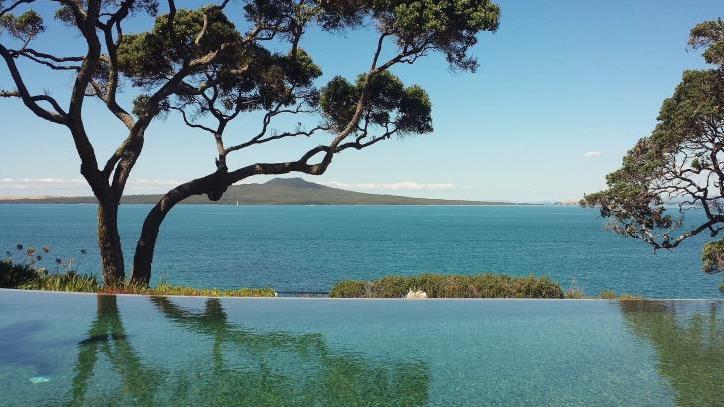
Auckland occupies one of the world's more geologically unusual urban sites — a narrow isthmus between two harbours, punctuated by roughly 50 volcanic cones that have been shaped by both Maori earthworks and colonial fortifications. The city is New Zealand's commercial and cultural centre, home to around a third of the country's population, and serves as the main arrival point for most international visitors. The waterfront around Viaduct Harbour and the downtown ferry terminal is lively throughout the day, and the Sky Tower provides a reference point from almost anywhere in the central city. Within 45 minutes of the port, the terrain shifts dramatically: the Waitakere Ranges carry ancient kauri forest that spills onto black sand surf beaches at Piha and Muriwai. North of the city, the Matakana region offers cellar doors and artisan producers. Auckland rewards both visitors who stay close to the waterfront and those who venture into its surprisingly varied hinterland.
Top things to do in Auckland on a cruise stopover
Auckland City Centre — Sky Tower, Viaduct Harbour, and the Waterfront
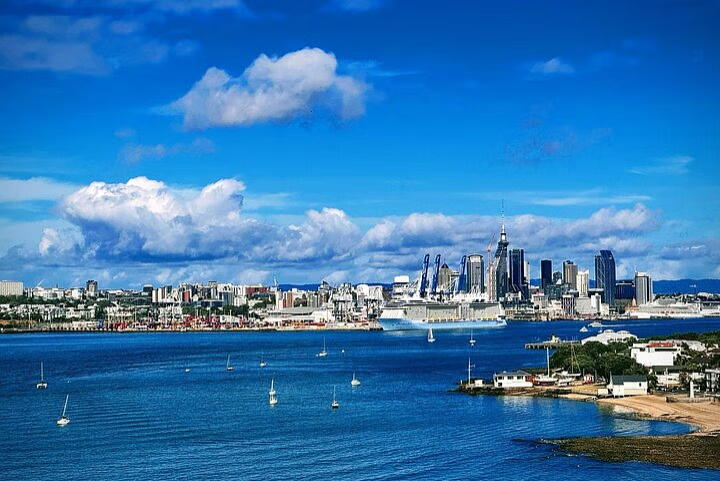
Auckland's central waterfront has been substantially redeveloped, and the area between Queens Wharf and Viaduct Harbour now functions as a lively public space as much as a working port. Heritage warehouses converted to restaurants and galleries, the pedestrianised waterfront promenade, and the working ferry terminal are all within easy reach of the cruise berths. The Sky Tower, at 328 metres the tallest freestanding structure in the Southern Hemisphere, remains the city's defining landmark — its observation decks provide a comprehensive orientation to the harbour, the volcanic field, and on clear days the Waitakere Ranges to the west. The nearby Auckland Museum in the Domain offers the city's most thorough introduction to Maori history and New Zealand's natural heritage.
Auckland's Inner Neighbourhoods — Ponsonby, Parnell, and the Domain
Beyond the CBD waterfront, Auckland's inner suburbs each carry a distinct character worth exploring. Ponsonby Road, about 2 kilometres from the port, is lined with independent restaurants, boutiques, and cafes that reflect the city's multicultural population and relaxed urban energy. Parnell, one of Auckland's oldest suburbs, retains colonial-era architecture alongside galleries and specialty shops. The Auckland Domain — the city's oldest park — sits at the edge of Parnell, with the Auckland War Memorial Museum at its summit providing a powerful introduction to both Maori culture and New Zealand's national story. All three are reachable on foot or by frequent inner-city bus.
Auckland's West Coast — Piha, Muriwai, and the Black Sand Beaches
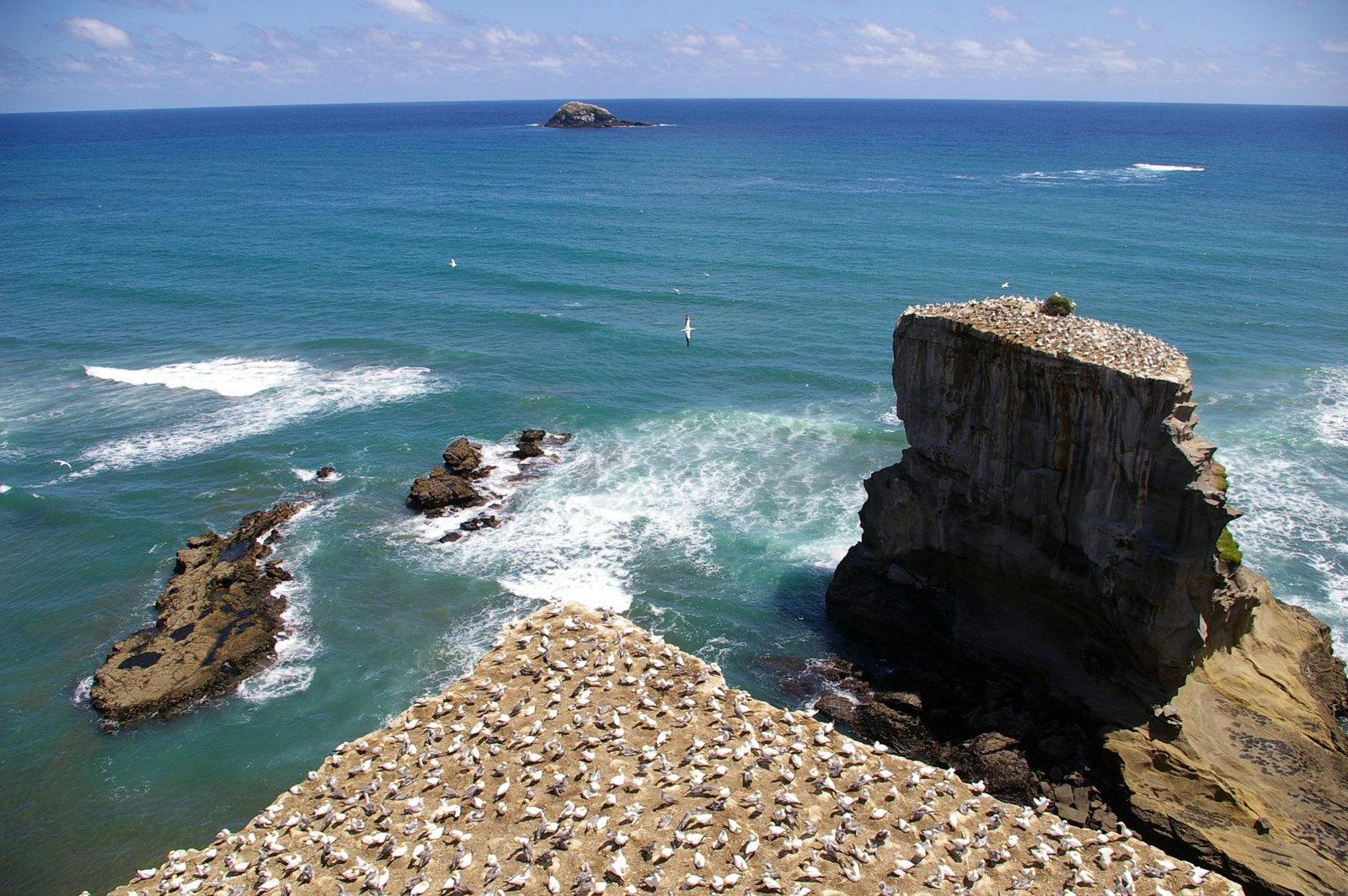
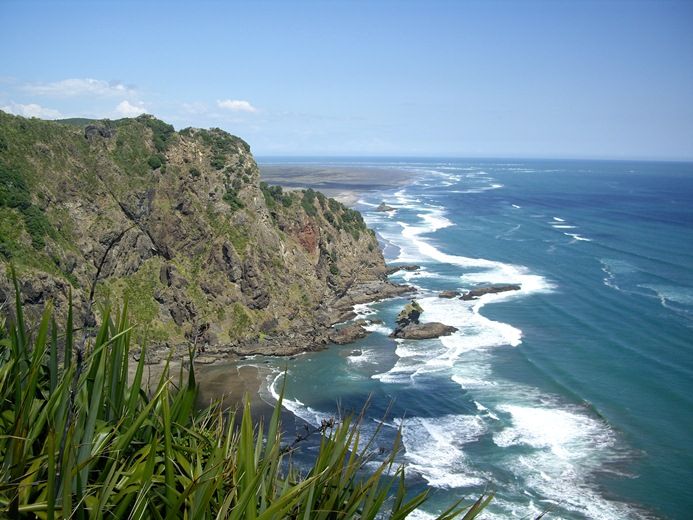
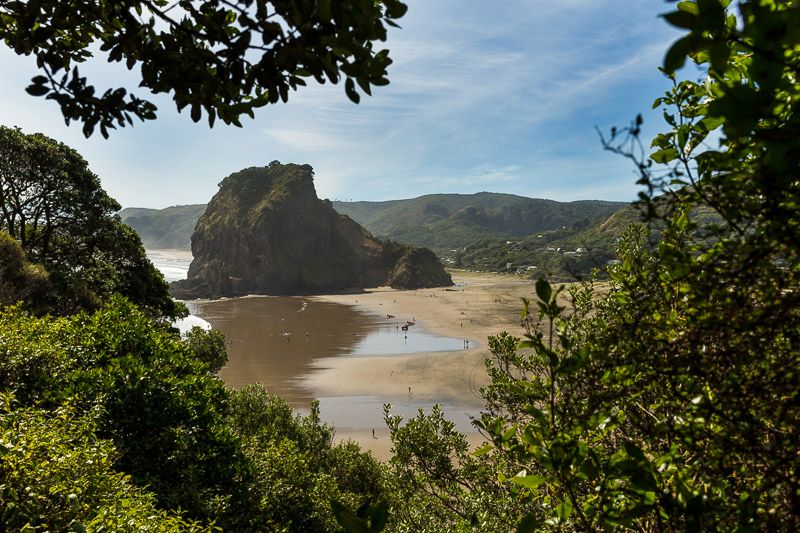
The Tasman Sea coast west of Auckland is dramatically different from the sheltered harbour. Black iron-sand beaches backed by steep, forested headlands begin about 40 kilometres from the city. Piha is the most famous — a surf beach dominated by Lion Rock, a 101-metre basalt stack rising from its centre. Muriwai, further north, supports a gannet colony of several thousand birds nesting on cliff edges just metres from a public viewing platform; the spectacle of gannets launching into the Tasman updrafts is one of New Zealand's more arresting wildlife moments. The surf on this coast is powerful and cold year-round — this is a coast for walking, observing, and photography rather than casual swimming.
Kumeu Wine Country — New Zealand's Closest Wine Region to a Major City
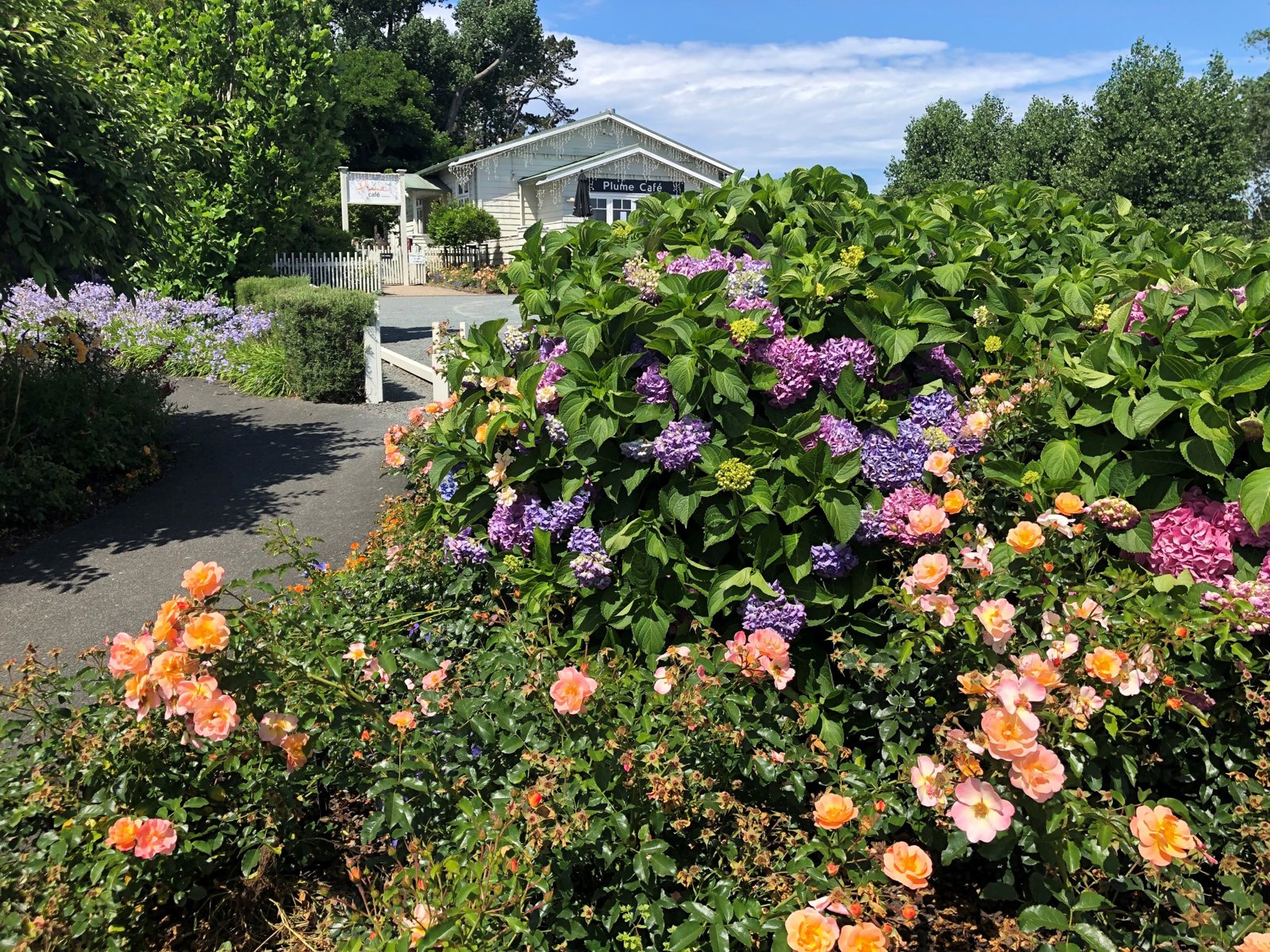
The Kumeu district, roughly 25 kilometres northwest of Auckland, is one of New Zealand's oldest wine-producing areas. Families have been farming grapes here since the mid-20th century, and the maritime climate suits chardonnay, pinot gris, and some red varieties particularly well. Several cellar doors are open for tastings throughout the working week, and the surrounding countryside — rolling farmland, orchard properties, and occasional stands of native bush — makes the drive from the city pleasant in its own right. Visiting a working winery of this calibre within an hour of a cruise port is a combination that few New Zealand destinations can match.
Waitakere Ranges — Ancient Kauri Forest on the City's Western Edge
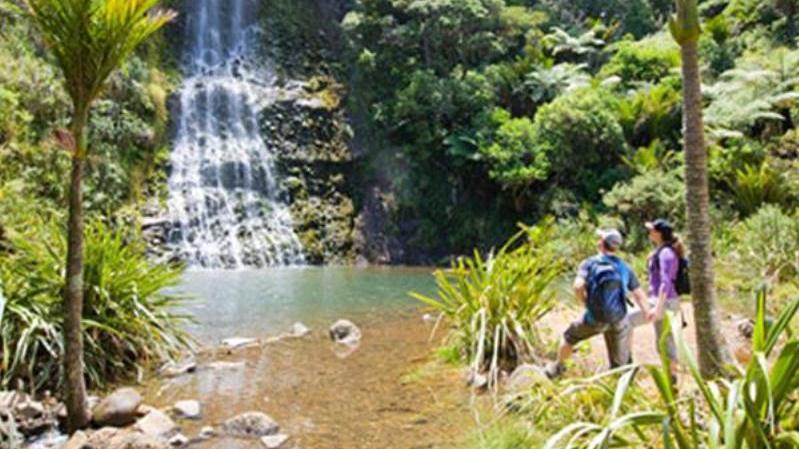
The Waitakere Ranges form a forested ridge immediately west of Auckland, protecting one of the last significant stands of kauri trees accessible from a major New Zealand city. Kauri are among the world's largest trees by volume — ancient individuals in the Waitakere forest are centuries old, with trunks that dwarf surrounding vegetation. The Arataki Visitor Centre at the range's edge provides an excellent introduction to the ecology and Maori significance of the forest. Walking tracks through tree ferns and native birds branch from several road ends. Kauri dieback disease has led to track closures in some areas; biosecurity protocols including shoe cleaning stations should be followed at every trailhead.
Auckland's Volcanic Landscape — Cones, Craters, and Panoramic City Views
The Auckland Volcanic Field comprises around 50 individual volcanoes of varying sizes, many of them grassed summits rising unexpectedly from the urban fabric. Maungawhau (Mount Eden) is the highest at 196 metres and one of the most visited, with a deep grassed crater and unobstructed 360-degree views over both harbours and the city below. Maungakiekie (One Tree Hill) preserves some of the most extensive Maori terraced earthworks visible in Auckland, and the neighbouring Cornwall Park operates as a working farm within the suburb. Across the harbour, North Head at Devonport — reachable by ferry — offers harbour views and a network of former military tunnels open for exploration.
Auckland travel tips
Walk from the Port — the City Centre is Immediately Accessible. Auckland's cruise terminals sit in the heart of the CBD. The Sky Tower, Viaduct Harbour, Queen Street, and the downtown ferry terminal are all within 10–15 minutes on foot. There is no need for transport to reach central attractions, and the waterfront walk between Queens Wharf and Viaduct Harbour is clearly signposted and pleasant. Downloading the AT (Auckland Transport) mobile app before arriving makes public transport intuitive if venturing into the inner suburbs.
Take the Devonport Ferry for an Easy Independent Half-Day. The Devonport ferry departs from the downtown terminal — a short walk from the cruise berths — and crosses to a village of Victorian architecture, galleries, and cafes in 12 minutes. North Head volcano and Mount Victoria are both walkable from the Devonport wharf and provide striking harbour views back toward the city skyline. Ferries run frequently throughout the day, making this a flexible and very manageable independent addition to any Auckland itinerary.
West Coast Timing Is Critical. Piha and Muriwai beaches and the Waitakere Ranges walking tracks each require 45–60 minutes of driving each way from the port. For ships with a late-afternoon all-aboard time, this is manageable. For shorter port calls, the transit time leaves very limited time at the destination itself. Check the ship's all-aboard time carefully before committing to a west coast itinerary, and build in a buffer for the return journey.
New Zealand's UV Index is Higher Than Most Visitors Expect. New Zealand sits below a thinned area of the ozone layer, and UV levels are significantly higher than at equivalent latitudes in the northern hemisphere. Even on overcast summer days in Auckland, UV radiation can reach extreme levels. Sunscreen rated SPF 50, a brimmed hat, and sunglasses are practical necessities rather than optional precautions, particularly on exposed volcanic summits or west coast beaches.
Auckland Museum for Maori Culture and New Zealand Context. The Auckland War Memorial Museum (Te Papa Whare Taonga o Tāmaki Paenga Hira) in the Auckland Domain is the city's most comprehensive single introduction to Maori history, Pacific cultures, and New Zealand's natural environment. Entry carries a fee for international visitors. The museum's Maori collection includes carved meeting houses and significant taonga (treasures), and cultural performances run at scheduled times throughout the day. The Domain is about 2 kilometres from the cruise terminal, reachable by bus or on a pleasant walk through Parnell.
Follow Kauri Dieback Protocols in the Waitakere Ranges. Kauri dieback is a soil-borne disease threatening New Zealand's ancient kauri trees, and the Waitakere Ranges is one of the most affected areas. Shoe-cleaning stations are positioned at all track entrances and their use is compulsory — scrubbing footwear thoroughly before and after walking removes soil that can carry the pathogen. Some tracks have been permanently closed to protect remaining trees. Check the Auckland Council website before visiting for current track status, as closures can change.
Port Facts Every Cruiser Needs To Know
Auckland shore excursion FAQs
Most cruise ships berth at Princes Wharf or Queens Wharf, both located directly on Auckland's central waterfront. Both terminals are within comfortable walking distance of the main CBD attractions, the ferry terminal, Viaduct Harbour, and Queen Street. The Sky Tower is clearly visible from the wharf.
A full ship day of 7–9 hours is adequate for either a thorough exploration of the city centre and inner suburbs or one significant regional excursion — but generally not both comfortably. Visitors who stay central can cover the waterfront, the Sky Tower, a volcanic summit, and an inner neighbourhood in a well-planned day. Adding the west coast beaches or wine country requires making an either/or choice with the city.
Waiheke Island ferries depart from the downtown terminal, roughly a 10-minute walk from the cruise berths, with the crossing taking 35 minutes. Waiheke has a local bus service connecting its main settlements. However, the return journey means visitors typically need at least 4–5 hours on the island to make it worthwhile, so this excursion is best suited to ships with longer Auckland port calls of 9 or more hours.
Maungawhau (Mount Eden) is the highest of Auckland's volcanic cones at 196 metres and offers a free, open-air 360-degree panorama over both harbours, the city, and the Waitakere Ranges on a clear day. It is reachable by bus from the city centre. The Sky Tower provides a similar but paid experience from a higher vantage point with weather protection.
The black sand beaches of the west coast — Piha, Muriwai, and Karekare — are exposed to Tasman Sea swell and have powerful, unpredictable rip currents. Lifeguards patrol Piha and Muriwai during the summer season and on weekends, and patrolled zones are marked with red-and-yellow flags. Visitors without experience of surf beach conditions should swim only in flagged areas and exercise significant caution.
Te reo Maori is New Zealand's indigenous language and one of its three official languages. Visitors will encounter it in place names, on public signage, and increasingly in everyday conversation throughout Auckland. The Auckland Museum holds the city's most comprehensive Maori collection, including carved meeting houses and significant cultural treasures, along with regular daytime cultural performances.
Public transport works well for the central city, inner suburbs, Devonport ferry, and the train network. Outer destinations — west coast beaches, Kumeu wine country, and rural areas north or west of the city — have very limited or no public transport connections and are much better suited to organised excursions or day trips that include transport. The AT HOP card, available from convenience stores near the terminal, provides discounted fares across all public transport modes.
Auckland's food culture reflects both its multicultural population and its proximity to outstanding seafood, dairy, and produce. New Zealand green-lipped mussels, fresh fish, and Bluff oysters (in season, May–August) appear on menus throughout the waterfront area. The city's Pacific Island and Asian communities have shaped a diverse restaurant scene, and the Viaduct Harbour and Wynyard Quarter concentrate a high density of waterfront dining options within easy walking distance of the cruise terminals.
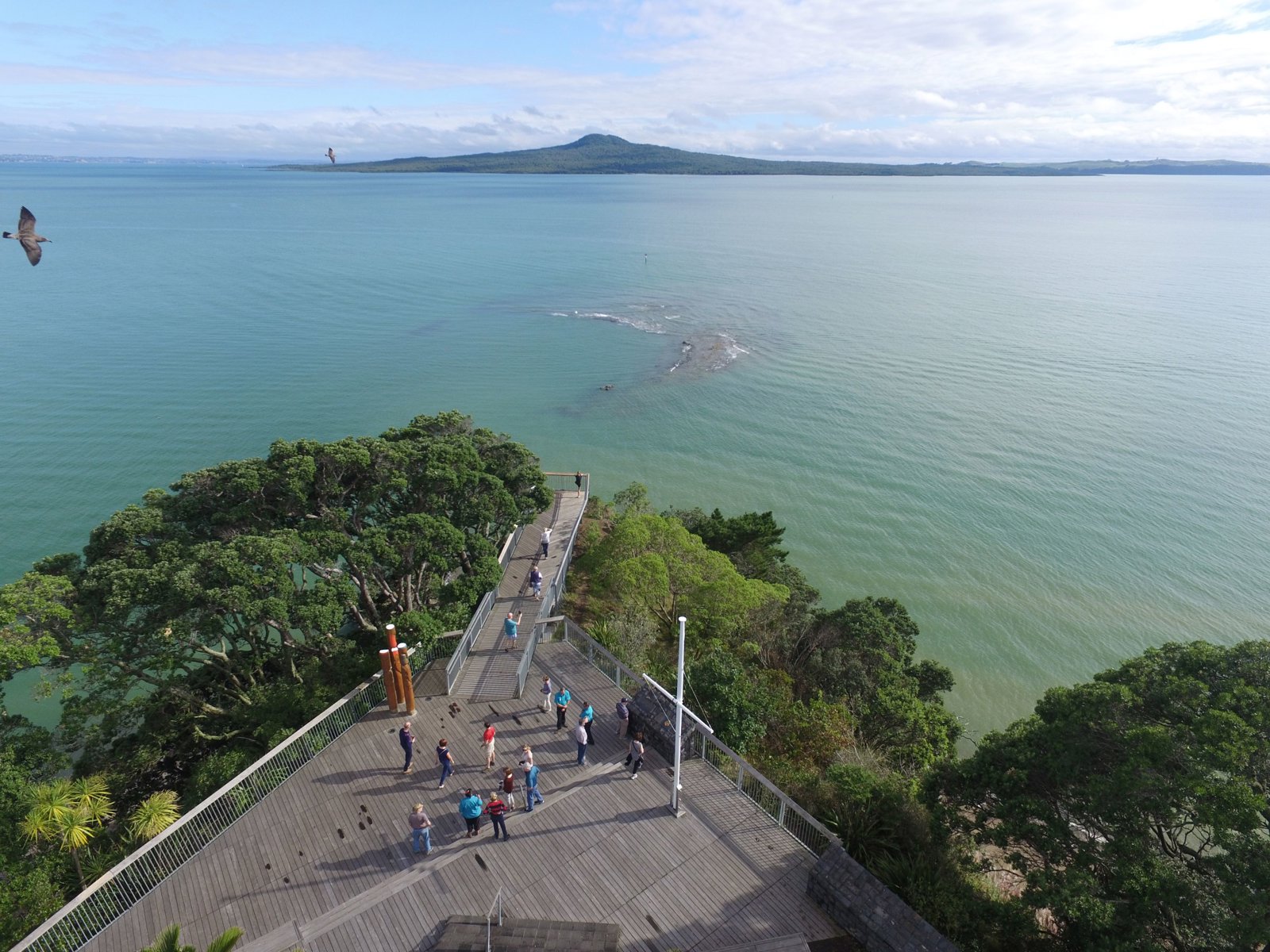
Most of Auckland's volcanic reserves are publicly accessible and free to enter. Maungawhau (Mount Eden), Maungakiekie (One Tree Hill), and several smaller cones are open public reserves. The interiors of some crater floors are fenced off to protect the landscape, but viewpoints and surrounding paths remain open. Rangitoto Island, accessible by ferry from the downtown terminal, offers a longer volcanic walk with harbour views.
Viaduct Harbour is a redeveloped former commercial port basin, now lined with restaurants, bars, and marine facilities, and home to several of New Zealand's historic America's Cup yachts. It sits a 5-minute walk from the cruise berths and serves as a natural gathering point for waterfront exploration. The area is lively throughout the day and provides a pleasant base for anyone spending time in the central city before or after other activities.
Filters
Select a filter to refine results.
Tour Type
Tour Activity
 Cart
Cart
 USD
USD GBP
GBP AUD
AUD EUR
EUR CAD
CAD