



Tours in Brisbane
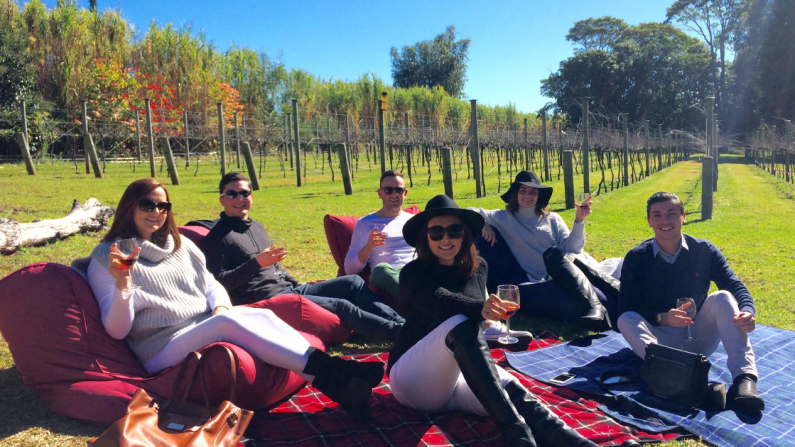


Cruising to Brisbane in a group?
Skip the crowded ship excursion bus. One dedicated planner will design a private shore experience around exactly what your group wants — coordinated from first enquiry to the moment you're back on board. More memorable, more flexible, and more affordable than you might expect. Spend less time organising, more time enjoying.
Explore Group Travel →Cruising to Brisbane
Brisbane sits on the curves of the Brisbane River, 21 kilometres upstream from Moreton Bay, and functions as both Queensland's capital and one of Australia's most accessible city destinations for cruise visitors. The riverfront South Bank precinct anchors most short visits, offering galleries, a man-made beach, botanic gardens, and a walkable esplanade within a single compact area. Older inner suburbs reward those who venture further, with laneway cafes, street art, and weekend markets reflecting the city's relaxed subtropical character. The city's story extends well beyond its riverbanks: southwest of the CBD, the Scenic Rim is a crescent of volcanic mountains, national parks, and cool-climate valleys where small-batch wineries have established themselves over the past two decades. The altitude moderates Queensland's humidity, making the region a reliable escape from the city's summer heat. Brisbane works well for visitors with half a day or a full one, with the Scenic Rim better suited to those prepared to commit the hours the drive genuinely demands.
Top things to do in Brisbane on a cruise stopover
Scenic Rim Wine Country — Boutique Vineyards on Queensland's Volcanic Highlands
The Scenic Rim is a crescent of ancient volcanic mountains and fertile valleys curving southwest of Brisbane, sheltered by the Great Dividing Range. The region's altitude — unusual for subtropical Queensland — moderates temperatures enough to support cool-climate grape varieties, and a collection of small, independently owned wineries has grown here steadily over the past two decades. Visiting producers here feels markedly different from a commercial wine trail: most operations are family-run, cellar doors are genuinely small-scale, and the surrounding landscape of rolling pastures and forested ridges is as much a part of the visit as the wine itself. The drive from Brisbane passes through towns like Boonah and the Fassifern Valley, past dairy farms, orchards, and roadside stalls that reflect the region's deeply agricultural character. For cruise visitors prepared to spend most of the day travelling, the Scenic Rim offers a Queensland experience that has little in common with the coast.
South Bank Parklands — Brisbane's Cultural and Riverside Hub
South Bank sits directly across the river from the CBD and functions as Brisbane's primary public gathering space, with the state's major cultural institutions — the Queensland Art Gallery, Gallery of Modern Art (GOMA), Queensland Museum, and Queensland Performing Arts Centre — arranged around a series of connected riverside paths and gardens. Streets Beach, a man-made lagoon with white sand and lifeguards, operates year-round within the heart of the precinct and offers an unexpectedly genuine beach experience in the middle of the city. The walk between South Bank and the adjacent Roma Street Parkland covers most of what visitors want to see in a half-day. On weekends, a craft and food market fills the walkways beneath rain trees, adding a local dimension to the cultural draw.
Story Bridge and Kangaroo Point — River Views and a Quieter City Perspective
The Story Bridge, a cantilever steel structure completed in 1940, connects the inner suburbs of Fortitude Valley and Kangaroo Point and remains one of Brisbane's most recognisable landmarks. The sandstone cliffs at Kangaroo Point drop to the river directly beneath the bridge, offering picnic lawns, riverside paths, and elevated viewing points that frame the CBD skyline from across the water. The area is consistently quieter than South Bank and gives a more contemplative perspective on Brisbane's geography and scale. The CityCat ferry stops at Kangaroo Point, making it easy to combine with a South Bank visit without backtracking.
Lone Pine Koala Sanctuary — Australia's Oldest and Largest Koala Reserve
Established in 1927 on a riverside property about 12 kilometres southwest of the CBD, Lone Pine is the oldest koala sanctuary in Australia and home to more than 70 individuals, along with wombats, Tasmanian devils, kangaroos, and a wide range of Australian bird species. The sanctuary operates as a genuine conservation facility managed under Queensland wildlife regulations, rather than a commercial zoo. Visitors can hold a koala under supervised conditions — Queensland is one of a small number of Australian states where this remains permitted. The ferry from South Bank to Lone Pine runs on a timetable that fits comfortably within a full day ashore.
Fortitude Valley and New Farm — Inner-City Character and Independent Culture
Fortitude Valley — known locally as the Valley — sits immediately northeast of the CBD and has evolved from a former light industrial and entertainment district into one of Brisbane's most characterful urban neighbourhoods. Brunswick Street and its connecting laneways support independent restaurants, bookshops, vintage stores, and a weekend market at the Chinatown Mall. Adjacent New Farm has a leafy residential character with a strong cafe culture centred on Merthyr Road and the popular riverside New Farm Park. Together, the two suburbs give a lived-in version of Brisbane that differs substantially from the curated experience of South Bank, and both are reachable by bus or ferry from the city.
Moreton Island — Sand Dunes and Subtropical Marine Life in Moreton Bay
Moreton Island lies around 40 kilometres east of Brisbane in Moreton Bay and is accessible by fast ferry from the mainland. The island is largely national park, composed almost entirely of sand — its interior dunes reaching more than 280 metres — with four-wheel-drive tracks, walking trails, and clear-water snorkelling sites as its main draw. The wreck of the Tangalooma, a former whale-chasing vessel, lies in shallow water off the island's western coast and now supports a thriving marine community. The ferry crossing takes approximately 75 minutes each way, making this a tight but achievable option for visitors with a full day ashore and an early departure from the ship.
Brisbane travel tips
Use the CityCat Ferry as Your Main Transport Link to the City. The CityCat river ferry connects Northshore Hamilton — the nearest stop to the cruise terminal — directly to South Bank and city stops, running at frequent intervals throughout the day. It is comfortable, air-conditioned, and included on the standard Translink day pass. Purchasing a go card (the reusable transit card) at a convenience store gives a discounted fare compared to paying at the terminal. The ferry journey itself offers a useful riverside orientation to the city's layout.
Apply Sunscreen Before You Leave the Ship — Not When You Arrive. Brisbane's subtropical latitude means UV levels are high year-round, even on partly cloudy days. Sunburn develops quickly on the open esplanades of South Bank and Kangaroo Point, and most visitors underestimate how intense the Queensland sun is compared to home. Apply SPF 50+ sunscreen before disembarking, wear a hat, and carry water. Shade is available in the South Bank gardens but limited along the river walkways.
South Bank Is a Complete Half-Day Without Leaving the Precinct. Visitors with four to five hours ashore can comfortably cover South Bank, GOMA, and the Kangaroo Point cliffs without feeling rushed. The cultural institutions are clustered within a 10-minute walk of each other, entry to both art galleries is free for general collection access, and the riverside path between them is flat and easy to navigate. This is a more realistic and satisfying option than attempting to reach the Scenic Rim with limited time.
The Scenic Rim Needs an Early Start and Careful Return Planning. The drive to the Scenic Rim takes 45–60 minutes from Portside Wharf, and most cellar doors open from 10am. Visitors planning a Scenic Rim day should aim to leave the ship as early as permitted and confirm return timing against the all-aboard requirement. Traffic on the Gateway Motorway heading back towards the city on weekends can add unexpected time to the return journey — build in a buffer.
Card Payments Are Standard — Carry Minimal Cash. Brisbane is a predominantly cashless city in practice. Markets, cafes, restaurants, attractions, and retail shops almost universally accept card or contactless payment. ATMs are available at Portside Wharf, in the South Bank precinct, and throughout the CBD. A small amount of Australian cash is useful for some market stalls and older independent operators, but is generally not necessary for a normal day ashore.
Bring a Light Layer for Air-Conditioned Interiors. Queensland's subtropical heat drives aggressive air conditioning in most shops, restaurants, museums, and public buildings. During the warmer months — October through March — the contrast between outdoor heat and indoor chill can be considerable. A light cardigan or layer in a bag is worth having if you plan to spend time in the galleries and museums at South Bank, which are cooled to a noticeably cold standard.
Port Facts Every Cruiser Needs To Know
Brisbane shore excursion FAQs
Brisbane's cruise ships typically berth at the Portside Wharf terminal in Hamilton, approximately 10 kilometres northeast of the CBD. The CityCat river ferry connects the nearby Northshore Hamilton stop directly to South Bank and city stops in around 25–30 minutes, offering a scenic and practical way into the city. Local buses also link the terminal area to central Brisbane.
Credit and debit cards — including Visa, Mastercard, and most international cards — are accepted almost universally in Brisbane. Most cafes, shops, and attractions are card-only or strongly prefer it. ATMs are available at the terminal, in South Bank, and throughout the CBD for the few situations where cash is needed.
Yes. The South Bank precinct is compact, flat, and well-signposted, making it straightforward to navigate independently once you arrive by ferry. The art galleries, museum, riverside walk, and Streets Beach are all within a 10-minute walk of each other. Independent exploration works well for visitors with four to six hours ashore.
The Scenic Rim is a region of volcanic highlands and rural valleys southwest of Brisbane, known for small-batch wineries, national parks, and farmgate producers. The drive takes 45–60 minutes from Portside Wharf. It is a worthwhile day for visitors interested in a genuine countryside experience, but is not a practical half-day option given the distances involved.
Wild koalas do exist in the greater Brisbane region, particularly in some outer suburban bushland, but sightings are not reliable for day visitors. Lone Pine Koala Sanctuary, about 12 kilometres from the CBD, is the most practical option for a guaranteed encounter and is accessible by scheduled ferry from South Bank.
Brisbane has a subtropical climate with warm temperatures year-round. May through September offers comfortable, dry conditions ideal for outdoor exploration. Summer (December–February) is hot and humid, with short afternoon storms possible. High UV levels apply year-round, so sunscreen rated SPF 50+, a hat, and water are advisable regardless of season.
Streets Beach in South Bank is a man-made freshwater lagoon with white sand and lifeguards, located within the South Bank Parklands about 25–30 minutes by ferry from the cruise terminal. For ocean beaches, the Gold Coast is approximately one hour south, though timing this against the ship's all-aboard requires careful planning.
Most visitors can explore South Bank comfortably in two to three hours, including time in the art galleries, a walk along the riverside path, and a stop at one of the precinct's cafes or restaurants. Adding Kangaroo Point and the Story Bridge area extends this to around four hours. GOMA alone can absorb an hour or two for visitors with a serious interest in contemporary art.
Yes. Entry to the Queensland Art Gallery, Gallery of Modern Art (GOMA), and Queensland Museum is free for general collection access. The South Bank Parklands, Kangaroo Point cliffs, and the riverfront walkways are publicly accessible at no cost. Streets Beach is also free to use, as are most of the precinct's gardens and outdoor spaces.
Brisbane is well-suited to families. Streets Beach in South Bank is a supervised, child-friendly swimming area in the heart of the precinct. Lone Pine Koala Sanctuary offers hands-on encounters with Australian wildlife. The South Bank Parklands have open lawns and play areas, and the CityCat ferry journey itself tends to be an enjoyable experience for younger travellers.
Filters
Select a filter to refine results.
Tour Type
Tour Activity
 Cart
Cart
 USD
USD GBP
GBP AUD
AUD EUR
EUR CAD
CAD