



Tours in Christchurch (Lyttelton)


Cruising to Christchurch (Lyttelton) in a group?
Skip the crowded ship excursion bus. One dedicated planner will design a private shore experience around exactly what your group wants — coordinated from first enquiry to the moment you're back on board. More memorable, more flexible, and more affordable than you might expect. Spend less time organising, more time enjoying.
Explore Group Travel →Cruising to Christchurch (Lyttelton)
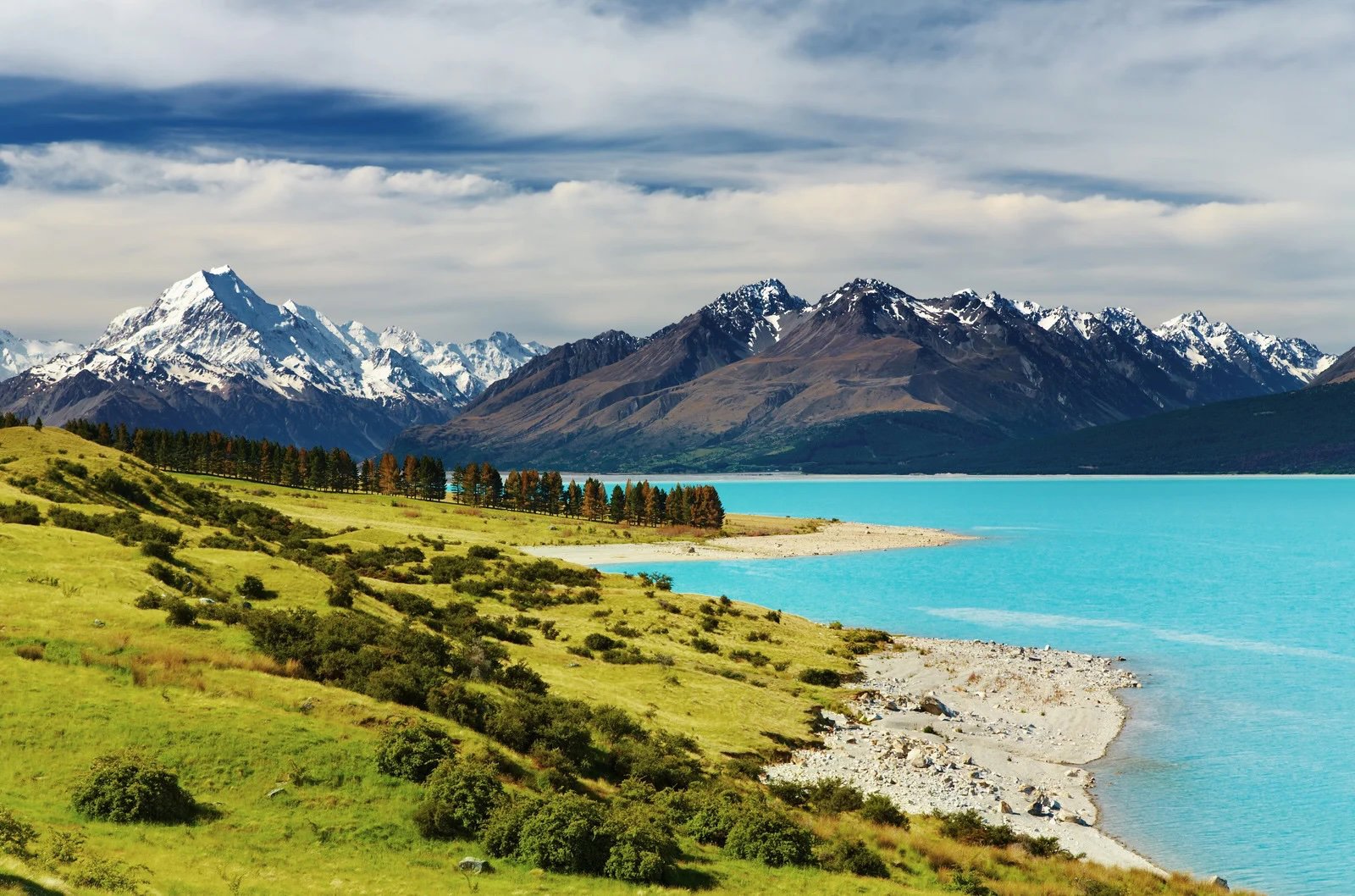
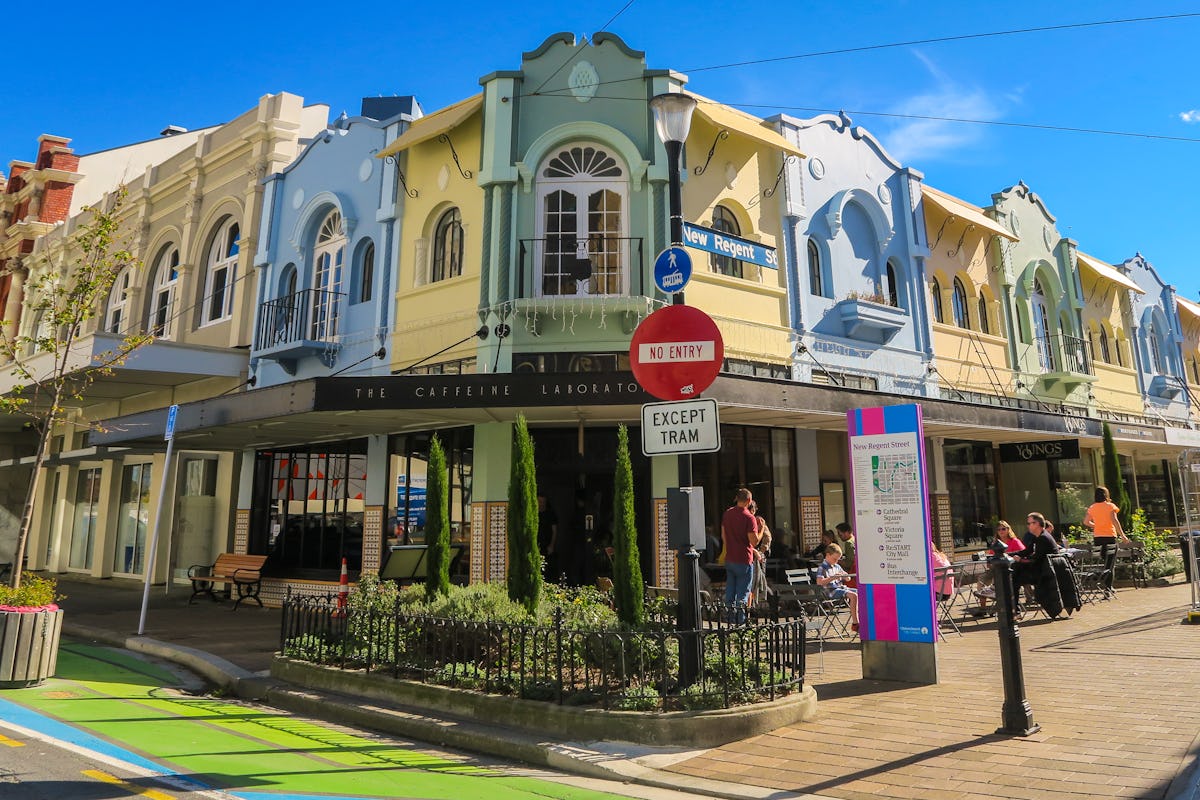
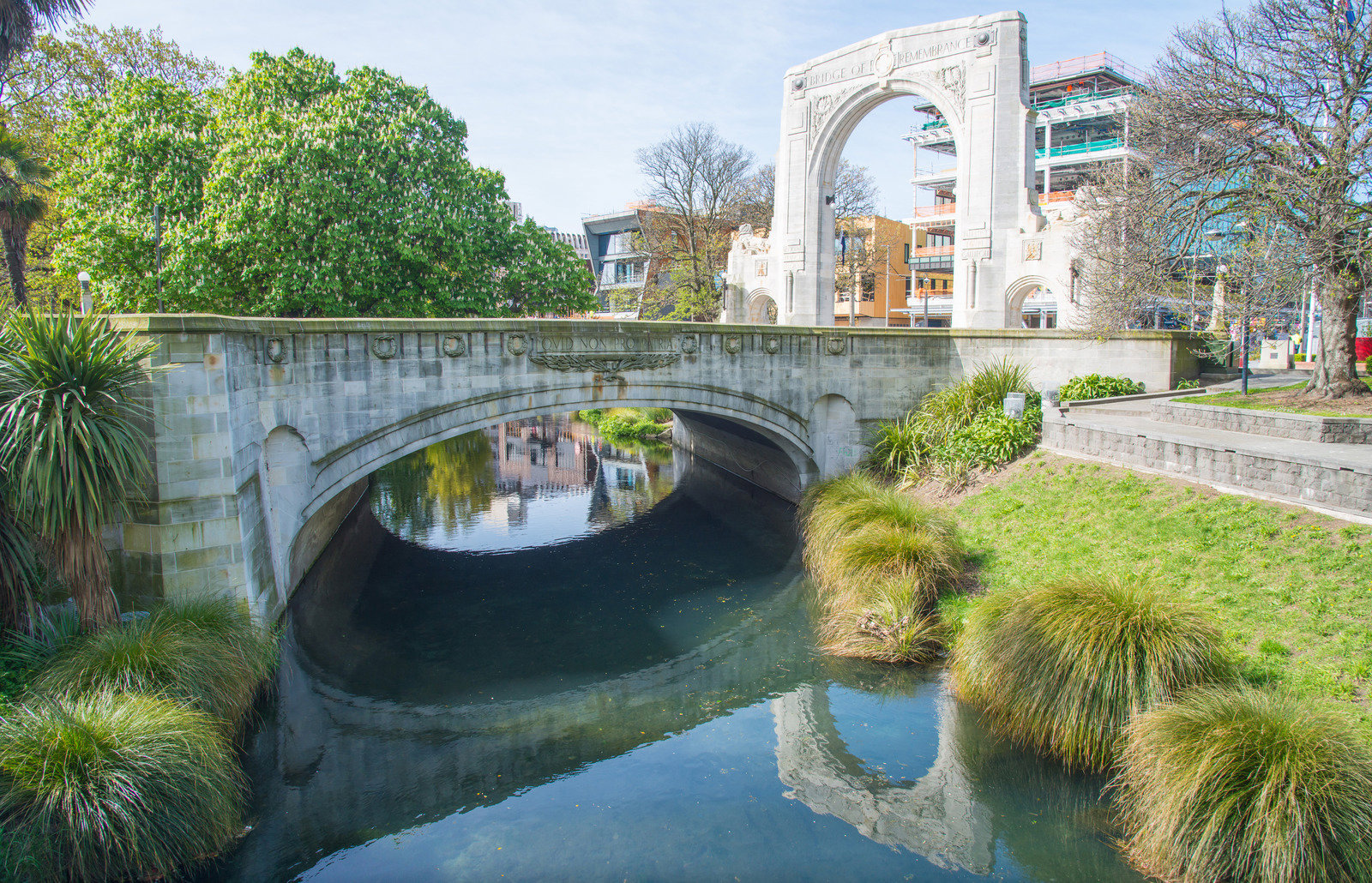
Ships berth at Lyttelton, a working port town set inside an ancient volcanic crater, separated from Christchurch by a short tunnel and the Port Hills. The city itself — New Zealand's largest on the South Island — has undergone a remarkable transformation since the devastating 2011 earthquake. Old Victorian facades have been replaced by street art, container architecture, and bold new civic buildings, yet the essentials endure: the Avon River winding through willow-fringed banks, botanical gardens of international standing, and a heritage tram circuit through the reshaped centre. Beyond the city, the options expand dramatically. The Southern Alps rise to the west, offering alpine drives through Arthur's Pass. The Waipara Valley wine country sits an hour to the north. Wildlife reserves bring kiwi and tuatara within reach, while the International Antarctic Centre reflects Christchurch's role as the gateway city for polar expeditions. Few South Island ports reward a full day ashore more generously.
Top things to do in Christchurch (Lyttelton) on a cruise stopover
Christchurch City — Heritage Tram, Punting on the Avon, and the Gondola
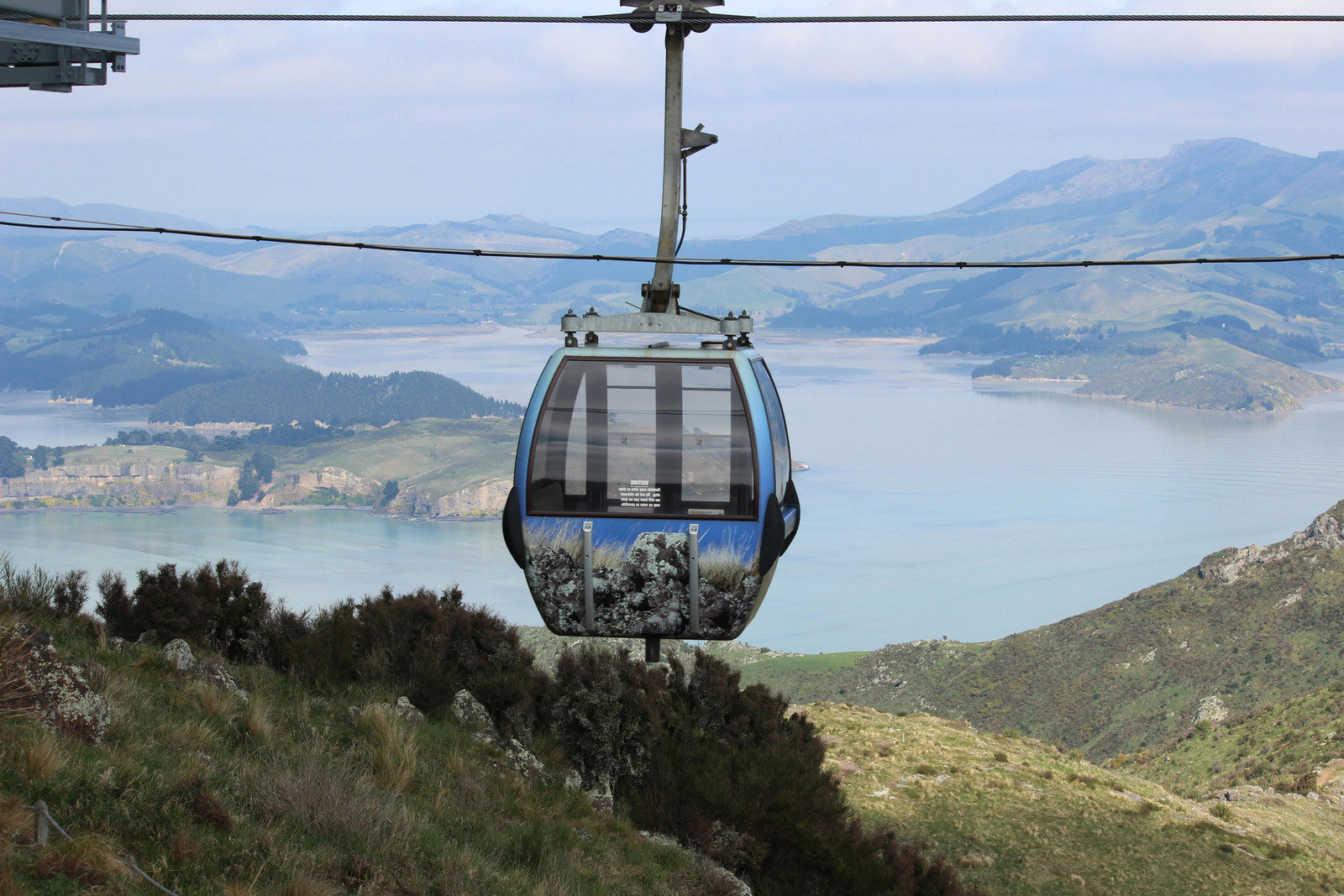
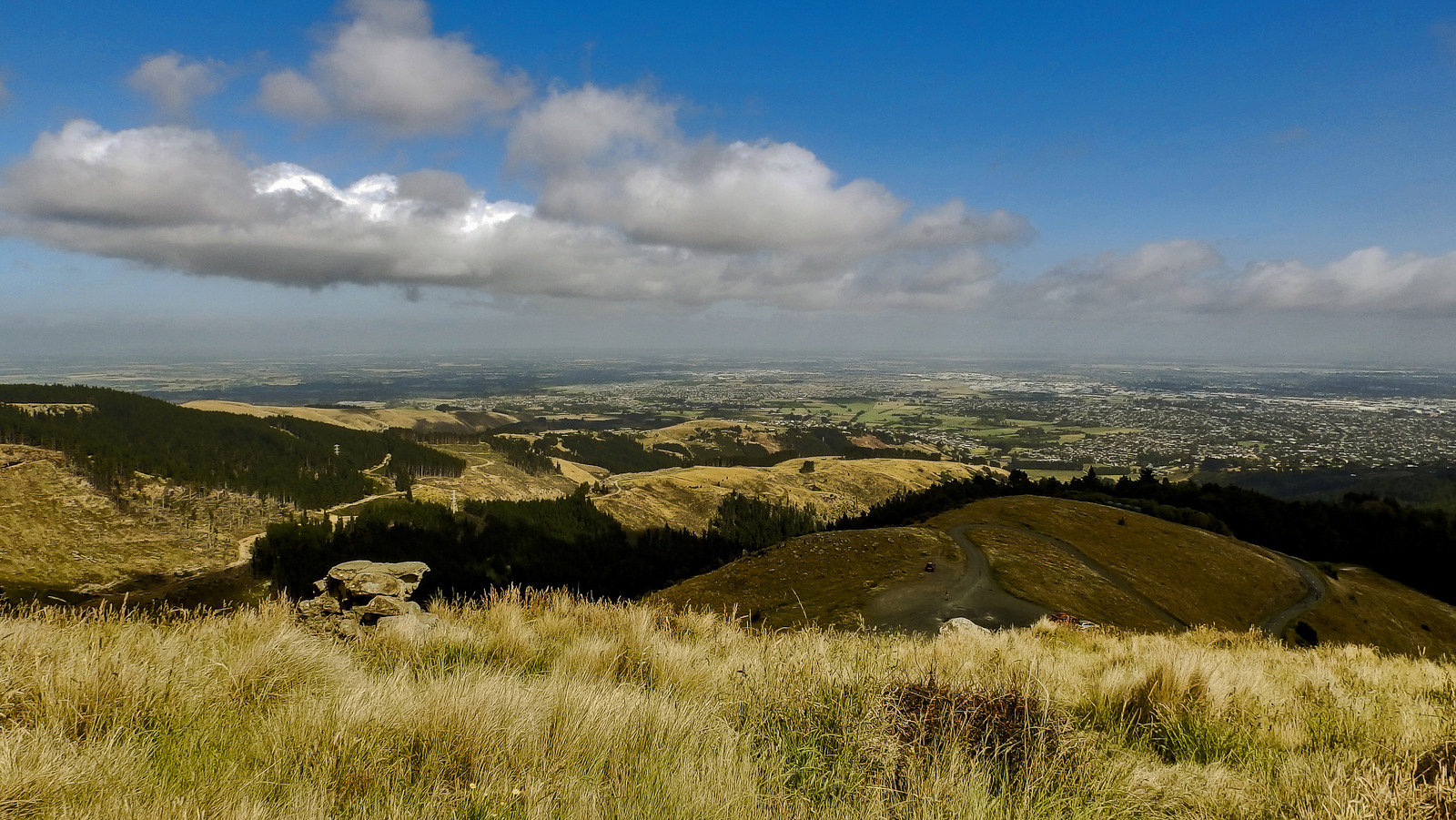
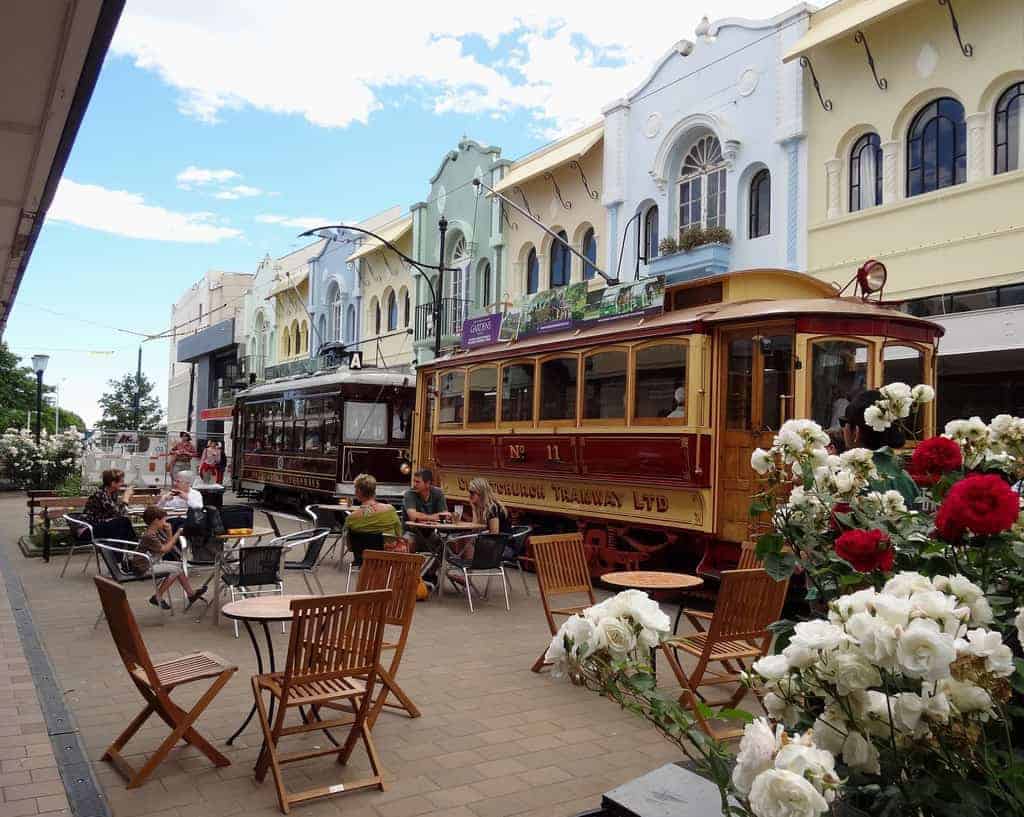
The rebuilt heart of Christchurch rewards a walking pace, but its three signature experiences each offer a distinct perspective. A restored heritage tram loops past the Botanic Gardens, the Arts Centre, and Cathedral Square, giving visitors an orientation of the reshaped centre. Down on the Avon, flat-bottomed punts glide beneath weeping willows along a riverside corridor that doubles as the city's green spine — a decidedly relaxed thirty minutes. For a broader view, the Gondola ascends the Port Hills to 500 metres, revealing the Canterbury Plains stretching west toward the Alps and Lyttelton Harbour spread below. Together, these three experiences cover the character of contemporary Christchurch more thoroughly than any single attraction could.
Arthur's Pass and the Southern Alps
The road west from Christchurch crosses the flat Canterbury Plains before climbing into one of New Zealand's most dramatic mountain landscapes. Arthur's Pass National Park straddles the Main Divide of the Southern Alps at 920 metres, where beech forests give way to alpine tussock, braided rivers, and the occasional kea — the world's only alpine parrot — foraging in carparks with audacious curiosity. The village of Arthur's Pass retains its railway-era character, with historic buildings and walking tracks radiating into surrounding peaks. On clear days, the views define the South Island's wild interior in a way that no urban attraction can replicate. The alpine environment changes quickly, so morning departures and flexible clothing are advisable.
Canterbury Sheep Country — Farm Life on the Plains
The Canterbury Plains surrounding Christchurch support one of New Zealand's most productive pastoral landscapes — a patchwork of merino and crossbred sheep stations stretching to the foothills. Visiting a working farm gives genuine context to the agricultural backbone of the South Island: demonstrations of sheep mustering, shearing, and the role of working dogs in managing large flocks across open country. Afternoon tea in a farmhouse setting closes the experience in a way that feels authentically New Zealand rather than staged, offering a counterpoint to the urban story Christchurch tells elsewhere. For visitors with no other opportunity to spend time on a South Island station, this kind of visit carries real value.
Waipara Valley — North Canterbury's Cool-Climate Wine Country
An hour north of Christchurch, the Waipara Valley has built a solid reputation for cool-climate varieties — pinot noir, riesling, and pinot gris — planted on free-draining limestone soils. The Teviotdale and Glasnevin Hills shelter the valley from coastal winds, creating a microclimate warmer and drier than its latitude suggests. Cellar door visits here tend to be unhurried by comparison with busier wine regions; conversations with winemakers happen naturally, and the pace suits a port day that doesn't need to be rushed. Paired with a proper lunch among the vines, the Waipara Valley becomes a full sensory afternoon rather than a simple tasting stop — one of the more rewarding day-trip options available from Christchurch.
Willowbank Wildlife Reserve — Kiwi, Tuatara and Native New Zealand Species
Seeing a kiwi in the wild requires remarkable luck and timing; Willowbank Wildlife Reserve near Christchurch removes both obstacles. The nocturnal house here allows close observation of the North Island brown kiwi under controlled red-light conditions — a genuinely uncommon encounter for any visitor. Beyond the kiwi, the reserve holds tuatara, a reptile biologically unchanged since the Mesozoic, along with native birds including weka, kākā, and pūkeko in naturalistic enclosures. A Māori cultural village within the grounds provides context for traditional customs, carving, and the significance of these species within New Zealand's indigenous worldview. For wildlife-focused visitors, Willowbank is one of the most accessible and substantive stops in the Christchurch region.
The International Antarctic Centre — Christchurch's Polar Gateway
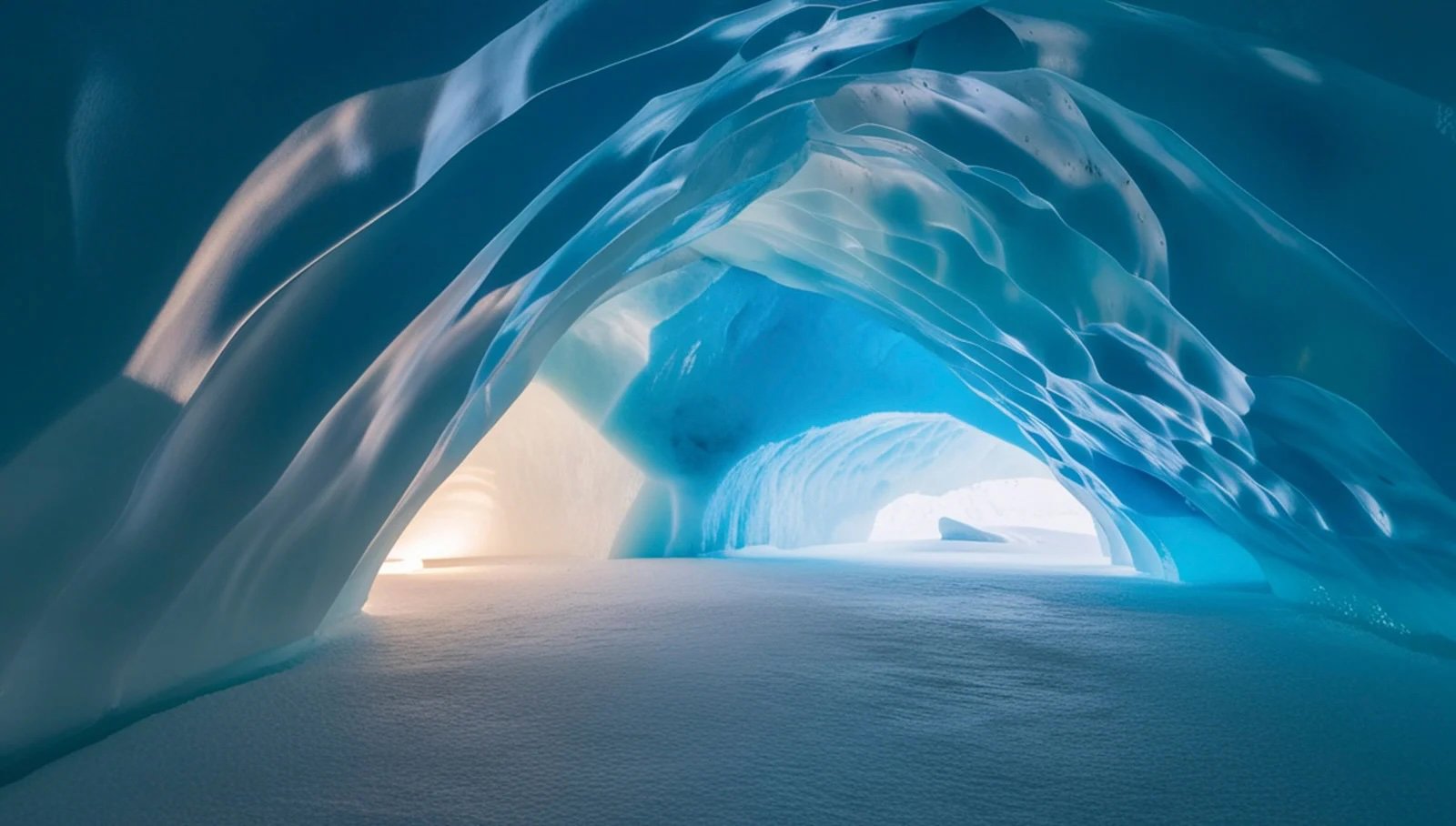
Christchurch has served as the departure point for Antarctic expeditions since the age of Scott and Shackleton, and the International Antarctic Centre honours that connection with hands-on thoroughness. Visitors can experience a simulated Antarctic storm — wind, cold, and blowing snow — ride a Hagglund all-terrain rescue vehicle, and follow the real-time tracking of Weddell seals and little blue penguins. The centre operates as the live logistics hub for current scientific programmes, so exhibits carry operational weight rather than purely historical interest. Located near Christchurch Airport, it sits about 20 minutes from the city centre. For anyone curious about polar science or the heroic age of exploration, it is the most informative single stop in the city.
Christchurch (Lyttelton) travel tips
Allow Time for the Lyttelton–Christchurch Commute. The Metro route 28 bus runs regularly between Lyttelton and central Christchurch, passing through the road tunnel in approximately 25 minutes. Check current timetables before departure, as service frequency can vary across the day. Build buffer time into your return journey — missing the last convenient bus can create real pressure on your ship's all-aboard deadline.
Dress for Changeable Canterbury Weather. Canterbury weather can shift quickly in any season. Even in summer, Christchurch mornings can be cool before warming through midday, and the Port Hills catch wind. Carry a light jacket regardless of the forecast. If travelling to Arthur's Pass, add an extra layer — temperatures at altitude are noticeably lower, and afternoon cloud is common even on clear-start days.
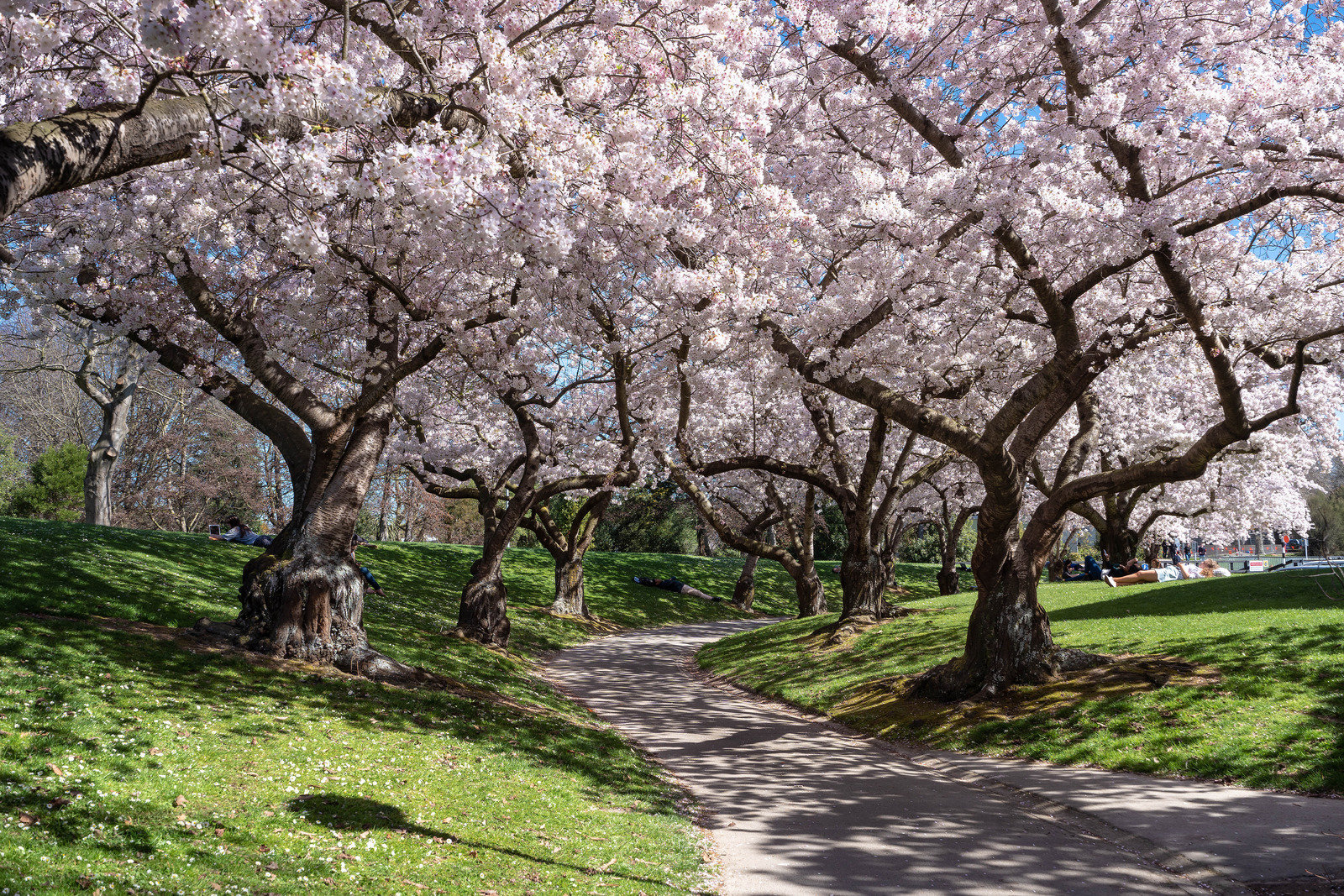
The Botanic Gardens Are Free and Worth an Hour. Christchurch's Botanic Gardens occupy 21 hectares inside a loop of the Avon River and are free to enter at all times. They function as an excellent anchor for a self-guided city walk, with the rose garden, the New Zealand native plant collection, and the glasshouse range all worth time. The gardens are also the departure point for the heritage tram, making them a natural starting place for a broader city circuit.
Factor Ship Return Times Before Committing to Long Drives. Arthur's Pass and the Waipara wine valley both require at least half a day — the drive from Lyttelton to Arthur's Pass alone is around 1.5 hours each way from the city, with Lyttelton an additional 25 minutes beyond that. Check your ship's all-aboard time carefully before committing to either destination, and confirm how long it takes to return from Christchurch to the port.
Cards Work Almost Everywhere — Carry a Small Amount of Cash. New Zealand's retail sector is highly card-friendly; contactless payment is standard even at small cafés and market stalls. USD and other foreign currencies are not generally accepted at retail. It is worth having a small amount of NZD cash for occasional use, but the majority of city transactions can be handled card-only without difficulty.
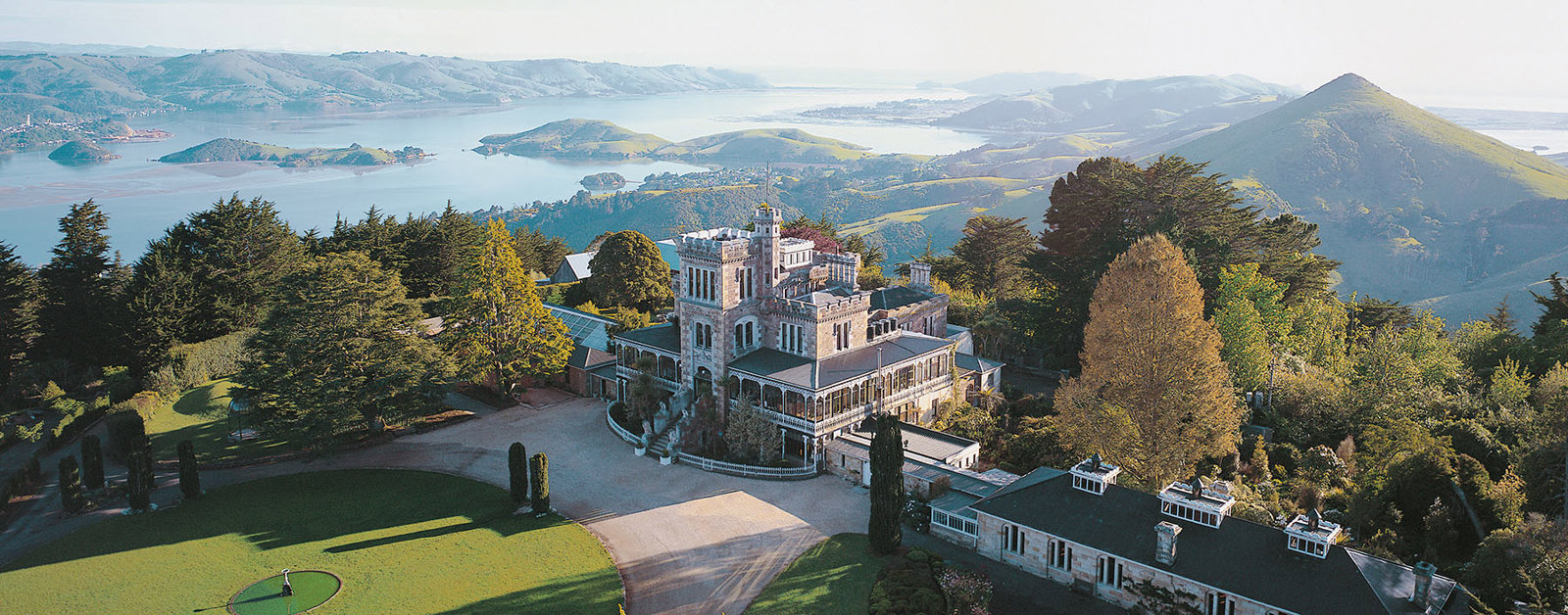
Dunedin Is Not a Practical Independent Day Trip from Lyttelton. Dunedin is a genuinely rewarding South Island city with Larnach Castle, its wildlife-rich Otago Peninsula, and Victorian streetscapes. However, it lies approximately five hours from Lyttelton by road each way. Visiting independently within a typical port window is not realistic for most itineraries. Visitors hoping to see Dunedin properly should look for itineraries with a dedicated Dunedin port call.
Port Facts Every Cruiser Needs To Know
Christchurch (Lyttelton) shore excursion FAQs
Lyttelton is about 12 kilometres from central Christchurch, separated by the Port Hills and connected by a road tunnel. By bus the journey takes approximately 25 minutes; by road it is similar in light traffic. Allow time for both outward and return journeys when planning your day.
Christchurch has largely rebuilt, though the process reshaped the city's character significantly. Many heritage buildings were demolished and replaced by innovative contemporary architecture, pop-up spaces, and public art installations that became permanent features. The city feels energetic rather than damaged — the rebuild has become part of its identity rather than an ongoing wound.
The TranzAlpine train passes through Arthur's Pass but operates on a fixed schedule that may not align with port hours, and a round trip by train requires most of a day. Independent driving is possible if you are comfortable on New Zealand roads, which are well-maintained but narrow in alpine sections. Most cruise visitors find an organised excursion more practical given the time constraints.
Punting involves being poled along the Avon River in a flat-bottomed wooden boat by an operator in Edwardian costume. The route passes through the Botanic Gardens and the city's willow-lined riverside, taking roughly 30 minutes. It is a leisurely, contemplative experience rather than an active one, and the scenery is genuinely pleasant in any season.
The Christchurch Tramway runs a loop through the rebuilt city centre, stopping near Cathedral Square, the Arts Centre, the Botanic Gardens, and other visitor sites. It functions as both a hop-on/hop-off tourist circuit and an orientation experience — commentary is included with the ticket. It covers the compact central area effectively and is a worthwhile first activity on arrival.
The International Antarctic Centre is both a visitor attraction and the operational logistics hub for Antarctic expeditions departing from Christchurch. It is located near Christchurch Airport, approximately 20 minutes from the city centre by bus. Interactive exhibits include a simulated blizzard, a Hagglund vehicle ride, and live penguin viewing, making it one of the more hands-on museums in New Zealand.
Willowbank Wildlife Reserve holds native New Zealand species including kiwi in a dedicated nocturnal house, tuatara, kākā, weka, and pūkeko. The kiwi encounter is the primary draw — these are nocturnal birds rarely seen in the wild, and the reserve's controlled lighting allows genuine close observation. A Māori cultural component is also integrated into the visitor experience.
The Gondola rises approximately 500 metres to the summit of the Port Hills, with views across Christchurch, the Canterbury Plains, the Southern Alps, and Lyttelton Harbour below. The cable car ride takes around 10 minutes each way; a viewing platform, café, and a time tunnel exhibit on the volcanic origins of the harbour are at the top. It is a clear-weather experience — check conditions before committing.
Waipara is a genuine half-day commitment — an hour each way from Christchurch, plus time at cellar doors and lunch, means you need at least five to six hours total from the port. It works well as a morning city visit followed by a northward drive after lunch, or as a dedicated afternoon. The region is quieter and more relaxed than Marlborough, which is part of its appeal.
With six hours from the ship, the most efficient approach is central Christchurch — the heritage tram, the Botanic Gardens, and punting on the Avon comfortably fill three to four hours, with time remaining for Cathedral Square and the Arts Centre precinct. Adding the Gondola is feasible with a short bus ride. Arthur's Pass, Waipara, and Willowbank each require additional travel time and are better suited to a longer day or a pre-arranged excursion.
Filters
Select a filter to refine results.
Tour Type
Tour Activity
 Cart
Cart
 USD
USD GBP
GBP AUD
AUD EUR
EUR CAD
CAD