



Tours in Cairns


Cruising to Cairns in a group?
Skip the crowded ship excursion bus. One dedicated planner will design a private shore experience around exactly what your group wants — coordinated from first enquiry to the moment you're back on board. More memorable, more flexible, and more affordable than you might expect. Spend less time organising, more time enjoying.
Explore Group Travel →Cruising to Cairns
Few cruise ports place visitors within reach of two UNESCO World Heritage Sites in a single day ashore. Cairns, the principal city of Far North Queensland, sits on a flat coastal plain backed immediately by the forested ranges of the Wet Tropics and fronted by a wide tidal inlet rather than a conventional beach. The Great Barrier Reef — the world's largest coral ecosystem — begins less than 30 kilometres offshore; day boats from the marina reach intermediate islands or outer reef platforms in under an hour. North along the coast, the Daintree is widely considered the oldest surviving tropical rainforest on Earth, predating the Amazon by tens of millions of years and sheltering species found nowhere else on the planet. The city itself is compact and walkable, centred on an esplanade lagoon and an organised marina waterfront. Inland, the Atherton Tablelands rise to cooler altitudes above the rainforest belt, offering waterfalls, crater lakes, and farmland. For those drawn to adventure, the Barron River and surrounding waterways provide whitewater rafting, tubing, and four-wheel-drive rainforest access. The logistical challenge in Cairns is simply deciding where to direct the hours.
Top things to do in Cairns on a cruise stopover
Green Island and the Great Barrier Reef — Coral Cay, Glass-Bottom Boats and Snorkelling
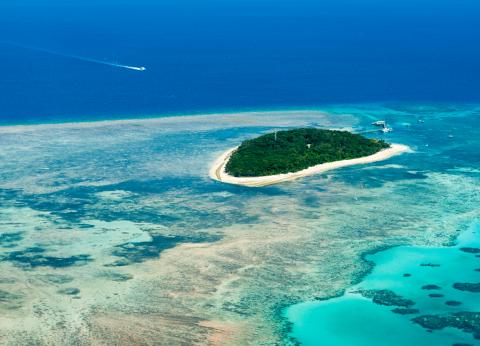
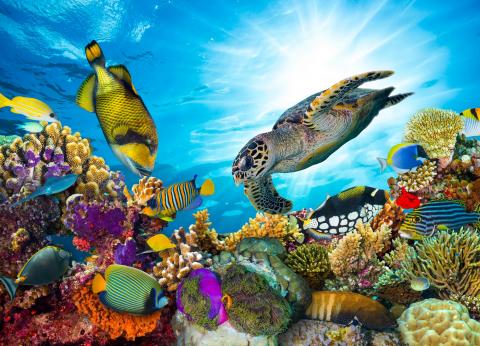
Green Island is a 15-hectare coral cay sitting 27 kilometres northeast of Cairns, fringed by reef and surrounded by water that grades from turquoise in the shallows to deep ocean blue at its outer edges. The island is one of the most accessible sections of the Great Barrier Reef for day visitors — the boat crossing from Cairns takes approximately 45 minutes by high-speed catamaran, and the reef immediately surrounding the cay supports hard coral formations, reef fish, sea turtles, and occasional reef sharks in water shallow enough to view without diving. Glass-bottom boat tours operate from the island's jetty for those who prefer to stay dry; snorkellers access the water directly from the beach. The island itself sits within national park and has short walking paths through the cay's vegetation alongside a small resort and a crocodile exhibit. A half-day option allows time on the reef before returning to explore the city; a full-day visit gives room to settle in and experience the reef at a measured pace.
Daintree Rainforest — Ancient Canopy, Wildlife and Coastal Wilderness North of Cairns
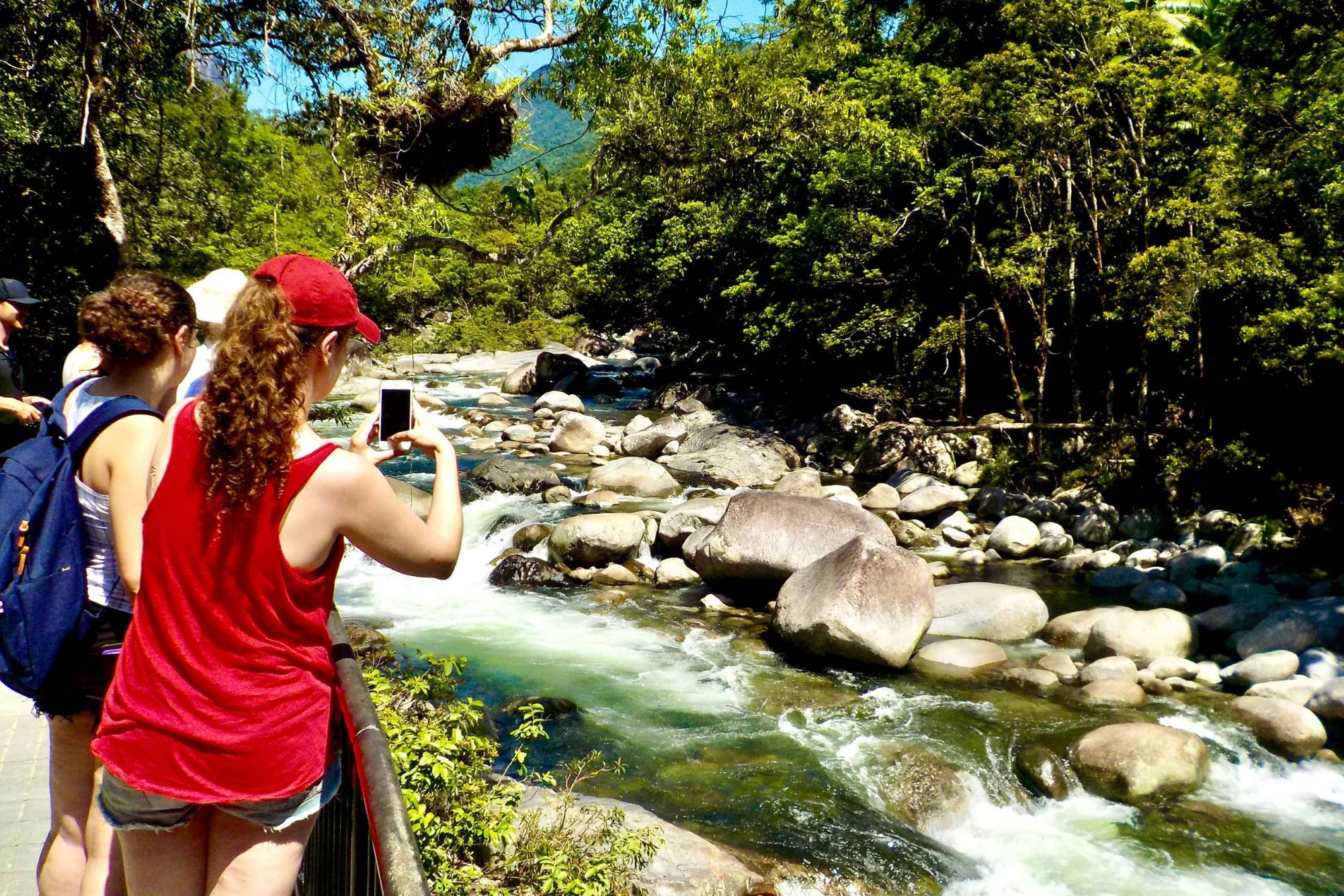
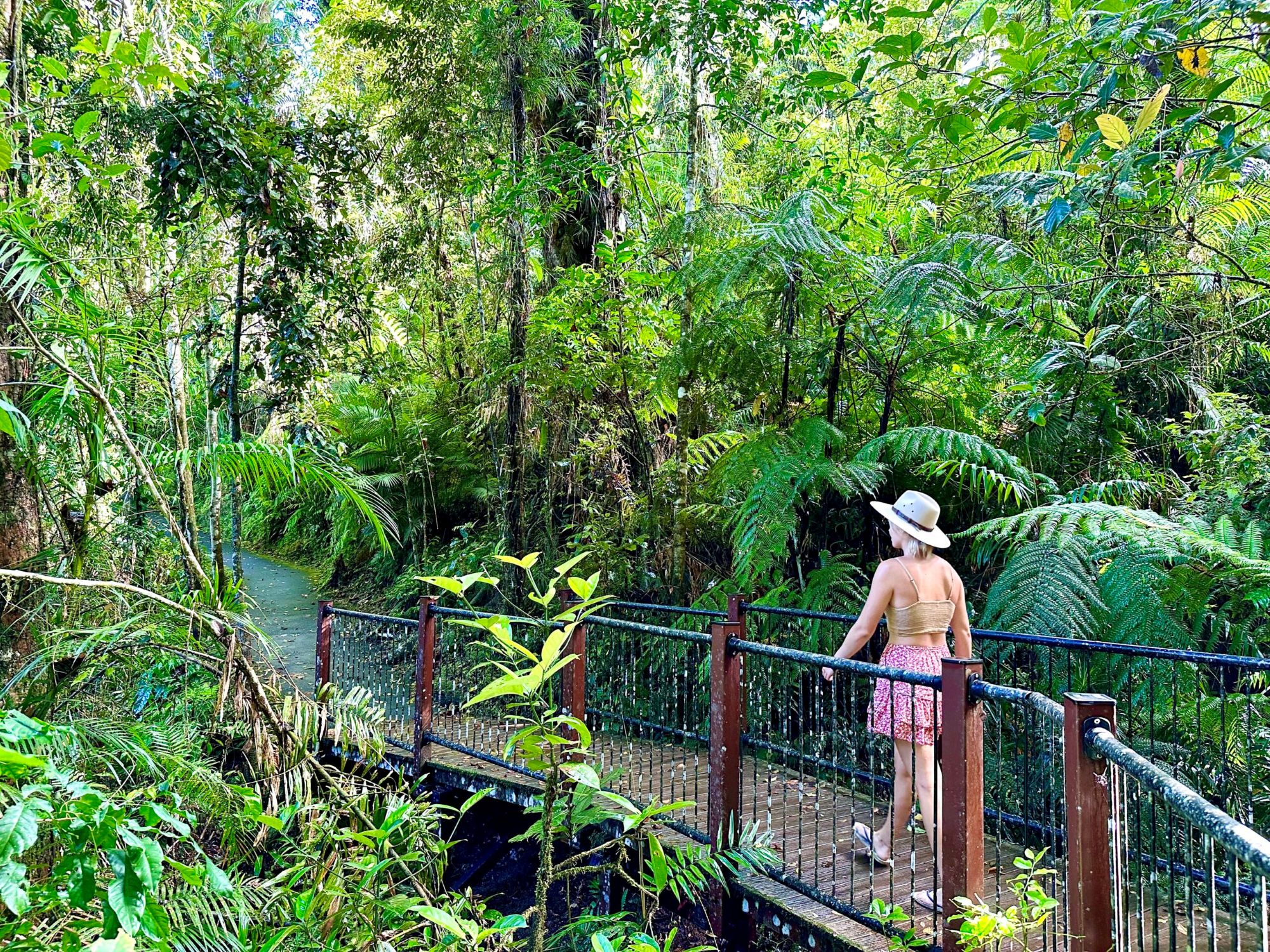
The Daintree Rainforest begins roughly 100 kilometres north of Cairns and is widely regarded as the oldest surviving tropical rainforest on Earth, having endured largely uninterrupted for more than 135 million years. It shelters a remarkable density of endemic species — plants, mammals, reptiles, and birds found nowhere else on the planet — in a landscape where the rainforest canopy meets the Coral Sea along beaches accessible only to those who venture north of the Daintree River cable ferry crossing. Travelling through the forest reveals lookouts, swimming holes, and interpretation sites managed alongside traditional owners of the land, who lead cultural experiences at places like Mossman Gorge. The Daintree rewards visitors with genuine curiosity about the natural world; a rapid transit stop does not do the place justice. This is a destination for those with a full day and an inclination to slow down within it.
Barron River and Gorge — Whitewater Rafting and River Adventure Through Rainforest
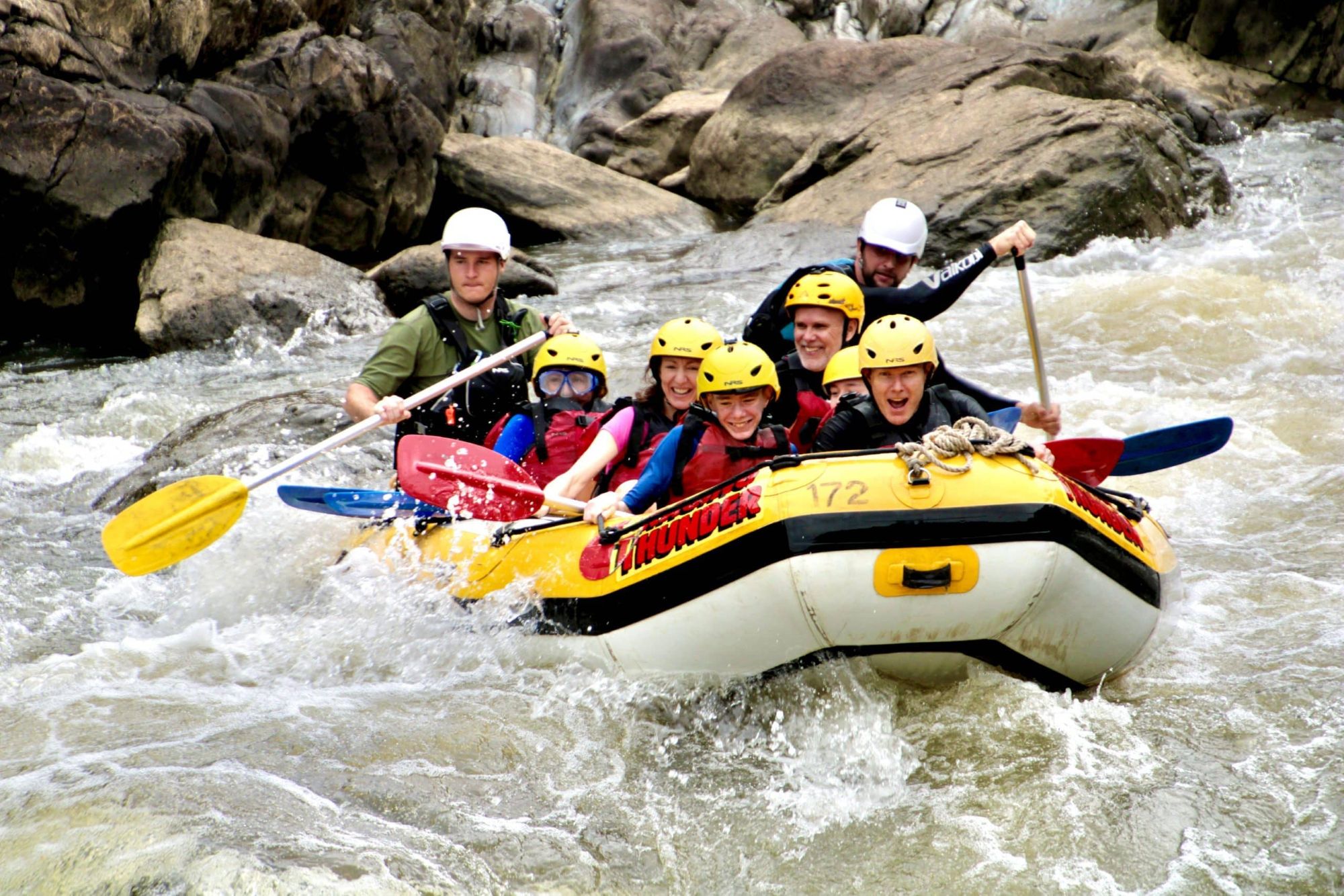
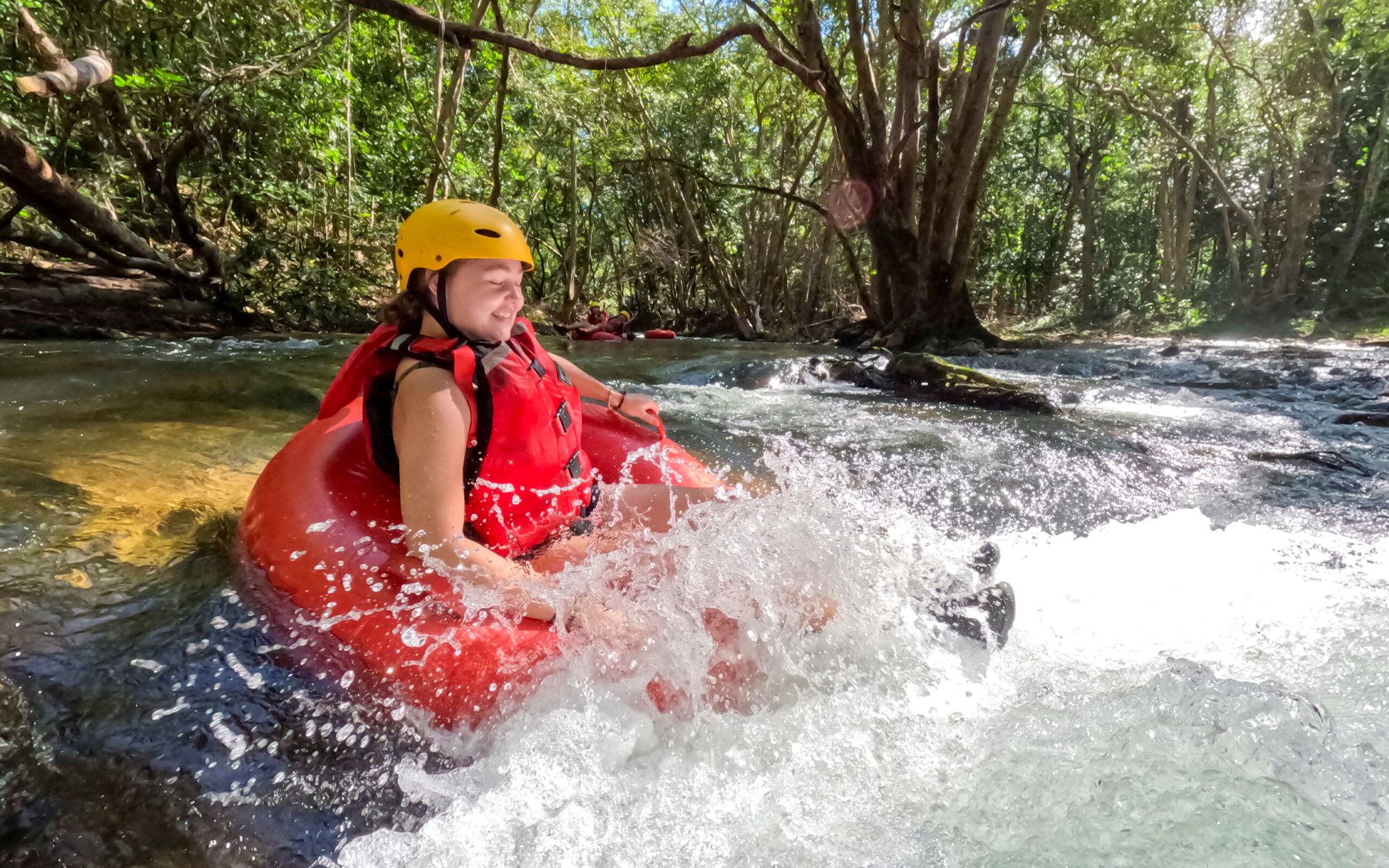
The Barron River descends from the Atherton Tablelands through Barron Gorge National Park before reaching the coastal plain north of Cairns, and the gorge section provides one of Queensland's most established whitewater experiences. The standard rafting run covers a sequence of rapids graded at Class III–IV depending on seasonal water levels, with calmer passages allowing time to observe the rainforest vegetation rising from the gorge walls on either side. River tubing offers a slower-paced alternative on a different section of the river system, suited to those who want water contact and scenery without the demands of active paddling through rapids. The gorge itself sits within the Wet Tropics World Heritage Area, and the surrounding forest habitat remains largely intact. No prior paddling experience is required for either activity, and both fit within a half-day from the Cairns city centre.
Atherton Tablelands — Highland Waterfalls, Crater Lakes and Cool-Climate Farmland
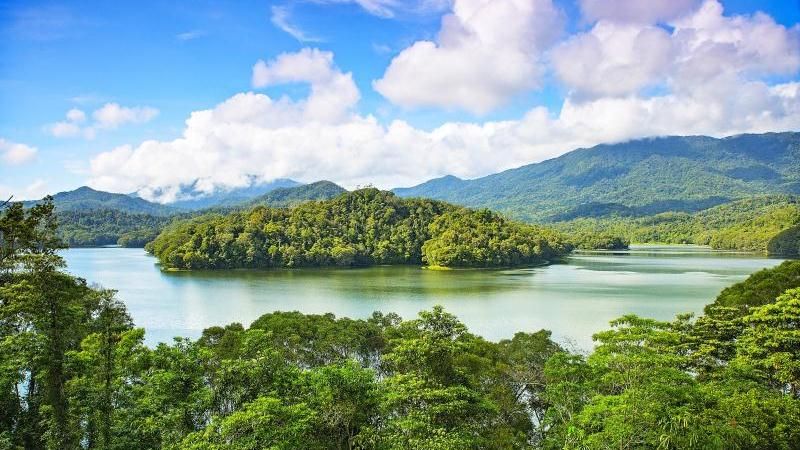
The Atherton Tablelands is a high volcanic plateau inland from Cairns, rising to around 700–900 metres above the coastal plain and providing a noticeably cooler and less humid alternative to the reef and city experiences. The area is characterised by volcanic crater lakes — including the twin lakes of Eacham and Barrine — waterfalls such as Millaa Millaa Falls and Zillie Falls, and a patchwork of dairy farms, tea plantations, and small country towns. The drive up from Cairns passes through the edge of the wet tropics rainforest, with altitude gained quickly through a series of winding switchbacks. Platypus sightings are possible at dusk in certain creeks, and the birdlife around the crater lakes is exceptional for visitors with even a passing interest in wildlife. The tablelands reward a full half-day and offer a meaningful contrast to the coastal and ocean-based experiences the port is best known for.
Scenic Flights over Far North Queensland — The Reef and Rainforest from Above
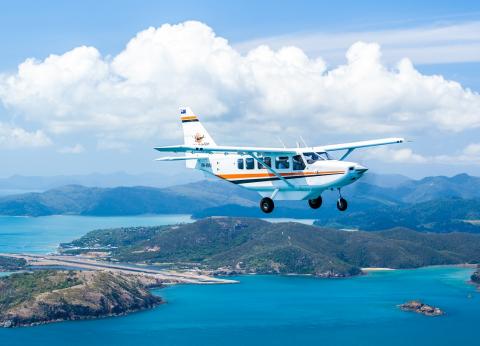
A scenic flight over Cairns provides a perspective on Far North Queensland that is genuinely difficult to appreciate from the ground or sea. From altitude, the Great Barrier Reef becomes readable as a system rather than a collection of isolated sites — the ribbon reefs, scattered cays, and gradation of colour from shallow sand to deep ocean channel are all visible in clear conditions. Turning inland, the same flight reveals the density and scale of the wet tropics rainforest, the abrupt escarpment of the tableland, and the narrow strip of agricultural plain between the ranges and the coast. Flights operate from Cairns Airport and typically run between 30 and 90 minutes depending on the route chosen, making them a viable option even on a tightly scheduled ship day.
Cairns Waterfront — River Cruises, Jetboating and the Esplanade Lagoon
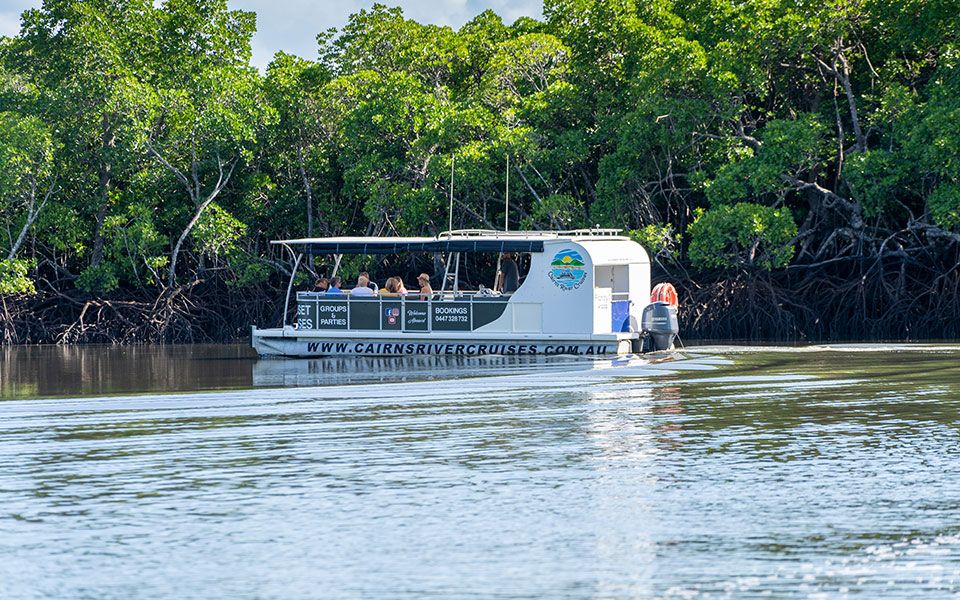
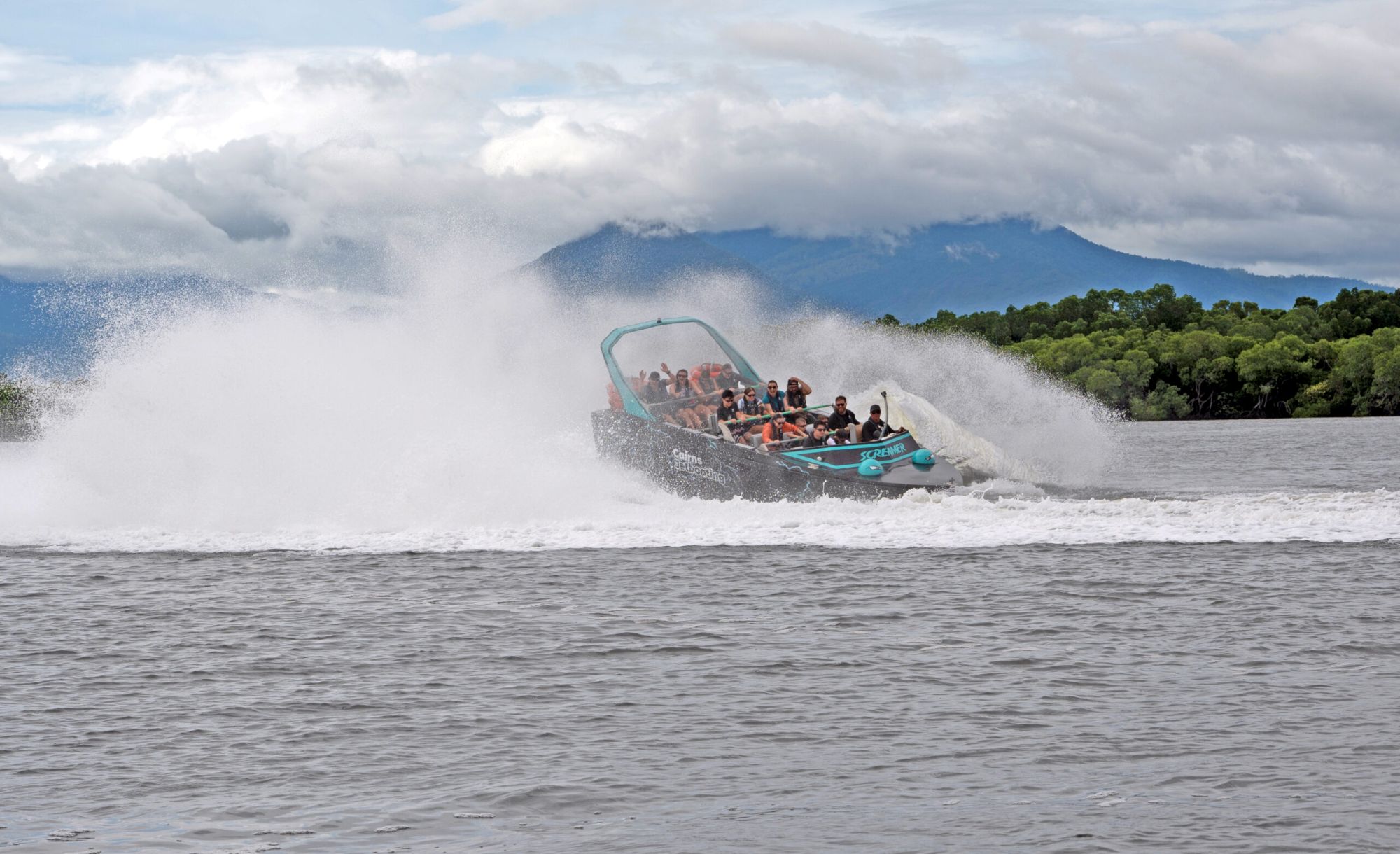
Cairns' waterfront is more active than its mudflat foreshore might initially suggest. The Esplanade Lagoon — a large, saltwater-supplemented public swimming facility built into the foreshore — serves as the city's beach substitute and is surrounded by parkland, BBQ areas, and a boardwalk used throughout the day. From the marina and Reef Fleet Terminal, a range of boat-based experiences operates on Trinity Inlet and the rivers that thread through the coastal plain. Jetboating delivers high-speed turns and spray in a compact time window, suited to visitors with limited hours. River cruises take a more measured approach — reading the mangrove-lined banks for estuarine crocodiles, birds, and the occasional sea turtle navigating the inlet. The presence of large saltwater crocodiles in Trinity Inlet adds genuine wildlife interest to any water-based activity departing from the city's waterfront.
Cairns travel tips
Book Reef and Rainforest Tours Before You Board the Ship. Reef boat departures and popular Daintree tours fill quickly, particularly during the peak dry-season months of June through September. Operators often have booking cutoffs in the days before departure, and leaving bookings to the day of arrival risks missing preferred tours. Confirm the operator's return time carefully against your ship's all-aboard requirement and allow a buffer for any delays on the water.
Wet Season Travel Changes What Is Accessible — Check Before You Go. During the wet season (November through April), some Atherton Tablelands roads can be affected by flooding, certain swimming holes close due to elevated water levels or crocodile risk, and stinger alerts apply to unprotected open-water swimming on beaches. Reef trips continue year-round with stinger suits provided on board. Check current access conditions with tour operators rather than assuming dry-season standards apply.
The Esplanade Lagoon Is Free, Central, and Worth Knowing About. If reef conditions, budget, or schedule make a reef boat trip impractical, the Esplanade Lagoon is a large, lifeguard-patrolled public swimming facility in the heart of Cairns — free to use, open daily, and set in gardens directly across from the foreshore. It functions as the city's beach substitute and is a genuinely pleasant option for visitors who want to cool off without committing to a full excursion.
UV Intensity in the Tropics Is Higher Than Most Visitors Expect. Cairns sits at approximately 17 degrees south latitude, and UV radiation here is routinely rated at the extreme end of the international scale, even on partly cloudy days. Sunscreen rated SPF 50+, a hat, and protective clothing are genuinely necessary rather than merely recommended. The UV intensity is markedly higher than in Sydney or Melbourne and will catch visitors off guard who apply normal precautions. Reef boat operators typically sell sunscreen on board, but applying it before leaving the ship is advisable.
Reef Boat Timing Generally Aligns with a Ship Day — But Confirm Details. Most Cairns reef boats depart from the Reef Fleet Terminal between 8:00 and 8:30am and return between 3:30 and 4:30pm — a schedule that fits within a standard ship day for most itineraries. Confirm the return time of any reef boat against your ship's specific all-aboard requirement and allow a buffer, as boats can run slightly late in rough sea conditions. The Reef Fleet Terminal is a 10–15 minute walk from the cruise berth.
Crocodiles Are Present in Cairns Waterways — Understand the Boundaries. Estuarine (saltwater) crocodiles inhabit Trinity Inlet, the rivers throughout the Cairns region, and coastal areas north of the city. This is a genuine environmental reality that locals take seriously rather than an overstated warning. Swimming in any river, estuary, or unpatrolled coastal area is inadvisable. The Esplanade Lagoon and patrolled beaches on the northern beaches strip are the safe swimming options. All organised water activity operators are required to assess and actively manage crocodile risk.
Port Facts Every Cruiser Needs To Know
Cairns shore excursion FAQs
Cairns ships berth at the Cairns Cruise Liner Terminal on Wharf Street, within the city centre. The Esplanade, Reef Fleet Terminal, night markets, and central dining precinct are all within a 10–15 minute walk. Most tour operators collect from central Cairns meeting points, so accessing excursions independently is straightforward.
Green Island, a coral cay on the inner reef, is approximately 27 kilometres from Cairns — around 45 minutes by high-speed catamaran. The outer reef platforms lie farther offshore, requiring approximately 90 minutes of boat travel each way. Most full-day reef boats cover the distance to reach genuinely healthy reef sections with excellent visibility.
Open beaches in the Cairns region are subject to marine stinger (jellyfish) alerts between November and May, during which swimming without a full stinger suit is inadvisable. The Esplanade Lagoon is patrolled and safe for swimming year-round. Reef boat snorkelling continues during the wet season using provided stinger suits, which are standard equipment on all operators.
No prior experience is required for the standard Barron River rafting run. Participants receive a safety briefing and are accompanied by trained guides throughout the trip. The rapids are rated Class III–IV, providing genuine whitewater conditions while remaining accessible to fit adults without paddling background. Age and health restrictions do apply, and operators provide full equipment.
The Daintree is best treated as a full-day commitment. The drive from Cairns to the Daintree River ferry crossing takes around 90 minutes each way, and the area rewards time spent on walking trails and at stops rather than a rapid transit visit. A half-day trip would not allow meaningful exploration beyond the drive itself.
The Atherton Tablelands is a high volcanic plateau about 80 kilometres inland from Cairns, offering waterfalls, crater lakes, cooler temperatures, and a strong sense of the region's agricultural and natural diversity. It works well as a half-day option for visitors who prefer land-based nature to ocean activities, or who have experienced the reef on a previous port call. Driving time from Cairns is approximately 50–60 minutes each way.
Yes — estuarine (saltwater) crocodiles inhabit Trinity Inlet adjacent to the city, and the rivers and coastal areas north of Cairns. Swimming in rivers, estuaries, or unpatrolled coastal areas is genuinely inadvisable and treated seriously by locals. The Esplanade Lagoon and patrolled northern beaches are safe. All organised water activity operators manage crocodile risk as a standard part of their operations.
Australia uses the Australian Dollar (AUD). Credit and debit cards — Visa, Mastercard, and most international cards — are accepted at nearly all shops, restaurants, and tour operators in Cairns. ATMs are located along the Esplanade and in the city centre. The night markets and some street food stalls may prefer cash, but card payment covers the vast majority of transactions.
First-time visitors with a full day most often prioritise the Great Barrier Reef — the experience of snorkelling or glass-bottom boating over live coral is genuinely difficult to replicate elsewhere, and the logistics align well with a ship day. Visitors who have seen the reef before, or who strongly prefer land-based nature, find the Daintree Rainforest equally compelling, though it demands a full day's commitment to reach and appreciate properly.
Cairns is well-suited to families. Green Island's calm, shallow waters around the cay are accessible to confident young swimmers, and glass-bottom boat tours work well for non-swimmers of any age. The Esplanade Lagoon is a free, lifeguard-patrolled swimming space ideal for younger children. River tubing and some rainforest activities carry minimum age or height requirements, so check conditions when booking.
Filters
Select a filter to refine results.
Tour Type
Tour Activity
 Cart
Cart
 USD
USD GBP
GBP AUD
AUD EUR
EUR CAD
CAD