



Tours in Lautoka


Cruising to Lautoka in a group?
Skip the crowded ship excursion bus. One dedicated planner will design a private shore experience around exactly what your group wants — coordinated from first enquiry to the moment you're back on board. More memorable, more flexible, and more affordable than you might expect. Spend less time organising, more time enjoying.
Explore Group Travel →Cruising to Lautoka
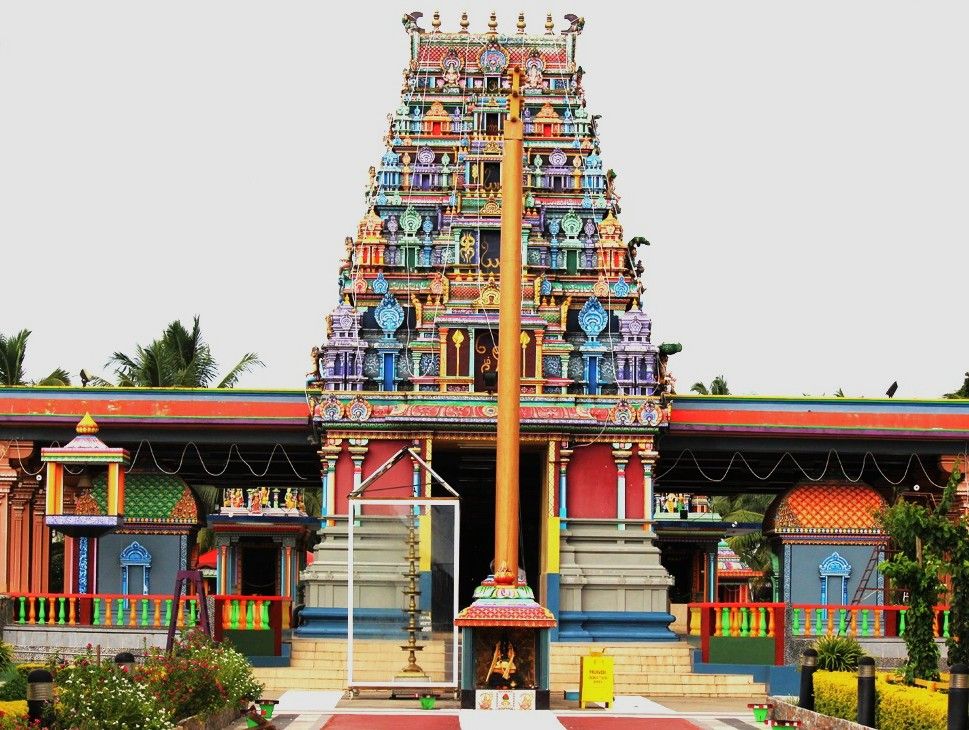
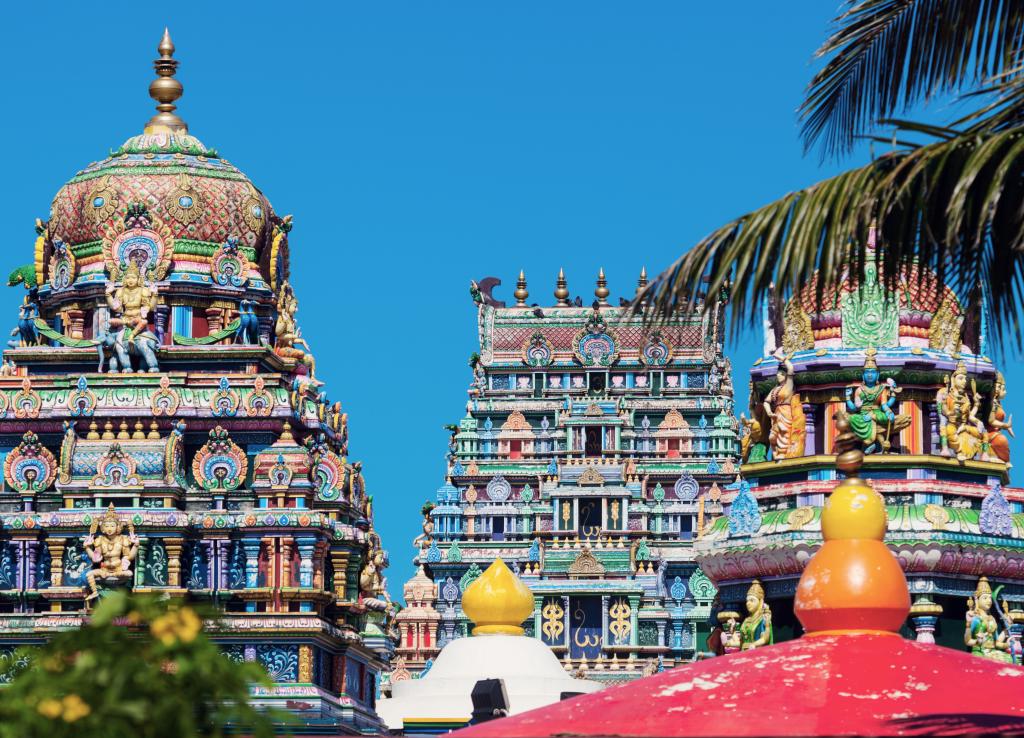
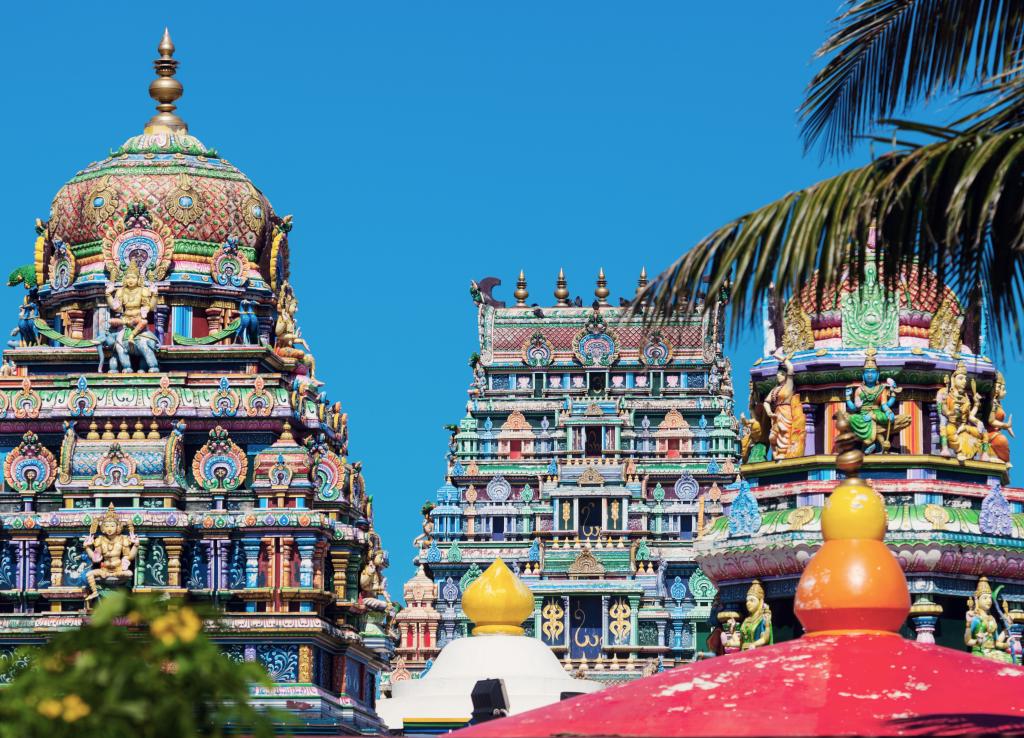
Lautoka is Fiji's second-largest city and the commercial heart of the western Viti Levu sugar belt. The Lautoka Sugar Mill — one of the largest in the Southern Hemisphere — still operates during the crushing season, and the subtle sweetness of processed cane occasionally drifts over the city's grid of colonial-era streets. But the port is more than an industrial gateway. Within an hour's drive in any direction, the landscape opens dramatically: south toward Nadi, the painted Dravidian towers of the Sri Siva Subramaniya Temple — the largest Hindu temple in the Southern Hemisphere — rise against the cane fields; northeast, the Sabeto Valley holds thermal mud pools and hot springs that Fijians have used for generations; northwest, the Vuda Point headland frames views across the Mamanuca Islands. Lautoka itself offers a market, colonial civic architecture, and the unhurried hospitality that characterises western Fiji. The fusion of indigenous Fijian, Indo-Fijian, and Pacific-colonial threads is visible in food, language, architecture, and the rhythm of daily life — making this one of Fiji's more genuinely multidimensional ports.
Top things to do in Lautoka on a cruise stopover
Nadi Town and the Sri Siva Subramaniya Temple
Nadi is the commercial and cultural centre of western Fiji, and its defining landmark is the Sri Siva Subramaniya Temple — the largest Hindu temple in the Southern Hemisphere, its Dravidian gopuram (gateway tower) painted in vivid narrative panels depicting scenes from Hindu scripture. The temple serves an active Indo-Fijian community descended from indentured workers brought to Fiji under British colonial rule in the nineteenth century, and visitors are welcomed with respectful dress and bare feet at the entrance. Nadi's main street runs a lively corridor of handicraft shops, sari merchants, and kava vendors. The coexistence of Melanesian and South Asian cultures — visible in food stalls, music, temple offerings, and daily commerce — is one of the most distinctive and genuinely complex cultural experiences available to cruise visitors anywhere in the Pacific.
Fiji Heritage, Culture, and Wellness
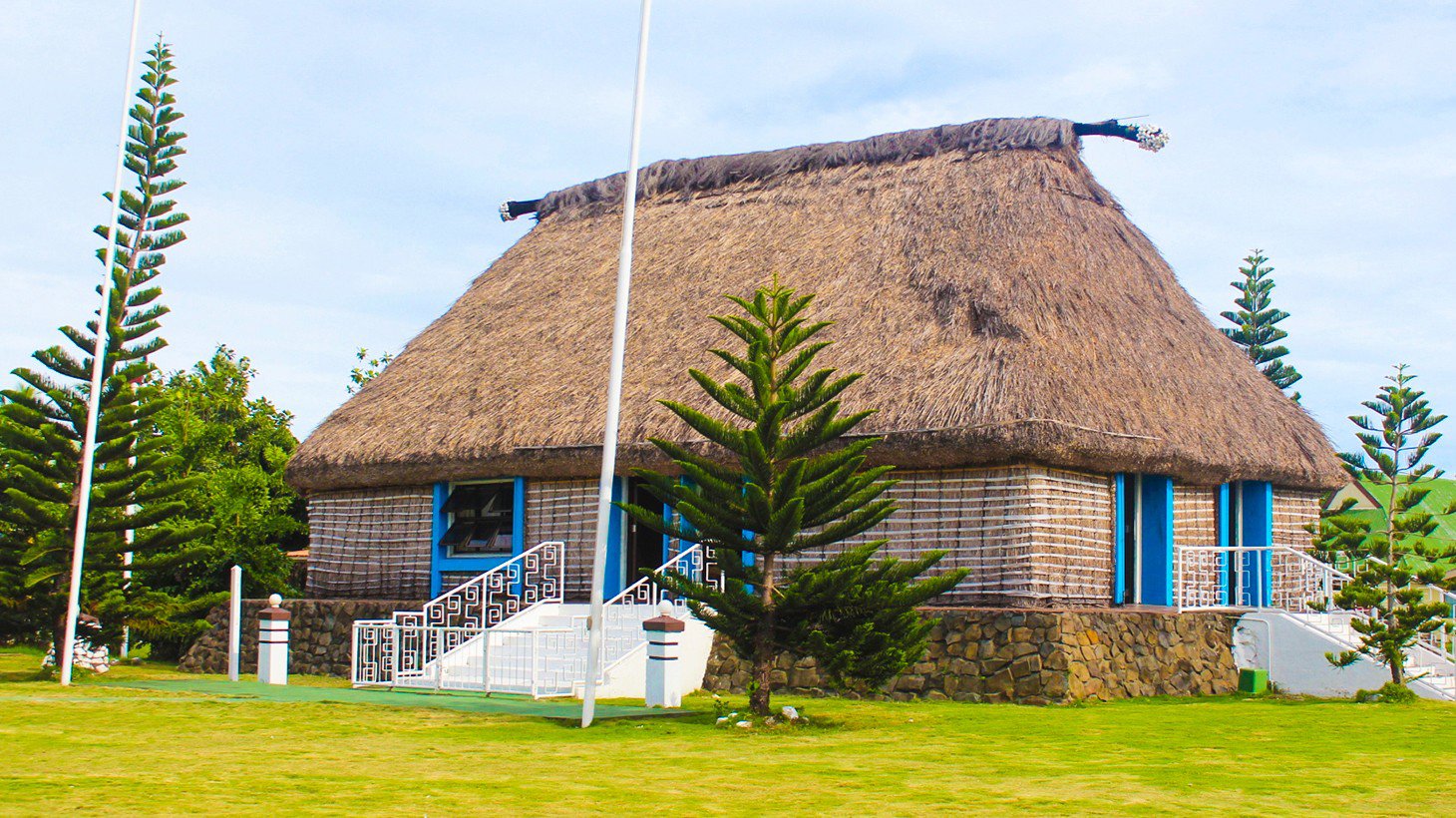
Western Fiji holds the layered heritage of three distinct traditions: indigenous Fijian village life, the Indo-Fijian culture shaped by over 150 years of settlement, and the colonial infrastructure that drew and connected them. Cultural visits in this region can include traditional bure (thatched meeting house) architecture, kava ceremonies conducted according to the Fijian sevusevu protocol, and demonstrations of tapa cloth-making and pandanus weaving. Wellness practices rooted in Fijian tradition — including massage using locally prepared plant oils — offer a quieter counterpoint to temple and market visits. Understanding the relationship between the island's two primary communities, rather than encountering each in isolation, gives a more honest picture of what contemporary Fiji actually is.
Vuda Point — Orchids, Coastline, and Fijian Ancestral Legend
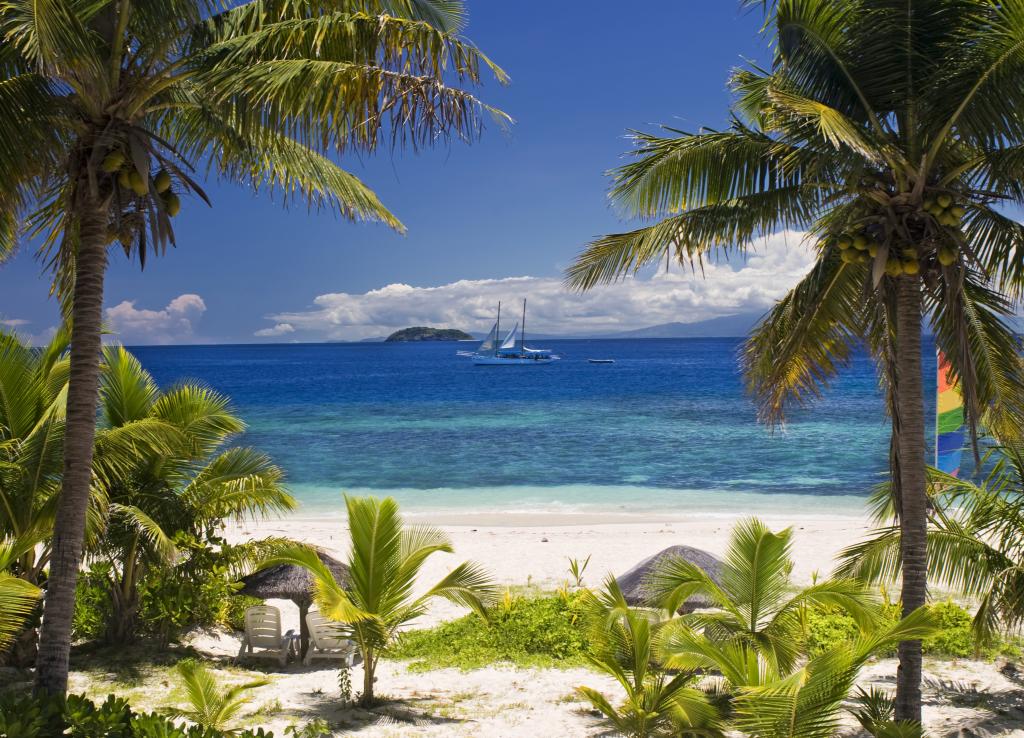
Vuda Point, northwest of Lautoka, is identified in Fijian oral tradition as the site where the first Fijians landed by double-hulled canoe from their ancestral homeland — a founding myth that gives the headland cultural weight beyond its considerable scenic value. The promontory commands wide views across the Mamanuca Islands and the open Pacific, and the surrounding area supports orchid gardens where tropical species flourish in the coastal humidity. The road between Lautoka and Vuda passes cane fields, small fishing villages, and the occasional resort marina, offering a scenic coastal cross-section of western Viti Levu. The combination of landscape, living mythology, and botanical interest makes this one of the more quietly rewarding directions from the port.
Fijian Village Life — Kava Ceremony and Traditional Craft
Away from commercial corridors, Fijian village life operates at a pace that visitors find simultaneously calm and instructive. Structured village visits typically include the sevusevu kava ceremony, where the sharing of yaqona (kava root preparation) defines social hierarchy and welcome in equal measure. Traditional crafts — masi tapa cloth beaten from mulberry bark, woven pandanus mats, and carved tanoa kava bowls — demonstrate skills that remain in daily use rather than existing purely for demonstration. Understanding the cultural significance of these objects, rather than simply watching the technique, changes the encounter considerably. Villages near Lautoka and along the Queens Road corridor retain strong community structures and receive culturally attentive visitors with characteristic Fijian warmth.
The Flavours of Fiji — Market Food and Indo-Fijian Cuisine
Fijian food is a meeting point of Melanesian staples and Indian culinary tradition, and Lautoka's central market and surrounding food stalls are among the best places to encounter this fusion honestly. Kokoda — raw fish marinated in lime juice and coconut cream — is the island's signature dish; lovo, food slow-cooked in an earth oven wrapped in banana leaves, appears at cultural demonstrations and village gatherings. Indo-Fijian cuisine in Nadi and Lautoka spans roti flatbread with curry, mithai sweets, and chai served at tiny street-level shopfronts. The market offers tropical fruit — soursop, papaya, rambutan, and an intensely sweet Fijian pineapple variety — that is difficult to find at this quality outside the islands.
Sabeto Thermal Mud Pools and Hot Springs
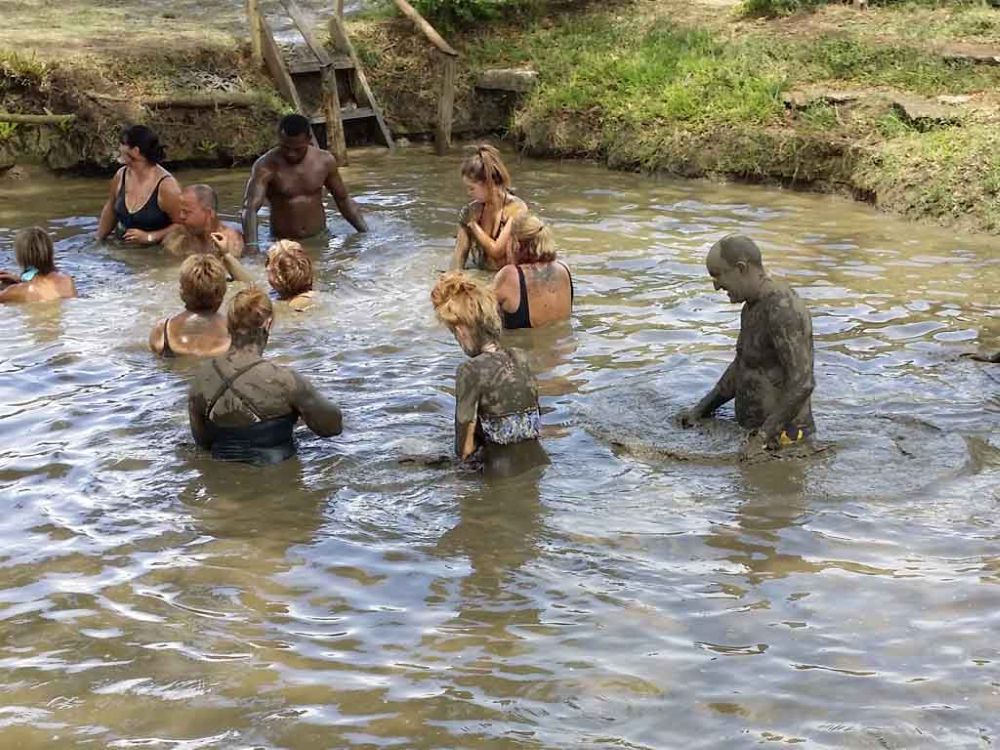
In the Sabeto Valley, roughly 20 kilometres from the Lautoka pier, volcanic activity close to the surface heats groundwater and forces mineralised grey mud to the surface in a cluster of natural pools. Visitors lower themselves into the warm mud — hovering around 36 to 38 degrees Celsius — allow it to dry on the skin, then rinse progressively through adjacent hot spring pools before cooling in a fresh spring pool. The mineral content is locally associated with skin benefits, though the primary appeal is the physical strangeness and pleasure of the experience itself. The Sabeto mountain range rising behind the pools and cane fields visible in the middle distance make the setting unexpectedly scenic for a geothermal site, and the experience requires no particular fitness level or prior knowledge.
Lautoka travel tips
Dress for Temple Entry Before Leaving the Ship. The Sri Siva Subramaniya Temple requires shoes removed at the entrance and shoulders and knees covered for all visitors. Light, loose trousers or a long skirt combined with a top covering the shoulders is ideal — and practical in the heat regardless. A lightweight scarf or sarong packed in a daypack solves the problem instantly if you find yourself underprepared at the temple gate.
Carry FJD Cash for the Market and Food Stalls. Lautoka's central market and most small food vendors operate on Fijian Dollar cash only. The market is one of the most authentic and affordable places to buy fresh fruit, local spices, and handicrafts, and vendors appreciate near-exact change. ATMs in Lautoka town centre provide FJD and are generally reliable, though withdrawing cash before heading south to Nadi avoids uncertainty.
Mud Pool Practicalities — What to Bring. For a Sabeto mud pool visit, pack a change of clothes and a small towel you do not mind staining permanently — mud residue adheres stubbornly to light fabric. Swimwear is worn in the pools; most operators provide a basic rinse area, though facilities vary in quality. Leave valuables secured on the ship or in a waterproof bag, as the changing and rinsing areas are informal.
Build Extra Time Into Any Return Bus Journey. The Queens Road bus between Lautoka and Nadi runs frequently during business hours and is an authentic local experience, but journey times can extend due to traffic, unscheduled stops, and wet-season road conditions. Build at least 30 extra minutes into any return schedule beyond what a timetable suggests, confirm the ship's all-aboard time clearly before departing the pier, and resist the temptation to cut margins fine on a busy afternoon.
Kava Ceremony — The Correct Form. If offered participation in a sevusevu kava ceremony during a village visit or cultural experience, accept the cup with both hands cupped, clap once slowly before drinking, and say 'bula' (pronounced 'mbula') upon finishing. Declining is acceptable but infrequent; accepting with the correct gesture signals respect for the ceremony's social significance. The kava itself — a mildly sedative root preparation — produces a subtle numbing of the mouth and a calm sensation rather than any strong effect at ceremonial doses.
Visit the Market Early — Before the Heat Builds. Lautoka's central market is most active and best-stocked in the morning, particularly before 11 a.m. By early afternoon, the heat and humidity in the open-sided stalls become significant and some vendors begin to pack up. Planning market and town exploration for the first hours ashore, then saving inland excursions with shade, pools, or air-conditioned stops for later in the day, makes the schedule both more comfortable and more productive.
Port Facts Every Cruiser Needs To Know
Lautoka shore excursion FAQs
The town centre, central market, and the tree-lined civic garden are within a 10-to-15-minute walk of the pier. For Nadi, the Sri Siva Subramaniya Temple, and the Sabeto mud pools, transport is necessary — local buses and organised excursions are the practical options. The pier area itself has no significant attractions immediately adjacent.
Yes — the temple is open to visitors of all backgrounds and does not require a guided tour. Entry is free or involves a small voluntary donation. Shoes must be removed at the entrance and modest dress is required. Nadi town is accessible by Pacific Transport bus from Lautoka's terminal, and the temple is a short walk from the Nadi town bus stop.
Visitors apply warm volcanic grey mud to their bodies, wait for it to dry on the skin, then rinse progressively through adjacent hot spring and cool fresh-water pools. The process takes about 45 minutes to an hour at a relaxed pace. It is informal, genuinely fun, and requires no prior experience — less a structured spa treatment than a natural geothermal encounter in a scenic valley setting.
Kava (yaqona) is a mild, non-alcoholic preparation from the root of the pepper plant that produces a slight numbing of the mouth and a calm, relaxed sensation at ceremonial doses. It is legal, culturally significant, and widely offered to visitors. People on certain medications — particularly those affecting the liver — should consult a doctor before consuming, but for most visitors a single ceremonial cup is considered safe.
Pacific Transport buses run regularly between Lautoka's bus terminal, located near the central market, and Nadi town along the Queens Road. The journey takes approximately 30 to 45 minutes depending on stops and traffic. This is an affordable option that provides a window into everyday western Fiji road life, passing cane fields, villages, and small roadside markets en route.
The central market area has food stalls serving local dishes, and the streets around the market have small Indo-Fijian eateries offering curry, roti, and chai at low prices. These are the most accessible and authentic food options within walking distance of the terminal. Fruit from the market — including pineapple, papaya, and coconut — makes an easy and inexpensive snack.
Lautoka is generally considered safe for tourists who exercise normal urban awareness — keeping valuables secured, staying within the town centre and market zone, and avoiding isolated areas. The local population is notably welcoming toward visitors, and most spontaneous interactions tend to be friendly. The area around the bus terminal and market is busy during the day and straightforward to navigate.
The market sells fresh tropical fruit, root vegetables including dalo (taro) and cassava, dried kava root, local spices, and flowers. Surrounding stalls stock handicrafts including woodcarvings, woven mats, sulus (Fijian wraparound cloth), and shell jewellery. Prices for handicrafts are generally negotiable; food produce prices are typically fixed.
Vuda Point offers coastal views toward the Mamanuca Islands and holds significance as the legendary landing site of Fiji's ancestral settlers. The area includes orchid gardens, a small marina, and the scenic coastal road between Lautoka and the headland. It works best as part of a combined half-day trip rather than as a standalone destination, and is approximately 10 kilometres northwest of the pier.
A morning visit to Lautoka's central market followed by a bus journey to the Sri Siva Subramaniya Temple in Nadi fits comfortably within four hours, allowing time to walk the temple complex and browse Nadi's main street before returning. Alternatively, the Sabeto mud pools fill a four-hour window efficiently — travel time is shorter and the experience itself is unhurried. Combining both Nadi and Sabeto in under four hours is not realistic.
Filters
Select a filter to refine results.
Tour Type
Tour Activity
 Cart
Cart
 USD
USD GBP
GBP AUD
AUD EUR
EUR CAD
CAD