



Tours in Suva


Cruising to Suva in a group?
Skip the crowded ship excursion bus. One dedicated planner will design a private shore experience around exactly what your group wants — coordinated from first enquiry to the moment you're back on board. More memorable, more flexible, and more affordable than you might expect. Spend less time organising, more time enjoying.
Explore Group Travel →Cruising to Suva
Suva sits on a rainy peninsula jutting into Laucala Bay, and that perpetual tropical moisture is precisely what keeps its surrounding rainforest so gloriously green. As the largest city in the South Pacific island nations, Suva surprises visitors expecting only white sand and turquoise water. Instead, they find a city with genuine character: the cavernous Suva Municipal Market, where vendors sell taro, fresh fish, and kava roots; the colonial grandeur of Government House; and a waterfront promenade that captures the city's unhurried rhythm. The Fiji Museum ranks among the Pacific's finest, holding outrigger canoes, war clubs, and artifacts from Fiji's complex history. Indian and Fijian cultural threads weave through the cuisine, architecture, and street life in ways that reward the curious visitor. For those willing to venture a few kilometers inland, Colo-i-Suva Forest Park offers waterfall-fed swimming holes and mahogany-canopied trails that feel a world away from the port gates.
Top things to do in Suva on a cruise stopover
Suva City: Colonial Heritage and Pacific Market Culture
Downtown Suva wears its colonial British past openly — wide streets, Victorian-era civic buildings, and the sprawling Thurston Gardens still anchor the city center. But it is the Suva Municipal Market that captures the true pulse of the city, where vendors from across the Fijian archipelago sell tropical produce, fresh fish, kava root, and woven crafts under a cavernous roof. The Fiji Museum, tucked into the gardens nearby, holds an exceptional collection of Pacific artifacts including traditional war canoes, ceremonial items, and exhibits on the arrival of indentured Indian laborers — a history that continues to shape Fijian society. The city's waterfront promenade offers views across Laucala Bay and the opportunity to observe daily life in one of the South Pacific's most culturally layered capitals.
Colo-i-Suva Forest Park: Rainforest Swimming Holes and Mahogany Canopy
Just 11 kilometers from the Suva waterfront, the terrain transforms completely. Colo-i-Suva Forest Park protects a stretch of tropical rainforest threaded with trails that wind beneath a canopy of mahogany trees planted during the colonial era. The park's main draws are its series of natural pools and small waterfalls — cool, clear water collected in basalt bowls that invite swimming on humid days. Three main trail loops range from a casual 30-minute walk to a more demanding 2-hour circuit. Bird life is prolific; the park is one of the better places near Suva to spot Fiji's endemic species. Arriving early gives visitors the forest largely to themselves before day-tripper groups from the city begin arriving mid-morning.
Fijian Cultural Heritage: Traditions, Ceremony, and Living History
Fijian culture has remarkable depth, and Suva is its most accessible gateway for visitors arriving by ship. The Fiji Museum is the starting point, but understanding the culture goes beyond display cases — the ritual of kava (yaqona) drinking, the significance of the meke dance tradition, and the complex chiefly social system are all woven into everyday Suvan life. Visitors who engage with local guides gain context that the architecture and artifacts alone cannot convey. The nearby Ratu Sukuna Park and the lawns around Government House offer glimpses of ceremonial Fiji, particularly when the guard is in traditional dress. Handicraft markets near the port sell tapa cloth, woven mats, and carved wooden figures that reflect traditions maintained across Fiji's many islands.
Suva's Culinary Scene: Indian-Fijian Food Culture
One of the most distinctive features of Suvan life is its food, which reflects the city's dual Fijian-Indian heritage with unusual clarity. Curry houses, roti shops, and vendors selling Indian-Fijian street food line the downtown streets, the legacy of Indian workers brought to Fiji under British colonial indenture contracts in the 19th century. The Suva Municipal Market's food stalls offer an immersive introduction — dal, curried vegetables, freshly baked roti, and local fish dishes all share space. For those willing to explore beyond the market, the streets around the central bus station concentrate an authentic eating scene that caters to locals rather than visitors, where a full meal costs a few Fijian dollars.
The Grand Pacific Hotel and Suva's Colonial Architecture
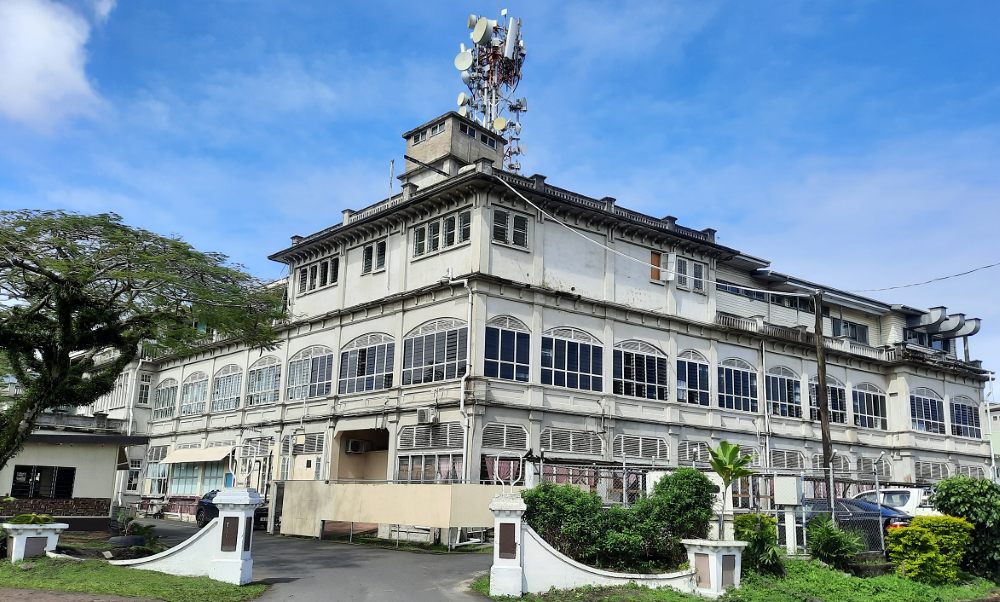
The Grand Pacific Hotel, restored to its original 1914 elegance, stands as one of the finest colonial-era buildings in the South Pacific. Opened to receive passengers from the great trans-Pacific liners, its wide verandas, high ceilings, and formal gardens once hosted royalty and heads of state. Even visitors who are not staying can often walk the grounds and enjoy a drink on the terrace while absorbing the building's layered history. From here, a walking route along Victoria Parade passes the Supreme Court, the Reserve Bank, and several other colonial-era government buildings that tell the story of Fiji's time under British administration. The overall precinct gives Suva an architectural character unlike anywhere else in the Pacific.
Thurston Gardens and the Natural Sciences of Fiji
Established in 1913, Thurston Gardens — also called the Botanical Gardens — occupy a generous parcel of land in the heart of Suva, offering a shaded green space that feels removed from the city's commercial noise. Mature tropical trees, labeled plant collections, and open lawns make it a pleasant place to walk between the Fiji Museum and the city center. The adjacent Government House grounds are off-limits to the public but visible from outside, their formal colonial gardens providing a visual counterpoint to the wilder growth of the botanical collection. Birdwatchers find the gardens worthwhile even on a short visit, as several species of Fijian birds use the mature trees as regular perches.
Suva travel tips
Carry Fijian Dollars for the Market. The Suva Municipal Market and many street food vendors operate on cash only, and the exchange rate at informal outlets is rarely favorable. Change money or use an ATM in the city center before heading to the market. The market is most active in the morning, and produce stalls begin thinning out by early afternoon.
Dress Modestly When Entering Villages or Religious Sites. Fijian cultural norms place importance on modest dress, particularly in village settings, traditional gatherings, and Hindu temples. Shoulders and knees covered are appropriate. Removing shoes before entering homes or certain ceremonial spaces is customary and hosts will usually indicate when it is required.
Plan the Forest Park Visit for the Morning. Colo-i-Suva Forest Park is best visited early, before afternoon heat and any rain that commonly builds over the hills during the latter part of the day. The local bus ride from central Suva takes approximately 45 minutes each way, so factor in at least four hours total for a forest park visit that includes a meaningful walk and a swim.
The Fiji Museum Is Worth the Entry Fee. The Fiji Museum's collection is small but carefully curated, covering pre-contact Fijian civilization, the colonial period, and the Indian indenture era. It provides important context for understanding everything else you see in the city. Allow 45 to 60 minutes, and consider buying the small guidebook available at the entrance.
Suva Is Rainy — Pack Accordingly. Suva receives more rainfall than most Fijian destinations, and brief downpours can arrive without much warning even on an otherwise sunny day. A light rain jacket or compact umbrella takes up little space and significantly changes the experience when a shower passes through. Footwear that handles wet pavement well is also advisable.
The Waterfront Walk Is an Easy, Free Introduction. The walkway along Suva's waterfront from Kings Wharf toward the city center is a pleasant orientation that costs nothing and requires no planning. You pass through the commercial port fringe before reaching the downtown promenade, where local vendors, views across Laucala Bay, and the general rhythm of Suvan daily life all make for an easy first hour ashore.
Port Facts Every Cruiser Needs To Know
Suva shore excursion FAQs
Kings Wharf is located very close to downtown Suva — the Suva Municipal Market is about a 10-minute walk from the terminal gates, and the Fiji Museum is roughly 20 minutes on foot. The city center is walkable for most visitors in reasonable health.
Suva's main tourist areas, including the market district, Thurston Gardens, and the waterfront promenade, are generally safe for independent exploration during daylight hours. As with any city, basic awareness of your surroundings and securing valuables is sensible. Avoid wandering into unfamiliar residential areas after dark.
The Fijian Dollar (FJD) is the local currency, and most local businesses will not accept USD or AUD directly. Currency exchange is available at the port vicinity and in the city center, and ATMs dispensing FJD are accessible near the market area. Credit cards are accepted at larger restaurants and souvenir shops.
Kava (known locally as yaqona) is a mildly sedative drink made from the ground root of the pepper plant, and it holds deep ceremonial and social significance in Fijian culture. Visitors joining cultural tours or village visits may be invited to participate in a kava ceremony. Accepting the drink and following the customary protocol (clapping once, drinking the whole shell, and clapping three times) is considered respectful.
Colo-i-Suva is approximately 11 kilometers from central Suva, and the local bus journey from the city bus station takes around 45 minutes. Allow at least four hours in total for a satisfying visit that includes a walk on the trails and time at the natural swimming pools before returning to the ship.
The Suva Municipal Market and nearby handicraft stalls sell tapa cloth (bark cloth decorated with traditional patterns), woven mats and fans, carved wooden items including tanoa (kava bowls), and shell jewelry. These are generally more authentic and less expensive than items sold at resort boutiques. Bargaining is not customary in Fiji — prices asked are usually fair.
The area immediately around Kings Wharf is primarily a working port, but the short walk to the waterfront promenade reveals the first views of Laucala Bay and the city skyline. The Handicraft Market is among the first commercial areas you encounter heading toward downtown and offers a quick introduction to local crafts without the full market experience.
Suva is one of the rainier Pacific capitals year-round, sitting on the wet southeast side of Viti Levu. The driest months are June through September, with temperatures typically between 22°C and 28°C (72°F–82°F). The wet season from November through April brings heavier rain but also lush green landscapes and warmer temperatures around 30°C (86°F).
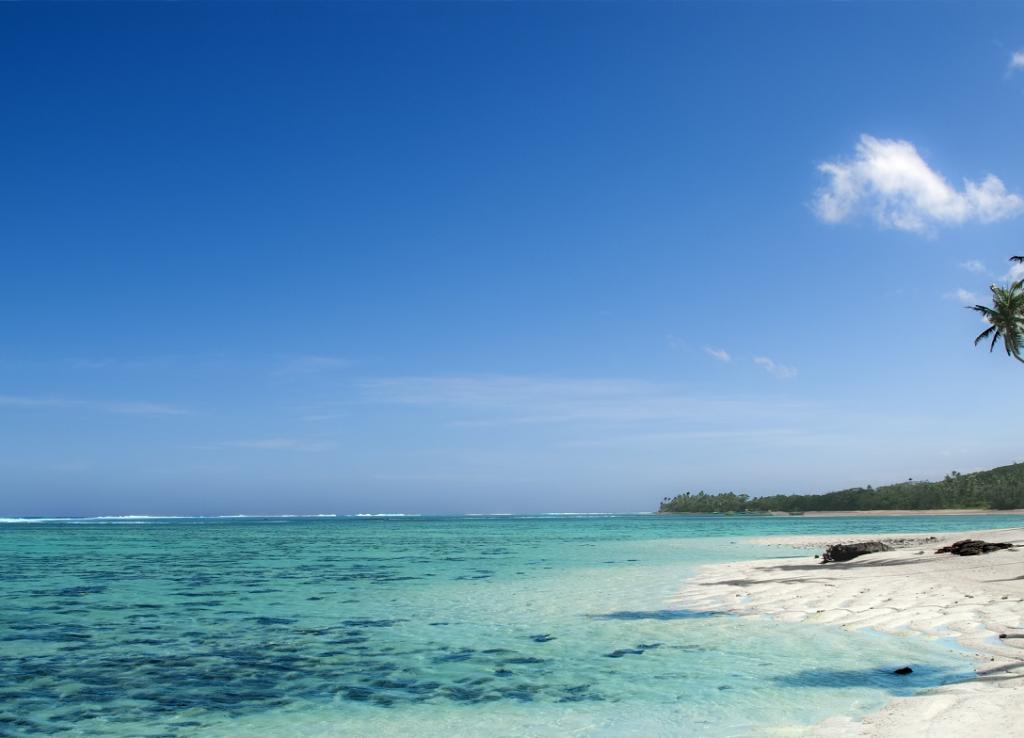
Suva itself is not known for beaches — the shoreline near the city is more harbor than swimming beach. The famous white-sand beaches associated with Fiji are generally on other islands or on the Coral Coast, which is too far (around 80 km) for a practical cruise day trip. Suva's strength is its city, rainforest, and cultural experiences rather than beach life.
Suva's main city attractions — the Municipal Market, Fiji Museum, Thurston Gardens, and waterfront — require no advance booking and are easily done independently. The Colo-i-Suva Forest Park is also accessible independently via public bus without reservation. Organized cultural tours and village visits benefit from pre-arrangement to ensure the experience is properly hosted and logistically smooth.
Filters
Select a filter to refine results.
Tour Type
Tour Activity
 Cart
Cart
 USD
USD GBP
GBP AUD
AUD EUR
EUR CAD
CAD