



Tours in Vila Vanuatu


Cruising to Vila Vanuatu in a group?
Skip the crowded ship excursion bus. One dedicated planner will design a private shore experience around exactly what your group wants — coordinated from first enquiry to the moment you're back on board. More memorable, more flexible, and more affordable than you might expect. Spend less time organising, more time enjoying.
Explore Group Travel →Cruising to Vila Vanuatu
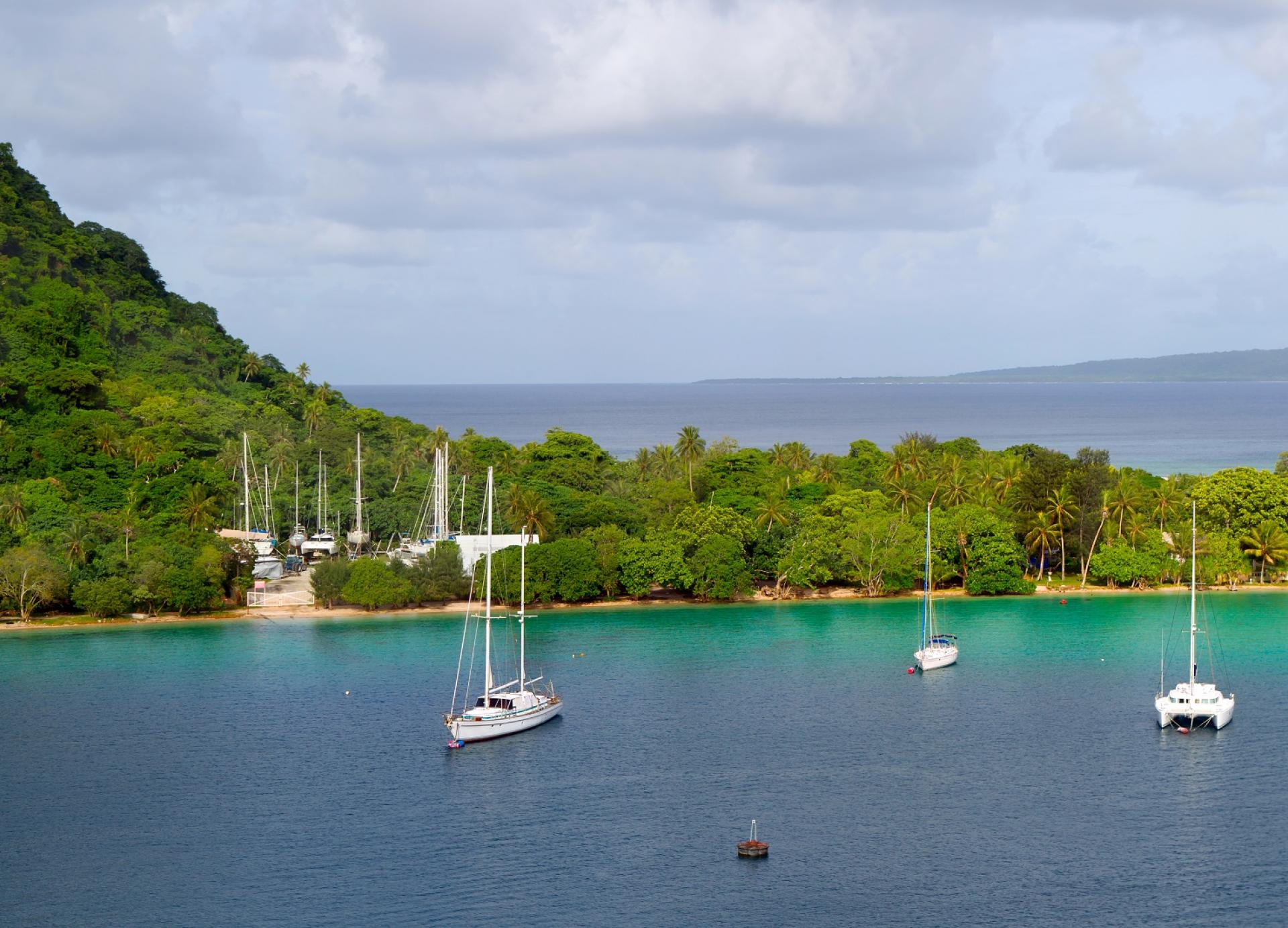
Port Vila occupies a sheltered harbor on Efate Island, serving as the capital of Vanuatu — an archipelago of 83 islands scattered between Fiji and Australia. The city carries a personality shaped by decades as an Anglo-French condominium: wide waterfront esplanades, open-air markets fragrant with tropical produce, and a café culture that leans unmistakably toward the baguette. Yet it is the Melanesian dimension that gives Port Vila its real depth. Ni-Vanuatu culture — expressed through kastom (custom) village traditions, ceremonial dances, and artisan crafts — remains a living presence rather than a staged performance. Beyond the town, the island reveals itself quickly: the electric waters of the Blue Lagoon, the tiered cascades at Mele, and reefs accessible by a short boat ride. The harbor's remarkable clarity means some of the finest snorkeling is practically within sight of the ship, and the underwater post office on Hideaway Island is a genuine curiosity found nowhere else in the Pacific.
Top things to do in Vila Vanuatu on a cruise stopover
Kastom Villages and Living Melanesian Culture
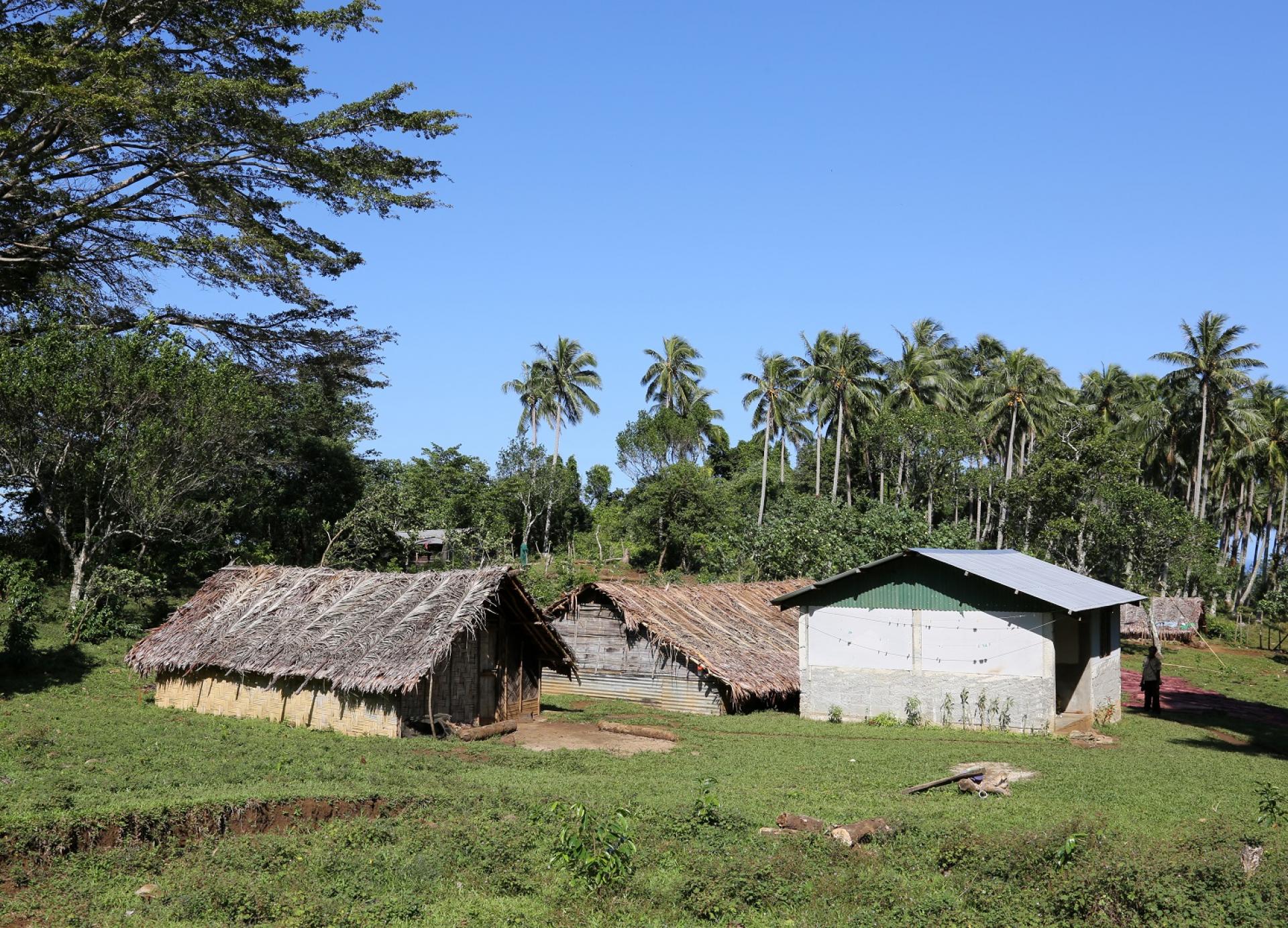
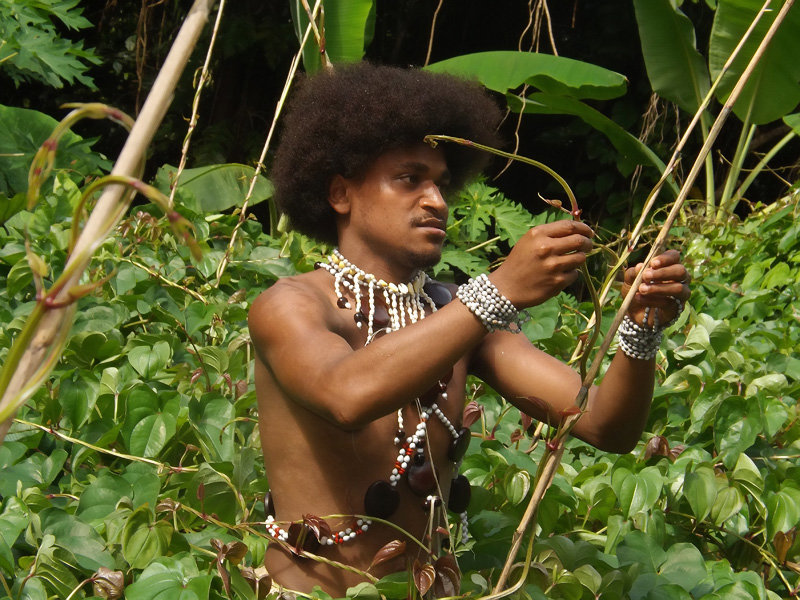
Vanuatu's kastom traditions — the customary laws, ceremonies, and social practices that govern Ni-Vanuatu village life — remain an active presence rather than a museum exhibit. Village visits around Efate offer genuine engagement with a culture shaped by the island environment over thousands of years: traditional dances, demonstrations of weaving and carving, medicinal plant knowledge, and explanations of the land tenure systems that underpin village governance. Some experiences include a demonstration of the famous land-diving tradition associated with Pentecost Island, recreated in a more accessible context on Efate. The hosts are generally welcoming, and the quality of the encounter is significantly shaped by approaching with genuine curiosity. These visits provide a meaningful counterpoint to the port's beach and snorkel offerings, and leave most visitors with a more layered understanding of Vanuatu than a waterfront afternoon alone could provide.
Port Vila Waterfront and the Mele Cascades
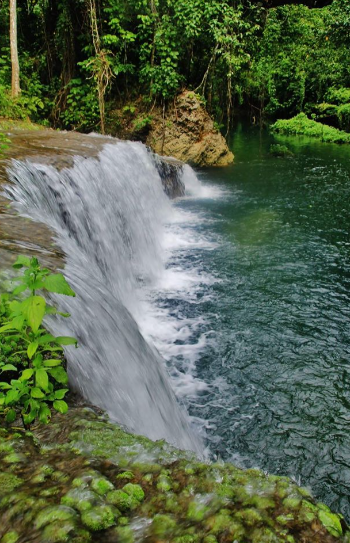
The compact center of Port Vila repays a morning of unhurried wandering: the central market stacked with breadfruit, papaya, woven mats, kava root, and fresh coconuts; colonial-era buildings alongside modern dive shops; a waterfront esplanade with a view across the harbor that takes in cruise ships, outrigger canoes, and the hills behind simultaneously. Outside town, the Mele Cascades offer a short walk through tropical forest to a series of tiered pools and waterfalls fed by freshwater springs. The lower pools are accessible for swimming and photographically striking; the upper falls require wading through the streambed on slippery rock, but reward the effort with seclusion and volume. The combination of city atmosphere and natural escape within a short distance makes this circuit one of the more balanced half-day options in the Pacific.
Hideaway Island Marine Sanctuary and Underwater Post Office
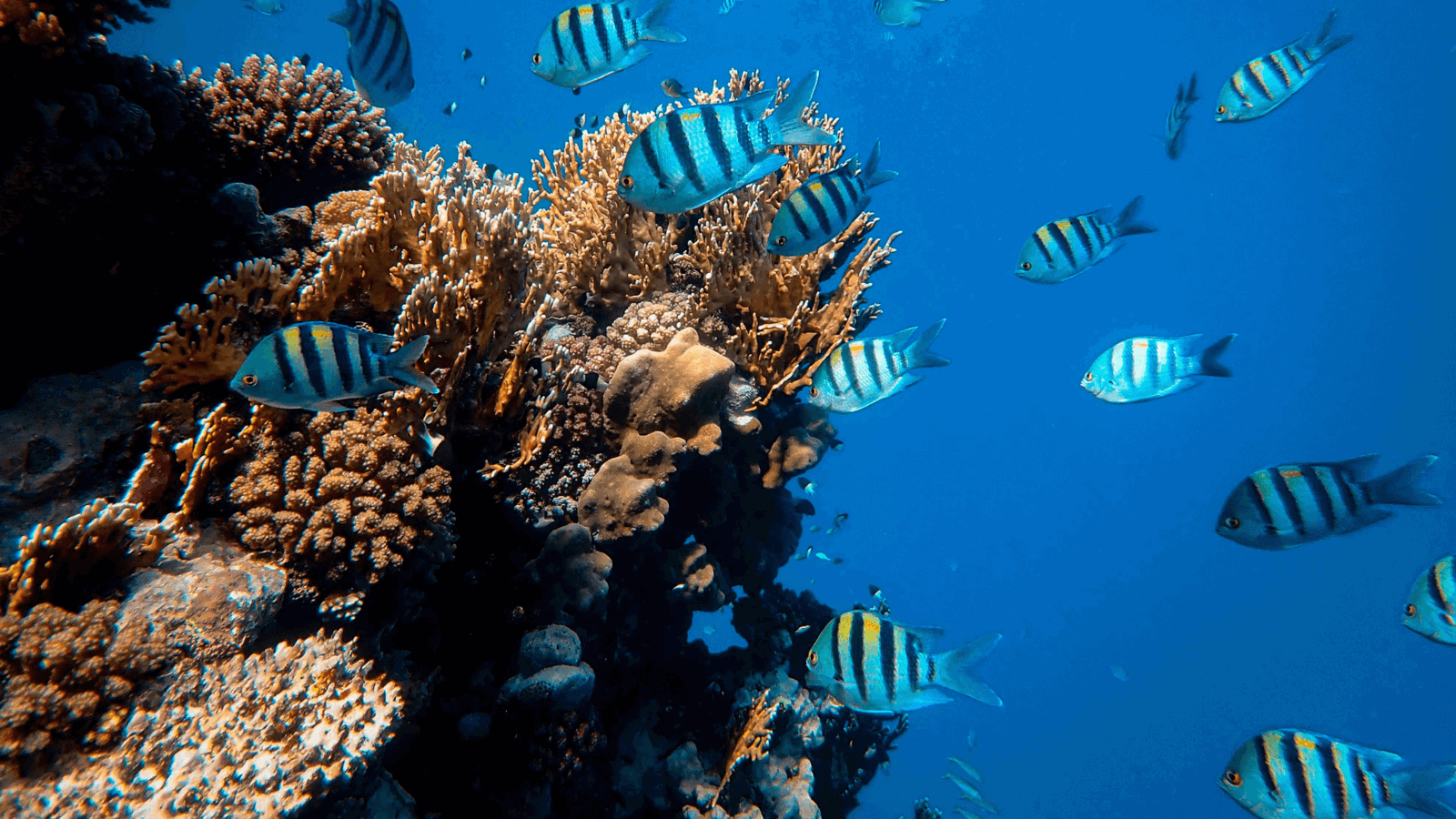
A short boat ride from the beach at Mele Bay, Hideaway Island is enclosed by a marine sanctuary whose shallow reef supports an accessible density of reef fish, coral formations, and occasional sea turtles. The surrounding water has the exceptional clarity that characterizes Efate's reef sites — visibility of 15 meters or more on calm days is routine. The island also hosts what is widely recognized as the world's only underwater post office: a waterproofed mailbox in the shallows, staffed by a dive-certified postmaster who cancels waterproof postcards with an official underwater stamp. The cards are then mailed to any address in the world. The novelty is real, but the snorkeling stands on its own merits, and the site is accessible to confident swimmers without scuba certification. The island can be reached independently via the local bus to Mele Bay followed by a short boat transfer.
The Blue Lagoon: A Spring-Fed Swimming Hole of Unusual Color
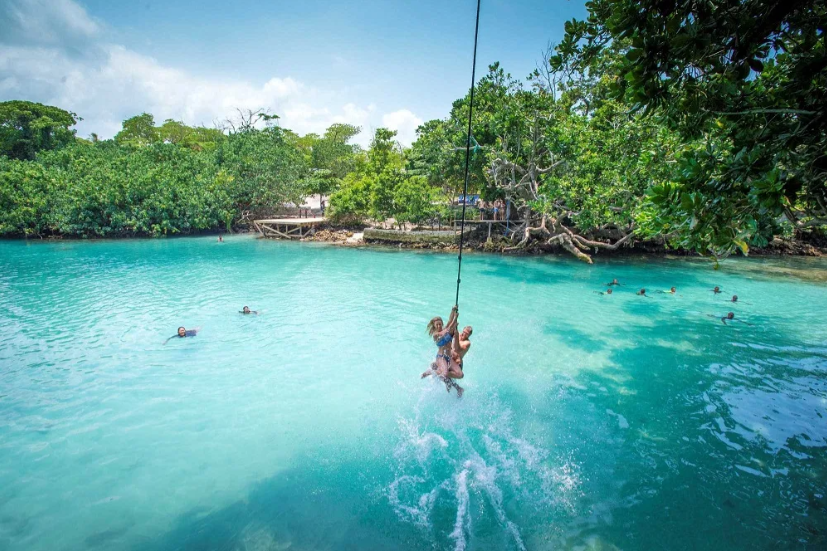
About 45 minutes north of Port Vila, a spring-fed lagoon near Nanda village offers swimming in water of a vivid, mineral-tinted blue-green that looks almost implausible in photographs and even more so in person. The color comes from limestone-filtered spring water, and the temperature stays cool even in tropical heat — a welcome contrast to the warm sea. The drive passes through Efate's interior, where secondary rainforest lines the road and gardens of taro and cassava mark village boundaries. A modest entry fee goes directly to the local landowners, and the site has deliberately minimal infrastructure — no cafes, no souvenir stalls, no crowds. Some visitors combine the lagoon with a short rainforest walk through the surrounding bush. The distance from the port means it works best as a dedicated half-day rather than a quick stop.
Harbor Day Cruising and Reef Snorkeling
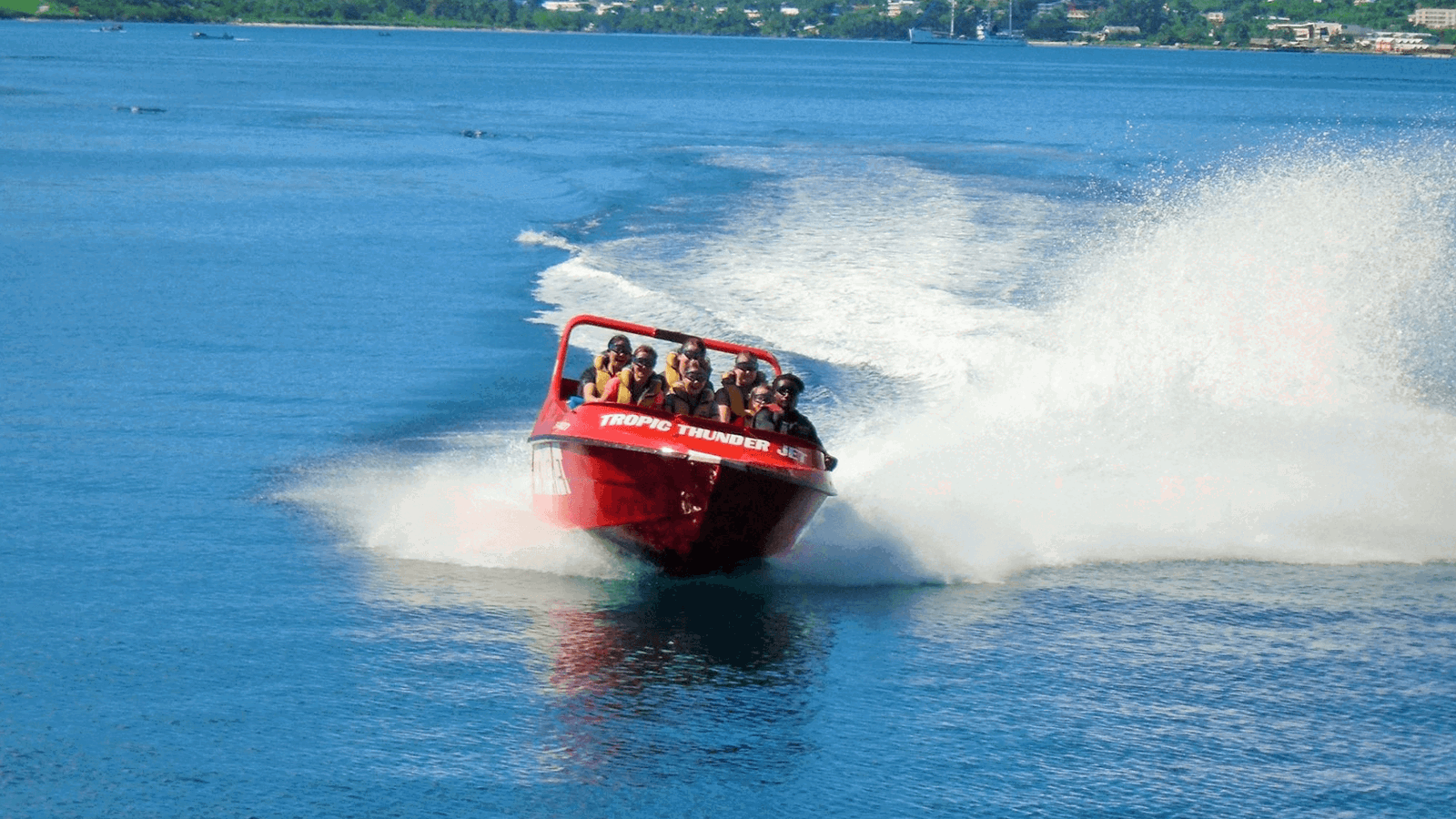
Port Vila's harbor is sheltered, warm, and clear, and day cruises on traditional-style vessels offer a relaxed way to take in the anchorage from the water, visit isolated reef patches, and snorkel above coral gardens without the logistics of an island transfer. The reef quality across the multiple sites typically visited on a harbor circuit is generally reliable — coral recovery from cyclone damage is ongoing, but the density of reef fish and marine life remains one of the better offerings in the central Pacific. Lunch on board typically features fresh local fish eaten at anchor over a quiet bay, with the hills and town of Port Vila visible on the horizon. This is one of the more unhurried options available, well-suited to visitors who want genuine water time without rushing between sites.
Scenic Flight over Efate and the Outer Islands
The geography of Vanuatu — a volcanic chain where ridgelines drop directly into reef-fringed sea — is best appreciated from altitude. Light aircraft and helicopter flights over Efate reveal the harbor's full geometry, the Blue Lagoon's distinctive mineral color from above, the patchwork of village gardens in the interior, and on clear days the silhouettes of neighboring islands rising from the sea. The standard circuit runs 20–30 minutes and covers the most photogenic sections of the coast and reef. Beyond the visual experience, these flights provide a practical orientation to Vanuatu's geography that makes subsequent ground-level time more legible. They are a particularly good option for visitors returning to Port Vila on a second cruise call who have already covered the main land-based sites.
Vila Vanuatu travel tips
Exchange Money to Vatu Before Leaving the Waterfront Area. Vanuatu Vatu is the only currency reliably accepted at markets, local minibuses, and village entrance points. Exchange facilities operate near the wharf and in the town center, and rates are generally fair. Arriving without local currency significantly limits your options at the market and most cultural sites — do not assume USD will be accepted.
The Local Minibus Network Is Practical — But Carries No Guarantees. Minibuses serving fixed routes around Efate are flagged from the main road near the waterfront for a flat, inexpensive fare — they are the standard way to reach Mele Bay, Hideaway Island, and the Blue Lagoon turnoff. Services run through the day but without fixed timetables. Afternoon services thin noticeably after 3 p.m., so build extra time into any itinerary involving distant sites, particularly if your ship has an early all-aboard call.
The Tropical Sun Is Intense — Protect Accordingly. Vanuatu sits at 17 degrees south latitude and the solar intensity is significant year-round. High-SPF sunscreen, a wide-brim hat, and a lightweight long-sleeve layer or rash guard are worth carrying for any outdoor activity, particularly snorkeling or a harbor cruise where cloud cover provides limited shade. Reef-safe sunscreen is strongly encouraged at all marine sites to minimize coral impact.
Mele Cascades Require Footwear That Can Get Wet. The path to the upper sections of the Mele Cascades involves wading through the streambed at several points, and the rocks underfoot are slippery. Flip-flops are inadequate for the upper falls and can lead to falls. Water sandals with heel straps, or old trainers you do not mind soaking, are the practical choices. The lower pools are accessible in most footwear and are the most visited and photographed section of the site.
Approach Kava Tastings With Genuine Respect for Their Cultural Context. Kava — brewed from the root of Piper methysticum — is central to Ni-Vanuatu social and ceremonial life. Nakamal (kava bars) are the setting for community gathering at sunset, not tourist entertainment. Some cultural tours include a tasting in an appropriate context. The drink is earthy, mildly sedating, and an acquired taste — trying it respectfully, in the right setting, produces a more meaningful encounter than seeking it out purely as a novelty.
Confirm Wharf and Tender Logistics Early on Port Day. Port Vila is generally a direct pier port, but tender operations are occasionally used depending on vessel size and anchorage position. Check your ship's daily program for disembarkation arrangements before planning departure times. The return bus service from outer sites like the Blue Lagoon can be unreliable in the late afternoon — aim to be back at the waterfront with at least 45 minutes to spare before your ship's all-aboard call.
Port Facts Every Cruiser Needs To Know
Vila Vanuatu shore excursion FAQs
Yes — the main shopping streets, the central market, and the waterfront esplanade are all within 5–10 minutes on foot from the cruise wharf. Port Vila is one of the more walkable Pacific capitals for independent exploration, and most of the key market, cultural, and café stops are clustered in this central area. The market is generally open from early morning until mid-afternoon.
Exchanging some money to Vanuatu Vatu (VUV) before venturing beyond the waterfront is strongly recommended. Markets, local buses, village entrance fees, and most small vendors are cash-only, and Vatu is the only reliably accepted currency in these settings. Exchange facilities operate near the wharf and in town. USD is generally not accepted outside a small number of international-facing hotels and shops.
Port Vila is generally considered safe for tourists during daylight hours. The waterfront, central market, and main shopping streets are busy and well-trafficked, and most visitors explore them without incident. Standard urban awareness applies — keep valuables secured and be attentive in quieter areas — but the overall environment is relaxed and experienced at receiving cruise visitors.
The underwater post office is a waterproofed mailbox submerged in the shallows of Hideaway Island's marine sanctuary, staffed by a dive-certified postmaster who cancels waterproof postcards with an official Vanuatu postal stamp while underwater. The cards are then dried and mailed to any address in the world. The surrounding marine sanctuary makes the visit worthwhile independently of the postal novelty — the snorkeling is among the most accessible and high-quality available in the Port Vila area.
The Blue Lagoon near Nanda village is approximately 45 minutes from Port Vila by road. The color of the water — a vivid mineral blue-green fed by limestone springs — is striking in a way that photographs convey only partially. Factor in at least three to four hours for a return visit, including swimming time. The road journey through Efate's interior is pleasant, and the site has deliberately minimal development, which is much of its appeal.
Kastom is the Bislama word for the customary traditions, laws, and social practices governing Ni-Vanuatu village life. On a cultural village visit, kastom typically manifests through traditional dance performances, demonstrations of weaving, food preparation, medicinal plant use, and explanations of village governance and land tenure. These experiences are hosted by local communities and vary considerably in depth and formality — the better ones feel like genuine exchanges rather than staged shows.
The lower section of the Mele Cascades is accessible and enjoyable for older children comfortable on wet terrain. The path involves wading through the stream at several points, and the footing on the rocks can be slippery. Younger or less mobile visitors typically enjoy the lower pools without attempting the upper falls. Appropriate footwear — water sandals with heel straps or old trainers — is essential for anyone going beyond the entrance area.
Port Vila harbor and the surrounding reef sites benefit from excellent water clarity — visibility of 15–20 meters is common on calm days. The marine sanctuary at Hideaway Island and the reef sites visited on harbor cruises consistently deliver good density of reef fish and coral life. Some coral has been affected by past cyclones but recovery is ongoing, and the overall underwater quality remains among the better offerings in the central South Pacific for casual snorkelers.
Vanuatu cuisine reflects the island's layered heritage: French-style bakeries operate alongside stalls serving laplap (the national dish of grated root vegetable baked in earth ovens) and fresh seafood. The central market is a reliable source of tropical fruit — breadfruit, papaya, fresh coconut — and vendors are experienced with visitor customers. Standard food-safety judgment applies: freshly cooked, hot food from busy stalls is the consistently safer and tastier choice.
Ships most commonly call at Port Vila between May and October, Vanuatu's dry season, which brings warm temperatures (24–27°C), lower humidity, and significantly reduced rainfall. The wet season (November–April) brings heavier rain, higher temperatures, and tropical cyclone risk, though some itineraries include Port Vila during this period. Year-round, the water is warm, sunscreen is essential, and light tropical clothing is appropriate for the heat.
Filters
Select a filter to refine results.
Tour Type
Tour Activity
 Cart
Cart
 USD
USD GBP
GBP AUD
AUD EUR
EUR CAD
CAD