



Tours in Grenada (Saint George's)


Cruising to Grenada (Saint George's) in a group?
Skip the crowded ship excursion bus. One dedicated planner will design a private shore experience around exactly what your group wants — coordinated from first enquiry to the moment you're back on board. More memorable, more flexible, and more affordable than you might expect. Spend less time organising, more time enjoying.
Explore Group Travel →Cruising to Grenada (Saint George's)
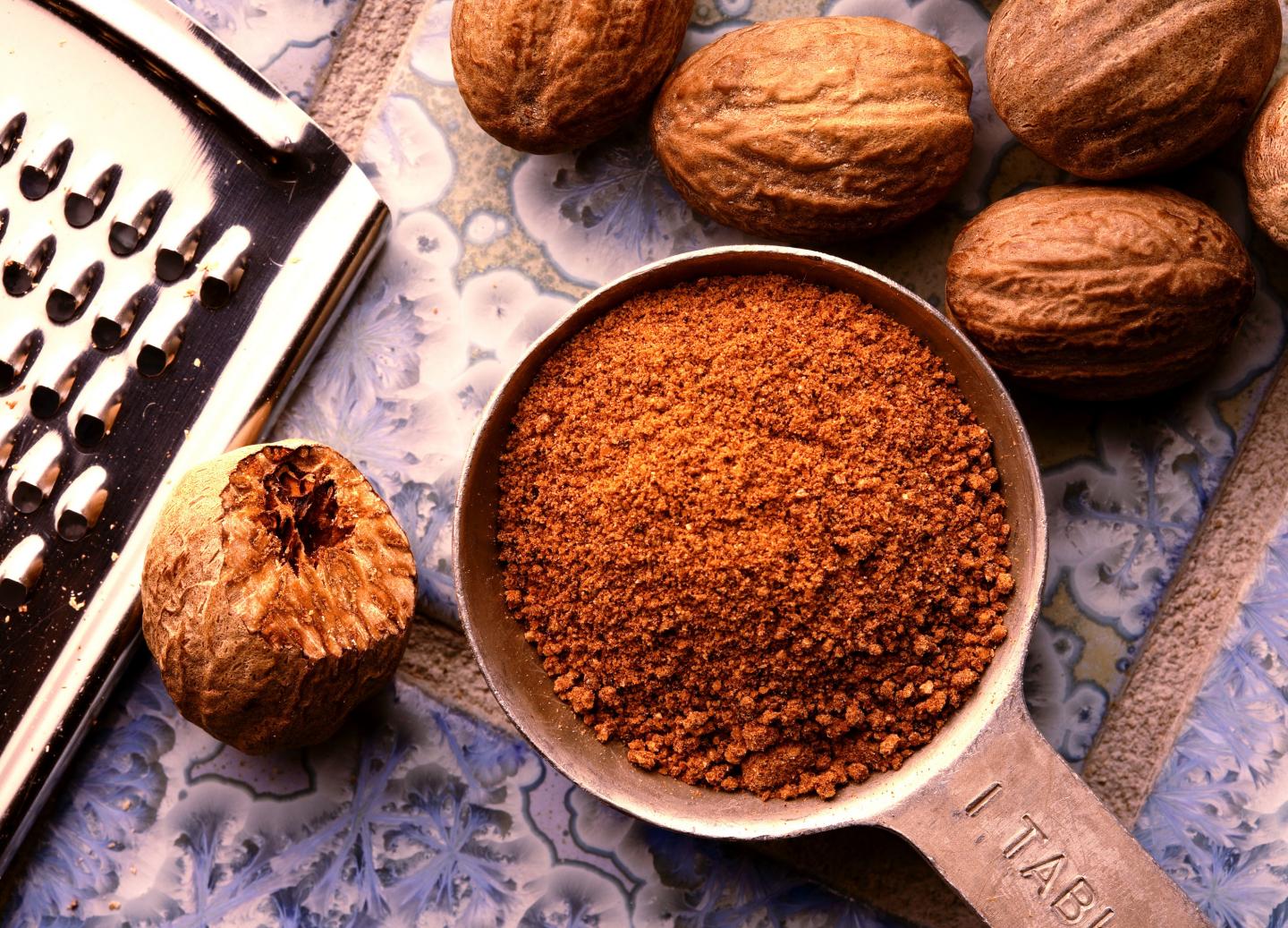
Grenada earns the title of Spice Island not as a marketing phrase but as a geographic fact. This small southern Caribbean nation — just 21 miles long — produces nutmeg, mace, cinnamon, cloves, turmeric, and ginger in quantities that perfume the air across much of the island's interior. Nutmeg appears on the national flag, and the spice's red-lacquered shell turns up in everything from local rum punch to artisan chocolates produced at estates tracing their agricultural history back centuries. It is an island that delivers sensory detail even before you've left the harbor.
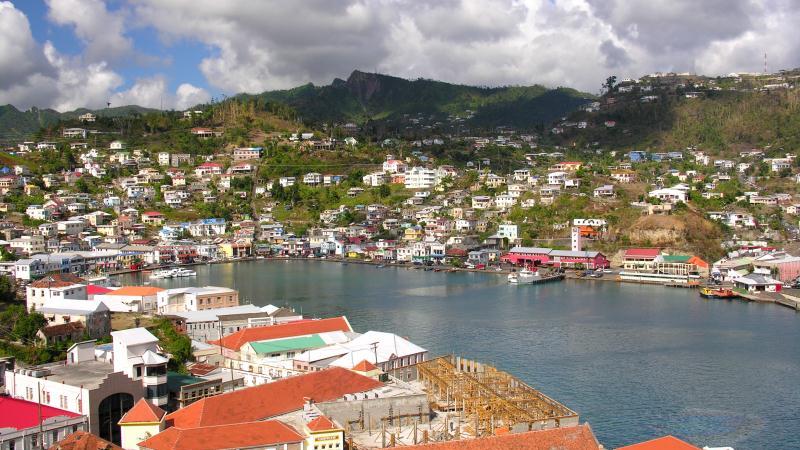
Saint George's, the capital, is consistently cited as one of the most beautiful port cities in the entire Caribbean — and it earns the distinction through genuine architectural and geographic character rather than groomed perfection. The harbor curves into a natural horseshoe ringed by hillside neighborhoods of Georgian warehouses, colonial townhouses, and the commanding silhouette of Fort George above it all. The Carenage — the inner harbor — is lined with brightly painted buildings reflected in still water, and the market square is the kind of scene that reminds you this is a working city, not a museum piece. Ships dock directly at the cruise terminal within the Carenage, placing passengers at the heart of town from the first moment ashore.
A day in Grenada moves at whatever tempo suits you. The beaches — particularly the celebrated two-mile stretch of Grand Anse — are among the finest in the eastern Caribbean and require only a short taxi ride from port. The island's interior rewards those who venture beyond the coast: spice plantation tours, chocolate estate visits, waterfall hikes, and the slow pleasure of a rum-punch lunch in the hills make for a full and genuinely memorable port day. Grenada has resisted the over-development that has compromised many Caribbean destinations, and that restraint is, in every sense, the source of its considerable appeal.
Top things to do in Grenada (Saint George's) on a cruise stopover
Saint George's: A Capital That Earns Its Beautiful Reputation
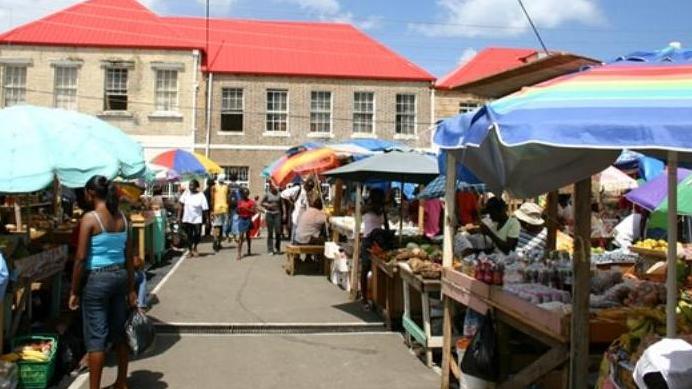
Few Caribbean capitals have the topographic drama of Saint George's. The city climbs steep hillsides around the horseshoe of its natural harbor, with Georgian-era warehouses lining the Carenage, a French colonial church perched above the waterline, and the kind of unplanned, layered urban character that takes centuries to accumulate. The market square is one of the liveliest scenes in the eastern Caribbean — vendors of produce, spices, and handmade goods filling a space that has served as the island's commercial heart since the colonial era. The Carenage walk from the cruise terminal around the inner harbor takes no more than 20-30 minutes at a relaxed pace and serves as an ideal orientation to the city.
Fort George: History and Harbor Views Above the City
Built by the French in 1705 and later expanded by the British, Fort George occupies the promontory above Saint George's harbor and commands sweeping views across the Carenage, the coastline, and the green hills of the interior. The fort is free to enter and remains an active police headquarters — an unusual combination that gives it an authentic, unstuffy character very different from the manicured historic sites found in more tourist-intensive ports. Walking up from the Carenage takes roughly 15-20 minutes through steep but navigable streets, or taxis will drop you at the entrance. The view from the ramparts is one of the genuinely rewarding vantage points in the Caribbean.
Grand Anse Beach: Two Miles of Caribbean Perfection
Grand Anse is among the most celebrated beaches in the eastern Caribbean for entirely legitimate reasons: two miles of fine white sand, calm clear water running through shades from aquamarine to deep sapphire, and a backdrop of lush green hills that insulates the beach from any sense of urban encroachment. It is wide enough that even when busy it does not feel crowded. Beach chair and umbrella rentals are available from operators along the shore, and small beach bars and restaurants supply food and drinks ranging from fresh fish dishes to cold Carib beers. From the cruise terminal, a taxi takes approximately 10-15 minutes. Water taxis also run between Grand Anse and the Carenage.
Annandale Waterfall: A Quick Hit of Island Interior
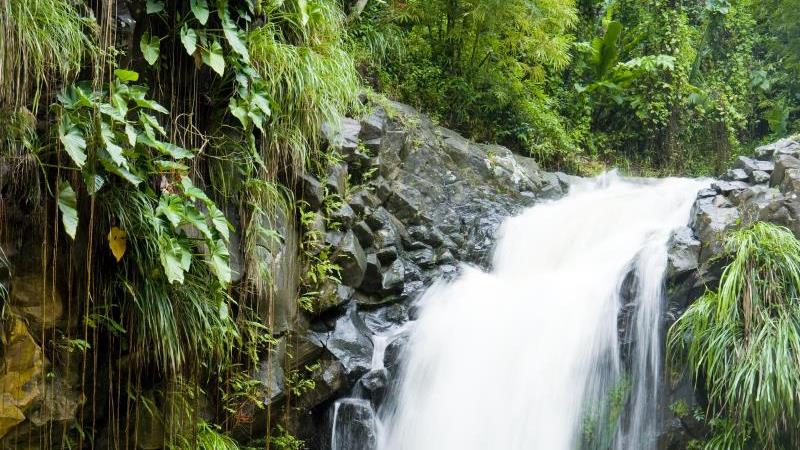
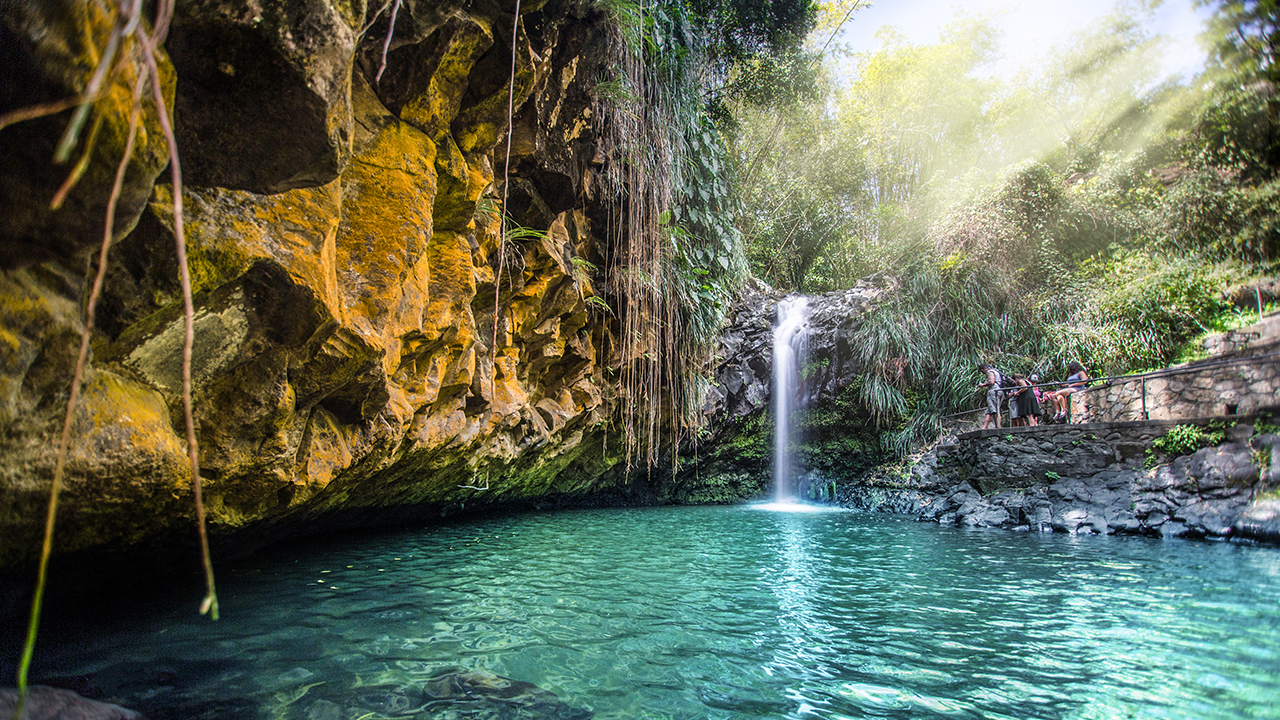
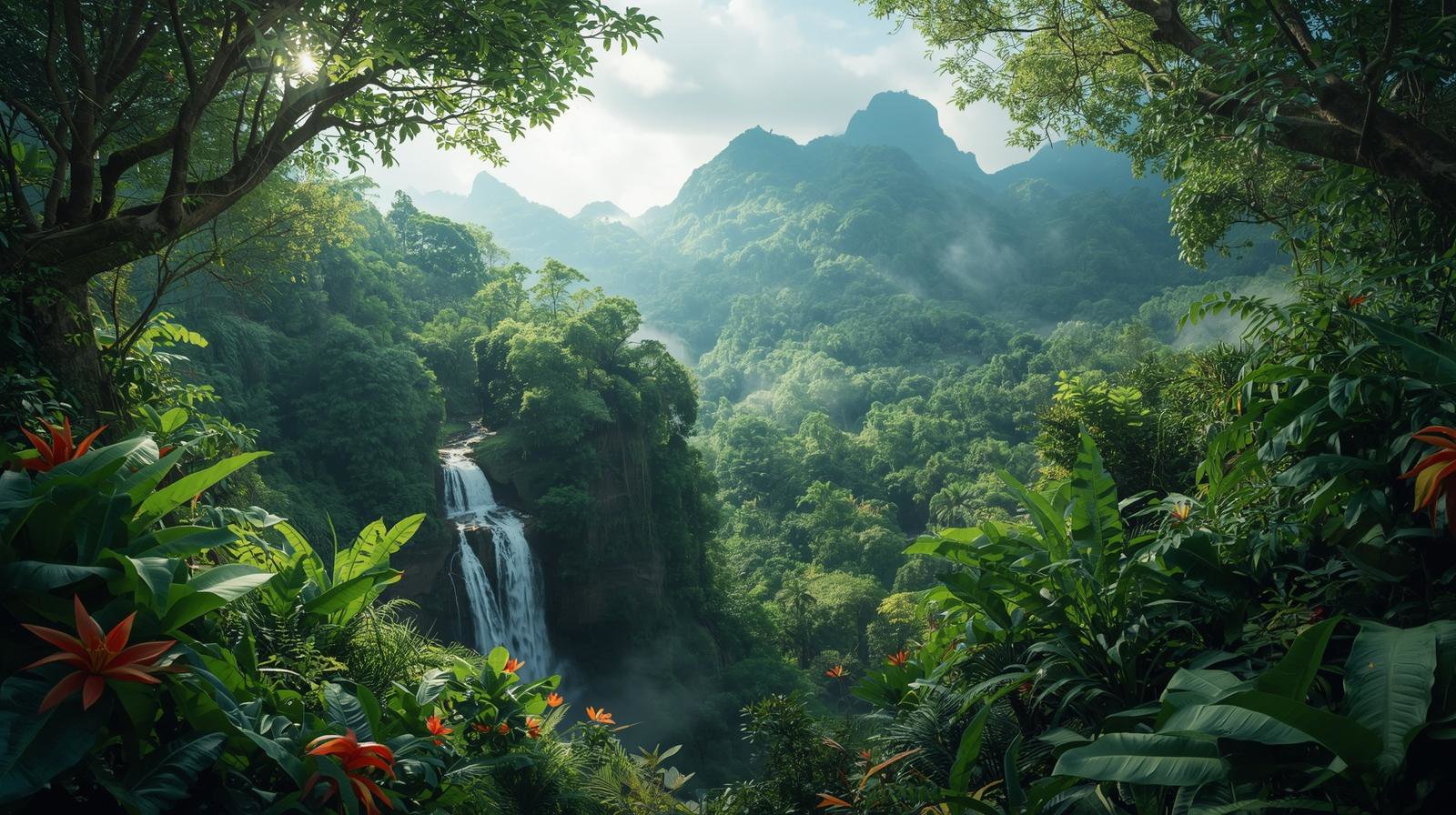
Annandale Falls is Grenada's most accessible inland attraction — a 30-foot waterfall set in a lush tropical garden just 15 minutes from Saint George's by taxi. The waterfall cascades into a natural pool, and local young men dive from surrounding rocks as a longstanding informal tradition at the site. Swimming in the pool below is permitted and thoroughly refreshing. The surrounding vegetation — dense with nutmeg trees, balisier plants, and tropical flowering shrubs — provides a vivid introduction to Grenada's botanical richness. For cruise passengers with limited time, Annandale offers a satisfying taste of the island's interior without requiring a lengthy excursion.
Belmont Estate: Chocolate, Spice, and Four Centuries of Agriculture
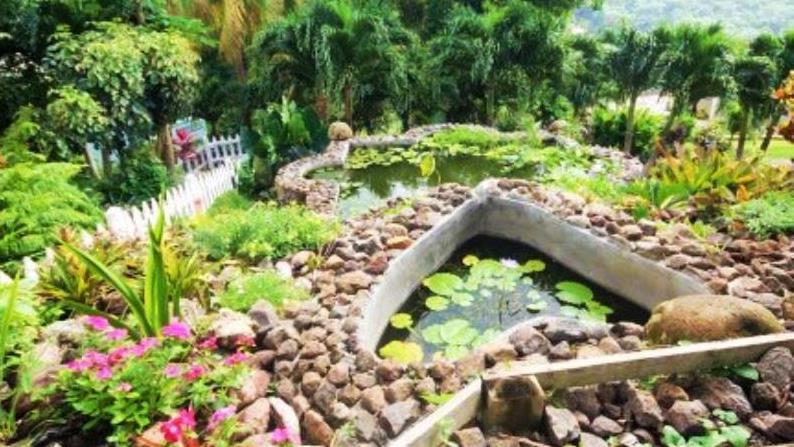
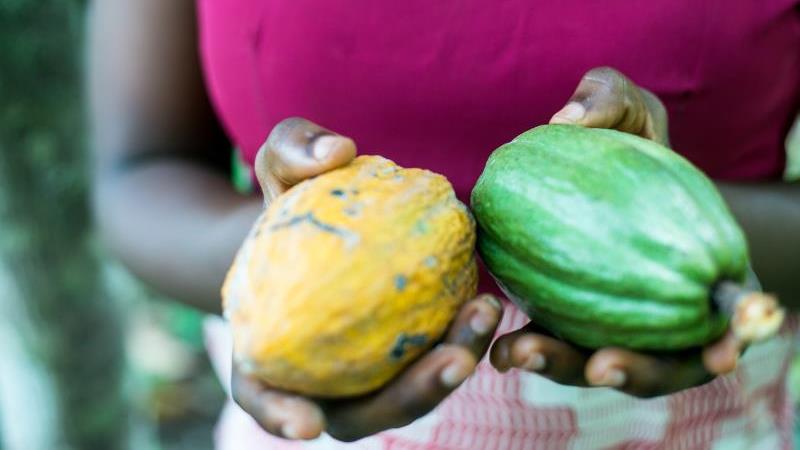
Belmont Estate in the island's northeast is a 400-year-old working plantation that now functions as one of Grenada's most thoughtful agricultural tourism experiences. The estate produces organic cocoa, and guided tours walk visitors through the full chocolate production process from raw pod to finished bar — including fermentation, sun drying, and roasting, all performed on site using traditional methods. The estate also maintains a nutmeg grove, a cocoa museum, and a restaurant serving local cuisine grown largely on the property. The drive through Grenada's interior to reach Belmont is itself a scenic reward, passing through villages, spice groves, and hill country that represents the island at its most authentic.
The Underwater Sculpture Park: Art Meets Marine Ecology
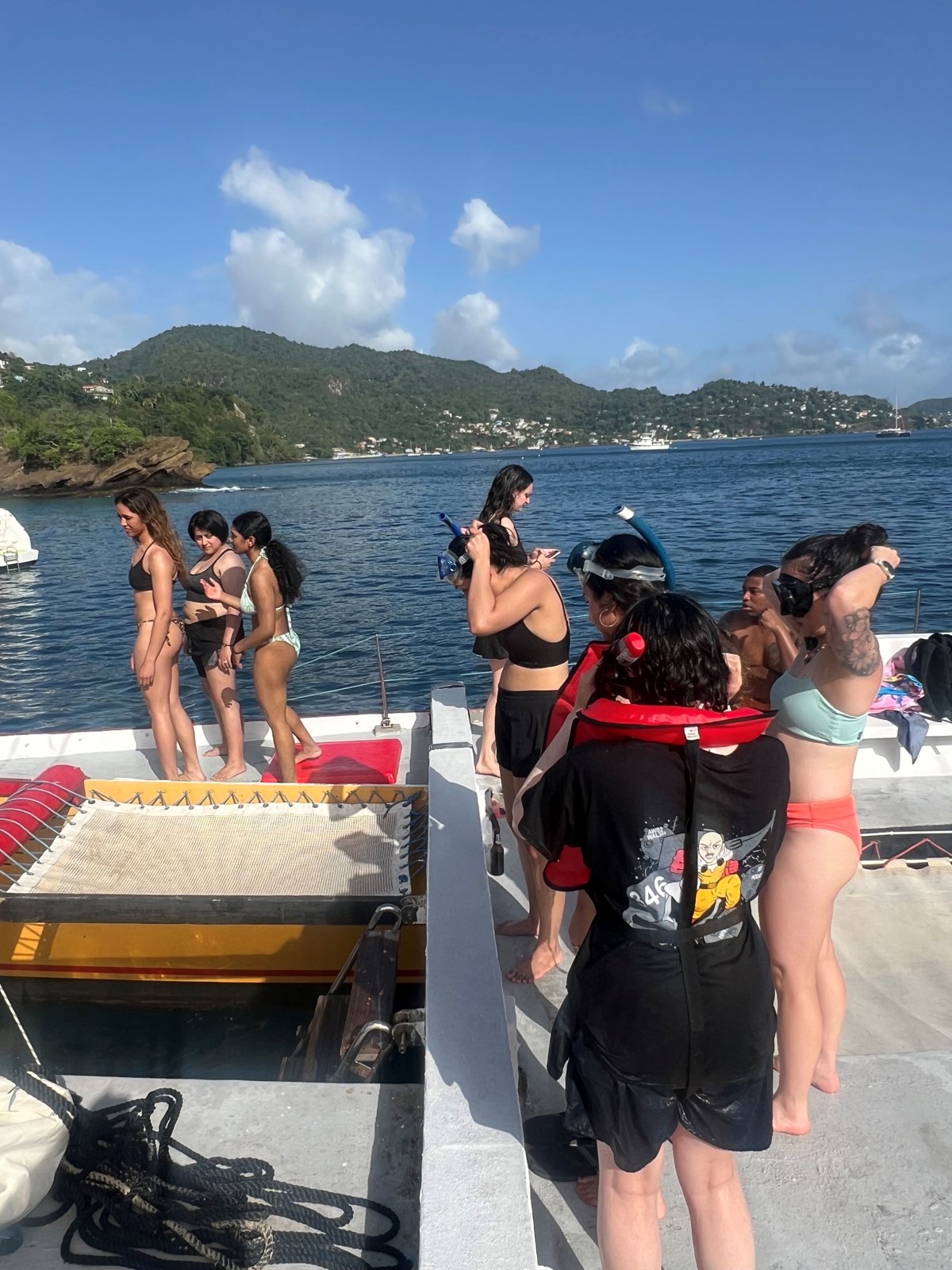
Located off the coast near Grand Anse, the Molinere Underwater Sculpture Park is the world's first underwater sculpture park — a collection of over 65 life-size human figures and structures created by British sculptor Jason deCaires Taylor and submerged at depths of 8-17 feet. The sculptures now function as artificial reefs, encrusted with coral and sponges and populated by reef fish, creating installations that blur the boundary between art and marine conservation in a way that is genuinely unlike anything else in the Caribbean. Accessible by snorkeling, scuba, or glass-bottom boat, the park operates as a protected marine conservation area and is a compelling draw for visitors seeking a different kind of underwater experience.
Grenada (Saint George's) travel tips
Combine Fort George and the Carenage Walk in One Morning. The most efficient way to experience Saint George's on a port day is to walk the Carenage from the cruise terminal, absorbing the harbor view and colonial architecture at ground level, then make the 15-20 minute uphill walk to Fort George for the panoramic perspective from above. The two experiences together take 60-90 minutes and deliver a complete picture of the capital's character and geography. Do this early — the walk to the fort is uphill and warmer in the midday heat — then take a taxi to Grand Anse Beach for the afternoon. It is the natural sequence for a first-time visitor and leaves no major experience unreached.
Negotiate Your Taxi Fare Before You Get In. Grenada's taxi drivers are generally reliable and knowledgeable, and many double as informal tour guides. However, fares are not metered — they are negotiated. A clear agreement on price before you depart is essential, particularly for multi-stop itineraries. If a driver offers a flat-rate island tour covering Grand Anse, Annandale Falls, and a spice stop at a reasonable fixed price, this can represent excellent value. Ask the ship's destination services desk for current going rates to calibrate expectations before you step onto the pier.
Try Oil Down — Preferably at a Local Restaurant. Grenada's national dish is oil down: a rich, slow-cooked one-pot stew built around breadfruit, salted meat, callaloo leaves, and coconut milk, flavored with turmeric and local spices until everything is tender and fragrant. It is deeply traditional, impossible to find authentically prepared elsewhere, and one of the Caribbean's genuinely great national dishes. It appears on menus at local restaurants around Saint George's and the market area. This is the kind of culinary encounter that makes port days memorable long after the ship has sailed.
Visit the Spice Market at Market Square. Market Square in Saint George's, a short walk from the Carenage, is one of the most rewarding places to buy spices anywhere in the Caribbean. Local vendors sell fresh and dried nutmeg, mace, cinnamon, turmeric, bay leaves, and blended spice mixes at prices far below what you'll find at port-side souvenir shops. Bring cash in small denominations, be prepared to sample, and consider buying more than you think you need — Grenadian nutmeg is noticeably more aromatic and flavorful than what's available in most supermarkets at home. The market is liveliest in the morning.
The Water Taxi Between Town and Grand Anse Is Worth Taking. Rather than taxiing both ways between Saint George's and Grand Anse Beach, consider using the water taxi service that runs between the Carenage and the beach. The short harbor crossing offers a different perspective on the city's waterfront and surrounding coastline, and is a practical and enjoyable alternative to road transport in one direction. Fares are modest, boats run frequently during cruise hours, and the brief ride adds a pleasant dimension to what might otherwise be a purely utilitarian transfer. Combine it with a one-way taxi and you've seen the route from both land and sea.
Leave Time for a Rum Shop Stop. Grenada produces some of the Caribbean's most respected rums, and the local rum shop — a neighborhood bar that functions as social hub, informal information center, and refreshment stop — is one of the island's most authentic social institutions. Clarke's Court and Rivers Rum are the two main local producers; a rum punch made with either is a reliable and inexpensive pleasure. Rum shops in and around the market area of Saint George's welcome visitors without ceremony. It is not a tourist attraction — which is precisely the point. Twenty minutes over a rum punch in a local bar can deliver a quality of genuine encounter that no organized excursion can replicate.
Port Facts Every Cruiser Needs To Know
Grenada (Saint George's) shore excursion FAQs
Cruise ships dock directly at the Cruise Ship Terminal located within Saint George's Carenage — the main inner harbor. No tendering is required. The terminal places passengers within easy walking distance of the city center, the market square, and the Carenage waterfront. This is one of the most conveniently situated cruise terminals in the eastern Caribbean, making Grenada an unusually straightforward and rewarding port day.
Grenada is the world's second-largest producer of nutmeg and was historically the dominant global supplier before Hurricane Ivan devastated plantations in 2004. Nutmeg appears on the flag as a symbol of the island's agricultural identity and economic heritage. To see the spice trade directly, Belmont Estate in the northeast combines nutmeg groves with artisan chocolate production in a single visit. The Dougaldston Estate near Gouyave processes nutmeg by traditional hand methods and welcomes visitors. The spice market at Market Square in Saint George's is the most accessible place to purchase fresh nutmeg from local growers.
Grand Anse Beach is approximately 3 miles south of the cruise terminal — a 10-15 minute taxi ride. Taxis are plentiful at the port and the one-way fare is modest; agree on the price before departing. Alternatively, water taxis operate between the Carenage and Grand Anse Beach, providing a scenic harbor crossing that is both practical and enjoyable. Local minibuses also run along the coastal road for a fraction of the taxi fare, though they are less convenient for first-time visitors managing port-day time constraints.
The Molinere Underwater Sculpture Park is a protected marine reserve located off the coast north of Grand Anse, featuring over 65 life-size concrete sculptures submerged at depths of 8-17 feet. Created by British sculptor Jason deCaires Taylor beginning in 2006, the installations function as artificial reefs now heavily colonized by coral and marine life. The park is accessible by snorkeling, scuba diving, or glass-bottom boat — making it available to non-divers as well. Several operators at the cruise terminal and along Grand Anse Beach offer dedicated excursions to the sculpture park throughout the day.
Grenada is considered one of the safer Caribbean island nations, and Saint George's is a comfortable city to explore independently. The Carenage waterfront, Fort George, and the market square are all walkable and generally relaxed environments during cruise ship hours. Petty theft can occur as in any port city — keep valuables secured and be aware of your surroundings in busy market areas. For inland destinations like Annandale Falls or Belmont Estate, taxis are the practical choice. Independent navigation by rental car is possible for experienced Caribbean travelers but is not necessary for a single day visit.
For a focused spice experience in one day, a morning visit to the spice market at Market Square in Saint George's provides immediate access to fresh nutmeg, mace, cinnamon, and local blends at excellent prices. If time and budget allow, a taxi excursion to Belmont Estate combines nutmeg groves with artisan chocolate production in a single stop — tours run continuously and take approximately 60-90 minutes. The drive through the island's interior adds to the experience, as the scent of spices is often noticeable even along roadside plantings in more rural areas.
Fort George is an 18th-century fortification built originally by French colonists in 1705 and later expanded by the British. It occupies the headland above Saint George's harbor and provides some of the best panoramic views in the eastern Caribbean — across the Carenage, the coastline, and Grenada's green interior. The fort remains an active police headquarters, which gives it an informal, lived-in quality unusual among Caribbean historical sites. Entry is free. The uphill walk from the Carenage takes 15-20 minutes through interesting streets; taxis also service the entrance. For those reasonably mobile, the views make it unquestionably worthwhile.
The Eastern Caribbean dollar (XCD) is the official currency, but US dollars are accepted almost universally across Grenada — at restaurants, shops, taxis, and most tour operators. Change may be returned in EC dollars. Credit cards are accepted at larger establishments in Saint George's and at resort-adjacent businesses near Grand Anse. Carry a modest amount of small-denomination cash for market vendors, rum shops, waterfall admission fees, and tips — these transactions are typically cash-only, and US dollars at approximate exchange value are perfectly acceptable.
This combination is ambitious but achievable with careful sequencing. Start with Fort George early — cooler, better light, and the walk up is easier before midday heat. Walk back down to the Carenage, visit the spice market, then take a taxi to Grand Anse Beach for the afternoon, returning to port via water taxi before all-aboard. Adding a full plantation visit on top makes the day very tight. For most first-time visitors, choosing two of the three main experiences — Fort George plus Grand Anse is the most natural pairing — makes for a far more relaxed and enjoyable day than rushing through all three.
Fresh nutmeg and mace from the Market Square vendors are the most authentic Grenadian souvenir — fragrant, inexpensive, and genuinely superior to what's available in North American or European supermarkets. Artisan chocolate bars from Belmont Estate or the Grenada Chocolate Company, sold at various island outlets, are internationally recognized and make excellent gifts. Local rum — particularly Clarke's Court or Rivers Rum — is an affordable and distinctive take-home option. Avoid purchasing turtle shell, black coral, or wildlife products, which are illegal to import into most countries and environmentally damaging regardless of legal status.
Filters
Select a filter to refine results.
Tour Type
Tour Activity
 Cart
Cart
 USD
USD GBP
GBP AUD
AUD EUR
EUR CAD
CAD