



Tours in Scarborough Tobago


Cruising to Scarborough Tobago in a group?
Skip the crowded ship excursion bus. One dedicated planner will design a private shore experience around exactly what your group wants — coordinated from first enquiry to the moment you're back on board. More memorable, more flexible, and more affordable than you might expect. Spend less time organising, more time enjoying.
Explore Group Travel →Cruising to Scarborough Tobago
Tobago is the quieter, greener half of the twin-island republic of Trinidad and Tobago, and Scarborough — its compact, hilly capital — is the gateway to one of the Caribbean's most genuinely unspoiled destinations. While Trinidad pulses with Carnival energy and urban intensity, Tobago moves to a different rhythm entirely: fishing pirogues bobbing in sheltered bays, goats wandering unpaved tracks, and primary rainforest pressing right down to the sea. For cruise travelers, a day here feels less like a port stop and more like a rare encounter with a Caribbean that hasn't been scripted for visitors.
The island's natural credentials are extraordinary. The Tobago Main Ridge Forest Reserve, established in 1776, is the oldest legally protected forest in the Western Hemisphere — a fact that explains why so much of the interior remains intact, draped in towering trees alive with hummingbirds, jacamars, and motmots. Offshore, Buccoo Reef draws snorkelers with its shallow coral gardens and the peculiar, mesmerizing Nylon Pool, a natural sandbar rising from turquoise shallows in the middle of the sea. Beaches range from the iconic swept-white arc of Pigeon Point, with its thatched jetty pier, to the intimate fishing village coves at Castara Bay, where you're as likely to share the shore with a local family as with another tourist.
Scarborough itself is a working Caribbean town rather than a polished tourist hub — the market is lively, the roti shops are excellent, and Fort King George on the hill above the harbor rewards the climb with panoramic views across the coastline. Six to ten hours ashore is genuinely enough to sample Tobago's beach, reef, and forest in combination, particularly if you arrange transport early. Come with comfortable walking shoes, sunscreen, and an appetite for the real thing.
Top things to do in Scarborough Tobago on a cruise stopover
Pigeon Point Heritage Park
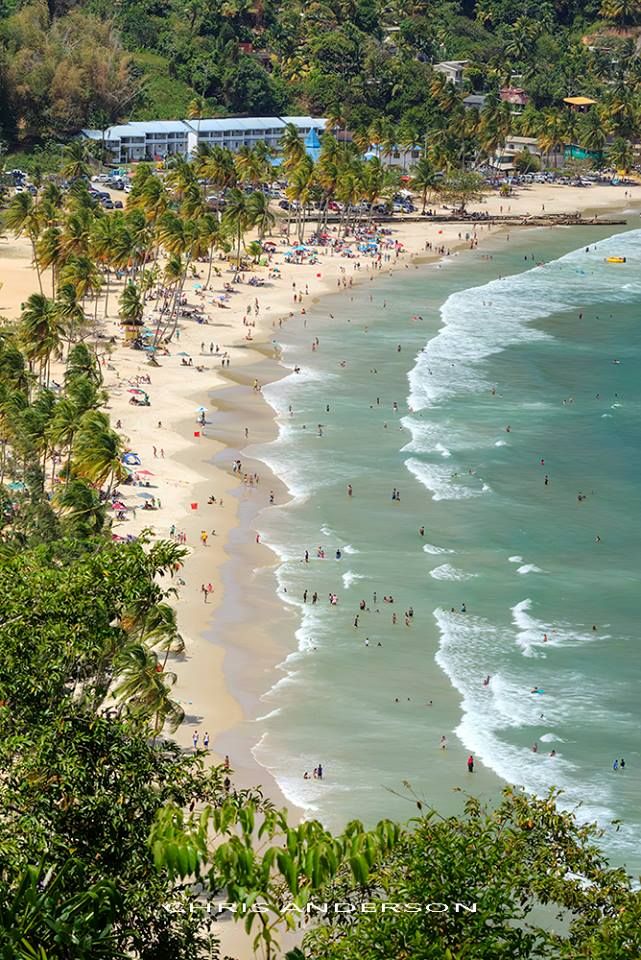
Tobago's most photographed landmark, Pigeon Point is the archetype of the Caribbean beach — a long curve of powdery white sand fringed with coconut palms and lapped by water in improbable shades of turquoise. The iconic thatched-roof jetty pier extending into the shallows has graced a thousand postcards, and it earns every one of them. A small entry fee grants access to the park's facilities, including beach chairs, changing rooms, and snack vendors. The calm, shallow water makes it ideal for swimming, and the beach is clean and well-maintained without feeling over-developed. Arrive early to claim a good spot — it's the island's most visited beach for good reason, and ship days can bring a crowd by midmorning.
Buccoo Reef & the Nylon Pool
Just offshore from Pigeon Point, Buccoo Reef is one of Tobago's most celebrated natural attractions — a living coral ecosystem sheltering parrotfish, sea turtles, and dense schools of reef fish. Glass-bottom boat tours depart regularly from Pigeon Point and include a snorkeling stop over the reef as well as a visit to the Nylon Pool, a surreal natural phenomenon: a sandbar rising from deep open water, creating a waist-deep lagoon of crystal-clear, bath-warm sea. Local legend holds that swimming in the Nylon Pool restores youth and vitality. Whether or not that's true, the experience is genuinely extraordinary — standing in the middle of the ocean in knee-deep water, surrounded by open sea in every direction.
Tobago Main Ridge Forest Reserve
Established by a British colonial ordinance in 1776 to protect the island's watershed, the Tobago Main Ridge Forest Reserve holds the distinction of being the oldest legally protected rainforest in the Western Hemisphere — predating any national park in the United States. The reserve covers roughly 40 square kilometers of the island's central spine and is a haven for birdwatchers: Tobago hosts over 200 bird species, including the blue-backed manakin, white-tailed sabrewing hummingbird, and numerous endemic subspecies. Guided walks into the forest reveal a dense, layered canopy world of tree ferns, bromeliads, and strangler figs. Even a short walk from the roadside yields a vivid introduction to tropical ecology that feels far removed from the beach.
Argyle Waterfall
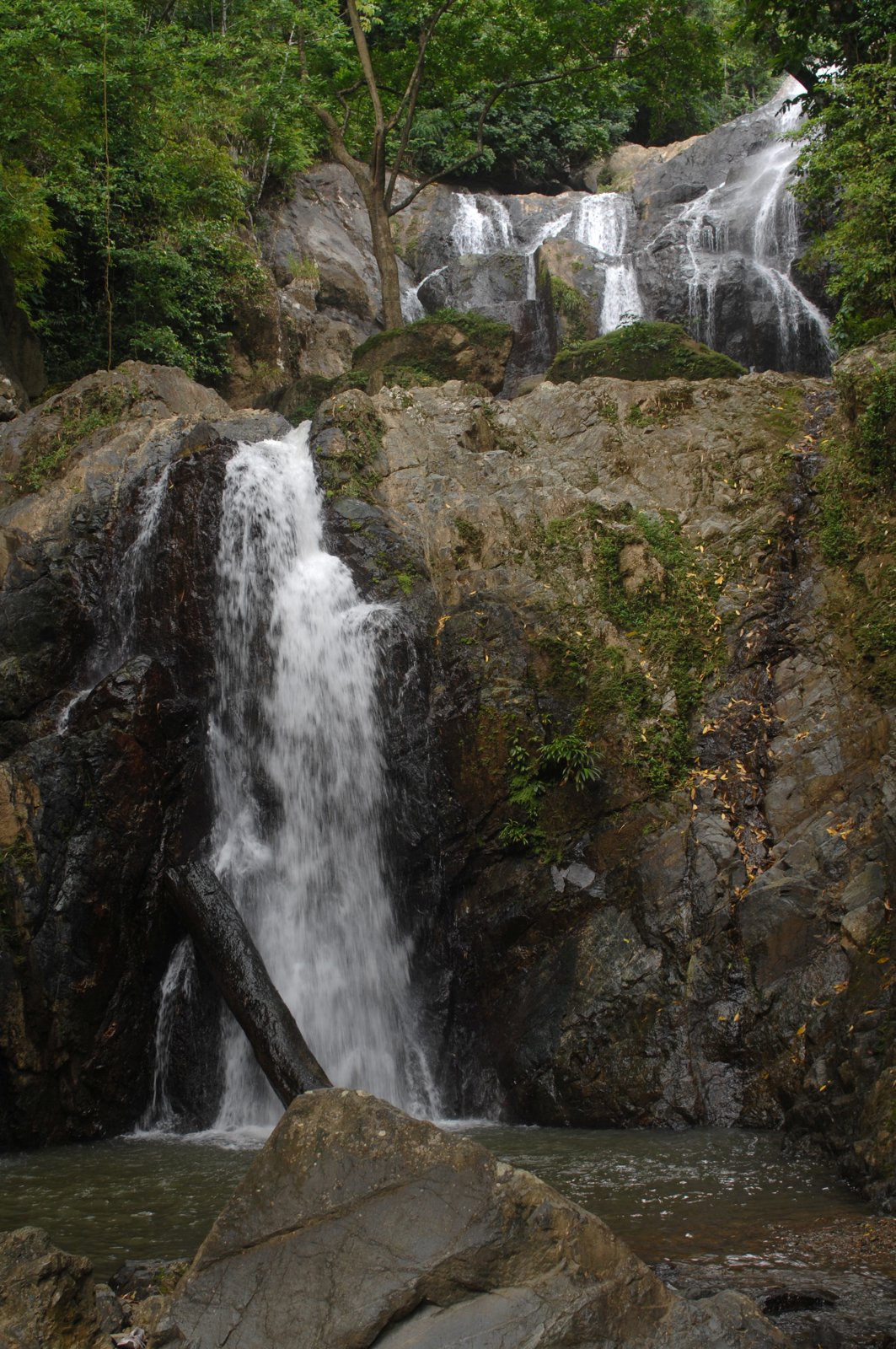
Tobago's tallest waterfall cascades in three tiers through dense jungle near the village of Roxborough on the Atlantic coast — roughly 45 minutes from Scarborough by road. Guided walks from the car park take about 20–30 minutes along a well-maintained trail through lush secondary forest, crossing the river several times via stepping stones. The falls themselves drop into a series of natural plunge pools where swimming is permitted and thoroughly refreshing after the hike. Local guides are available at the entrance and add genuine value, pointing out medicinal plants, birds, and historical context along the way. The site is managed and charges a modest entrance fee. It's one of Tobago's most rewarding half-day excursions for those willing to trade beach time for jungle.
Castara Bay
If you want to see Tobago as it lives rather than as it performs for visitors, make the winding drive over the ridge to Castara Bay on the north coast. This small fishing village wraps around two crescent beaches separated by a rocky headland — the larger, Lower Castara beach is where pirogues are dragged ashore and fishermen sort their nets in the early morning, while the smaller Heavenly Bay next door offers calmer swimming. A handful of guesthouses, bars, and rum shops line the beachfront, and the pace is unhurried to the point of being almost meditative. The drive itself — through rainforest, past cocoa estates and sweeping coastal views — is half the pleasure. Castara feels like a village that simply got on with being itself rather than reinventing itself for tourism.
Fort King George & Scarborough Town
Perched on a breezy hilltop above the harbor, Fort King George is the best-preserved historical fortification on Tobago, built by the British in the late 18th century during a period when European powers repeatedly fought over the island's fertile soil. The fort's cannons still point seaward over a panorama that takes in the harbor, the ferry terminal, and the green hills rolling inland. Within the grounds, the small Tobago Museum houses artifacts spanning Amerindian, European colonial, and African heritage — compact but genuinely informative. The walk up from Scarborough town passes through an old cemetery and offers good views. In town itself, the market and nearby streets are worth exploring for fresh produce, local crafts, and the best roti in the area.
Scarborough Tobago travel tips
Book a Tour Taxi the Night Before (or Early Morning). Tobago's best transport option for cruise passengers is a private taxi arranged for the day — drivers double as informal guides and will customize a route to cover beach, reef, and inland stops within your time ashore. On ship days, the best drivers fill up fast. If your cruise line doesn't offer excursions that appeal, ask the ship's crew or fellow passengers for recommendations, or look for drivers waiting at the ferry terminal gate at arrival. Agree on an all-in price for the day before you get in the car.
Budget Time for the Return Journey. Tobago's roads are narrow, winding, and often shared with livestock, slow trucks, and the occasional goat with strong opinions about right of way. Journey times between attractions are longer than the map distances suggest. Build at least 45 minutes of buffer before your ship's all-aboard time, and plan to be back in Scarborough well ahead of schedule. The ferry terminal is close to the dock, but traffic through town can surprise you on a busy ship day.
Carry Cash in TTD and Small Bills. While USD is widely accepted at the main tourist sites, local vendors, market stalls, route taxi drivers, and roadside roti shops work in TTD. ATMs are available in Scarborough town center. Small bills (TTD $20 and $50 notes) are far more useful than large denominations — change can be difficult to come by at smaller spots. Getting some local currency when you arrive makes transactions smoother and shows good faith with local businesses.
Snorkeling Gear: Bring Your Own or Rent at Pigeon Point. If snorkeling Buccoo Reef is on your list — and it should be — you can bring your own mask and fins from the ship or rent basic equipment at Pigeon Point Heritage Park. Rental quality varies, so if fit and clarity matter to you, bringing your own mask is worthwhile. Most glass-bottom boat operators provide snorkeling gear as part of the tour price, but it tends to be one-size-fits-all. The reef is shallow enough that strong swimmers can do well without fins, but fins make exploring easier.
Respect the Natural Environment. Tobago's reefs and forests are genuinely fragile, and the island's low-impact, nature-first approach to tourism is part of what makes it special. At Buccoo Reef, don't touch or stand on coral — even a single contact can cause lasting damage. In the Main Ridge Forest Reserve, stay on marked trails and take nothing but photographs. Reef-safe sunscreen is strongly encouraged — standard chemical sunscreens degrade coral and are discouraged at protected sites. Small choices matter here more than at busier, more commercialized destinations.
Try the Food — It's the Real Thing. Tobago's food scene is authentic rather than tourist-tailored, and that's exactly why it's worth seeking out. A chicken or goat roti from a local shop will cost a fraction of resort restaurant prices and taste infinitely better. Bake and shark, pholourie (fried dough with tamarind sauce), and freshly caught fish with rice and provisions are all worth trying. The Scarborough market area has good street food options. Don't leave without a fresh coconut water cracked by a vendor — there's no better hydration in the Caribbean heat.
Port Facts Every Cruiser Needs To Know
Scarborough Tobago shore excursion FAQs
Ships dock at the Scarborough Ferry Terminal, a working commercial port on the south side of the island. The town center is a short, flat walk from the pier — approximately 10–15 minutes on foot. However, most of Tobago's key attractions require transport: Pigeon Point is about 8 km west (15–20 minutes by taxi), Buccoo Reef tours depart from Pigeon Point, Argyle Waterfall is roughly 45 minutes east, and Castara Bay is 45–60 minutes north over the ridge. Arrange a taxi at the port gate or book in advance.
Tobago and Trinidad together form the nation of Trinidad and Tobago, but the two islands have very distinct characters. Trinidad is larger, more urban, and home to the capital Port of Spain — known for Carnival, oil industry wealth, and a cosmopolitan food scene. Tobago is smaller, quieter, and far more nature-focused, with pristine beaches, coral reefs, and intact rainforest. Most cruise ships call at Scarborough, Tobago — not Trinidad. The two islands are connected by ferry and short flights, but you won't reach Trinidad from Tobago in a single port day.
The Nylon Pool is a natural sandbar rising from relatively deep water in Buccoo Bay, roughly 1.5 km offshore from Pigeon Point. It creates a shallow, warm, crystal-clear lagoon in the middle of open sea — standing waist-deep surrounded by blue ocean on all sides is a genuinely surreal and memorable experience. Local folklore says swimming there restores youth. It's included in most Buccoo Reef glass-bottom boat tours, so you don't need to plan it separately — just book a reef tour from Pigeon Point and it will be on the itinerary.
Tobago has a well-deserved reputation as one of the safer islands in the southern Caribbean for visitors. Violent crime targeting tourists is rare, and the island's smaller size and tight-knit communities mean locals are generally friendly and helpful. Standard travel common sense applies: don't leave valuables on the beach, avoid isolated areas alone after dark (though this shouldn't be an issue during a daytime port call), and use registered taxis rather than accepting rides from strangers. The areas around Pigeon Point, Buccoo, and the road to Castara are all very manageable for independent travelers.
Yes — with good planning, a six-to-ten-hour port day can comfortably include Pigeon Point beach, a Buccoo Reef glass-bottom boat tour, and either the Tobago Main Ridge Forest Reserve or Argyle Waterfall. The key is hiring a taxi driver for the full day rather than piecing together transport on the fly. A typical itinerary might be: reef tour in the morning (2–2.5 hours), beach time at Pigeon Point, then an afternoon drive through the forest reserve or to Argyle Waterfall before returning to Scarborough. Argyle and the forest reserve are in opposite directions, so choose one.
Tobago is an exceptional birdwatching destination with over 200 recorded species. Highlights include the white-tailed sabrewing hummingbird (endangered and largely endemic to Tobago), blue-backed manakin, rufous-vented chachalaca (the national bird of Trinidad and Tobago), various trogons, and dozens of tanager species. The Main Ridge Forest Reserve is the premier birding location. A local guide is not strictly necessary but adds enormous value — experienced Tobagonian bird guides know exactly where to find specific species and can make the difference between a frustrating morning and an extraordinary one. Half-day birding tours can be booked in Scarborough or arranged through guesthouses.
Light, breathable clothing in natural fabrics is ideal — Tobago is warm and humid year-round, with temperatures typically in the 28–32°C (82–90°F) range. Reef-safe sunscreen is strongly encouraged, especially if snorkeling. Bring a light rain layer if visiting in the wet season (June–December), as afternoon showers are common and brief. Comfortable walking shoes or sandals cover most activities; if you plan to hike Argyle Waterfall, closed-toe shoes with grip are recommended as the trail involves river crossings. A dry bag or waterproof phone case is useful for boat tours.
Scarborough is a genuine working town rather than a duty-free shopping destination, which is refreshing if not what you're used to at Caribbean ports. The Scarborough Market is worth a browse for local hot sauces (Tobago's scotch bonnet pepper sauces are excellent), fresh produce, and local crafts. A handful of souvenir shops near the ferry terminal carry T-shirts, local rum (particularly the aged Tobago rum blends), and handcrafted items. For the most authentic purchases, local pepper sauce, cacao products from estate farms, and hand-woven straw goods are all distinctly Tobagonian.
Tobago enjoys some of the clearest and most biologically rich waters in the southern Caribbean, benefiting from nutrient-rich upwellings from the South American continent. Visibility at snorkeling and diving sites is frequently 20–30 meters. The Atlantic-facing northeast coast has stronger currents and rougher surf, making it better for experienced swimmers and surfers. The Caribbean-facing southwest coast — including Pigeon Point, Buccoo, and Store Bay — offers the calm, clear conditions ideal for families and casual snorkelers. Buccoo Reef has been affected by bleaching and coral disease over the decades but remains a living, colorful reef worth visiting.
Store Bay is the closest beach to the Scarborough Ferry Terminal — approximately 8–10 km west, or about 15–20 minutes by taxi. It's a small, popular local beach adjacent to the cruise ship beach at Crown Point and very close to Pigeon Point Heritage Park. Store Bay is slightly more local in character than Pigeon Point, with food stalls selling excellent local dishes (the crab and dumplings here are famous among Tobagonians). There is no beach within easy walking distance of the pier itself — a short taxi ride is necessary, but it's inexpensive and widely available.
Filters
Select a filter to refine results.
Tour Type
Tour Activity
 Cart
Cart
 USD
USD GBP
GBP AUD
AUD EUR
EUR CAD
CAD