



Tours in Alghero (Sardinia)


Cruising to Alghero (Sardinia) in a group?
Skip the crowded ship excursion bus. One dedicated planner will design a private shore experience around exactly what your group wants — coordinated from first enquiry to the moment you're back on board. More memorable, more flexible, and more affordable than you might expect. Spend less time organising, more time enjoying.
Explore Group Travel →Cruising to Alghero (Sardinia)
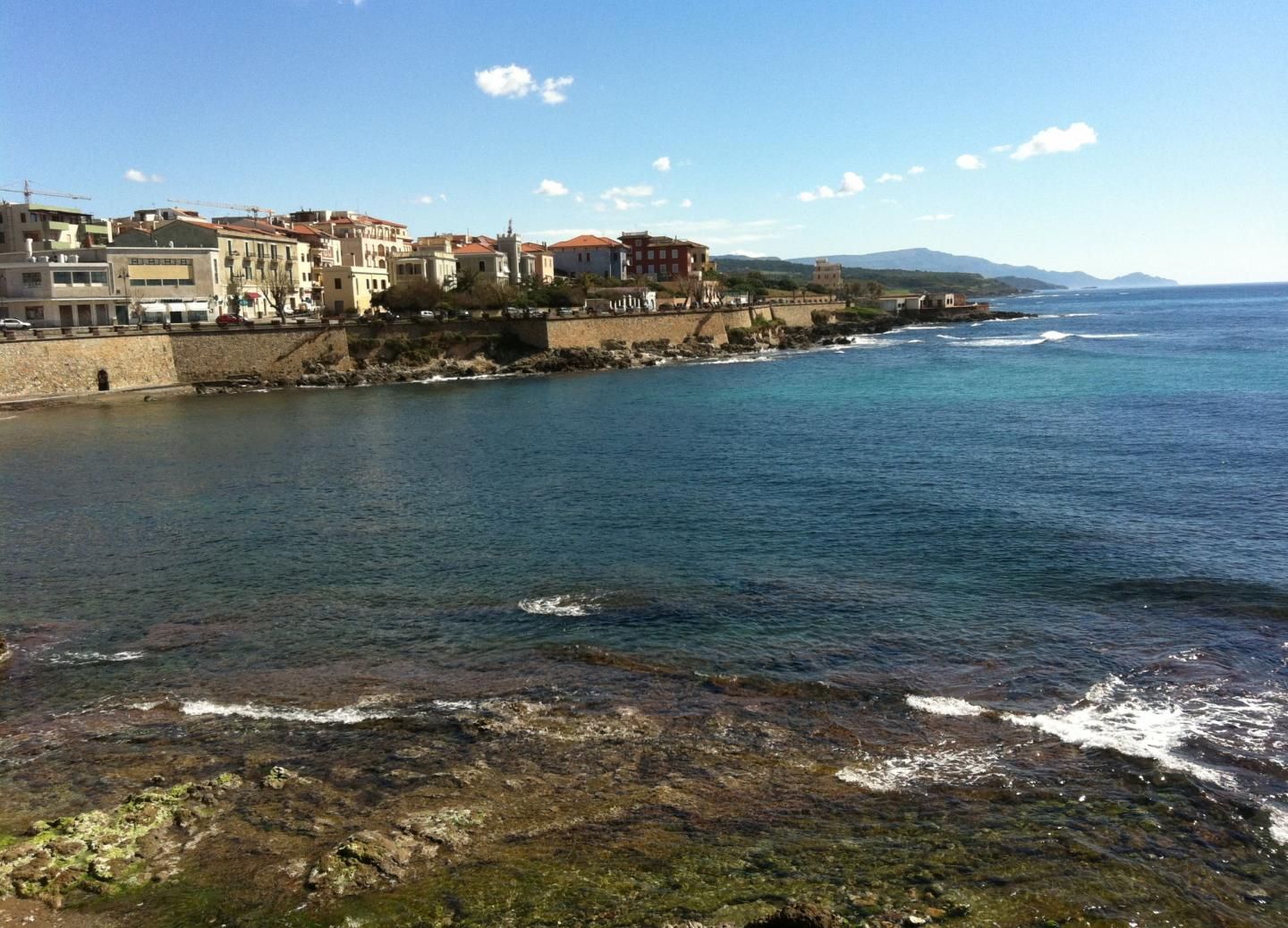
Alghero sits on a rocky promontory on Sardinia's northwest coast, its honey-coloured limestone walls rising directly from the sea. Founded by the Doria family in the 12th century and later ruled by the Aragonese for centuries, the city retains a distinctly Catalan character — locals still speak a dialect of Catalan alongside Italian, and the street names appear in both languages. The compact old town is one of the best-preserved medieval centres in Sardinia, threaded with narrow lanes, Baroque churches, and watchtower bastions that now serve as scenic promenades above the water. Beyond the city, the coastline stretches into wild, protected territory: the Capo Caccia headland conceals the Grotte di Nettuno, a vast limestone cave system accessible by boat. Northern Sardinia's interior holds ancient nuragic towers, cork oak forests, and the sheltered lagoons of Porto Conte. For cruise travellers, Alghero rewards those who venture beyond the harbour: the old town repays an unhurried morning on foot, and the sea cave excursion fills a half-day with genuine spectacle.
Top things to do in Alghero (Sardinia) on a cruise stopover
Grotte di Nettuno — Neptune's Caves by Sea
Carved into the base of the Capo Caccia headland, the Grotte di Nettuno rank among the most impressive sea caves in the Mediterranean. The approach by boat is itself an experience: the cliff face rises nearly 170 metres directly from the water before a low entrance reveals an immense underground world of stalactites, stalagmites, and still saltwater lakes. The cave system extends over 4 kilometres, though public tours cover the most dramatic section — a series of chambers where formations have been given evocative names: the Organ, the Giant's Bed, the Nativity. Light plays off the mineral surfaces in blues and greens that shift as the tour moves deeper. The boat crossing from Alghero takes around 50 minutes in each direction, making this a natural half-day commitment.
Alghero's Medieval Old Town and Bastioni
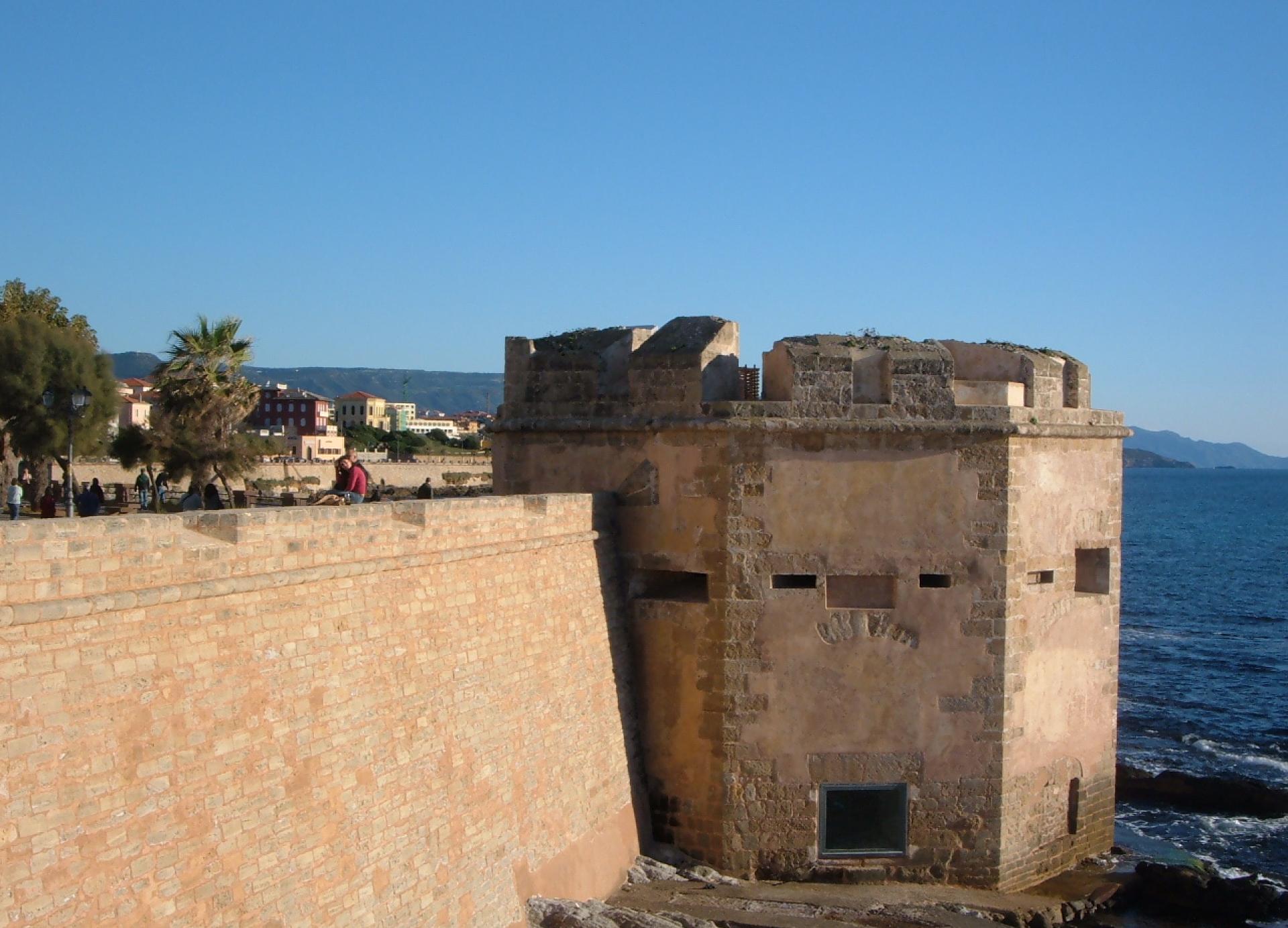
The historic centre of Alghero is enclosed by honey-coloured limestone walls dating largely from the 14th and 15th centuries, built and reinforced during the Aragonese period. Seven watchtowers punctuate the circuit, and the seaward bastions — converted into a broad promenade above the water — are lined with cafes where locals gather at sunset. Inside the walls, lanes lead through to Piazza Civica and the Cathedral of Santa Maria, a graceful mix of Catalan Gothic and Renaissance architecture. The Catalan influence is visible everywhere: in the carved doorways, the street signs in two languages, and the dialect still spoken by some residents. This is one of the most authentically preserved medieval townscapes in Sardinia.
Capo Caccia Headland and Coastal Scenery
The approach to Capo Caccia by boat is among the most visually dramatic coastal journeys in the western Mediterranean. The headland is the seaward edge of a protected regional park, and the cliffs — which form the entrance to the Grotte di Nettuno — plunge sheer into water of extraordinary clarity. The crossing from Alghero passes bays and coves largely inaccessible by road, their turquoise shallows punctuated by rock arches and sea stacks worn smooth by centuries of swell. The area is protected as part of the Porto Conte Marine Protected Area, and dolphin sightings during the crossing are not uncommon. For those who prefer land access, 654 steps descend the cliff face from the Capo Caccia car park to the cave entrance.
Northern Sardinia's Ancient Nuragic Landscape
The hinterland behind Alghero preserves one of Europe's most distinctive ancient civilisations. The nuraghi — conical stone towers built by the Nuragic people between roughly 1800 and 900 BC — are scattered across northern Sardinia in their thousands. These dry-stone structures served as fortified dwellings, watchtowers, and ceremonial sites, and their exact purpose remains only partially understood. A tour through northern Sardinia's interior passes cork oak forests, vineyards producing Cannonau and Vermentino, and the broad inland plain of Nurra, taking in the layered history of a landscape that was old before Rome was founded. The combination of archaeological texture, rural scenery, and agricultural tradition makes the interior a compelling counterpoint to the coast.
Porto Conte Bay and Natural Regional Park
Immediately north of Alghero, the broad, sheltered arc of Porto Conte Bay is protected within a natural regional park covering coastal lagoons and interior upland. The bay's calm, deep-blue water is flanked by macchia-covered hills, and the protected status has kept development minimal. The park is home to a herd of semi-wild horses and native griffon vultures on the Capo Caccia cliffs. For cruise travellers on a northern Sardinia itinerary, passing along the Porto Conte shoreline gives a clear sense of what large stretches of the Sardinian coast still look like away from the main resort towns.
Alghero's Cathedral and Catalan-Gothic Heritage
The Cathedral of Santa Maria stands at the heart of the old town, its distinctive octagonal Catalan-Gothic bell tower — begun in the 15th century — one of the most recognisable landmarks in Alghero. The interior combines Gothic vaulting with a nave widened in the Renaissance style, creating an architectural dialogue between the two cultures. Adjacent to the cathedral, the old town preserves fine Catalan-Gothic palaces, their carved limestone doorways bearing heraldic symbols of the families who governed Sardinia under the Crown of Aragon. This cultural layer — Spanish, specifically Catalan, rather than Italian — gives Alghero a character genuinely distinct from any other Sardinian city.
Alghero (Sardinia) travel tips
Time the Boat to Neptune's Caves Carefully. Boat services to the Grotte di Nettuno run seasonally and are weather-dependent — rough sea conditions regularly cause cancellations, particularly outside the summer months. Services tend to be most reliable between June and September. Morning departures generally experience better conditions than afternoon. The cave can alternatively be reached by road to Capo Caccia followed by 654 steps down the cliff face, though this is demanding in summer heat and not suitable for all fitness levels.
Walk the Bastioni at Dusk for the Best Views. Alghero's seaward bastions are at their most spectacular in the late afternoon, when the low sun turns the limestone walls gold and the water below shifts from turquoise to deep indigo. The Bastioni Cristoforo Colombo section, which runs along the western edge of the old town, is lined with bars and cafes that fill up around sunset. If your ship allows a late return, this promenade walk is among the most pleasant ways to end a port day in Sardinia.
Carry Euros for Markets and Small Trattorias. While credit cards are widely accepted in larger restaurants and shops, many of Alghero's best-value eating options — small family-run trattorias in the lanes behind the main square, market stalls, and waterfront kiosks — operate on a cash-only or cash-preferred basis. The local fish market, open on weekday mornings, is worth visiting even without buying; the display of sea urchins, octopus, and the prized local lobster gives a vivid sense of Sardinian coastal life.
Dress for the Medieval Lanes: Cobblestones Underfoot. The old town is built on uneven basalt cobblestones that are beautiful but hard on ankles and uncomfortable in heeled footwear. Flat, closed-toe shoes with grip make the difference between an enjoyable morning and a tiring one. The same applies to the bastioni promenade, which has uneven paving. Light, breathable clothing is advisable in summer; bring a layer for the cave visit, where temperatures remain a constant 14°C regardless of outside heat.
Try the Lobster — But Know What You're Ordering. Aragosta alla catalana is Alghero's signature dish and widely available around the port and old town. It is a premium item priced by weight — always ask for the price per kilogram before ordering, as a full lobster for two can be expensive. For a more economical introduction to local flavours, look for pasta with bottarga (cured roe grated over spaghetti), or grilled fresh fish served in most trattorias at considerably lower prices.
Check Church Opening Hours Before Planning Around Them. Like much of Italy, Alghero's churches and museums close for a midday break, typically between roughly 12:30 and 16:00. The Cathedral of Santa Maria and the church of San Francesco — which has a serene Gothic cloister — are the principal interiors worth seeing, but both follow restricted opening hours. If visiting these spaces is a priority, the morning hours before noon are most reliable. The exterior architecture and old town lanes are accessible at any time.
Port Facts Every Cruiser Needs To Know
Alghero (Sardinia) shore excursion FAQs
The port is approximately 1 kilometre from the old town gates — a walk of about 15 minutes along the seafront promenade. The route is flat and straightforward, following the waterfront road directly to the entrance of the historic centre. In high summer, if the heat is intense, the walk can be uncomfortable at midday; most visitors prefer the morning hours.
The most popular option is by boat: scheduled services depart from the Alghero port area and from Fertilia marina, taking approximately 50 minutes to reach the cave entrance at Capo Caccia. Services run seasonally (broadly April to October) and are subject to cancellation in rough weather. The alternative is by road: travel to the Capo Caccia headland, then descend 654 steps carved into the cliff face. The descent takes roughly 20–25 minutes and the ascent longer — it is not advisable in midsummer heat without adequate water.
The boat journey itself is accessible to most travellers, though boarding and disembarking from a small boat at a sea-level cave entrance requires reasonable mobility. Inside the caves, the tour route involves uneven paths and low clearances in places. The alternative land access via 654 steps is not suitable for those with mobility limitations. It is advisable to check specific accessibility conditions before booking.
Italian is the primary everyday language, spoken by all residents. Algherese Catalan — a dialect dating from the period of Aragonese rule beginning in the 14th century — is still spoken by a portion of the population and appears on street signs. English is reasonably understood in tourism-facing businesses, hotels, and restaurants, though less so in local shops and markets away from the main tourist areas.
Several excellent beaches are within reach. The Spiaggia di San Giovanni is the closest, a short walk from the old town walls. The longer Spiaggia del Lido stretches north toward Fertilia. Further afield, beaches within Porto Conte bay require local bus transport. Sardinia's water clarity is exceptional, and even the town beaches offer good swimming in summer.
The countryside surrounding Alghero is among Sardinia's most varied: cork oak forests cover the hills, while nuragic towers — Bronze Age stone structures unique to Sardinia — appear throughout the landscape. The Porto Conte bay to the north is a protected natural park. Roads are generally good but winding, and distances that look short on a map can take longer than expected due to the terrain.
Alghero's most celebrated dish is aragosta alla catalana — local spiny lobster prepared with tomatoes and onion in the Catalan tradition. For something more affordable, pasta with bottarga (cured and grated grey mullet roe) is a Sardinian staple done well here. Vermentino di Sardegna is a crisp, aromatic white suited to seafood; Cannonau is a full-bodied red. End with seadas — fried cheese pastries with bitter honey, a dessert unique to Sardinia.
Alghero enjoys a classic western Mediterranean climate. Cruise season runs broadly from April through October. May and June are warm and relatively uncrowded, with temperatures in the mid-20s Celsius. July and August see temperatures in the 30–38°C range. September and October are particularly pleasant for walking and sightseeing, with easing temperatures and thinner crowds. Rain is rare between June and September.
The old town is very well-suited to independent exploration: it is compact, largely pedestrianised, and clearly sign-posted. For attractions outside the city — Neptune's Caves, Capo Caccia, or inland northern Sardinia — independent access requires either a rental vehicle or reliance on public buses, which serve some routes but on limited schedules. Having arrangements in place for out-of-town destinations considerably simplifies the logistics of a day ashore.
Yes. If sea conditions prevent the boat service from running, the caves remain accessible via the land route: travel to the Capo Caccia headland, then descend the 654 steps (the Escala del Cabirol — Roe Deer Staircase) carved into the cliff face. The descent takes roughly 20–25 minutes; allow 30–40 minutes for the climb back up. Steps are well-maintained but steep and narrow in places. Carry water; the cave interior maintains a constant 14°C regardless of outside heat.
Filters
Select a filter to refine results.
Tour Type
Tour Activity
 Cart
Cart
 USD
USD GBP
GBP AUD
AUD EUR
EUR CAD
CAD