



Tours in Giardini-Naxos Sicily


Cruising to Giardini-Naxos Sicily in a group?
Skip the crowded ship excursion bus. One dedicated planner will design a private shore experience around exactly what your group wants — coordinated from first enquiry to the moment you're back on board. More memorable, more flexible, and more affordable than you might expect. Spend less time organising, more time enjoying.
Explore Group Travel →Cruising to Giardini-Naxos Sicily
Ancient and modern collide in Giardini-Naxos, the sandy bay resort that served as Greece's first colony in Sicily around 734 BC. Today, the waterfront town is best known as the stepping-stone to Taormina, the jewel of the Ionian coast that crowns the cliffs 200 metres above. From the port, the ascent to Taormina — by cable car or winding road — rewards visitors with sweeping views across the bay to the snow-capped cone of Mount Etna, one of the world's most recognisable natural landmarks and Europe's most active volcano.
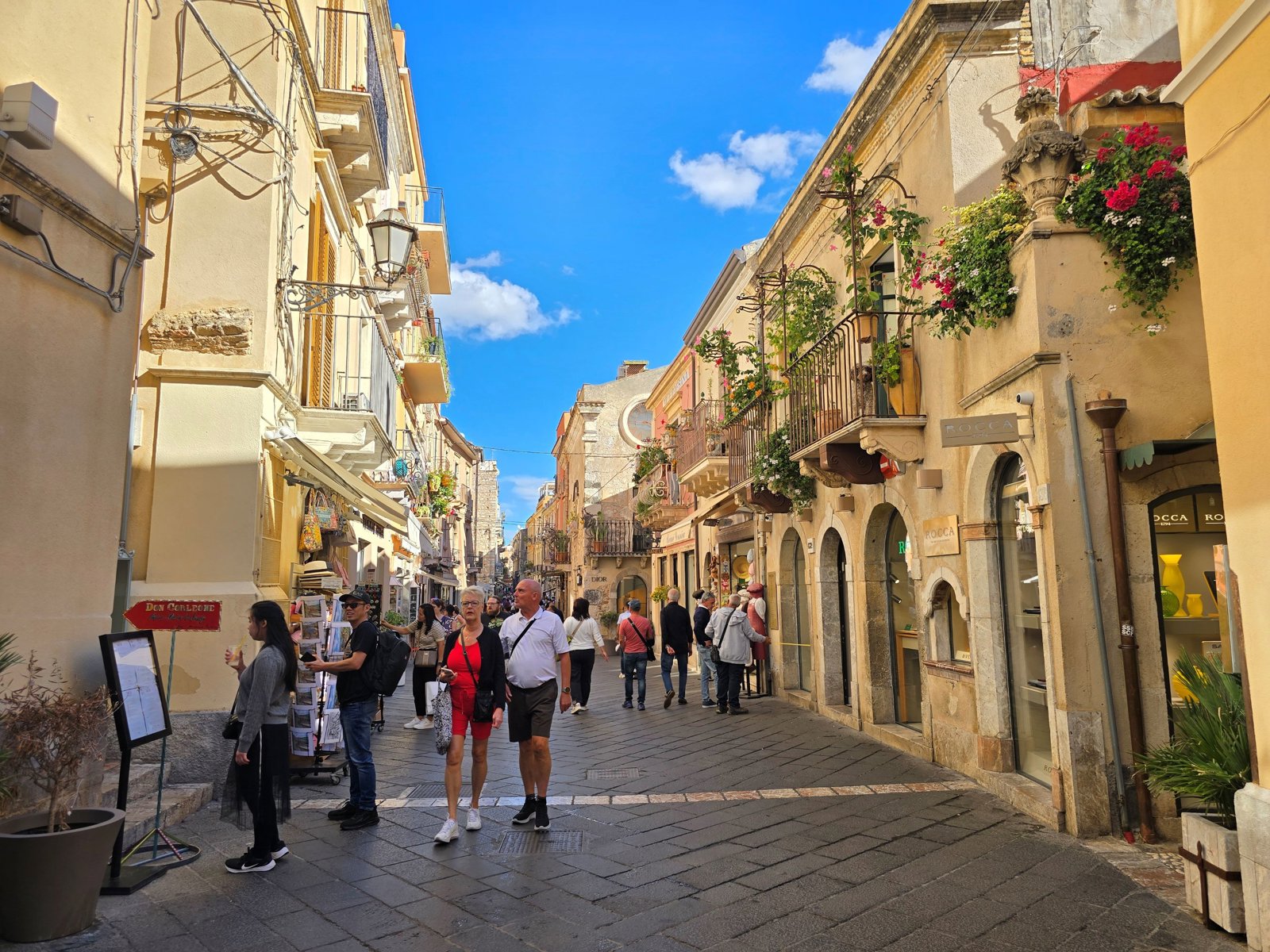
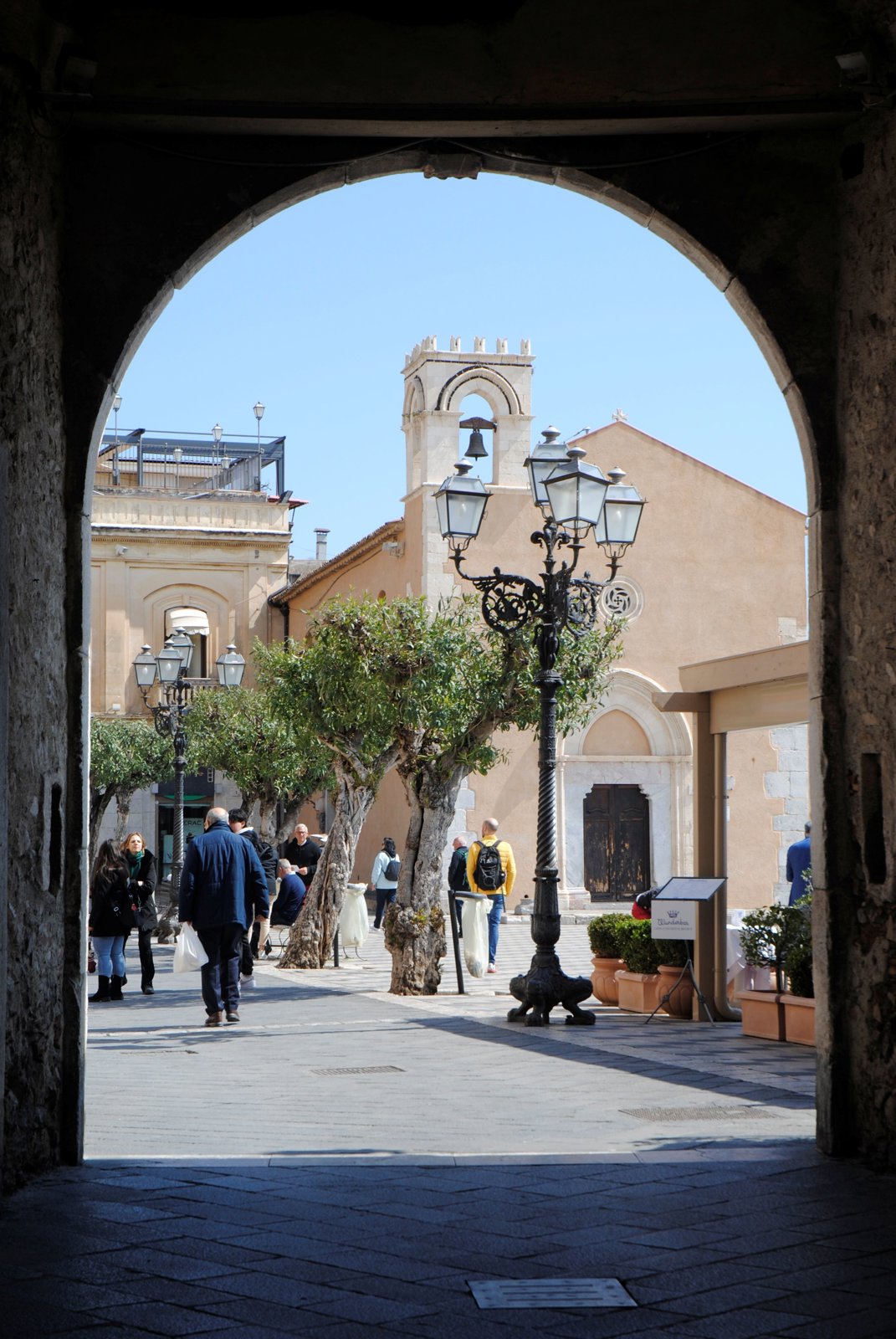
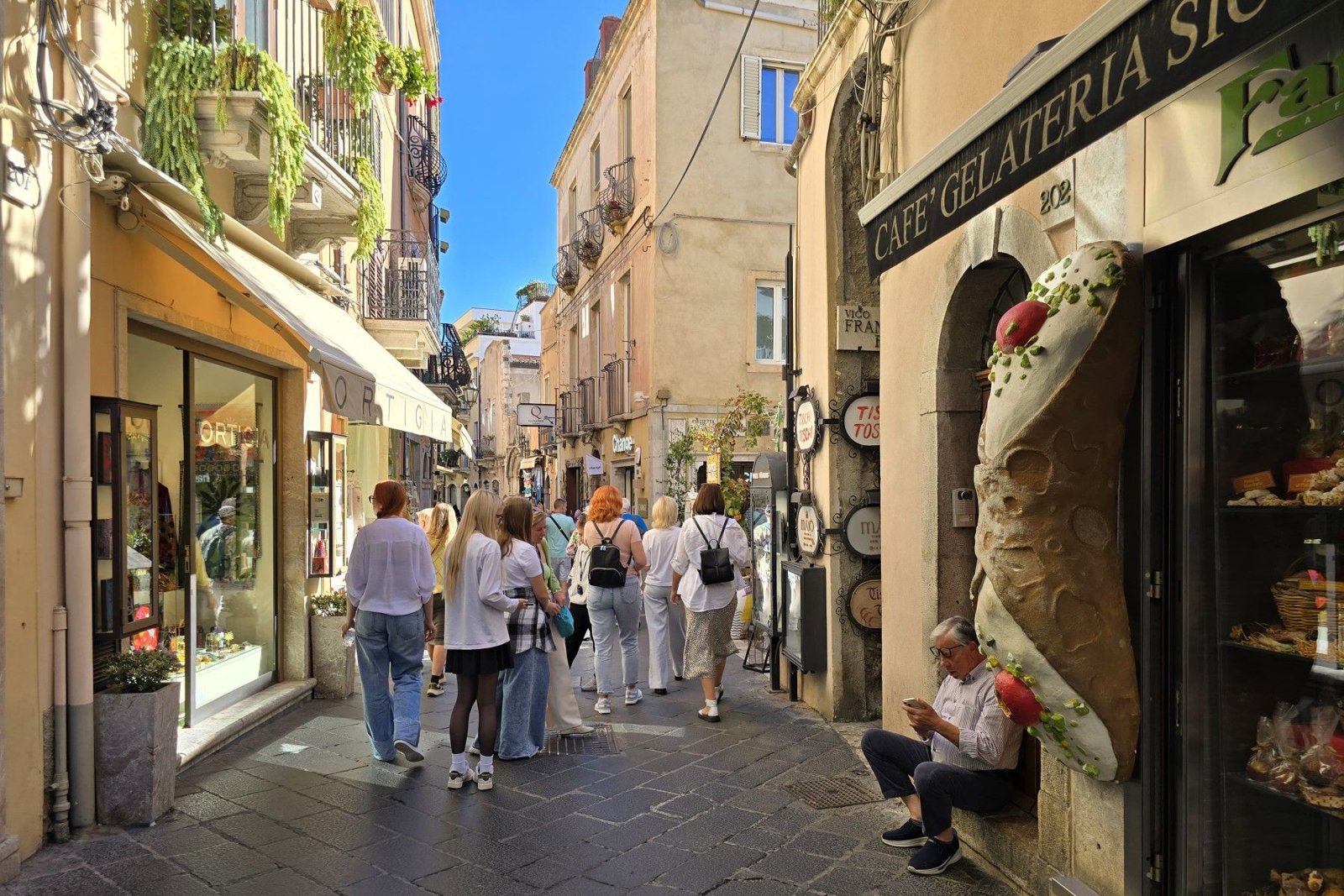
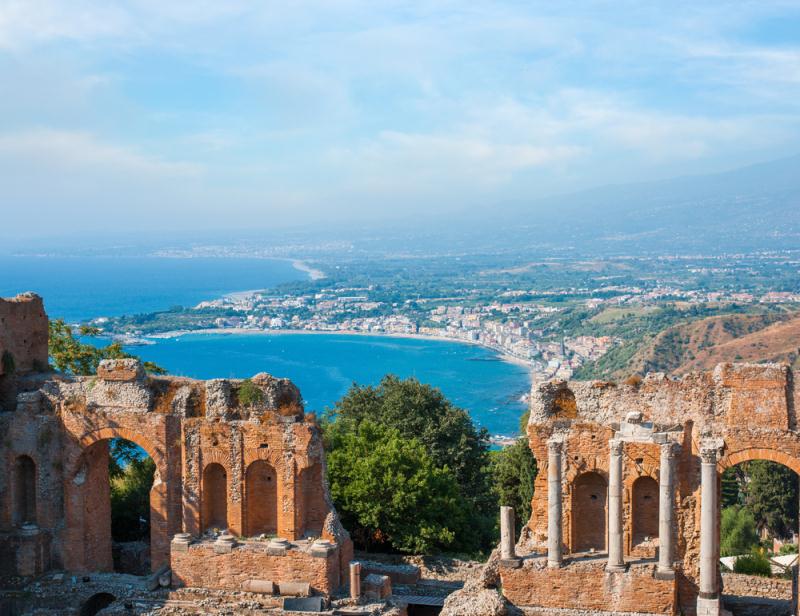
Taormina itself is a masterpiece of layered civilisations — Greek, Roman, Arab, and Norman heritage compressed into elegant pedestrian streets. The ancient Teatro Greco, carved into the hillside in the third century BC, frames what is arguably the Mediterranean's most breathtaking view: a semicircle of ancient stone with smouldering Etna on one side and the endless blue Ionian on the other. The town has drawn poets, painters, and royalty for centuries, and more recently served as a key filming location for the acclaimed HBO series The White Lotus.
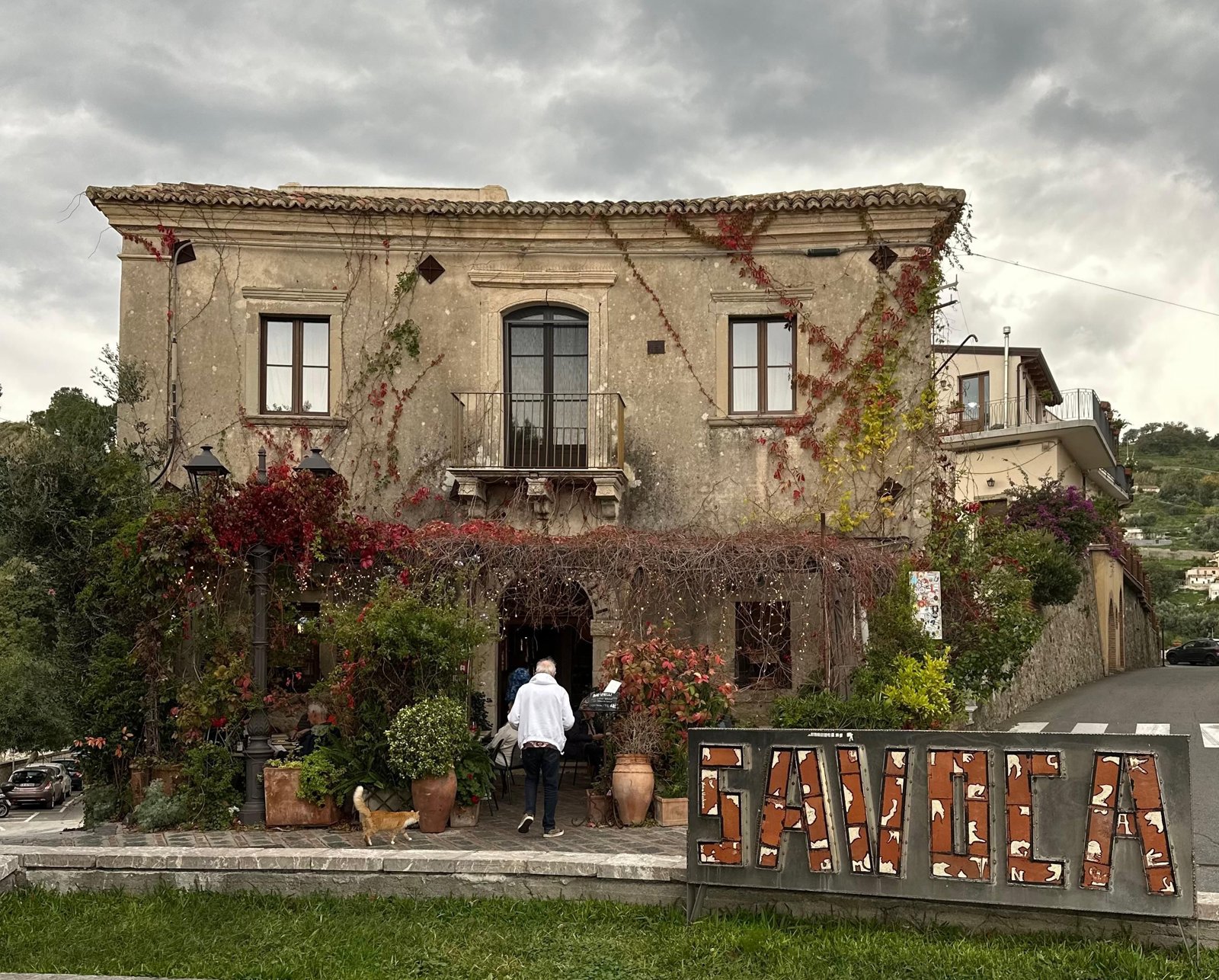
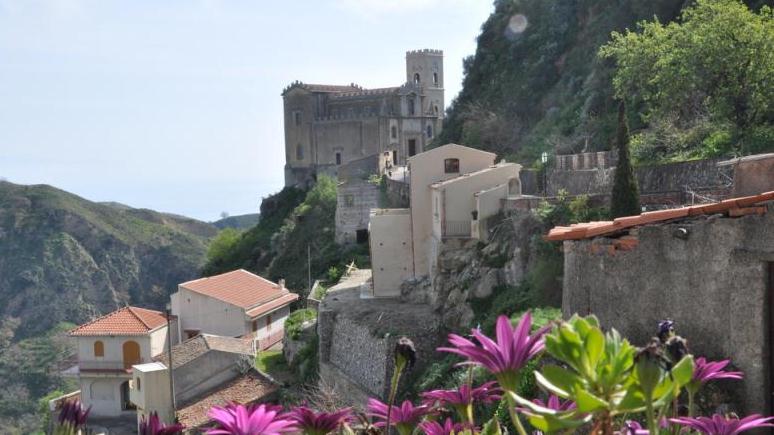
Beyond Taormina, the volcanic landscapes of Mount Etna offer an entirely different kind of day. At nearly 3,330 metres, Etna is Europe's highest active volcano and a UNESCO World Heritage Site whose slopes produce some of Sicily's most prized wines under the Etna DOC appellation. Nearby, the medieval villages of Savoca and Forza d'Agro — virtually unchanged since Francis Ford Coppola filmed The Godfather here in the early 1970s — offer a pilgrimage for cinema lovers and a window into authentic Sicilian life.
For those seeking a slower pace, Castelmola, a tiny village perched even higher than Taormina, delivers panoramic views and a quiet charm that feels entirely removed from the tourist circuit below. Whether your day centres on volcanic craters, ancient theatres, cinematic pilgrimage, or a long lunch with local wine and fresh arancini, Giardini-Naxos delivers one of cruising's most rewarding port days in the Mediterranean.
Top things to do in Giardini-Naxos Sicily on a cruise stopover
Teatro Greco di Taormina: The Stage With the World's Most Dramatic Backdrop
Built by the Greeks in the third century BC and expanded by the Romans, Taormina's Teatro Greco is among the best-preserved ancient theatres in the world — but what sets it apart is its setting. The theatre was carved into the hillside at precisely the angle that frames Mount Etna directly behind the stage, creating a backdrop of living geology that no architect could have conceived. On a clear morning, with Etna showing a white plume and the Ionian Sea glittering beyond the columns, the impact is extraordinary. The theatre is large enough to still host performances, so visiting outside those events gives space to take it in. Allow at least an hour inside — climb to the upper tiers for the full panoramic sweep across the bay to the Calabrian coastline. The adjacent antiquarium displays Roman-era artefacts found on site.
Mount Etna: Europe's Living Volcano
At 3,329 metres, Mount Etna is Europe's highest active volcano and one of the world's most continuously active, with eruptions recorded throughout human history. The approach from the coast is dramatic — the mountain dominates the western horizon, growing steadily larger as you ascend through citrus groves, then forests of beech, then alien lava fields where nothing grows for kilometres. The upper reaches feel like another planet: black and rust-red cinder cones, sulphurous vents, and the eerie silence of a landscape still being made. The volcanic soil is the secret behind Etna's remarkable wines — mineral-rich, high-altitude vineyards producing some of Sicily's most distinctive bottles. A combined visit to the mountain and a working winery turns a sightseeing trip into a full sensory experience of one of Europe's most extraordinary natural landscapes.
The Godfather Villages: Savoca and Forza d'Agro
In 1971, Francis Ford Coppola chose two hilltop villages above Giardini-Naxos to stand in for the Corleone family's Sicilian homeland — and the results are woven into cinema history. Savoca is remarkably unchanged: Bar Vitelli, where Michael Corleone asked for Apollonia's hand, still operates as a café and museum, its walls covered with production photographs. The church steps where the wedding took place remain as they appear on screen. Above the village, a Norman castle ruin overlooks the valley, and the Capuchin church holds a catacombs of mummified friars dating to the 17th century. Forza d'Agro provided additional exterior shots and offers some of the finest mountain-to-sea views in the region. These are real, lived-in communities — approach respectfully.
Castelmola: The Village Above the Village
Most visitors spend their day in Taormina and consider it complete — which means Castelmola, the medieval village perched 300 metres higher on the rocky summit above, receives far fewer crowds despite offering views that many argue surpass anything below. A small piazza and the ruins of a medieval castle anchor the village. On a clear day the panorama is extraordinary: the full sweep of the Ionian coastline, Taormina's rooftops far below, and Mount Etna filling the western sky. Castelmola is famous locally for its almond wine — a sweet pale liqueur available in every bar and shop. The village has a permanent population of just a few hundred, and walking its lanes feels like genuine discovery rather than managed tourism.
Etna Wine Country: Volcanic Terroir at Its Finest
The slopes of Mount Etna have been cultivated for wine since Greek colonists arrived in Sicily, but the Etna DOC appellation has experienced a remarkable renaissance in the past two decades, attracting international attention for its mineral, terroir-driven character. The key grape is Nerello Mascalese — a red variety producing wines of unusual elegance and complexity, with bright acidity and mineral depth that reflect the mountain's basalt and ash soils. The white Carricante variety produces fresh, mineral wines that pair brilliantly with local seafood. Visiting a working winery on Etna's flank adds a dimension that transforms the mountain visit from geology lesson to fully rounded Sicilian experience.
Taormina's White Lotus Moment: A Star Turn for a Timeless City
When HBO filmed the second season of The White Lotus in Sicily in 2022, the production chose the San Domenico Palace — a converted Dominican monastery perched on Taormina's cliffs — as its central hotel. The series brought global attention to a destination that had been dazzling visitors since the 19th-century Grand Tour era. Walking Taormina today, the connections between the show and its setting are easy to find: the terraced gardens with Ionian views, the ancient town walls, the narrow Corso Umberto lined with medieval buildings. For fans, a visit becomes a form of location scouting. For everyone else, it is a reminder that Taormina's beauty translates effortlessly to screen — and is lovelier still in person.
Giardini-Naxos Sicily travel tips
Time the Cable Car Right. The funivia cable car between Mazzarò beach and Taormina's centre is the quickest and most scenic route up the cliff, but it becomes a bottleneck once tour groups arrive mid-morning. Aim to be at the lower station by 8:30–9:00am to beat the rush. Alternatively, the bus service from Giardini-Naxos runs to Taormina's bus terminal near Porta Catania — less glamorous but often faster when queues are long. On the return, the cable car descent usually has shorter queues than the ascent.
Layer Up for Etna Regardless of How Warm It Is Below. The temperature difference between Giardini-Naxos at sea level and Etna's upper observation areas at 2,000–2,500 metres can be 15–20 degrees Celsius, and wind on the open lava fields cuts through light clothing quickly. Carry a windproof jacket, wear sturdy closed-toe shoes, and bring sunglasses — UV intensity at altitude is significantly higher. The volcanic dust on upper slopes can irritate eyes; a scarf or buff is useful. Check current volcanic activity status before visiting, as some areas may be temporarily restricted.
Dress Appropriately for Churches and Religious Sites. Sicily takes religious observance seriously. Entry to churches — including the small parish churches in Savoca and Forza d'Agro — requires covered shoulders and knees for both men and women. Carrying a light scarf or wrap solves the problem instantly. In Taormina, the Chiesa di San Giuseppe and the Duomo are open to visitors but expect appropriate attire. During religious festivals or Mass times, some churches may be closed to tourists — worth checking local event listings before planning your route.
Morning Light at the Teatro Greco Is Worth the Early Start. The Teatro Greco faces east toward the Ionian Sea, so morning hours — from opening until around 11am — bring the best combination of soft light, manageable crowds, and clear air before sea haze builds. Photographers will find morning light flattering on the ancient stone columns, with Etna often showing a defined summit plume against a clear sky. By noon in high summer, heat and coach tour groups arrive simultaneously. Secure your theatre entry for early morning and leave the afternoon for the Corso Umberto and café terraces.
Carry Cash for the Smaller Villages. Taormina's main restaurants and shops are fully card-ready, but Savoca, Forza d'Agro, and Castelmola operate on a different scale. Bar Vitelli in Savoca, small alimentari shops, roadside stalls selling local almonds and citrus, and vendors near Etna's crater areas frequently operate on a cash-only or cash-preferred basis. ATMs exist in Giardini-Naxos and Taormina but are not guaranteed in smaller villages. Withdrawing a modest amount of euros before setting out avoids awkward moments over a coffee in a village bar.
Eat Where the Locals Eat, Not Where the Signs Are Loudest. In Taormina's main tourist zone, restaurants with large English menus outside and touts at the door are reliably mediocre and expensive. Better food is generally found one or two streets back from the Corso Umberto, in smaller establishments with handwritten daily specials. Ask your guide for their recommendation — Sicilians are proud of their cuisine and delighted to direct you somewhere genuinely good. In Giardini-Naxos, the beachfront fish restaurants tend to offer fresher seafood at lower prices than their Taormina counterparts.
Port Facts Every Cruiser Needs To Know
Giardini-Naxos Sicily shore excursion FAQs
Taormina sits approximately 5 kilometres by road from the port area and about 200 metres higher in elevation. The journey by road takes 15–20 minutes depending on traffic. The cable car option involves a short transfer to the Mazzarò station and a 3-minute ride up the cliff — scenic but slower when queues build. Most organised shore excursions handle this transfer as part of their itinerary.
Technically yes — a steep footpath climbs the cliff between Giardini-Naxos and Taormina — but it is a strenuous 45–60 minute ascent with little shade, not recommended in summer heat or without good fitness and appropriate footwear. The descent on foot is more manageable but still demanding. Most visitors use the cable car or bus for the ascent and may choose to walk down if conditions allow.
Yes, for the vast majority of visits. Mount Etna is one of the world's most monitored volcanoes, and tourist areas are managed with safety firmly in mind. Access zones are adjusted in real time based on volcanic activity, and guides are required in summit crater areas. The mountain has been continuously active for centuries; occasional eruptions or ash emissions are normal, and authorities close relevant zones promptly when needed. Check the current status with the tour operator before your visit.
The main Godfather locations are in Savoca and Forza d'Agro, hilltop villages approximately 15–20 km north of Giardini-Naxos. In Savoca, Bar Vitelli — where Michael Corleone proposed to Apollonia — remains open as a café and museum. The church of San Nicolò provided the wedding scene exterior. Forza d'Agro supplied additional shots and has a Norman castle with sweeping coastal views. Both are small, genuine communities where respectful behaviour and a coffee purchase are appreciated.
The second season of HBO's The White Lotus (2022) used the San Domenico Palace hotel in Taormina as its primary setting — a converted 15th-century Dominican monastery perched on the cliff edge with Ionian Sea views. Various other Taormina locations featured throughout the series. Walking the Corso Umberto and the hotel's terrace gardens, you will recognise scenes immediately. The series significantly increased international awareness of Taormina as a destination.
Castelmola is a tiny medieval village on a rocky summit 300 metres above Taormina, offering panoramic views across the Ionian coastline to Mount Etna. It receives far fewer visitors than Taormina and retains a genuinely local atmosphere. The village is famous for its almond wine, available at the historic bars on the main piazza. A visit to Castelmola is best combined with Taormina rather than treated as standalone, adding roughly 1.5–2 hours to the day.
Etna DOC is the official wine appellation covering vineyards on Mount Etna's slopes. The most celebrated wines use Nerello Mascalese (red) and Carricante (white) grapes grown in volcanic basalt and ash soils at altitude. The wines are unusually elegant for a Sicilian climate — lighter in body, higher in acidity, and deeply mineral. Several wineries on Etna's northern and eastern flanks offer cellar visits and tastings. Many Mount Etna shore excursions from Giardini-Naxos include a winery visit as part of the day.
It is possible but makes for a long, packed day. The drive to Etna's summit areas takes 1–1.5 hours each way, and a meaningful mountain visit needs at least 2 hours. Taormina properly explored requires 3–4 hours. A combined day works best with an early start and realistic expectations about stopping time. Many visitors who attempt both feel they rushed both. If choosing one, Taormina with a Castelmola extension is the more varied and comfortable day.
Comfortable walking shoes with grip are essential — Taormina's stone-paved streets are uneven and steep. In summer, light breathable clothing works for the coast and town, but carry a layer for Mount Etna. Women and men entering churches must have shoulders and knees covered — a light scarf solves this easily. In spring and autumn, a light jacket is useful for evenings. Sunscreen, a hat, and sunglasses are important from May to October, particularly at Etna's altitude.
Taormina presents genuine challenges for limited mobility visitors. The historic streets are cobbled and uneven; the main Corso Umberto has level sections but is interrupted by steps and inclines. The Teatro Greco involves stepped terracing. The cable car is accessible but involves walking at each end. Mount Etna's upper areas are rough volcanic terrain unsuitable for wheelchairs. The beachfront area of Giardini-Naxos itself is flatter and more accessible. Contact tour operators in advance to discuss specific needs.
Filters
Select a filter to refine results.
Tour Type
Tour Activity
 Cart
Cart
 USD
USD GBP
GBP AUD
AUD EUR
EUR CAD
CAD