



Tours in Malta (Valletta)
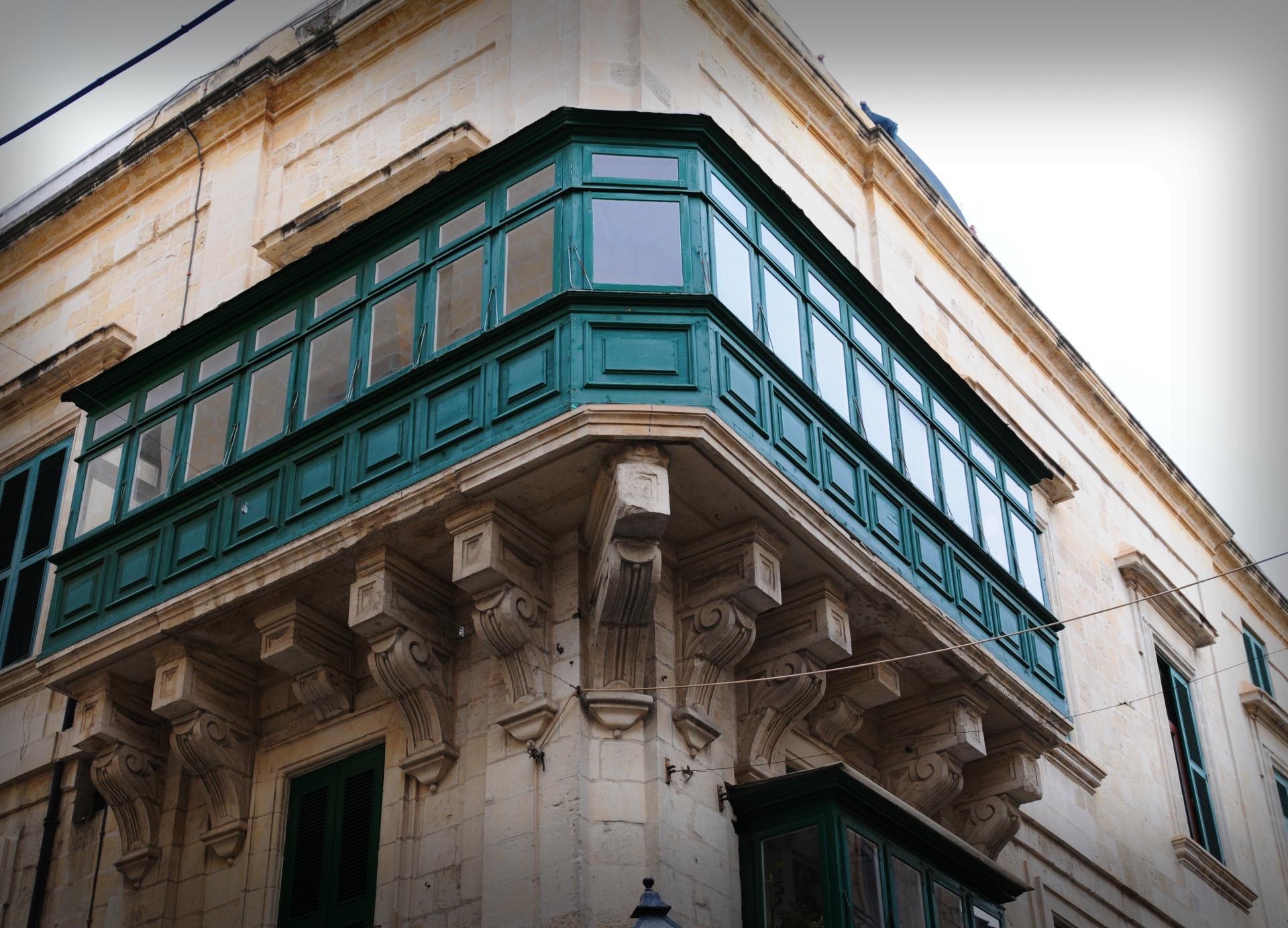


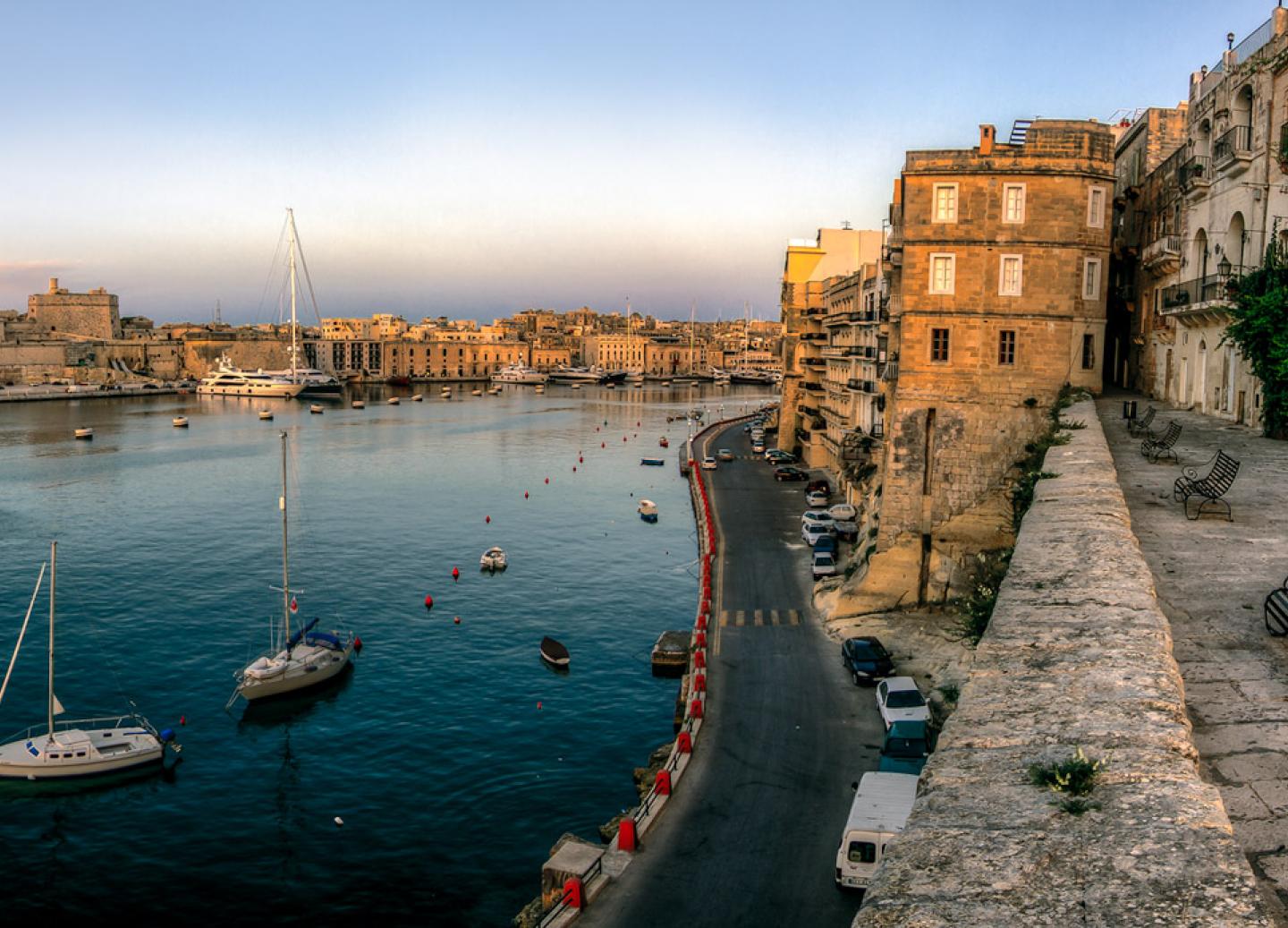
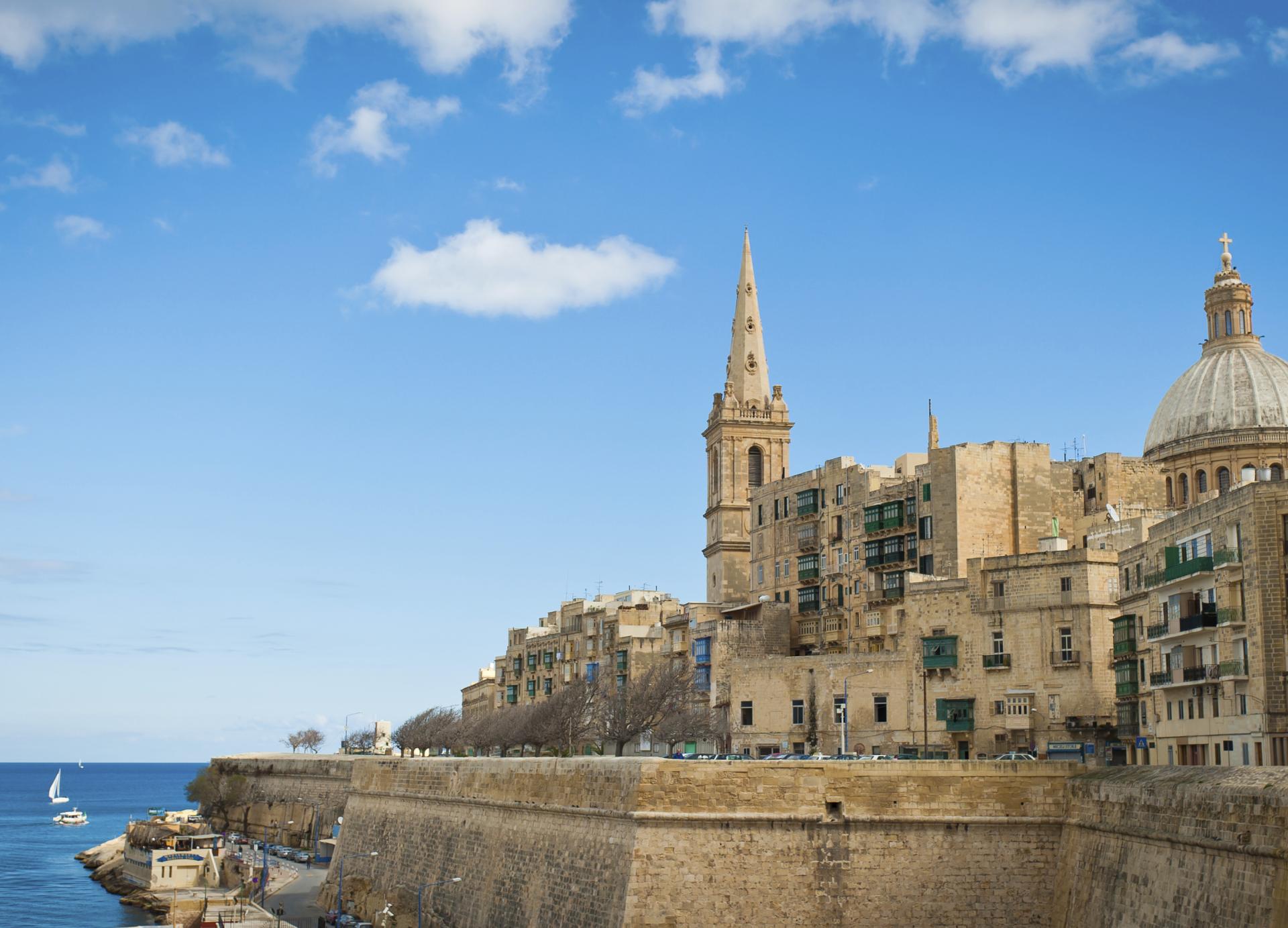
Cruising to Malta (Valletta) in a group?
Skip the crowded ship excursion bus. One dedicated planner will design a private shore experience around exactly what your group wants — coordinated from first enquiry to the moment you're back on board. More memorable, more flexible, and more affordable than you might expect. Spend less time organising, more time enjoying.
Explore Group Travel →Cruising to Malta (Valletta)
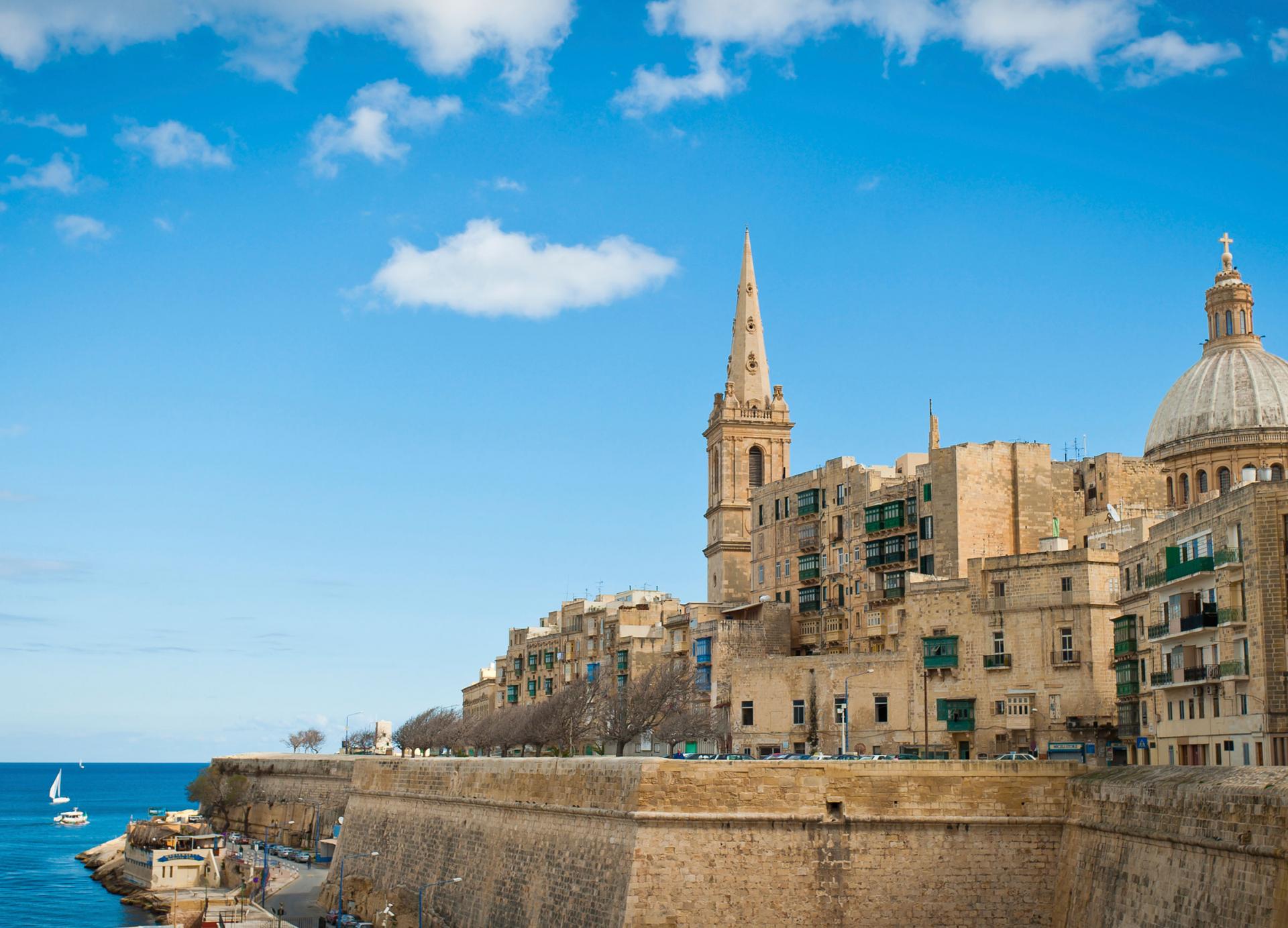
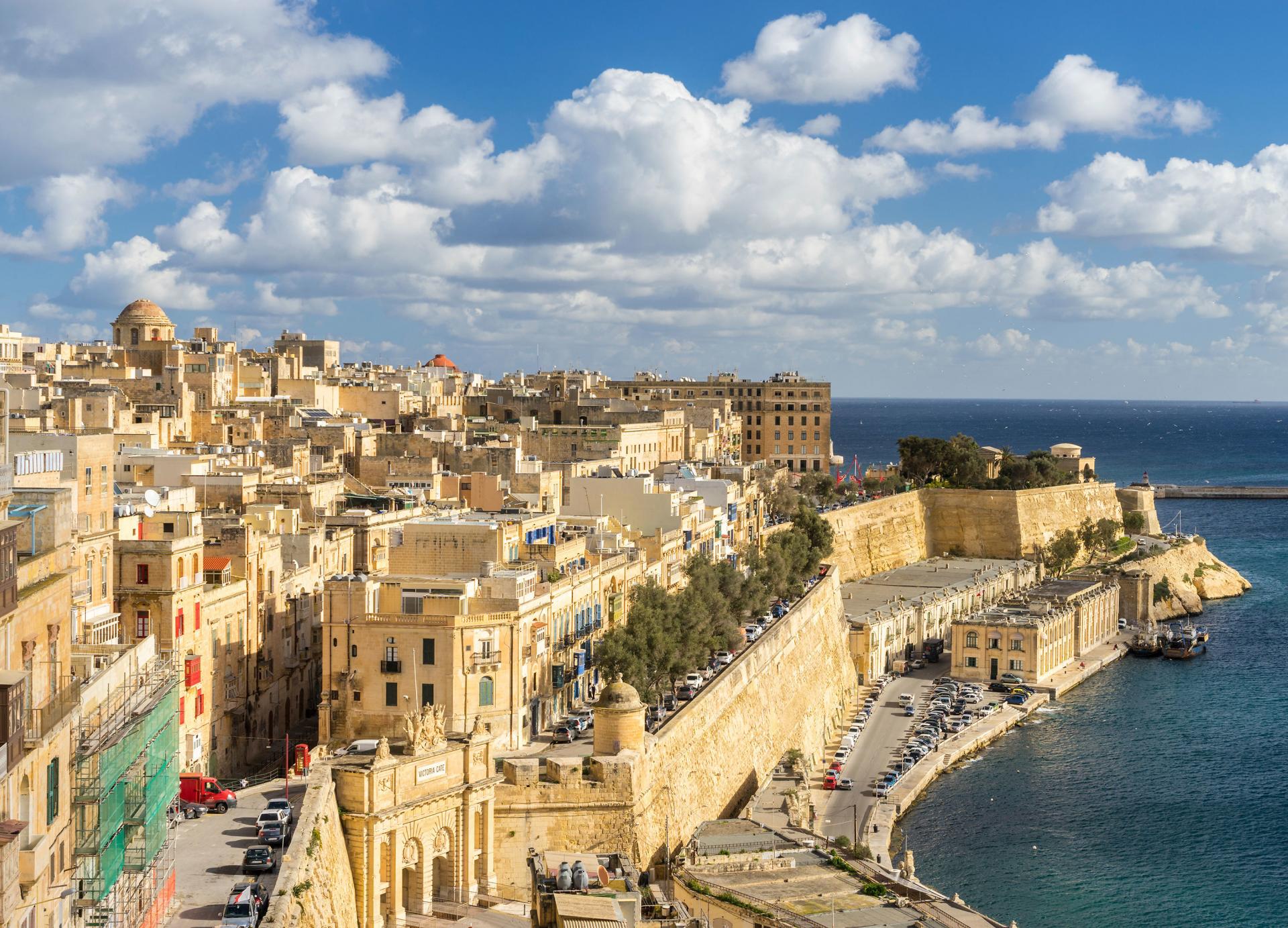
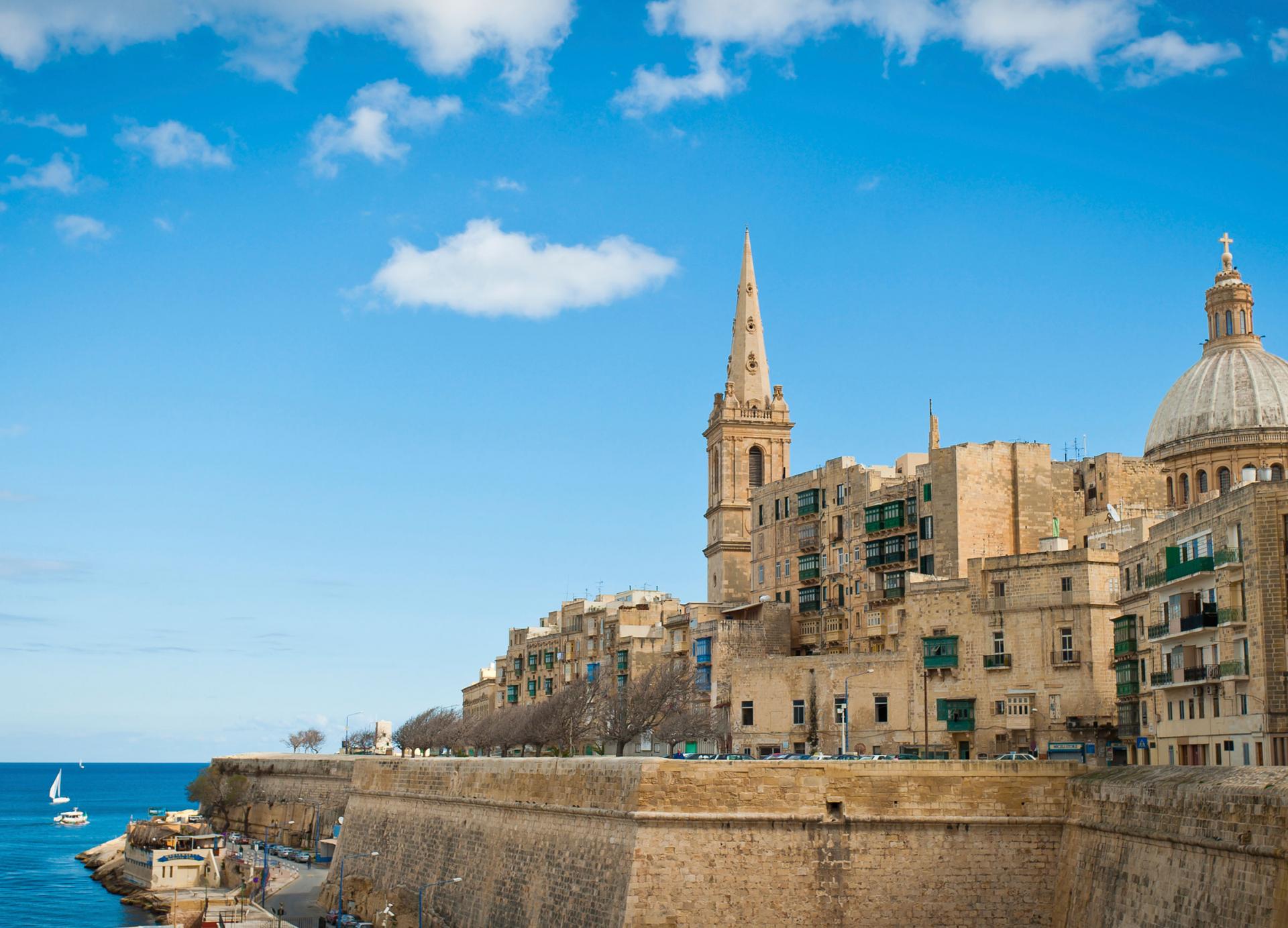
Positioned at the crossroads of the Mediterranean, Malta has been coveted, contested and colonised by virtually every great power the ancient and medieval worlds produced. Phoenicians, Romans, Arabs, Normans, the Knights of St John and the British Empire each left their mark on an island barely 27 kilometres long — creating a layered palimpsest of civilisations that makes Malta one of the most historically dense destinations in all of Europe. The ship's approach into the Grand Harbour, with Valletta's golden limestone bastions rising sheer from the water, offers what many consider the finest harbour entrance in the Mediterranean — a fitting introduction to a place where history arrives without warning at every turn.
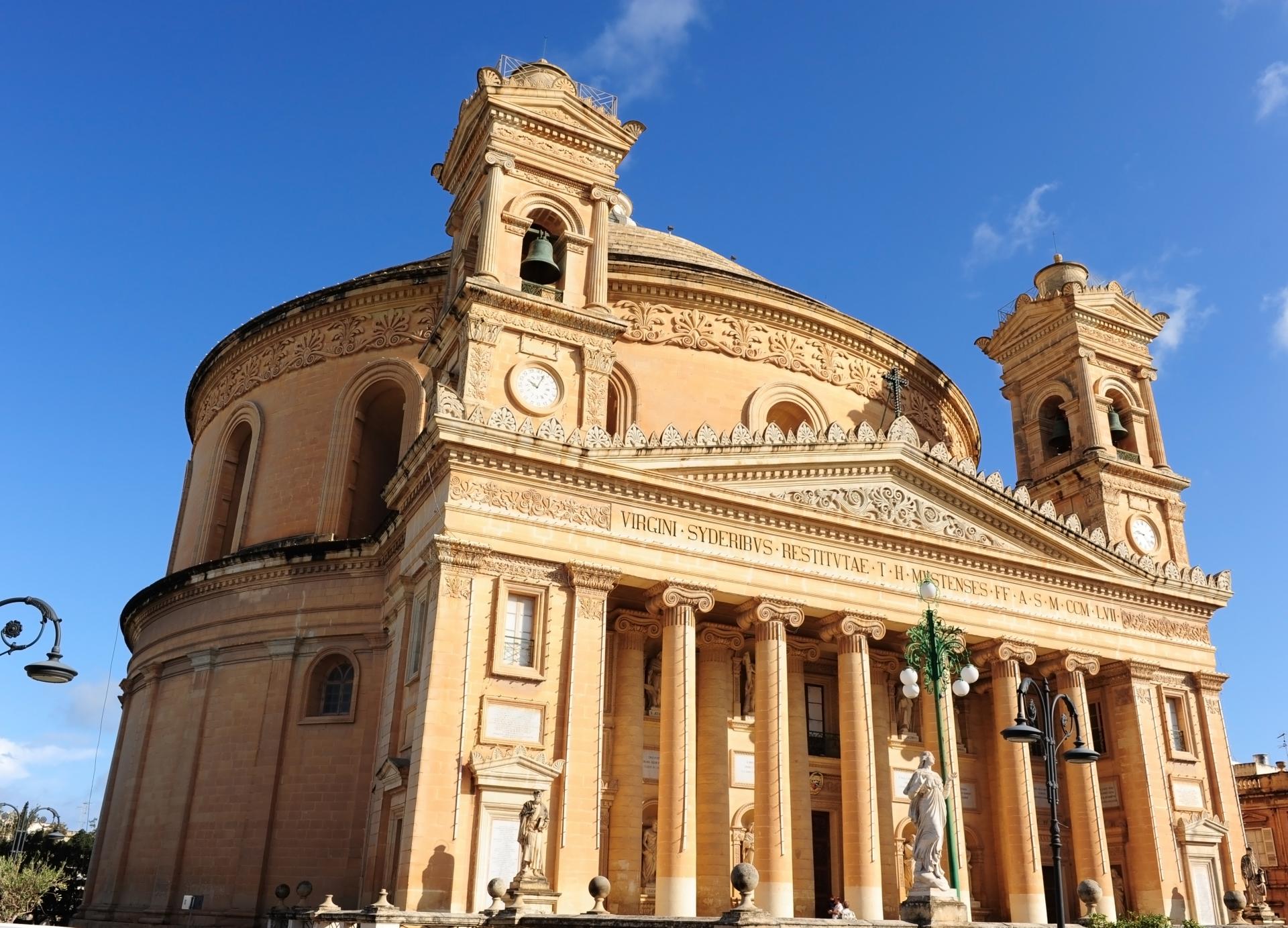
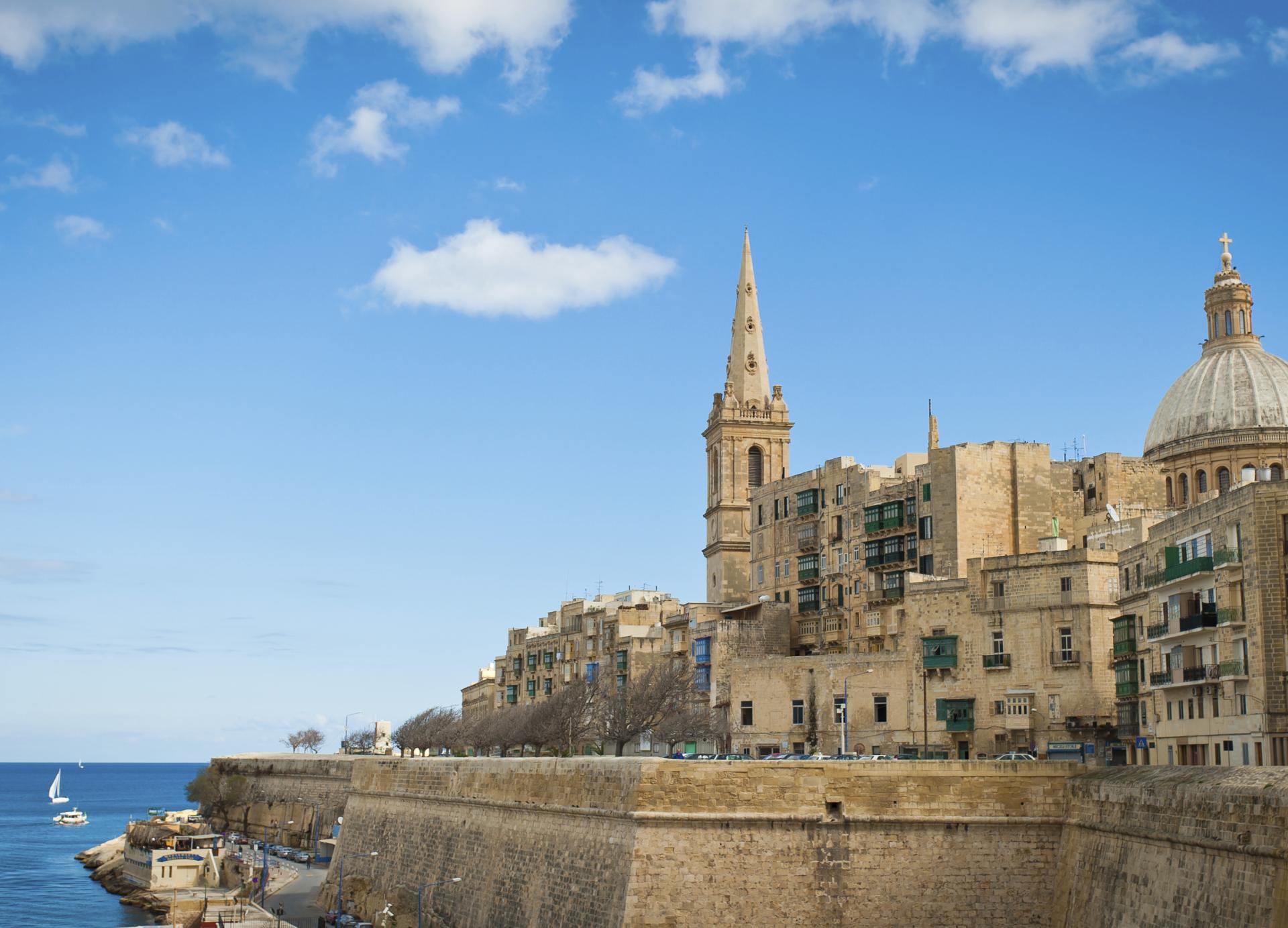
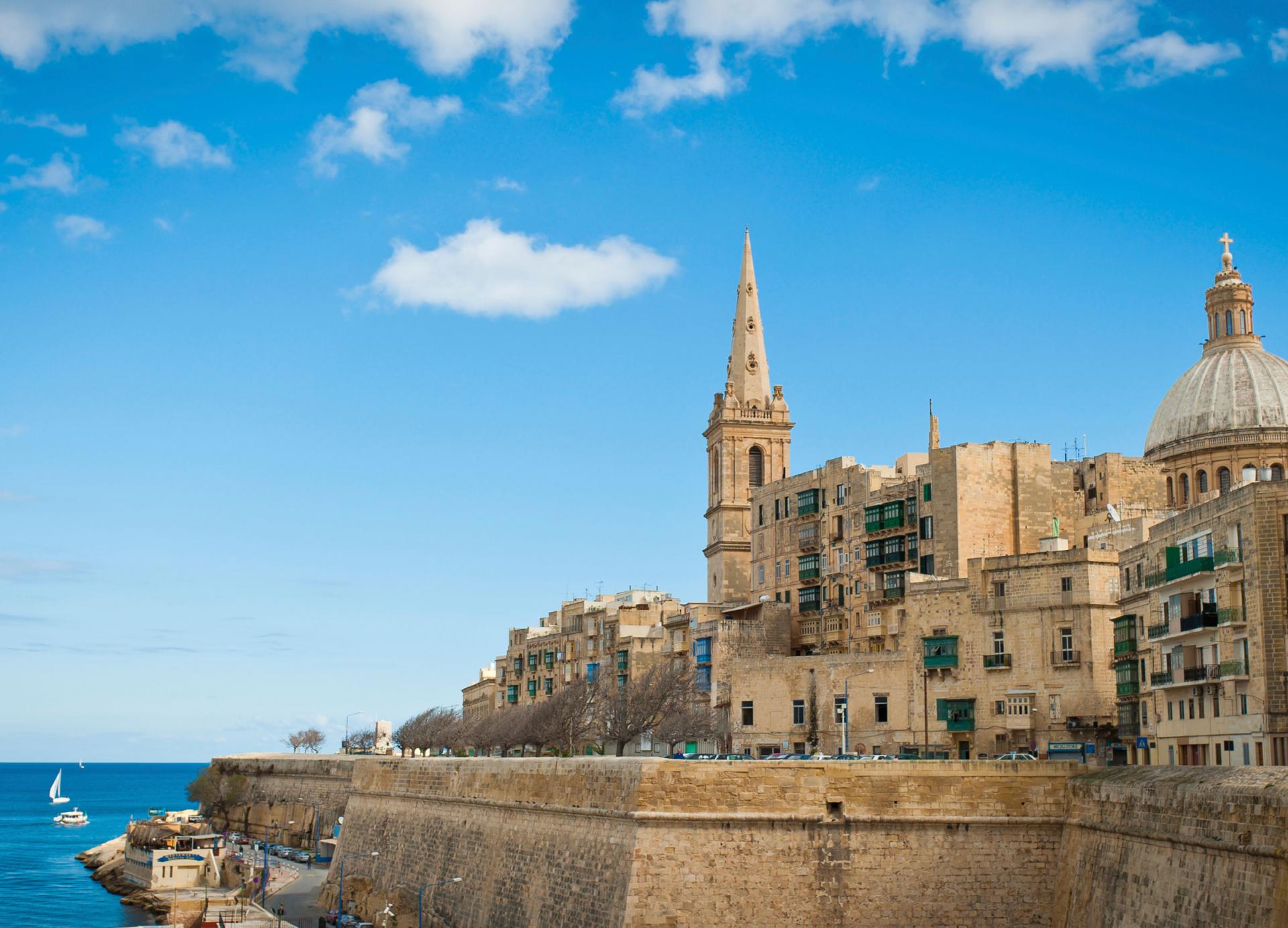
Valletta itself was purpose-built by the Knights of St John in the 16th century as a statement of power and faith, and it has never shed that sense of deliberate grandeur. The entire city is a UNESCO World Heritage Site, its Baroque palaces, cathedrals and auberges constructed from the island's honey-coloured globigerina limestone that glows amber in afternoon light. Within its grid of steep streets lies one of the world's most celebrated paintings: Caravaggio's monumental 'Beheading of Saint John the Baptist', housed in St John's Co-Cathedral with theatrical effect that the artist himself might have staged. Beyond the cathedral, the Grand Master's Palace, the Upper Barrakka Gardens and the view across the water to the Three Cities complete a cityscape that rewards every hour given to it.
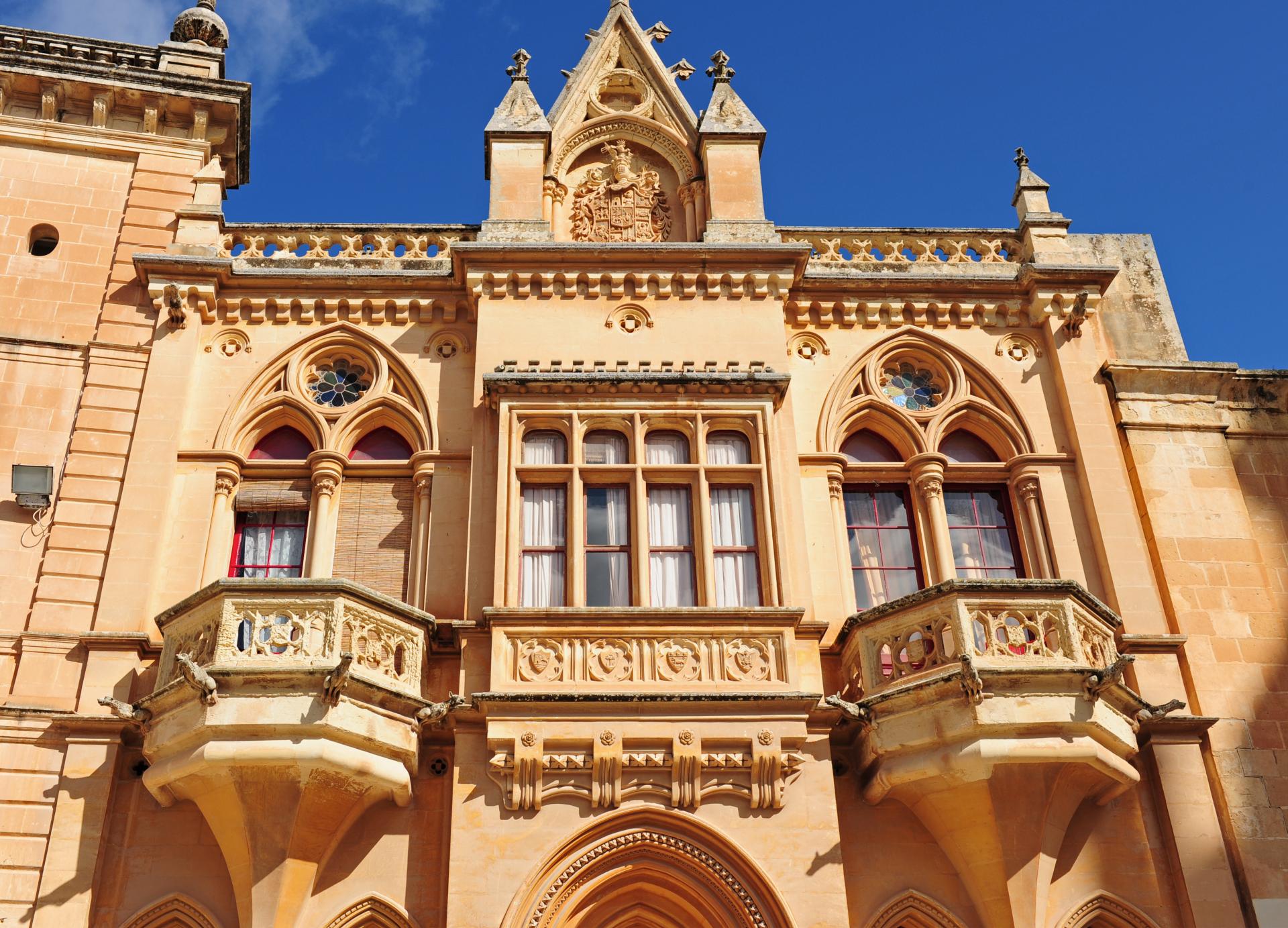
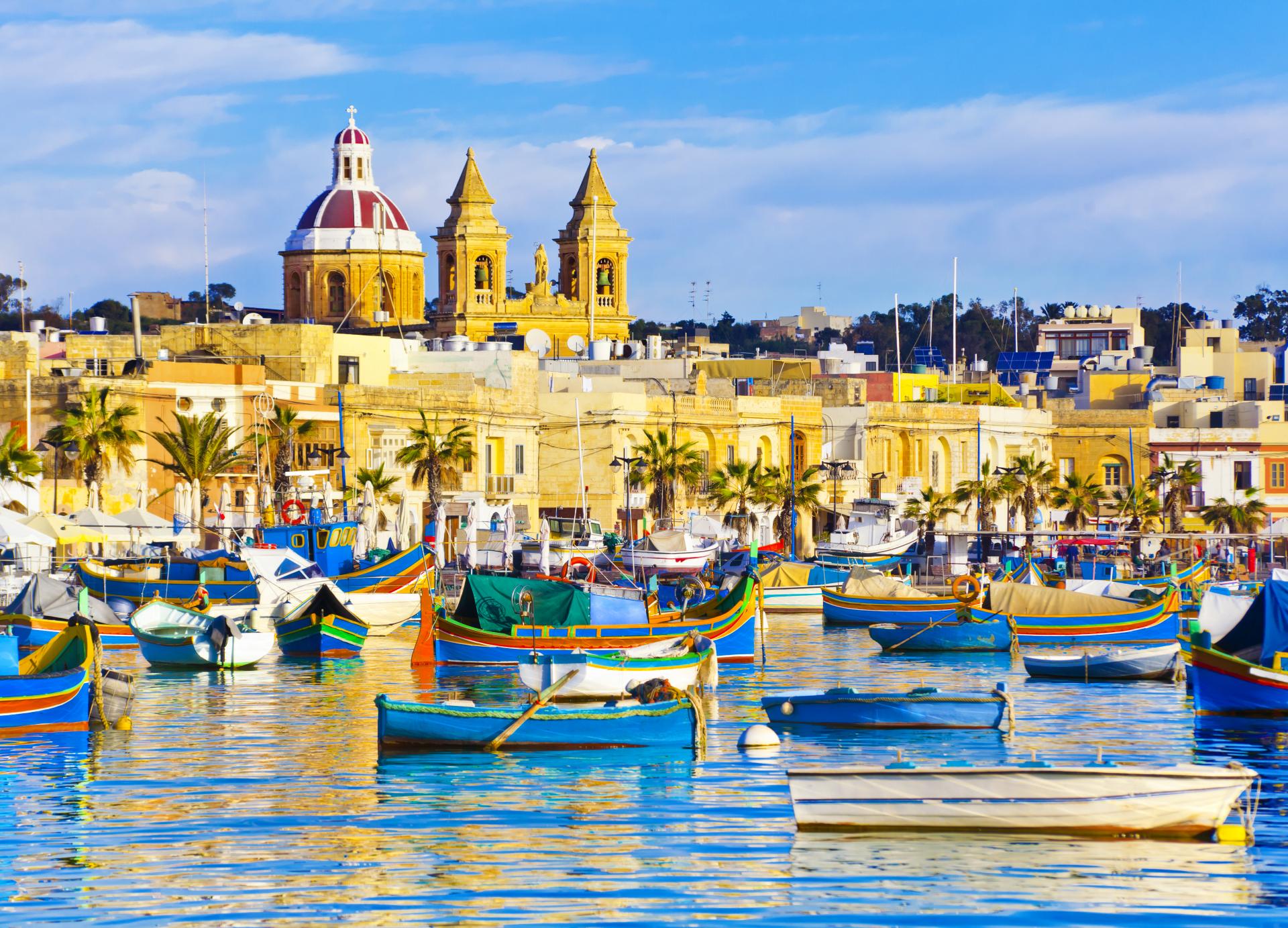
Beyond Valletta, Malta unfolds into a sequence of extraordinary destinations within easy reach. The Silent City of Mdina, perched on a hilltop at the island's centre, has barely changed since the medieval period — its few hundred residents moving through limestone lanes of almost surreal quietude. The megalithic temples of Ħaġar Qim and Mnajdra, standing on the southern cliffs with views to the open sea, predate Stonehenge by a millennium and represent one of the most significant concentrations of prehistoric architecture anywhere in the world. And the fishing village of Marsaxlokk, its harbour crowded with brightly painted luzzu boats, offers a window into a Maltese way of life that has continued largely unchanged for generations.
For all its historical gravity, Malta is not a solemn place. The island eats well — pastizzi from neighbourhood bakeries, fresh-caught lampuki, rabbit stewed in wine and garlic — and its people possess a warmth and directness shaped by centuries of welcoming strangers from every corner of the Mediterranean world. English is an official language spoken fluently island-wide, making Malta one of the most accessible destinations in the region for independent exploration. A single day ashore here rewards careful planning but also richly rewards those who simply begin walking and allow the island's extraordinary history to reveal itself at its own pace.
Top things to do in Malta (Valletta) on a cruise stopover
Valletta: The World's Smallest Capital with Outsized Grandeur
Valletta was built in the 16th century by the Knights of St John as a deliberate expression of Christian power and architectural ambition — and it has never lost that monumental quality. The entire city is a UNESCO World Heritage Site, its Baroque palaces, churches and fortifications constructed from golden limestone that glows amber in afternoon light. The Co-Cathedral of St John houses Caravaggio's masterpiece 'The Beheading of Saint John the Baptist'. The Upper Barrakka Gardens offer the most celebrated views of the Grand Harbour and the Three Cities across the water. Wandering Valletta's grid of steep streets — taking in the Grand Master's Palace, Republic Street's elegant cafés and ornate Baroque side chapels — is a day in itself.
Mdina: The Silent City of Knights and Nobles
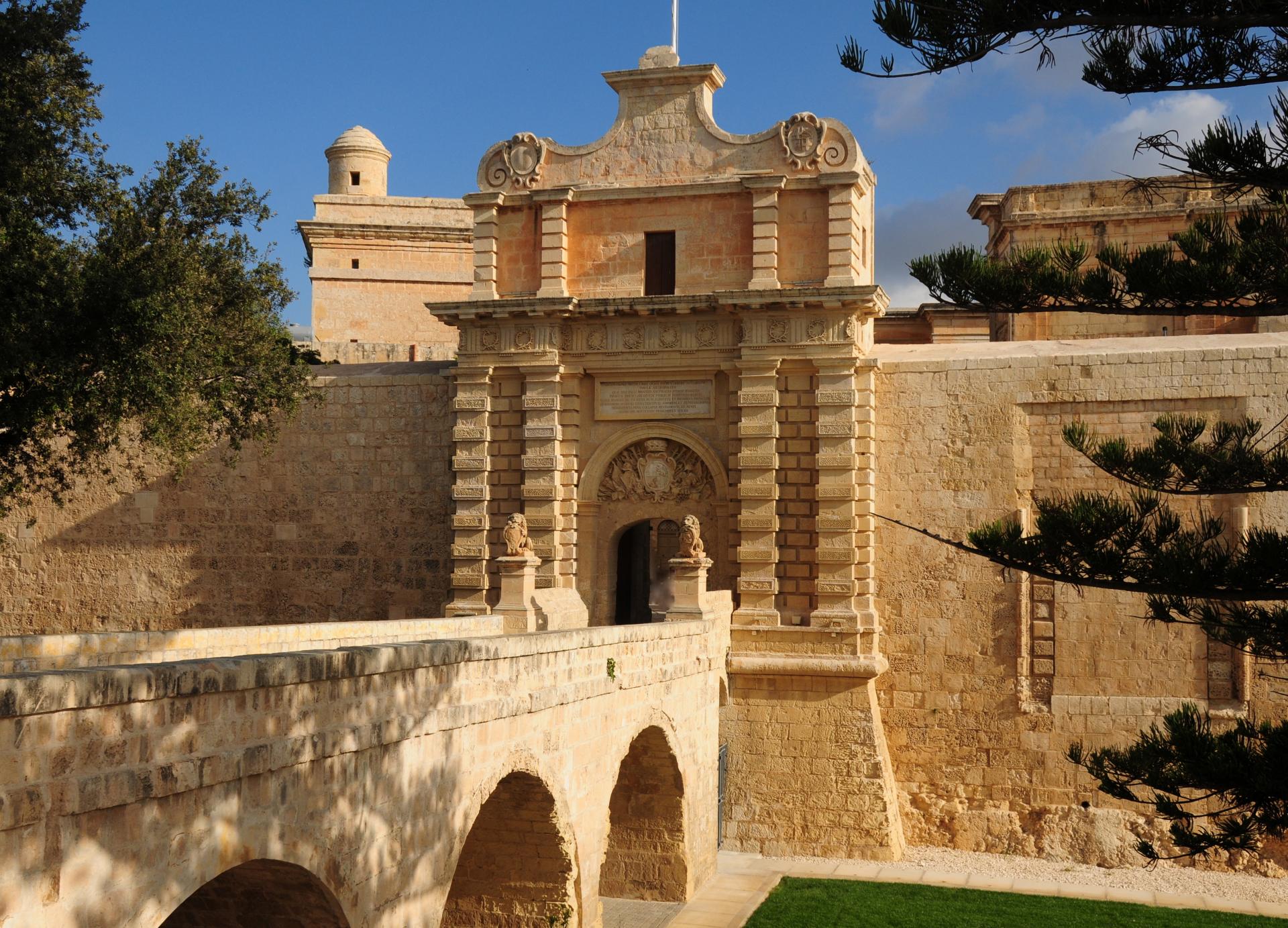
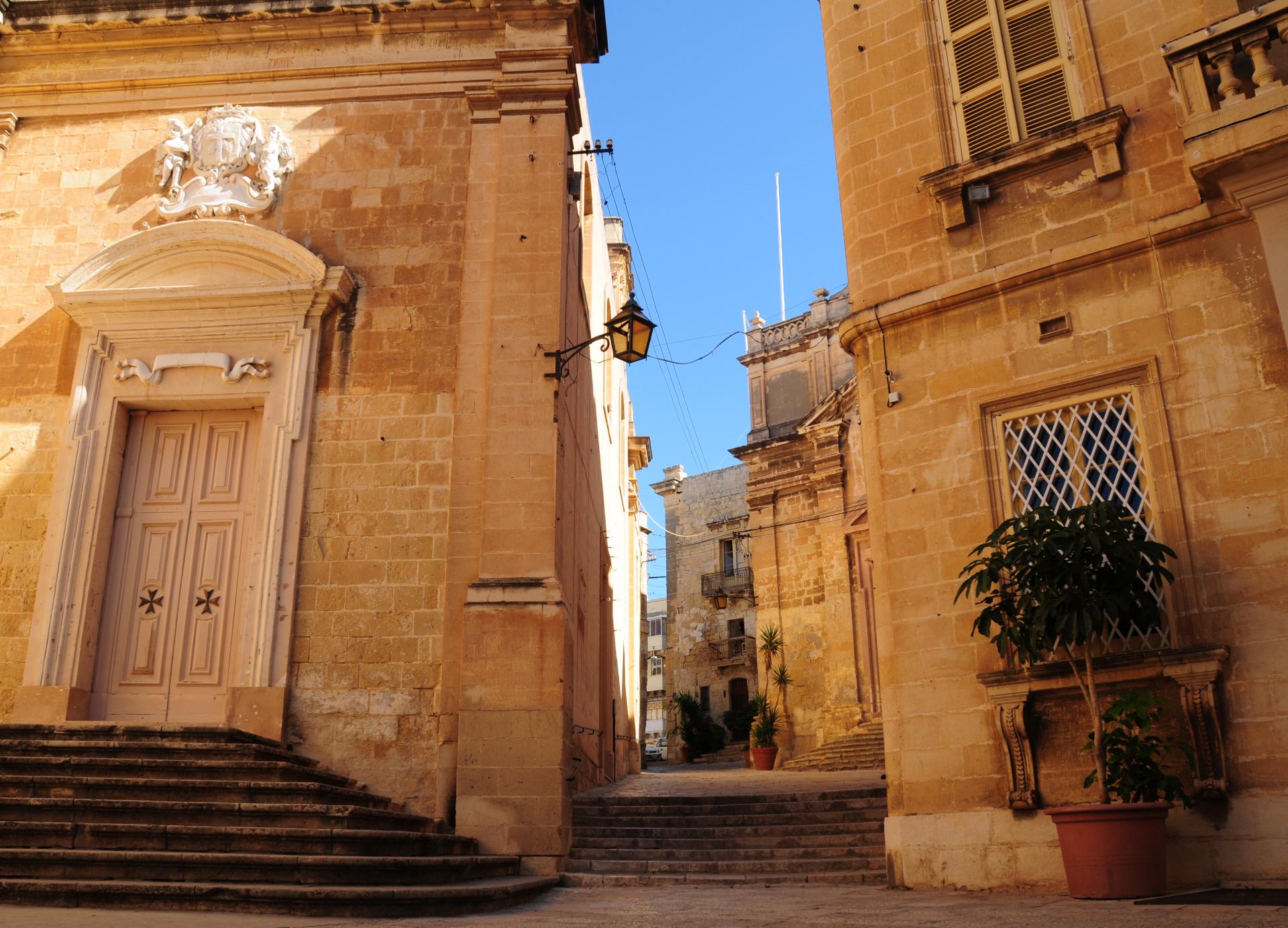
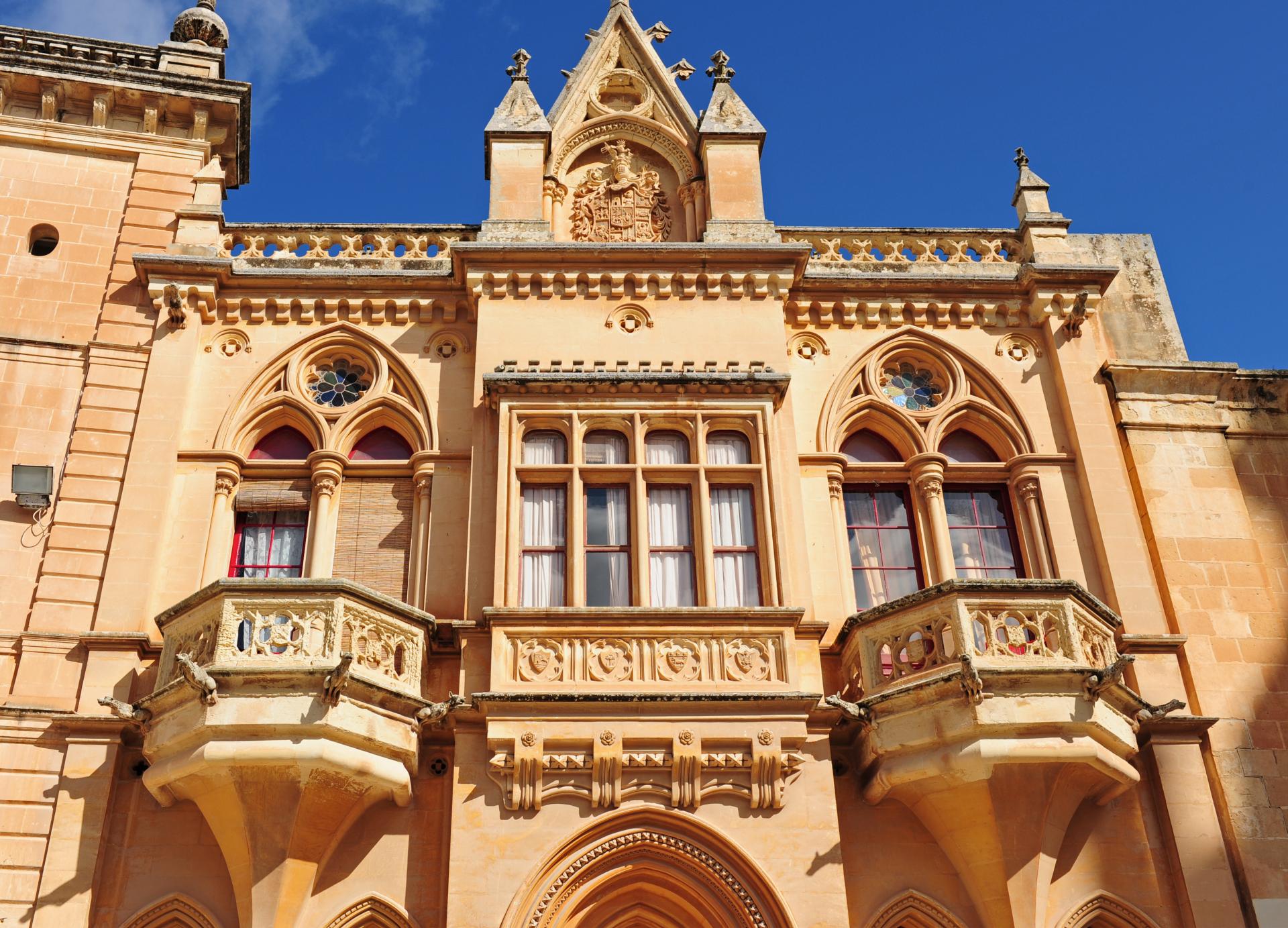
Perched on a hilltop at Malta's centre, Mdina — 'the Silent City' — was Malta's ancient capital and remains one of the most atmospheric medieval cities in Europe. Its population numbers just a few hundred; its streets absorb visitors without losing their extraordinary tranquillity. Entry through the Baroque city gate feels theatrical: the narrow limestone lanes, the cathedral square and the grand palazzos of the Maltese nobility create a setting of genuine medieval gravity. Views from the bastions sweep across the island in multiple directions. Adjacent Rabat offers local restaurants serving traditional Maltese cooking and a pace of life entirely removed from tourist spectacle — a vivid complement to the silent city above.
The Blue Grotto: Malta's Most Celebrated Natural Wonder
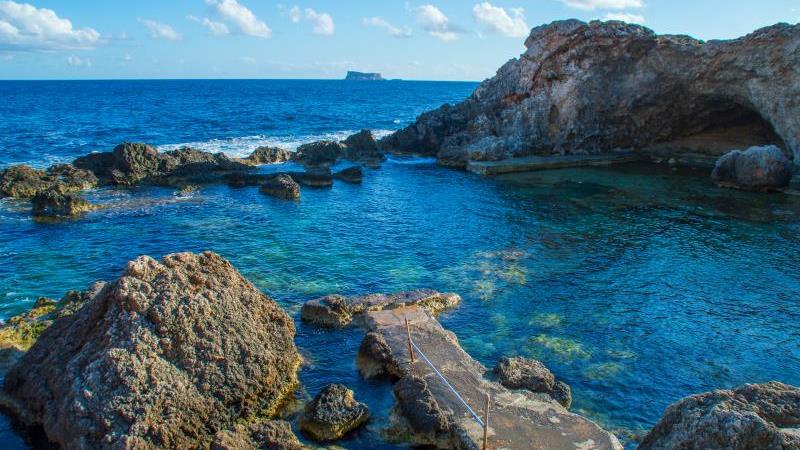
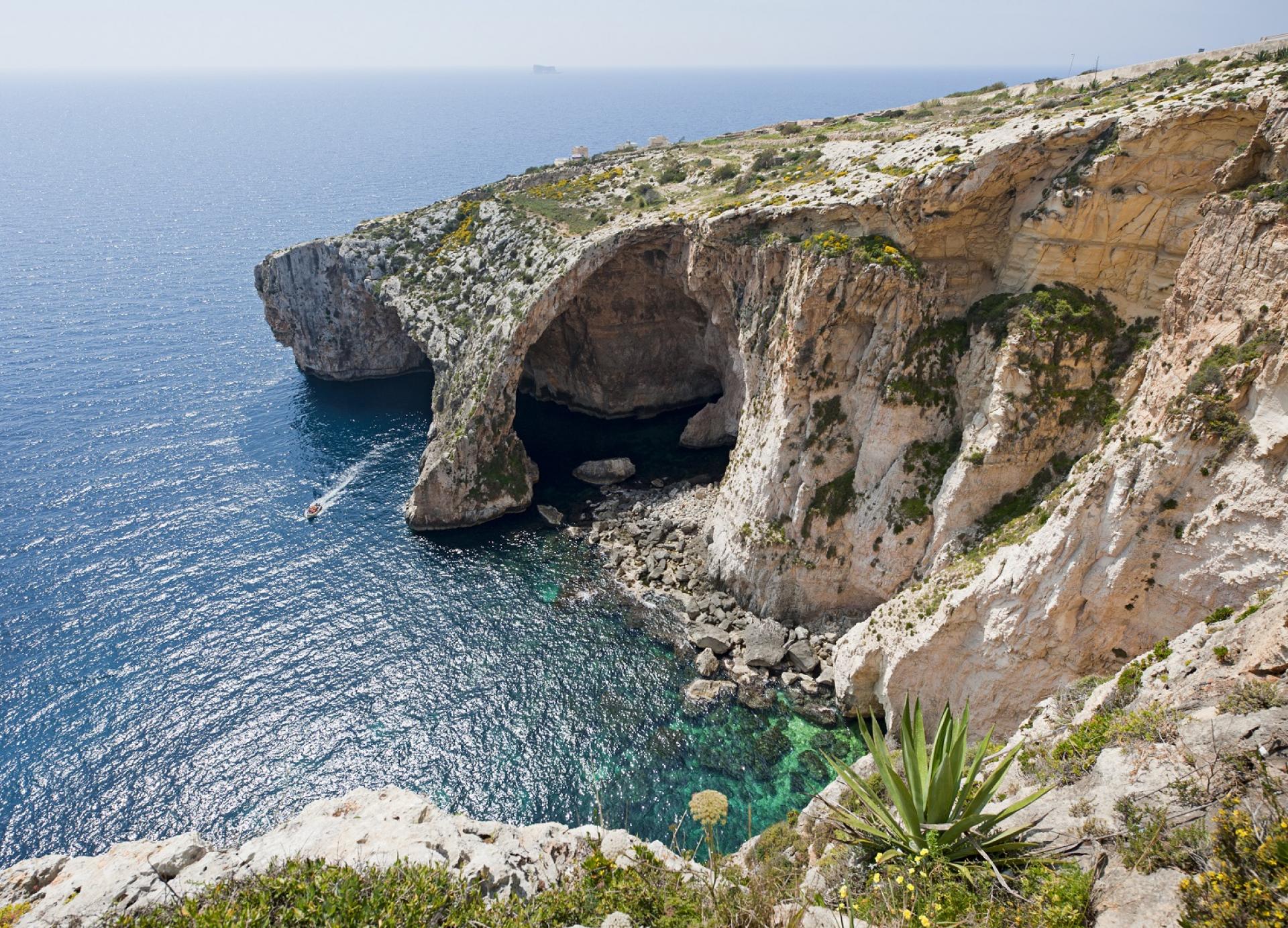
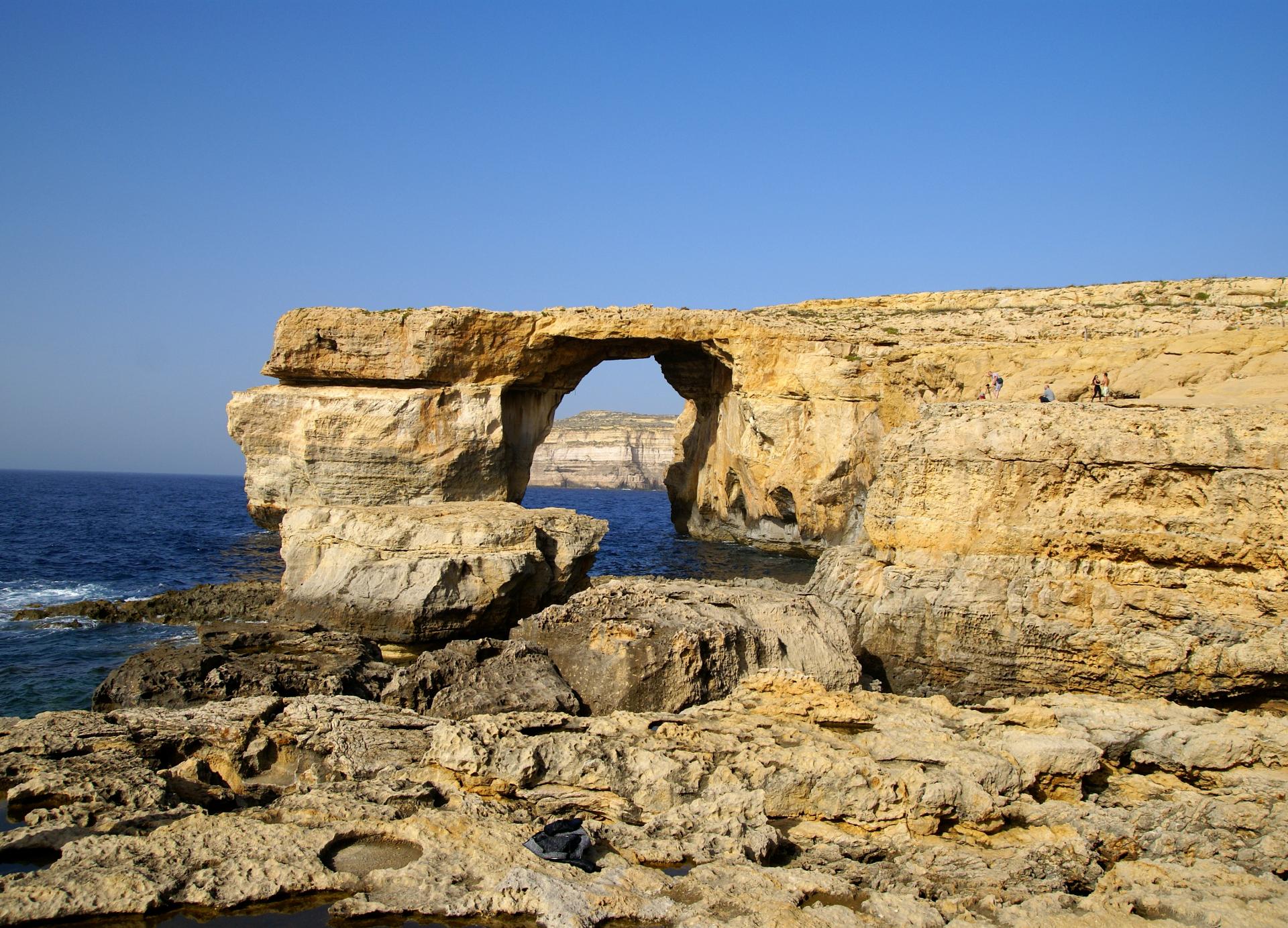
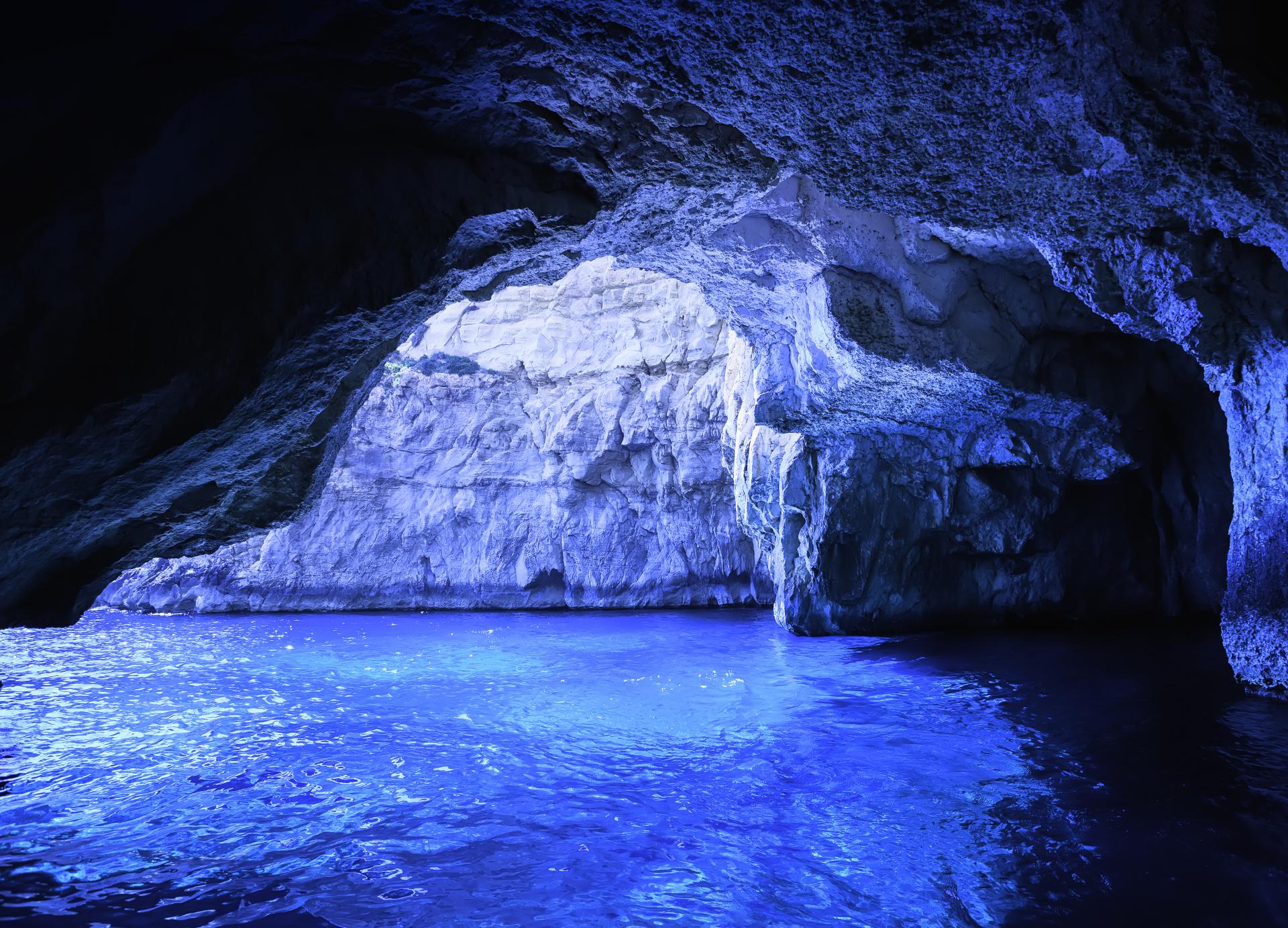
On Malta's southern coastline, a series of sea caves carved into sheer limestone cliffs creates one of the Mediterranean's most photographed phenomena. The Blue Grotto takes its name from the extraordinary iridescent blue of the water within — produced by sunlight filtering through cave openings and reflecting off the phosphorescent seabed below. Traditional Maltese fishing boats ferry visitors from the quayside into the cave system, gliding beneath rock arches that open onto chambers of impossible colour. Nearby, the Ghar Dalam cave holds remarkable archaeological significance — the bones of dwarf elephants and hippos discovered within represent some of the earliest evidence of prehistoric life on the island.
The Three Cities: Birgu, Senglea and Bormla Across the Harbour
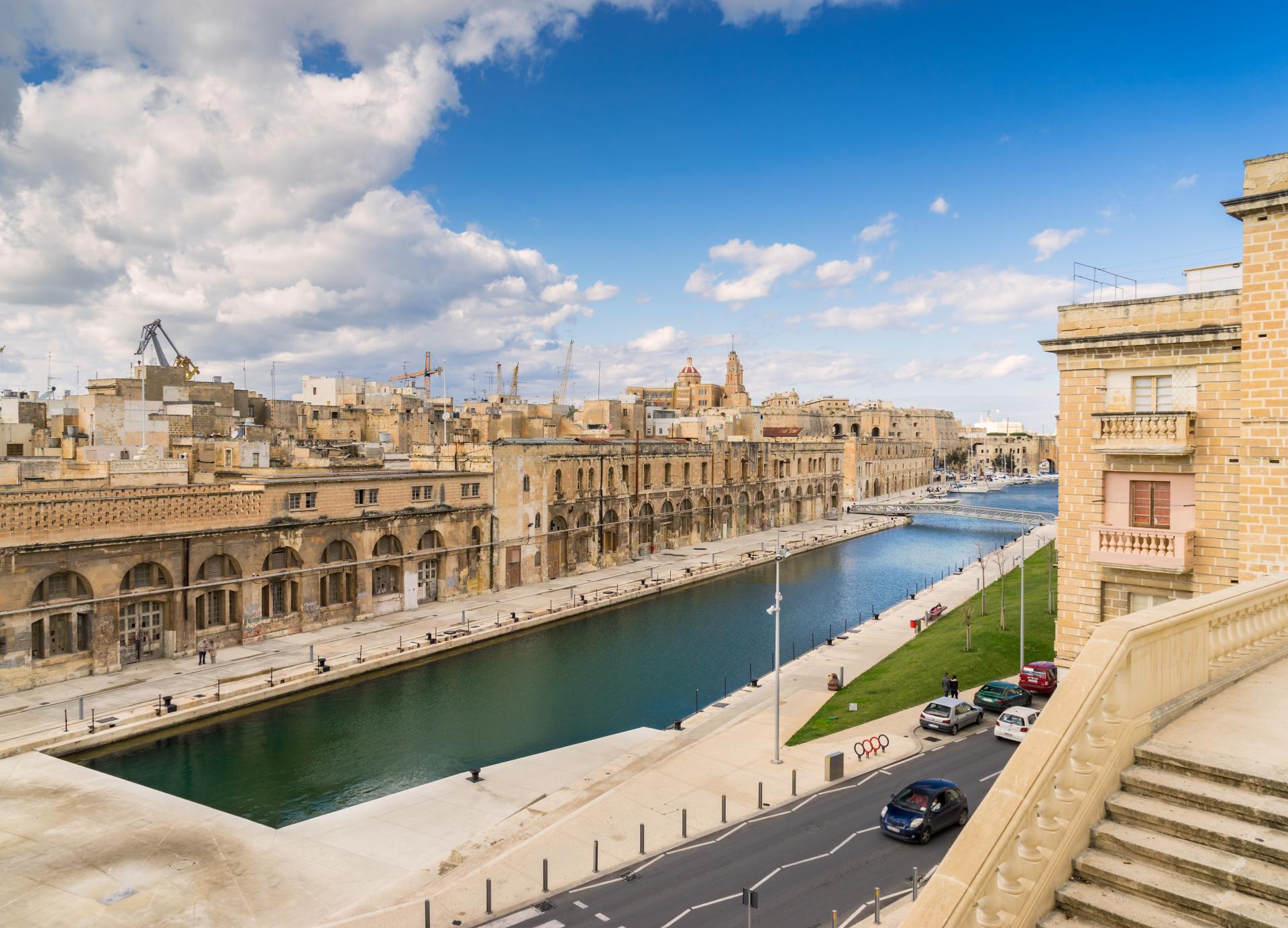
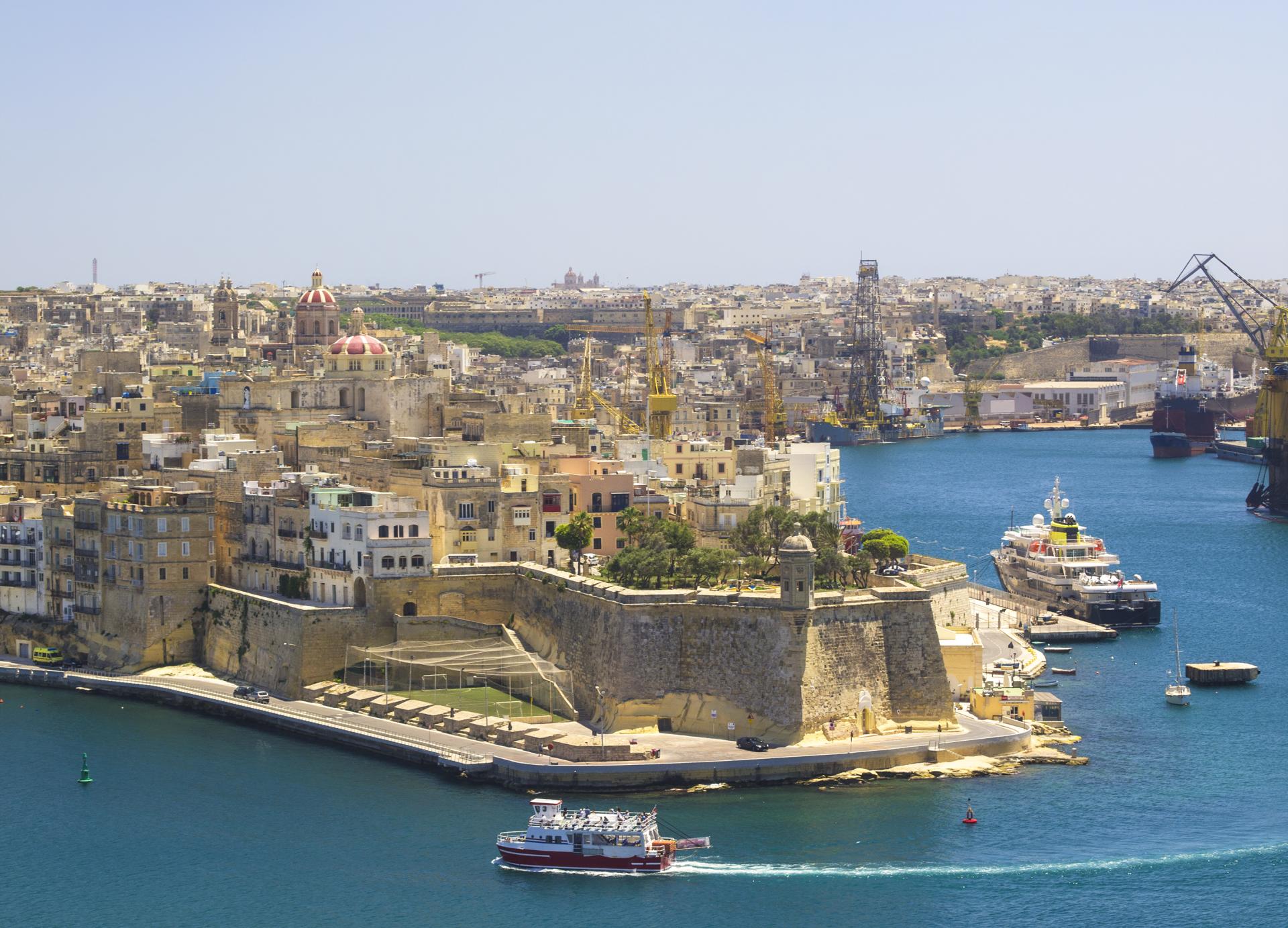
Directly across the Grand Harbour from Valletta lie the Three Cities — Birgu (Vittoriosa), Senglea and Bormla — three fortified settlements that predate Valletta itself and carry the deepest layers of Maltese history. The Knights of St John established their first headquarters in Birgu, and Fort St Angelo has guarded the harbour entrance since the Norman period. The Malta Maritime Museum occupies a handsome waterfront building; the Inquisitor's Palace offers one of Europe's most complete surviving inquisition-era complexes. The harbour ferry from Valletta Waterfront makes the crossing simple, and the view back toward Valletta's fortified skyline from across the water is unforgettable.
The Megalithic Temples: Ancient Wonders Older Than Stonehenge
Malta harbours some of the oldest free-standing stone structures on Earth — the megalithic temples, built between 3600 and 2500 BCE, predate both Stonehenge and the Egyptian pyramids. The temples of Ħaġar Qim and Mnajdra, situated on the island's southern cliffs with views across to the islet of Filfla, are the most dramatically positioned. Their massive limestone blocks, fitted with extraordinary precision by a civilisation whose identity remains only partially understood, create a genuinely humbling encounter with prehistoric achievement. Both sites are now protected by modern sheltering structures. The temples rank among the most significant ancient monuments available anywhere on a Mediterranean cruise itinerary.
Marsaxlokk and the Southern Villages: Living Malta Beyond the Tourist Trail
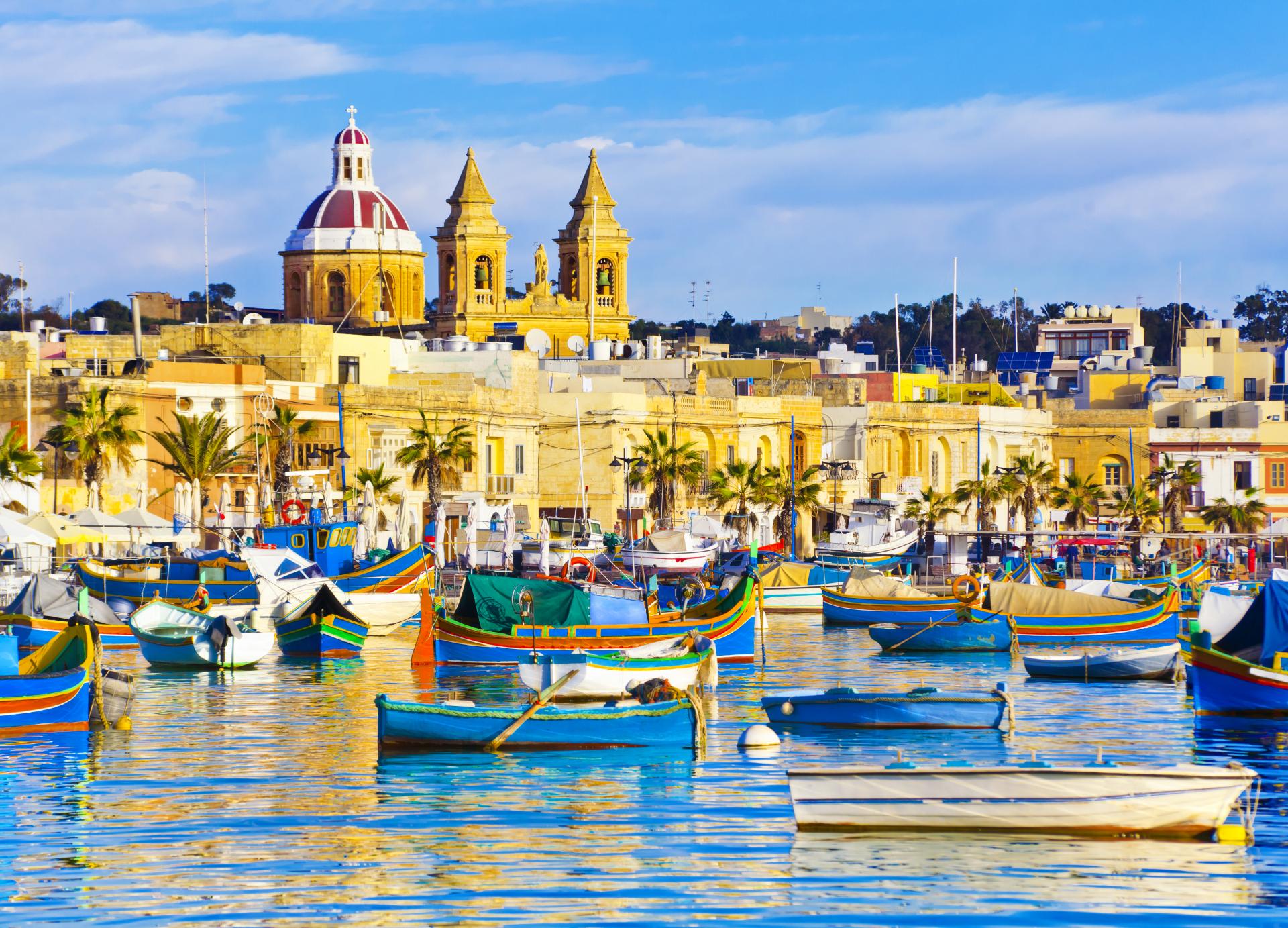
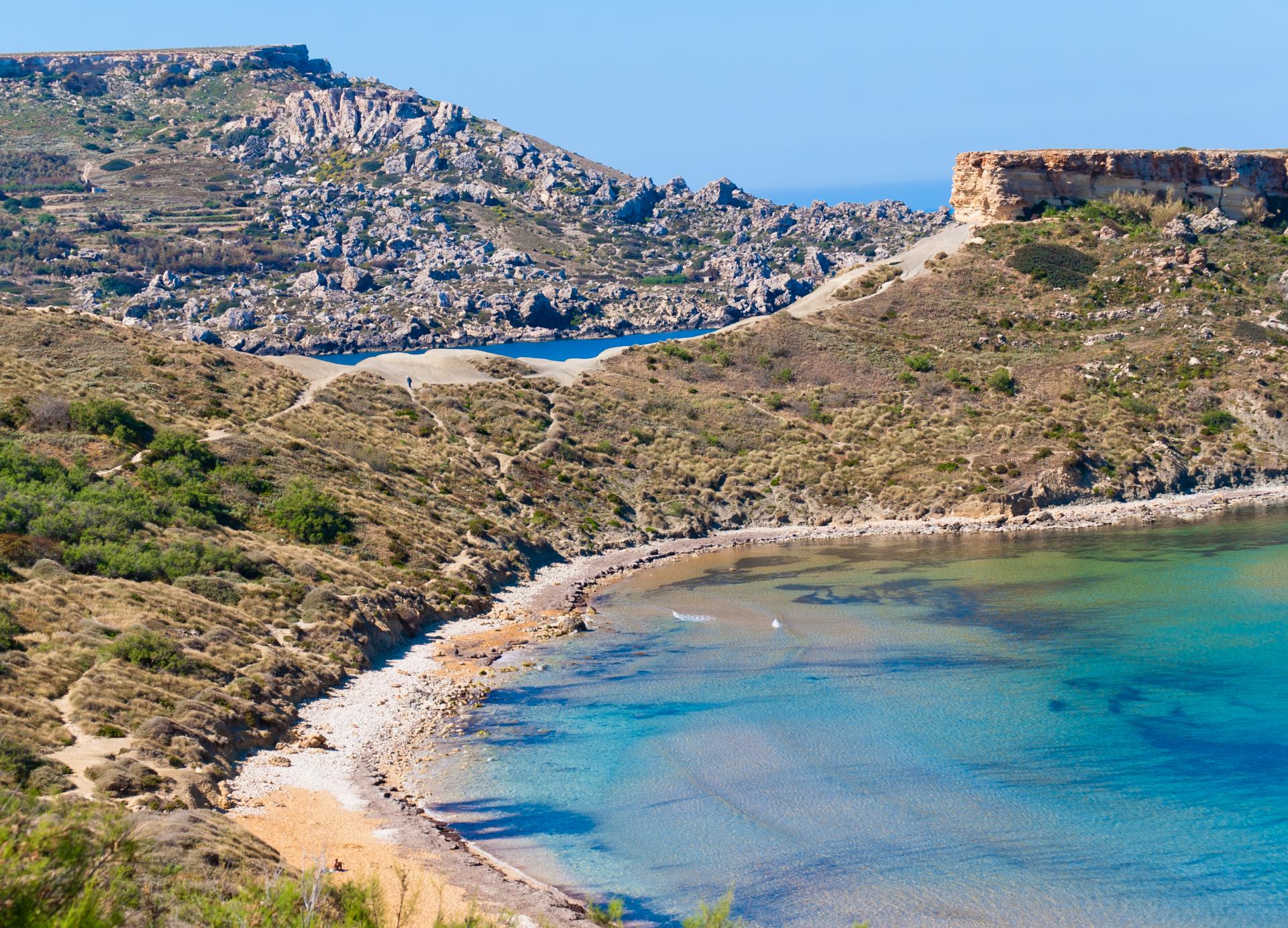
On Malta's southeastern coast, the fishing village of Marsaxlokk offers the island's most authentic working-harbour scene. The bay is crowded with traditional luzzu fishing boats — painted in vivid reds, yellows and blues, each bow bearing the Eye of Osiris — and the Sunday waterfront market draws locals from across the island to buy fresh fish, produce and crafts. The surrounding area encompasses panoramic Marsaxlokk Bay, the Delimara Peninsula and Buskett Gardens — a rare area of mature woodland that served as the Knights' hunting ground. Together, the southern villages and coastline offer a window into everyday Maltese life that contrasts richly with the island's grand historical monuments.
Malta (Valletta) travel tips
Take the Grand Harbour Ferry — Don't Miss the View It Offers. The short ferry crossing between Valletta Waterfront and the Three Cities is one of the great short journeys in the Mediterranean. The perspective it provides — looking back at Valletta's fortified limestone walls rising sheer from the water, with Fort St Angelo opposite — is a view that defined European history for centuries. The ferry operates regularly throughout the day and provides a far more memorable approach to the Three Cities than any road route could.
The St John's Co-Cathedral Requires Modest Dress. Malta's most visited interior enforces a dress code: shoulders and knees must be covered for entry. This applies to all visitors regardless of age. Disposable paper coverings are available at the entrance for those who arrive unprepared, but bringing a light scarf or sarong avoids any inconvenience. Arrive as early as your schedule allows — the cathedral becomes very crowded by mid-morning, and Caravaggio's painting deserves to be seen without the distraction of queues.
Mdina is Best Experienced in the Morning or Late Afternoon. The Silent City lives up to its name most fully in the early morning and late afternoon, when tour groups are absent and the limestone streets glow in low, golden light. Midday hours, particularly in summer, bring the highest visitor numbers and most intense heat. If your schedule allows an early start, Mdina in the morning — with the cathedral largely to yourself and the views across the island clear before any haze develops — is among Malta's finest experiences.
The Blue Grotto Boat Trips Depend on Sea Conditions. The traditional boat excursions into the Blue Grotto cave system operate subject to sea conditions. If the swell is elevated — which can happen even on days that otherwise feel calm — cave entry becomes unsafe and trips are suspended. There is no way to predict this with certainty in advance. Aim to arrive at the quayside early in the morning when conditions are typically calmest, and have an alternative plan in mind if the caves are closed on the day of your visit.
Pastizzi Are Best Eaten Warm, from a Local Bakery. Malta's iconic street pastry is available at bakeries and cafés across the island and is best consumed freshly baked and still warm, when the flaky pastry is at its most delicate. The ricotta version (tal-irkotta) and the mushy pea version (tal-piżelli) are equally traditional. They cost very little, require no ceremony and offer an immediate, genuine taste of Maltese daily life. Neighbourhood bakeries in smaller towns often serve better pastizzi than those found in the main tourist districts of Valletta.
Factor in Valletta's Steep Streets When Planning Your Day. Valletta is built on a peninsula of considerable topographic variation — it climbs steeply from the waterfront up to Republic Street and drops again toward Marsamxett Harbour. Lifts connect the lower Valletta Waterfront with the upper city and can spare significant physical effort, particularly in summer heat. Comfortable shoes with grip are advisable on the smooth limestone pavements, which become slippery when wet. Build in more time than you think you'll need — Valletta's layers of detail consistently reward those who pace themselves.
Port Facts Every Cruiser Needs To Know
Malta (Valletta) shore excursion FAQs
Cruise ships berth at the Valletta Waterfront, at the base of the city's monumental limestone bastions. A free shuttle service or short walk leads to the Barrakka Lift, which carries passengers from the lower waterfront to the upper city in minutes. Alternatively, a walking route via the Pinto Wharf road reaches the city gate in around 15 minutes.
With six to ten hours ashore, a practical itinerary might combine Valletta with one or two additional destinations — for example, Mdina and Rabat, or the Three Cities and the Blue Grotto. Attempting more than three distinct sites tends to mean spending most of the day in transit. Malta rewards depth over breadth; a single destination explored properly will be more memorable than a rushed circuit of five.
Public buses operate regularly between Valletta's City Gate terminus and Mdina, with journey times of around 30 to 45 minutes depending on the service. The main bus terminus is accessible from the Valletta Waterfront via the Barrakka Lift and a short walk. Services are clearly route-coded and information is displayed in English at each stop.
Valletta is very walkable, though its topography means some steep streets are unavoidable. The main sightseeing spine along Republic Street is level and straightforward. Side streets descend sharply toward both harbours. The Barrakka Lift and outdoor steps connect the upper and lower city. Comfortable shoes are strongly advisable, and water should be carried throughout the day.
Malta's megalithic temples — particularly Ħaġar Qim and Mnajdra — are among the oldest free-standing stone structures on Earth, built between approximately 3600 and 2500 BCE, predating Stonehenge and the Egyptian pyramids. They are UNESCO World Heritage Sites. For visitors with an interest in ancient history, they rank among the most significant sites available anywhere on a Mediterranean cruise itinerary.
The Blue Grotto is a complex of sea caves on Malta's southern coast, famous for extraordinary iridescent blue water created by sunlight refracting through the cave openings. Traditional small boats carry visitors from the quayside into the caves. Trips are subject to sea conditions and may be suspended if the swell is too high. The site is approximately 30 minutes from Valletta by road.
Birgu, Senglea and Bormla — the Three Cities — are three fortified settlements directly across the Grand Harbour from Valletta, predating the capital itself. They contain some of Malta's most layered history, including Fort St Angelo, the Inquisitor's Palace and the Malta Maritime Museum. The harbour ferry crossing from Valletta Waterfront is itself one of the finest short journeys in the Mediterranean.
Yes. English is an official language of Malta and is spoken fluently across the island — in cities, villages, historic sites and rural areas alike. English-speaking cruise passengers face no language barrier whatsoever. Maltese is also widely spoken among locals and has its own rich linguistic identity, but communication in English presents no difficulty anywhere on the island.
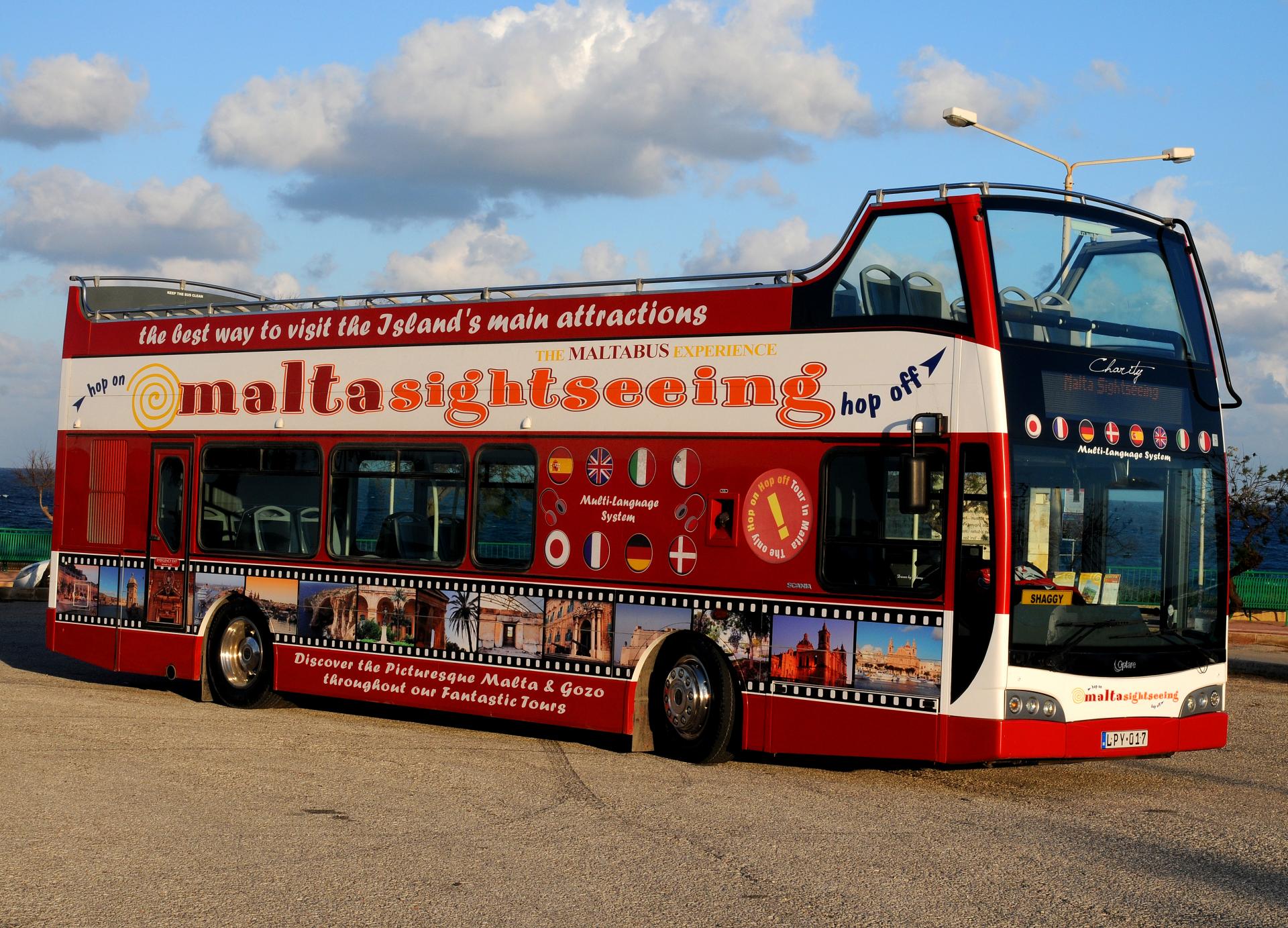
Malta operates hop-on hop-off routes covering the northern and southern parts of the island from Valletta. The northern route covers St Julian's, Sliema, St Paul's Bay and Golden Bay. The southern route covers the Three Cities area, Marsaxlokk and the southern coast. Together the two routes provide broad island coverage for flexible independent exploration within a single day ashore.
Marsaxlokk's Sunday market is one of the most authentic in Malta, drawing locals to the waterfront to buy and sell fresh fish, produce and crafts. It is best experienced in the morning, when the fishing boats are unloading and the atmosphere is at its most vibrant. The market winds down significantly by early afternoon. On other days, the village's colourful luzzu fishing boats and working-harbour atmosphere still make it worth a visit.
Filters
Select a filter to refine results.
Tour Type
Tour Activity
 Cart
Cart
 USD
USD GBP
GBP AUD
AUD EUR
EUR CAD
CAD