



Tours in Hilo Hawaii


Cruising to Hilo Hawaii in a group?
Skip the crowded ship excursion bus. One dedicated planner will design a private shore experience around exactly what your group wants — coordinated from first enquiry to the moment you're back on board. More memorable, more flexible, and more affordable than you might expect. Spend less time organising, more time enjoying.
Explore Group Travel →Cruising to Hilo Hawaii
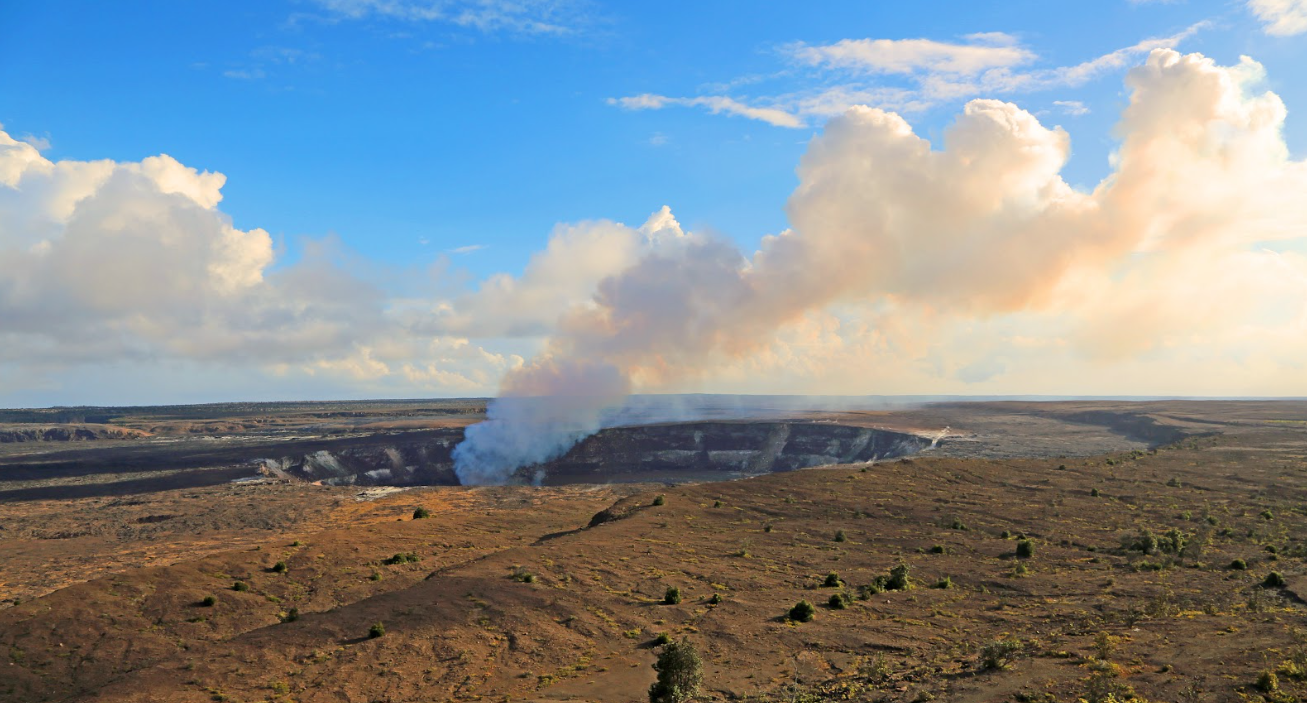
Hilo occupies a crescent-shaped bay on Hawaii's Big Island, framed by the steam and lava flows of Kilauea — one of the most continuously active volcanoes on Earth. The town feels genuinely Hawaiian: independent shops line Kamehameha Avenue, the twice-weekly farmers market overflows with papayas and orchids, and the architecture reflects a century of sugar-era history. Rainfall here is legendary — Hilo receives more than 130 inches annually, which explains the emerald valleys, cascading waterfalls, and rivers that empty quietly into the bay. Offshore, the reef shelters green sea turtles and reef fish, and the bay's calm conditions welcome kayaks and paddleboards. The surrounding Hamakua Coast unspools in dramatic fashion: sea cliffs, old plantation towns, and the memory of lava flows that have repeatedly reshaped this landscape. For cruise visitors with a day ashore, Hilo offers a rare convergence of geological wonder, marine life, and island culture that larger Hawaiian destinations rarely match.
Top things to do in Hilo Hawaii on a cruise stopover
Hawaii Volcanoes National Park — Kilauea and the Living Landscape
At the edge of Hilo's hinterland, Hawaii Volcanoes National Park provides direct access to one of the most dynamic geological environments on Earth. Kilauea has been erupting more or less continuously since 1983, periodically reshaping coastlines and adding new land to the island's southern edge. The Crater Rim Drive loops past steaming vents, lava tube forests, and the sweeping Kilauea Iki overlook, while the Chain of Craters Road descends to ancient lava fields meeting the sea. The Kilauea Iki trail crosses a solidified lava lake and passes through forest that burned and has since returned. The park is 30 miles from the cruise pier — plan for at least three to four hours on site to do it justice, and factor in driving time carefully when choosing how to structure the day.
Snorkeling Hilo Bay — Sea Turtles, Reef Fish, and Sheltered Pacific Waters
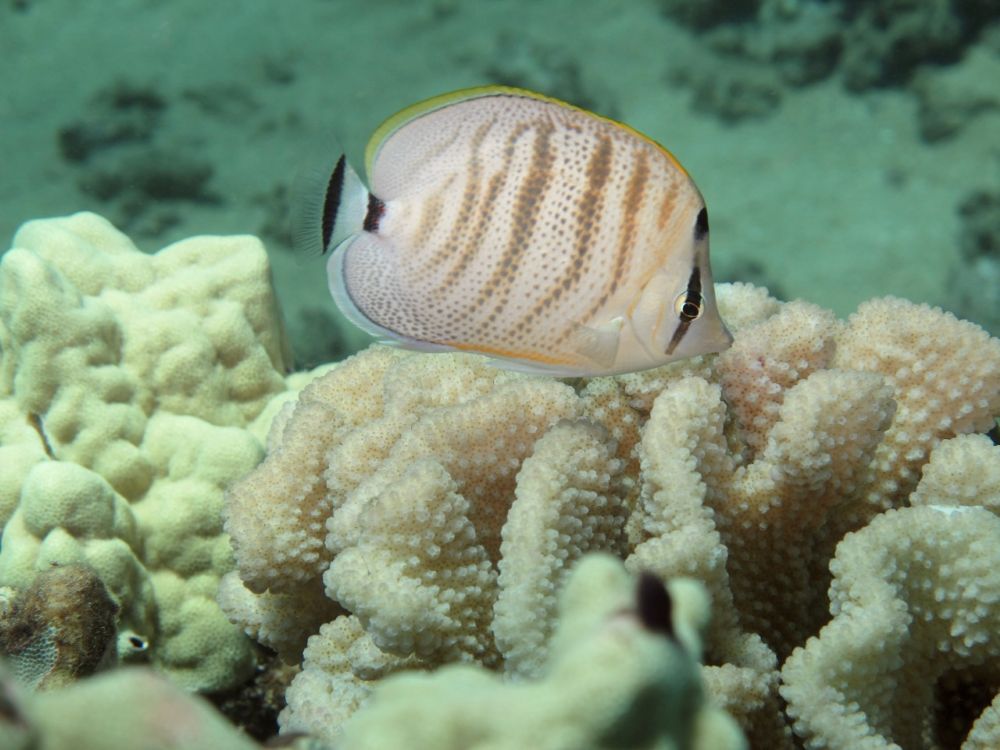
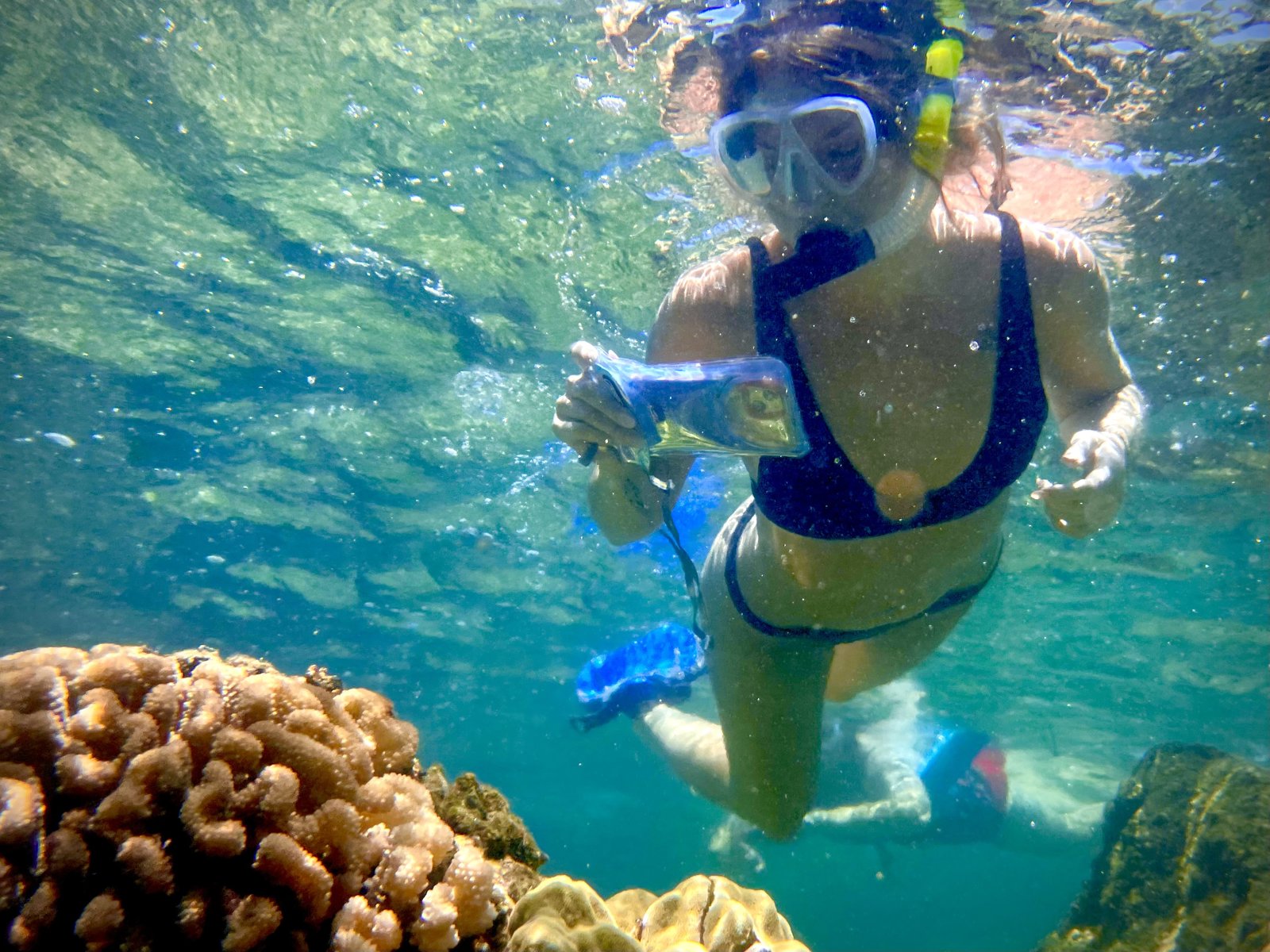
Hilo Bay's sheltered waters support a reef ecosystem that surprises visitors expecting a typical Hawaiian beach scene. Green sea turtles — honu — rest and forage along the coral, and the bay's relatively calm conditions make it accessible to snorkelers of most experience levels. Reef fish move through coral formations that have recovered substantially in recent decades. The volcanic black rock at Richardson Ocean Park forms natural pools and lava shelf entry points, making it the bay's most popular independent snorkeling site. Conditions here are generally gentler than Hawaii Island's exposed Kona coast, though lava rock entry points require appropriate footwear and some care.
Rainbow Falls, Pe'epe'e Falls, and the Waterfalls of the Hamakua Coast
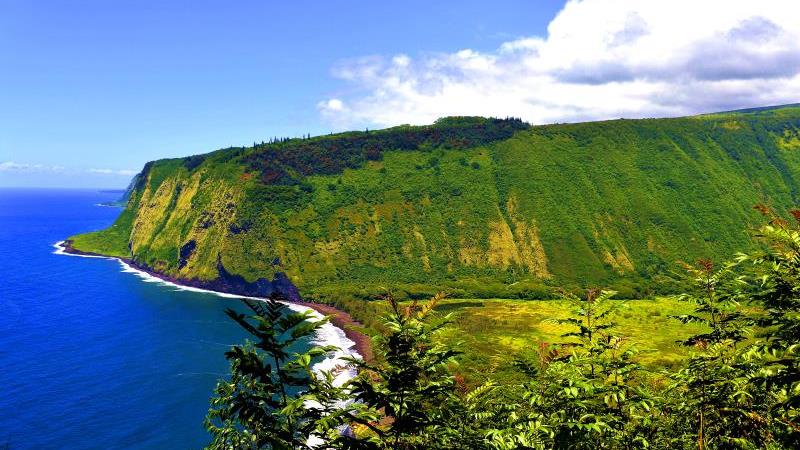
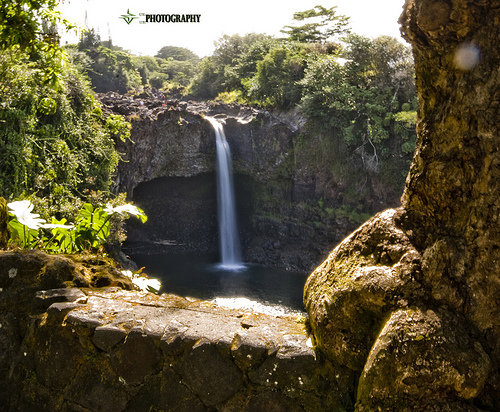
The hills above Hilo channel extraordinary rainfall into dozens of waterfalls, most within a short drive of the harbor. Rainbow Falls — named for the morning iridescence that forms in the mist — drops 80 feet into a basalt pool just two miles from downtown, surrounded by wild ginger and tropical vegetation. Nearby on the Wailuku River, Pe'epe'e Falls and Boiling Pots demonstrate how volcanic geology shapes even a simple waterway into something dramatic. The Hamakua Coast highway north of Hilo unfolds one of Hawaii's most impressive rural landscapes: sea cliffs, gulches, and remnants of plantation-era infrastructure. Akaka Falls State Park, about 11 miles from town, frames a 420-foot plunge through a lush gorge that involves minimal walking.
Kayaking and Paddleboarding on Hilo Bay and the Wailoa River
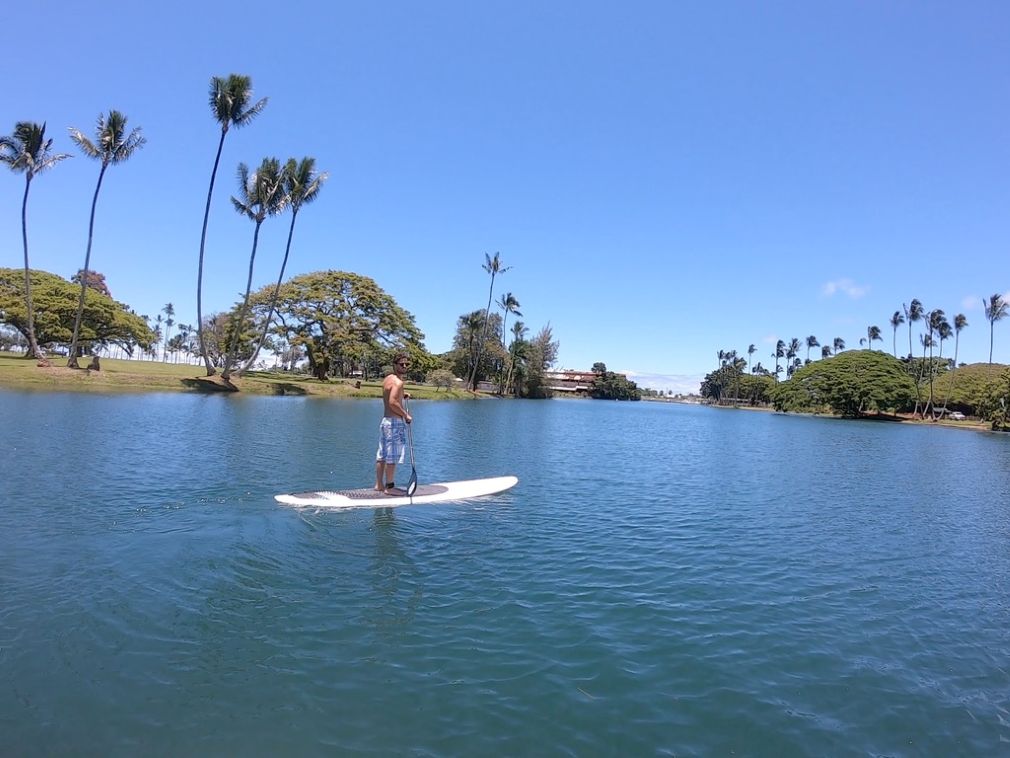
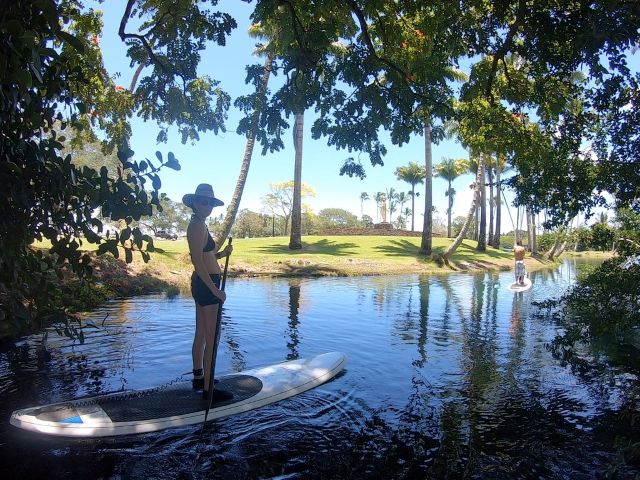
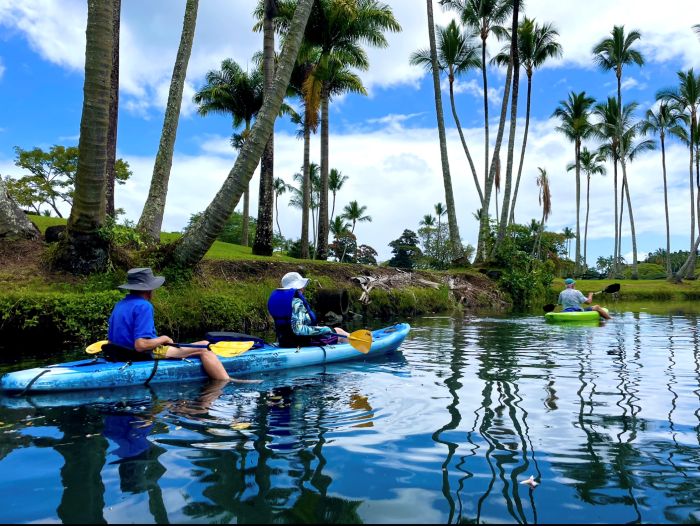
Hilo Bay offers some of Hawaii's most accessible flatwater paddling, sheltered by a breakwater and flanked by river mouths and coastal parks. The Wailoa River flows quietly through Hilo's urban wetland before meeting the bay, creating a calm corridor for kayaking through a landscape where city edges give way to native birds and historic fish ponds. Reeds Bay, at the bay's eastern end, is a favored launch point for stand-up paddleboarding — the water is calmer and the setting more intimate than open-ocean venues. Paddling here provides a different perspective on the bay's ecology, with the possibility of turtle sightings below the hull and views back to Hilo's low skyline framed by Mauna Kea's distant slopes.
Humpback Whale Watching Along the Hamakua Coast — December to April
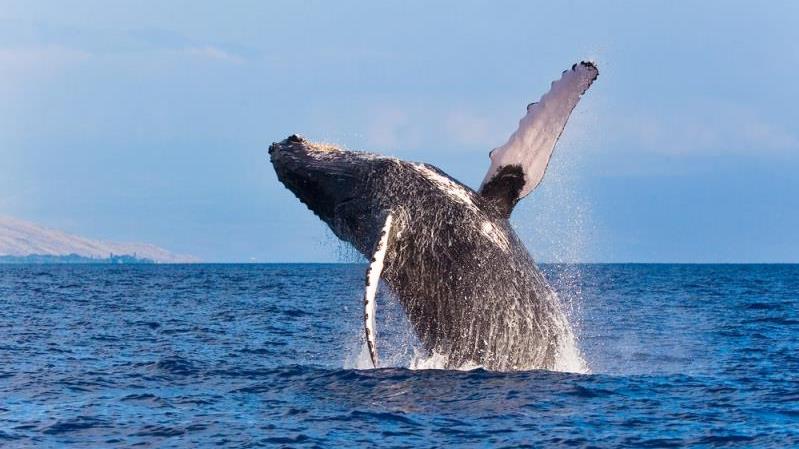
Humpback whales migrate from Alaskan feeding grounds to Hawaii's warm waters each winter, arriving in significant numbers between December and April. The waters off Hilo and the Hamakua Coast serve as feeding and calving grounds for these North Pacific humpbacks, and boat-based whale watching excursions operate from Hilo Bay during the season. Surface behaviors — breaches, tail slaps, and pectoral fin waves — are regularly observed in peak months. Alongside humpbacks, the same coastal waters frequently host spinner dolphins and seabirds. Outside the humpback season, resident spinner dolphins and occasional false killer whales remain present in local waters, making marine wildlife encounters possible year-round on bay and coastal excursions.
Hilo's Farmers Market, Historic Bayfront, and Old Hawaii Town Character
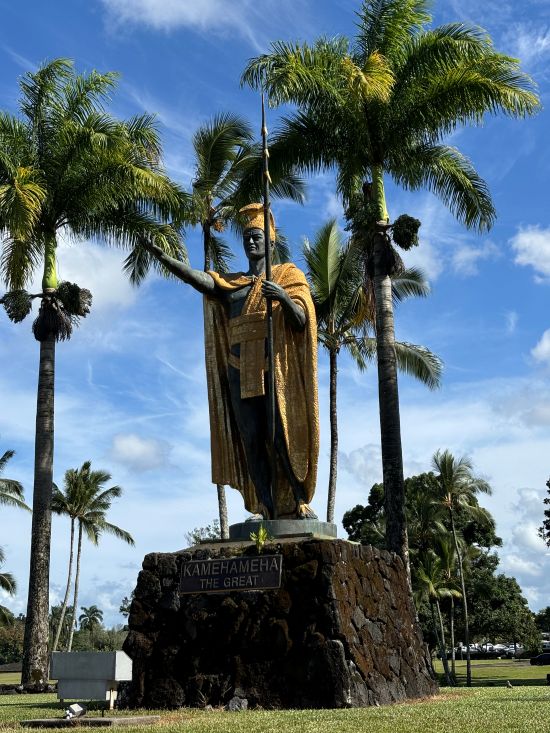
Hilo's downtown has been largely bypassed by the resort development that defines much of Hawaii, and that absence has preserved something genuinely worth visiting. The bayfront strip along Kamehameha Avenue retains its early-20th-century commercial character — much of it rebuilt after the 1946 and 1960 tsunamis dramatically reshaped the shoreline. The Wednesday and Saturday farmers market at Mamo Street draws local growers selling tropical fruit, orchids, macadamia products, and prepared foods at prices well below resort gift shops. The Lyman Museum nearby documents Hawaii's cultural and geological history, including the island's tsunami legacy. East Hawaii's cultural scene — hula halau, local festivals, and independent restaurants — offers a texture that differs noticeably from the tourist corridors of Maui or Waikiki.
Hilo Hawaii travel tips
Dress for Hilo's Famous Rainfall — Brief Showers Are the Norm, Not the Exception. Hilo receives more annual rainfall than virtually any other American city, but showers here are typically warm and brief. A light rain jacket or packable poncho is more practical than an umbrella, and quick-dry clothing handles the tropical humidity well. Trails and outdoor sites remain open during light rain, and waterfalls are actually more dramatic after recent precipitation — so don't let gray skies change your plans.
Start Volcanoes National Park Early — It's Farther Than It Appears on a Map. Hawaii Volcanoes National Park is about 30 miles south of the pier, but the drive involves winding roads through rain forest terrain that extends travel time to 45 minutes or more each way. Once inside, even a focused visit covering Kilauea Iki and the Crater Rim overlooks takes two to three hours comfortably. If combining the park with any other afternoon activity, plan to depart the pier well before 8:00 a.m. and confirm your ship's all-aboard time before committing to both.
Lava Rock Entry Points Require Water Shoes — Bring Them for Any Snorkeling Outing. Hilo's snorkeling sites typically involve volcanic lava rock rather than sandy beach entrances. Water shoes or reef shoes make a significant difference when entering and exiting the water over rough substrate. Conditions in the bay are generally calmer than the island's exposed Kona coast, but morning hours typically offer the clearest water and lightest winds for best snorkeling visibility.
Hilo Farmers Market Runs Best on Wednesday and Saturday — Time Your Visit Accordingly. Hilo's main farmers market operates in its fullest form on Wednesday and Saturday mornings, typically from 6:00 a.m. through mid-afternoon. Smaller vendor groupings appear on other days but with far fewer sellers and less variety. If your ship calls on a Wednesday or Saturday, the market is worth building into a downtown visit — it represents one of the most authentic and reasonably priced food and craft markets in Hawaii.
Humpback Whale Watching Is Strictly Seasonal — December Through April Only. Hilo's humpback whale watching season is tied to the North Pacific humpback migration, which brings whales to Hawaiian waters roughly from December through April, with February and March being peak months for both numbers and visible surface activity. Outside this window, humpback whale watching excursions do not operate. Spinner dolphins are present throughout the year and are commonly encountered on bay and coastal boat trips in any season.
Use Reef-Safe Sunscreen — Hawaii Law Bans Chemical Sunscreens That Harm Coral. Hawaii was the first US state to ban the sale of sunscreens containing oxybenzone and octinoxate, both documented as harmful to coral reef ecosystems. Reef-safe mineral sunscreens using zinc oxide or titanium dioxide are required for swimming and snorkeling in Hawaiian waters. Many retailers in Hilo carry compliant products, but bringing reef-safe sunscreen from the ship avoids the need to shop before heading to the water.
Port Facts Every Cruiser Needs To Know
Hilo Hawaii shore excursion FAQs
The cruise pier at Hilo's Pier 1 is within comfortable walking distance of downtown — roughly 10 to 15 minutes on foot along the waterfront. Most of Hilo's central attractions, including the farmers market and historic bayfront shops, are accessible without any transportation from the pier.
Yes, though it requires careful planning. The park is about 30 miles south of the pier, and the drive takes approximately 45 minutes each way on winding roads. Entry requires a fee (or National Parks annual pass), and a meaningful visit covering key sites takes three to four hours minimum. Factor in travel time carefully relative to your ship's all-aboard time before committing.
Richardson Ocean Park, on the eastern side of Hilo Bay, is the most popular local swimming and snorkeling spot — it has a small black-sand pocket, good reef access, and is frequented by green sea turtles. Hilo's coastline is primarily volcanic rock rather than sandy beach, so water shoes are strongly recommended for entry points. Conditions in the bay are generally calmer than Hawaii Island's Kona coast.
Humpback whales migrate to Hawaiian waters each winter, typically arriving in December and departing by late April. February and March are the peak months, when sighting rates and surface activity — breaches, tail slaps, and spy hops — are at their highest. Outside this window, humpback encounters are extremely rare, and whale watching excursions do not operate.
Hilo's farmers market is one of the best places in Hawaii to buy locally grown tropical fruit — papayas, lilikoi (passion fruit), rambutan, and fresh coconuts — at prices well below resort shops. Locally grown coffee, Hawaiian honey, fresh-cut orchids, and Hawaiian sea salt are also popular finds. The market operates at its fullest on Wednesdays and Saturdays.
Hilo is generally family-friendly. Rainbow Falls involves only a short, easy walk, the Imiloa Astronomy Center engages children with interactive exhibits, and the calm waters of Reeds Bay suit beginner paddleboarding. Hawaii Volcanoes National Park has accessible paved walkways alongside more strenuous trails, so families can choose based on energy levels.
Hilo has a warm tropical climate year-round, with temperatures typically ranging from the mid-70s to mid-80s Fahrenheit (around 24–30°C). Rain is frequent but usually brief — the city averages over 130 inches annually. Mornings tend to be clearer, with afternoon showers more likely. Pack a light rain layer, quick-dry clothing, sunscreen, and water shoes if you plan to snorkel.
The Lyman Museum and Mission House documents Hawaii's natural and cultural history, including the devastating 1946 and 1960 tsunamis that reshaped Hilo's bayfront. The Pacific Tsunami Museum on Kamehameha Avenue tells this story through survivor accounts and exhibits. Wailoa River State Park's Wailoa Center displays Hawaiian art and cultural exhibits at no charge and is a short walk from the pier.
The Hele-On Bus does offer service to Hawaii Volcanoes National Park on certain days, but schedules are limited and service frequency is low. Departure times may not align well with a cruise ship's arrival and all-aboard window. Checking the current timetable against your specific port day is essential before relying on this option.
Reeds Bay is a calm, sheltered inlet on the eastern edge of Hilo Bay, making it one of Hawaii's most beginner-friendly paddleboarding locations. The water is flat and protected, and the bay's shallow areas allow for stable practice. Instructors at local operators provide basic technique guidance before sessions, and the surrounding scenery — framed by the bay and the slopes of Mauna Kea — makes even a beginner session a visually rewarding experience.
Filters
Select a filter to refine results.
Tour Type
Tour Activity
 Cart
Cart
 USD
USD GBP
GBP AUD
AUD EUR
EUR CAD
CAD