



Tours in Maui (Kahului) Hawaii


Cruising to Maui (Kahului) Hawaii in a group?
Skip the crowded ship excursion bus. One dedicated planner will design a private shore experience around exactly what your group wants — coordinated from first enquiry to the moment you're back on board. More memorable, more flexible, and more affordable than you might expect. Spend less time organising, more time enjoying.
Explore Group Travel →Cruising to Maui (Kahului) Hawaii
Kahului is Maui's commercial hub and the island's main port of entry, sitting on the broad isthmus that connects the island's two volcanic masses — the eroded West Maui Mountains to the northwest and the massive dormant shield of Haleakala to the east. From Kahului, every corner of the island is within reach, though its size and winding roads mean that choices matter on a day-trip timescale. The north shore produces some of the world's most consistent windsurfing conditions. The Road to Hana — 64 miles of tight curves threading through rainforest, past waterfalls, and along sea cliffs — is one of the most celebrated scenic drives in America. The Iao Valley, just minutes from the harbor, holds a landscape of cathedral green walls and the iconic Iao Needle, a 1,200-foot basalt pinnacle. Maui's cultural heritage spans ancient Hawaiian chiefdoms, missionary influence, plantation-era immigration from Japan, China, Portugal, and the Philippines, and a modern identity shaped by all of them.
Top things to do in Maui (Kahului) Hawaii on a cruise stopover
The Road to Hana: Hawaii's Most Famous Scenic Drive
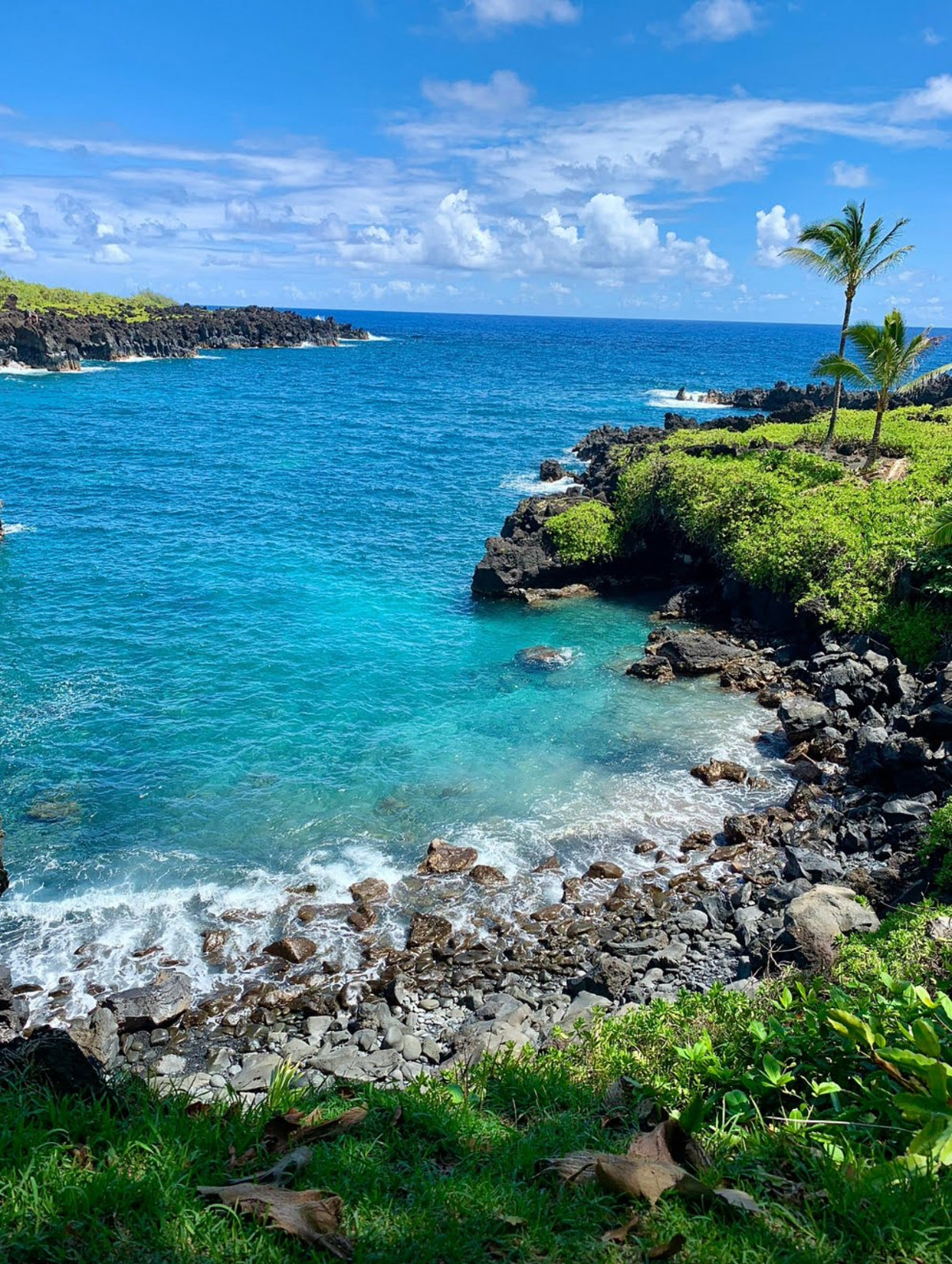
Highway 360 — universally called the Road to Hana — winds 64 miles through one of the most dramatically beautiful coastlines in the Pacific. The route crosses more than 50 bridges, most of them single-lane, and passes through a succession of ecosystems: bamboo forests, guava thickets, taro fields, and towering sea cliffs above a churning Pacific. Roadside stops are as much a part of the experience as the driving — a waterfall pool accessible via a short trail, a banana bread stand that has operated from the same roadside location for decades, views across to the neighboring island of Maui's neighbor islands. The town of Hana itself is quiet and deliberately uncommercial, a quality locals guard carefully. Waianapanapa State Park just before Hana offers a black volcanic sand beach, sea caves, and freshwater pools that shift color with the tide.
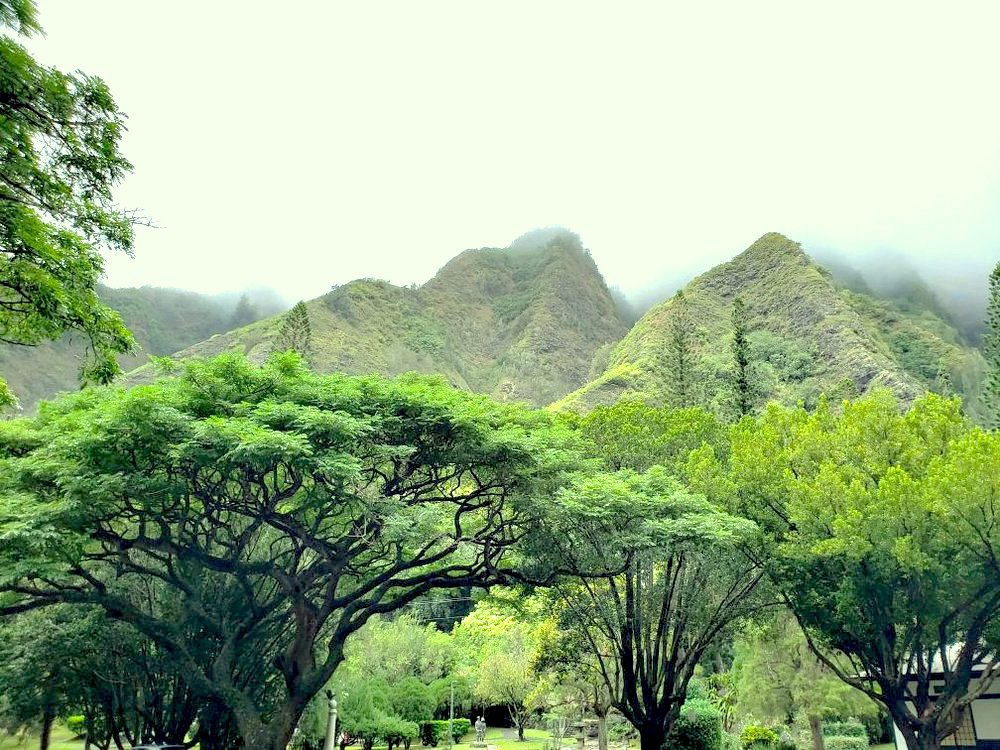
Iao Valley: The Green Cathedral of West Maui
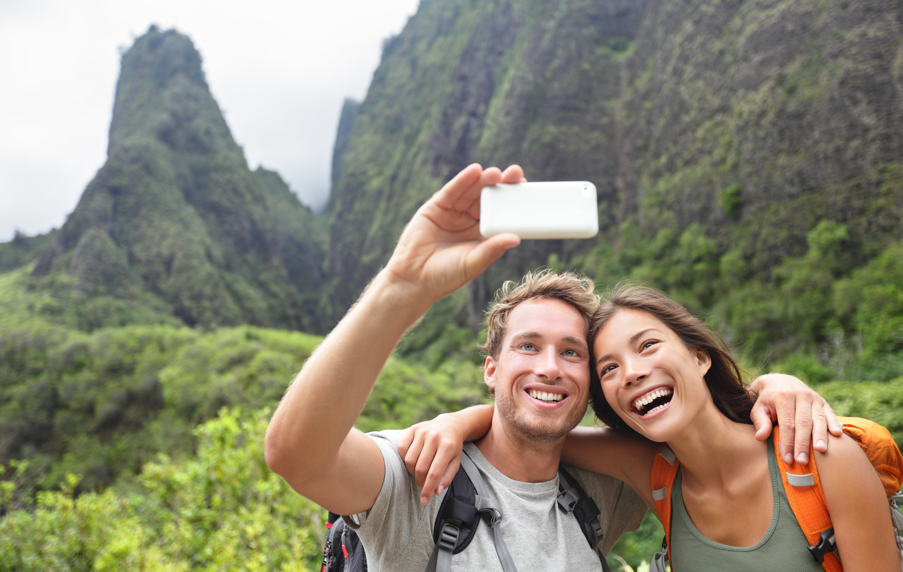
A 10-minute drive from Kahului port takes visitors from a busy harbor town into one of Maui's most sacred landscapes. Iao Valley is a deep amphitheater carved by erosion into the West Maui Mountains, its walls rising in near-vertical green ridges that trap clouds and rainfall from the trade winds. The centerpiece is Iao Needle, a 1,200-foot erosional remnant of volcanic rock that the ancient Hawaiians called Kuka'emoku. The valley was the site of a pivotal 1790 battle in which Kamehameha I used Western cannons to decisively defeat rival Maui chiefs, effectively beginning the unification of the Hawaiian Islands. A short paved path leads to the main viewpoint, and native plantings along the trail reflect the valley's ecological restoration efforts. The valley receives over 400 inches of rain annually, explaining the perpetual lush green that makes it feel almost otherworldly.
Maui's Coastline and Beach Culture
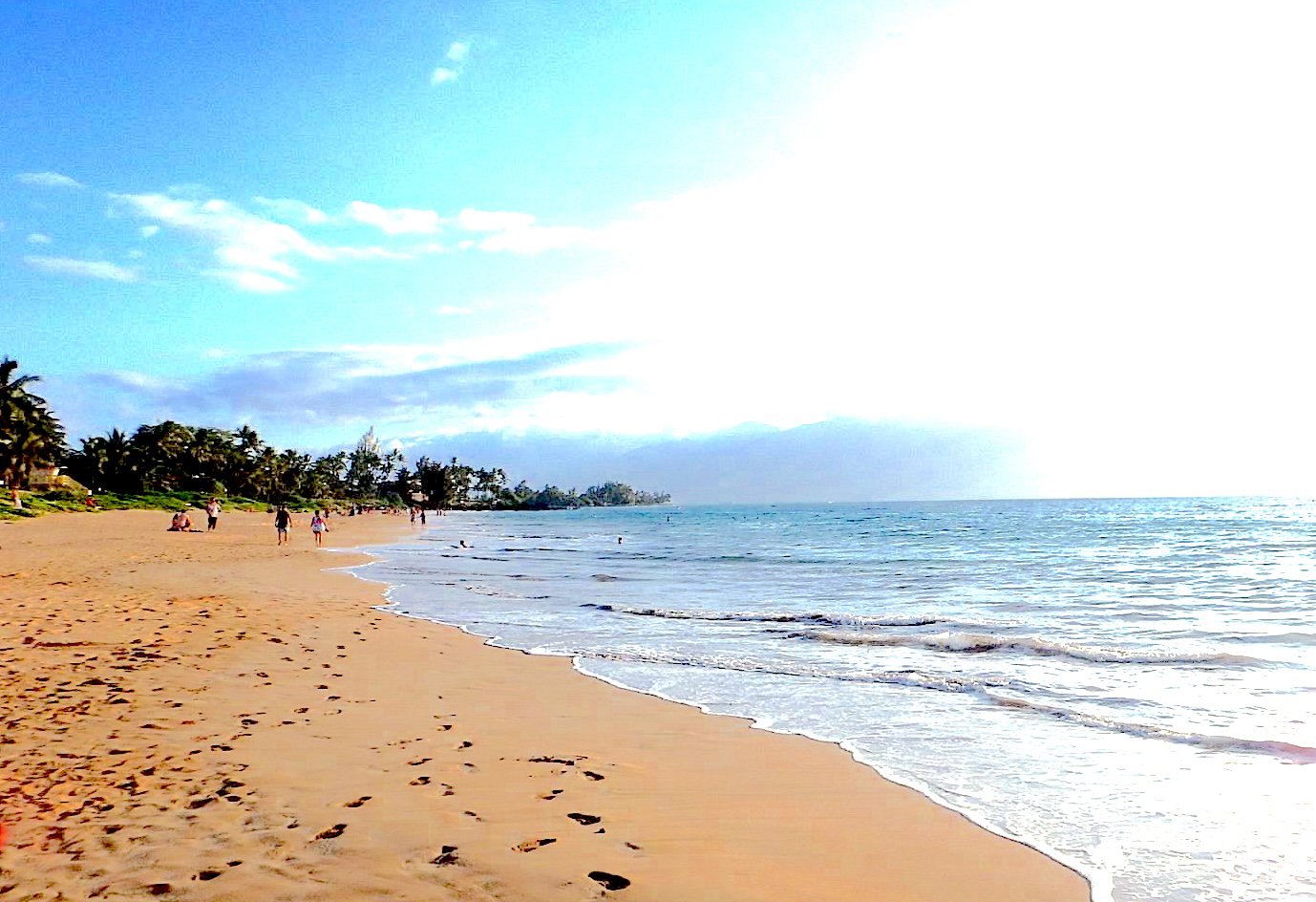
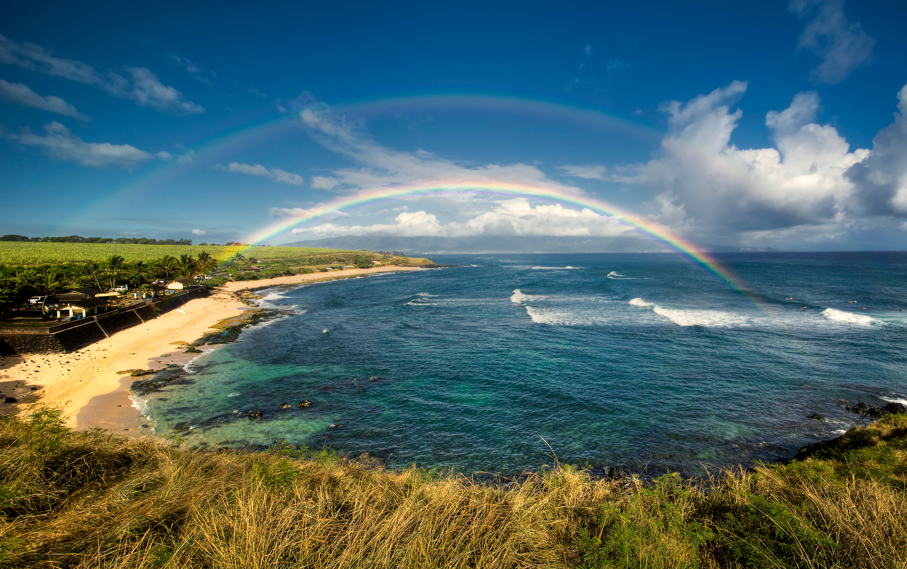
Maui's south and west shores offer some of the most inviting beach conditions in Hawaii — long arcs of golden sand, calm waters protected by offshore reefs, and sea turtle sightings that have become almost routine for swimmers at sites like Kamaole Beach and Makena. The island's north shore, by contrast, is where winds and swells converge to create Hookipa Beach Park, one of the premier windsurfing venues on earth and a compelling spectacle even for those on solid ground. Between these extremes, Maui's coastline holds some 30 miles of accessible beaches ranging from the busy resort shores of Kaanapali to remote coves reachable only by foot or four-wheel drive. Water temperatures range from 74–80°F year-round, and green sea turtles are a common encounter at snorkel sites across the island.
Maui's Cultural History: From Ancient Chiefdoms to Plantation Legacy
Maui served as the seat of a powerful Hawaiian chiefdom and, later, as the island where Kamehameha the Great spent years consolidating his military forces before embarking on the conquest of the Hawaiian chain. The historic town of Lahaina, on the west coast, preserves layers of that history — from the ancient royal capital through the whaling era of the 1800s, when it was the Pacific's most raucous port, to the missionary influence that gave it several of Hawaii's oldest surviving Western-style buildings. The Baldwin Home Museum, the Wo Hing Temple (reflecting the Chinese immigrant community), and the massive banyan tree planted in 1873 to mark the 50th anniversary of American missionaries' arrival all occupy a single walkable district. Maui's plantation era brought workers from Japan, China, Portugal, Puerto Rico, and the Philippines, and the island's contemporary food culture reflects that layered immigrant heritage.
Maui's Rainforest Valleys and Waterfall Trails
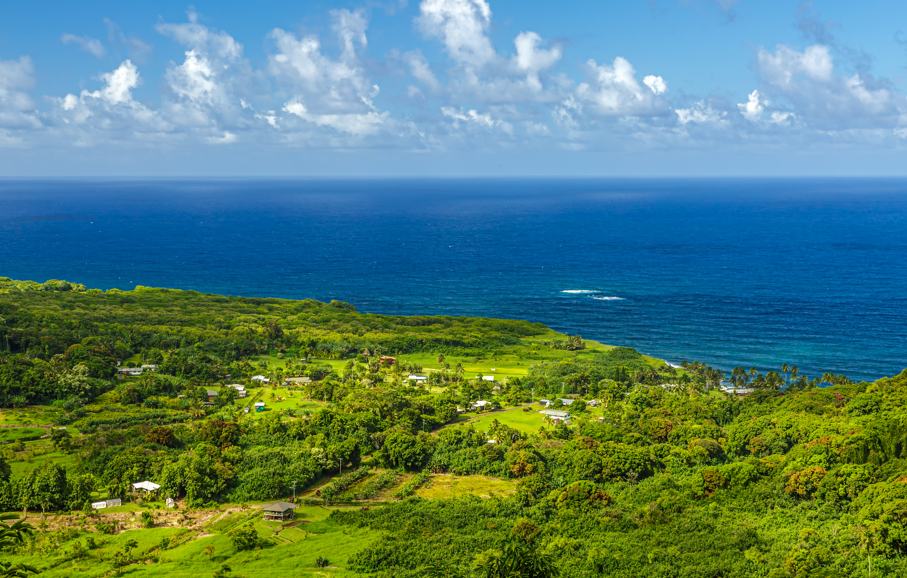
The windward eastern coast of Maui receives some of the heaviest rainfall in Hawaii, feeding a network of streams that pour off the Haleakala massif in a series of cascades before reaching the sea. The most accessible waterfall clusters lie along the Road to Hana corridor, where short trails — most under a mile round trip — lead to pools at the base of cascades framed by hala and ti plants. Twin Falls near the start of the route and the Seven Sacred Pools (Ohe'o Gulch) at Kipahulu near the end of the road are the most visited, though dozens of lesser-known falls reward those willing to stop between the landmarks. The botanical diversity of these valleys — native ferns, non-native ginger, introduced bamboo groves so dense they create a green tunnel effect — makes even the drive itself feel like a passage through a living greenhouse.
Haleakala: The House of the Sun
Haleakala, Maui's dominant volcano, rises 10,023 feet above sea level and cradles a volcanic crater 7.5 miles wide — large enough to contain the island of Manhattan. The summit sits above the cloud layer on most days, offering a perspective of the island that is genuinely vertiginous: a sea of clouds far below, neighboring islands visible on clear days, and a stark, otherworldly landscape of cinder cones and ash fields that inspired NASA to conduct early astronaut training here. The national park encompasses not only the summit but the Kipahulu coastal section near Hana, with its waterfalls and native forest. Sunrise at the summit is a legendary experience, though it requires pre-dawn departure — not practical for cruise visitors. A midday or afternoon visit to the crater rim still delivers scenery that few places on earth match.
Maui (Kahului) Hawaii travel tips
The Road to Hana Requires a Full Day — Plan Accordingly. The Hana drive is 64 miles each way on roads that rarely permit speeds above 25–30 mph. A round trip with meaningful stops takes a minimum of 8–10 hours. For cruise visitors, this means a very early start and precise return timing. The road is one-lane in many sections and traffic can stack up significantly, particularly on weekends — factor in additional buffer time and avoid the temptation to keep stopping for 'one more waterfall' when the clock is running.
Book Waianapanapa State Park in Advance. The black sand beach at Waianapanapa State Park near Hana requires an advance parking reservation through the Hawaii DLNR system — walk-in access is no longer available. Reservations open 30 days in advance and fill quickly. If visiting on a day trip along the Road to Hana, secure this reservation well before your cruise date.
Iao Valley Can Close During Heavy Rain. The valley receives extraordinary rainfall and the Iao Stream rises fast during storms. The state park is closed periodically due to flooding risk, sometimes with little advance notice. Before committing Iao Valley as your primary destination, check current conditions, and have an alternative in mind. The Central Maui Cultural and Heritage Center in Wailuku nearby can substitute cultural context if the valley is closed.
Maui's Traffic Is Serious — Build in Extra Time. Maui carries more visitors per square mile than almost any island in Hawaii, and its road network — mostly two-lane highways — shows it. The Kahului-to-Lahaina highway (Highway 30) can back up significantly, especially during peak morning and late afternoon hours. Add at least 20–30% buffer to any estimated drive time you find online, and avoid routing through Ka'anapali or Lahaina at peak hours if your ship's departure is firm.
The Water in East Maui Streams Is Not Always Safe for Swimming. Hawaii's freshwater streams — including many of the pool areas along the Road to Hana — can carry leptospirosis, a bacterial infection transmitted through water contaminated with animal urine. After heavy rainfall, risk increases substantially. Signs at state parks advise against entering freshwater pools with open cuts, and the state health department periodically closes specific pools after flooding. Assess conditions on the day and follow posted guidance.
Cash Is Useful Along the Hana Highway. Several of the most beloved roadside stops along the Road to Hana — fruit and banana bread stands, farm stands at the side of the road — operate on an honor system or cash only. Cell signal is intermittent or absent along much of the route, which can interfere with card readers even at spots that accept them. Carry $20–40 in small bills to fully participate in the informal economy that makes the Hana drive feel alive.
Port Facts Every Cruiser Needs To Know
Maui (Kahului) Hawaii shore excursion FAQs
Ships dock at Kahului Harbor, on Maui's north-central coast. The harbor is adjacent to a commercial area with limited immediate attractions for visitors — the Kahului shopping centers are nearby but the interesting destinations begin a short drive away. Iao Valley, the most accessible major natural site, is roughly 10 minutes by car.
Yes, but it demands careful planning. The full round trip takes 8–10 hours with reasonable stops. Ships typically arrive early and depart in the early-to-mid evening, which makes the logistics tight rather than impossible. The key is building in return buffer time and being disciplined about turnaround — many visitors push too far down the road and rush the return.
Lahaina was devastated by a wildfire in August 2023, one of the deadliest in modern US history, which destroyed much of the historic town. Recovery and rebuilding efforts are ongoing. Parts of the town are accessible to visitors, and the local community has made clear that respectful tourism supports their economic recovery — but some areas remain restricted. Check current access conditions before planning a visit, and approach the site with appropriate sensitivity.
Kahului itself is not a snorkel destination, but excellent snorkeling is accessible within 30–45 minutes. Molokini Crater — a partially submerged volcanic caldera off the southwest coast — is one of the most celebrated snorkel and dive sites in Hawaii, with visibility that can exceed 100 feet. Turtle Town near Makena is another reliable site known for Hawaiian green sea turtle encounters.
The Iao Needle (Kuka'emoku) is a 1,200-foot basalt spire rising from the floor of Iao Valley, one of the most recognizable natural landmarks in Hawaii. Iao Valley State Park is approximately 10 minutes by car from Kahului harbor, making it one of the most accessible significant natural sites for cruise visitors on the island.
Humpback whales migrate to the warm, shallow waters of the Auau Channel between Maui and Lanai from approximately December through April, with peak activity in February and March. Whales are visible from shore at several elevated vantage points along the west coast, including McGregor Point on the way to Lahaina. Boat-based whale watches bring viewers considerably closer and are a reliable experience during season.
Hookipa is a north shore beach park about 10 minutes east of Kahului that hosts some of the world's most consistent windsurfing and kitesurfing conditions. On almost any afternoon with trade winds — which describes most days — the water is filled with colorful sails and expert riders launching off waves. The park has a large parking lot and overlook area, making it an excellent spectator stop even for those with no interest in water sports. Surfers use the site in the mornings before wind builds.
The August 2023 fires primarily affected the Lahaina area on the west coast. The Road to Hana, Iao Valley, Haleakala, and Kahului harbor were not directly impacted and operate normally. The Maui community has expressed that visitors supporting local businesses and approaching the Lahaina area with respect and sensitivity is welcomed — but treating the destruction as a tourist attraction is not appropriate.
Kahului and the adjacent town of Wailuku have a concentration of genuinely local restaurants that most visitors miss in favor of resort areas. Wailuku's Market Street area has plate lunch counters, Japanese saimin shops, and Filipino and Hawaiian food that reflects the island's plantation-era cultural mix. A plate lunch — two scoops of rice, macaroni salad, and a protein — is the definitive local comfort food and available at numerous spots within a short drive of the harbor.
Several of Maui's most popular natural sites now require advance reservations, most notably Waianapanapa State Park (black sand beach near Hana), which requires parking reservations made 30 days in advance through the Hawaii DLNR system. Iao Valley State Park currently operates on a first-come basis but policies change — verify current requirements before your visit. Haleakala National Park requires a sunrise reservation if visiting at dawn, but no reservation is needed for midday visits.
Filters
Select a filter to refine results.
Tour Type
Tour Activity
 Cart
Cart
 USD
USD GBP
GBP AUD
AUD EUR
EUR CAD
CAD