



Tours in Istanbul


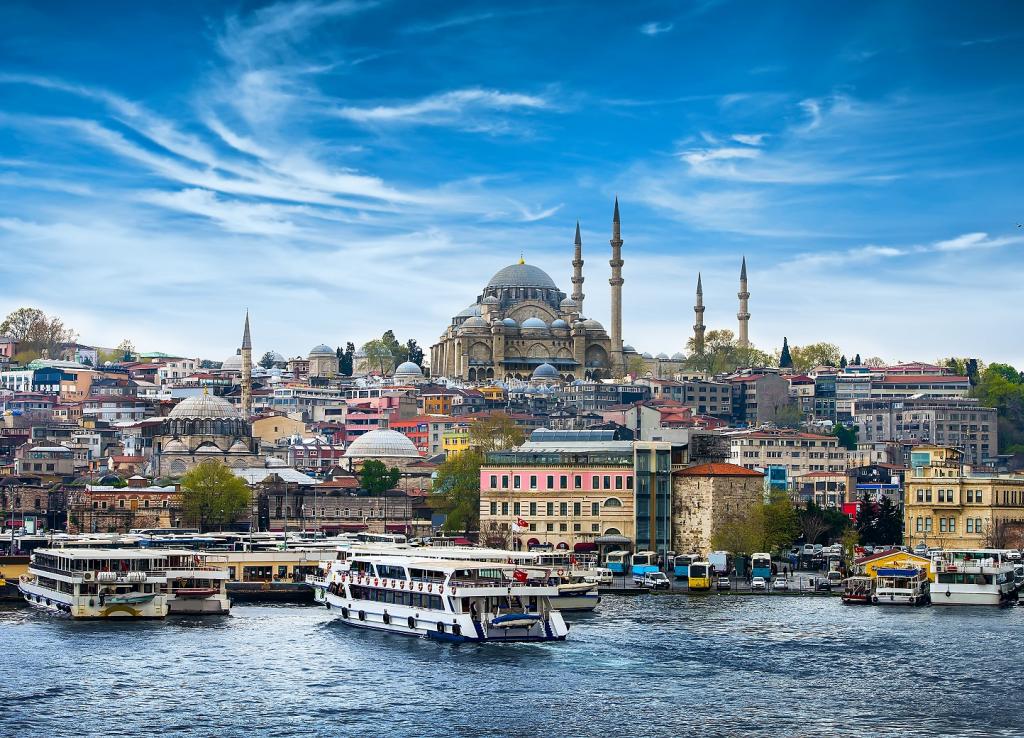
Cruising to Istanbul in a group?
Skip the crowded ship excursion bus. One dedicated planner will design a private shore experience around exactly what your group wants — coordinated from first enquiry to the moment you're back on board. More memorable, more flexible, and more affordable than you might expect. Spend less time organising, more time enjoying.
Explore Group Travel →Cruising to Istanbul
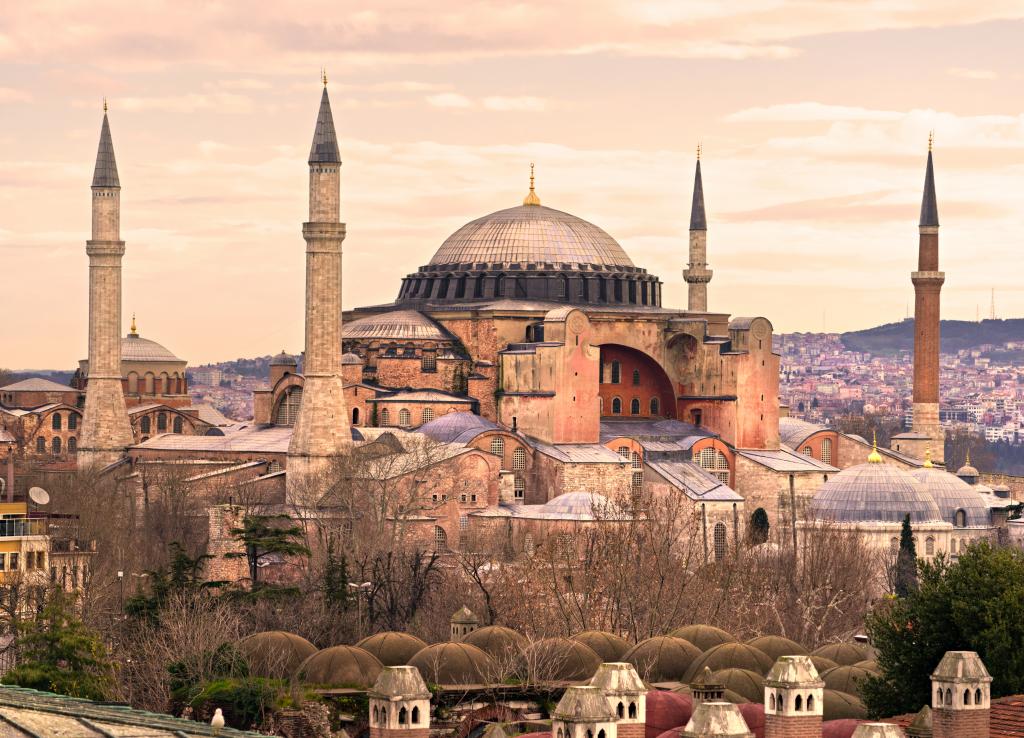
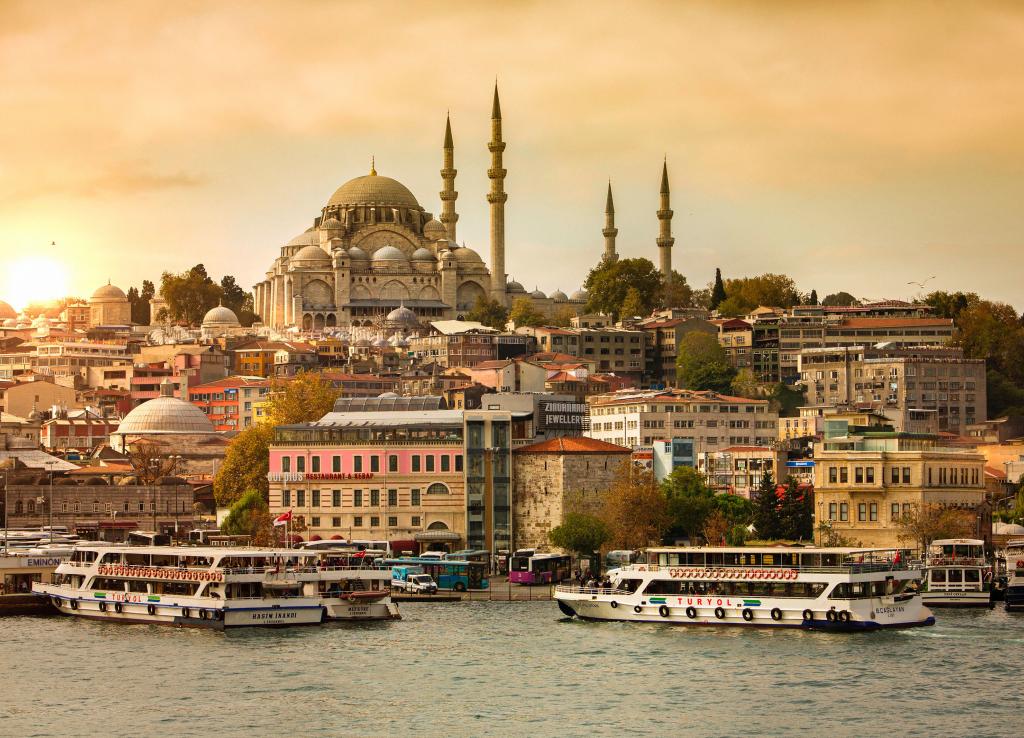
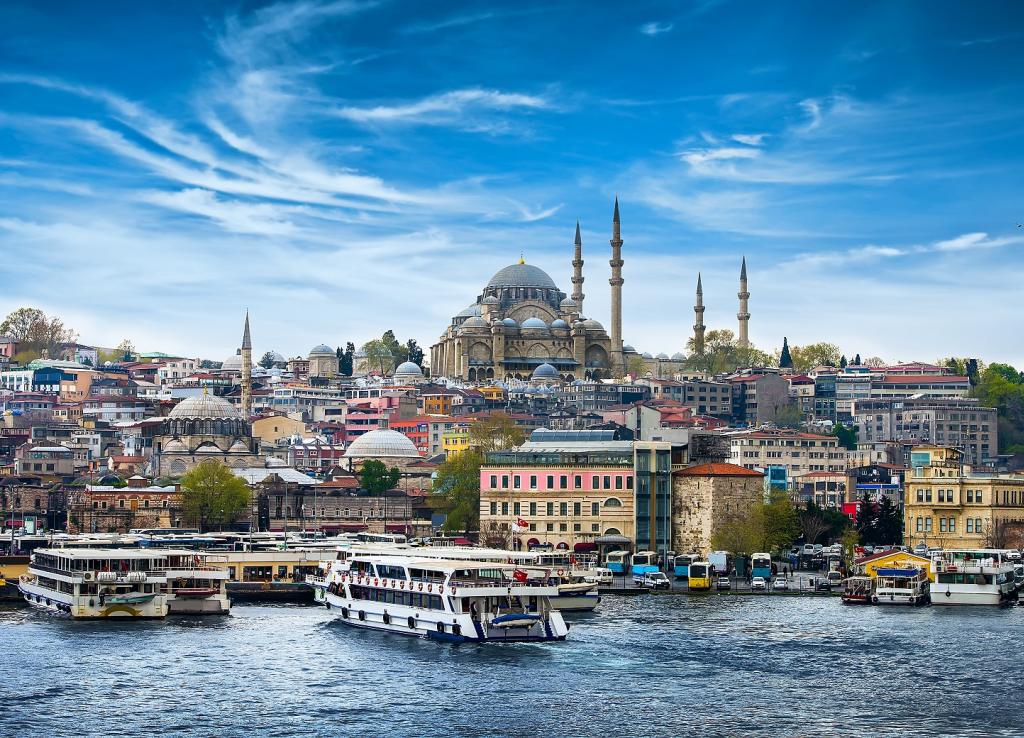
Istanbul occupies one of the most dramatic settings of any city on earth, perched at the confluence of the Bosphorus strait, the Sea of Marmara, and the Golden Horn inlet — a geography that made it the centre of three successive empires: Roman, Byzantine, and Ottoman. That layered history is everywhere you look: in the soaring dome of Hagia Sophia, built in 537 AD and still astonishing; in the cascading lead cupolas of the Blue Mosque; in the labyrinthine corridors of Topkapi Palace, from which sultans once commanded vast territories stretching from the Balkans to Persia.
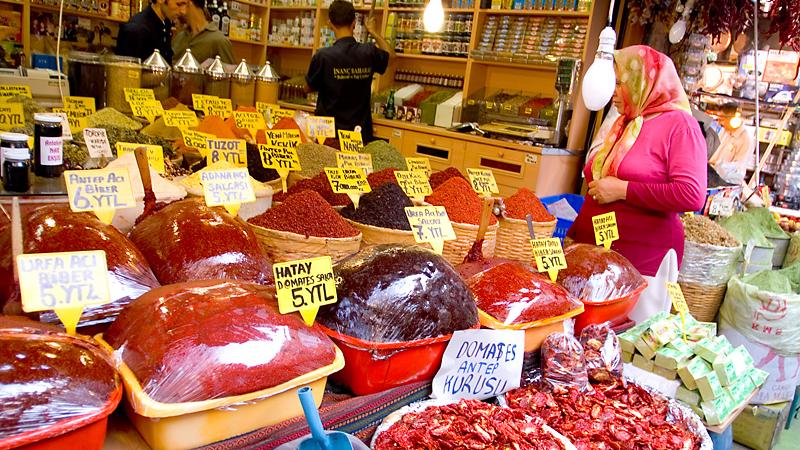
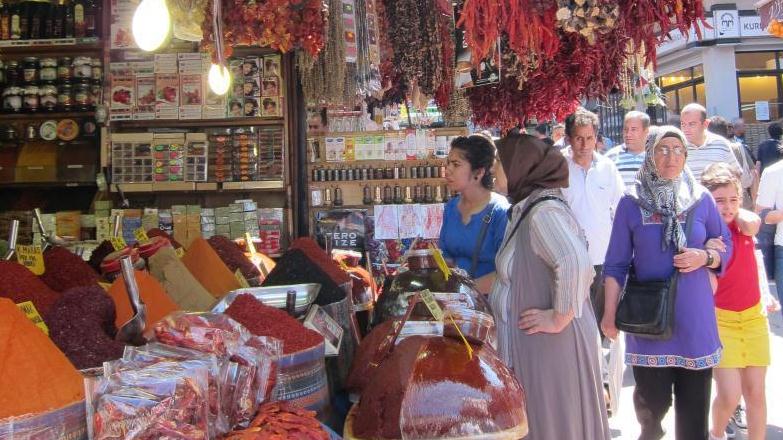
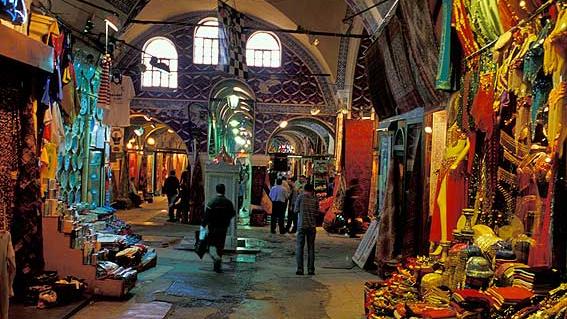
Beyond the imperial monuments, Istanbul rewards those who venture into its neighborhoods. The Grand Bazaar — with over 4,000 shops beneath its vaulted ceilings — has been trading continuously for more than five centuries. The adjacent Spice Bazaar overflows with pyramids of saffron, dried figs, and rose-scented lokum. Across the Golden Horn, the hip districts of Taksim, Pera, and Galata offer art nouveau architecture, independent cafés, and the extraordinary view from Galata Tower.
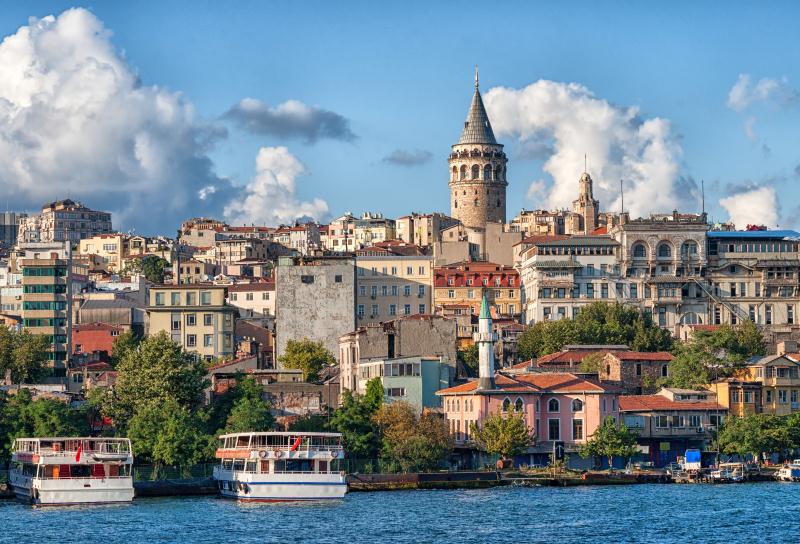
Modern Istanbul is a city of 15 million people and ferocious energy. The waterfront at Karaköy — home to Galataport, the city's sleek cruise terminal — buzzes with fish stalls, tea gardens, and the constant procession of ferries that stitch together Istanbul's many neighbourhoods across the water. The Galata Bridge, lined with patient fishermen casting lines into the Golden Horn, connects the old city to the new in a ritual that has barely changed in generations.
A cruise call rarely allows enough time to do Istanbul justice, but even a single day spent among its monuments, markets, and waterways leaves an impression that stays with you. The city operates on a grand scale — distances are real, queues exist, and the sensory experience is relentless — but the rewards for those who come prepared are extraordinary.
Top things to do in Istanbul on a cruise stopover
Hagia Sophia: A Monument to Civilisation
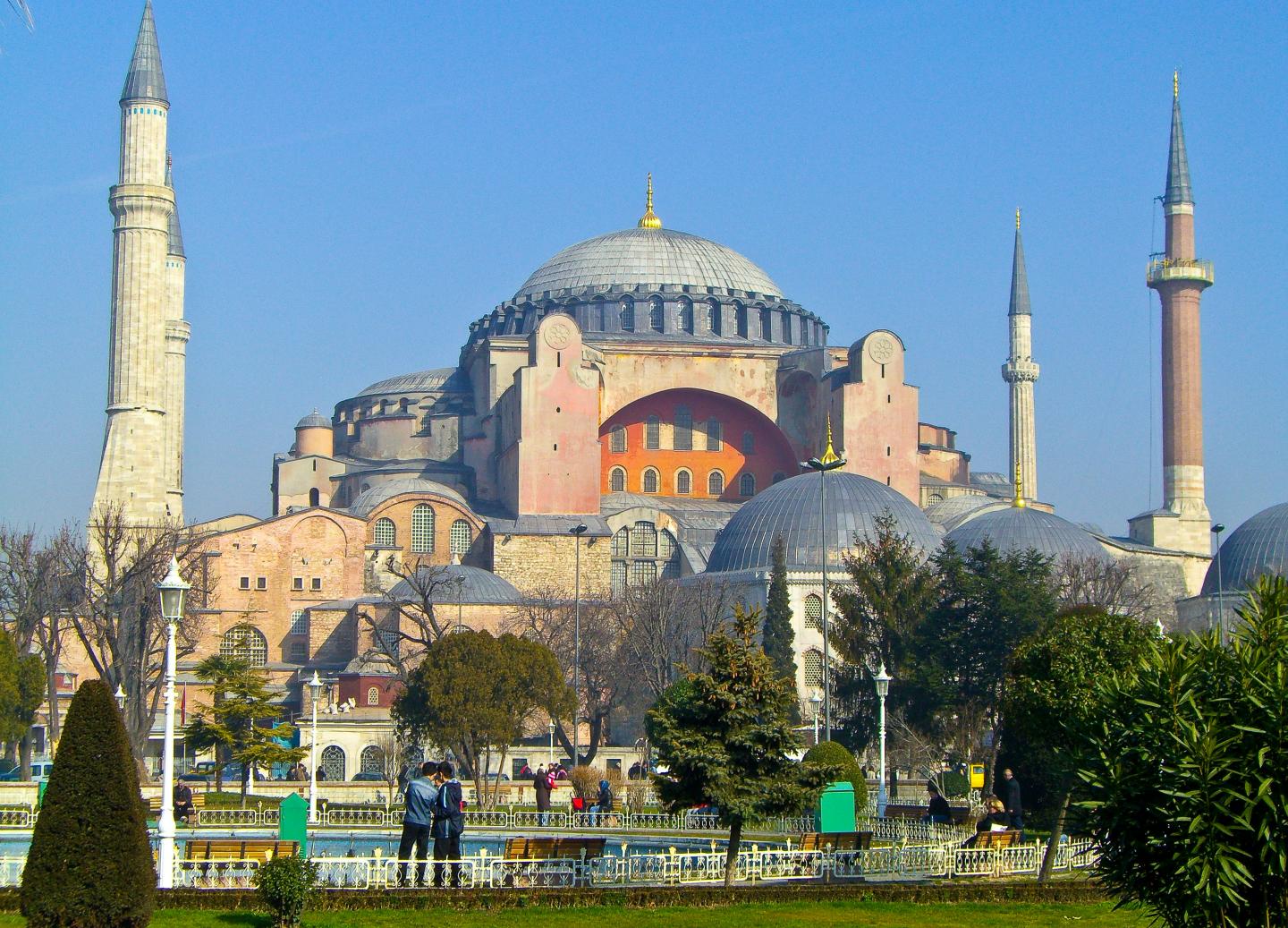
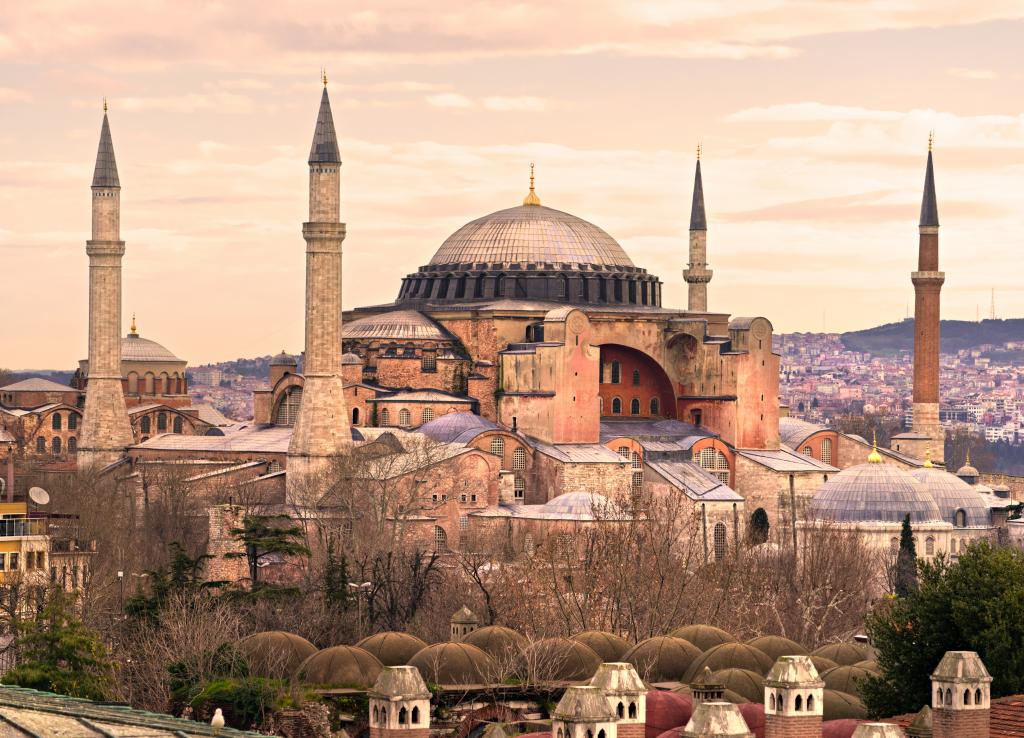
Few buildings on earth carry as much historical and spiritual weight as Hagia Sophia. Completed in 537 AD under the Byzantine Emperor Justinian I, it stood for nearly a thousand years as the greatest church in Christendom — its enormous dome, hovering 55 metres above the floor, was an engineering marvel that wouldn't be surpassed for centuries. After the Ottoman conquest of Constantinople in 1453, it became a mosque, and mosaics of Christian saints were plastered over or adapted alongside calligraphic medallions bearing Islamic scripture. Today, functioning once again as a mosque after a 2020 reclassification, it remains open to respectful visitors outside prayer times. The interior overwhelms with scale and golden half-light — a space that has witnessed empires rise and fall, and still carries that weight in every stone.
The Blue Mosque and Hippodrome Square
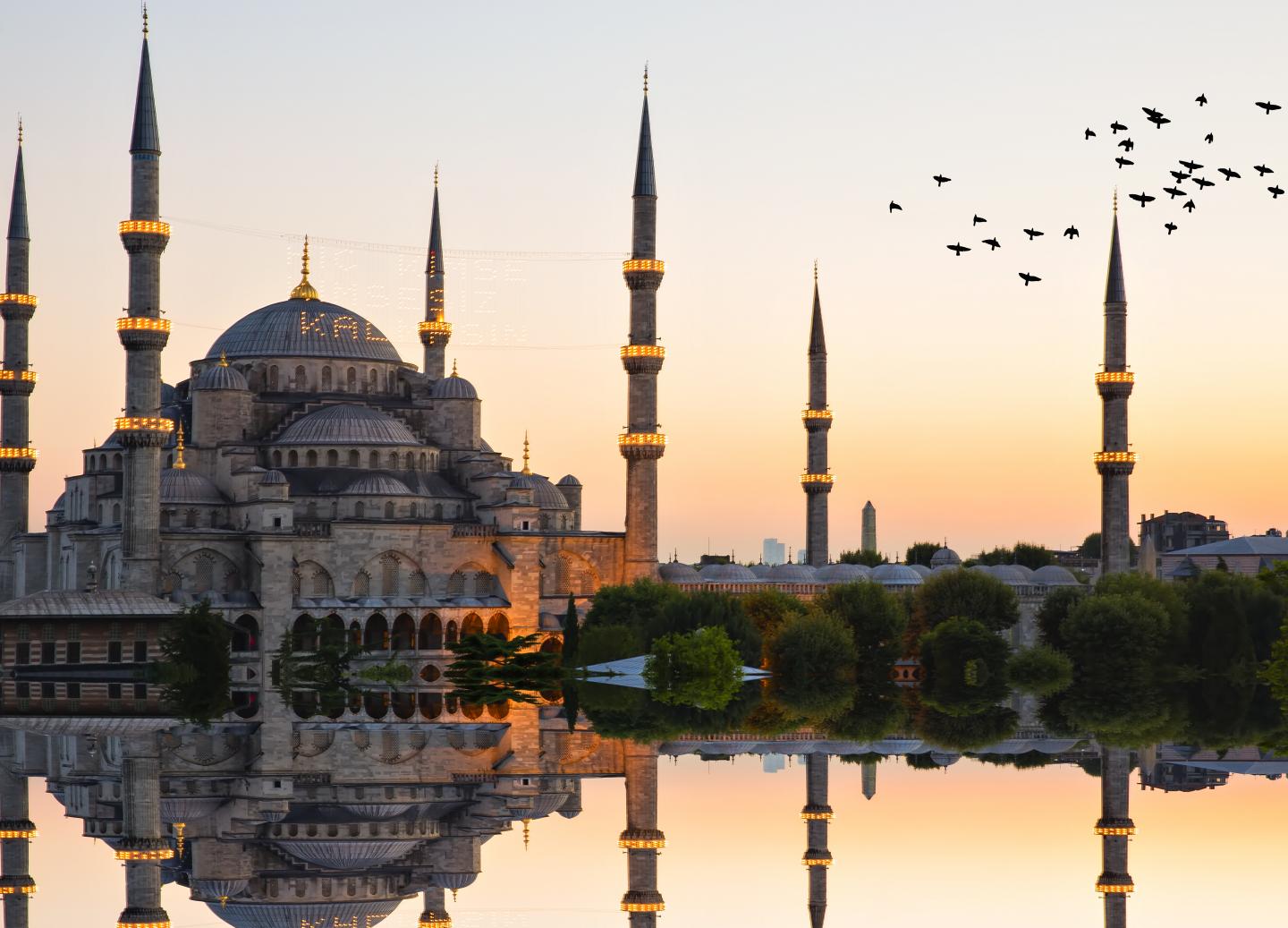
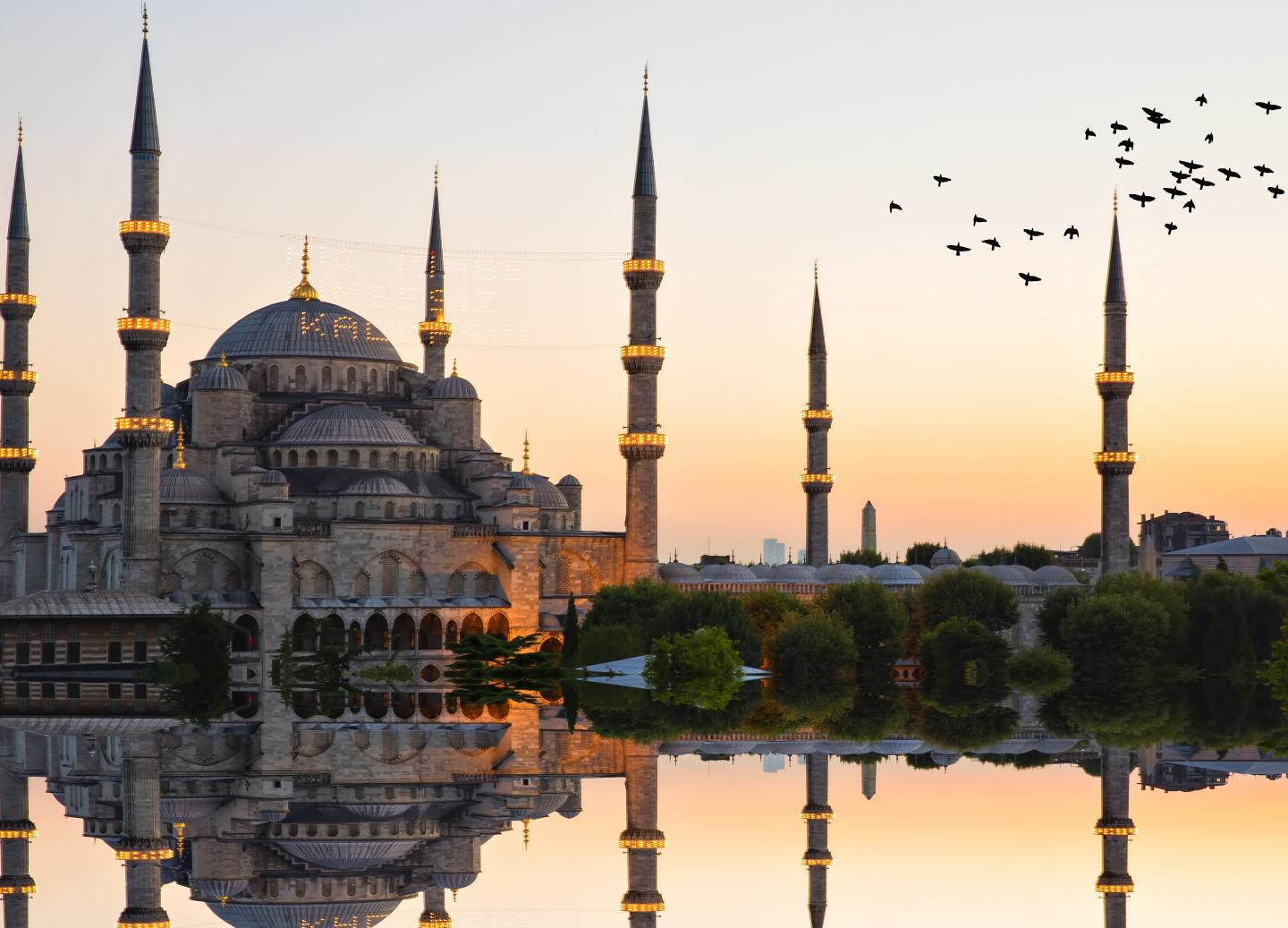
Sultan Ahmed I's great mosque, completed in 1616, is the only Ottoman imperial mosque in Istanbul with six minarets — a number considered audacious at the time, as it matched the minarets of the mosque at Mecca. Inside, 21,000 hand-painted Iznik tiles in shades of blue and turquoise justify the building's popular name, while 260 windows flood the space with soft, coloured light. The mosque faces onto the ancient Hippodrome, the sporting and civic heart of Byzantine Constantinople. Three remarkable monuments survive in the former racing track: the Obelisk of Theodosius (an Egyptian original from 1450 BC), the Serpentine Column from Delphi, and the Column of Constantine. Together they compress 3,500 years of history into a single open square.
Topkapi Palace: The Heart of the Ottoman Empire
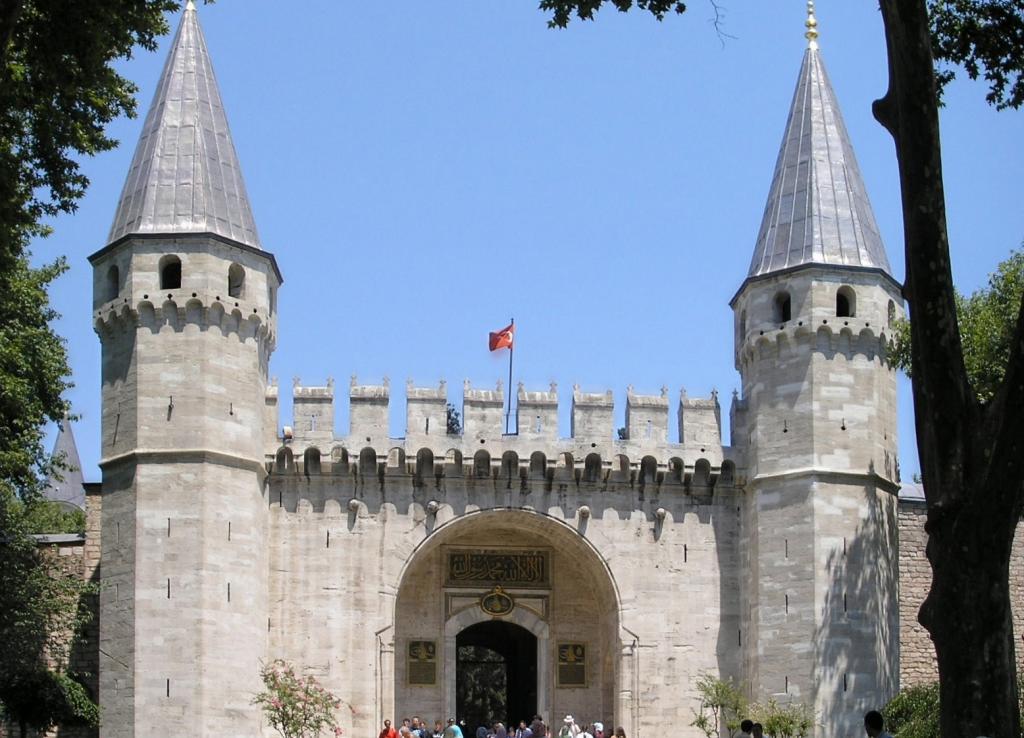
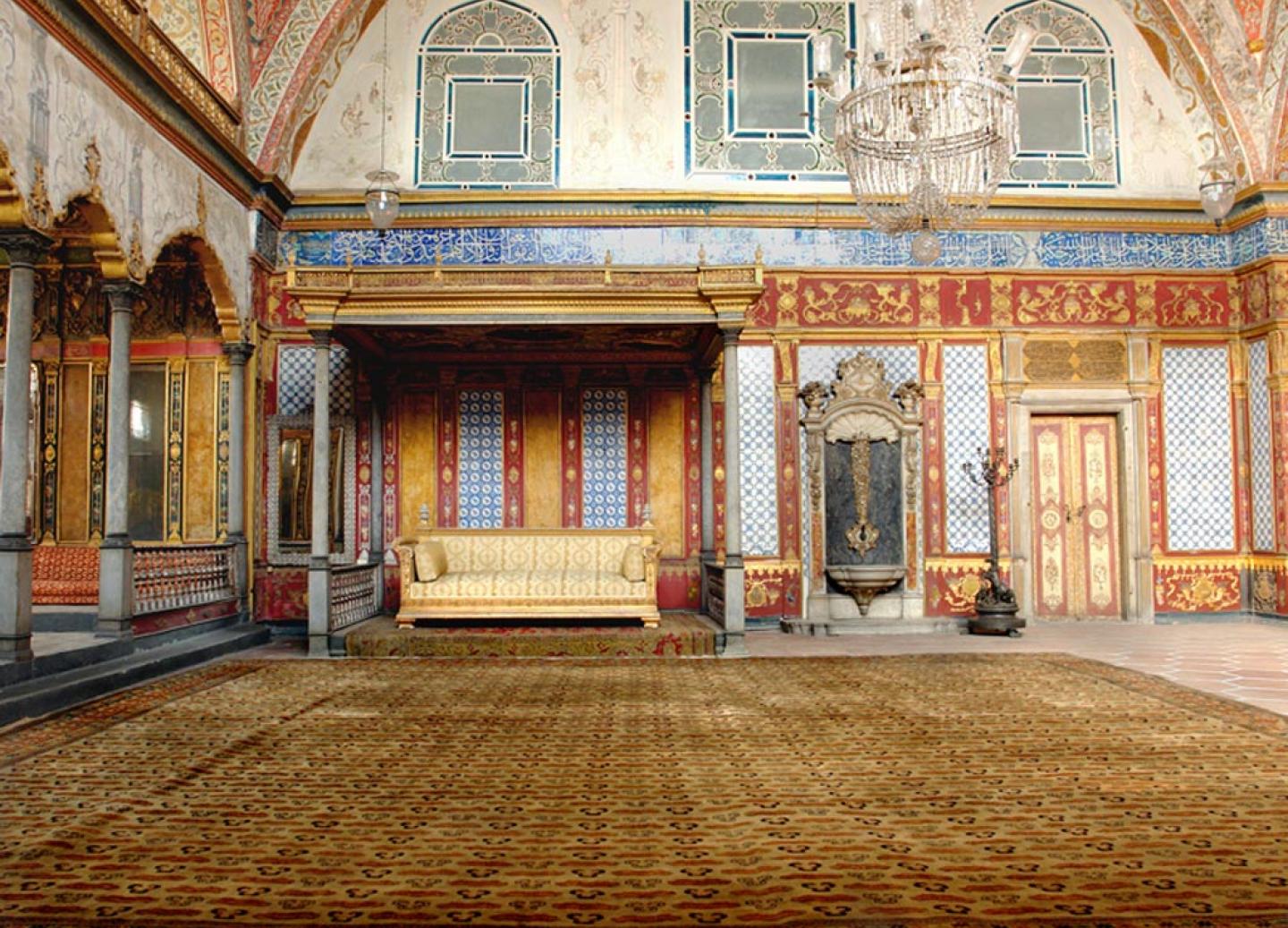
For nearly four centuries, Topkapi Palace was the administrative and residential centre of the Ottoman Empire. Built on the tip of the historic peninsula overlooking the Bosphorus, the Golden Horn, and the Sea of Marmara, it grew over successive reigns into an extraordinary complex of courtyards, throne rooms, kitchens, and the legendary Harem — a private world of over 400 rooms where the sultan's family and household lived in closely guarded seclusion. The palace treasury contains some of the most extraordinary objects in the Islamic world, including the Topkapi Dagger, the Spoonmaker's Diamond (one of the largest in existence), and relics of the Prophet Muhammad. The views from the palace terraces across the Bosphorus are among the finest in Istanbul.
The Grand Bazaar: Five Centuries of Trade
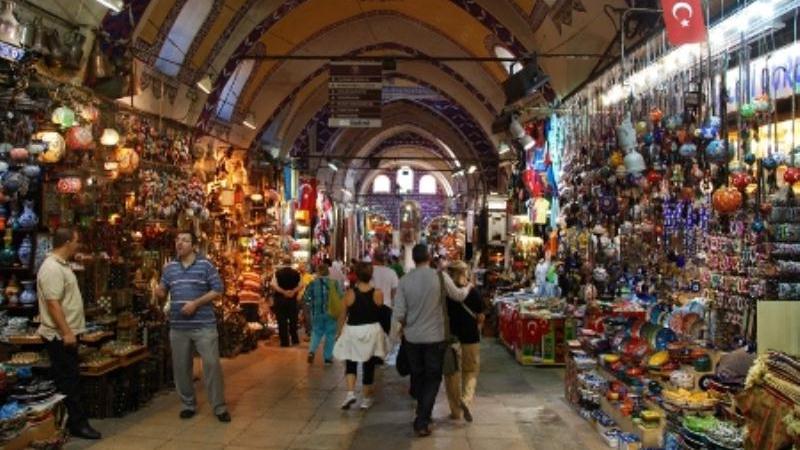
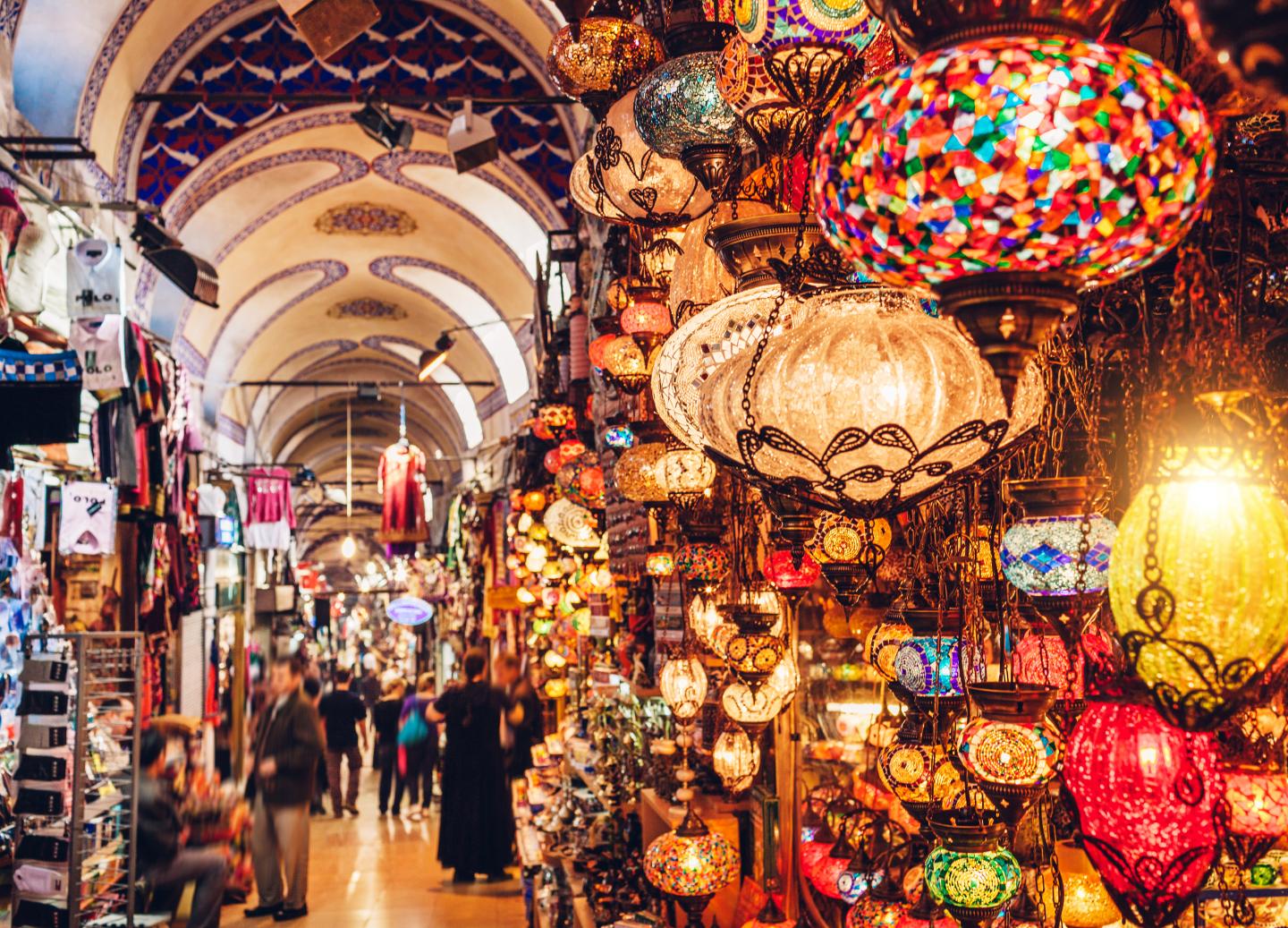
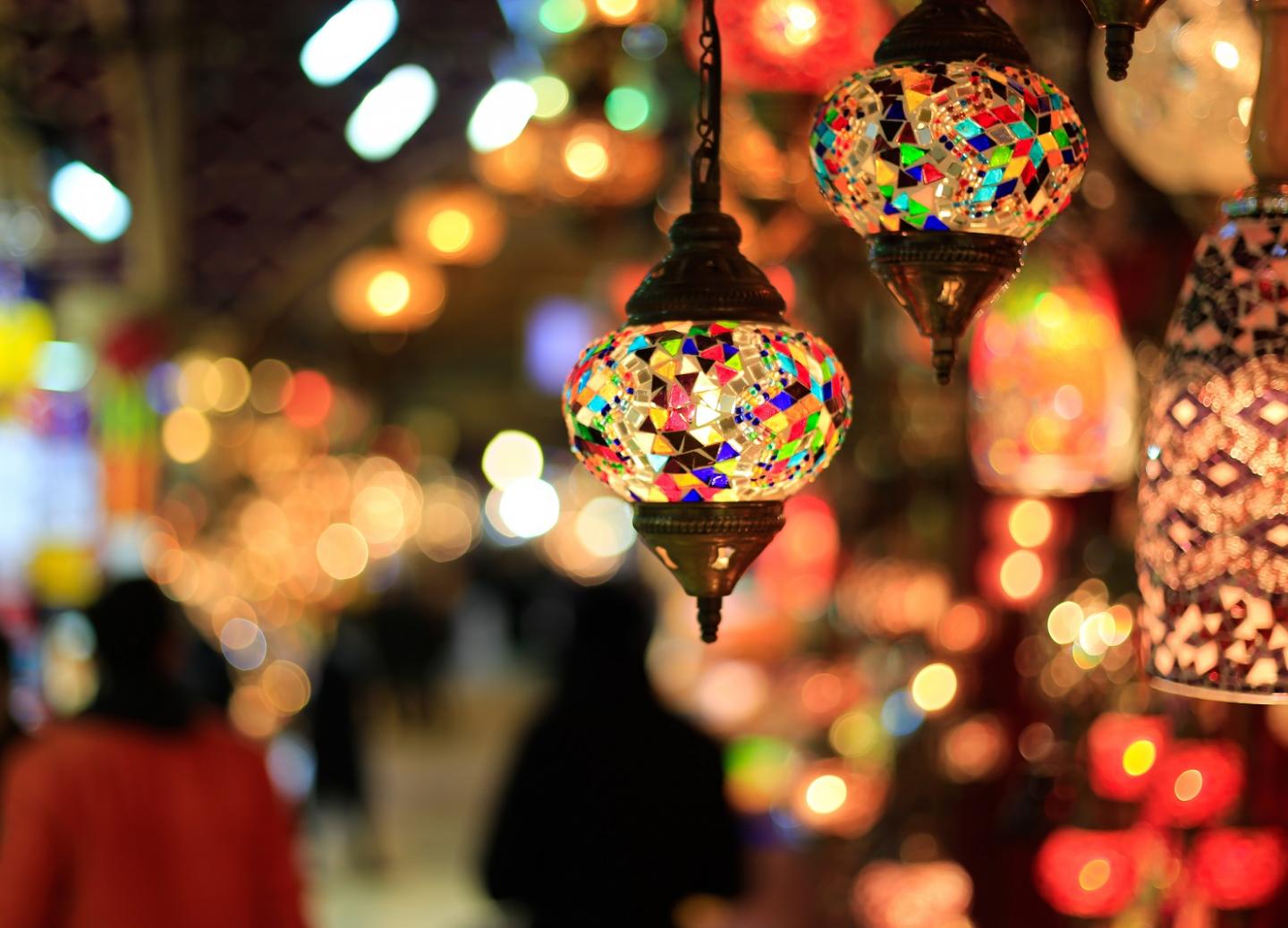
The Grand Bazaar is not simply a market — it is an entire covered city within a city, with over 4,000 shops, 61 covered streets, several hans (merchant caravanserais), mosques, fountains, and cafés packed into a warren of vaulted passages. Established by Sultan Mehmed II shortly after the Ottoman conquest of 1453, it has traded continuously ever since, making it one of the oldest and largest covered markets in the world. The experience is deliberately disorienting: carpets and kilims spill into jewellery and ceramics, lanterns and leatherwork jostle with spices and silverware. Navigating it requires patience and a willingness to get genuinely lost. The Bedesten — the original Byzantine-era vaulted hall at the bazaar's core — now sells antiques and fine jewellery and is worth finding.
A Bosphorus Cruise: Istanbul from the Water
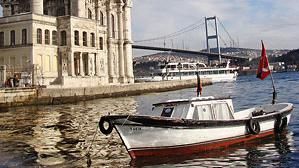
The Bosphorus strait — 30 km long and just 700 metres wide at its narrowest — is the waterway that divides Europe from Asia and gives Istanbul its unique geographical drama. Seeing the city from the water transforms your understanding of it: the palaces, fortresses, and waterfront yalis (traditional Ottoman timber mansions) that line the shores reveal themselves as a continuous panorama of history and wealth. Dolmabahce Palace, the 19th-century imperial residence that replaced Topkapi, stretches impossibly long along the European shore. The medieval fortresses of Rumeli and Anadolu Hisari face each other across the water's narrowest point. A Bosphorus cruise — whether a short tour or a full excursion — is among the most memorable ways to experience Istanbul's extraordinary geography.
Taksim, Pera and the Galata Tower District
Across the Golden Horn from the historic peninsula, the districts of Taksim, Pera, and Galata represent a different Istanbul — cosmopolitan, bohemian, and firmly rooted in the 19th and early 20th centuries when the city attracted European merchants, diplomats, and artists. İstiklal Avenue, the broad pedestrian boulevard running through Pera, is lined with belle époque apartment buildings, independent bookshops, old-fashioned pastry shops, and a vintage tram that still trundles its length. At its lower end, Galata Tower — a 14th-century Genoese watchtower — offers one of the finest panoramic views of Istanbul. The Karaköy waterfront below has transformed into one of the city's most vibrant dining and café districts, with the constant backdrop of ferry traffic on the Golden Horn.
Istanbul travel tips
Dress Respectfully for Mosques. Both Hagia Sophia and the Blue Mosque are active places of worship and require appropriate dress for entry. Shoulders and knees must be covered for all visitors regardless of gender — scarves and covering cloths are available at the entrance if needed. Women must also cover their hair before entering. Remove your shoes and carry them in the plastic bags provided. Avoid visiting during the five daily prayer times, when the mosques may be closed to tourists; the Blue Mosque in particular has restricted visiting hours around prayers, so check timings before queuing.
Queue Strategy at the Major Monuments. Hagia Sophia and Topkapi Palace attract enormous queues, particularly between 10am and 2pm. If your ship arrives early and you can be at the Hagia Sophia gates by 9am, you will experience far shorter waits and a more peaceful interior. Topkapi Palace requires a separate ticket for the Harem (purchased on site) — factor this into your budget and timing. The Grand Bazaar is generally open by 9am and less crowded in the morning than the afternoon. Pre-purchased tickets for monuments, where available, can save significant time.
Navigating the Grand Bazaar. The Grand Bazaar's labyrinthine layout is part of its character — getting lost is genuinely easy and surprisingly enjoyable. Before entering, note which gate you use and take a photograph of the gate number; there are 22 entrances. Download an offline map of the bazaar before your visit, as mobile signal can be unreliable inside. Prices in tourist-facing shops are routinely negotiable, but approach this as a cultural exchange rather than a confrontation. The best carpets, ceramics, and jewellery tend to be in the less-trafficked inner streets rather than the main thoroughfares.
Currency Practicalities. The Turkish Lira has historically been subject to fluctuation, so check the current exchange rate on the day of your visit. ATMs in the port area and tourist districts are plentiful and generally reliable; bank ATMs tend to offer better rates than exchange bureau ATMs. Many shops in tourist areas quote prices in euros or dollars but settlement in Lira at the day's rate is usually possible. Avoid exchanging large sums at airport-style kiosks — bank branches and post office (PTT) counters typically offer fairer rates.
Photography and Cultural Sensitivity. Istanbul is an extraordinarily photogenic city, but a few courtesies matter. Inside Hagia Sophia and the Blue Mosque, photography is permitted without flash, but be aware that worshippers are present and privacy should be respected. Do not photograph individuals — particularly women in conservative dress — without clear consent. The rooftop terraces of restaurants and hotels around Sultanahmet offer superb angles on the mosque and palace skylines; the hour after sunrise and the hour before sunset produce the most dramatic light. The Galata Bridge, with its patient fishermen silhouetted against the Golden Horn, is one of the city's great photography subjects.
Weather and Comfort Planning. Istanbul in summer is genuinely hot — temperatures regularly exceed 33°C in July and August, and the open courtyards of Topkapi Palace and the hillside approaches to Sultanahmet offer little shade. A hat, sunscreen, and a refillable water bottle are essential. Lightweight layers are useful in spring and autumn, when temperatures swing noticeably between morning and afternoon. The tram and covered sections of the Grand Bazaar provide welcome shade and air conditioning; plan your route to incorporate indoor stops during the hottest part of the day.
Port Facts Every Cruiser Needs To Know
Istanbul shore excursion FAQs
The majority of cruise ships dock at Galataport Istanbul, located in the Karaköy neighbourhood on the European shore. It is a modern, well-equipped terminal with direct waterfront access. The Sultanahmet historic district — where Hagia Sophia, the Blue Mosque, and Topkapi Palace are located — is approximately 3–4 km south and is easily reached by the T1 tram line, which stops near the terminal. Journey time is around 10–15 minutes. Some ships use the adjacent Salıpazarı terminal, which is similarly convenient.
Visa requirements for Turkey depend on your nationality and passport. Many nationalities — including citizens of the United States, United Kingdom, and several EU countries — require an e-Visa, which must be purchased online before travel at the official Turkish e-Visa portal. Some nationalities are exempt from visa requirements entirely. Do not rely on purchasing a visa on arrival, as this is no longer standard procedure. Check the Turkish Ministry of Foreign Affairs website or your country's embassy guidance well before your cruise departure.
Yes, Hagia Sophia is open to all visitors, including non-Muslims, outside of the five daily prayer times. Since its reclassification as a mosque in 2020, entry is free of charge, though donations are welcomed. Dress requirements apply: shoulders and knees covered, shoes removed, and women should cover their hair. The building can become extremely crowded during peak hours (10am–2pm); visiting at opening time or in the late afternoon typically means shorter queues. Prayer times are posted at the entrance and change daily based on the Islamic calendar.
One day is enough to experience Istanbul's most iconic sights, but it requires realistic planning. A focused itinerary — Hagia Sophia, the Blue Mosque and Hippodrome, and the Grand Bazaar — is comfortably achievable for most visitors. Adding Topkapi Palace makes for an ambitious but manageable day if you start early and move purposefully. A Bosphorus cruise or exploration of the Galata and Pera district would typically require choosing one option over others. The city is vast; resist the temptation to over-plan and allow for the inevitable pleasures of wandering.
Istanbul's main tourist districts — Sultanahmet, Karaköy, Galata, and Beyoğlu — are busy, well-policed, and broadly safe for independent travellers during daylight hours. As in any large city, standard precautions apply: be aware of your surroundings, keep valuables secure, and be politely but firmly dismissive of aggressive touts near the main monuments. The so-called 'Turkish tea scam' — where friendly strangers invite you for tea and produce an unexpected large bill — is well-documented in tourist areas; accept invitations to people's shops or homes with caution.
Turkey's currency is the Turkish Lira (TRY). Credit and debit cards (Visa, Mastercard) are widely accepted at restaurants, shops, and major attractions in tourist areas. However, cash is useful for smaller purchases, bazaar stalls, street food, and mosque entrance donations. ATMs are plentiful throughout the city; using a bank ATM rather than a private exchange kiosk typically gives better rates. The Lira exchange rate fluctuates; check current rates before arrival to budget accurately.
Istanbul's markets are famous for a range of quality goods. Hand-painted Iznik-style ceramics, Turkish carpets and kilims (the latter typically less expensive than full carpets), genuine lokum (Turkish delight) from established confectioners, saffron and dried spices, silver jewellery, hand-embroidered linens, and traditional lanterns and glassware are among the most popular purchases. In the Spice Bazaar, look for quality rose water, dried figs, and pistachios. Be wary of 'genuine' antiques that seem implausibly cheap, and always confirm whether items can be legally exported before purchase.
The T1 tram is the most straightforward option. Board at the Tophane or Karaköy stop (both within walking distance of Galataport) and ride toward Bağcılar; disembark at Sultanahmet stop, which deposits you directly between Hagia Sophia and the Blue Mosque. Purchase an Istanbulkart from a machine at the tram stop — it works on all public transport and costs significantly less per journey than single tickets. The ride takes approximately 10–15 minutes. Trams run frequently throughout the day.
Both the Blue Mosque and Hagia Sophia are active mosques with five daily prayer times (Fajr at dawn, Dhuhr at midday, Asr in the afternoon, Maghrib at sunset, and Isha in the evening). During prayers, tourist access is suspended — typically for 30–90 minutes depending on the prayer. The Blue Mosque has more restricted tourist visiting hours than Hagia Sophia. Current prayer times are posted at the entrance of each mosque and vary daily. Timing your visit to arrive just after a prayer period ends gives you the fullest access with the smallest post-prayer crowd.
Yes, and it is one of the most memorable quick excursions available from Istanbul. Commuter ferries depart regularly from the Eminönü and Karaköy ferry terminals (both near Galataport) to Kadıköy and Üsküdar on the Asian shore — the crossing takes 20–25 minutes and costs very little with an Istanbulkart. Kadıköy is a lively residential neighbourhood with excellent food stalls, a colourful market, and a more local atmosphere than the historic peninsula. It is a manageable half-day addition if you have already seen the main monuments, but budget your time carefully against your ship's departure.
Filters
Select a filter to refine results.
Tour Type
Tour Activity
 Cart
Cart
 USD
USD GBP
GBP AUD
AUD EUR
EUR CAD
CAD