



Tours in Muscat


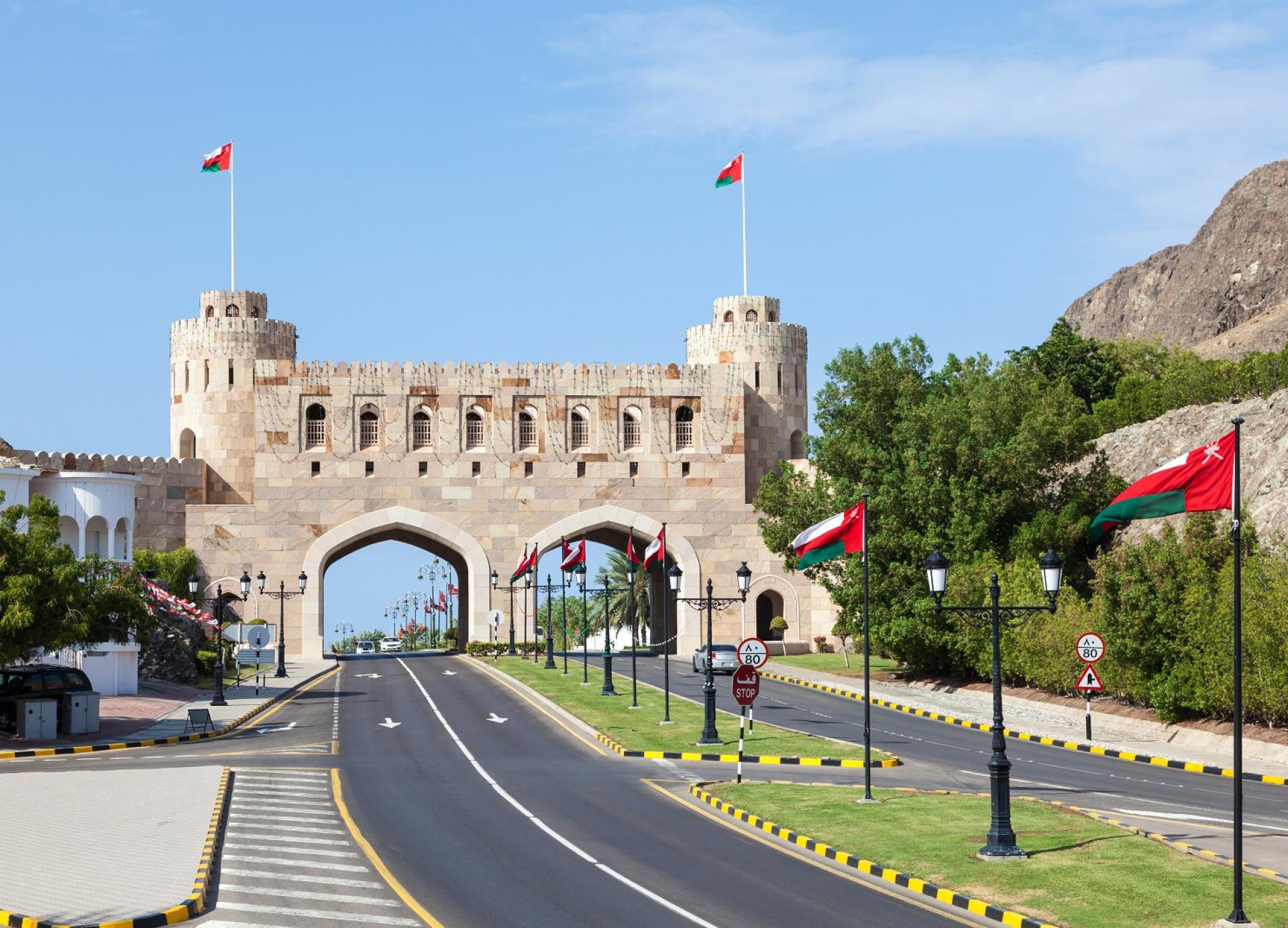
Cruising to Muscat in a group?
Skip the crowded ship excursion bus. One dedicated planner will design a private shore experience around exactly what your group wants — coordinated from first enquiry to the moment you're back on board. More memorable, more flexible, and more affordable than you might expect. Spend less time organising, more time enjoying.
Explore Group Travel →Cruising to Muscat
Muscat rewards the curious traveler who ventures beyond the obvious. Oman's capital is a city of contrasts — its gleaming white architecture and meticulously tended corniche speak to an almost singular civic pride, while the lanes of the Muttrah Souk conceal centuries of maritime trade history in clouds of frankincense smoke. The Gulf of Oman offers encounters with spinner dolphins just offshore, and the rugged Hajar Mountains rise dramatically inland, hiding deep wadis and ancient fortified villages. Unlike many of the region's capitals, Muscat has grown thoughtfully, preserving its heritage while presenting a welcoming and unhurried face to visitors. A day here can encompass everything from canyon vistas that rival the American Southwest to the refined grandeur of the Sultan Qaboos Grand Mosque — making it one of Arabia's most rewarding cruise stops.
Top things to do in Muscat on a cruise stopover
Dolphin Watching on the Gulf of Oman
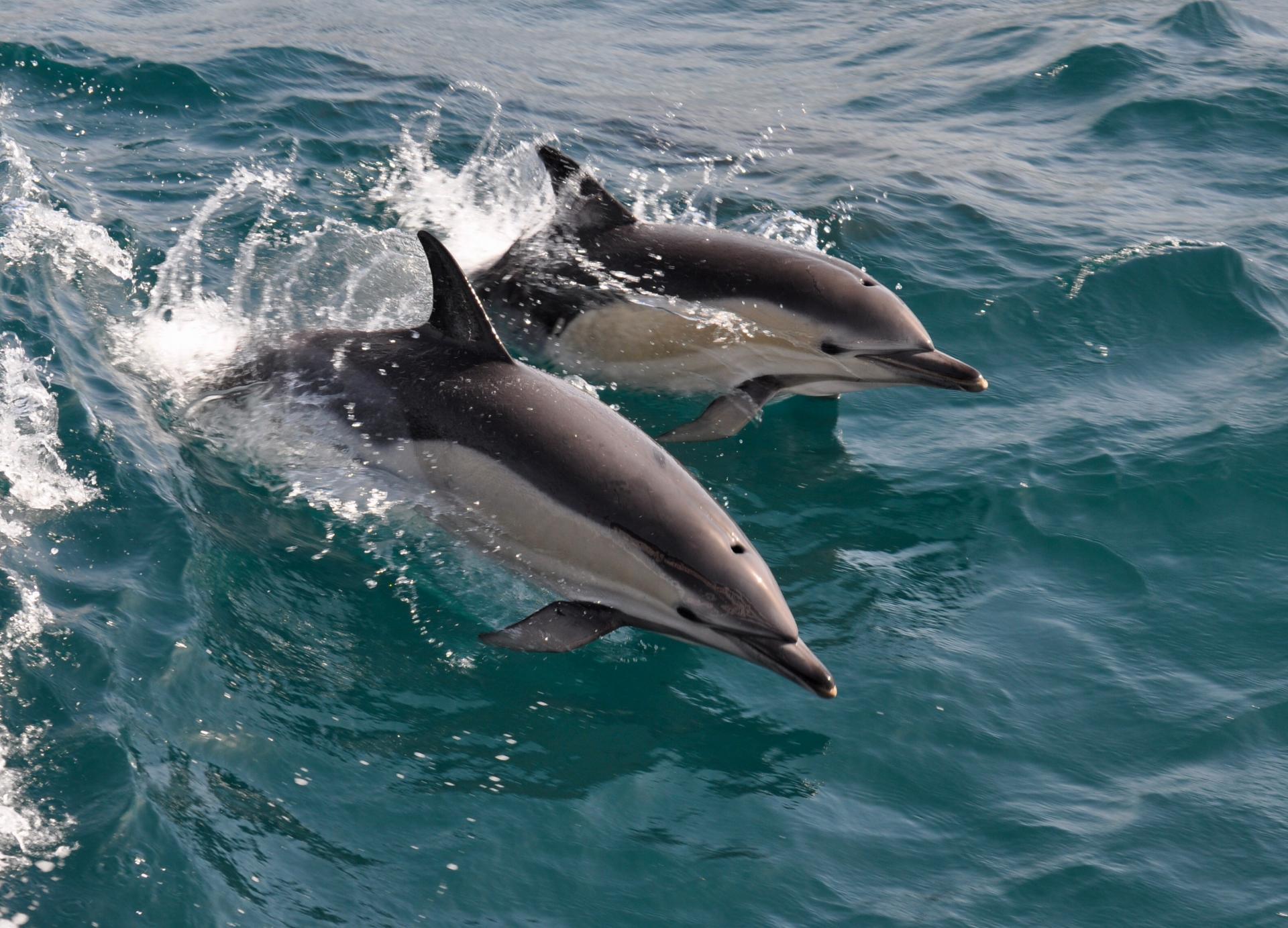
Muscat's coastal waters host some of the Arabian Peninsula's largest dolphin populations, including spinner and bottlenose species. Morning boat excursions venture into the Gulf where pods routinely number in the hundreds, surfing bow waves and leaping alongside — a surprisingly wild encounter just minutes from a modern capital city.
Jebel Shams and the Grand Canyon of Arabia
Oman's highest peak frames a vertiginous canyon that draws genuine comparisons to the American Southwest. The views across the Wadi Nakhr gorge are among the most dramatic in the entire Middle East, with terraced villages clinging to cliff faces and cool mountain air replacing the coastal heat far below. The drive through the Hajar Mountains is itself an event.
Nizwa's Ancient Fortified City
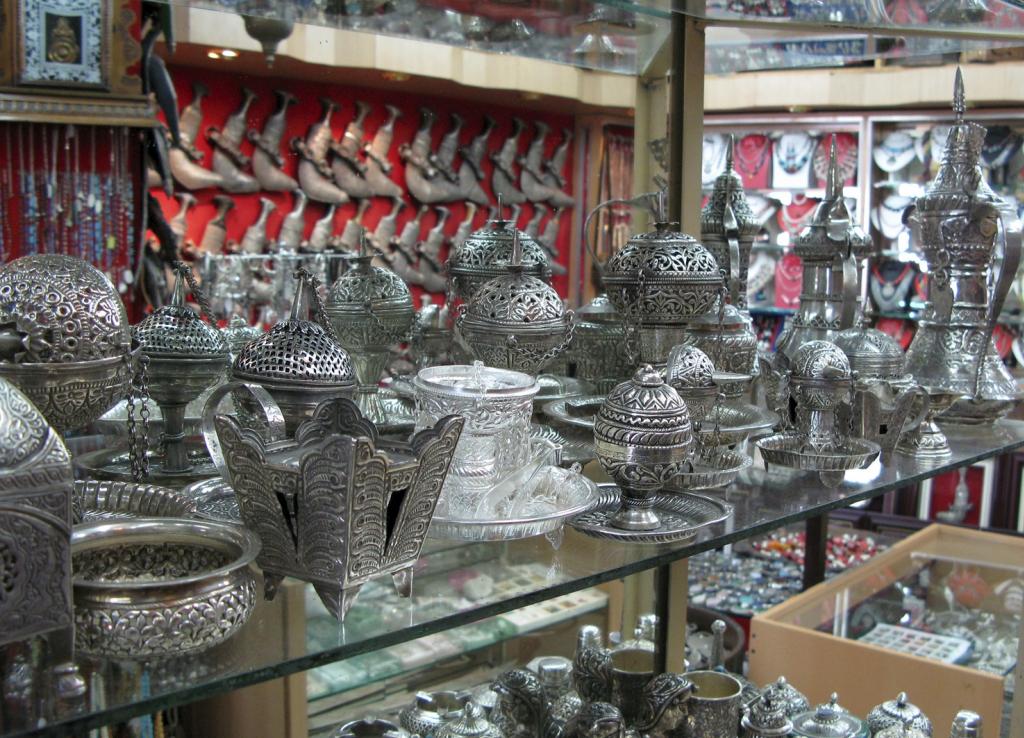
Once the capital of Oman, Nizwa remains the country's cultural heartland. Its 17th-century round tower fort is one of the largest in Arabia, and the surrounding souks trade in hand-hammered silverware, traditional khanjar daggers, and fragrant rose water — a living tableau of Omani heritage that feels remarkably unperformed.
Wadi Bashing Through the Hajar Mountains
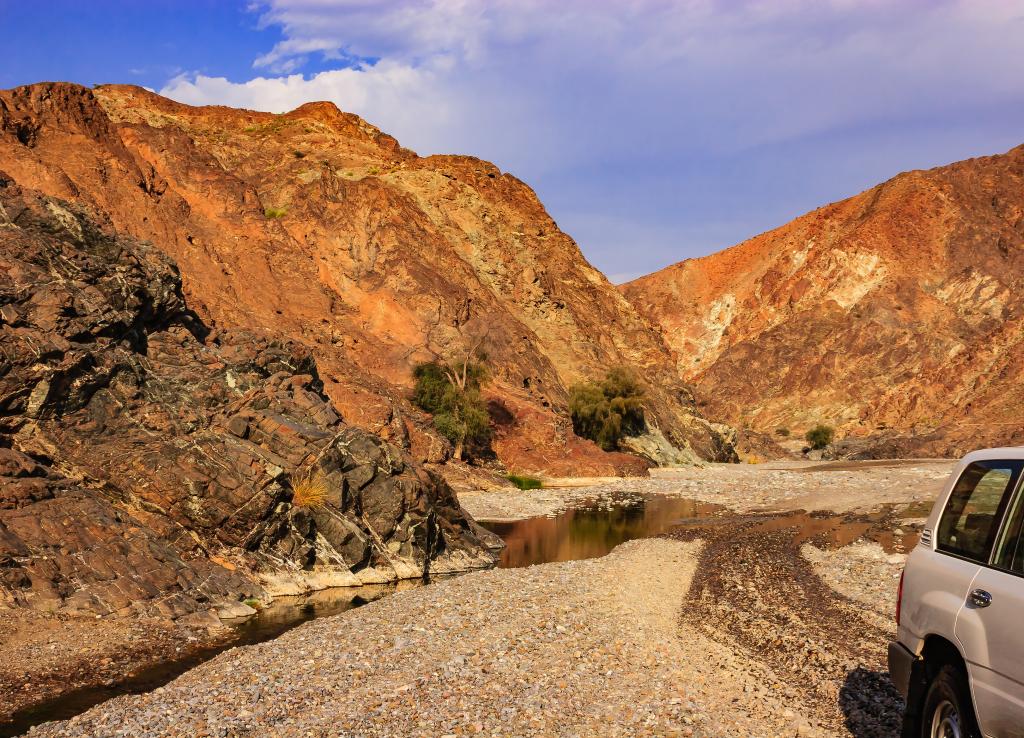
Oman's mountain wadis — dry riverbeds carved through ancient rock — offer some of the region's most exhilarating off-road terrain. Driving through boulder-strewn gorges and past emerald palm oases, with occasional cool pools suitable for swimming, reveals a completely different face of the country from its polished coastal capital.
Muttrah Souk and the Old City
Muttrah's serpentine covered souk is one of the oldest markets in the Arab world, its corridors thick with frankincense smoke and the glint of antique silverware. Combined with the Blue City corniche and the grandeur of the Sultan Qaboos Grand Mosque, a focused half-day in old Muscat traces the arc from ancient trading port to thoughtfully modernized capital.
Forts, Souks, and Omani Heritage
Oman's forts were not merely military structures but centers of commerce, governance, and cultural life. A full day visiting coastal fortifications alongside the labyrinthine interior of Muttrah Souk connects the threads of a maritime civilization that once controlled trade routes from Zanzibar to the Malabar Coast — an empire built on frankincense, silver, and the reliable monsoon.
Muscat travel tips
Dress Modestly, Especially Inland. Oman is a conservative Muslim country with a notably tolerant and welcoming culture. Covering shoulders and knees is appreciated throughout the city and essential at mosques. Lightweight long layers satisfy both the dress code and the practical need for sun protection during the hottest hours.
Frankincense is Worth Buying Here. Oman has been one of the world's primary frankincense sources for millennia, and the resin sold in Muttrah Souk and Nizwa is of genuinely high quality. Look for hojari grade from the Dhofar region — it burns cleaner and longer than most imported varieties and makes one of the most authentic souvenirs the Arabian Peninsula offers.
Plan Around Prayer Times. Shops and some attractions close briefly during the five daily prayer times, typically for 20–30 minutes each. This is not a significant inconvenience if you anticipate it — use the time to sit at a café, observe the call to prayer, and resume when doors reopen. Most tourist sites remain open continuously.
Hydration is Non-Negotiable. Even in the cooler winter months the Omani sun is intense. Carry water consistently throughout the day; bottled water is widely available and inexpensive across the city. Anyone visiting between April and October should treat hydration as a medical priority rather than a preference.
Walk the Corniche Early. Muttrah Corniche, running along the old dhow harbor, is atmospheric at any hour but particularly evocative in the early morning before heat and crowds build. The silhouette of the fort above, the small wooden fishing boats, and the fish vendors at the adjacent market create one of the Gulf's most photogenic waterfronts — arrive before 9am to see it at its best.
The Grand Mosque Has Strict Visiting Hours. The Sultan Qaboos Grand Mosque — one of the most architecturally impressive in the Islamic world — welcomes non-Muslim visitors Saturday through Thursday mornings, generally between 8am and 11am. Modest dress is mandatory, and women must cover their hair inside the building. Arriving early avoids both the heat and the crowds.
Port Facts Every Cruiser Needs To Know
Muscat shore excursion FAQs
Cruise ships dock at the Port Sultan Qaboos cruise terminal in the Muttrah district. The terminal is within easy walking distance — roughly 10 to 15 minutes — of Muttrah Corniche and the entrance to the historic souk.
Yes. Muttrah Souk is one of the most accessible cruise-port attractions in the region — a straightforward walk along the waterfront from the terminal. It is the logical first stop for independent explorers and requires no transport whatsoever.
Oman consistently ranks among the safest countries in the world for travelers. Crime against tourists is extremely rare, and visitors frequently describe Omanis as among the most genuinely hospitable people they have encountered anywhere. Solo travelers and families alike report feeling entirely comfortable.
Many nationalities receive visa-free or visa-on-arrival entry as cruise passengers. Requirements vary by nationality, so verify with your cruise line before arrival — they typically provide updated guidance specific to each port call and can confirm the current process.
Yes. The mosque welcomes non-Muslim visitors Saturday through Thursday mornings, generally between 8am and 11am. Modest dress is required — covered shoulders, long trousers or skirts — and women must cover their hair inside. It is one of the most visually stunning buildings in the entire Arabian Peninsula.
Nizwa is approximately 160 km (100 miles) from Muscat, taking roughly 1.5 to 2 hours by road in each direction. It is a full-day commitment — allow at least 6 to 7 hours ashore to make the journey worthwhile. Combining it with Jebel Shams extends the day further and requires an early departure.
Carry Omani rials for souk shopping and smaller purchases. Credit cards are accepted at larger restaurants, shops, and attractions. ATMs are available near the terminal and in the city center. Note that the rial divides into 1,000 baisa, not 100 cents — a difference that surprises some visitors at checkout.
Several beaches near the city, including Qurum Beach and Bandar Jissah, offer good swimming from October through May when water temperatures are pleasant. The Gulf of Oman is typically calm and clear. Reaching the better beaches requires transport, so factor in travel time when planning your day.
No wildlife encounter can be guaranteed, but Muscat's coastal waters host year-round resident dolphin populations and sighting rates on morning excursions are very high. Spinner dolphins in particular are commonly seen in large pods, and humpback dolphins are also regularly encountered close to shore.
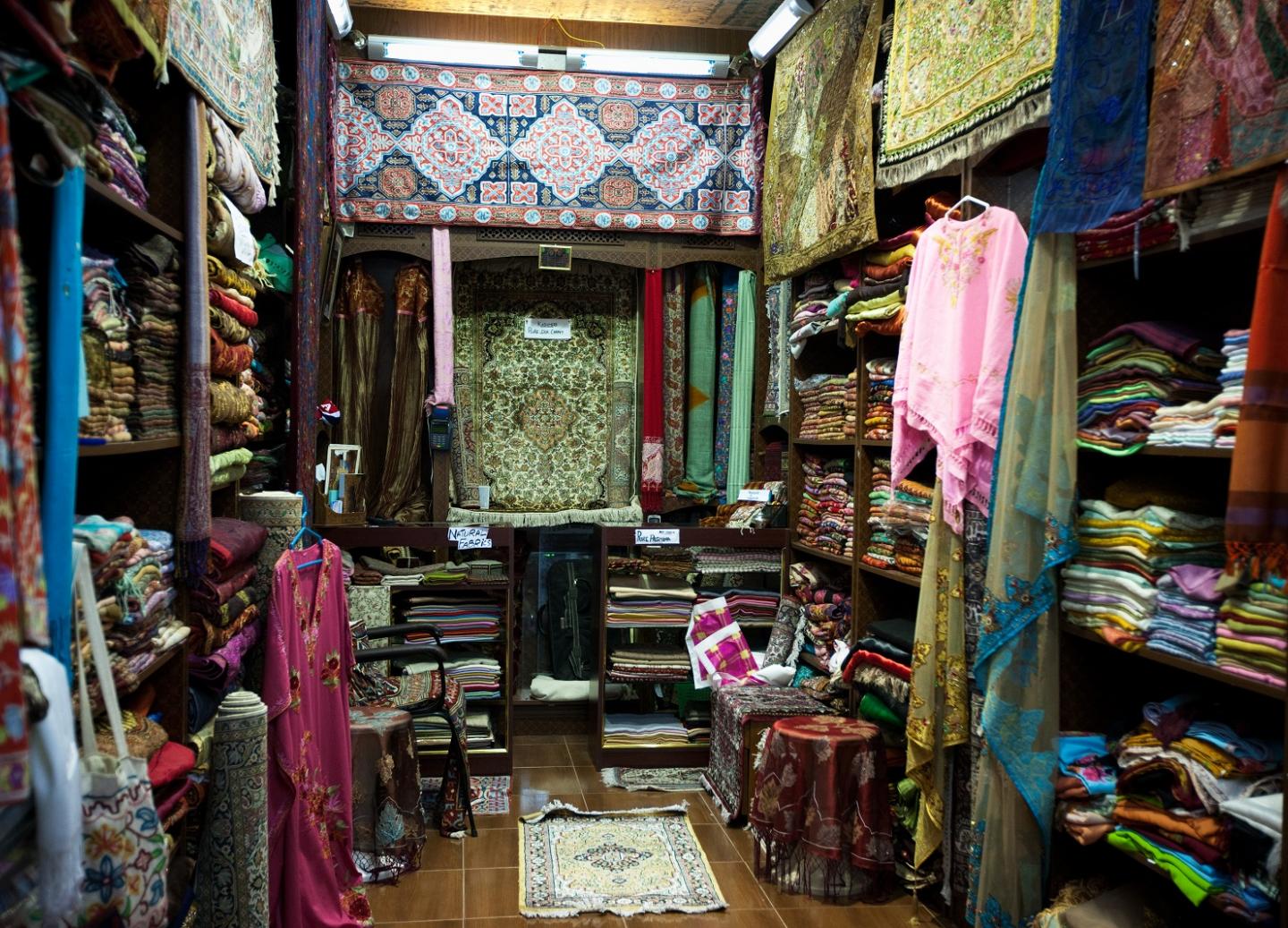
A thorough visit takes 1 to 2 hours. The covered lanes can seem disorienting at first but the souk is compact enough that you will naturally find your way. Frankincense, silverware, traditional textiles, and Omani halwa sweets are the standout purchases. Bargaining is expected for handicrafts and non-food goods.
Filters
Select a filter to refine results.
Tour Type
Tour Activity
 Cart
Cart
 USD
USD GBP
GBP AUD
AUD EUR
EUR CAD
CAD