



Tours in Coquimbo


Cruising to Coquimbo in a group?
Skip the crowded ship excursion bus. One dedicated planner will design a private shore experience around exactly what your group wants — coordinated from first enquiry to the moment you're back on board. More memorable, more flexible, and more affordable than you might expect. Spend less time organising, more time enjoying.
Explore Group Travel →Cruising to Coquimbo
Coquimbo occupies a rocky peninsula on Chile's northern coast, sharing a metropolitan embrace with the elegant city of La Serena just five kilometers to the north. Together they form one of South America's most rewarding double-city experiences — colonial plazas and pastel-painted churches in La Serena, a bustling fishing harbor and the soaring Cruz del Tercer Milenio in Coquimbo, and, extending east into the cordillera, the impossibly photogenic Elqui Valley. The valley's combination of near-zero light pollution, a pisco-producing heritage stretching back centuries, and vineyards tucked against terracotta cliffs has made it a destination unto itself. Cruise visitors benefit from a port that sits almost at the heart of the action: most of La Serena's key landmarks are a short drive, and the valley entrance is reachable in under two hours. The Humboldt Current keeps temperatures milder than the latitude might suggest, the skies are extraordinarily clear, and the local table — fresh ceviche, empanadas, regional wine — is genuinely excellent.
Top things to do in Coquimbo on a cruise stopover
La Serena's Colonial Heart
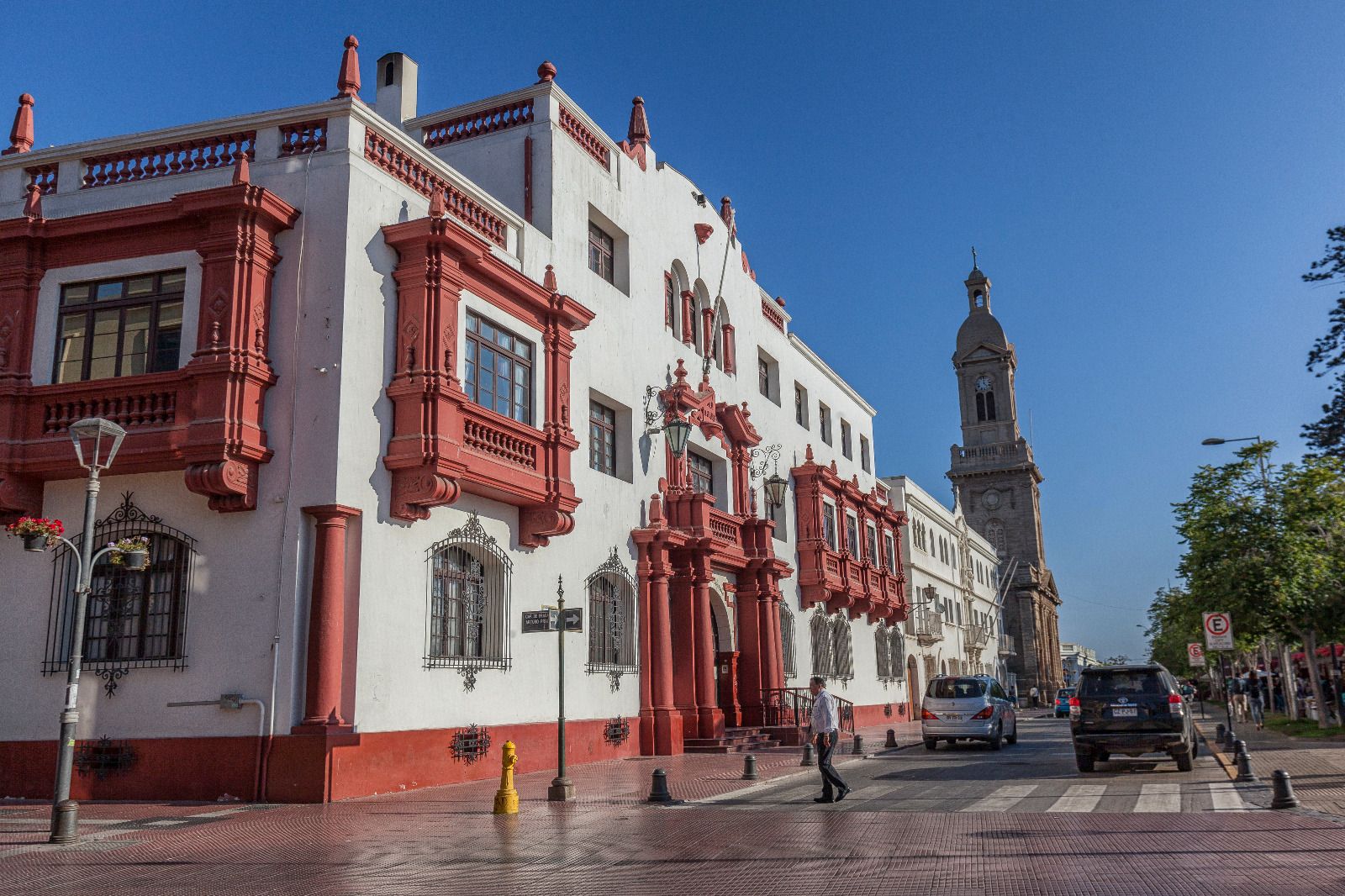
One of Chile's oldest cities rewards slow exploration: a cathedral on the main plaza, 29 historic churches within walking distance, and a pedestrian spine lined with eucalyptus trees and craft markets. The architectural consistency — most facades date to a 1940s city-plan revival of colonial style — gives La Serena a rare visual coherence that photographs beautifully.
Elqui Valley Pisco Distilleries
Chile's answer to Cognac has its spiritual home here. Family-owned distilleries open their doors to visitors, walking guests through the fermentation and double-distillation process before a tasting of aged and flavored expressions. The setting — distillery courtyards framed by grape-covered pergolas and purple mountains — is as memorable as the spirit itself.
Elqui Valley Vineyards and Andean Landscapes
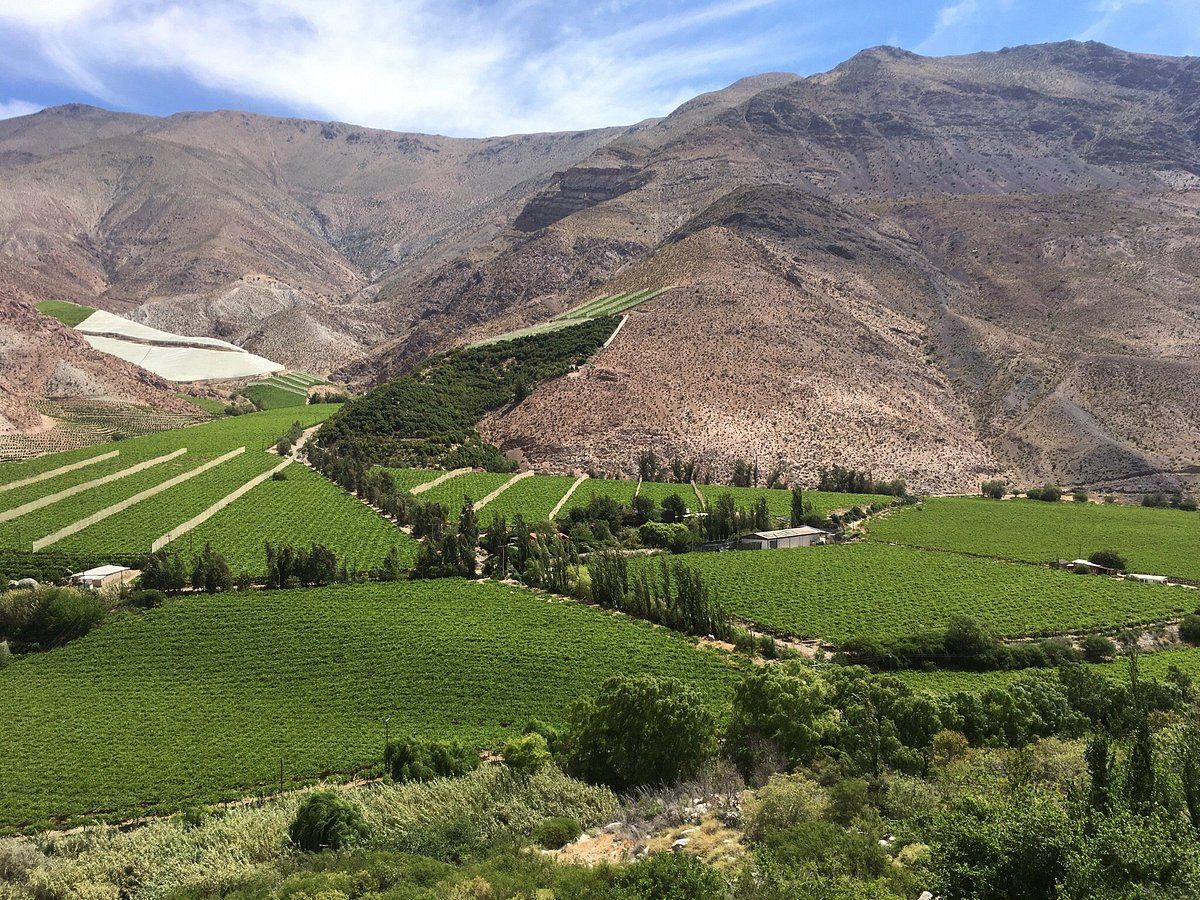
The same valley that produces pisco grapes also yields crisp white wines, particularly Muscat. Vineyard visits typically include a walk through the vine rows, an explanation of how extreme altitude and minimal rainfall concentrate flavors, and a seated tasting against views of ochre cliffs dropping to a turquoise river. It is scenery that makes the two-hour drive feel entirely worthwhile.
Cruz del Tercer Milenio
Coquimbo's own landmark stands 83 meters tall on a hill above the city — one of the world's largest crosses — and the viewing platform at its base takes in the full sweep of the bay, the La Serena beachfront, and on clear days, the first ridgelines of the Andes. Sunrise and late-afternoon light are especially dramatic.
Stargazing Legacy and Observatory Culture
The Elqui Valley hosts several of Chile's major international observatories, drawn by 300-plus clear nights per year and minimal light pollution. Daytime observatory tours explain the science and the extraordinary telescopes; some operators offer twilight visits that end with the first stars of the Southern Hemisphere appearing over the valley rim.
Coquimbo Fishing Harbour and Seafood
The working port area around La Herradura bay is where local fishing boats unload their catch each morning. The adjacent fish market and waterfront restaurants serve razor-fresh ceviche, grilled corvina, and chupe de mariscos — a rich shellfish chowder — at prices that reflect proximity to the source rather than tourist-district markups.
Coquimbo travel tips
Pack Sun Protection Seriously. The UV index in this region regularly hits 11–12 (extreme) even on mild-feeling days, amplified further in the reflective valley. Broad-spectrum sunscreen of SPF 50 or higher, a brimmed hat, and UV-blocking sunglasses are not optional — bring them from the ship rather than counting on finding your preferred brand ashore.
Prepare for Winding Valley Roads. The road into the Elqui Valley follows a river gorge through continuous bends and switchbacks. If you are susceptible to motion sickness, take any preventative medication before departure, sit toward the front of a vehicle, and avoid reading en route. The landscape more than compensates for the journey.
Pace Your Pisco Tastings. Pisco is deceptively smooth at 35–46% ABV, and distillery visits typically offer multiple pours across different expressions. Eat a proper meal before any tasting, alternate with water, and remember you have a ship's gangway to walk when you return. The experience is best savored slowly.
Carry Small-Denomination Bills. Markets in both Coquimbo and La Serena, as well as roadside stalls in the Elqui Valley, work almost exclusively in cash and frequently struggle to make change for large notes. Withdraw pesos in smaller denominations at city ATMs before heading inland.
Layer for Temperature Swings. Coastal mornings can start grey and cool, burning off to warm midday sun, while the valley sits in a different microclimate with hotter afternoons and noticeably cooler evenings. A light packable layer and a compact wind shell handle both environments without adding bulk to a day bag.
Confirm Ship Departure Time Before You Leave. All-aboard times in Chilean ports are strictly enforced. The Elqui Valley is a genuine all-day commitment from the pier — build your return journey around a conservative buffer rather than the posted all-aboard time, especially if the valley road is new to you.
Port Facts Every Cruiser Needs To Know
Coquimbo shore excursion FAQs
La Serena is approximately 5 kilometers from the Coquimbo port — about a 10-minute drive or a 20-minute ride on local buses that connect the two cities frequently. The inter-city trip is one of the easiest in Chilean cruising, and many visitors opt to walk the coastal avenue between the two when time and weather allow.
For visitors who enjoy scenic landscapes, wine and spirits culture, or astronomy, the Elqui Valley is consistently rated the most memorable experience in the region — but it requires a full-day commitment. The valley entrance is roughly 90 minutes from the port, so factor in at least 3–4 hours of transit for a round trip before you plan any time at distilleries or vineyards. It is not suited to a half-day ashore.
Pisco is a grape-based brandy, double-distilled from specific Muscat grape varieties grown almost exclusively in the Elqui and Limari valleys. Chilean pisco tends to be aged in neutral or oak barrels, producing a cleaner, sometimes slightly oaked spirit compared to Peruvian styles. The Denomination of Origin is fiercely protected, and distilleries in the Elqui Valley are among the few places in the world where you can taste the full spectrum from unaged to eight-year reserve expressions.
Yes. The Coquimbo terminal is within walking distance of the city's main commercial area and the Cruz del Tercer Milenio hillside. La Serena's colonial center requires a short bus or vehicle journey but is then entirely walkable on arrival. Independent exploration of both city centers is straightforward and very manageable.
The Chilean Peso (CLP) is the only currency in circulation for everyday transactions. US dollars are rarely accepted outside a handful of large tourist-facing businesses. ATMs in La Serena's center dispense pesos reliably, and the exchange rate at bank ATMs is generally favorable compared to port-area exchange booths.
English proficiency is reasonable at organized tour operations, major hotels, and the main tourism office in La Serena's plaza. In the Elqui Valley, at markets, and in smaller restaurants, Spanish is essentially required. Downloading an offline Spanish translation app before your port day is a practical precaution.
Coastal Coquimbo and La Serena have mild, relatively stable weather year-round thanks to the Humboldt Current — expect highs of 18–24°C (65–75°F) in the October-to-April cruise season with mostly clear skies. The Elqui Valley runs warmer and drier than the coast. Morning fog on the coastal side usually burns off by mid-morning.
Coquimbo's fishing harbor makes it an ideal place to eat ceviche — the lime-cured raw fish here is among the freshest on the Chilean coast. Also worth trying: chupe de mariscos (a thick shellfish and bread chowder), empanadas de mariscos (baked seafood pastries), and a pisco sour, the national cocktail made with fresh citrus, pisco, and egg white, best consumed with lunch rather than as a first stop of the day.
The platform at the base of the Cruz del Tercer Milenio in Coquimbo offers an unobstructed panorama over the bay, the La Serena beach strip, and the inland Andean foothills. It is reachable on foot from the lower city with a moderate uphill walk, or by vehicle in a few minutes. Late afternoon, when the light turns golden over the Pacific, is the optimal time to visit.
Coquimbo and La Serena are among the safer cities on the Chilean Pacific coast. Standard urban precautions apply: keep cameras and phones out of display when not in use, use an inside pocket or a zipped bag for valuables, and stay in the commercial and tourist zones of both city centers. The Elqui Valley road is safe but winding — if self-driving, ensure you are comfortable with sustained mountain driving before committing to the route.
Filters
Select a filter to refine results.
Tour Type
Tour Activity
 Cart
Cart
 USD
USD GBP
GBP AUD
AUD EUR
EUR CAD
CAD