



Tours in Guayaquil


Cruising to Guayaquil in a group?
Skip the crowded ship excursion bus. One dedicated planner will design a private shore experience around exactly what your group wants — coordinated from first enquiry to the moment you're back on board. More memorable, more flexible, and more affordable than you might expect. Spend less time organising, more time enjoying.
Explore Group Travel →Cruising to Guayaquil
Guayaquil is Ecuador's largest city and its commercial engine — a sprawling, kinetic metropolis built around the broad Guayas River that empties into the Gulf of Guayaquil just before the Pacific. For cruise visitors, it offers something surprisingly rare: a major South American port city where the finest attractions are genuinely close to the pier and genuinely walkable once reached. The Malecón 2000, a revitalized 2.5-kilometer riverside promenade, anchors the visitor experience and connects directly to the hillside neighborhood of Las Peñas, where 444 color-painted steps lead past art galleries, craft studios, and cafes to a lighthouse with views over the river and the city's skyline. Beyond the center, Guayaquil rewards curiosity: the Parque Histórico transports visitors through reconstructed 19th-century hacienda life alongside native wildlife, and the Ecuagenera orchid farm, one of the world's largest producers of Andean orchid species, offers an hour of botanical astonishment on the city's edge. The city runs on US dollars, English is reasonably spoken in visitor areas, and the local cuisine — ceviche, llapingachos, cangrejos — is among the most distinctive on the continent's western coast.
Top things to do in Guayaquil on a cruise stopover
Malecón 2000 Waterfront Promenade
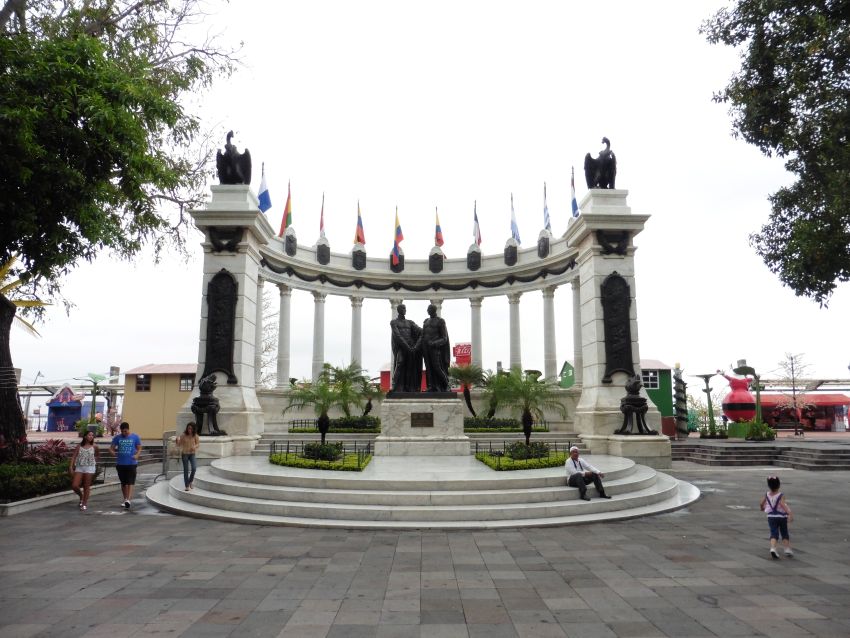
Stretching 2.5 kilometers along the Guayas River, this beautifully maintained public space integrates gardens, public art installations, an IMAX theater, a botanical section, and riverside restaurants into what functions as Guayaquil's great living room. The promenade is included in city tour itineraries for good reason — it offers an immediate, legible portrait of the city's renewal and its relationship to the river that made it.
Las Peñas and Cerro Santa Ana
At the northern end of the Malecón, 444 numbered steps wind up the hillside past houses painted in every tropical color, small galleries, and musicians playing in open doorways. The summit lighthouse and the church of Santo Domingo anchor the top of the climb, which delivers a panorama over the Guayas River, the city center, and the mangrove islands to the south. It is the most photographed corner of Guayaquil, and justifiably so.
Guayaquil Museum Visits
The Museo Antropológico y de Arte Contemporáneo (MAAC), positioned at the south end of the Malecón, houses one of Ecuador's most important collections of pre-Columbian ceramics and contemporary Latin American art under one roof. City tour itineraries that include a museum stop typically combine MAAC with architectural landmarks downtown, giving visitors a layered encounter with both ancient and modern Ecuadorian identity.
Ecuagenera Orchid Farm
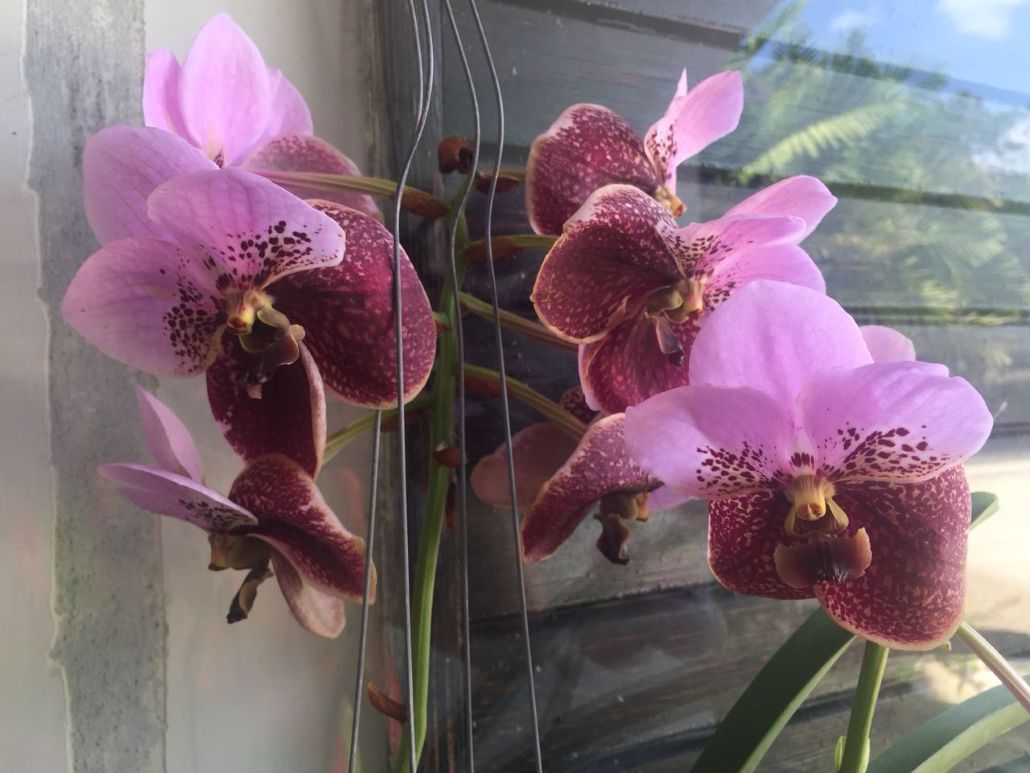
One of the world's largest Andean orchid nurseries operates on Guayaquil's edge, cultivating over 3,000 species and hybrids — many of them native to Ecuador's cloud forests and found nowhere else on earth. The guided tour walks visitors through climate-controlled greenhouses where Dracula orchids, Masdevallias, and giant Cattleyas bloom in succession. It is an experience that recalibrates what the word 'flower' can mean.
Parque Histórico Guayaquil
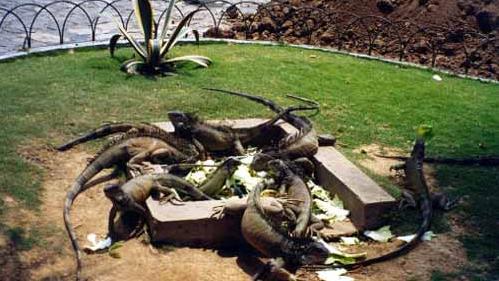
A living heritage park on the city's northeastern edge recreates coastal Ecuador of the 19th century through faithfully restored hacienda buildings, a sugar cane mill, and immersive period staging — all threaded with wildlife zones housing caimans, tapirs, monkeys, and native birds in naturalistic enclosures. It is simultaneously a history museum, a botanical garden, and a wildlife sanctuary, making it one of the most genuinely interesting parks on the South American cruise circuit.
Panoramic Views and City Architecture
Guayaquil's skyline tells the story of a city in constant reinvention: 19th-century wooden architecture survives in Las Peñas alongside glass towers, the iron structure of the Municipal Palace, and the ornate facades of the Cathedral. Panoramic city tours connect these layers into a coherent narrative, using the height of Cerro Santa Ana and key civic plazas to give visitors a geographic and historical orientation before the detail-level exploration begins.
Guayaquil travel tips
Start Early and Beat the Heat. Guayaquil's equatorial sun becomes genuinely draining by mid-morning, especially during the dry season when humidity is lower but UV intensity is extreme. Beginning outdoor exploration at or before 8 a.m. makes the Malecón walk and the Las Peñas climb dramatically more comfortable. Reserve museum visits and indoor experiences for the noon-to-2 p.m. peak heat window.
Dress for Tropical Conditions. Lightweight, moisture-wicking fabrics are far more practical than cotton, which saturates quickly in high humidity. A compact packable umbrella or a light rain jacket fits easily into a day bag and handles the sudden afternoon downpours that characterize the rainy season — and occasionally appear in the dry season as well. Closed-toe shoes with grip are advisable for the 444 steps of Cerro Santa Ana.
Stay Hydrated Throughout the Day. Heat and humidity in Guayaquil produce rapid dehydration even when visitors do not feel particularly exerted. Carry a refillable water bottle and drink consistently rather than waiting for thirst signals. Bottled water is inexpensive and widely available; tap water is not recommended for drinking.
No Currency Exchange Needed. Ecuador's use of the US dollar removes a common port-day complication. Bring a mix of small bills ($1, $5, $10) since markets, street food vendors, and small museums may struggle to break larger denominations. Credit cards are accepted at the Malecón's restaurants and larger stores.
Try the Local Food Seriously. Guayaquil's coastal cuisine is distinct from the highland Ecuadorian food better known abroad. Look for ceviche de camaron (shrimp ceviche served with toasted corn and patacones), seco de pollo (chicken braised in naranjilla juice and cilantro), and encocado de pescado (fish in coconut sauce). The Malecón and surrounding streets have restaurants serving all of these at accessible price points.
Keep the Malecón as Your Orientation Anchor. If exploring independently, the Malecón 2000 functions as a reliable landmark — it runs parallel to the Guayas River and is visible or reachable from most of the central city. Las Peñas is at its north end, the MAAC museum at its south end. When in doubt, returning to the promenade reorients you to the port and to the city's main pedestrian axis.
Port Facts Every Cruiser Needs To Know
Guayaquil shore excursion FAQs
The Malecón 2000, Las Peñas, and the main tourist areas around the historic center have been significantly revitalized and are well-patrolled. Independent exploration of these zones during daylight hours is considered safe and is widely practiced by cruise visitors. As in any major South American city, standard precautions apply: avoid displaying expensive cameras or jewelry unnecessarily, use secured bags, and stay within the established tourist corridors rather than straying into unfamiliar residential neighborhoods without guidance.
Parque Histórico is a 16-hectare living heritage park that reconstructs late 19th-century coastal Ecuadorian life through restored hacienda buildings, period demonstrations, and native wildlife enclosures. It combines the functions of a history museum, botanical garden, and wildlife sanctuary in a single experience. The park is roughly 20–30 minutes from the port by vehicle and is particularly well-suited to visitors who want more depth than a city walking tour provides — it rewards a minimum of two hours on site.
Ecuagenera is located on the outskirts of Guayaquil, approximately 30–45 minutes from the port by vehicle. The guided tour of the nursery greenhouses typically runs 60–90 minutes and covers multiple climate zones and species families. Visitors interested in purchasing orchids should know that Ecuador permits the export of certified nursery-grown specimens with the appropriate CITES documentation, which Ecuagenera provides at the point of sale.
Ecuador uses the US dollar as its official currency — no exchange required for US-based travelers, and the simplest port-day financial situation on the South American cruise circuit. Other international travelers should exchange to USD before or at the port rather than relying on local exchange offices, which are less common than ATMs. Bring small bills for markets and street vendors.
The dry season from June through November offers the most comfortable conditions — lower humidity, less rain, and cooler evenings. However, cruise itineraries visit year-round, and the rainy season (December through May) has its own appeal: warmer temperatures, greener surroundings, and mornings that are usually clear and beautiful before afternoon showers arrive. In either season, scheduling outdoor activities for the morning hours is the practical approach.
Guayaquil's cruise terminal is centrally located, placing the Malecón 2000 within a short distance of the pier. The Malecón is a pedestrian promenade, so once you reach it, the main attractions — including Las Peñas at the north end and the MAAC museum at the south end — are all accessible on foot. The Metrovía bus system connects the terminal area to broader city districts for visitors venturing further afield.
Las Peñas is Guayaquil's oldest neighborhood, built on the slopes of Cerro Santa Ana at the northern end of the Malecón. The climb to the summit follows 444 numbered steps past brightly painted houses, galleries, and small cafes — it is a genuine uphill walk rather than a casual stroll. Most reasonably fit visitors complete it in 15–20 minutes. The summit offers the best panoramic view of the city and river, making the effort worthwhile. Handrails line the entire stairway.
Guayaquil sits at the heart of Ecuador's coastal food culture. Ceviche de camaron — shrimp cured in citrus with tomato, onion, and aji pepper, served with chifles (plantain chips) and toasted corn — is the essential first order. Seco de pollo is a slow-braised chicken dish with a distinctive naranjilla-citrus base. For drinks, try a canela (cinnamon-infused hot tea), a fresh-squeezed naranjilla juice, or a craft beer from one of Guayaquil's growing local brewery scene. Avoid tap water and unpeeled raw fruit from street vendors.
The lighthouse at the top of Cerro Santa Ana in Las Peñas is the finest viewpoint in the city, with unobstructed views over the Guayas River, the city skyline, and the mangrove delta to the south. It is fully accessible independently: walk the Malecón north from the port area to its end, then begin climbing the numbered steps. There is no entrance fee for the climb itself, though some viewing platforms and the lighthouse interior may have a small admission charge.
Doing justice to all three in one port day is a stretch. The orchid farm and Parque Histórico each sit 20–45 minutes outside the center and each merit at least 90 minutes on site — adding transit and a meaningful walk of the Malecón and Las Peñas would require a very long port call and no time for lunch. Most visitors choose either the orchid farm or the Parque Histórico as their outlying destination and pair it with the city center highlights, which is a more comfortable and rewarding combination.
Filters
Select a filter to refine results.
Tour Type
Tour Activity
 Cart
Cart
 USD
USD GBP
GBP AUD
AUD EUR
EUR CAD
CAD