



Tours in Manta


Cruising to Manta in a group?
Skip the crowded ship excursion bus. One dedicated planner will design a private shore experience around exactly what your group wants — coordinated from first enquiry to the moment you're back on board. More memorable, more flexible, and more affordable than you might expect. Spend less time organising, more time enjoying.
Explore Group Travel →Cruising to Manta
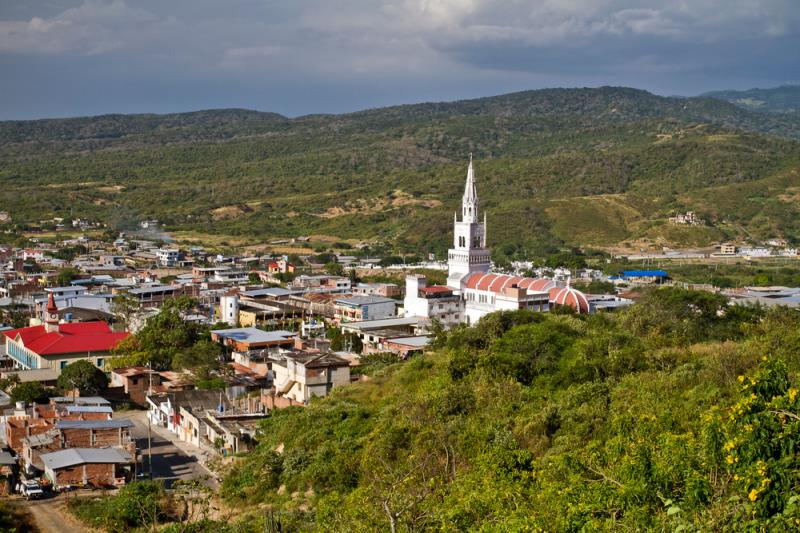
Manta is Ecuador's principal Pacific port — a city of fishermen, artisans, and traders that has anchored the country's relationship with the ocean for centuries. Long before Spanish colonisation, the indigenous Manta culture built a seafaring civilisation here, navigating the Pacific by balsa raft and establishing trade routes stretching from Mexico to Peru. Today the city retains that maritime energy: one of the world's largest artisanal tuna fleets operates from its harbour, and the Tarqui fish market at dawn is one of the Pacific coast's most authentic and atmospheric spectacles. Beyond the city limits, the province of Manabí is home to traditions that have shaped Ecuador's cultural identity — most famously the fine-straw weaving practised in the hilltop town of Montecristi, where the hats the world mistakenly calls Panama hats have been crafted by master weavers for generations. Further south along the coast, Machalilla National Park protects a rare pocket of tropical dry forest, a marine reserve of remarkable biodiversity, and the hauntingly beautiful Isla de la Plata — nicknamed the Poor Man's Galápagos for its accessible colonies of blue-footed boobies, frigatebirds, and nesting sea turtles. Manta offers cruise visitors a genuine encounter with coastal Ecuador, far from the circuits of Quito and the Galápagos.
Top things to do in Manta on a cruise stopover
Montecristi and the Art of the Toquilla Hat
The hilltop town of Montecristi is where the world's finest toquilla straw hats are woven — the hats the world erroneously calls Panama hats, named for the canal through which they were once exported. Watching a master weaver at work, understanding that a superfino hat can take months of labour to complete, and purchasing directly from artisan families is a cultural encounter of genuine depth. This is craft at the level of high art, practised in a quiet town with an outsized global legacy.
Manta's Maritime Heritage and the Malecón
The city's seafront promenade frames views of one of the Pacific's most active working harbours, where brightly painted wooden fishing boats sit alongside the industrial tuna fleet. The Banco Central archaeological museum holds artefacts of the pre-Columbian Manta culture — a seafaring people whose balsa-raft trading routes rivalled those of any ancient civilisation — giving this working port a historical depth that most visitors don't anticipate.
Isla de la Plata — Wildlife Without the Galápagos Price Tag
This offshore island within Machalilla National Park hosts wildlife encounters that genuinely rival the Galápagos at a fraction of the cost and distance. Blue-footed and masked boobies, magnificent frigatebirds, and red-footed boobies nest in accessible colonies. The waters around the island offer snorkelling with sea turtles and reef fish, and from June to September, humpback whale sightings on the crossing are common.
Tropical Dry Forest of Machalilla
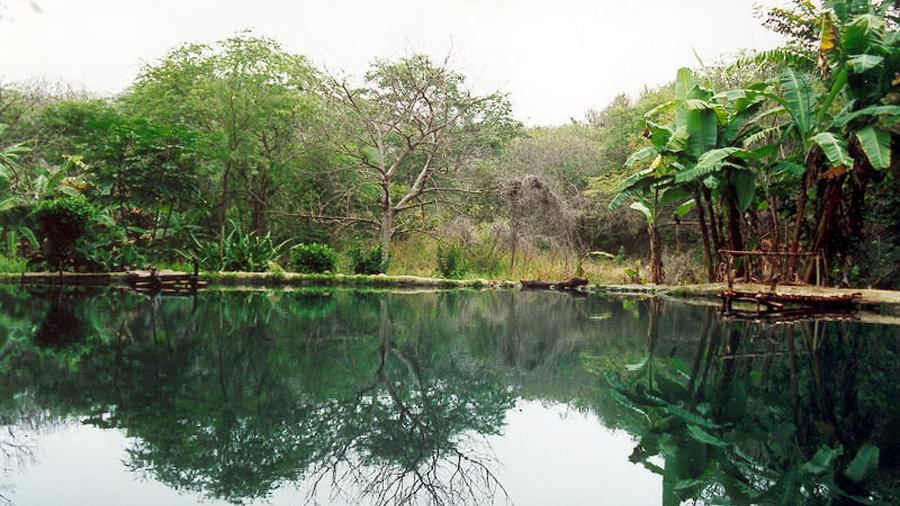
One of South America's rarest ecosystems, the tropical dry forest of Machalilla National Park presents a landscape of strikingly different character depending on season: bare, sculptural trees in the dry months that transform into dense green canopy after rain. Trails pass through a mosaic of habitats supporting howler monkeys, dozens of bird species, and the iconic ceibo tree — a setting of unusual ecological and aesthetic drama.
Tarqui Fish Market and Manabí Cuisine
Manta's Tarqui market is where the Pacific's catch arrives each morning in a scene of concentrated activity that has changed little in decades. The seafood here — ceviche made with fresh corvina, chilled shrimp cocktails, and the beloved encebollado fish soup — represents the claim of Manabí province to be Ecuador's culinary heartland. Arriving early captures the market at its most vivid.
Humpback Whale Watching
The waters off Manta are among the most reliable humpback whale watching locations on the Pacific coast of South America. From June through September, hundreds of whales migrate here to breed and calve, and boat excursions regularly encounter breaching, tail-slapping, and singing animals at close range. For travellers arriving in this window, a whale watching excursion is among the most memorable wildlife encounters anywhere in Ecuador.
Manta travel tips
Know What a Real Toquilla Hat Looks Like. In Montecristi, hat quality varies enormously. A genuine superfino hat has extremely fine, perfectly even weaving that is nearly translucent when held up to light. Price is a reasonable guide: hats sold for a few dollars are not the same product as those woven over weeks or months by master craftspeople. Ask the weaver about their process — the conversation itself is part of the experience.
Protect Yourself Aggressively on the Water. The equatorial Pacific sun is intense, and UV exposure is significantly amplified by reflection off open water. High-SPF sunscreen applied generously and reapplied after any time in the water, a full-brim hat, and UV-protective clothing are not optional for boat excursions to Isla de la Plata. Sunburn at this latitude arrives faster than most travellers expect.
Prepare for a Choppy Crossing. The boat crossing to Isla de la Plata takes approximately 30 to 45 minutes and can be rough, particularly from June to September when Pacific swells increase with the whale watching season. Travellers with any history of motion sickness should take appropriate medication well before boarding rather than waiting to assess conditions on the day.
Eat Where the Locals Eat. Manta's reputation as Ecuador's seafood capital is well-earned, but quality varies. The best ceviche is found at busy, well-patronised stalls with high ingredient turnover — freshness is everything with raw fish preparations. Encebollado, the warming tuna and onion soup that Ecuadorians swear by as a morning staple, is particularly good eaten at the market in the early hours.
Carry USD Cash in Small Denominations. Ecuador uses the US dollar, but many vendors — artisan workshops, market stalls, park entry points — cannot easily break large bills. Arriving with a supply of five and ten dollar bills avoids frustrating delays and ensures smooth transactions in smaller communities like Montecristi and at park entrances.
Respect Park Rules and Wildlife Distances. Machalilla National Park charges entry fees payable in cash at the gate. Wildlife within the park and on Isla de la Plata is legally protected — blue-footed boobies in particular are famously unafraid of humans, which makes maintaining respectful distances entirely a matter of visitor discipline rather than animal shyness. Follow your guide's instructions and never feed or touch wildlife.
Port Facts Every Cruiser Needs To Know
Manta shore excursion FAQs
Most nationalities — including citizens of the United States, Canada, the United Kingdom, Australia, and European Union countries — can enter Ecuador visa-free for up to 90 days. Some nationalities do require a visa in advance. Always verify current entry requirements with the Ecuadorian consulate or your government's travel advisory service before your voyage, as requirements can change.
The main access point for Machalilla National Park is the town of Puerto López, approximately 60 kilometres south of Manta — roughly a two-hour drive by road. Isla de la Plata requires an additional boat crossing of about 30 to 45 minutes from Puerto López. Given the travel time involved, a visit to Machalilla is best treated as a full-day commitment from the port.
Humpback whales migrate to the warm waters of Ecuador's Pacific coast to breed and calve between approximately June and September, with the peak of activity generally in July and August. During these months, sightings on boat excursions are common and often spectacular — breaching and tail-slapping are regularly observed. Outside of this window, whale watching is not available, though other marine wildlife including sea turtles and reef fish are present year-round.
Isla de la Plata is not the Galápagos in scale or biodiversity, but it offers a genuinely remarkable wildlife experience that shares the Galápagos characteristic of fearless animals at close range. Blue-footed boobies, frigatebirds, sea turtles, and — in season — humpback whales can all be encountered in a single day trip. For cruise visitors without a Galápagos itinerary on their voyage, it is an exceptional alternative. For those who have visited the Galápagos, it offers a different but still memorable encounter.
Montecristi, approximately 25 kilometres from Manta, is the heartland of Ecuador's toquilla straw hat tradition and the primary artisan destination from the port. A half-day visit — ideally combined with Manta city highlights — allows time to watch weavers at work in their homes and workshops, understand the craft's history and economics, and purchase directly from the makers. The town also has a notable church and a pleasant central square worth exploring.
Ecuador uses the US dollar as its official currency, which simplifies matters considerably for travellers from North America and anyone carrying USD. Bring sufficient cash in small denominations (fives and tens) as many market stalls, artisan workshops, and park entry points cannot break large bills. Credit cards are accepted at hotels, upmarket restaurants, and some tour operators, but should not be relied upon as the only payment method.
Manta is one of Ecuador's more settled and visitor-friendly port cities. The seafront Malecón, the main tourist areas, and the artisan communities of Montecristi are all generally safe during daylight hours. Standard precautions apply: keep valuables secure, avoid displaying expensive cameras or jewellery openly in markets, and be aware of your surroundings. The province of Manabí has a strong tradition of hospitality toward visitors, and most travellers report very positive experiences.
Manta and the broader Manabí province are widely considered Ecuador's culinary heartland, with a strong emphasis on fresh Pacific seafood. The dishes to prioritise are ceviche made with corvina (sea bass), encebollado (a warming tuna and pickled-onion soup beloved as a morning staple), and churrasco-style grilled fish. The Tarqui market area offers the most authentic and affordable versions of all of these. Tropical fruit juices — naranjilla, tomate de árbol, maracuyá — are excellent throughout the region.
Yes — Isla de la Plata offers the best snorkelling accessible from Manta, with a marine environment that includes sea turtles, reef fish, starfish, and, in season, the possibility of whale shark and manta ray encounters. The waters around the island are part of a protected marine reserve, and snorkel equipment is typically provided on organised excursions. Note that the boat crossing to the island is the primary way to access this snorkelling, making it a half-day minimum commitment.
The boat excursion to Isla de la Plata and its wildlife trails involves moderate walking on uneven terrain and requires boarding a small vessel in open water — neither is easily managed with significant mobility limitations. Land-based visits to the park's dry forest trails at Los Frailes beach or the archaeological site of Agua Blanca are somewhat more accessible and offer their own rewarding experiences. Travellers with mobility concerns should discuss specifics with their shore excursion operator in advance to find the best fit.
Filters
Select a filter to refine results.
Tour Type
Tour Activity
 Cart
Cart
 USD
USD GBP
GBP AUD
AUD EUR
EUR CAD
CAD