



Tours in Montevideo


Cruising to Montevideo in a group?
Skip the crowded ship excursion bus. One dedicated planner will design a private shore experience around exactly what your group wants — coordinated from first enquiry to the moment you're back on board. More memorable, more flexible, and more affordable than you might expect. Spend less time organising, more time enjoying.
Explore Group Travel →Cruising to Montevideo
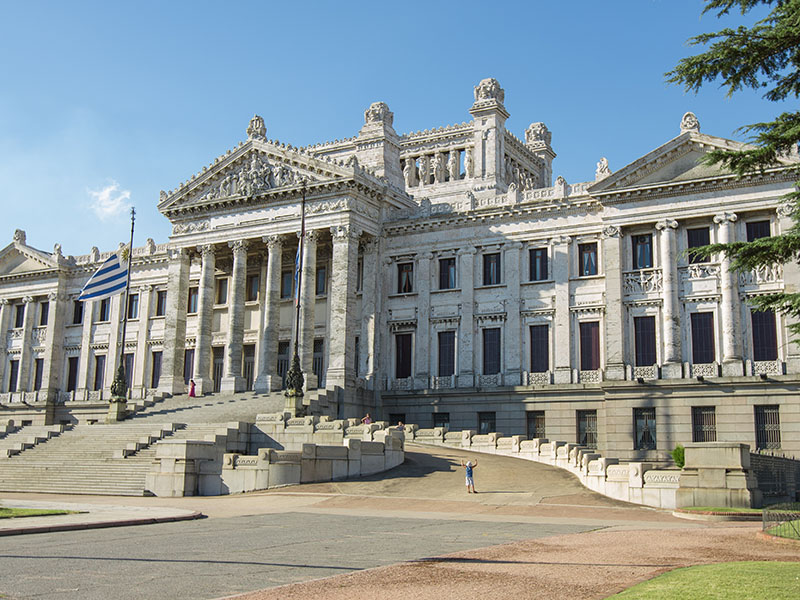
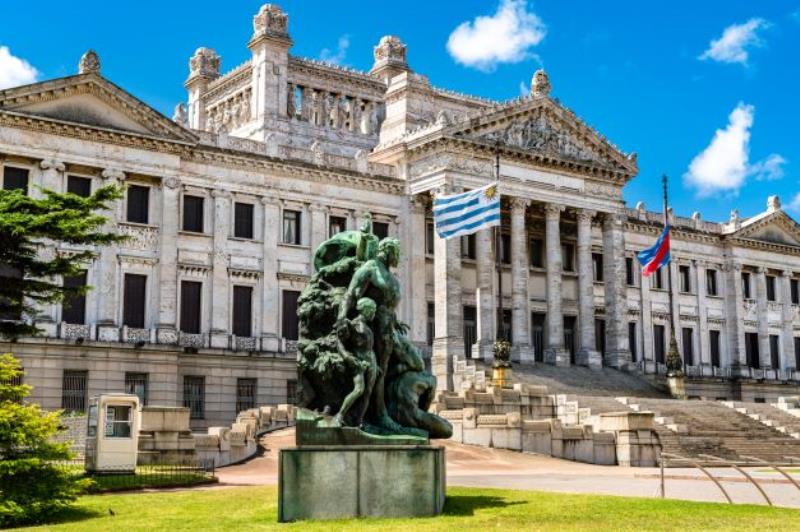
Montevideo rewards the curious traveler with layers that reveal themselves slowly — a handsome Old Town of crumbling colonial facades and art deco towers, a thriving food culture anchored by the legendary Mercado del Puerto, and a 22-kilometer waterfront Rambla where the whole city seems to stroll at once. Uruguay's capital is one of South America's most livable cities, consistently ranked for quality of life, and that civility is immediately apparent ashore: streets are walkable, locals are genuinely welcoming, and the pace invites exploration rather than rushing. Within a compact historic core, visitors encounter one of the continent's least-told Jewish heritage stories, architectural set pieces ranging from baroque churches to modernist masterworks, and neighborhood markets fragrant with freshly grilled chivito. Six to eight hours ashore is time enough to feel genuinely acquainted with this city on a river as wide as a sea.
Top things to do in Montevideo on a cruise stopover
Jewish Heritage of Montevideo
Uruguay received significant waves of Ashkenazi and Sephardic Jewish immigration in the early 20th century, and Montevideo preserves that legacy in synagogues, community centers, and neighborhood streetscapes that few visitors ever discover. A dedicated heritage tour moves through the blocks of the historic Jewish quarter, uncovering stories of displacement, refuge, and cultural flourishing that add genuine depth to the city's layered identity.
Old Town Architecture Walk
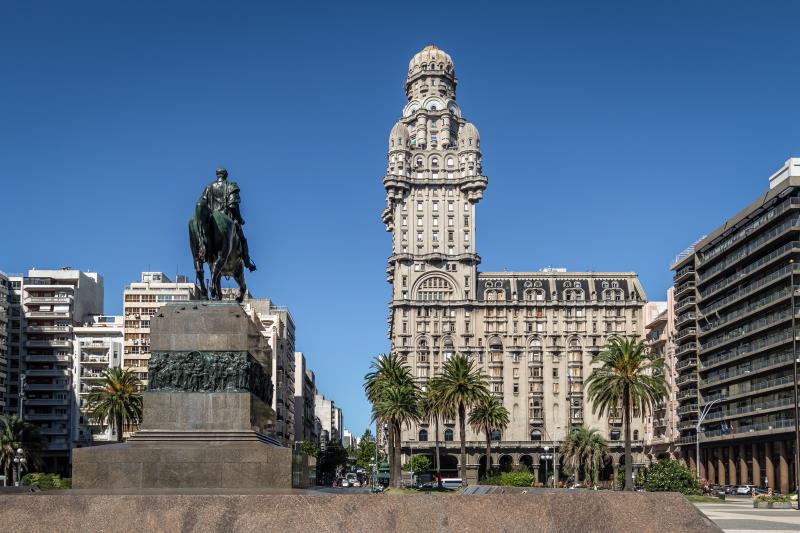
Ciudad Vieja is a living architectural museum where baroque, neoclassical, art deco, and rationalist buildings stand shoulder to shoulder on the same block. The 19th-century Teatro Solís, the colonnaded Plaza Independencia, and the mosaic-tiled Mercado del Puerto form an urban canvas that rewards slow walking with eyes raised — one of the most photogenic historic cores in the Southern Cone.
Mercado del Puerto and Culinary Culture
The 19th-century iron-and-glass market hall near the waterfront operates as Montevideo's most theatrical dining experience. Parrilleros tend roaring wood fires behind open counters while waiters ferry plates of mollejas, chorizos, and cuts of beef that define Uruguayan asado culture. Arriving mid-morning to watch fires being built — then staying for a long, convivial lunch — is the correct way to experience this city institution.
The Rambla Waterfront
Montevideo's defining public space is a 22-kilometer promenade tracing the northern shore of the Río de la Plata. Joggers, cyclists, mate-drinking retirees, and families with strollers share this broad esplanade framed by river vistas that blur the boundary between river and sea. A morning walk along even a short stretch communicates the city's character more directly than any museum could.
Palermo and Pocitos Neighborhoods
Beyond Ciudad Vieja, Montevideo's residential neighborhoods offer art galleries, independent bookshops, weekend ferias, and sidewalk cafés operating at a distinctly Uruguayan tempo. Palermo's Plaza Varela has become a hub for design and gastronomy; Pocitos fronts the river with an urban beach that fills on summer afternoons and offers an authentic window into daily Montevidean life.
Uruguayan Arts and Cultural Institutions
The Museo Nacional de Artes Visuales holds Latin America's largest collection of works by Joaquín Torres García, the Uruguayan constructivist whose influence on 20th-century art extends far beyond the region. The Cabildo and the Museo del Carnaval offer complementary windows into the city's colonial past and its famously extravagant Candombe and Murga carnival traditions.
Montevideo travel tips
Understand Mate Etiquette. Mate is Uruguay's national drink and a deeply personal social ritual. If a local offers you their gourd and bombilla, accept graciously — it is a gesture of genuine welcome, not a tourist performance. The gourd is shared and refilled by the host; simply hand it back when finished rather than passing it along yourself.
Time the Mercado del Puerto Correctly. The market reaches peak atmosphere between noon and 2 p.m., when tables fill with locals and the smell of wood smoke is at its most intoxicating. For a quieter browse of the stalls and butchers' displays, arrive before 11 a.m. when vendors are still setting up. The market is closed on most evenings and Sundays are limited.
Use City Center ATMs for Currency. Withdraw Uruguayan pesos from bank ATMs a few blocks into Ciudad Vieja rather than at the port terminal perimeter, where exchange rates are noticeably less favorable. Most sit-down restaurants and shops quote prices in Uruguayan pesos, and smaller vendors may not accept foreign currency.
Pack Sunscreen and a Wind Layer. The Río de la Plata shoreline is almost always breezy, and UV levels at this latitude are higher than most visitors expect. Sunscreen and a light wind-resistant jacket are both practical even on warm, apparently clear days — the combination of wind and intense southern-hemisphere sun catches many visitors off guard.
Wear Comfortable Walking Shoes. Ciudad Vieja's cobblestone streets and uneven sidewalks make supportive footwear genuinely important. The historic core is compact and best explored on foot over several hours, so comfort matters far more than appearance. Sandals and dress shoes both struggle on the older paving stones.
Seek Out the Sunday Feria if You Can. If your ship calls on a Sunday, make time for the Feria de Tristán Narvaja in the Cordón neighborhood — Montevideo's enormous weekly flea and food market, one of the most atmospheric in South America. Vendors spread across multiple city blocks with antiques, books, produce, street food, and live music from mid-morning through early afternoon.
Port Facts Every Cruiser Needs To Know
Montevideo shore excursion FAQs
The Terminal Fluviomarítima sits at the eastern edge of Ciudad Vieja. Most historic sights — the main plaza, the iron market hall, the Teatro Solís — are within a 10-to-20-minute walk of the gangway, making Montevideo one of the most walkable cruise ports in South America. No transport is required to reach the core of the city.
Yes. Montevideo consistently ranks among South America's safest capitals for visitors. Ciudad Vieja, the waterfront Rambla, and the central plazas are active with locals throughout the day. Standard travel awareness — keeping valuables in a front pocket or bag close to the body, staying in well-trafficked areas — is all that is needed.
Uruguayan pesos (UYU) are useful for small purchases, cafés, and markets. US dollars are accepted at many tourist-facing businesses, though change is typically returned in pesos. Credit cards work reliably at restaurants and larger shops throughout Ciudad Vieja. Withdraw pesos from a city-center ATM for the best available rate.
English is understood at most hotels, tour offices, and tourist-oriented restaurants in Ciudad Vieja. Venture a few blocks from the main tourist corridor and Spanish becomes essential. Uruguayans speak clearly and at a measured pace, making basic Spanish comprehension easier here than in many South American capitals.
The Mercado del Puerto is the landmark culinary experience — a 19th-century market hall where open-fire parrillas serve Uruguay's celebrated beef alongside chorizos, morcillas, and local wines. Away from the market, the chivito (Uruguay's layered beef sandwich) and medialunas (buttery croissants at any café) are street-level staples that define the city's food character.
November through March offers the warmest, sunniest conditions for walking and outdoor dining. That said, Montevideo's temperate climate makes a pleasant day ashore possible year-round. Visitors arriving in February may coincide with Carnival — one of South America's longest and most distinctive celebrations, anchored in Candombe drumming and Murga theatrical performance.
Both approaches work well. Ciudad Vieja's compact layout and clearly signed streetscape make independent exploration genuinely rewarding. Guided tours add the most value for specialist themes — Jewish heritage, architectural history, or the city's art movements — where context transforms what you see from attractive facades into understood history.
A focused half-day (four to five hours) covers Ciudad Vieja's plazas, the Mercado del Puerto, and a stretch of the Rambla comfortably. A full port day allows for an outlying neighborhood like Palermo or a visit to the Museo Nacional de Artes Visuales without feeling rushed. Montevideo suits both short and extended port calls.
Montevideo's urban beach at Ramírez and the more popular Pocitos beach are both accessible by city bus from the historic center. Neither rivals Uruguay's famous Punta del Este coastline for surf and sand, but both offer an authentic local beach scene on warm summer days and are within easy reach on a port afternoon.
Uruguay is renowned for leather goods and fine wool products. The independent shops a block or two into Ciudad Vieja stock well-crafted leather bags and belts, handwoven textiles, and local wines and olive oils that travel well. Seek out artisan shops away from the immediate port perimeter, where quality and originality are considerably higher than at souvenir stalls.
Filters
Select a filter to refine results.
Tour Type
Tour Activity
 Cart
Cart
 USD
USD GBP
GBP AUD
AUD EUR
EUR CAD
CAD