



Tours in Panama City (Fuerte Amador)


Cruising to Panama City (Fuerte Amador) in a group?
Skip the crowded ship excursion bus. One dedicated planner will design a private shore experience around exactly what your group wants — coordinated from first enquiry to the moment you're back on board. More memorable, more flexible, and more affordable than you might expect. Spend less time organising, more time enjoying.
Explore Group Travel →Cruising to Panama City (Fuerte Amador)
Panama punches far above its weight as a cruise destination, and the port at Fuerte Amador puts you at the doorstep of one of the most remarkable feats of human engineering ever completed. The Panama Canal — 51 miles of waterway that stitched two oceans together in 1914 — is not merely a historic curiosity. It remains one of the busiest maritime corridors on earth, and watching a massive container ship ease through the Miraflores Locks with just feet to spare on either side is a genuinely jaw-dropping experience that cruise travelers return home talking about for years.
But Panama City is far more than its canal. The Casco Viejo, the city's beautifully restored colonial quarter, earned UNESCO World Heritage status for the richness of its Spanish and French architecture, its crumbling romantic facades draped in bougainvillea, and its increasingly vibrant restaurant and arts scene. A short drive in the other direction reveals the glittering towers of Panama's financial district — a skyline that surprises nearly every first-time visitor with its scale and ambition. Panama is quietly one of the most cosmopolitan cities in the Americas.
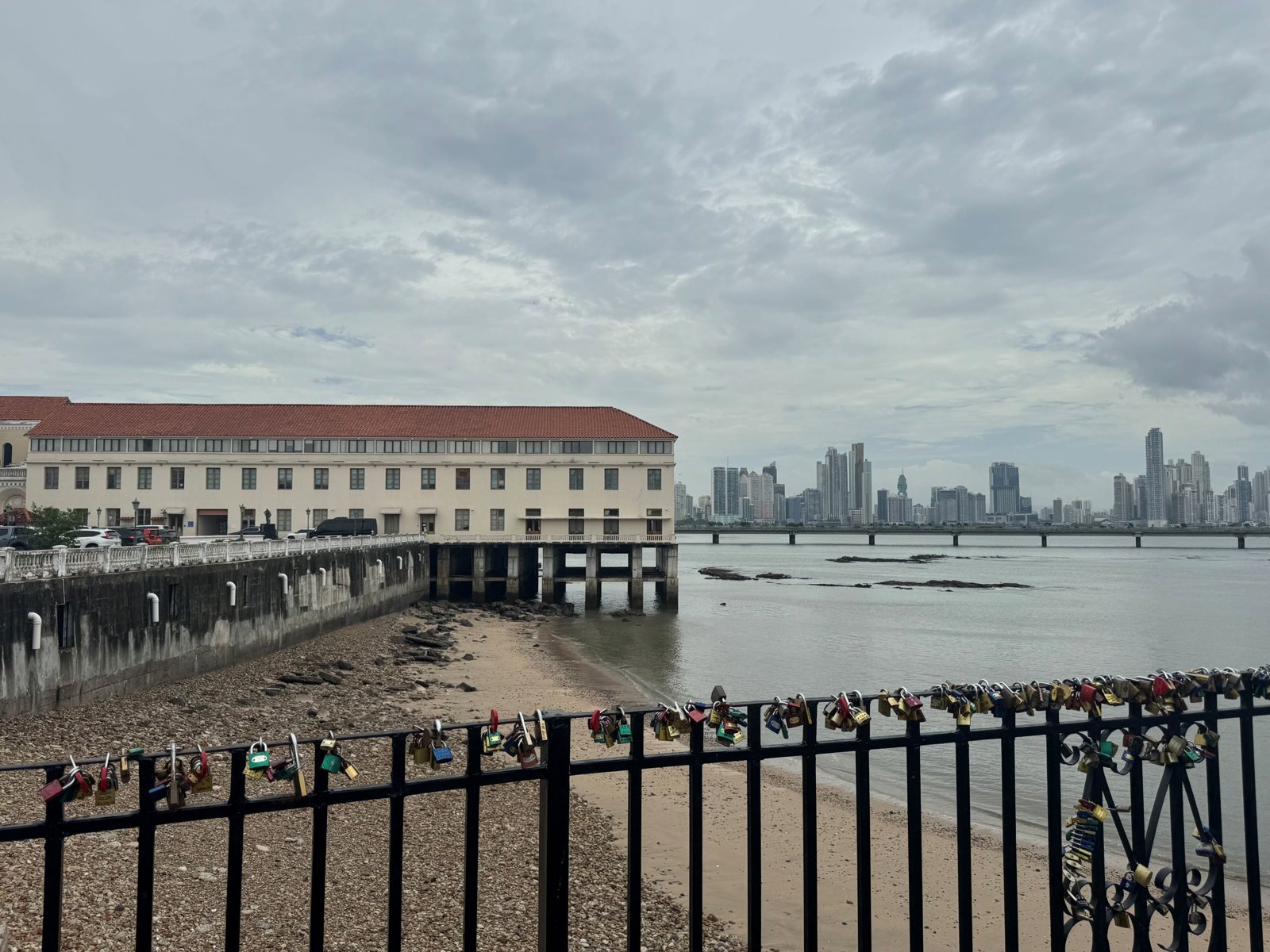
Fuerte Amador's cruise terminal sits on the Amador Causeway, a scenic strip of land connecting three small islands in Panama Bay. The causeway itself offers waterfront restaurants, the striking Biodiversity Museum (designed by architect Frank Gehry), and sweeping views of both the Pacific horizon and the Panama City skyline across the bay. With 6 to 10 hours ashore, you can stand at the edge of the canal locks, lose yourself in Casco Viejo's plazas, and still watch the sun set over the Pacific from a causeway terrace.
Top things to do in Panama City (Fuerte Amador) on a cruise stopover
Panama Canal at Miraflores: Watch the World's Oceans Meet
The Miraflores Locks Visitor Center is one of those rare travel experiences that lives up to, and often exceeds, its reputation. From elevated observation decks just meters from the action, you watch vessels of extraordinary scale — container ships, tankers, cruise ships — navigate through the lock chambers with an almost impossible precision, lifted or lowered some 85 feet between sea level and Gatun Lake by gravity-fed water alone. The visitor center includes four floors of exhibits covering the canal's history, engineering, and global economic significance, an IMAX-style film, and a restaurant with lock views. Guides are on hand to explain the transit process in real time. Plan 2 to 3 hours here — the combination of the physical spectacle and the historical context makes it deeply compelling. Approximately 20 minutes from the Fuerte Amador cruise terminal by taxi.
Casco Viejo: Panama City's UNESCO Colonial Quarter
Declared a UNESCO World Heritage Site, Casco Viejo is one of the great historic quarters in the Americas — and one of the most photogenic. Founded in 1673 after the original Panama City was sacked by the pirate Henry Morgan, the old town occupies a narrow peninsula jutting into Panama Bay, its streets lined with Spanish colonial churches, French-influenced townhouses, and crumbling facades draped in tropical flowers. In recent decades, a careful wave of restoration has transformed the neighborhood, bringing boutique hotels, rooftop bars, art galleries, and acclaimed restaurants into buildings that might be centuries old. Plaza Bolívar, the Metropolitan Cathedral, the ruins of the original Iglesia de Santo Domingo (home to the famous flat arch that allegedly swayed Panama's selection as the canal route over Nicaragua), and the Presidential Palace are all within walking distance of each other. Allow 2 to 3 hours to wander properly.
Amador Causeway: Waterfront Views, the Biodiversity Museum & Easy Hours
The Amador Causeway — a scenic strip of reclaimed land connecting three small Pacific islands — is literally where your ship docks, and it deserves more attention than most passengers give it. The causeway offers unobstructed views of the Panama City skyline shimmering across the bay and front-row seats to canal traffic entering and exiting the Pacific. The star attraction here is the Biodiversity Museum, designed by architect Frank Gehry, its signature multicolored metallic roof fins making it one of the most visually distinctive buildings in all of Central America. Inside, the museum tells the story of how the Isthmus of Panama formed and transformed global biodiversity — a genuinely fascinating narrative. The causeway is also lined with seafood restaurants, marina bars, and rental bikes. It's an ideal base for those who prefer a relaxed, low-transit port day without sacrificing quality.
Panama City's Modern Skyline: The Manhattan of Central America
First-time visitors to Panama City are almost universally stunned by the skyline. The cluster of glass towers rising above the Bay of Panama — including the distinctive 70-story Revolution Tower with its horizontal skyscraper element — rivals any city skyline in Latin America and has earned Panama City the informal title of the region's financial capital. The Punta Pacífica and Marbella neighborhoods showcase this modern face of Panama, and the drive between the pier and Casco Viejo provides dramatic views of the contrast between gleaming 21st-century architecture and the colonial rooftops of the old quarter. For those interested in the city's economic transformation — Panama is one of the fastest-growing economies in the hemisphere — this skyline tells the story more vividly than any guidebook.
Metropolitan Natural Park: Jungle Minutes from Downtown
Remarkably, Panama City is home to the only protected tropical rainforest within the city limits of a capital city in the Americas. The Metropolitan Natural Park, a 655-acre reserve on the western edge of the urban area, offers hiking trails through primary and secondary forest where sloths, toucans, white-tailed deer, and myriad tropical birds share the canopy just minutes from downtown hotels. Several marked trails range from easy 45-minute loops to more demanding 2-hour routes, all passing through dense jungle with interpretive signs in English. It's a striking counterpoint to the canal and the colonial quarter — and a reminder that Panama's biodiversity, not just its engineering, is one of its great gifts to the world. Particularly rewarding for bird enthusiasts and nature travelers seeking something off the standard port day circuit.
Panama Viejo Ruins: The Remains of the First European City on the Pacific
On the eastern edge of modern Panama City, the ruins of the original Panamá la Vieja — the first European settlement on the Pacific coast of the Americas, founded in 1519 — rise from the waterfront in dramatic fashion. The stone tower of the old cathedral is the city's defining historic silhouette, visible for miles and particularly striking against the backdrop of the gleaming modern skyline behind it. The site was sacked by Henry Morgan in 1671, and the ruins were never rebuilt — the city was relocated to Casco Viejo instead. Today the UNESCO-listed archaeological site includes a museum with pre-Columbian artifacts and Spanish colonial gold, walking paths through the stone remains, and some of the best views of Panama Bay available anywhere in the city. It pairs naturally with a Casco Viejo visit for those interested in the full arc of Panamanian history.
Panama City (Fuerte Amador) travel tips
Combine the Canal and Casco Viejo — They're Both Within Easy Reach. The most satisfying Panama port day pairs Miraflores Locks in the morning (when lock activity is typically busiest and the light is good for photography) with Casco Viejo in the early afternoon for lunch, wandering, and perhaps a rooftop drink with views over Panama Bay. Both are approximately 20 minutes from the Fuerte Amador terminal by taxi, and the drive between the two is straightforward. Tell your taxi driver your full itinerary and ask them to wait at Miraflores — many will agree for a set price and make the logistics seamless. Allow at least 2 hours at the locks and 90 minutes to 2 hours in Casco Viejo for a satisfying visit to each.
Use Ride-Share Apps for Transparent, Consistent Pricing. Uber operates reliably throughout Panama City and typically offers lower, metered fares compared to street taxis negotiated near the cruise terminal. InDriver is another local option. If you have a data plan or can connect to Wi-Fi at the terminal, downloading one of these apps before disembarking saves both money and the negotiation process. For return trips from Casco Viejo or Miraflores, ride-share also eliminates the challenge of finding an available taxi in a busy area. Licensed street taxis are a perfectly fine alternative — just agree on the fare before departing and confirm it covers all stops if you're making multiple.
Visit Miraflores Early — Lock Activity Peaks in the Morning. The Panama Canal operates continuously, but ship transits tend to cluster in the morning hours as vessels that anchored overnight in Panama Bay begin their passage. Arriving at Miraflores by 8:30 or 9am gives you the best chance of seeing multiple vessels transit while you're there. The visitor center opens early and the observation decks are less crowded before cruise ship excursion groups arrive around 10am. The on-site restaurant also serves breakfast with lock views — a legitimately memorable way to start a port day. If your ship arrives late and you only reach the locks by midday, you'll still see activity, but morning visits are consistently more rewarding.
Explore Casco Viejo on Foot — It Rewards Wandering. Casco Viejo is compact enough to explore entirely on foot, and its greatest pleasures are found by wandering away from the main plaza rather than ticking off a checklist. Duck into side streets to find hidden courtyards, local cafes, and beautifully restored facades with no tourist crowds. The neighborhood has excellent English-language signage and is safe for independent exploration during daylight hours — it has undergone significant transformation and is well-patrolled. Wear comfortable shoes, as the streets are cobblestone throughout. Plaza Francia, at the peninsula's tip, offers sweeping views of the bay and the modern skyline — a perfect spot to stop and take in the improbable juxtaposition of old and new Panama.
Build in Traffic Buffer Time for the Return to the Ship. Panama City traffic can be unpredictable, and afternoon congestion on the routes back toward Fuerte Amador can add significant time to what should be a short drive. On a busy day, a 20-minute drive from Casco Viejo can stretch to 40 minutes or more. Always build at least 45 minutes of buffer into your return timing from any part of the city. If you're cutting it close, ask your driver to use an alternate route or use the navigation app on your phone to check real-time traffic. The causeway road back to the terminal has limited alternate routes — don't leave your return trip to chance.
Don't Overlook the Causeway Itself — It's a Destination. Many passengers make a beeline for the canal or Casco Viejo and never properly explore the Amador Causeway right at the terminal. The causeway has genuinely excellent seafood restaurants, a charming marina, the architecturally spectacular Biodiversity Museum, and unobstructed views of both the Pacific and the Panama City skyline that rival anything you'll see further into the city. If you prefer a lighter port day or are returning with limited time before all-aboard, the causeway offers a fully satisfying few hours — a waterfront lunch, a walk through the Biodiversity Museum, and a cold Balboa beer while watching container ships queue for their canal transit. It's far more than a simple walk from the pier.
Port Facts Every Cruiser Needs To Know
Panama City (Fuerte Amador) shore excursion FAQs
Cruise ships dock directly at the Fuerte Amador cruise terminal on the Amador Causeway — no tendering required. The terminal is modern and well-equipped, with taxis, tour operators, and transportation readily available at the exit. The Amador Causeway itself has restaurants, the Biodiversity Museum, and waterfront walking paths accessible on foot from the terminal.
From the Fuerte Amador causeway and terminal, you'll have excellent views of Panama Bay and can observe ships queuing to enter the Pacific locks — a compelling preview of what awaits at Miraflores. However, the lock chambers themselves are not visible from the terminal. A 20-minute taxi or tour bus ride takes you to the Miraflores Locks Visitor Center, where you can watch vessels transit the locks from elevated observation decks just meters away.
Plan on 2 to 3 hours at Miraflores to do it justice. The observation decks, museum exhibits, film, and dining experience each take meaningful time. If you're purely focused on watching one or two lock transits from the deck, 90 minutes is the minimum. Add travel time of approximately 20 minutes each way from Fuerte Amador. Arrive early (by 9am if possible) for the best combination of ship activity and smaller crowds.
Yes — Casco Viejo has undergone significant restoration and revitalization and is considered safe for tourists during daylight hours. The neighborhood is well-patrolled, well-lit, and increasingly populated with hotels, restaurants, and residents. Standard travel awareness applies: keep your phone in your pocket in crowded plazas, don't leave bags unattended, and stick to the main tourist zones rather than the edges of the neighborhood that haven't yet been restored. Most visitors explore Casco Viejo entirely independently without incident.
Panama officially uses the US dollar — no currency exchange is necessary. The Balboa, Panama's nominal currency, is pegged 1:1 to the dollar and exists only in coin form; paper currency is US dollars. Credit cards are widely accepted at tourist sites, restaurants, and shops. Carry some small-denomination USD bills for taxis (if not using ride-share), tips, and small market vendors.
Yes — combining both is the most popular and rewarding itinerary for a Panama port day, and it's very manageable with 8 or more hours ashore. Spend the morning at Miraflores Locks (depart the terminal by 8:30–9am for the best lock activity), then head to Casco Viejo for a late morning or early afternoon visit including lunch. Return to the terminal by mid-afternoon to allow for traffic. The two sites are approximately 15 minutes apart by taxi, and a driver willing to wait between stops makes the logistics simple.
The Biomuseo (Biodiversity Museum), designed by world-renowned architect Frank Gehry, is one of the most visually striking buildings in Central America — its polychromatic metallic roof fins are unmistakable from across Panama Bay. The museum's eight galleries tell the story of how the formation of the Isthmus of Panama transformed global biodiversity by connecting North and South America and separating two oceans. Exhibitions are engaging, well-designed, and available in English. A visit takes 60 to 90 minutes. Its location on the Amador Causeway, just a short walk from the cruise terminal, makes it an ideal option for those who want cultural enrichment without a long transit.
Ceviche is Panama's standout street food — fresh, citrus-marinated fish or shrimp served in small cups, sold at markets and restaurants throughout the city. Sancocho (a hearty chicken and vegetable stew) is the national comfort food. Patacones (twice-fried green plantains served with various toppings) make an excellent snack. Casco Viejo has a thriving restaurant scene ranging from traditional Panamanian fondas to upscale international dining — La Casa de Lourdes and Donde José are frequently cited as highlights. The causeway's seafood restaurants offer fresh Pacific fish with bay views.
The Miraflores Locks Visitor Center focuses on the original lock chambers, which still handle a significant portion of canal traffic and remain the most accessible and dramatic viewing experience for visitors. The expanded locks (the Agua Clara Locks on the Atlantic side and the Cocolí Locks on the Pacific side), which accommodate the larger New Panamax vessels, are a separate facility not visible from Miraflores. The Cocolí Locks can be visited on dedicated excursions, but they're further from the Fuerte Amador terminal and require a more committed half-day. The Miraflores experience remains the gold standard for most cruise port day visitors.
With 6 hours, prioritize one or two highlights rather than trying to cover everything. The Panama Canal at Miraflores and Casco Viejo are the two non-negotiables for most travelers — together they give you Panama's engineering marvel and its historical soul. Panama Viejo ruins, Metropolitan Natural Park, and the modern financial district are rewarding additions on longer port days but are best saved for a return visit if time is short. The Amador Causeway and Biodiversity Museum are conveniently located at your terminal and require no transit time — excellent for filling the last hour or two before all-aboard.
Filters
Select a filter to refine results.
Tour Type
Tour Activity
 Cart
Cart
 USD
USD GBP
GBP AUD
AUD EUR
EUR CAD
CAD