



Tours in Puerto Montt


Cruising to Puerto Montt in a group?
Skip the crowded ship excursion bus. One dedicated planner will design a private shore experience around exactly what your group wants — coordinated from first enquiry to the moment you're back on board. More memorable, more flexible, and more affordable than you might expect. Spend less time organising, more time enjoying.
Explore Group Travel →Cruising to Puerto Montt
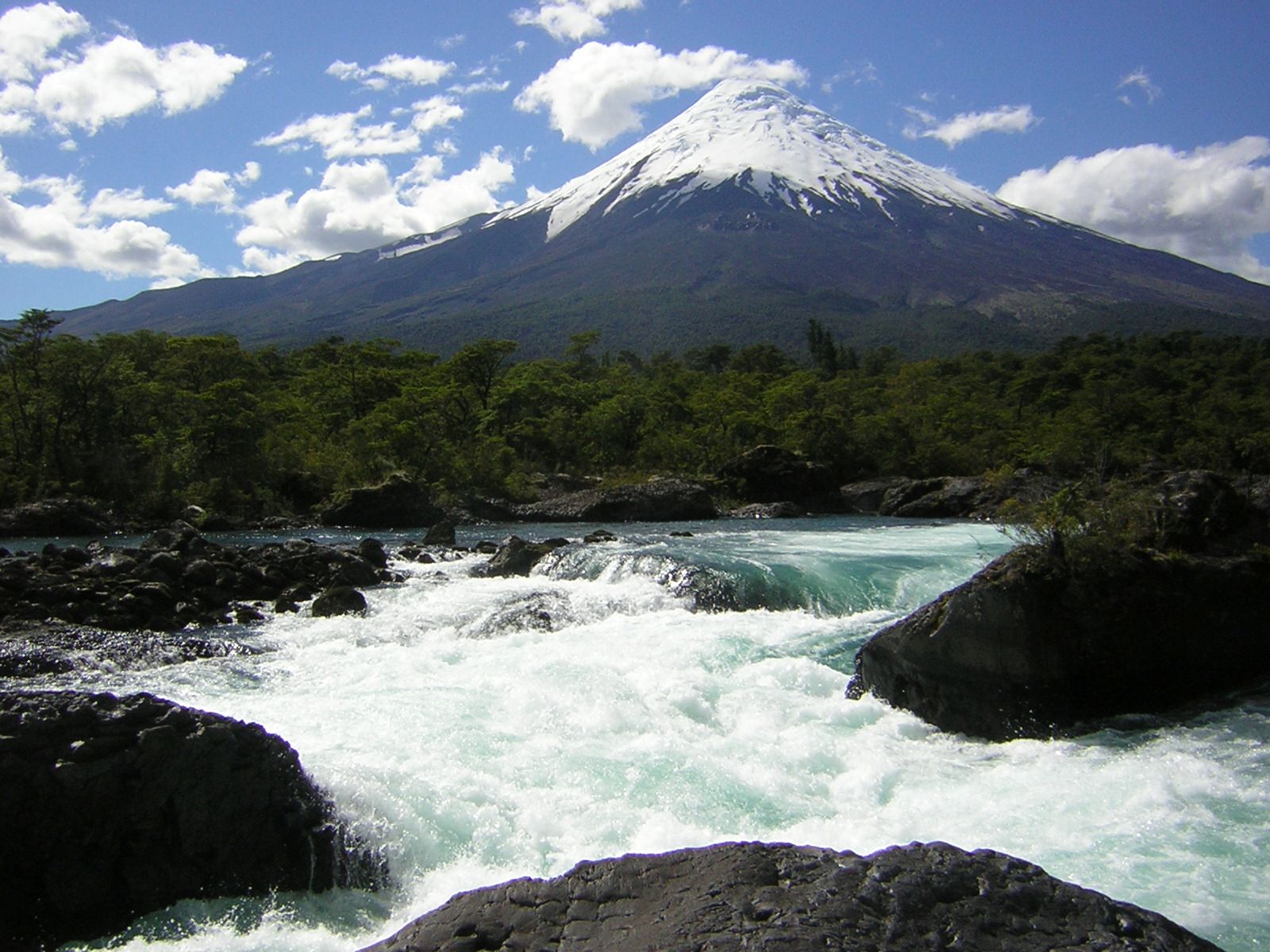
Puerto Montt anchors the northern edge of Chilean Patagonia, where the Andes descend dramatically into a landscape of glacial lakes, river gorges, and perfectly conical volcanoes. Founded in 1853 by German settlers who left an enduring architectural imprint on the region, the city serves today as the primary gateway to one of South America's most arresting natural corridors. Within an hour's drive of the port, Vicente Pérez Rosales National Park — Chile's oldest — unfolds across ancient lava fields, temperate rainforest, and the shores of Lake Llanquihue, all dominated by the graceful symmetry of Osorno Volcano. The Petrohue River, rushing turquoise through hardened lava channels, culminates in a series of falls that rank among the most photogenic in South America. Back in the city, the bustling Angelmó waterfront market offers smoked seafood, local cheeses, and crafts reflecting the region's mixed Chilote and German heritage. Cruise visitors who venture beyond the port find a landscape of extraordinary variety packed into a remarkably compact area — volcanic, aquatic, and forested all at once.
Top things to do in Puerto Montt on a cruise stopover
Petrohue Falls
The Petrohue River forces its way through channels carved into ancient black lava, producing a series of turquoise cascades framed by temperate rainforest. The contrast between the vivid glacially-fed water and the dark volcanic rock is unlike almost any other waterfall landscape in South America, and short well-maintained trails along the river's edge bring visitors directly to the action.
Osorno Volcano
Rising to 2,652 metres with a near-perfect conical profile, Osorno is one of Chile's most recognizable natural landmarks. Viewed from the lakeshore or from within the national park, the snow-capped summit dominates the horizon on clear days and creates a backdrop that has drawn photographers and painters to the region for more than a century. Its symmetry rivals that of Japan's Fuji.
Vicente Pérez Rosales National Park
Chile's oldest national park encompasses the volcanic terrain around Osorno, the shores of Lakes Llanquihue and Todos los Santos, and dense temperate rainforest sheltering species found nowhere else on Earth. The park's ancient lava fields — formed by historical eruptions — create a strikingly lunar terrain through which the turquoise Petrohue River cuts its improbable path.
Lake Llanquihue Panoramas
One of South America's largest lakes, Llanquihue stretches across 860 square kilometres and mirrors the peaks of Osorno and Calbuco volcanoes on still mornings. The lakeside towns that developed from 19th-century German colonization add a distinctly European character to the Chilean Andean scenery — an incongruous and deeply appealing combination.
Angelmó Waterfront Market
Puerto Montt's historic fish market is a full-sensory immersion in the seafood traditions of southern Chile. Smoked fish, dried shellfish, centolla crab, and regional cheeses fill the covered stalls, while traditional curanto and chapaleles offer a taste of Chiloé island cooking that has defined this coastline for generations. It is the most authentic culinary destination within walking distance of the port.
Puerto Varas Colonial Quarter
A short bus ride from the port, the lakeside town of Puerto Varas preserves some of the region's finest 19th-century German colonial architecture. Lakefront promenades, painted wooden churches, and rose-edged gardens create a scene that feels transplanted from Bavaria — set against a backdrop of Andean volcanoes and the vast blue expanse of Lake Llanquihue.
Puerto Montt travel tips
Dress in Waterproof Layers. Even on bright summer mornings, conditions in the Lake District can shift within an hour. A waterproof outer shell, a mid-layer fleece, and shoes with solid grip are the minimum for comfort at the falls or on volcanic terrain. Avoid cotton in wet conditions — it holds moisture and chills quickly.
Apply High-SPF Sun Protection. Southern Chile's ozone layer is significantly thinner than in northern latitudes, making UV radiation intense even on overcast days. Apply SPF 50 sunscreen before leaving the ship and reapply regularly throughout the day, particularly if you spend time at elevation near the volcano.
Head to the National Park First. Petrohue Falls and the Osorno Volcano viewing areas are most peaceful and photogenic in the morning before organized groups arrive around midday. If your ship docks early, prioritize the Lake District and save the Angelmó market visit for your return journey to the port.
Carry Chilean Pesos for the Market. Angelmó market stalls generally prefer or require local currency. Exchange before heading out or use a city center ATM — the market is not the place to discover your card is not accepted when you have smoked salmon in hand.
Manage Expectations Around Volcano Views. Osorno's summit is hidden behind cloud cover on a significant number of days, even in summer. Clear views are most likely before noon on settled weather days. If the summit is socked in, the lava fields, lake shores, and falls remain spectacular regardless — the landscape does not depend on the volcano being visible.
Reserve Time for Seafood Before Reboarding. The Angelmó market and its surrounding restaurants deserve more than a rushed glance. Reserve your final hour ashore for a bowl of caldillo de mariscos — the region's signature shellfish soup — or a plate of fresh centolla. It is one of the most genuinely local culinary experiences in all of southern Chile and requires no advance planning.
Port Facts Every Cruiser Needs To Know
Puerto Montt shore excursion FAQs
Puerto Montt operates as a dock port for most cruise ships. Vessels typically berth at the cruise terminal on the waterfront, providing direct access to the city. Confirm with your ship's shore excursion desk, as berthing arrangements can occasionally vary by vessel size.
Petrohue Falls and the Osorno Volcano viewing area are approximately 75–90 km from the port, representing a 75–90 minute transit each way depending on traffic and road conditions. Plan your day accordingly — this is a commitment of most of your time ashore.
The city center and waterfront area are generally considered safe for tourists. As in any port city, remain attentive in crowded market areas, keep valuables secured, and stick to well-trafficked routes. The areas immediately surrounding the terminal and Angelmó market are regularly frequented by visitors.
It is possible to reach the park area via local buses from Puerto Montt's regional bus terminal, with connections through Ensenada toward Petrohue. However, the journey involves multiple legs, is time-consuming in both directions, and requires careful planning to ensure you return to the ship before all-aboard. For a port day with limited time, independent bus travel to the national park is logistically challenging.
Waterproof footwear with solid traction is important — the paths near the falls traverse uneven volcanic rock that can be slippery when wet. Bring a waterproof jacket regardless of the morning's forecast, and dress in removable layers so you can adapt as conditions change throughout the day.
The Chilean Peso (CLP) is the local currency. US dollars are accepted at many tourist-facing businesses, hotels, and larger restaurants. Market stalls and smaller cafés typically prefer local currency. ATMs are available near the port and in the city center.
Puerto Montt is renowned as one of Chile's premier seafood destinations. Caldillo de mariscos (shellfish soup), centolla (southern king crab), and curanto — a traditional Chiloé dish of shellfish, meat, potatoes, and dumplings steamed underground — are the regional highlights. The Angelmó market is the most authentic place to sample all of these.
The national park and lake areas support Andean condors, black-necked swans, and various Patagonian bird species. Lake Llanquihue and the Petrohue River corridor are particularly productive for birdwatchers. Sea lions are occasionally visible around the port waterfront area.
Cruise season runs broadly from October through March. Expect mild temperatures between 12–20°C (54–68°F) with a realistic chance of rain on any given day. Genuinely clear days occur but cannot be counted upon. Overcast conditions often make the waterfalls and rainforest scenery more dramatic — the Lake District is beautiful in any weather.
The Angelmó market along the waterfront offers the most authentic and locally distinctive shopping: regional woolens, hand-carved wood, smoked and dried seafood products, local honey, and handicrafts from the Chiloé archipelago. It is one of the most visited and well-stocked artisan markets in southern Chile and is an easy walk from the terminal.
Filters
Select a filter to refine results.
Tour Type
Tour Activity
 Cart
Cart
 USD
USD GBP
GBP AUD
AUD EUR
EUR CAD
CAD