



Tours in Rio De Janeiro









Cruising to Rio De Janeiro in a group?
Skip the crowded ship excursion bus. One dedicated planner will design a private shore experience around exactly what your group wants — coordinated from first enquiry to the moment you're back on board. More memorable, more flexible, and more affordable than you might expect. Spend less time organising, more time enjoying.
Explore Group Travel →Cruising to Rio De Janeiro
Few cities on earth make a first impression like Rio de Janeiro. The approach by sea — with the granite peaks of Corcovado and Pão de Açúcar rising from a jungle-covered coastline, Ipanema and Copacabana glittering below — ranks among the most dramatic arrivals in maritime travel. But Rio is far more than its iconic silhouette. It is a city of distinct neighborhoods, each with its own personality: the colonial character of Santa Teresa, the bohemian energy of Lapa, the beach culture of the Zona Sul, the year-round infrastructure of Carnival. A cruise stop here can be as focused or as wide-ranging as time allows — a single legendary summit, a night of samba and dinner, a hands-on cooking class, or a full-day immersion across neighborhoods that most visitors never reach. Whatever the port day allows, Rio is a city that rewards every hour given to it.
Top things to do in Rio De Janeiro on a cruise stopover
Sugar Loaf & Corcovado: Rio's Twin Icons in a Single Day
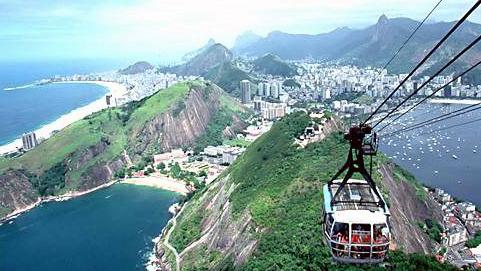
No visit to Rio is complete without ascending at least one of its legendary summits — and a full day makes ascending both deeply satisfying. Sugar Loaf (Pão de Açúcar) offers a two-stage cable car ride over Guanabara Bay to a 396-meter granite peak with panoramic views of the city, coast, and mountains. Corcovado's Christ the Redeemer statue, arms outstretched 710 meters above the city on a jungle-covered peak, is one of the most affecting sights in the world — even more so in person than in any photograph. Combined in a full day with a Brazilian barbecue lunch, these two experiences define Rio for a reason.
Rio by Night: Samba Shows & Brazilian Dinner
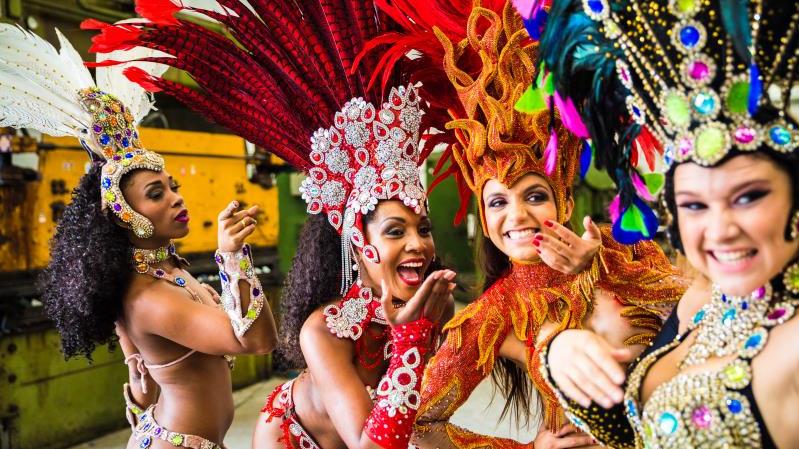
Rio after dark is a city transformed. A proper samba show — with live percussion, elaborate Carnival-style costumes, and the irreducible joy of one of the world's great dances — is among the most memorable evenings available anywhere in South America. Paired with a dinner of Brazilian classics including feijoada, churrasco, and caipirinhas, a night out in Rio connects visitors to the cultural heartbeat of a city that invented its own rhythm and has been perfecting it for centuries.
Carnival Culture: The Story Behind the World's Greatest Festival
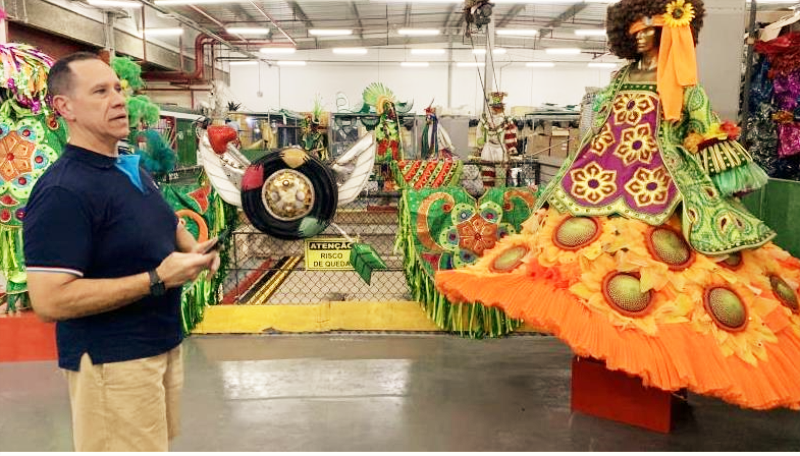
Rio's Carnival is arguably the world's most famous annual event, but most visitors only know its televised surface. Discovering the year-round story — the samba school rehearsals, the costume ateliers, the competitive architecture of neighborhood rivalry, the months of preparation that produce two hours of spectacle at the Sambadrome — reveals a community tradition of extraordinary depth and commitment. Exploring this cultural infrastructure at any time of year is one of Rio's most genuinely illuminating experiences.
Culinary Rio: Cooking Classes & the Flavors of Brazil
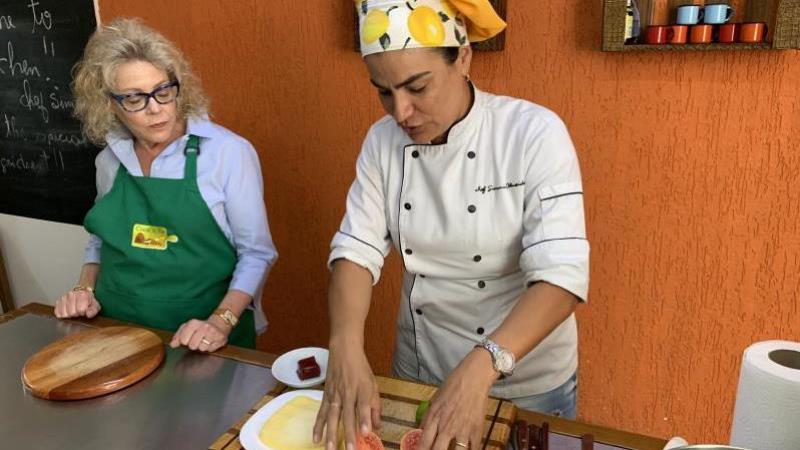
Brazilian cuisine in Rio is rich and regionally layered: feijoada slow-cooked with black beans and pork, fresh seafood from Guanabara Bay, pão de queijo baked golden from Minas Gerais tradition, caipirinhas crafted from artisanal cachaça. A hands-on culinary class connecting visitors to the ingredients, techniques, and stories behind the food is a rewarding departure from the sightseeing circuit — and one of the most lasting souvenirs any traveler brings home from a port day in Rio.
Full-Day Cultural Immersion Across Rio's Neighborhoods
Beyond the postcard icons, Rio's neighborhoods tell stories that most cruise visitors never have time to reach. Santa Teresa's bohemian hillside streets harbor art studios, colonial houses, and the city's most interesting restaurant scene. Lapa's arched aqueduct and weekend street culture offer a completely different energy. The city center's Belle Époque architecture, the Selarón Steps, the street art of Santa Marta — a full-day cultural immersion reveals the Rio that Cariocas actually inhabit, a city of extraordinary depth beneath its famous face.
Pre & Post-Cruise Rio: Turning Transit Days Into Real Encounters
Rio rewards those who arrive before their cruise or linger after. A pre-cruise morning at Corcovado followed by lunch in Santa Teresa is a near-perfect introduction to the city. Sugar Loaf at late afternoon, with the sun dropping over the bay, is one of the great visual experiences in South America. A post-cruise full day combining both summits with a Brazilian lunch transforms what might have been a stressful travel day into a genuine encounter with one of the world's great cities — starting or ending a voyage on exactly the right note.
Rio De Janeiro travel tips
Book Summit Tickets Well in Advance. Advance booking for both Corcovado and Sugar Loaf is strongly recommended, particularly in the dry season (May–October) when clear-day demand peaks sharply. The Corcovado Rack Railway has limited timed-entry capacity, and popular slots sell out hours or even days ahead. Walk-up tickets are sometimes available but cannot be relied upon for a time-constrained port visit.
Visit the Summits in the Morning. Cloud cover on both Corcovado and Sugar Loaf changes rapidly in Rio, and afternoons frequently bring convective clouds that obscure the views both from and of the peaks. Arriving at the summits before midday — ideally before 11am — gives the best statistical chance of clear conditions. Flexibility in your itinerary order to respond to real-time weather is a genuine advantage.
Use the Metro to Reach the Beaches. Rio's Metro is an excellent and inexpensive way to move between the port area and the Zona Sul. The system is clean, air-conditioned, and frequent. Purchasing a transport card (Bilhete Único) at any station simplifies travel considerably and is valid across metro, bus, and BRT services. Copacabana and Ipanema are direct Metro rides from the city center.
Dress Respectfully at Religious Sites. The Christ the Redeemer statue on Corcovado sits within Tijuca National Park and contains an active chapel at its base — a place of genuine pilgrimage as well as a tourist destination. Shoulders and knees should be covered when visiting. A light layer carried in a bag is all that is needed, as temperatures at the summit can be cooler than the city below.
Carry Document Copies, Not Originals. It is standard practice throughout Brazil to carry a photocopy or phone photo of your passport rather than the original document when exploring the city. While tourist areas in Rio are generally well-patrolled, leaving valuables secured on the ship and carrying only what you need for the day is sound practice in any large metropolitan destination.
Save Time for Copacabana Promenade. Even an hour on the Copacabana beachfront promenade — watching the daily rhythm of one of the world's most storied stretches of urban beach, from morning joggers to afternoon volleyball games to kiosk-side caipirinhas — is a worthwhile use of port time. It offers a face of Rio that the mountain summits, however spectacular, do not: the easy, democratic, sun-drenched street life of the Carioca coast.
Port Facts Every Cruiser Needs To Know
Rio De Janeiro shore excursion FAQs
The cruise terminal at Praça Mauá sits in the center of Rio, approximately 18 to 20 kilometers from Corcovado by road. The most common route involves the Metro to Largo do Machado or a transfer to the Corcovado Rack Railway from Cosme Velho station. Allow at least 45 minutes of travel time each way, plus the time at the summit itself — typically 60 to 90 minutes minimum.
Yes, but it requires a full day and good planning. Seven or more hours ashore makes both visits comfortable, particularly when combined with lunch. A half-day realistically allows for one summit only. The sequence often depends on weather — checking cloud conditions at each peak and adjusting the order accordingly is a strategy that experienced visitors consistently recommend.
Rio requires the same alert urban awareness as any large metropolitan city. Tourist areas — Corcovado, Sugar Loaf, Ipanema, Copacabana, Santa Teresa, and the city center — are well-traveled and generally safe during daylight hours. Standard precautions apply: avoid displaying expensive jewelry or electronics, stay in populated areas, and be particularly attentive in crowded transit spaces.
Rio Carnival is the world's largest annual festival, held in the days leading up to Ash Wednesday (typically late February or early March). It centers on the Sambadrome parades, where samba schools compete in elaborate processions judged across multiple categories. Street festivals called blocos run throughout the city simultaneously. Outside Carnival season, the cultural infrastructure, rehearsal spaces, and history of the event are accessible year-round.
Feijoada — a slow-cooked black bean and pork stew, traditionally served on Saturdays — is Rio's most iconic dish. Fresh seafood, grilled meats at a churrascaria, pão de queijo (warm cheese bread), and açaí bowls are all worth seeking out. The caipirinha, Brazil's national cocktail made with cachaça, lime, and sugar, is obligatory — and considerably better when made with quality cachaça.
More so than in most Brazilian cities. In the Zona Sul neighborhoods of Ipanema, Copacabana, and Leblon, at major tourist sites, and in upscale restaurants, English is commonly understood. In the city center and more local neighborhoods, Portuguese is the dominant language. Basic Portuguese courtesy phrases are always appreciated and often reciprocated with genuine warmth.
For a short visit focused on iconic experiences, the port's central location gives quick access to city center historic sites and the VLT tram toward Cinelândia. For beach culture, Copacabana is the closest major beach. For a more local, cultural experience, Santa Teresa — reachable by historic tram — offers winding streets, art studios, and colonial architecture that feel genuinely Carioca.
Yes, advance booking is strongly recommended. The Corcovado Rack Railway operates timed-entry slots with limited capacity, and on peak-season clear days these sell out hours in advance. Walk-up tickets are occasionally available, but relying on them for a time-constrained port visit introduces unnecessary risk. Booking online before your cruise eliminates this uncertainty entirely.
The VLT (Veículo Leve sobre Trilhos) is Rio's modern light rail system, connecting the cruise terminal at Praça Mauá directly to the city center, Santos Dumont domestic airport, and Central Station — where connections to the full Metro network are available. It is clean, affordable, and runs frequently, making it the most convenient and practical way to begin exploring the city from the port.
The rainy season from November through March brings warm temperatures but frequent afternoon downpours and a higher probability of cloud cover obscuring the summit views. Rain typically arrives in short, intense bursts rather than sustained all-day rain. A flexible itinerary that prioritizes summit visits in the morning and moves to cultural or covered sites in the afternoon is the most effective strategy for this period.
Filters
Select a filter to refine results.
Tour Type
Tour Activity
 Cart
Cart
 USD
USD GBP
GBP AUD
AUD EUR
EUR CAD
CAD