



Tours in Walvis Bay


Cruising to Walvis Bay in a group?
Skip the crowded ship excursion bus. One dedicated planner will design a private shore experience around exactly what your group wants — coordinated from first enquiry to the moment you're back on board. More memorable, more flexible, and more affordable than you might expect. Spend less time organising, more time enjoying.
Explore Group Travel →Cruising to Walvis Bay
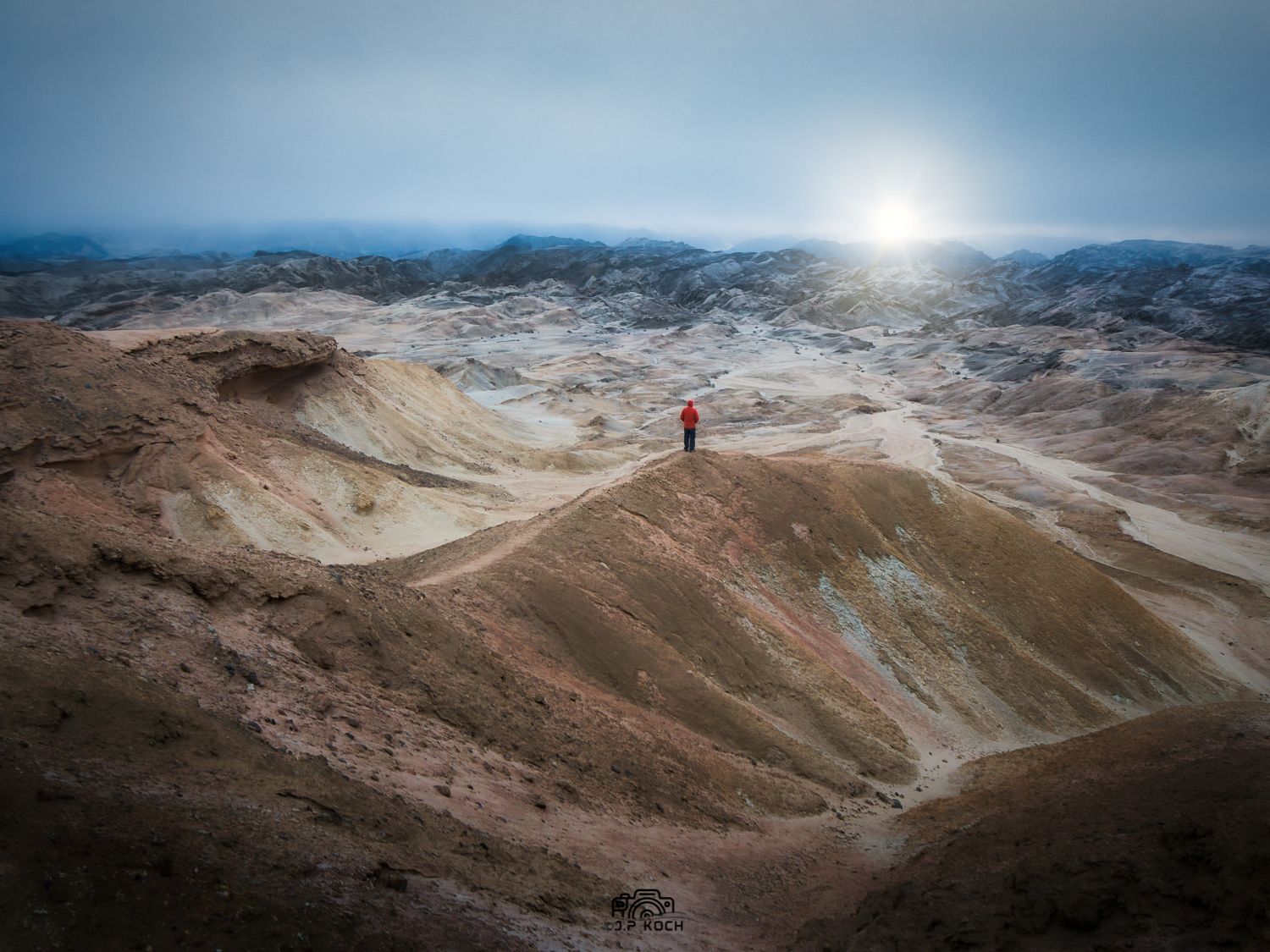
Walvis Bay sits on the edge of improbability — a working harbor city flanked by the cold, flamingo-rich waters of the Atlantic on one side and the ancient, ochre dunes of the Namib Desert on the other. The Namib is considered the world's oldest desert, with fossilized dune systems that have been accumulating for tens of millions of years, and from Walvis Bay that landscape is immediately and overwhelmingly present. The lagoon at the city's edge is a RAMSAR-listed wetland of international importance, supporting vast flocks of greater and lesser flamingos, pelicans, and rare coastal birds year-round. To the south, the dramatic wilderness of Sandwich Harbour offers one of the most surreal panoramas on the continent — a place where 100-meter dunes descend directly into tidal lagoon waters just meters from the cold Atlantic surf, accessible only by specialist 4x4 vehicles through deep coastal sand. To the north, the colonial-era German architecture and café culture of Swakopmund give way to the extraordinary Moonlandscape, an eroded river gorge that resembles the surface of another planet. Among the dunes, Welwitschia plants — living fossils that grow nowhere else on Earth and live for over a thousand years — complete a portrait of a destination that is unlike any other port of call in the cruise world.
Top things to do in Walvis Bay on a cruise stopover
Sandwich Harbour & Namib Desert
One of the most dramatic landscapes in Africa: towering dunes rising 100 meters or more plunge directly into tidal lagoon waters at the edge of the cold Atlantic. Accessible only by 4x4 through beach and dune terrain, this UNESCO-recognized wilderness area delivers a sensory experience — scale, silence, color, and the collision of desert and ocean — that is genuinely difficult to put into words.
Pelican Point 4x4 Coastal Adventure
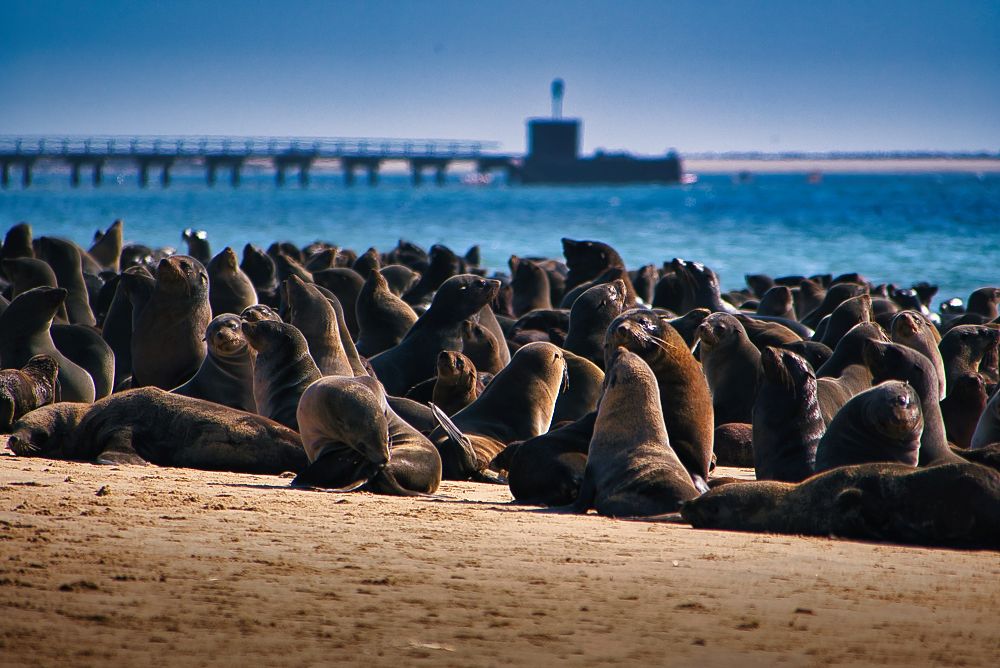
A narrow sand spit extending into Walvis Bay's lagoon, Pelican Point is home to a large resident colony of Cape fur seals and a historic lighthouse with sweeping views across the bay and dunes. Reaching it requires a 4x4 traverse along the beach — an adventure that is half the point — before the wildlife spectacle of seals, pelicans, and coastal birds begins.
Swakopmund & the Moonlandscape
The coastal town of Swakopmund, 30 kilometers north of Walvis Bay, is one of southern Africa's most unexpected pleasures — a well-preserved relic of German colonial architecture housing galleries, seafood restaurants, and a distinctly European café culture transplanted to the edge of the Namib. Beyond it, the eroded Swakop River gorge creates a terrain so lunar it has been used as a stand-in for Mars in scientific research.
Welwitschia Living Fossils
Among the strangest plants on Earth, Welwitschia mirabilis grows only in the Namib Desert and can survive for over a thousand years — some specimens in the region are estimated to be 1,500 to 2,000 years old. Each plant produces just two leaves throughout its entire life, splaying and shredding over centuries into extraordinary sculptural forms. Encountering one is a genuine natural history moment.
Flamingo Lagoon & Coastal Birdlife
Walvis Bay's RAMSAR-listed lagoon supports year-round populations of greater and lesser flamingos alongside African penguins, Cape cormorants, and brown pelicans. The sight of thousands of flamingos feeding in shallow water against a backdrop of desert dunes is one of Namibia's iconic wildlife images — and it is visible from the edges of the town itself.
Ancient Namib Dune Landscapes
The dune fields surrounding Walvis Bay form part of the world's oldest desert ecosystem. The scale and color of these ancient formations — shifting through apricot, burnt sienna, and deep red depending on the angle of the light — is unlike anything encountered in the Mediterranean or Caribbean cruise circuit. Even seen from a vehicle window, the visual impact is immediate and lasting.
Walvis Bay travel tips
Sun Protection Is Non-Negotiable. The Namibian coast sits at a latitude where UV radiation is intense, and the desert environment offers virtually no shade. High-SPF sunscreen, a wide-brimmed hat, and UV-protective clothing are essential — not optional additions. Reapply sunscreen frequently, particularly if you are moving between vehicle and open terrain throughout the day.
Dress in Layers for the Coast. Coastal mornings in Walvis Bay can be surprisingly cool — even cold — due to the Benguela Current's influence, while desert afternoons warm considerably. Removable layers allow you to adapt as the temperature shifts during the course of the day without being either overdressed or caught without warmth in the early morning.
Carry More Water Than You Think You Need. The Namib environment is extraordinarily dry and dehydrating. Carry a minimum of two liters of water per person for any excursion involving time outside a vehicle, and more for active dune activities. Facilities outside the town center are effectively nonexistent — there is no infrastructure to fall back on in the desert.
Protect Camera Equipment from Sand. Desert sand is pervasive and fine-grained, and it will find its way into camera bodies and lens mechanisms with surprising speed. A dust-protective bag or even a sealed zip-lock approach for lenses makes a significant difference. Avoid changing lenses in the open during windy conditions.
Observe Wildlife Respectfully. The Cape fur seal colonies at Pelican Point are wild animals — large, fast, and unpredictable at close range. Maintain a respectful distance and follow any guide instructions carefully. The same principle applies at the flamingo lagoon: viewing from the edge of the habitat rather than walking into it causes less disturbance and often produces better sightings.
Account for Morning Fog in Your Plans. Coastal fog, known locally as 'kashab,' is common in the early morning and can affect visibility and road conditions on beach tracks leading to areas like Pelican Point or Sandwich Harbour. Most organized excursions are timed to account for this, but be prepared for a slower, more atmospheric start if you are heading out at dawn.
Port Facts Every Cruiser Needs To Know
Walvis Bay shore excursion FAQs
The flamingo lagoon is within the Walvis Bay area, and the lagoon waterfront is accessible on foot from parts of the town. The most impressive concentrations of flamingos and the best viewing positions require moving along the lagoon edge, which is easier with local guidance. On a good day, flamingos are visible from the waterfront promenade in significant numbers.
Yes, without exception. Sandwich Harbour is accessible only via a drive along beach sand and through substantial dune terrain — standard two-wheel-drive vehicles cannot make the journey. All excursions to Sandwich Harbour use specialist 4x4 vehicles with drivers experienced in coastal sand navigation.
Swakopmund is a coastal town approximately 30 kilometers north of Walvis Bay, known for its remarkably well-preserved German colonial architecture, arts scene, seafood restaurants, and café culture. It is a very worthwhile half-day destination in its own right, particularly when combined with the surrounding desert landscapes and Moonlandscape viewpoints.
Dunes begin almost immediately on the outskirts of Walvis Bay — scenic dune terrain is within 15 to 30 minutes of the port. More dramatic destinations such as Sandwich Harbour take 45 to 90 minutes depending on the route, vehicle, and whether coastal fog affects beach driving conditions.
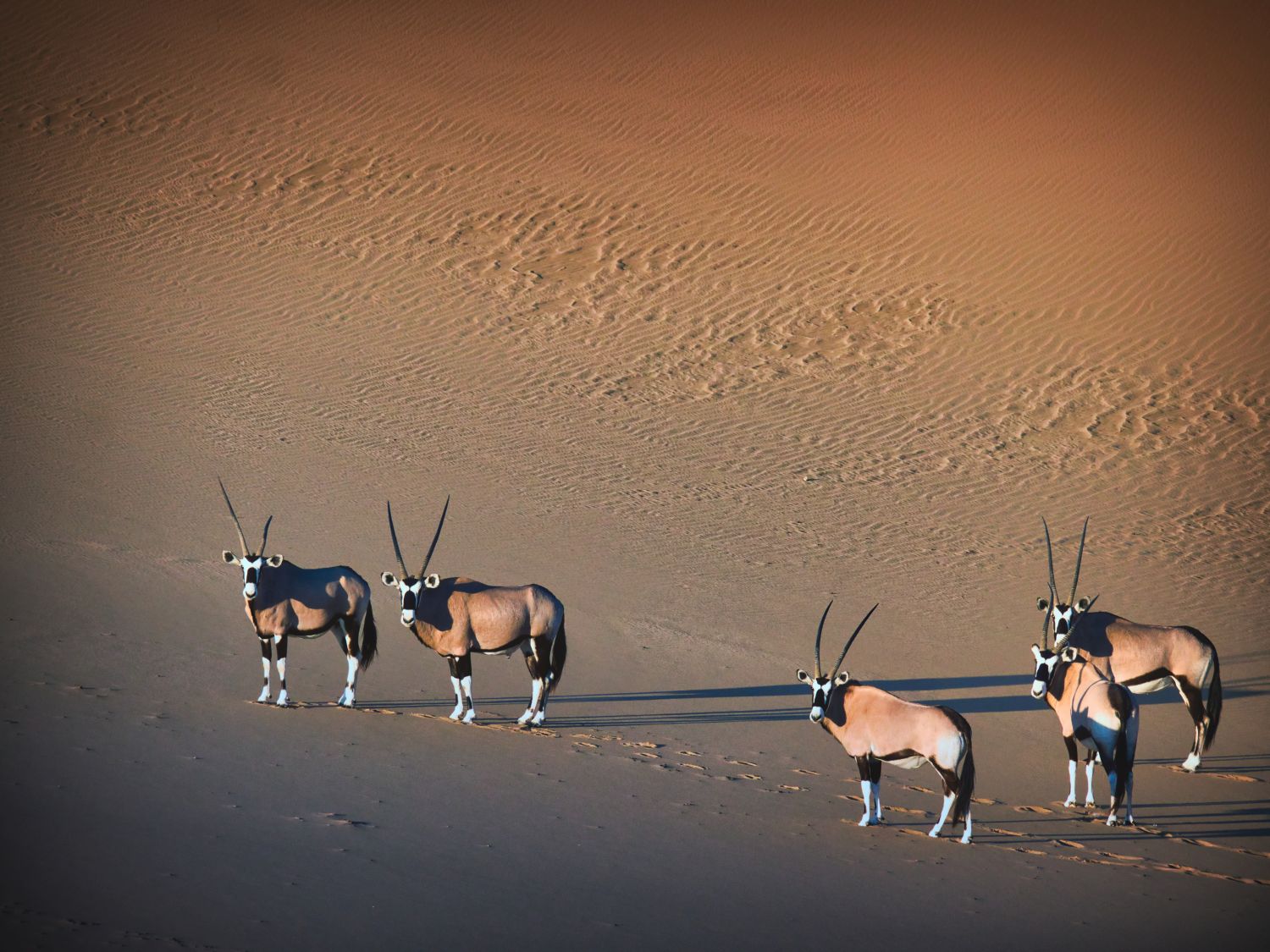
The area is exceptional for wildlife diversity. Expect greater and lesser flamingos, Cape fur seals, Cape cormorants, African penguins, brown pelicans, and a variety of wading and coastal birds throughout the year. Dolphins are occasionally visible from the shore. The Namib interior hosts oryx, springbok, ostrich, and — with patience — brown hyena and desert-adapted jackal.
The town center has a pleasant waterfront promenade, a small craft market, and restaurants serving excellent fresh seafood — Walvis Bay oysters are locally farmed and widely regarded. The lagoon edge is accessible on foot. That said, Walvis Bay is fundamentally a landscape destination; the most memorable experiences require venturing out into the surrounding desert and coast.
Welwitschia mirabilis are among the most extraordinary plants on Earth — they grow only in the Namib Desert, produce just two leaves throughout their entire lives, and routinely live for over a thousand years. Some specimens visible on desert excursions are estimated at 1,500 to 2,000 years old. They are Mesozoic-era survivors, physically unchanged from specimens in the fossil record, and seeing one in person is a genuinely humbling natural history experience.
Lightweight, breathable clothing with long sleeves for sun protection; a wide-brimmed hat; closed-toe shoes or sturdy sandals (desert sand becomes hot by midday); and high-quality UV-rated sunglasses. Bring a light jacket or fleece for the early morning coastal chill, which can be significant even in summer months.
The cold Benguela Current keeps sea temperatures between 12 and 16°C (54–61°F) year-round, making the ocean uninviting for swimming at any season. Walvis Bay is not a beach swimming destination. The lagoon beach is a pleasant place to walk and watch wildlife, and some visitors wade at the lagoon edge, but immersive swimming is not a realistic activity here.
Namibia does not require mandatory vaccinations for most nationalities, though a yellow fever certificate may be required if you are arriving from a yellow fever endemic country. Walvis Bay itself has no significant tropical disease risk. As always, consult your doctor and review current health advisories for your specific nationality and itinerary before travel.
Filters
Select a filter to refine results.
Tour Type
Tour Activity
 Cart
Cart
 USD
USD GBP
GBP AUD
AUD EUR
EUR CAD
CAD