



Tours in Port Denarau



Cruising to Port Denarau in a group?
Skip the crowded ship excursion bus. One dedicated planner will design a private shore experience around exactly what your group wants — coordinated from first enquiry to the moment you're back on board. More memorable, more flexible, and more affordable than you might expect. Spend less time organising, more time enjoying.
Explore Group Travel →Cruising to Port Denarau
Port Denarau sits on the western coast of Viti Levu, Fiji's largest island, functioning as the country's principal cruise terminal and the launch point for island-hopping adventures into the Mamanuca and Yasawa archipelagos. The marina precinct is modern and efficient, but the real Fiji begins minutes away — in the chaotic warmth of Nadi's main market, along the shaded trails of the Garden of the Sleeping Giant, and in the bure-lined compounds of traditional villages where kava ceremonies still anchor community life. Beyond the coastline, Viti Levu's interior reveals a dramatically different landscape: sugarcane plains giving way to forested highlands and rivers carved through volcanic rock. Cruise visitors with a full day ashore face an enviable dilemma — the archipelago's outer islands offer some of the Pacific's finest reef snorkeling, while the island's cultural and botanical riches reward an equally compelling day on land.
Top things to do in Port Denarau on a cruise stopover
Port Denarau and Nadi's Coastline: Fiji's Western Hub
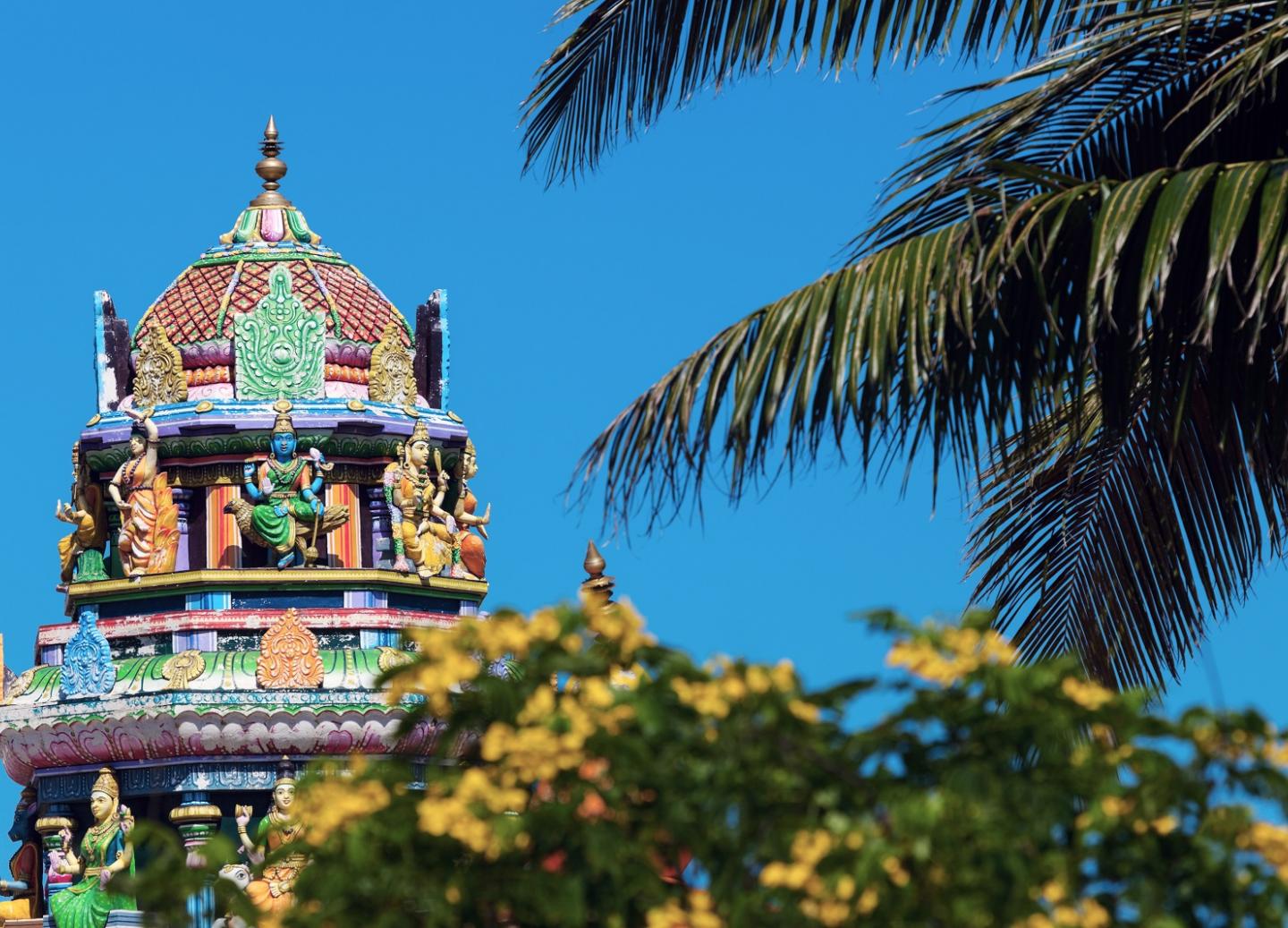
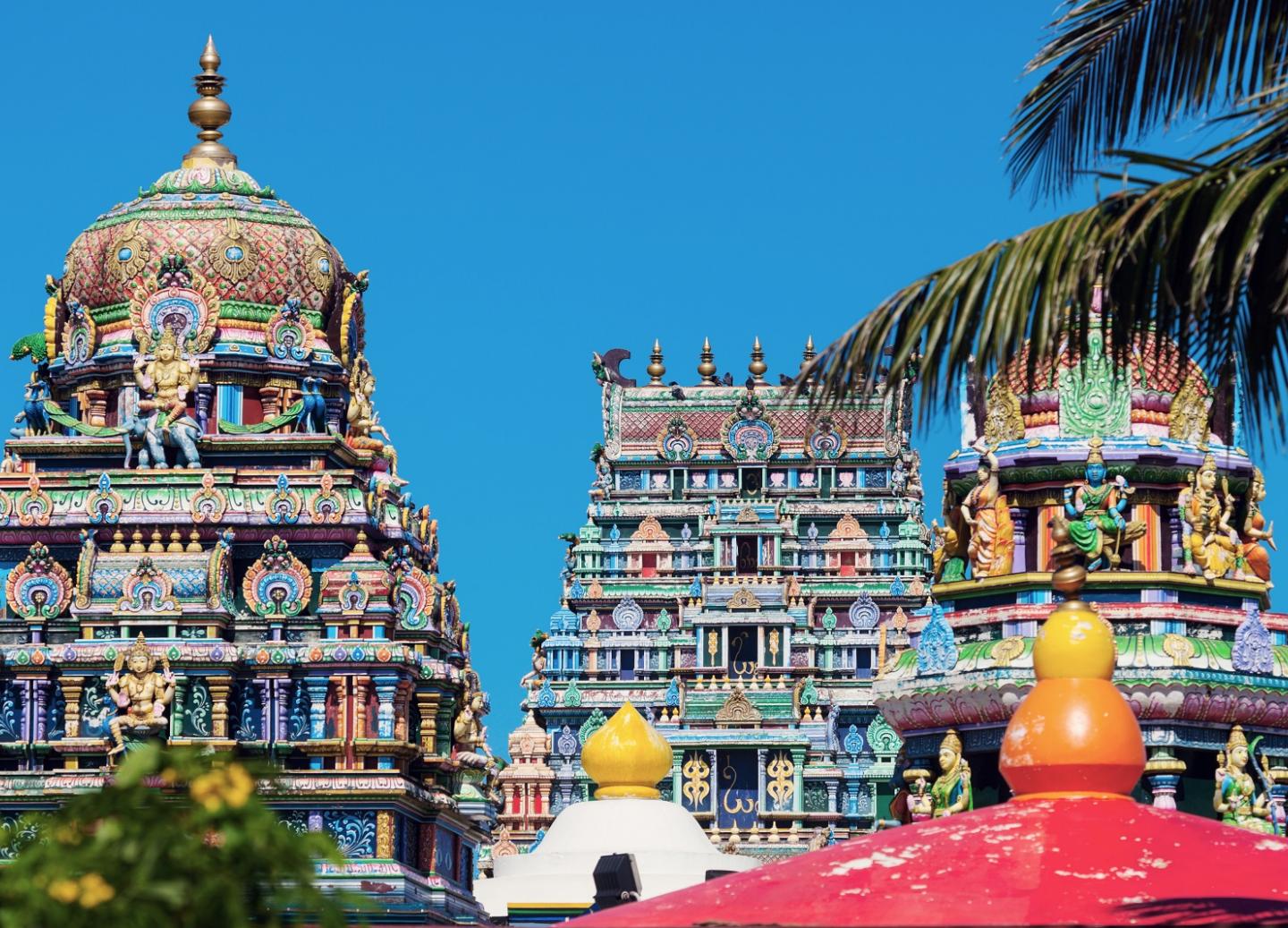
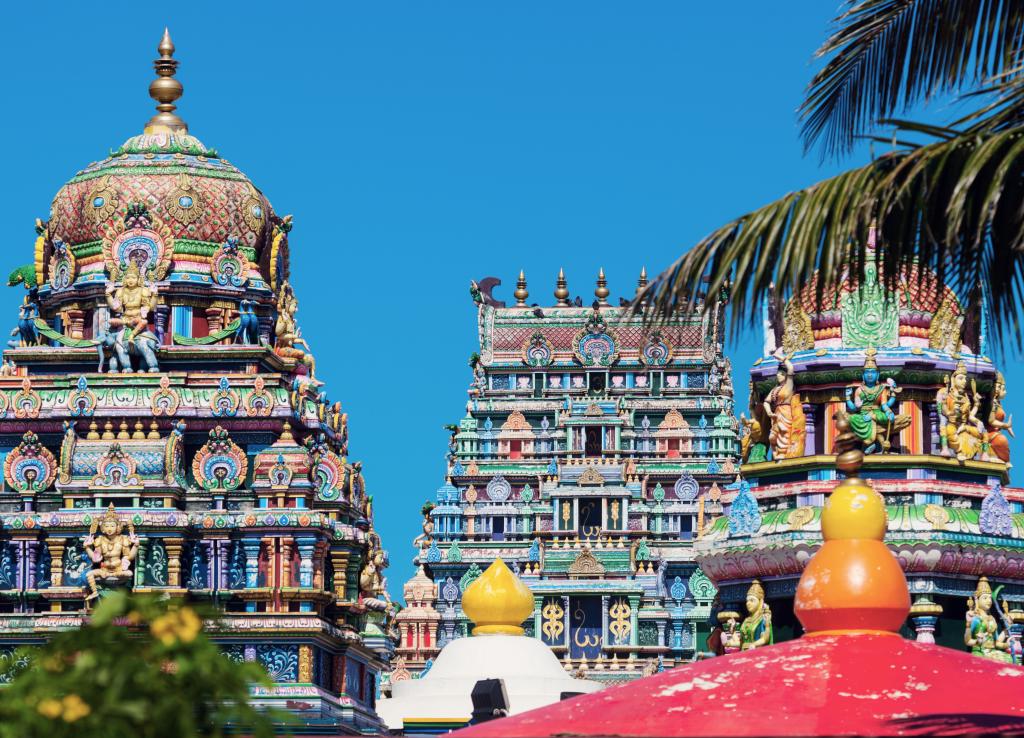
The Port Denarau Marina precinct is the organized, modern face of Fiji's tourism infrastructure — a compact cluster of restaurants, shops, and ferry terminals set against a working harbor backdrop. Spend time here watching inter-island boats load and depart before following the coastal path toward the cane fields and roadside stalls marking Nadi's outskirts. The town itself, 8km east, runs along a single animated main street lined with Indian-Fijian textile merchants, market vendors, and the magnificent Sri Siva Subramaniya Temple — reportedly the largest Hindu temple in the Southern Hemisphere, its gopuram facade blazing with carved figures. The half-day time frame suits anyone wanting a genuine taste of western Fiji without committing to the longer journey that the outer islands or interior highlands require.
Fijian Village Culture: Heritage, Ceremony, and Wellness Traditions
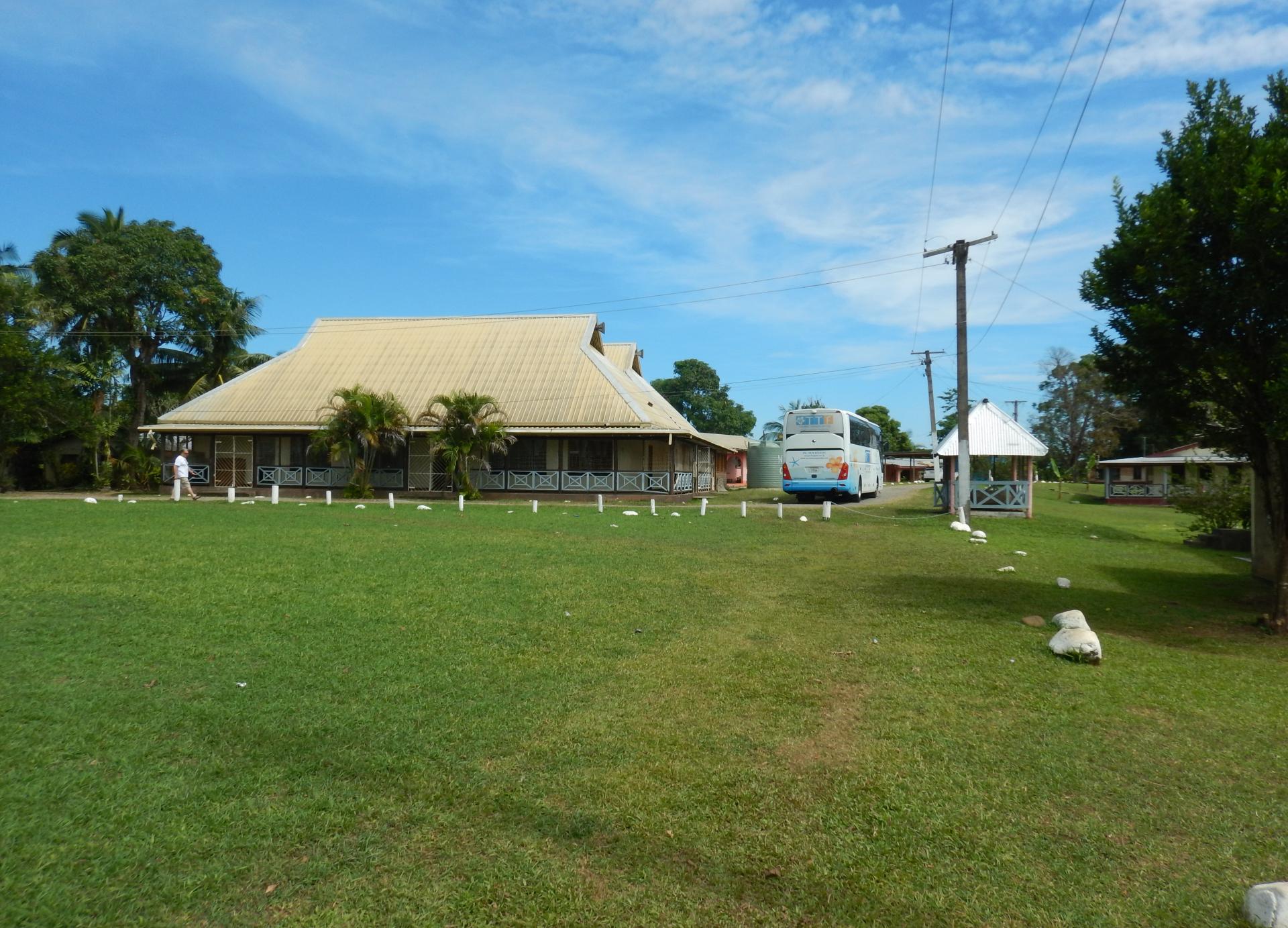
Fijian village culture operates on rhythms that predate resort tourism by centuries. A proper village visit — conducted with community permission and appropriate protocol — typically begins with a sevusevu, the formal presentation of kava root to the village chief as a gesture of respect and a request for welcome. From there, visitors may observe traditional weaving, tapa cloth-making, and cooking methods that have changed little across generations. Kava itself, prepared from ground yaqona root and drunk from a carved tanoa bowl in a shared ritual, is central to Fijian social and ceremonial life. Alongside these traditions, communities preserve herbal wellness knowledge and healing practices that exist entirely outside the resort spa circuit. These encounters require patience and cultural respect, but they reveal a dimension of Fiji that the beach-and-pool experience simply does not reach.
The Yasawa Islands: A Chain of Coral Reefs and Volcanic Peaks
The Yasawa archipelago stretches roughly 90km north of Port Denarau — a chain of 20 volcanic islands flanked by reefs that remained almost entirely off limits to foreign visitors until the 1980s. A day cruise into these waters reveals the layered blues of the South Pacific in concentrated form: shallow turquoise flats over sand, deeper cobalt channels, and vivid coral gardens supporting reef fish, sea turtles, and occasional manta rays. The islands themselves rise steeply from the sea in dark volcanic ridges. Landing at small villages or remote beach points is part of many Yasawa itineraries, offering a glimpse into communities that remain genuinely isolated by modern standards. This is a full-day ocean journey — the commitment is significant, but the seascape is unlike anything visible from the main island's coast.
Viti Levu's Interior: Highlands, Rivers, and Sugarcane Country
Most cruise visitors never venture beyond the coastal strip, which means the interior of Viti Levu remains one of Fiji's quieter revelations. The highway east of Nadi crosses broad plains of sugarcane — a crop that has shaped Fiji's demographics and economy for 150 years — before climbing into forested highlands. River valleys cut through volcanic formations, and highland communities maintain agricultural practices that differ markedly from the coastal fishing villages most visitors encounter. Cooler temperatures, lush green ridges, and relative emptiness make for a compelling counterpoint to the beach-focused experience most expect of Fiji. A full-day island circuit traces coastline, cane country, and highland terrain in a single overland journey that gives genuine scale to the island's geography.
Orchids and Open Markets: Nadi Town and the Garden of the Sleeping Giant
The Garden of the Sleeping Giant was established in the 1970s by actor Raymond Burr to house his private orchid collection, and now displays more than 2,000 orchid varieties across manicured grounds beneath the Sabeto mountain range — a ridgeline that, viewed from certain angles, resembles a recumbent figure in profile. Shaded pathways, lily ponds, and tropical plantings make for a cool, unhurried hour of botanical exploration accessible to virtually all visitors. Nadi's central market, a 20-minute drive east, provides a complementary experience: Fijian and Indian-Fijian vendors selling fresh produce, spices, handwoven mats, and shell jewelry in an indoor market that operates on its own energetic rhythm. Together, the garden and the market make for one of the more satisfying half-day combinations departing from Port Denarau.
Fiji's Underwater World: Coral Reefs and Marine Biodiversity
Fiji sits within the broader Coral Triangle zone of marine biodiversity, and the reefs surrounding the Mamanuca and Yasawa islands rank among the Pacific's most species-rich. Snorkelers encounter fields of staghorn and brain coral supporting anthias clouds, parrotfish, and triggerfish at relatively shallow depths. Manta rays follow seasonal plankton blooms through certain inter-island channels, and sea turtles are routinely spotted resting in lagoon shallows. Water visibility in the dry season commonly exceeds 20 meters. The reef ecosystem is accessible from beach entry at many island destinations — no scuba certification required for a genuinely impressive experience of Fiji's marine world, though dive sites for certified divers offer dramatic wall and channel diving in the outer archipelago.
Port Denarau travel tips
Sun Protection is Non-Negotiable. Fiji's tropical latitude means UV intensity is extreme year-round, particularly on open water where reflection amplifies exposure. High-SPF reef-safe sunscreen, polarized sunglasses, and a hat with a full brim are practical essentials for any Fiji day ashore. Reef-safe formulations matter — many reef areas have local restrictions on chemical sunscreens to protect coral health.
Village Etiquette: Dress and Behavior. When visiting any Fijian village, dress modestly — shoulders covered and legs to at least the knee. Remove footwear before entering a bure (traditional thatched house). Accept kava if offered, as declining can read as dismissive of Fijian social custom, though a polite decline is understood. Avoid pointing feet toward elders or the central hearth area, as this is considered disrespectful in traditional Fijian culture.
Carry Fijian Dollars for Local Transactions. Exchange Fijian dollars before leaving the port area. While cards work at the marina precinct and larger establishments, local buses, village vendors, and smaller market stalls operate exclusively in cash. The difference between having local currency and not will determine whether independent exploration of Nadi and beyond is actually feasible.
Ferry Schedules and Ship Departure Times. Ferries to the Yasawa and Mamanuca islands operate on fixed published schedules that will not be adjusted for cruise passenger convenience. Before committing to an outer-island day trip, confirm your ship's all-aboard time and verify that the ferry's return timing provides a meaningful buffer — missing the ship's departure is a real and expensive possibility if schedules are calculated too tightly.
Drinking Water in Fiji. Tap water in Nadi and Port Denarau meets safety standards for most visitors, but water quality on outer islands and in rural areas can be variable. Carrying sufficient bottled water for any extended excursion is practical advice, particularly for full-day island cruises or interior trips where resupply options are limited and the heat and humidity accelerate dehydration.
Go to Nadi Market in the Morning. The central market in Nadi is most animated in the early morning hours, with the fullest selection of fresh tropical fruit, flowers, spices, and handicrafts available before midday. Arriving after 2pm means reduced vendor presence and significantly depleted stock. If your ship's schedule allows, a morning visit to the market before the heat of the day is well worth the earlier start.
Port Facts Every Cruiser Needs To Know
Port Denarau shore excursion FAQs
Most passport holders from major cruise source countries — including the US, UK, Australia, New Zealand, Canada, and EU nations — receive a visa-free entry stamp on arrival valid for up to four months. Cruise passengers are typically processed efficiently dockside. Confirm requirements with your cruise line based on your specific nationality before arrival.
Fijian custom requires visitors to request permission before entering any village, traditionally through a sevusevu — a formal kava root offering presented to the chief or village spokesperson. Organized village visits arrange this protocol in advance; independent visitors should not walk into a village unannounced, as it is considered disrespectful. Asking at the village entrance and explaining your interest is the appropriate approach.
The immediate waters around Port Denarau are a working marina and not suitable for swimming. The best snorkeling and swimming are found around the outer reef systems of the Mamanuca and Yasawa islands, accessible via scheduled ferry or day cruise. Always snorkel in designated areas and remain aware of boat traffic in channel areas.
The Garden of the Sleeping Giant is approximately 15–20km from Port Denarau, near the Sabeto mountain foothills north of Nadi. The journey takes 20–30 minutes by road. The garden is generally open from 9am to 5pm — confirm current opening hours before visiting, as seasonal hours can vary.
Yes — English is one of Fiji's three official languages and is used in commerce, tourism, and government throughout the country. Visitors will encounter no significant language barrier in Port Denarau, Nadi town, on organized island cruises, or in most tourist-facing contexts on Viti Levu.
Kava (yaqona) is a mildly sedating beverage made from ground pepper plant root mixed with water, consumed from a communal bowl in a ritual that is central to Fijian social and ceremonial life. It has an earthy, slightly numbing flavor. Accepting kava when offered in a village setting is a gesture of respect — declining is acceptable but should be done politely. It is non-alcoholic, and the mild effects are generally negligible for most visitors.
Yes. Local buses run between Port Denarau and Nadi town throughout the day, departing from near the marina entrance. The journey takes approximately 20–30 minutes and is an inexpensive, straightforward way to reach town without a pre-arranged excursion. Return buses run on similar frequency until early evening.
The high-speed catamaran service from Port Denarau to the southern Yasawa Islands takes approximately three to four hours one-way; reaching the northern Yasawas takes up to six or seven hours. This makes a Yasawa day trip one of the most time-intensive options from Port Denarau — passengers should plan for a long day on the water and confirm the return ferry timing against their ship's departure well in advance.
Currency exchange services are available within the Port Denarau Marina precinct, and ATMs are accessible in Nadi town. Exchange rates at the port may be slightly less favorable than in town, but the convenience is worthwhile for small amounts needed immediately after disembarkation.
Ferry vessels on the Yasawa run involve gangway or tender boarding, and the journey can be lengthy with occasional rough conditions in open-water passages. Beach landings at island stops may require stepping into shallow water from a small tender. Visitors with limited mobility should carefully assess the specific vessel's boarding arrangements and the physical demands of planned landing sites before committing to an outer-island trip.
Filters
Select a filter to refine results.
Tour Type
Tour Activity
 Cart
Cart
 USD
USD GBP
GBP AUD
AUD EUR
EUR CAD
CAD