



Tours in Picton New


Cruising to Picton New in a group?
Skip the crowded ship excursion bus. One dedicated planner will design a private shore experience around exactly what your group wants — coordinated from first enquiry to the moment you're back on board. More memorable, more flexible, and more affordable than you might expect. Spend less time organising, more time enjoying.
Explore Group Travel →Cruising to Picton New
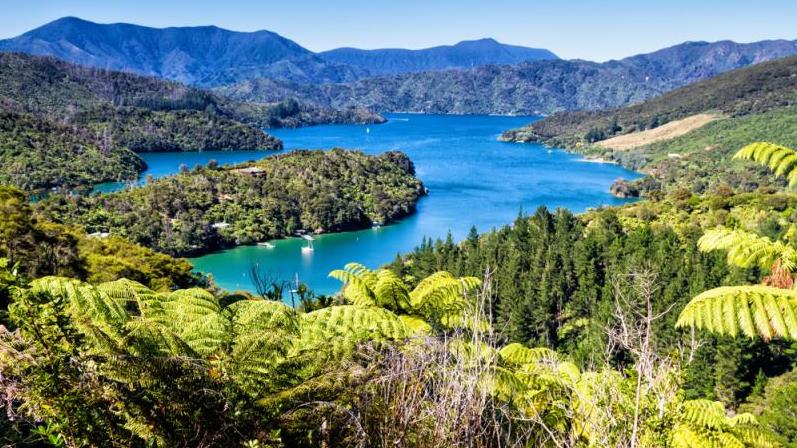
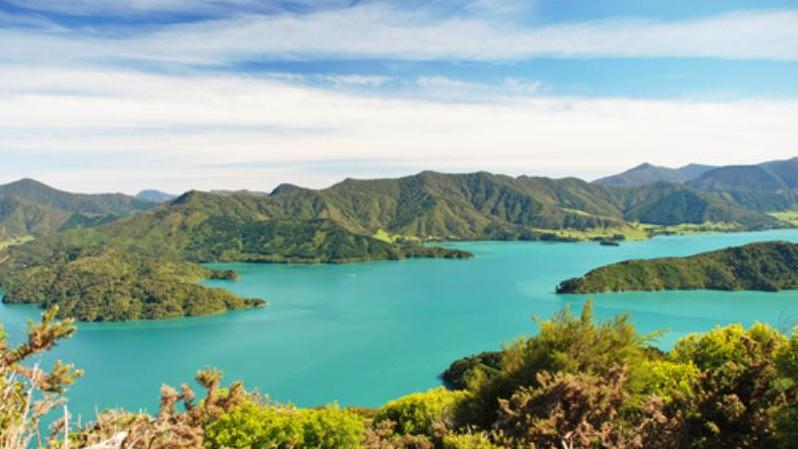
Picton is a small town with an outsized sense of arrival. Set at the head of Queen Charlotte Sound — one arm of the vast Marlborough Sounds network — it is where the Cook Strait ferry from Wellington docks, and where most travelers transitioning between New Zealand's two islands pause to take stock of their surroundings. For cruise visitors, that pause becomes a genuine destination experience. The Sounds themselves are a drowned river valley system of extraordinary complexity: hundreds of kilometers of waterway wind between forested ridgelines that plunge directly into the sea, sheltering coves accessible only by boat and trails that traverse the ridges above. Twenty minutes' drive inland, the Marlborough wine region produces Sauvignon Blanc that has shaped the world's understanding of what that grape can do — and the cellar doors, restaurants, and vineyards along the Wairau and Awatere valleys are among the most welcoming in New Zealand. Picton is a port that offers genuine choice between adventure and pleasure, often on the same day.
Top things to do in Picton New on a cruise stopover
Marlborough Wine Country: A Region That Defined a Grape
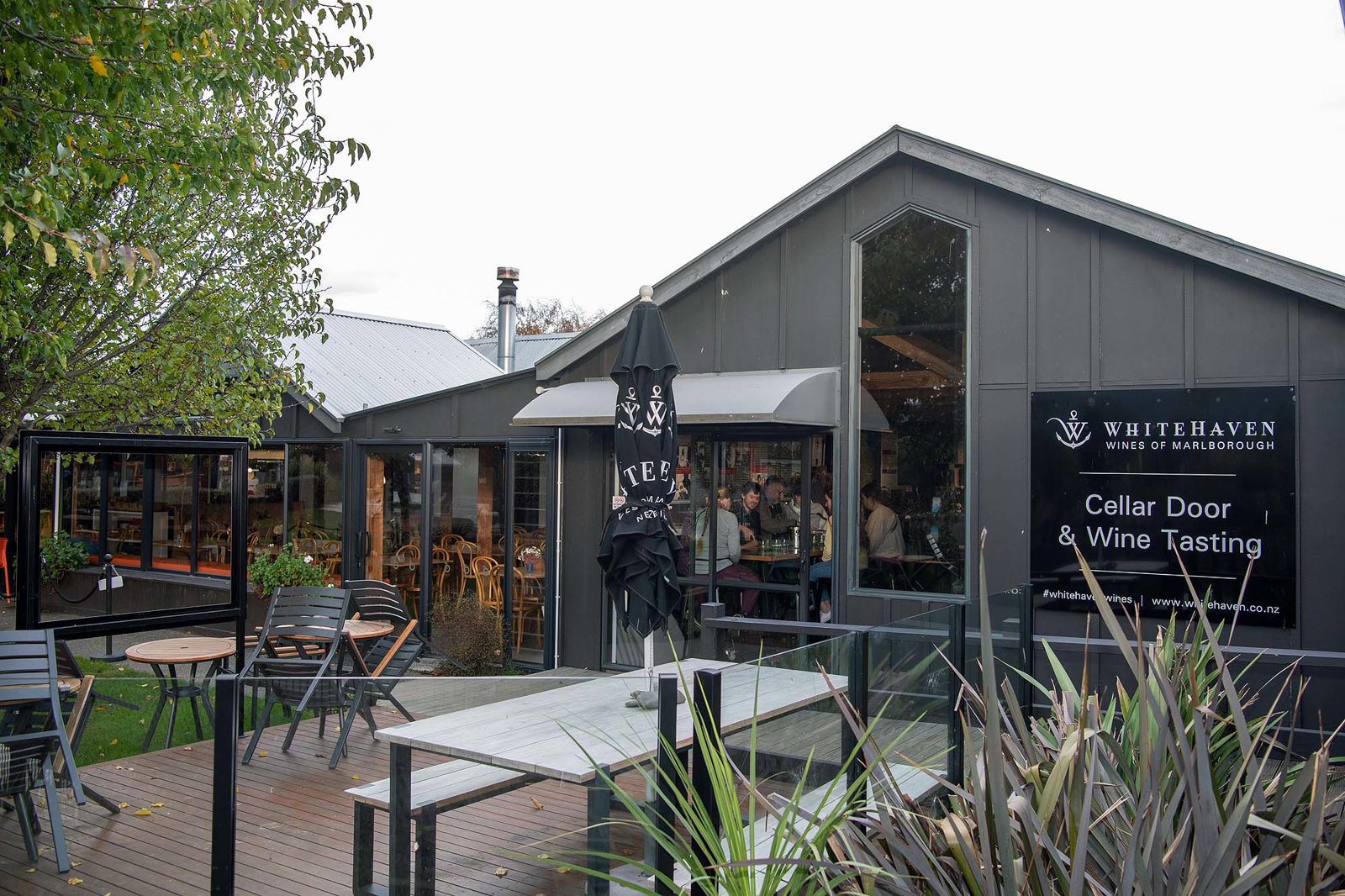
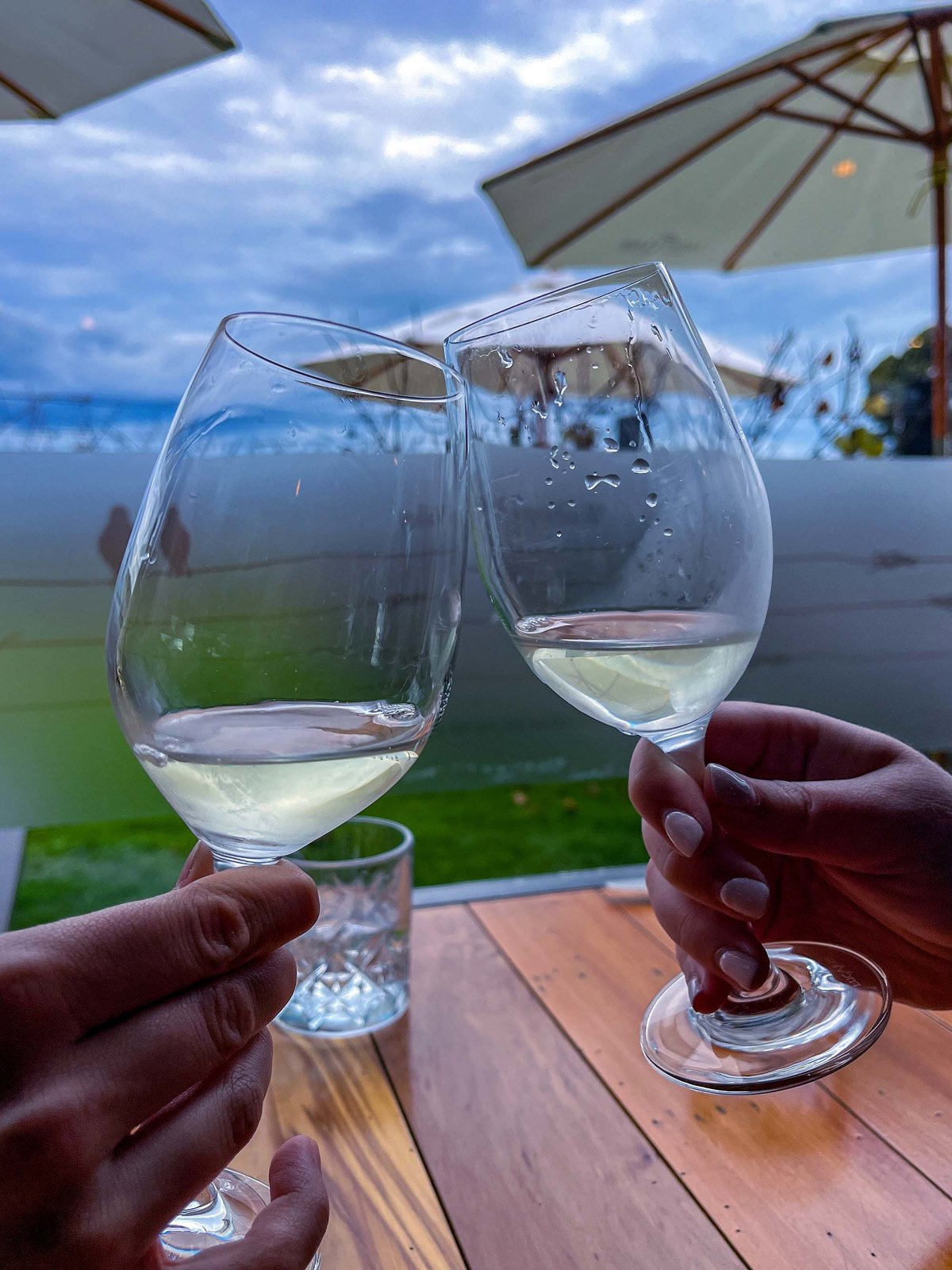
When Marlborough Sauvignon Blanc arrived on international markets in the 1980s, it changed what the world expected from the variety — and from New Zealand wine altogether. Today, the region around Blenheim is home to dozens of cellar doors set among neat rows of vines against a backdrop of the Richmond and Wither Hills. The Wairau Valley floor, flat and sun-soaked, produces the intensely herbaceous, citrus-driven Sauvignon Blancs that made Marlborough famous; the Awatere Valley, higher and cooler, delivers more austere, mineral-edged expressions. Beyond Sauvignon Blanc, the region has developed a compelling reputation for Pinot Noir, aromatic whites, and méthode traditionnelle sparkling wine. Visiting with a guided wine lunch allows time for proper cellar door tastings with context, rather than a rushed rush between venues.
Queen Charlotte Sounds: New Zealand's Drowned Valleys
The Marlborough Sounds — of which Queen Charlotte Sound is the most accessible arm from Picton — were formed when rising sea levels at the end of the last ice age flooded a river valley system, creating one of the most intricate coastal environments in the Southern Hemisphere. From the water, the landscape is a constantly shifting geometry of green ridgelines, narrow channels, and sheltered coves where the only sounds are birdsong and the water. The Sounds are home to significant conservation efforts, including predator-free islands supporting endangered bird species. A scenic cruise through the Sounds gives a sense of this scale and complexity; the further from Picton the boat travels, the wilder and more remote the character of the landscape becomes.
Marlborough Sounds Wilderness Walking
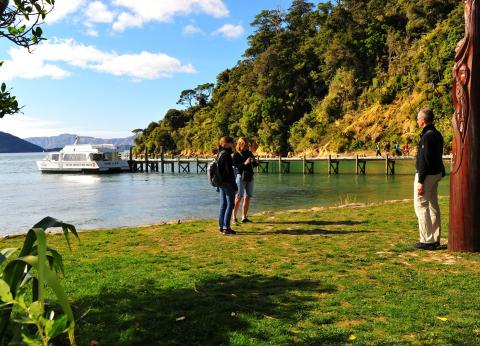
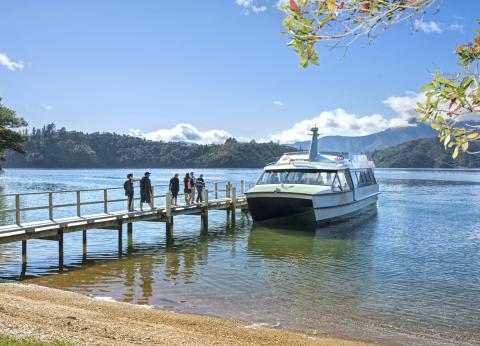
The ridgelines above the Marlborough Sounds support several trail networks, of which the Queen Charlotte Track is the most celebrated. The full 73-kilometer trail takes three to five days to walk end-to-end, but it is specifically designed to be walked in sections — and the combination of a water taxi to a trailhead, a ridge walk with panoramic views over the Sounds, and a boat return to Picton has become one of the most popular half-day experiences at this port. The track passes through native bush — including stands of beech and podocarp forest — and along ridge crests with 180-degree views across multiple sounds simultaneously. The walking is generally moderate rather than strenuous, and the interplay between forest and sea view is sustained throughout.
Queen Charlotte Track: One of New Zealand's Great Walks
Formally recognized as one of New Zealand's Great Walks, the Queen Charlotte Track runs from Ship Cove — where Captain James Cook made five anchorages during his Pacific voyages — to Anakiwa at the southern end of the Sound. The historic resonance of the track's starting point adds a layer of significance to what is already a landscape of considerable beauty. Cook's descriptions of the Sounds in his journals remain remarkably accurate today; the remoteness and forested character of the inner sounds are broadly unchanged. Guided sections of the track allow visitors to cover the most scenic stretches with naturalist commentary on both the ecology and the human history of the region, from Māori settlement through the period of European exploration.
Marlborough Culinary Scene: Kai and the Wine Country Table
Marlborough's food culture has developed in close relationship with its wine industry — the same conditions that produce exceptional Sauvignon Blanc also support quality seafood from the Sounds (Marlborough King Salmon and green-lipped mussels are farmed here), stone fruit from the river valleys, and artisan food producers drawn to the region's lifestyle. Several cellar doors have evolved into full dining destinations, pairing seasonal menus with their own labels in settings that look out over working vineyards. A culinary-focused day in Marlborough — moving between a cheese producer, a winery restaurant, and a fish market — offers a coherent narrative about place and produce that is more memorable than a generic tour.
Picton Town and the Historic Edwin Fox
Picton itself is worth a slow hour before or after any excursion into the surrounding region. The town sits snugly at the head of the Sound, with a main street of cafes, galleries, and outdoor equipment shops reflecting its dual identity as a tourist gateway and a working ferry port. The Edwin Fox Maritime Museum, a short walk from the pier, houses the preserved hull of an 1853 ship with a remarkable biography: it served as a troop transport to the Crimean War, carried convicts to Australia, and brought settlers to New Zealand. The hull is one of the oldest surviving composite-built wooden ships in the world and is undergoing ongoing conservation. It is a genuinely unusual attraction — a tangible link to the maritime history that shaped this corner of the Pacific.
Picton New travel tips
Book Wine Region Visits in Advance During Peak Season. The most popular Marlborough cellar doors can fill up quickly during the summer months (December through February), particularly for seated tastings and restaurant lunches. If a specific winery is on your list, check whether reservations are needed before you arrive. The harvest period (March through April) is especially busy and brings a particular energy to the region, but also more competition for tables.
Layer Up for Sounds Boat Trips. Even in summer, the Marlborough Sounds can be significantly cooler on the water than in town, particularly in the mornings and in the inner sounds where the ridgelines cast shade. A windproof layer and a light fleece are practical additions to any day bag if you're planning a boat trip. Rain is infrequent in Marlborough compared to much of New Zealand, but a packable waterproof is worth including.
Wear Trail-Appropriate Footwear for Any Walking. The Queen Charlotte Track and Sounds wilderness trails are well-maintained but traverse genuine hill country with uneven surfaces and occasional muddy sections after rain. Running shoes or trail shoes are fine for the shorter sections; sandals or flat-soled shoes are not recommended. The track is not technical, but grip matters on steeper ridge sections.
Try Green-Lipped Mussels and Marlborough Salmon. Two of New Zealand's most recognized seafood products are farmed in Marlborough's waters. Green-lipped mussels from the Sounds are available steamed, in chowder, or with various preparations at restaurants in both Picton and the wine region. Marlborough King Salmon appears on most local menus and is notably rich compared to farmed Atlantic salmon. Both are genuinely local and worth seeking out for at least one meal ashore.
The Wairau Bar Archaeological Site Has Significant Māori History. The Wairau Bar, at the mouth of the Wairau River near Blenheim, is one of the most significant archaeological sites in New Zealand, associated with the earliest known Māori settlement dating back approximately 700 years. While the site itself is not a formal visitor attraction, the Marlborough Museum in Blenheim holds context and artifacts. Understanding that this region was inhabited long before European arrival enriches any visit to the wine country that now occupies the same valley system.
Picton's Foreshore Walk is an Easy Start to the Day. A waterfront walkway runs along the foreshore from the cruise pier toward the town center and beyond, offering views across the Sound and a pleasant orientation to the layout of the port. It takes about 20 minutes to walk the main stretch and passes the marina, the ferry terminal, and several cafes. Starting the day with this walk before heading inland or onto the water gives a useful sense of the place and the light on the water in the morning is often excellent.
Port Facts Every Cruiser Needs To Know
Picton New shore excursion FAQs
Cruise ships berth at Picton's port, which is directly adjacent to the town center. The main street, the ferry terminal, and the foreshore are all within a few minutes' walk of the pier. There is no need for a transfer to access the town, and the compact layout makes Picton one of the more convenient New Zealand ports to navigate independently.
The main wine-growing area around Blenheim is approximately 28 kilometers from Picton, a drive of around 25 to 30 minutes. Independent visits are possible using the local shuttle services that connect Picton and Blenheim, or by arranging transport to the cellar door area. Some cellar doors are also accessible by bicycle from Blenheim, which has its own cycling network through the vineyards.
The Queen Charlotte Track is a 73-kilometer multi-day trail that runs along the ridgelines above Queen Charlotte Sound from Ship Cove to Anakiwa. It is designed to be walked in sections, and the most popular cruise-day approach involves taking a water taxi to a trailhead, walking a section of the ridge with panoramic views over the Sounds, and returning by boat to Picton. The walking is generally of moderate difficulty and can be completed by reasonably active visitors.
Marlborough is internationally famous for Sauvignon Blanc, which accounts for the majority of the region's production and helped define New Zealand's wine identity globally. The region also produces well-regarded Pinot Noir, Pinot Gris, Riesling, and méthode traditionnelle sparkling wine. A cellar door visit typically offers tastings across the range, making it easy to explore beyond the flagship variety.
Yes. The Marlborough Sounds are a significant conservation area, and boat trips through the Sounds regularly pass marine wildlife including dolphins (particularly dusky and bottlenose), seabirds such as shearwaters and petrels, and occasionally fur seals. The forested ridgelines support native bird species including tūī, bellbird, and (in predator-free areas) kiwi. Conservation efforts in the Sounds are ongoing and ambitious, and guides can speak to the ecological work underway.
Marlborough is one of New Zealand's sunniest regions, with annual sunshine hours comparable to Mediterranean Europe. Summers (December through February) are warm and dry, with temperatures typically between 20°C and 28°C (68°F–82°F). Autumn (March through May) is mild and often the most settled season. Even in winter, Picton receives relatively little rain compared to the West Coast or Fiordland.
Dolphin sightings are common in the Sounds, particularly dusky dolphins, which are frequently encountered in the outer Sounds and Cook Strait approaches. Bottlenose dolphins also inhabit the inner Sounds. Sightings are not guaranteed on any particular trip, but they are frequent enough that boat operators in the area consider them a regular feature of the experience rather than a special event.
The Marlborough Sounds were among the first areas of New Zealand settled by Polynesian ancestors of the Māori, with the Wairau Bar site near Blenheim dated to approximately 700 years ago. The area is the traditional territory of Ngāti Toa Rangatira and Ngāti Apa, among other iwi (tribes). Place names throughout the region reflect Māori origins — Queen Charlotte Sound is also known as Tōtaranui — and the Marlborough Museum provides context on both the archaeological history and the living culture of the local iwi.
Absolutely. Picton town itself is a pleasant place to spend a few hours without any structured activity — the foreshore walk, a waterfront café, and a visit to the Edwin Fox Museum can fill a relaxed morning. Wine region visits are inherently leisurely, and a scenic boat cruise through the Sounds requires no physical exertion. Visitors who want a gentle, scenic day with good food and wine will find Picton very well suited.
New Zealand does not have a strong tipping culture, and service staff do not expect gratuities as a matter of course. Tipping is appreciated but never obligatory, and leaving a small tip at a restaurant or for an excellent guide is well-received without any social pressure attached. Credit and debit cards, including contactless payment, are the norm in Picton and throughout Marlborough — cash is rarely necessary.
Filters
Select a filter to refine results.
Tour Type
Tour Activity
 Cart
Cart
 USD
USD GBP
GBP AUD
AUD EUR
EUR CAD
CAD