



Tours in Martinique (Fort-De-France)


Cruising to Martinique (Fort-De-France) in a group?
Skip the crowded ship excursion bus. One dedicated planner will design a private shore experience around exactly what your group wants — coordinated from first enquiry to the moment you're back on board. More memorable, more flexible, and more affordable than you might expect. Spend less time organising, more time enjoying.
Explore Group Travel →Cruising to Martinique (Fort-De-France)
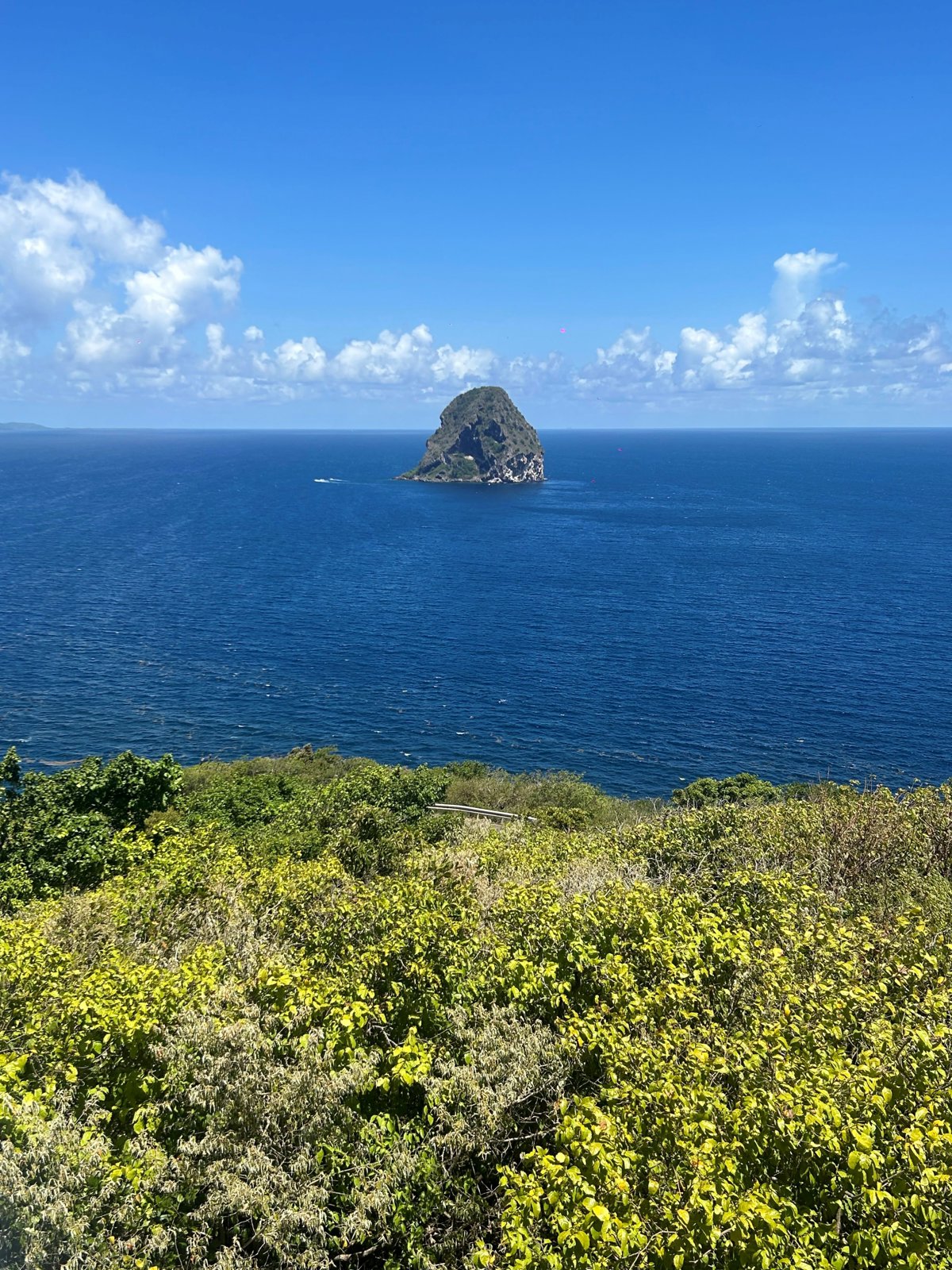
Martinique doesn't feel like most Caribbean islands — and that's entirely the point. As an overseas region of France, this lush volcanic jewel in the Lesser Antilles operates under French law, uses the euro, and takes its boulangeries and wine selections seriously. Step off the ship in Fort-de-France and you'll find a bustling French Caribbean capital where colorful Creole architecture lines the waterfront, the covered Marché municipal overflows with exotic spices and tropical fruit, and café terraces invite you to linger over an espresso or a ti' punch made with the island's celebrated rhum agricole.
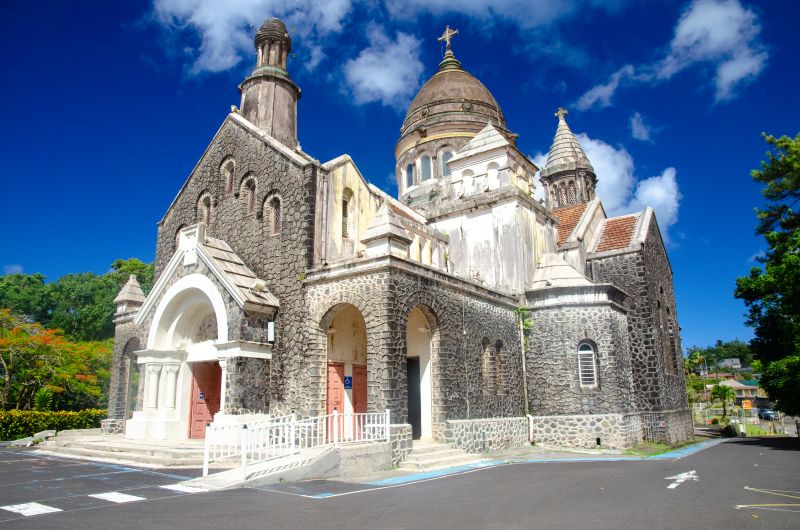
Beyond the capital, Martinique reveals a dramatic interior shaped by volcanic forces. The towering presence of Mount Pelée looms in the north — a reminder of the catastrophic 1902 eruption that obliterated the former island capital of Saint-Pierre in minutes, killing nearly 30,000 people. The ruins of Saint-Pierre, now nicknamed the Pompeii of the Caribbean, are one of the region's most haunting and compelling excursions, with the submerged wreck fleet below offering extraordinary diving.
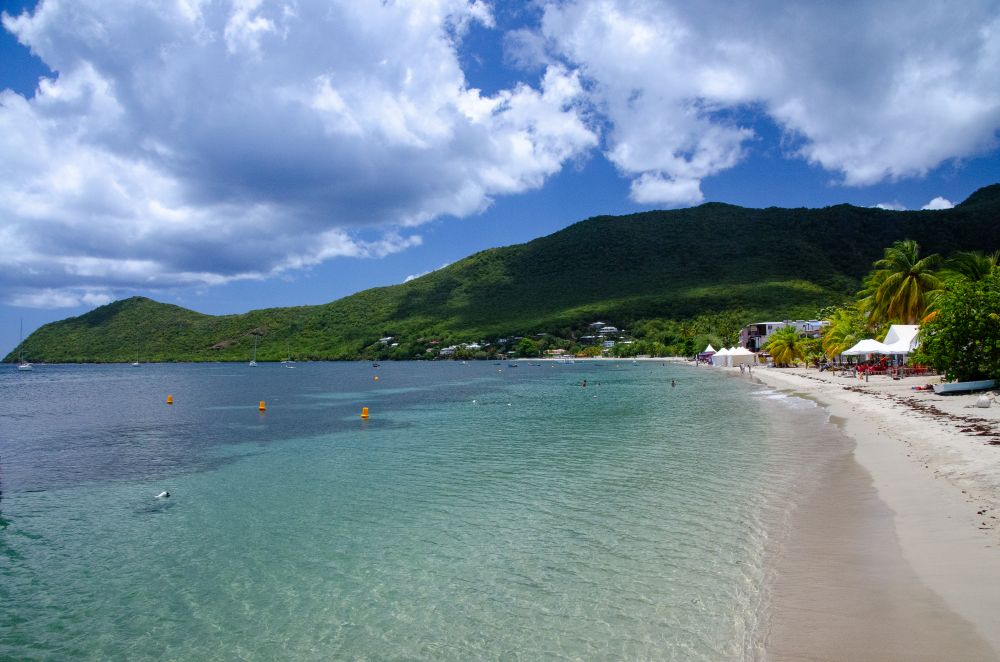
For those drawn south, Martinique trades volcanic drama for postcard perfection. The Grande Anse des Salines near Sainte-Anne is widely considered one of the finest beaches in the entire Caribbean — a crescent of silky white sand fringed by coconut palms and lapped by calm turquoise water. Whether you're sipping Bordeaux at a beachside bistro, exploring a 17th-century sugar plantation, or bargaining over locally made madras textiles, a day in Martinique rewards the curious traveler with an experience that is authentically, delightfully French — and unlike anywhere else in the Caribbean.
Top things to do in Martinique (Fort-De-France) on a cruise stopover
Saint-Pierre: The Pompeii of the Caribbean
In May 1902, Mount Pelée erupted with catastrophic force, burying the thriving colonial capital of Saint-Pierre under a superheated pyroclastic flow in under two minutes. Nearly 30,000 people perished — the deadliest volcanic disaster of the 20th century. Today, the ruins of Saint-Pierre stand as an extraordinary open-air museum: crumbling stone walls of the theater, the jail, and the rum distillery poke through lush vegetation, while 18 shipwrecks — sunk in the harbor that morning — lie in the warm, clear waters below, making this one of the Caribbean's premier wreck dive sites. The small Musée Vulcanologique, founded by American volcanologist Franck Perret, displays haunting relics: melted bottles, fused coins, and a cracked church bell — all frozen at the moment of destruction. The journey north from Fort-de-France takes about an hour, but Saint-Pierre ranks among the most historically rich shore excursions in the entire Caribbean.
Grande Anse des Salines: Martinique's Finest Beach
At the southernmost tip of Martinique, the Grande Anse des Salines is the beach that earns its superlatives. A generous arc of soft white sand stretches for nearly a kilometer, shaded by coconut palms that lean lazily over water that shifts from pale aquamarine in the shallows to deep sapphire further out. The sea is calm, warm, and ideal for swimming. Small beach restaurants — lolos — grill fresh fish and serve cold Lorraine beer or rum punches. On weekends, Martiniquais families fill the sand, and the atmosphere is festively local. It's worth noting that the drive from Fort-de-France takes roughly 90 minutes each way, so this excursion suits ships with generous port times. Nearby Plage de l'Anse Cafard and the Caravelle Peninsula offer closer alternatives for those with shorter windows.
Rhum Agricole Distilleries: A Taste of Martinique's Liquid Heritage
Martinique holds the world's only AOC (Appellation d'Origine Contrôlée) designation for rum — a distinction that reflects how seriously the island takes its rhum agricole, distilled directly from fresh sugarcane juice rather than molasses. A visit to one of the working distilleries — Habitation Clément, Saint James, or Trois Rivières among the most accessible — combines colonial plantation history with a sensory education in rum production. Walk rows of vintage vats, smell the raw sugarcane pressing, and end in a tasting room where aged expressions rival fine cognac in complexity. Habitation Clément also maintains beautifully restored colonial gardens and a contemporary Caribbean art collection, making it a cultural excursion as much as a tasting stop.
Fort-de-France: Markets, Architecture & Creole Street Life
The capital rewards those who simply walk its streets. The covered Grand Marché on Rue Antoine Siger is the city's beating heart — vendors pile high pyramids of Colombo spice blends, vanilla pods, cacao nibs, and tropical fruits. The nearby Marché de la Savane flower market fills the air with frangipani and bird-of-paradise. The Bibliothèque Schoelcher, an ornate Art Nouveau building originally constructed in Paris for the 1889 World Exhibition and then shipped piece by piece to Martinique, is one of the most architecturally remarkable structures in the Caribbean. The broad Savane park fronts the waterfront, lined with royal palms and bookended by a statue of Empress Joséphine — Napoleon's Martiniquais-born wife. The Fort Saint-Louis military citadel, still active, looms above the bay.
Mount Pelée & the Northern Rainforest
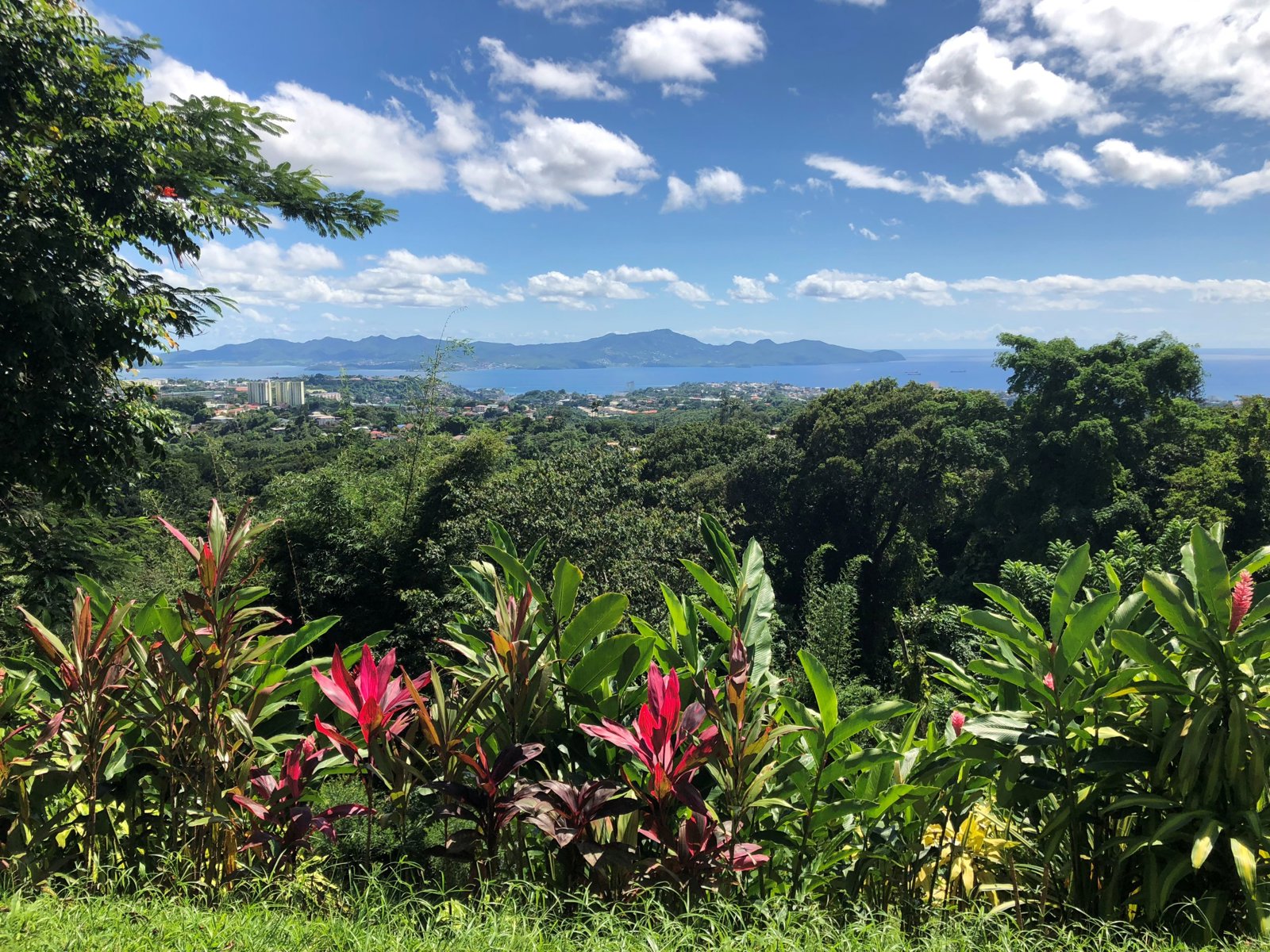
Martinique's dramatic interior is dominated by Mount Pelée (1,397 m), the active stratovolcano whose 1902 eruption defined the island's modern history. For hikers, the volcano offers serious trails through elfin forest to the crater rim — a full-day undertaking beyond the scope of most port calls. However, the northern region around Le Morne Rouge and the Route de la Trace rewards a scenic drive through dense tropical rainforest draped in tree ferns and giant bamboo. The Route de la Trace UNESCO-listed road cuts through the island's mountainous spine with viewpoints, botanical gardens, and the remarkable Gorges de la Falaise — a narrow river canyon where you can wade through crystalline water between volcanic rock walls.
Creole Cuisine & the Art of Eating Well in Martinique
Martinique takes food as seriously as any corner of France, and a meal ashore is an essential part of the experience. In Fort-de-France, the Marché du Bord de Mer — the waterfront fish market — serves some of the freshest grilled seafood on the island at open-air stalls. Accras de morue (crispy salt cod fritters served with chili sauce) are the quintessential Martiniquais snack, available everywhere. For a proper sit-down meal, seek out a restaurant serving colombo de poulet (chicken in fragrant curry-style sauce), féroce d'avocat (avocado with salt cod and cassava), or a classic boudin Créole. End the meal with a glass of aged rhum agricole, neat — a fitting tribute to the island's defining product.
Martinique (Fort-De-France) travel tips
Carry Euros, Not Dollars. Martinique is legally part of France and uses the euro exclusively. US dollars are not accepted in most shops, restaurants, or markets. Plan ahead by withdrawing euros from an ATM on arrival (there are several near the cruise terminal and in central Fort-de-France), or use a credit card wherever possible. Currency exchange desks are available but offer less favorable rates.
Brush Up on Basic French. Unlike many Caribbean islands, Martinique is not primarily English-speaking. While staff at tourist sites and larger restaurants often have some English, locals in markets, taxis, and smaller restaurants may not. A simple bonjour, s'il vous plaît, and merci will open doors and earn genuine warmth. Translation apps work well for more complex communication.
Plan Your Route Before You Dock. Martinique is a substantial island and the most popular attractions are spread out. Saint-Pierre is nearly an hour north; Les Salines beach is 90 minutes south. Trying to combine both in a single port day is likely impossible. Decide your priority before arrival — colonial history and volcanoes (north) or beaches and rum distilleries (south) — and plan accordingly.
Pre-Arrange Taxis for Long Excursions. For excursions to Saint-Pierre, Les Salines, or the distilleries, consider negotiating an all-day taxi rate rather than paying per trip. English-speaking drivers who double as guides can often be arranged through the cruise terminal or your ship. This approach offers flexibility and ensures you have transport back to the ship before departure.
Visit the Grand Marché Early. The Fort-de-France covered market is liveliest in the morning. Vendors begin packing up by early afternoon, and the best selection of spices, fresh produce, and local crafts disappears quickly. Aim to be at the market before 10am if you want the full experience — and bring small euro bills, as vendors often have limited change.
Dress Modestly Away from the Beach. Martinique maintains a decidedly French sensibility about dress. Beachwear is perfectly appropriate at the beach, but wandering through central Fort-de-France, markets, or entering churches in swimwear is considered inappropriate. A light cover-up, shorts, and sandals strike the right balance for a day moving between town and coast.
Port Facts Every Cruiser Needs To Know
Martinique (Fort-De-France) shore excursion FAQs
Cruise ships dock directly at the Fort-de-France cruise terminal — there is no tendering. The terminal is well-equipped with taxi stands, tourist information, and shops. The city center and waterfront market are reachable on foot within about 10 minutes, or a very short taxi ride.
Martinique uses the euro (€) as its official currency — it is an overseas region of France. US dollars are generally not accepted in shops, restaurants, or markets. Withdraw euros from ATMs near the terminal or in the city center, or pay by credit card. Visa and Mastercard are widely accepted at established businesses.
Saint-Pierre is approximately 60–70 km north of Fort-de-France, about a 1-hour drive. You can visit independently by taxi (negotiate a round-trip rate including waiting time), by renting a car at the terminal, or through an organized shore excursion. The ruins, museum, and coastal town are easily explored on foot once you arrive. Allow at least 2–3 hours there.
Rhum agricole is Martinique's celebrated rum, distilled from fresh sugarcane juice (rather than molasses) under a strict French AOC classification. It has a grassy, complex flavor profile that distinguishes it from other Caribbean rums. You can taste and purchase it at distilleries like Habitation Clément, Saint James, or Trois Rivières, or at the duty-free shops at the cruise terminal. A ti' punch (rhum, lime, cane syrup) is the classic local way to drink it.
Not as widely as on anglophone Caribbean islands. French is the official language, and Antillean Creole is spoken informally among locals. In major tourist sites, hotel lobbies, and cruise-oriented businesses you'll find English speakers, but at local markets, smaller restaurants, and in everyday interactions, French is expected. Basic French phrases are genuinely appreciated and helpful.
The famous Grande Anse des Salines (near Sainte-Anne) is widely considered Martinique's best beach — soft white sand, calm water, and beach restaurants — but it's about 90 minutes south of Fort-de-France. Closer options include Plage des Surfeurs in Fort-de-France itself, or beaches on the Presqu'île de Caravelle (about 45 minutes). For ships with longer port days, Les Salines is worth the journey; otherwise, opt for a closer beach combined with city exploration.
Taxis are the most practical option for cruise travelers — they queue at the terminal and rates to major destinations are posted. Negotiate a full-day or round-trip rate for longer excursions. Collective taxis (known as TCs) run fixed routes cheaply but require knowing where to board. Car rental is available at the terminal for those comfortable driving on the right with French road signs. The city center is walkable from the dock.
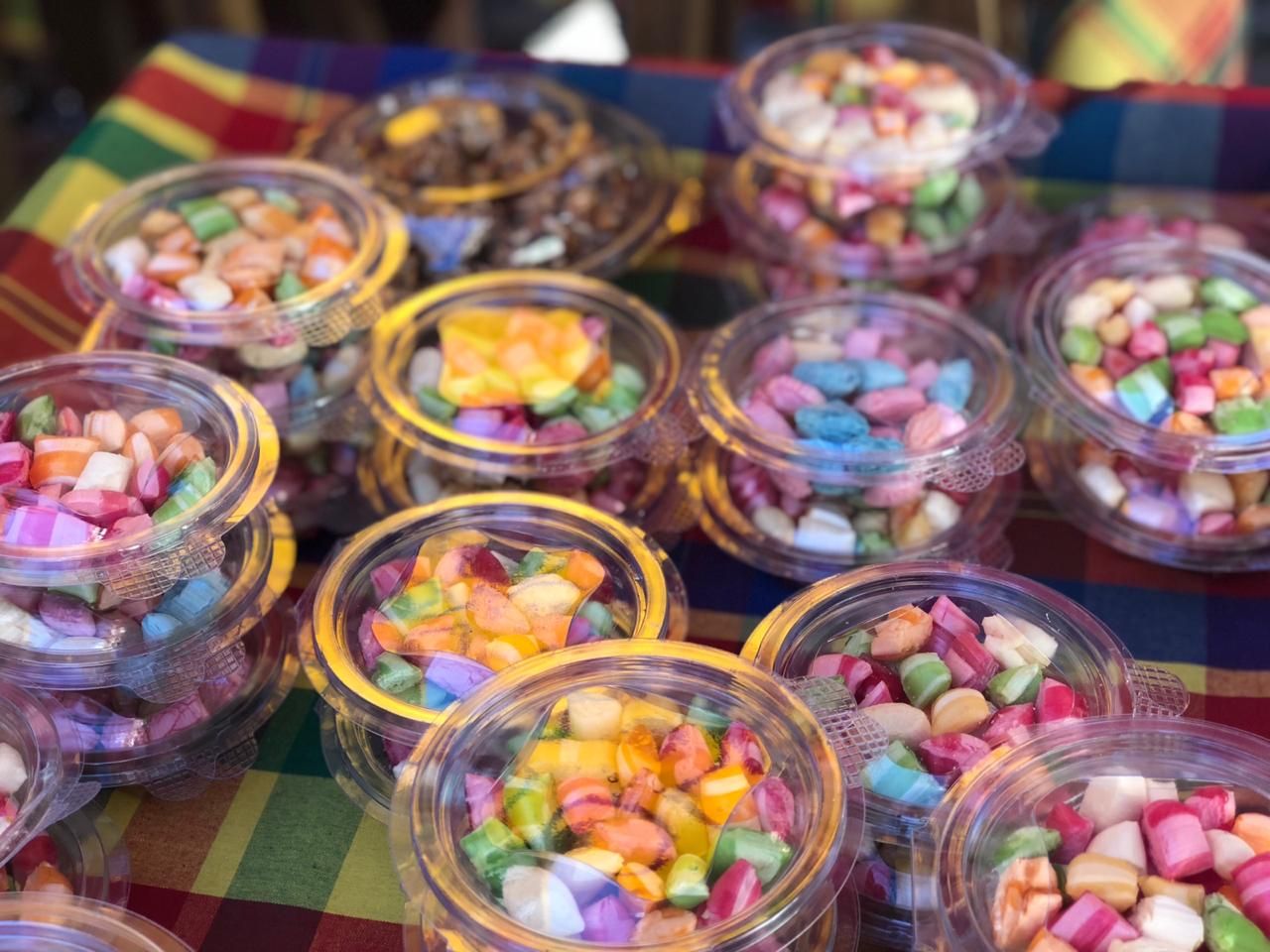
The Grand Marché covered market is the city's best free attraction. Look for: locally blended Colombo spice mixes (the island's signature curry blend), vanilla pods, cacao products, bottles of rhum agricole, madras fabric in traditional Creole patterns, and fresh tropical fruit you won't find at home. The flower market on nearby streets is also spectacular. Arrive before 10am for the best selection and most vibrant atmosphere.
Fort-de-France city center and the main tourist areas are generally considered safe during daylight hours. As with any city, standard precautions apply: keep valuables out of sight, be aware of your surroundings in quieter side streets, and avoid poorly lit areas after dark. The cruise terminal area is well-monitored. Tourist sites around the island — Saint-Pierre, distilleries, beaches — are all considered safe for independent visitors.
Martinique offers access to French products — wines, cheeses, cosmetics, fashion — at French retail prices, which can be favorable compared to other Caribbean islands. The terminal has duty-free shops. In the city, you'll find French supermarkets and specialty retailers. However, Martinique is not a traditional duty-free shopping hub in the way of St. Thomas or St. Maarten — it's better experienced as a cultural and culinary destination than a shopping one.
Filters
Select a filter to refine results.
Tour Type
Tour Activity
 Cart
Cart
 USD
USD GBP
GBP AUD
AUD EUR
EUR CAD
CAD