



Tours in Kusadasi (Ephesus)


Cruising to Kusadasi (Ephesus) in a group?
Skip the crowded ship excursion bus. One dedicated planner will design a private shore experience around exactly what your group wants — coordinated from first enquiry to the moment you're back on board. More memorable, more flexible, and more affordable than you might expect. Spend less time organising, more time enjoying.
Explore Group Travel →Cruising to Kusadasi (Ephesus)
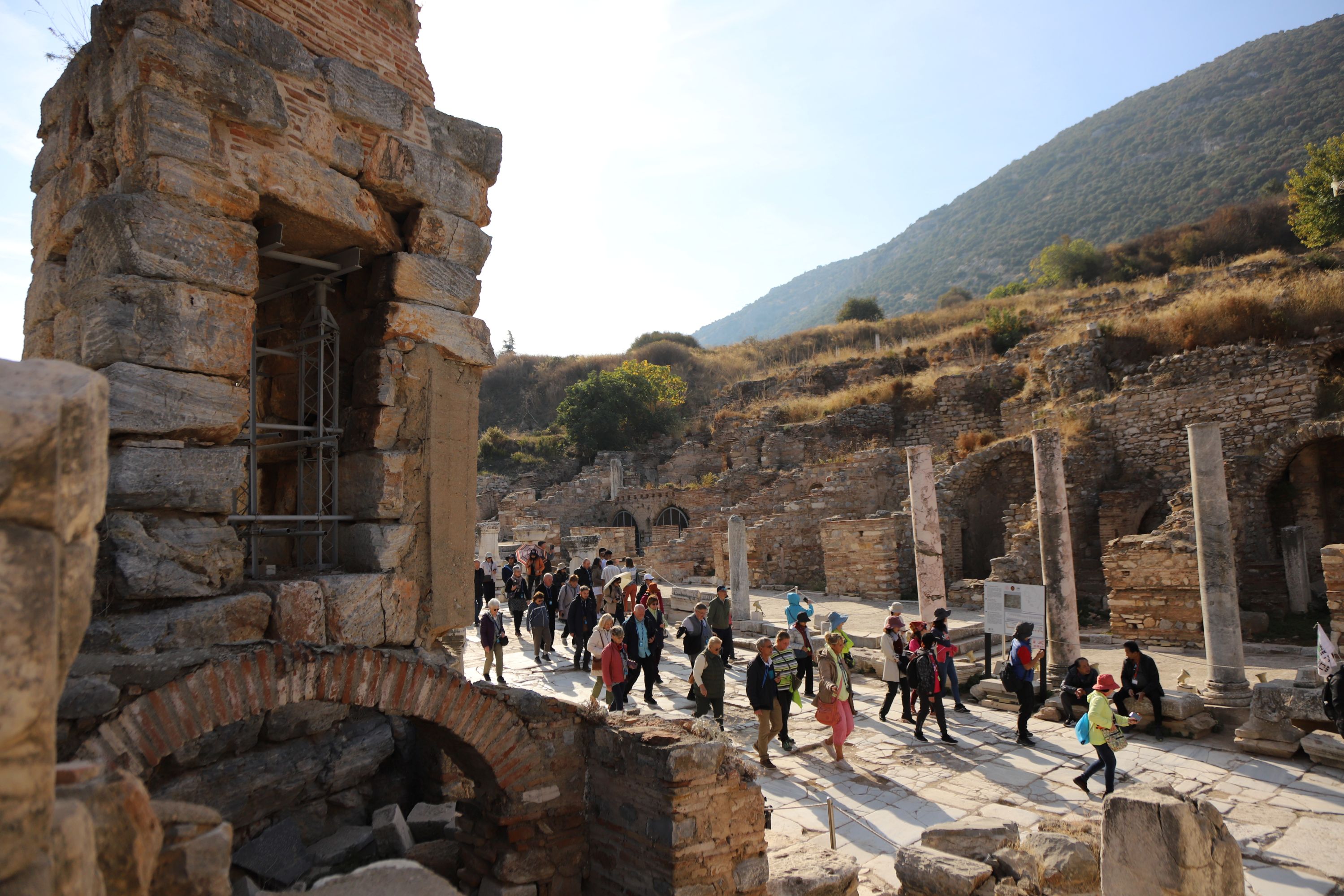
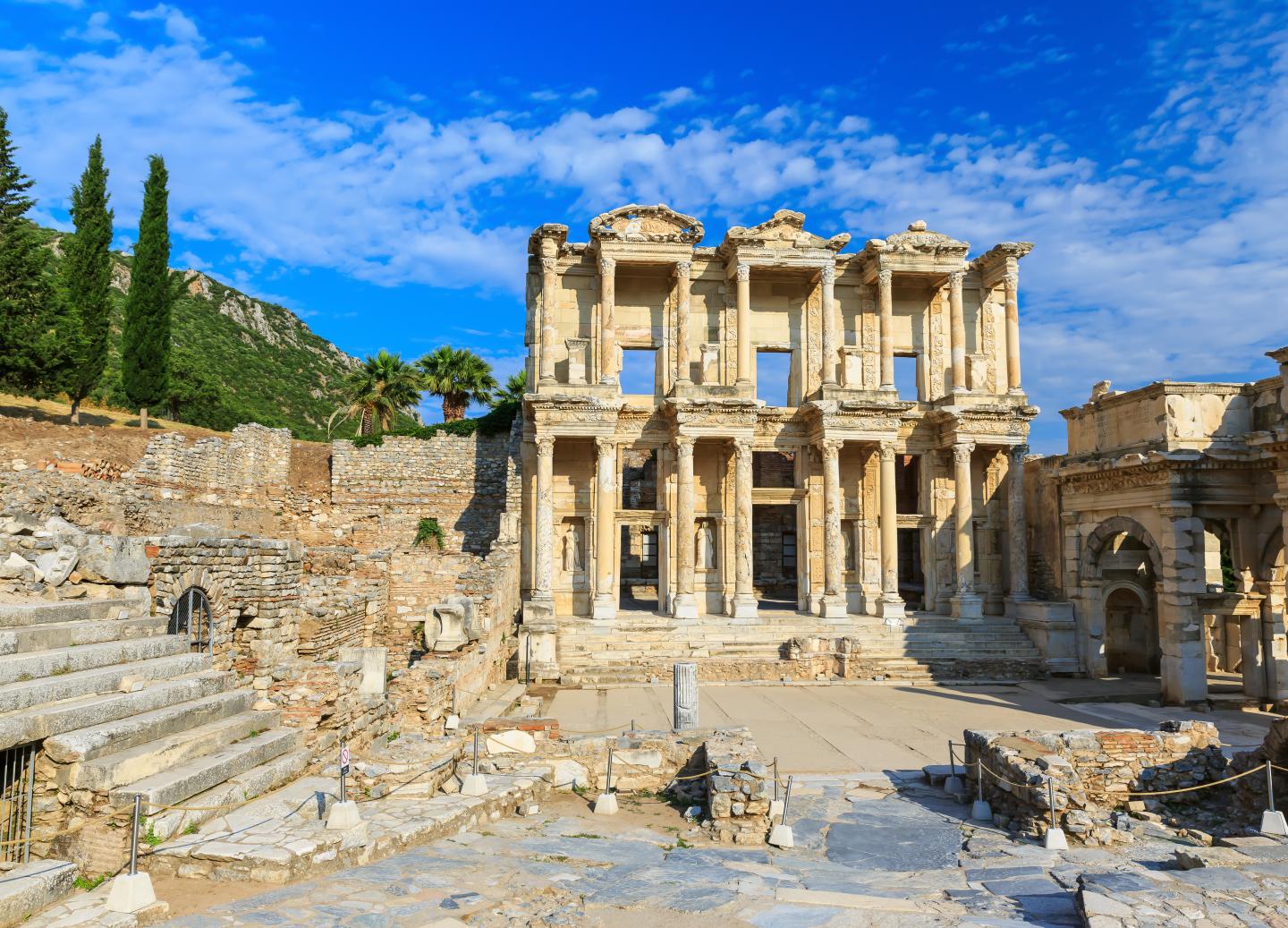
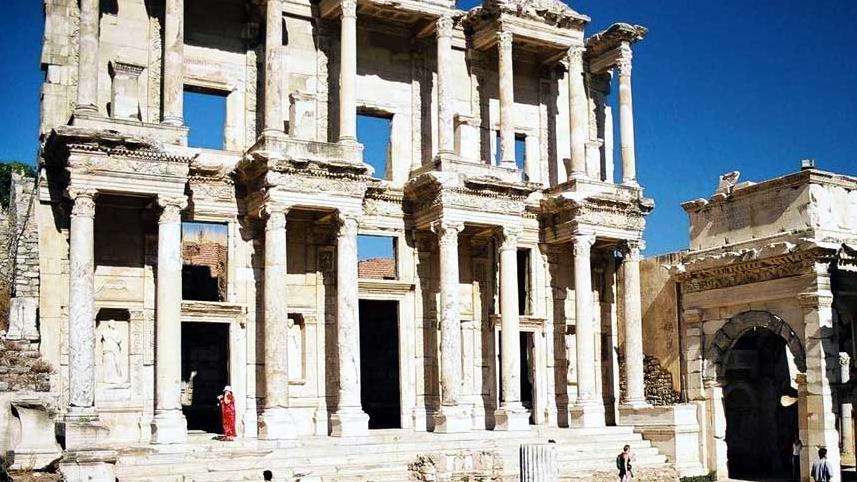
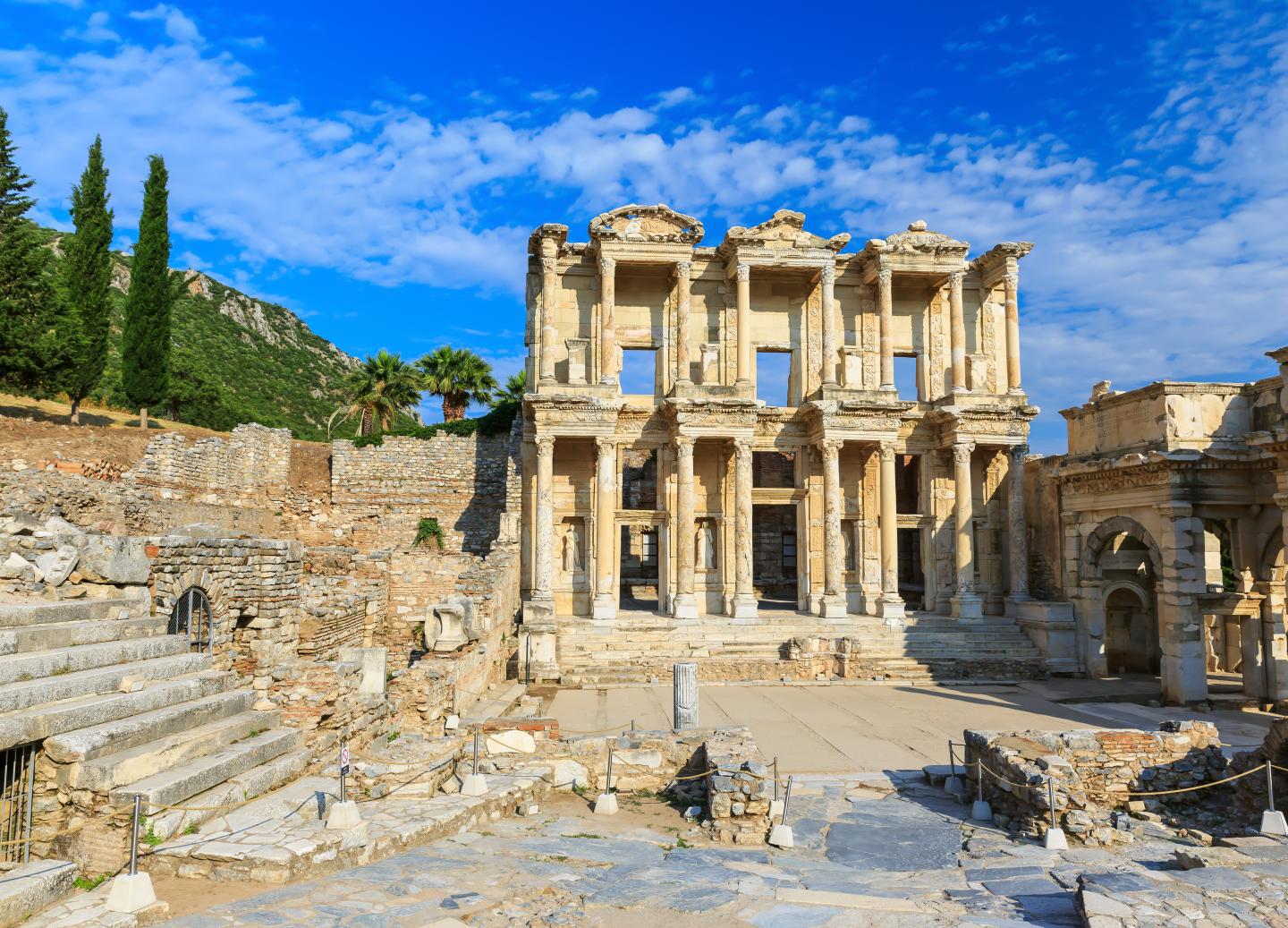
Few cruise ports in the world deliver a day ashore of such archaeological density and historical weight as Kusadasi. The port town itself is a lively Aegean resort, but the real draw sits fifteen kilometres inland: Ancient Ephesus, one of the best-preserved Greco-Roman cities on earth, where marble-paved streets, a library facade of extraordinary grandeur, and a theatre that once held 24,000 spectators speak with uncommon directness across two millennia of time.
Ephesus was at various points the second city of the Roman Empire, the site of one of the Seven Wonders of the Ancient World, and an early centre of Christianity where the apostle Paul preached, the evangelist John is said to be buried, and the Virgin Mary — by tradition — spent her final years. These intersecting layers of Greco-Roman civic life and early Christian history give the site a complexity that rewards multiple visits and repays every hour of exploration.
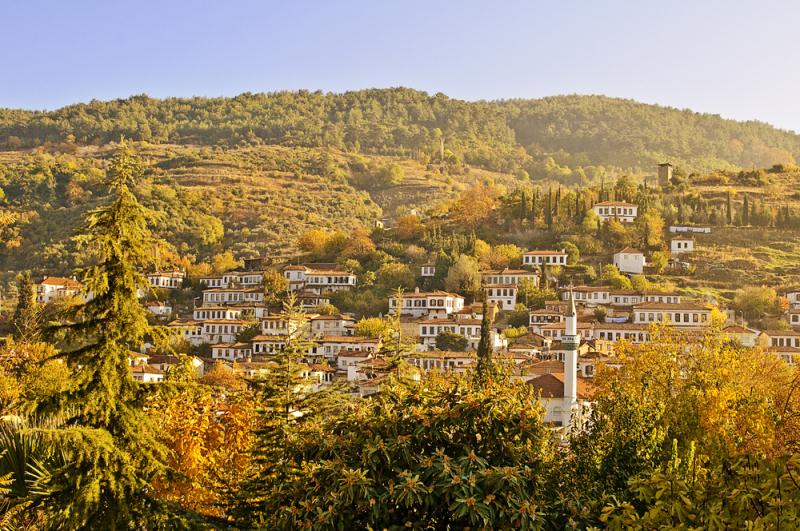
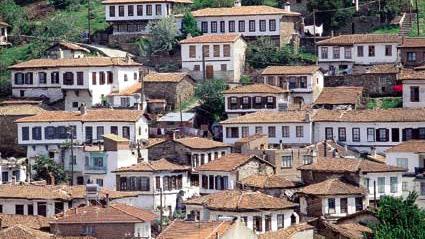
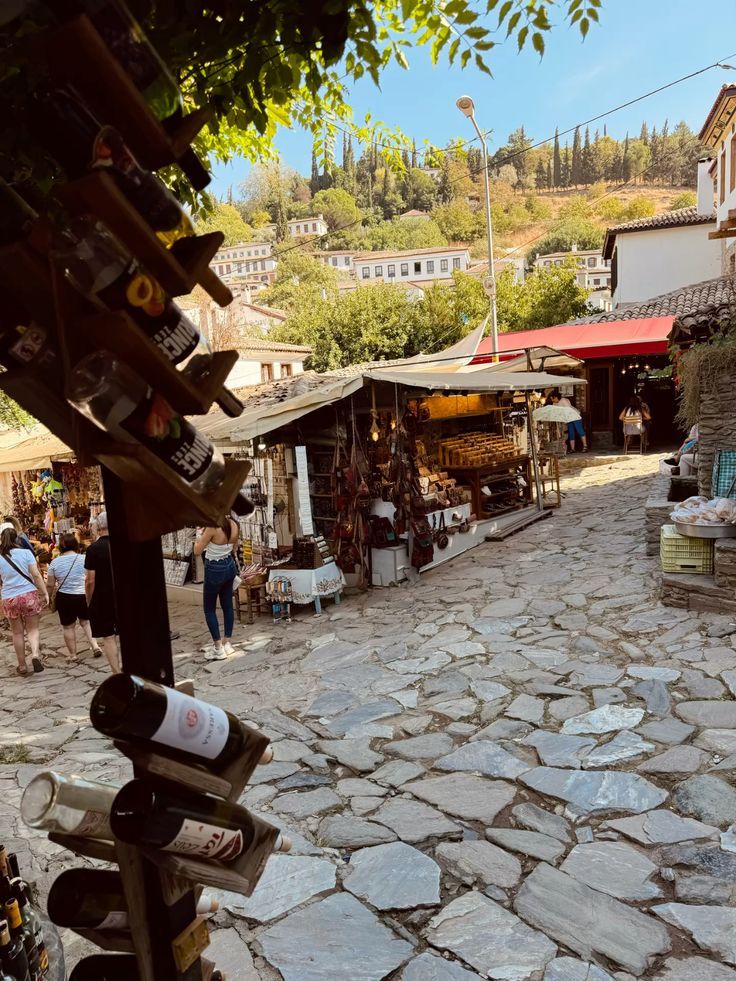
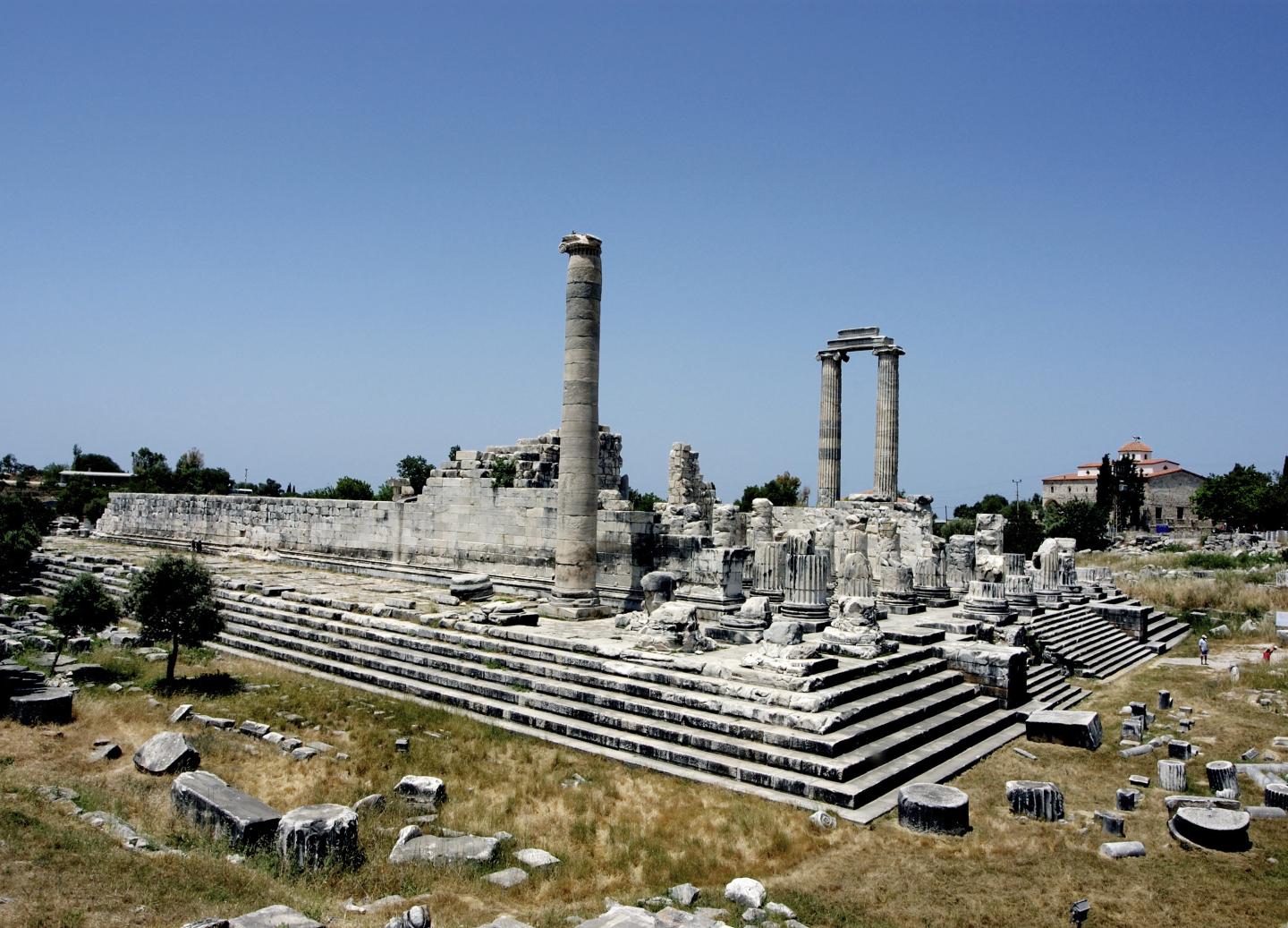
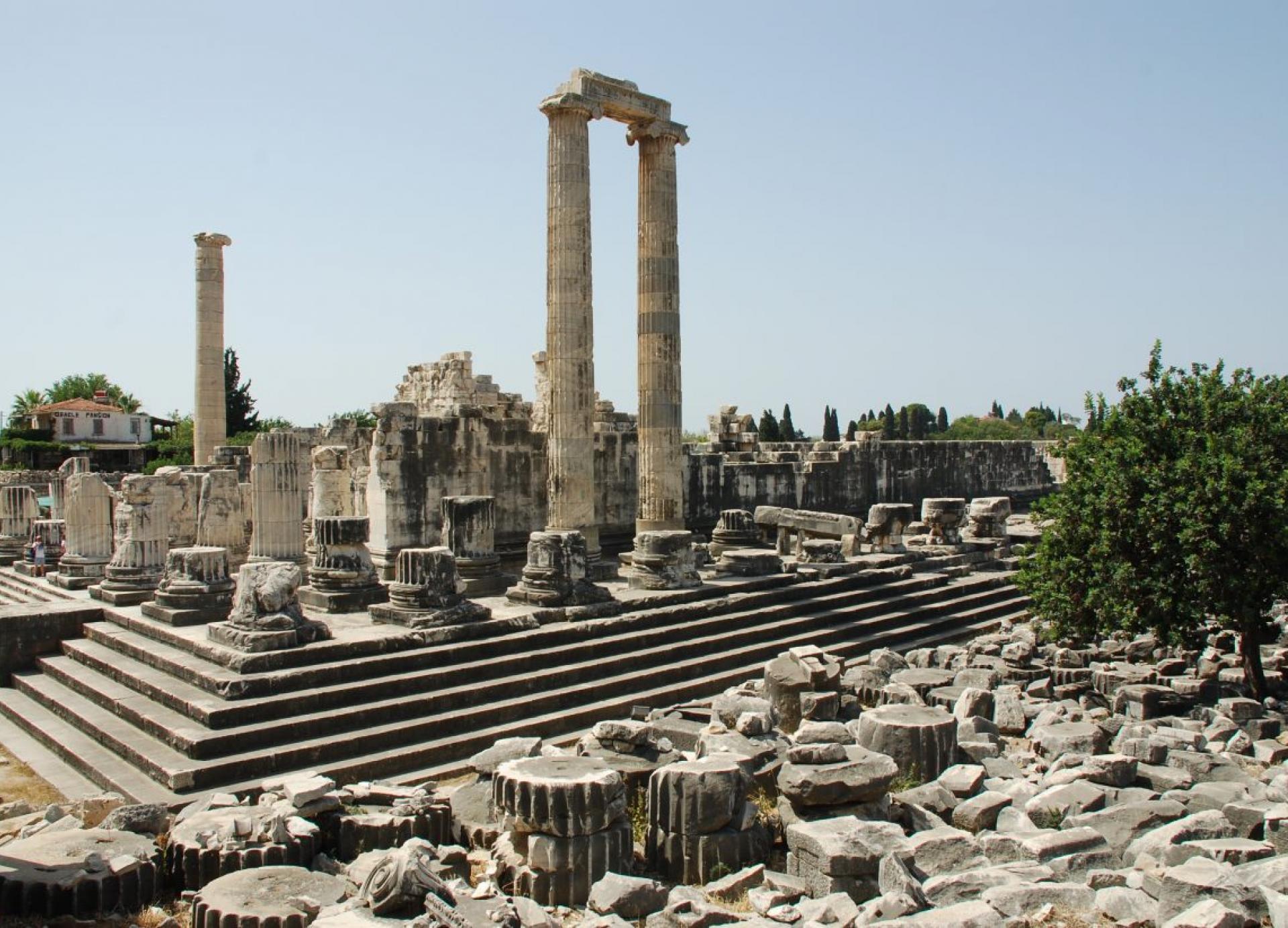
Beyond the main Ephesus site, the surrounding region offers complementary experiences spanning sacred and secular, ancient and artisan. The House of the Virgin Mary on Mount Koressos is a pilgrimage site visited by three popes. Sirince, a hillside village of Greek-heritage stone houses twenty minutes from Ephesus, produces its own fruit wines and olive oils in a setting of cobblestoned charm. Didyma, Miletus, and Priene form a trio of additional ancient sites for guests wanting to go deeper into the archaeology of Ionia.
Summers are hot — reliably above 30°C from July through September — but the ancient sites are partially shaded, comfortable walking shoes and a hat transform discomfort into manageable adventure, and the reward for every uphill path is a view that has changed little since Roman senators walked the same stones.
Top things to do in Kusadasi (Ephesus) on a cruise stopover
Ancient Ephesus: Walking Through a Roman City
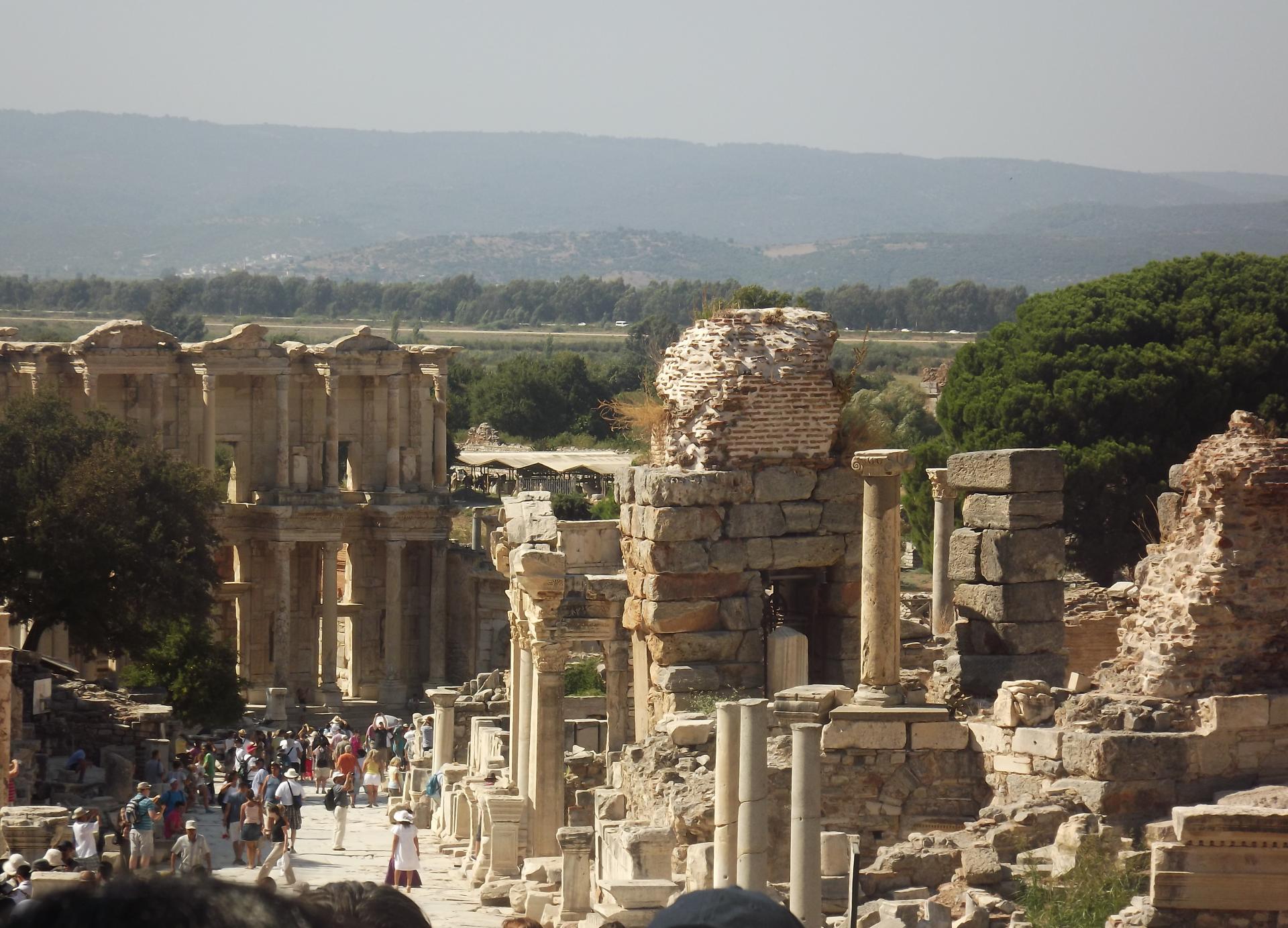
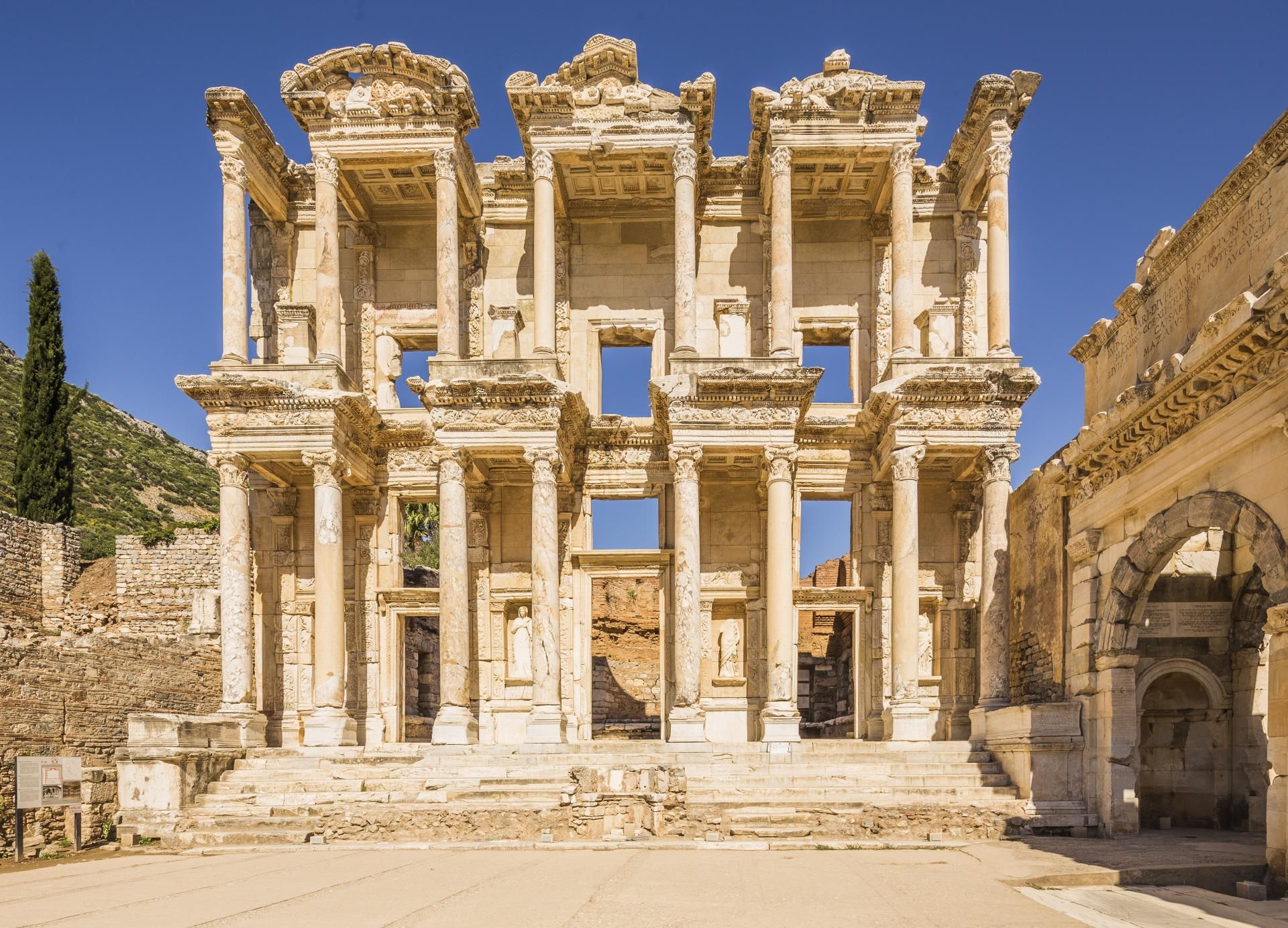
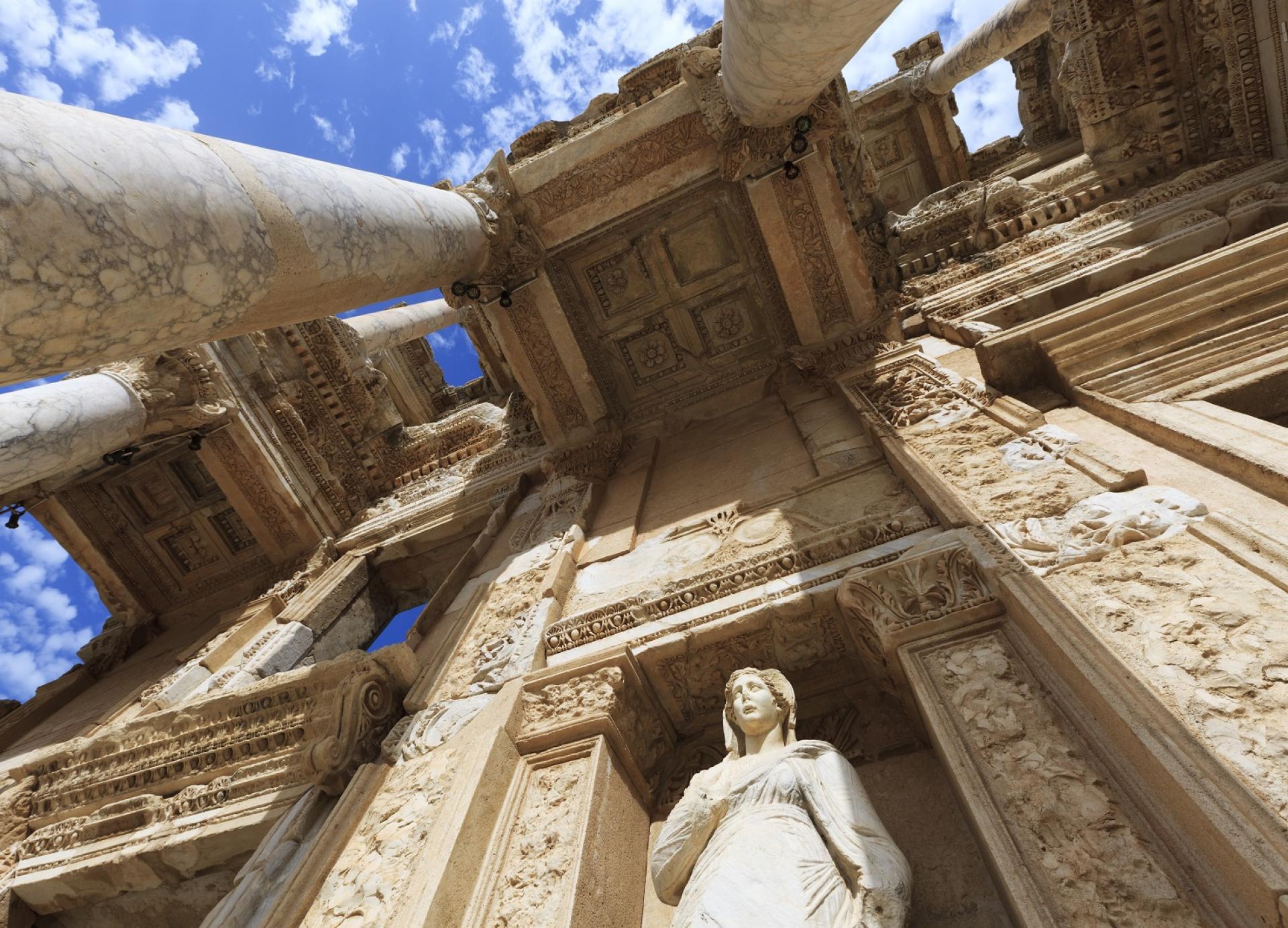
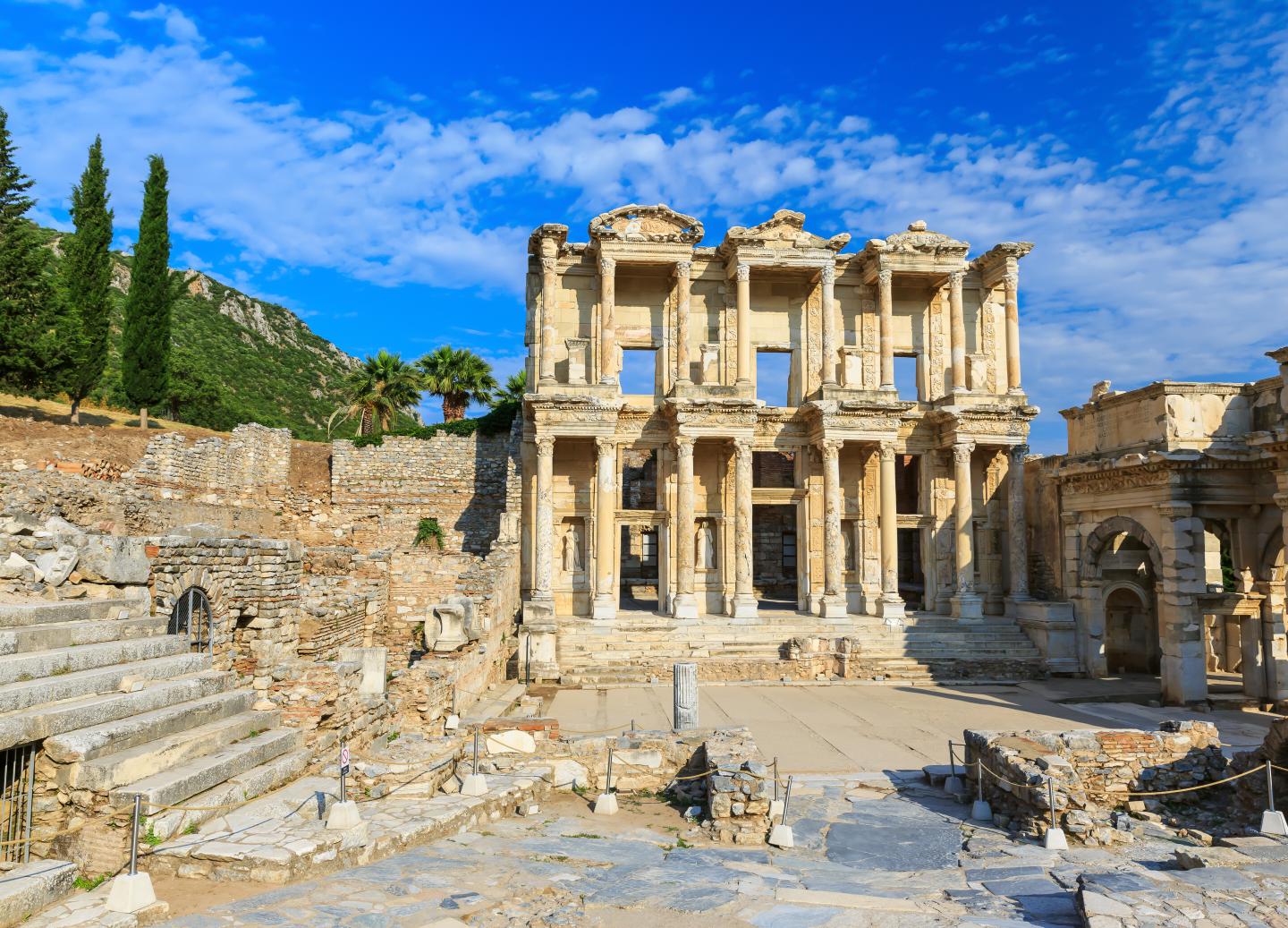
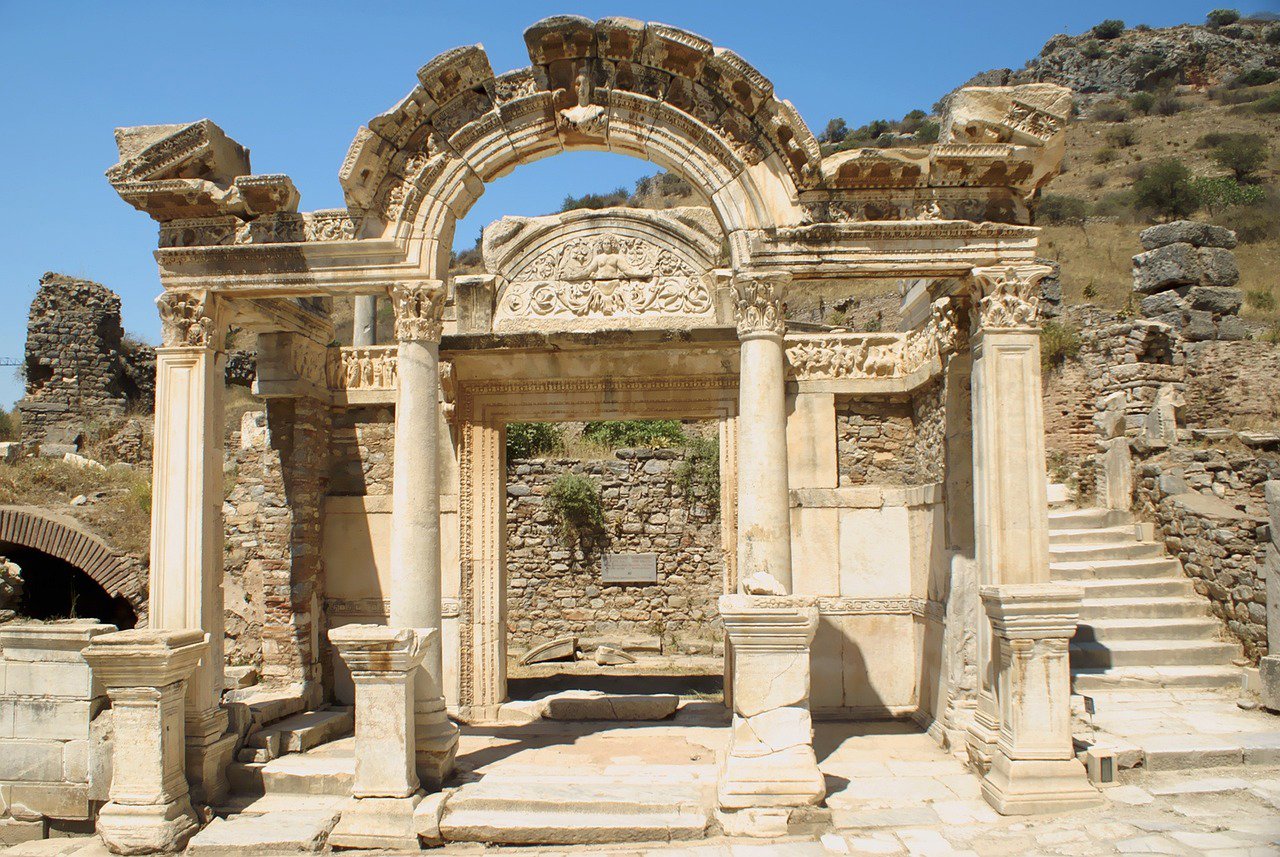
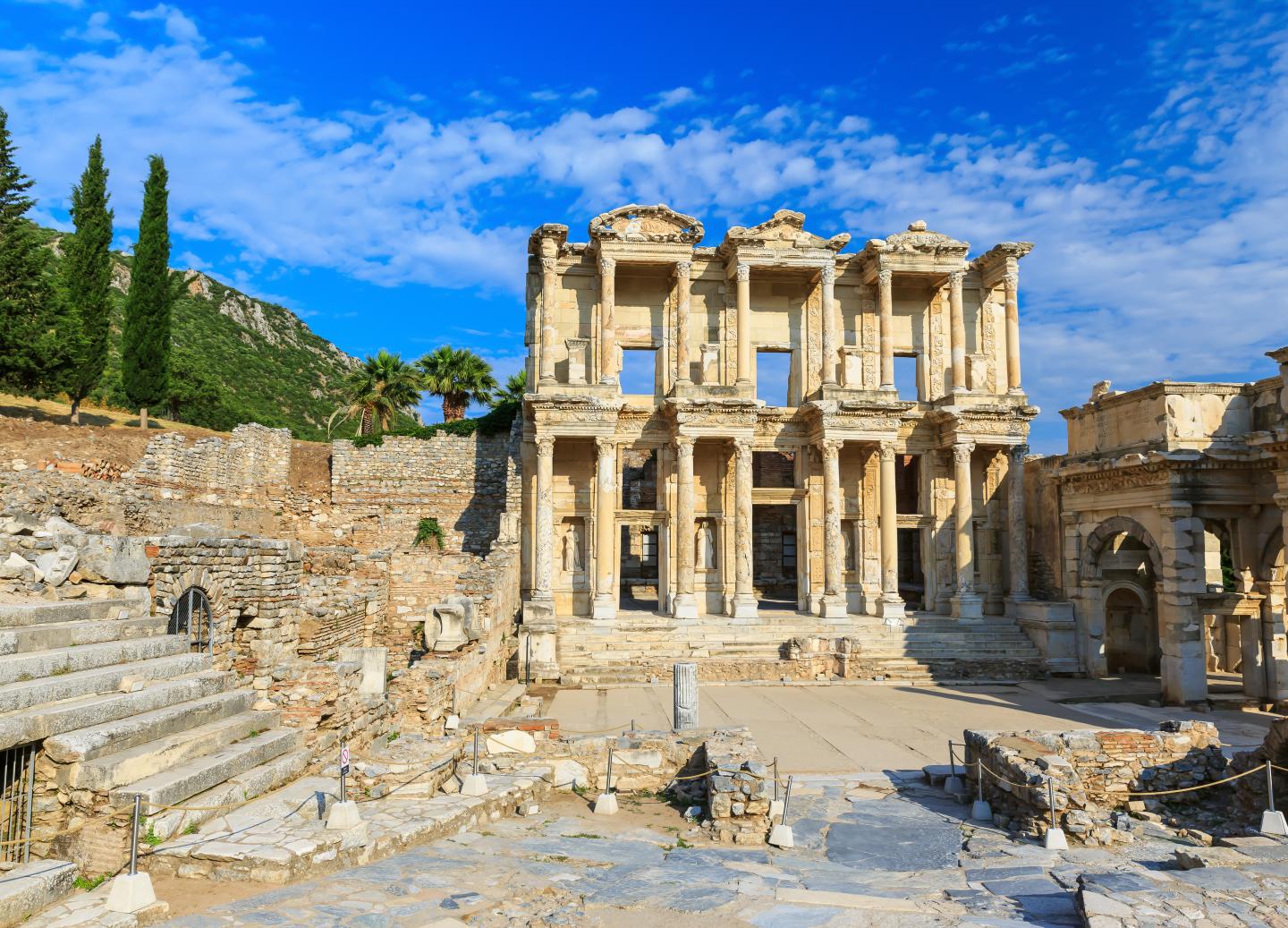
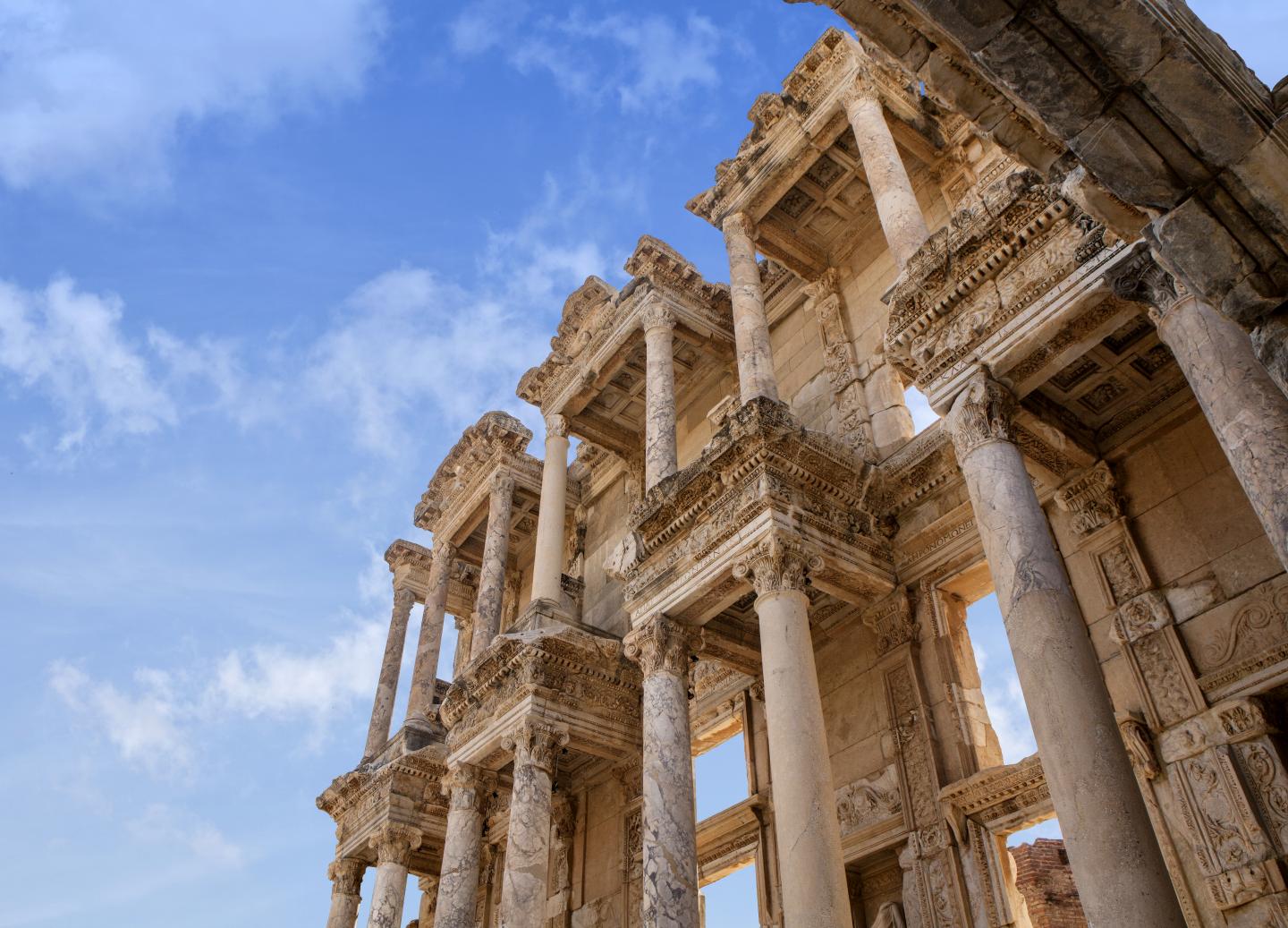
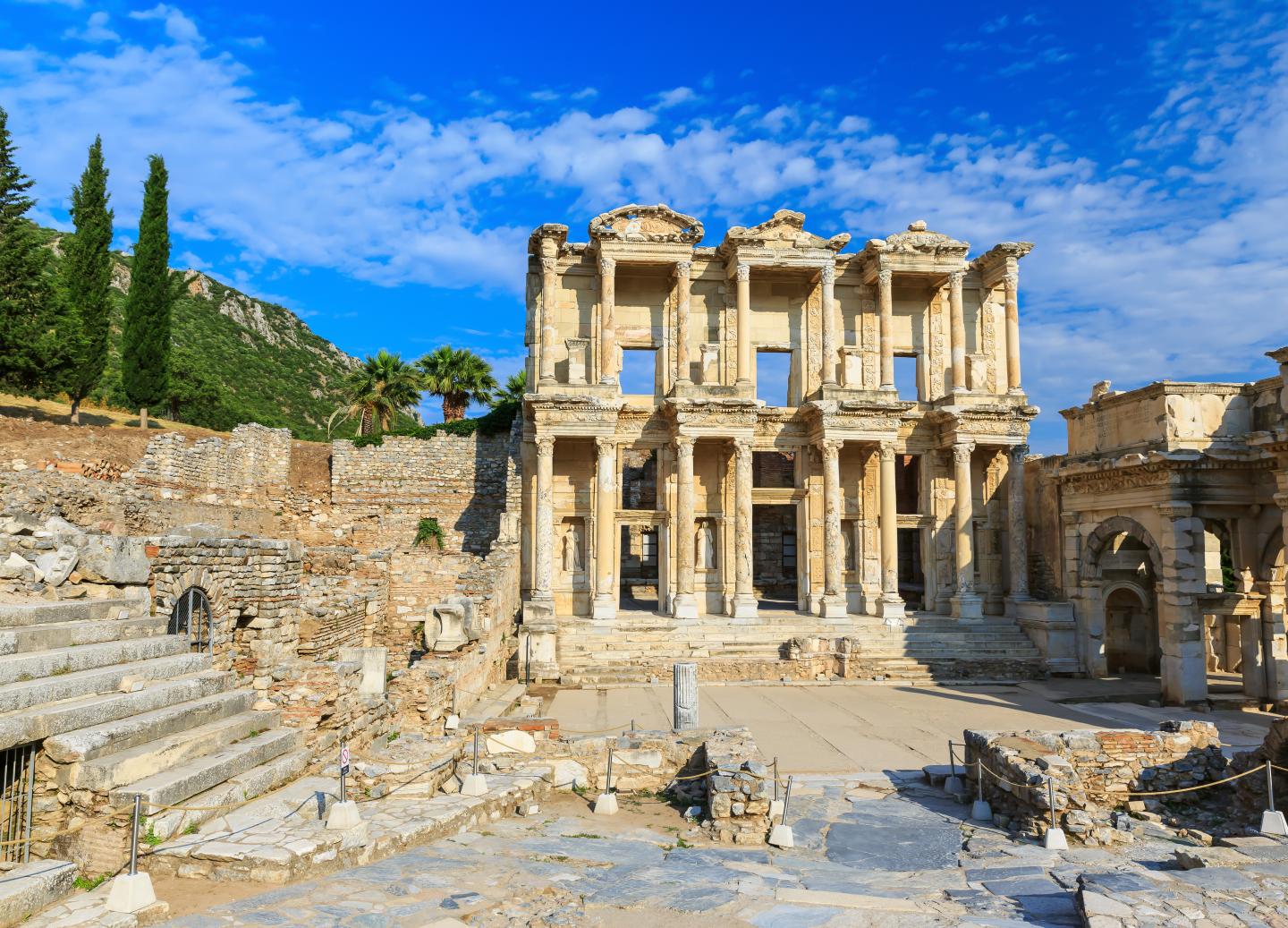
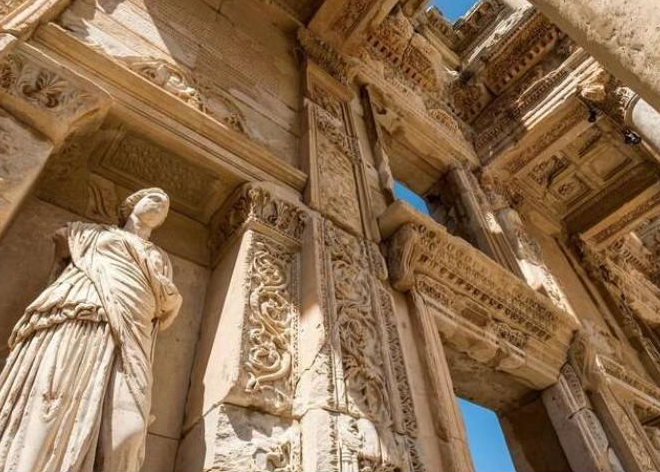
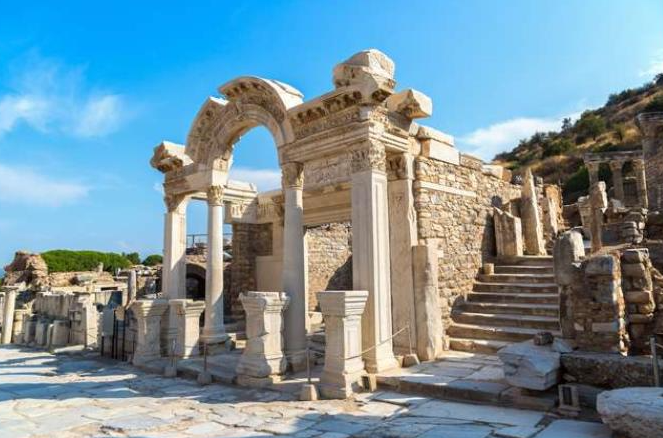
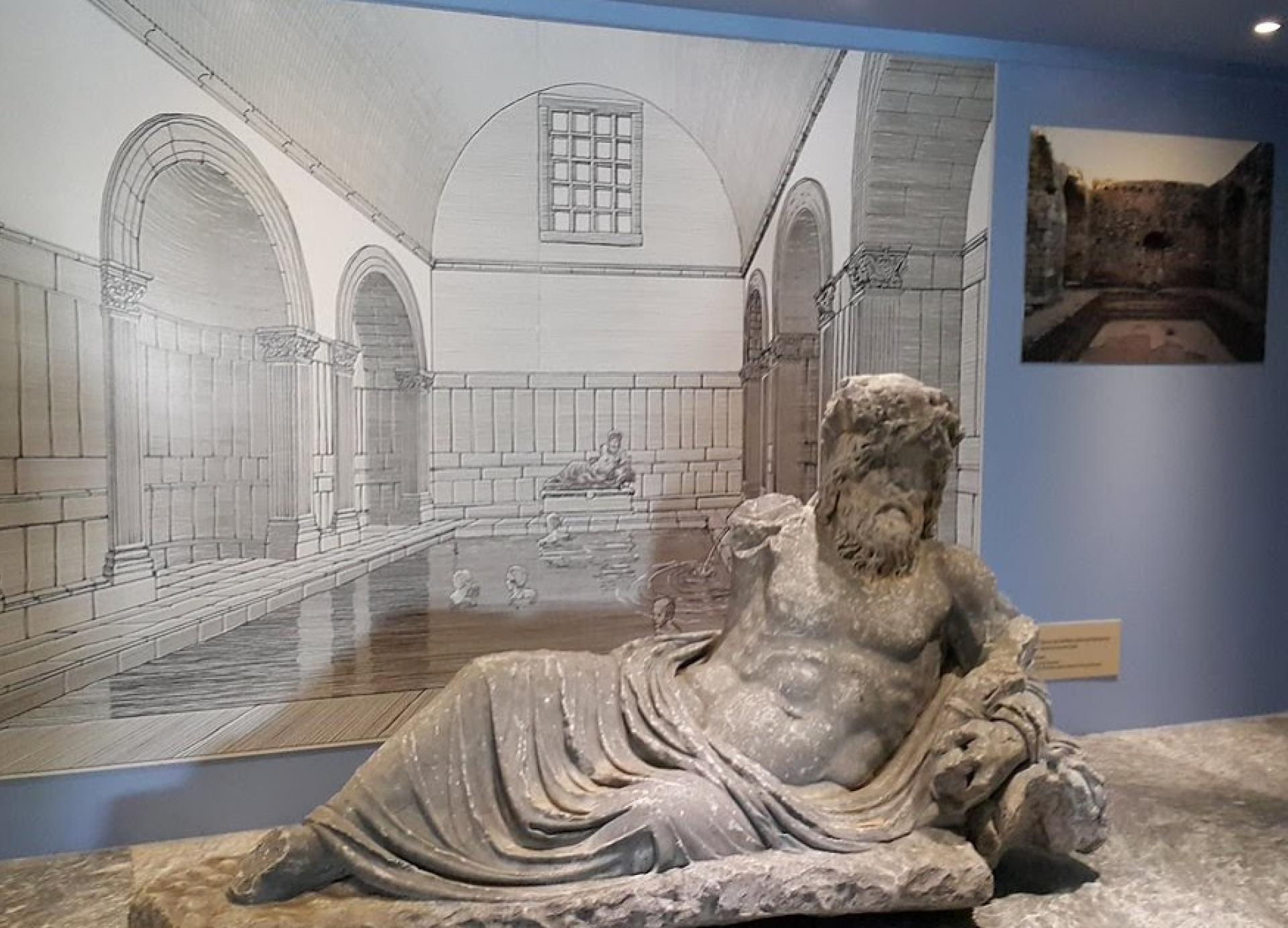
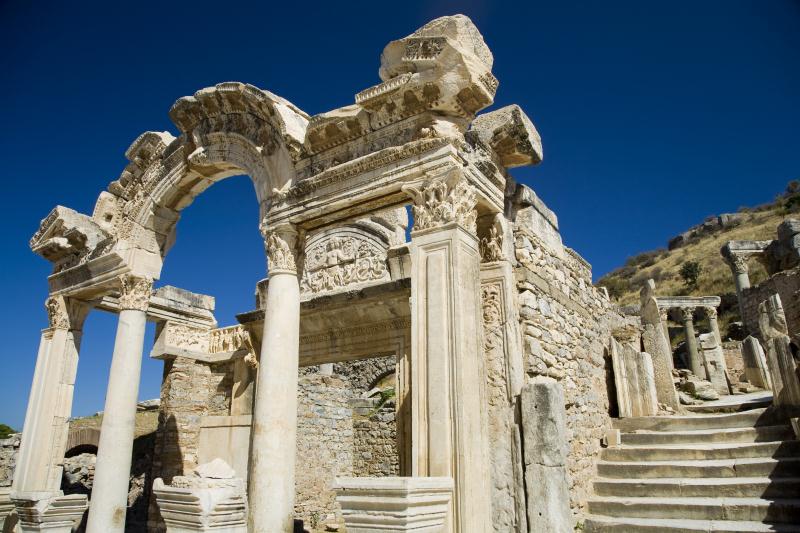
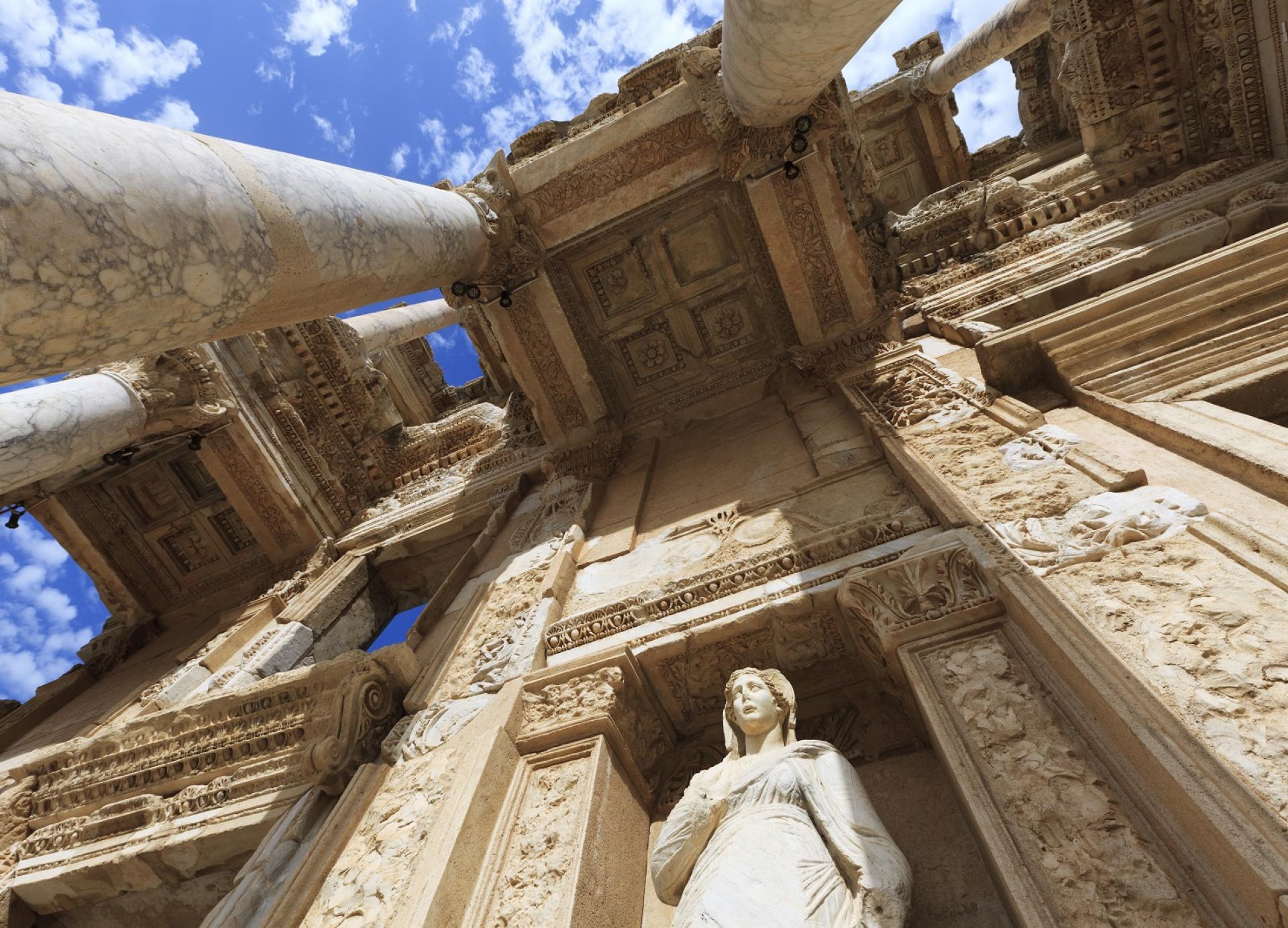
Ancient Ephesus is among the most spectacular archaeological sites in the world. At its peak the city housed 250,000 people, and the scale of what survives is staggering. The Curetes Street — the main colonnaded thoroughfare — runs marble-paved between the Temple of Hadrian, ornate fountains, and public baths toward the centrepiece: the Library of Celsus, whose towering two-storey facade remains one of the most photographed ancient structures in existence. Beyond it, the Great Theatre seats 24,000 and still hosts performances. The Odeon, State Agora, and dozens of inscribed public monuments fill out a city that continues to yield new discoveries with every excavation season. Venture Ashore offers multiple tour configurations — small group or private guide, with or without the premium Terrace Houses ticket.
The Terrace Houses: Roman Domestic Life Revealed
The Terrace Houses — a separately ticketed addition to the main Ephesus site — represent one of the most remarkable archaeological achievements of recent decades. Seven wealthy Roman houses, dating from the 1st to 7th centuries AD, have been excavated, conserved, and covered by a climate-controlled shelter. Visitors walk through living spaces, reception rooms, and courtyards that preserve original mosaic flooring, fresco wall paintings, marble cladding, and personal artefacts in situ — an intimate picture of domestic life at the height of Roman prosperity that no museum display can replicate. Several Venture Ashore tours include Terrace House access as part of the Ephesus itinerary. It adds approximately an hour and is strongly recommended for anyone with a serious interest in ancient history.
The House of the Virgin Mary
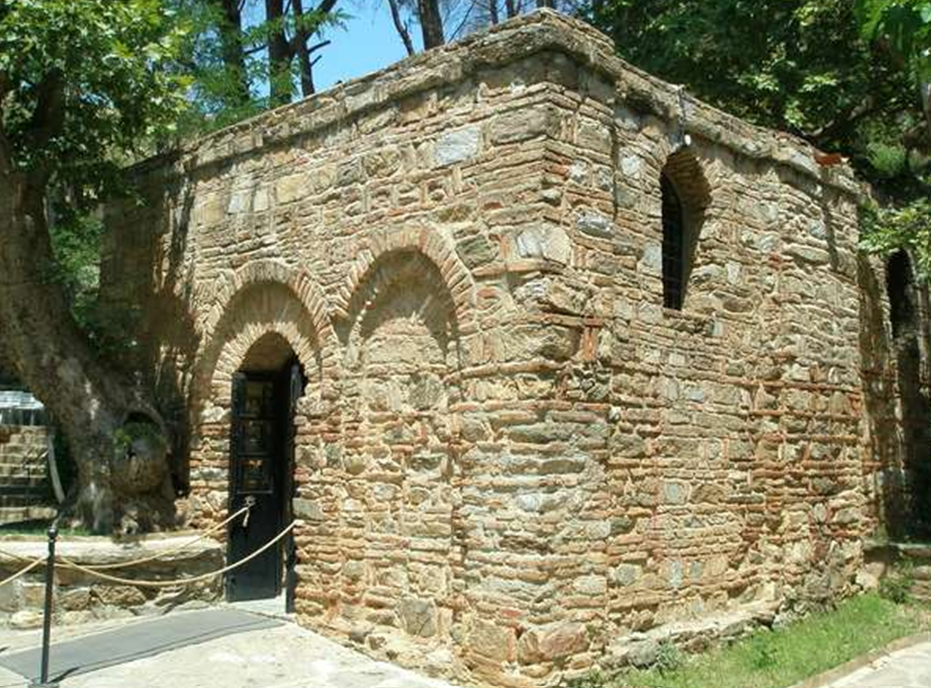
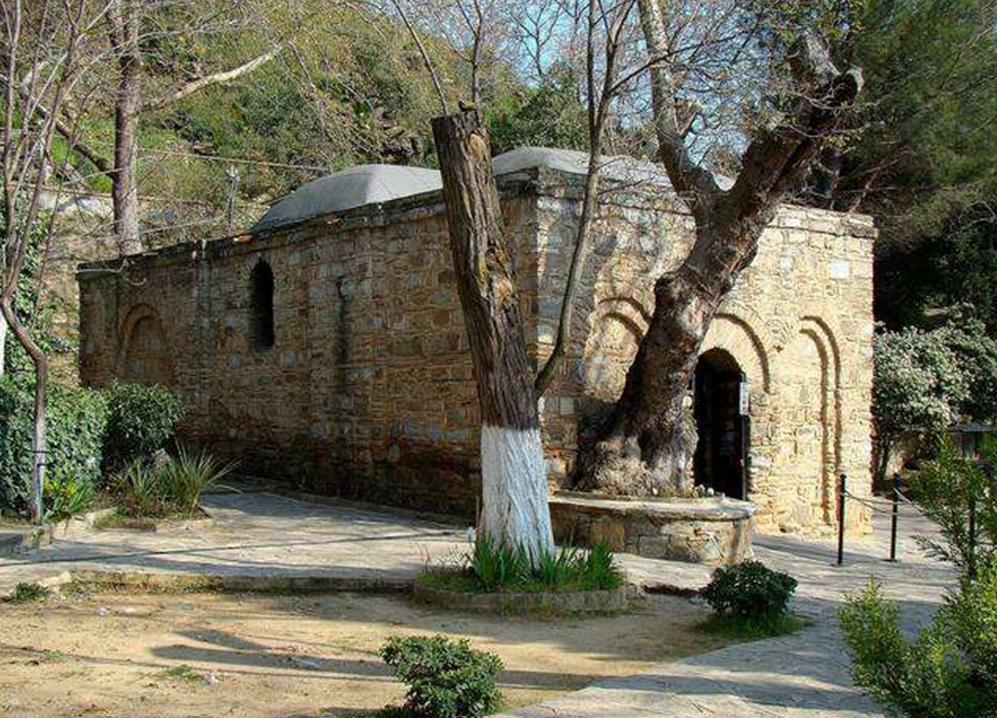
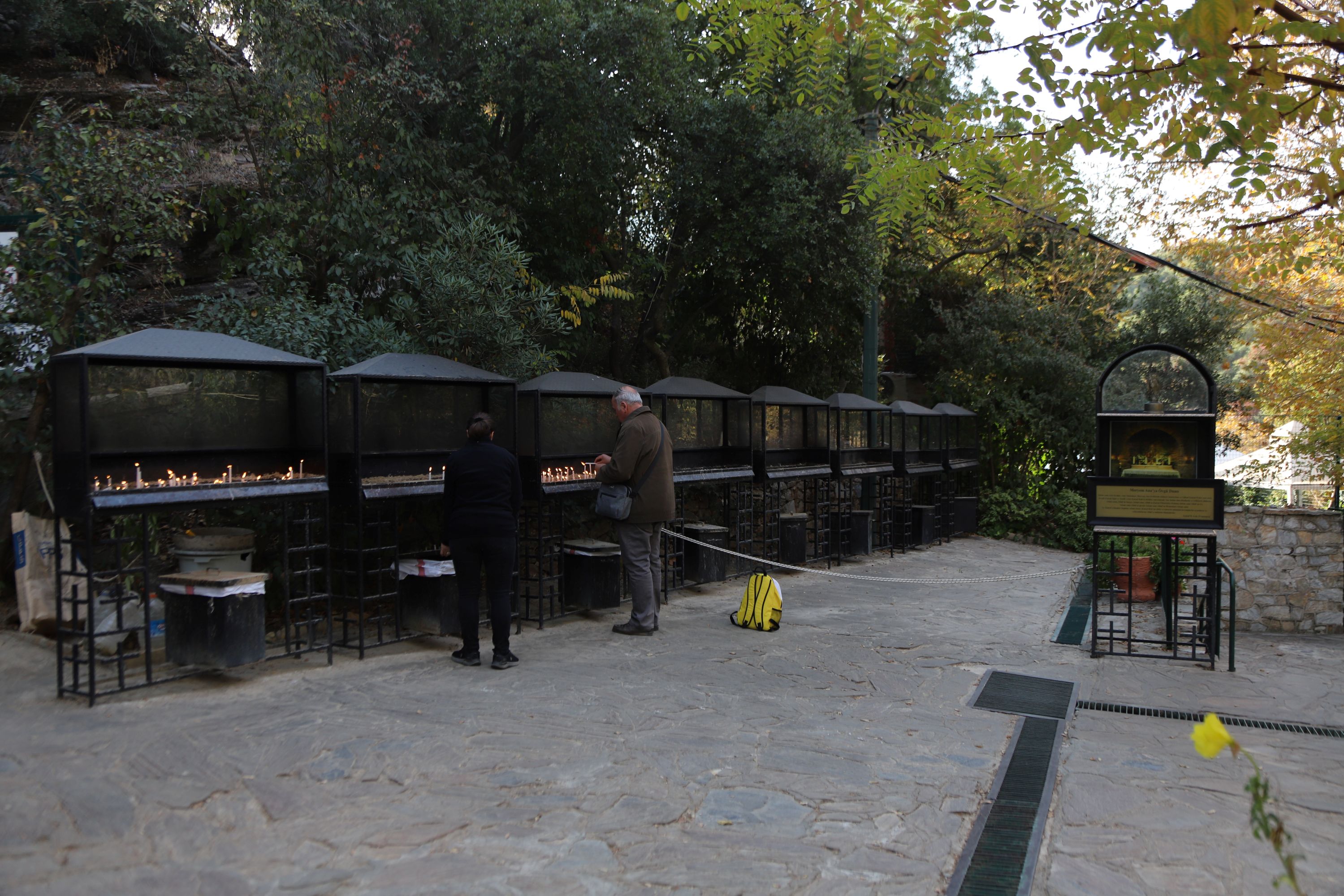
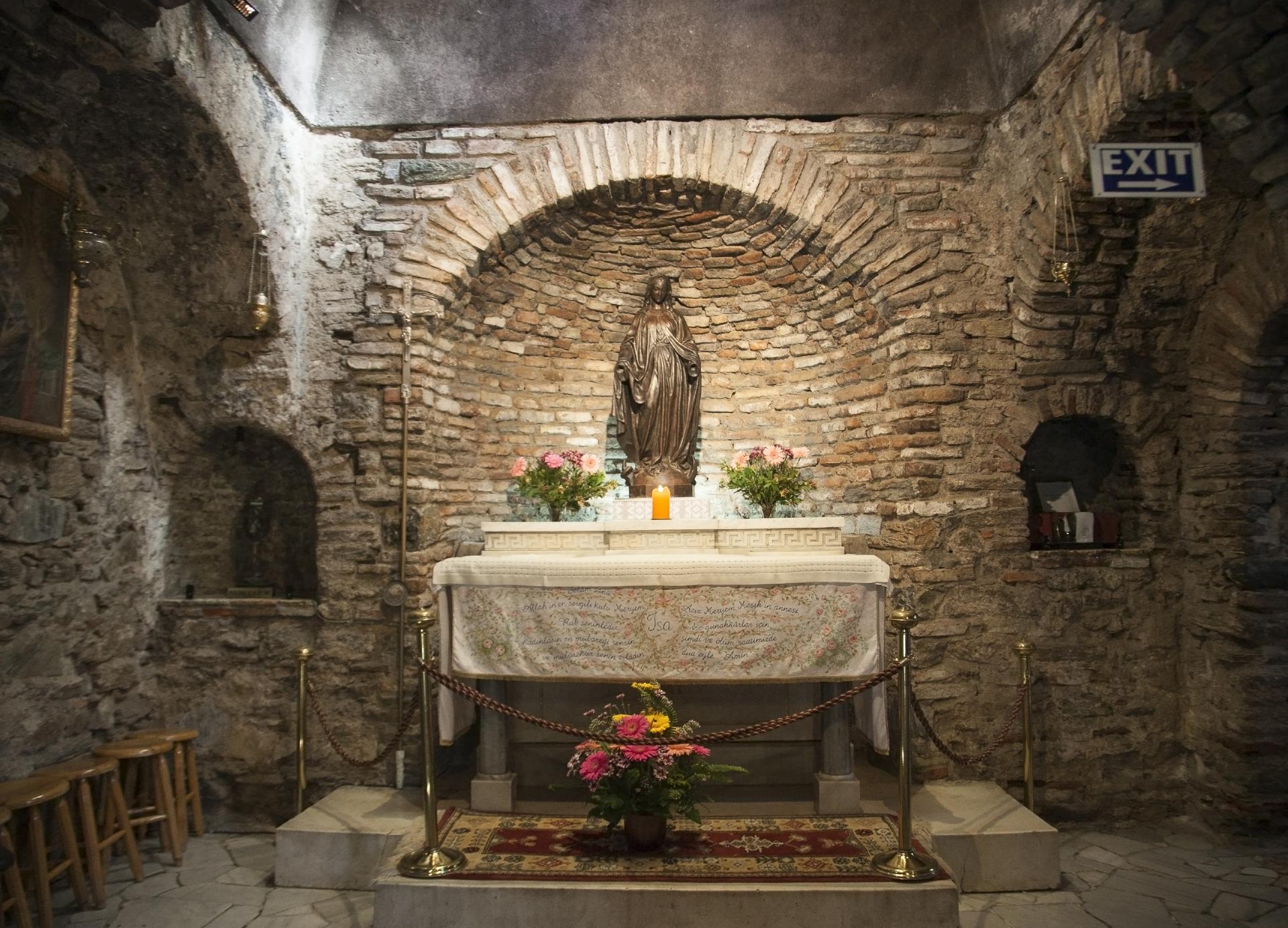
High on Mount Koressos above Ephesus, at the end of a winding forest road, stands a small stone chapel that draws pilgrims from across the Christian world. The tradition that the Virgin Mary spent her final years here was formalised following 19th-century mystical visions and confirmed by papal visits from John Paul II, Benedict XVI, and Francis. The chapel itself is simple and deeply atmospheric — cool, dark, heavy with incense and contemplative quiet. Outside, a wishing wall where pilgrims tie prayer-inscribed cloth is a striking cultural sight, and the forested hillside offers views toward the Aegean coast. Venture Ashore includes the House of Mary in several Kusadasi itineraries, paired with the main Ephesus site.
Temple of Artemis: A Wonder of the Ancient World
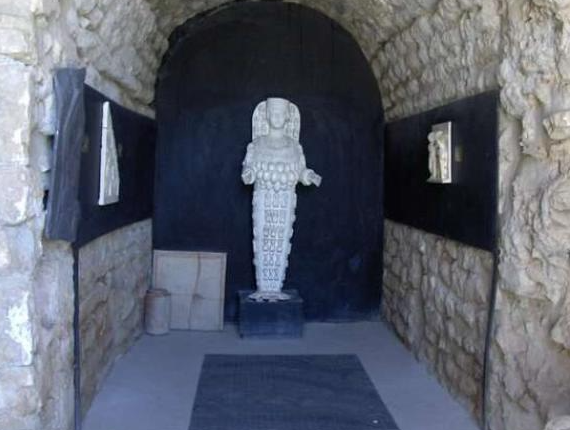
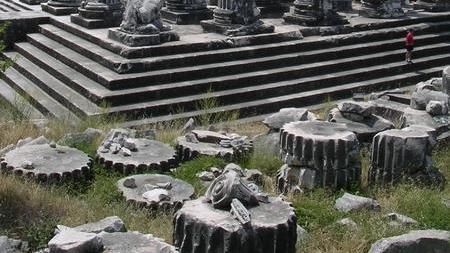
One of the original Seven Wonders of the Ancient World, the Temple of Artemis once stood as the largest Greek temple ever built — four times the footprint of the Parthenon, with 127 marble columns rising to 18 metres. Today a single reconstructed column marks the site on the edge of modern Selçuk, rising from a marshy field where the great sanctuary once stood. The contrast between what was and what remains is itself a powerful historical lesson. Stork nests occupy the column capital in season, adding an unexpected living dimension to the ruins. Most Venture Ashore Ephesus tours include the Temple as part of the itinerary — a brief but essential stop that frames the entire Ephesus experience in its mythological context.
St. John's Basilica and the Fortress of Ayasuluk
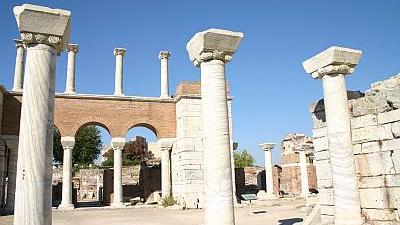
On the hill above Selçuk, the Byzantine Basilica of St. John marks the spot where the apostle and evangelist John is said to be buried. Emperor Justinian built the 6th-century structure over an earlier church, and while the basilica is now ruined — nave open to the sky, columns lying in the grass — its scale conveys the prestige of the site in the Byzantine world. The adjacent Ayasuluk Fortress crowns the same hill and provides sweeping views over Selçuk, the Temple of Artemis below, and the coastal plain toward Kusadasi. Venture Ashore includes St. John's Basilica in several small-group and private itineraries as a complement to the main Ephesus archaeological site.
Sirince Village: Hillside Charm and Local Flavour
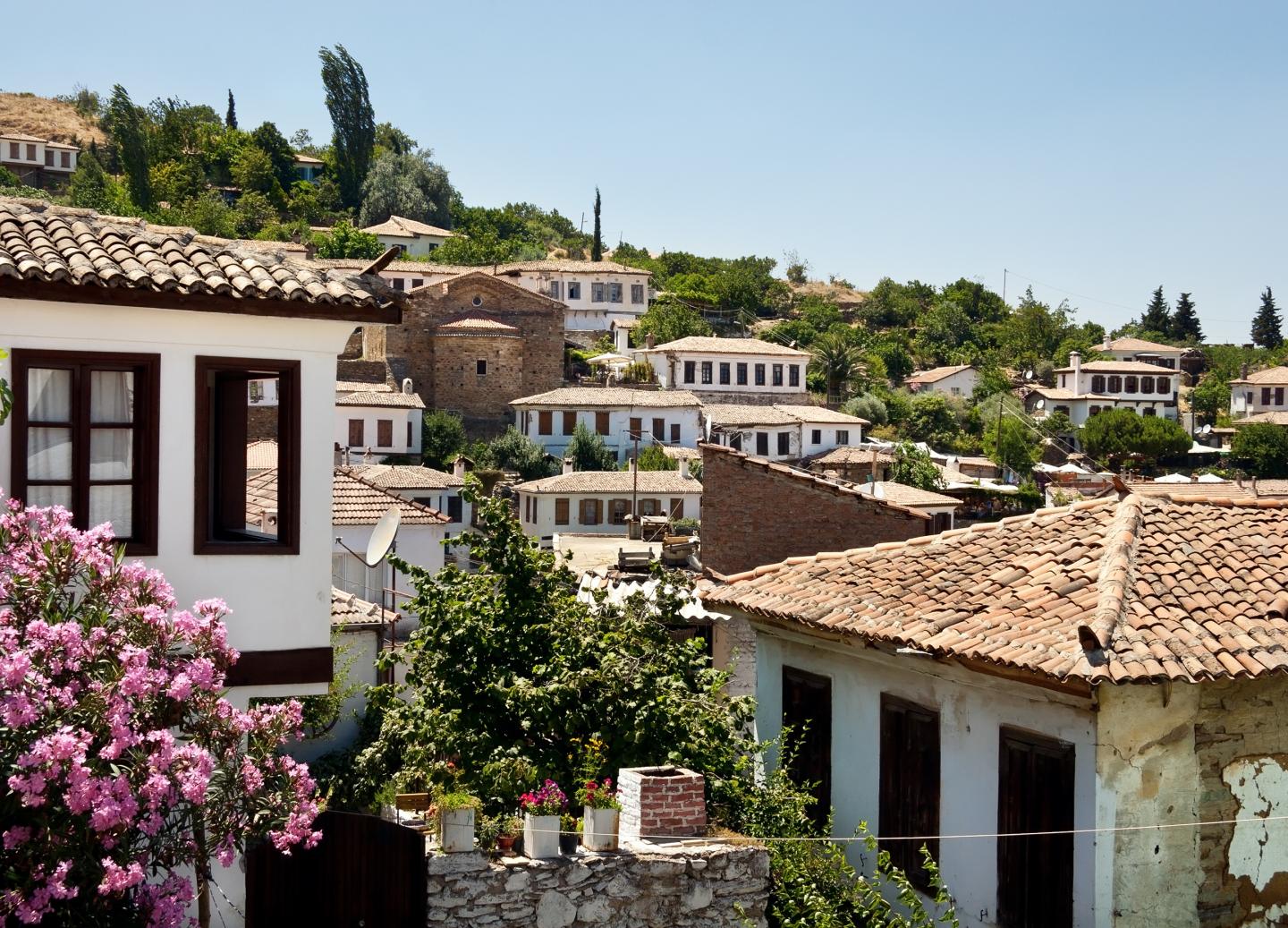
Twenty minutes by road from Ephesus, the village of Sirince occupies a hillside of rare picturesque perfection: stone houses with terracotta roofs climb terraced slopes above orchards of apple, peach, and cherry, their lanes cobblestoned and shaded by grapevines. Originally settled by Greeks before the 1923 population exchange, Sirince retains a distinct architectural character unlike anywhere else in the region. The village is famous for its fruit wines — strawberry, peach, and cherry varieties — and for its olive oils, hand-embroidered textiles, and local preserves. Venture Ashore offers itineraries combining Sirince with Ephesus, giving guests time to explore the lanes, taste local wines, and enjoy a meal before returning to port.
Kusadasi (Ephesus) travel tips
Arrive at Ephesus as Early as Possible. Ephesus is one of Turkey's most visited sites, and the combination of tour group volumes and summer temperatures makes mid-morning through early afternoon the most challenging time to visit. If your ship docks early, aim to reach the site by 8:30–9:00am — the light is beautiful, crowds are thin, and the marble reflects morning sun rather than baking it. The site opens at 8:00am in summer. Visiting after 4:00pm as crowds thin is also pleasant if your ship has a late departure.
Wear Comfortable, Closed-Toe Shoes. Ephesus is extensively paved in ancient marble — beautiful but uneven, polished, and treacherous when worn. Flip-flops, thin-soled sandals, and high heels are genuinely dangerous on the sloped marble streets and cause significant discomfort over 2–3 hours of walking. Sturdy trainers or walking shoes with good grip are essential. The Terrace Houses involve narrow ramps and grated walkways where footwear matters even more.
Dress Modestly at the House of Mary. The House of the Virgin Mary is an active pilgrimage site with genuine religious significance for millions of visitors. Modest dress is expected — shoulders should be covered and knees at minimum. Scarves are available to borrow at the entrance. Behaviour inside the chapel should be respectful and quiet; flash photography inside is inappropriate. The site welcomes visitors of all faiths, and the atmosphere of contemplative respect is worth maintaining.
Sun Protection is Non-Negotiable in Summer. The Ephesus site offers limited shade — marble streets and open squares reflect and radiate heat. In July and August, temperatures commonly reach 38–40°C at peak afternoon hours. Apply high-SPF sunscreen before arrival, wear a wide-brimmed hat, carry more water than you think you need, and take shade breaks in the Terrace Houses. Lightweight, light-coloured, breathable clothing makes a significant physical difference over three hours of outdoor walking.
Budget Time Carefully if Combining Multiple Sites. The Kusadasi region offers more high-quality ancient sites than one day can fully absorb. Trying to see Ephesus, House of Mary, Sirince, and Didyma all at once means seeing none properly. Decide in advance which two or three matter most and focus. Ephesus alone takes 2.5–3 hours walked attentively; adding Terrace Houses adds an hour; the House of Mary adds 45 minutes including travel. Organised excursions pace itineraries realistically.
The Bazaar Has Better Value Away from the Pier. Kusadasi's covered bazaar, immediately adjacent to the cruise terminal, is energetic and well-supplied but prices near the ship reflect the captive audience. For leather goods, ceramics, spices, or textiles, walking two or three streets deeper yields noticeably better starting prices. Polite bargaining is expected and part of the social ritual; starting at roughly half the asking price is conventional. Tea may be offered during negotiations — accepting is courteous and does not obligate you to buy.
Port Facts Every Cruiser Needs To Know
Kusadasi (Ephesus) shore excursion FAQs
Ancient Ephesus is approximately 17–20 km from Kusadasi port — a journey of 20–25 minutes by road in normal traffic. The nearest town, Selçuk, is the logistical hub for the site and is also where the Temple of Artemis and St. John's Basilica are located. Most organised excursions depart directly from the cruise pier and handle all transfers.
Independent visits to Ephesus are possible — dolmuş (shared minibuses) run from near the port to Selçuk, with connections to the site, and the site has good signage and information panels. However, the most interesting aspects — social functions of buildings, inscriptions, the city's development over centuries — are far more accessible with a knowledgeable guide. Venture Ashore offers small-group and private guided options including transport, site entry, and expert interpretation.
Ephesus charges an entry fee payable in Turkish Lira or by card at the gate; the Terrace Houses require an additional separate ticket. Prices can change seasonally — check current fees before your visit. Organised excursions typically include site entry in the overall price. In peak summer season the site can be very busy, but there is no advance booking requirement for individual admission.
The House of the Virgin Mary is an active pilgrimage destination with deep significance for Catholic and Orthodox Christians, and has been visited by three popes. It warmly welcomes visitors of all faiths and none — respect, quiet behaviour, and modest dress (covered shoulders and knees) are the only requirements. The setting — a forested hillside chapel above the Ephesus valley — is beautiful regardless of religious interest.
July and August temperatures at Ephesus regularly reach 35–40°C at peak afternoon hours, and the open marble streets amplify the heat. The most effective strategies are: visit early in the morning (site opens at 8:00am), wear a wide-brimmed hat and lightweight light-coloured clothing, carry at least one litre of water per person, apply high-SPF sunscreen before arrival, and take breaks in the climate-controlled Terrace Houses. The heat is manageable with preparation and draining without it.
Sirince is a beautifully preserved hilltop village of Greek-heritage stone houses approximately 8 km from Ephesus, famous for its fruit wines, olive oils, artisan textiles, and exceptional scenic setting. It is a genuine living village, not a reconstructed attraction. For cruise travellers with a full day ashore, combining Ephesus with Sirince provides an appealing contrast between ancient grandeur and living local culture. Venture Ashore includes Sirince as a component in several Kusadasi tour itineraries.
These three sites form the great Ionian triad south of Ephesus. Priene is a beautifully sited hillside city with an intact grid plan and an Athena temple that Alexander the Great helped fund. Miletus was an important philosophical and commercial centre whose vast theatre still impresses. Didyma houses the Temple of Apollo — one of the largest ancient temples ever built — with its legendary oracle. Venture Ashore offers dedicated Priene-Miletus-Didyma itineraries for guests wanting to explore this area independently of the main Ephesus sites.
Yes — bargaining is a normal and expected part of shopping in the Kusadasi bazaar and most informal markets in Turkey. For textiles, leather goods, ceramics, and souvenirs, the initial asking price is set with negotiation in mind. A polite counter-offer at roughly half the asking price is a conventional starting point. Tea may be offered during the process — accepting is courteous and does not obligate you to buy. Supermarkets and formal shops typically have fixed prices.
The official currency is the Turkish Lira (TRY). Many tourist-facing businesses accept euros, US dollars, and British pounds informally, but exchange rates may not be favourable. ATMs at the port and in town dispense Turkish Lira. Credit cards are accepted at most formal restaurants and shops. For bazaar shopping and smaller purchases, having some local currency gives you more flexibility and often better prices.
Visiting Ephesus involves significant walking — the main route covers approximately 2 km on sloped, uneven ancient marble paving. This terrain is challenging for visitors with mobility limitations; wheelchairs and pushchairs are difficult on the original stone surfaces. Parts of the site have been adapted with alternative pathways and the management continues to improve accessibility, but the fundamental landscape remains physically demanding. Visitors with mobility concerns should discuss specific needs with their tour operator before booking.
Filters
Select a filter to refine results.
Tour Type
Tour Activity
 Cart
Cart
 USD
USD GBP
GBP AUD
AUD EUR
EUR CAD
CAD