



Tours in Marmaris


Cruising to Marmaris in a group?
Skip the crowded ship excursion bus. One dedicated planner will design a private shore experience around exactly what your group wants — coordinated from first enquiry to the moment you're back on board. More memorable, more flexible, and more affordable than you might expect. Spend less time organising, more time enjoying.
Explore Group Travel →Cruising to Marmaris
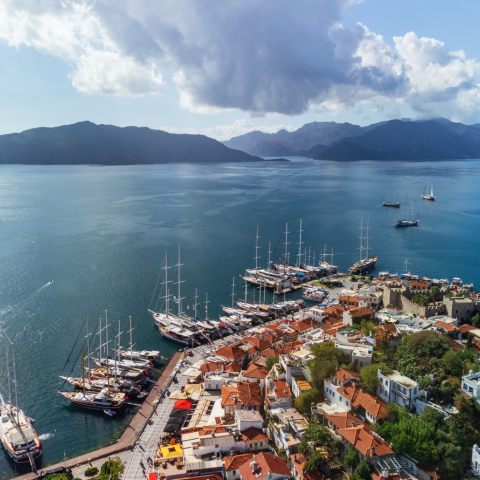
Marmaris occupies one of the most breathtaking natural settings on the entire Turkish coastline — a deep, sheltered bay rimmed by pine-forested mountains that descend almost vertically to the sea. For centuries it served as a strategic anchorage, most famously when Suleiman the Magnificent assembled his fleet here in 1522 before the conquest of Rhodes. Today the town retains that sense of grand scale, with the glittering expanse of the bay stretching away in every direction and the Ottoman castle watching over proceedings from its rocky promontory above the old quarter.
What makes Marmaris exceptional for the arriving cruise visitor is the immediacy of its pleasures. The pier delivers you directly onto the waterfront promenade, with the Old Town's labyrinthine lanes, fragrant bazaar, and hilltop castle all within comfortable walking distance. Within minutes of stepping ashore, you are navigating cobblestone alleys draped in bougainvillea, sampling freshly brewed Turkish tea in a courtyard cafe, or lingering over a spread of mezes beside the marina — the rhythms of the town making themselves felt without effort or planning.
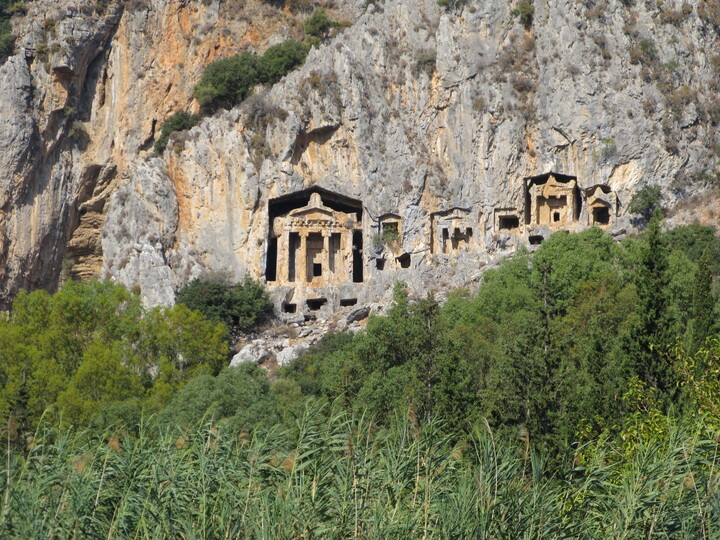
Beyond the town itself, Marmaris is a gateway to some of the most compelling landscapes and ancient sites on this stretch of coast. The bay opens eastward into a maze of sheltered coves and uninhabited inlets, most accessible only by boat — which is precisely what makes a shared sailing excursion so rewarding. Further afield, the ancient Carian city of Caunos and the reed-lined Dalyan river offer a remarkably evocative journey into the deep history of southwestern Anatolia, with Lycian rock tombs carved into cliffsides that have changed little in two and a half millennia.
The Turkish Riviera has a talent for combining natural drama with easy, unhurried pleasures, and Marmaris captures this quality better than almost anywhere. Whether you spend the day aboard a gulet threading between turquoise coves, browsing hand-painted ceramics in the bazaar, or standing atop the castle ramparts watching the bay turn gold in the afternoon light, Marmaris has the rare quality of feeling genuinely generous — a port that gives far more than the hours a typical call allows.
Top things to do in Marmaris on a cruise stopover
Sail the Bay on a Shared Boat Tour
One of the finest ways to experience Marmaris is from the water. A shared boat tour carries you across the glittering turquoise bay, calling at secluded coves and swimming spots that are simply unreachable by land. The surrounding scenery — pine forests tumbling to the sea, limestone cliffs, and the distant ranges of the Taurus mountains — is nothing short of breathtaking. On board, expect a relaxed pace, fresh sea air, and the kind of unhurried afternoon that defines the best of the Turkish Riviera. Whether you swim, sunbathe, or simply watch the coastline drift by, this is Marmaris at its most effortlessly enjoyable.
Journey to the Ancient Ruins of Caunos
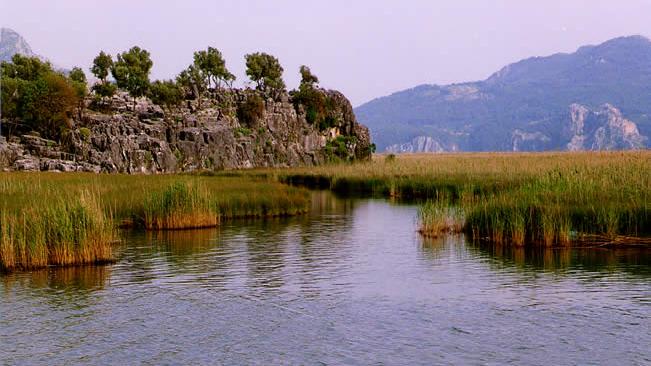
A short journey from Marmaris lies one of the most rewarding ancient sites on Turkey's southwestern coast. Caunos was a prosperous Carian city whose fortunes straddled Greek, Persian, and Roman rule, and today its remains — a theatre, acropolis, Roman baths, and extraordinary rock-cut Lycian tombs carved into cliffsides above the river — form a remarkably evocative landscape. The approach by boat along the Dalyan river, flanked by reed beds and watched over by the famous cliff tombs, is an experience in itself. For anyone with a passion for history or archaeology, this is among the most memorable excursions available from Marmaris.
Explore Marmaris Old Town & the Ottoman Castle
Tucked behind the marina and easily reached on foot from the port, Marmaris Old Town is a labyrinth of narrow cobbled lanes, whitewashed houses draped in bougainvillea, and tiny shops selling spices, textiles, and ceramics. At its heart stands the 16th-century Ottoman castle, originally commissioned by Suleiman the Magnificent. Now home to a small archaeological museum, it rewards the short climb with sweeping views over the harbour and bay. The Old Town can be thoroughly explored in a couple of hours and makes an ideal starting point before heading to the waterfront for lunch or joining an afternoon excursion.
Stroll the Marmaris Waterfront Promenade
The long waterfront promenade stretching from the cruise port past the marina is one of the great pleasures of arrival in Marmaris. Lined with cafes, restaurants, and palm trees, it offers a gentle introduction to the town and its atmosphere. In the morning, local fishermen unload their catch at the quayside; by midday, the terraces fill with visitors taking in the bay views over a long lunch. The promenade connects the pier directly to the Old Town and bazaar, forming the backbone of any leisurely exploration of Marmaris on foot.
Browse the Grand Bazaar
Marmaris bazaar is one of the most atmospheric in southwestern Turkey — a vast covered market where the scent of fresh spices mingles with leather goods, handwoven textiles, jewellery, and painted ceramics. Vendors are accustomed to international visitors and negotiation is part of the experience; browsing without obligation is perfectly acceptable. Look for quality Turkish delight, saffron, dried fruits, and hand-painted tiles as particularly good local souvenirs. The bazaar is at its liveliest in the mid-morning and is conveniently located within a short walk of the cruise pier.
Discover the Hidden Coves of Marmaris Bay
Beyond the town beach, Marmaris Bay opens into a series of sheltered coves accessible by boat or on foot along coastal paths. Icmeler, a quieter beach resort a few kilometres west, is reachable by local minibus and offers calmer waters and a more relaxed atmosphere. Further afield, the coastline fractures into dozens of intimate bays — many accessible only by sea — where the water is clear enough to reveal the sandy bottom in surprising depth. For those whose ideal shore day involves little more than sun, sea, and solitude, the bay around Marmaris reliably delivers.
Marmaris travel tips
Bargaining is Part of the Bazaar Experience. In Marmaris bazaar and many smaller shops, negotiation is culturally expected and entirely normal. Starting at roughly half the asking price is not unusual — the process is considered a social exchange rather than a confrontation. That said, persistent browsing without genuine interest in purchasing is considered poor form. Fixed-price shops and supermarkets operate differently; look for price tags as a guide to what is and is not negotiable.
Protect Yourself from the Summer Sun. Between June and August, temperatures in Marmaris regularly exceed 35 degrees Celsius, and the sun reflects intensely off the water. High-factor sunscreen, a hat, and sunglasses are essential — particularly on boat excursions where shade is limited and the sea breeze can make the heat feel deceptively mild. Carry a refillable water bottle and drink regularly; staying well hydrated in this climate is genuinely important, not merely a precaution.
Dress Respectfully Near Religious Sites. While Marmaris is a resort town with a relaxed coastal atmosphere, any visit to a mosque or traditional neighbourhood calls for modest dress — covered shoulders and knees for both men and women. Women should carry a light scarf or shawl that can double as a head covering when entering a mosque. Most religious sites will have coverings available at the entrance, but having your own is more convenient and courteous.
Accepting Turkish Tea is a Social Courtesy. Accepting a glass of cay (Turkish tea) when browsing a shop or chatting with a local is a social courtesy, not a commitment to buy. Declining can seem brusque. The tea itself — black, strong, and served scalding hot in a small tulip glass — is central to Turkish hospitality. If you prefer something cooler, ask for water (su) alongside; shopkeepers are genuinely glad to offer it. The ritual of tea is one of the most immediately endearing aspects of Turkish culture.
Plan the Caunos Excursion with Time to Spare. The journey to Caunos involves travel time from Marmaris plus the river approach by boat, and the site itself deserves thorough exploration. Allow at minimum half a day for this excursion. The Dalyan river and its protected Iztuzu beach — a nesting site for loggerhead sea turtles — are often combined in the same trip, making for a richly varied day. Wear comfortable, closed shoes as the ruins involve uneven rocky terrain.
The Rock Tombs are Best Seen in Angled Light. The extraordinary Carian and Lycian rock-cut tombs carved into the cliffs above the Dalyan river — visible from the boats approaching Caunos — are among the most photographed sites on this stretch of coast. Morning light illuminates them from the east, while the late-afternoon sun catches the amber-coloured limestone particularly beautifully. Factor the direction of light into your planning if photography is a priority, as the difference between flat midday light and golden-hour conditions is considerable.
Port Facts Every Cruiser Needs To Know
Marmaris shore excursion FAQs
Yes. The town centre is compact and the pier is located right on the waterfront, within easy walking distance of the Old Town, castle, bazaar, and marina. The main attractions are well signposted in English, and the local population is thoroughly accustomed to cruise visitors. For sites further afield, such as the ancient ruins at Caunos, some additional planning is helpful.
The official currency is the Turkish Lira (TRY). Many waterfront restaurants and shops accept euros, but exchange rates offered informally in tourist areas are rarely as favourable as using local currency. ATMs are widely available throughout the town centre and accept most international cards.
Not in the main tourist areas. English is widely spoken in shops, restaurants, and along the waterfront. Away from the centre, a few basic Turkish phrases — tesekkur ederim (thank you), lutfen (please), ne kadar? (how much?) — are warmly appreciated and go a long way with local vendors and residents.
Caunos was a Carian city on Turkey's southwest coast, occupied from the 9th century BC through Byzantine times. Its most striking features are the Lycian-style rock-cut tombs carved into the cliffs above the Dalyan river, visible from the water. The site also includes a well-preserved Hellenistic theatre, Roman baths, a Byzantine basilica, and acropolis remains. The surrounding area around Dalyan is recognised as a protected natural and cultural landscape.
Yes. The waters of Marmaris Bay are generally calm, clear, and safe for swimming. The bay is sheltered from open-sea swells, making it suitable for most swimmers. Boat excursions stop at designated swimming spots around the bay, and the town beach is monitored during the summer season. Always observe any local flags or signage indicating current sea conditions.
A dolmus is a shared minibus that follows a fixed route and can be hailed from the roadside or caught at a designated stop. Passengers pay a set fare and disembark at their stop — simply call out when you want to get off. Dolmus services run frequently along the main coastal road connecting Marmaris with Icmeler and other nearby beaches. Destinations are usually displayed in the windscreen or on a sign above the door.
The town beach runs along the bay from the port towards the marina and is accessible on foot. For quieter or more picturesque options, Icmeler beach is reachable by local minibus in around 15 minutes and offers a noticeably calmer atmosphere. Shared boat tours visit secluded coves around the bay that are otherwise inaccessible by land — these typically offer the clearest and calmest water.
Marmaris bazaar operates daily, generally from early morning until late evening throughout the summer season. It is at its busiest and most atmospheric in the mid-morning hours. Most stalls remain open throughout the day, with some vendors briefly closing for midday prayers on Fridays — though in the heavily touristic central areas this is less strictly observed.
The waterfront promenade and marina area are largely flat and accessible on foot. The Old Town and castle involve uneven cobblestone lanes and steps, which can be challenging for those with limited mobility. The castle itself requires a climb. Boat excursions vary in accessibility depending on the vessel. It is worth checking the specifics of any planned activity in advance if mobility is a consideration.
Fresh seafood is the highlight — grilled sea bream, sea bass, and calamari are served simply and well in the waterfront restaurants. Mezes such as hummus, cacik (yoghurt with cucumber and garlic), and stuffed vine leaves (dolma) make excellent starters. For drinks, try ayran (chilled salted yoghurt), strong Turkish tea (cay), or freshly squeezed pomegranate juice sold from street carts along the promenade.
Filters
Select a filter to refine results.
Tour Type
Tour Activity
 Cart
Cart
 USD
USD GBP
GBP AUD
AUD EUR
EUR CAD
CAD