



Tours in Rome


Cruising to Rome in a group?
Skip the crowded ship excursion bus. One dedicated planner will design a private shore experience around exactly what your group wants — coordinated from first enquiry to the moment you're back on board. More memorable, more flexible, and more affordable than you might expect. Spend less time organising, more time enjoying.
Explore Group Travel →Cruising to Rome
Rome is not a city you visit so much as one you surrender to. Two thousand years of unbroken human habitation have layered ancient ruins beneath medieval churches, Renaissance palaces above Baroque fountains, and centuries of artistic ambition into every piazza and palazzo. For cruise passengers joining or departing a Mediterranean voyage from Civitavecchia, Rome is the reward that justifies the logistics — a city of such concentrated magnificence that even a single day feels like a privilege.
Civitavecchia, the port that has served Rome since the Emperor Trajan expanded its harbour in the 2nd century AD, sits approximately 80 kilometres northwest of the city centre. The journey takes around an hour by road or rail, making Rome thoroughly accessible for a shore day. As an embarkation and disembarkation port, arriving passengers often have several hours in the city before boarding, while departing guests frequently find themselves lingering longer than their schedule technically allows. Either way, pre-planning what to prioritise is essential — Rome does not reveal itself efficiently to those who simply wander without purpose.
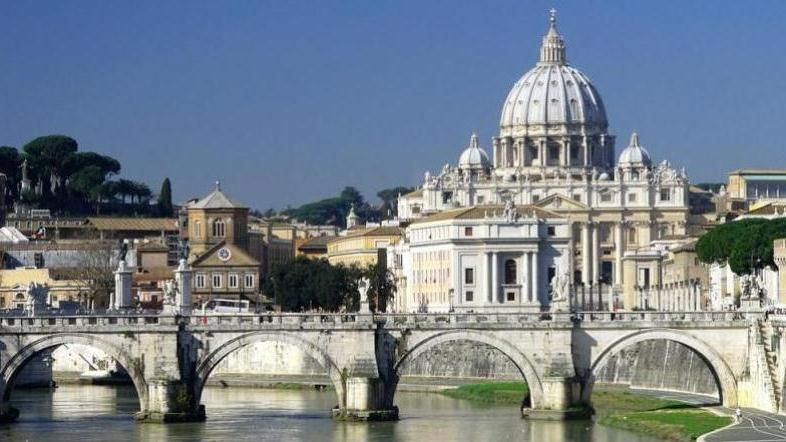
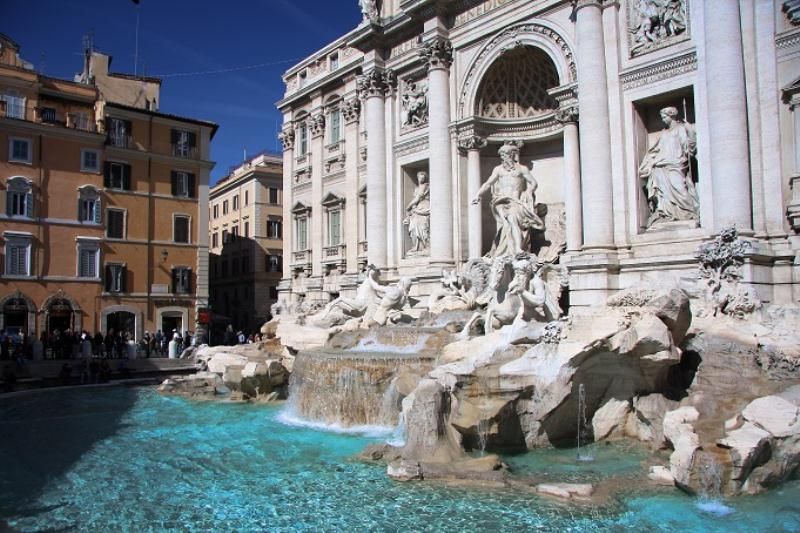
The city divides naturally into distinct neighbourhoods, each with its own character and rhythm. The classical heart — Colosseum, Roman Forum, Palatine Hill — anchors the southeastern historic centre. The Vatican, technically a separate sovereign state, occupies the west bank of the Tiber and draws millions annually to its museums, the Sistine Chapel, and St. Peter's Basilica. Trastevere, the neighbourhood across the river, offers the most atmospheric dining and evening character. The historic centro storico — Pantheon, Piazza Navona, Campo de' Fiori, Trevi Fountain — is best explored on foot. Each of these deserves hours; none should be rushed.
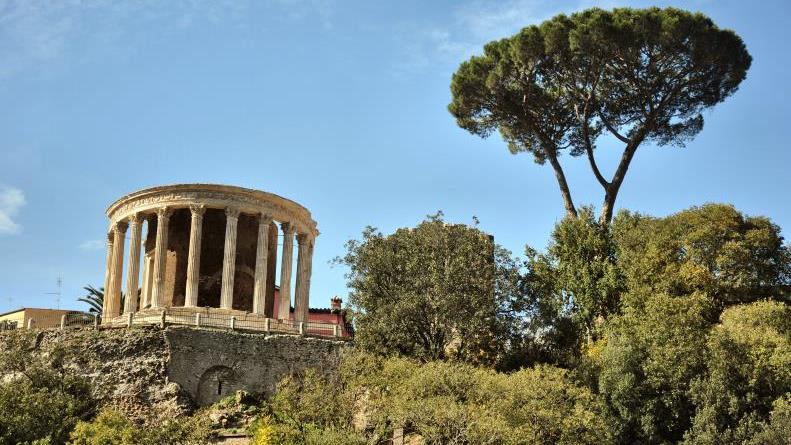
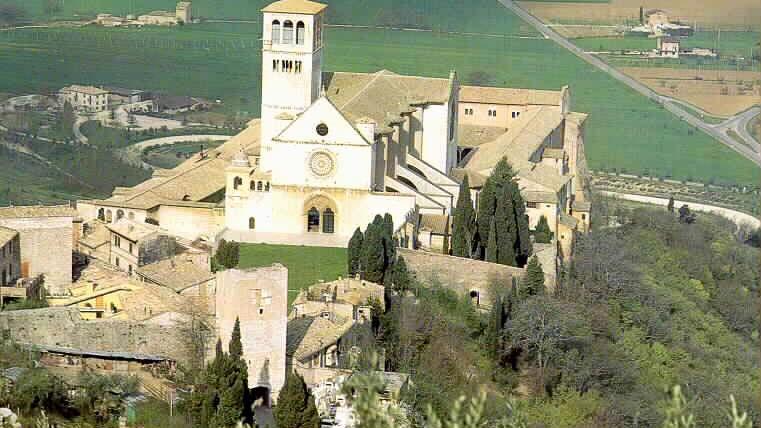
Beyond the city itself, the region surrounding Rome rewards those with a full day available before or after embarkation. Tivoli, 30 kilometres east, holds two UNESCO World Heritage villa complexes. The ancient ruins of Pompeii, though south of Naples, are achievable as a long and deeply rewarding day trip. The medieval hilltop town of Assisi, birthplace of St. Francis, offers a contemplative contrast to Rome's sensory intensity. All remain within reach for passengers with sufficient time, good planning, and the willingness to invest in the journey.
Top things to do in Rome on a cruise stopover
The Vatican Museums & Sistine Chapel
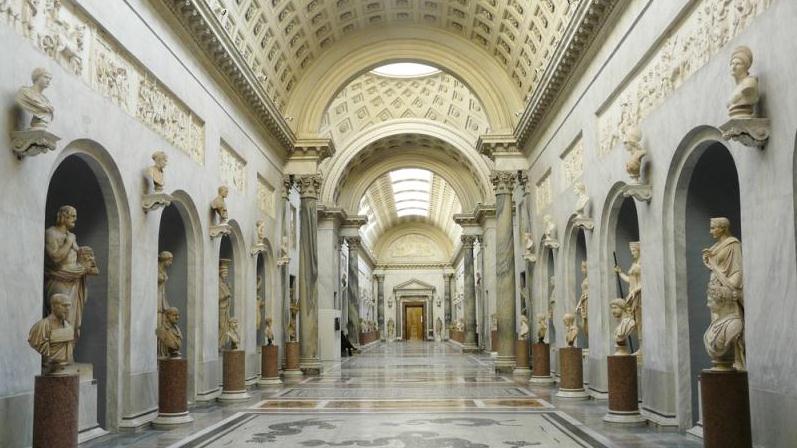
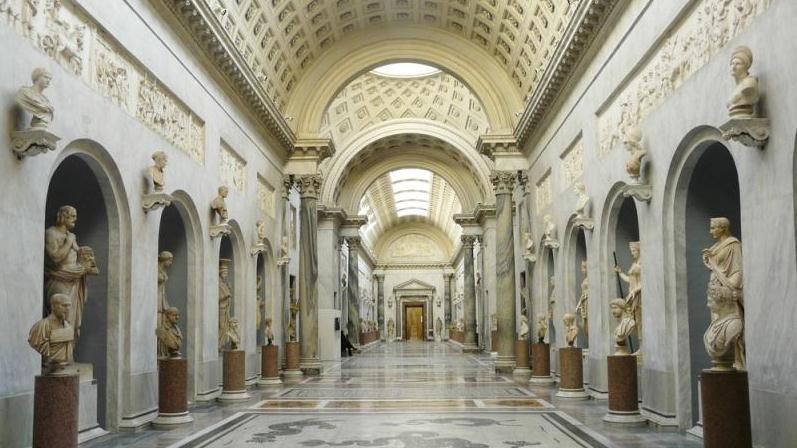
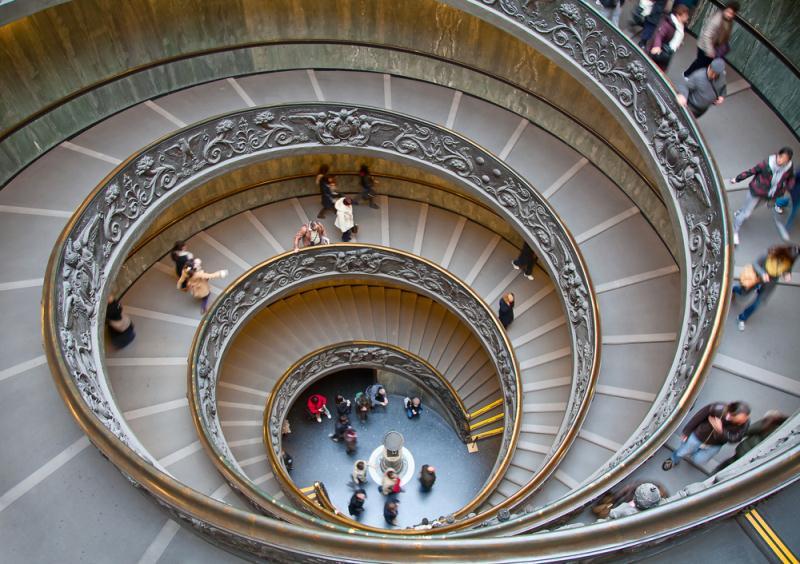
The Vatican Museums form one of the largest and most significant museum complexes in the world, containing the accumulated artistic treasures of the Catholic Church across centuries of patronage. The route through the museums leads past the Gallery of Maps and the Raphael Rooms before arriving at the Sistine Chapel — Michelangelo's masterwork ceiling painted between 1508 and 1512, a work whose scale and artistry continue to overwhelm visitors regardless of how many images they have previously encountered. St. Peter's Basilica, accessed via the same complex, contains Michelangelo's Pietà and Bernini's astonishing bronze baldachin above the papal altar. Climbing the dome provides one of Rome's great panoramas across the city's roofscape. Queues without pre-booked tickets are formidable — often two hours or more in season — making advance booking a practical necessity rather than a convenience for cruise passengers with limited time ashore.
The Colosseum & Roman Forum
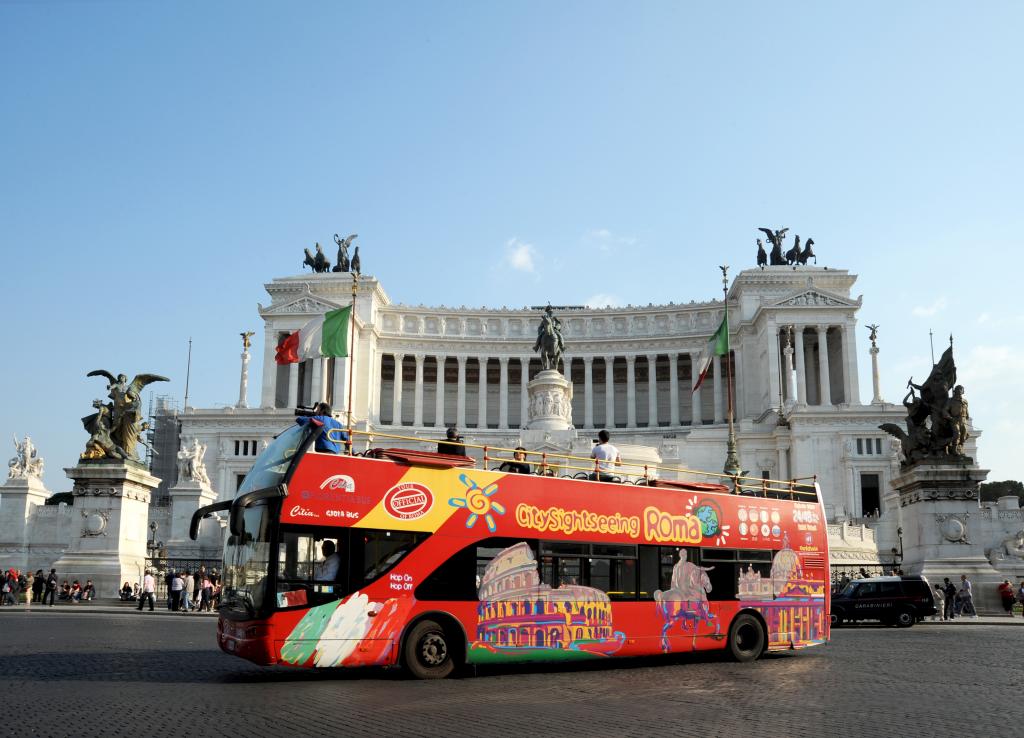
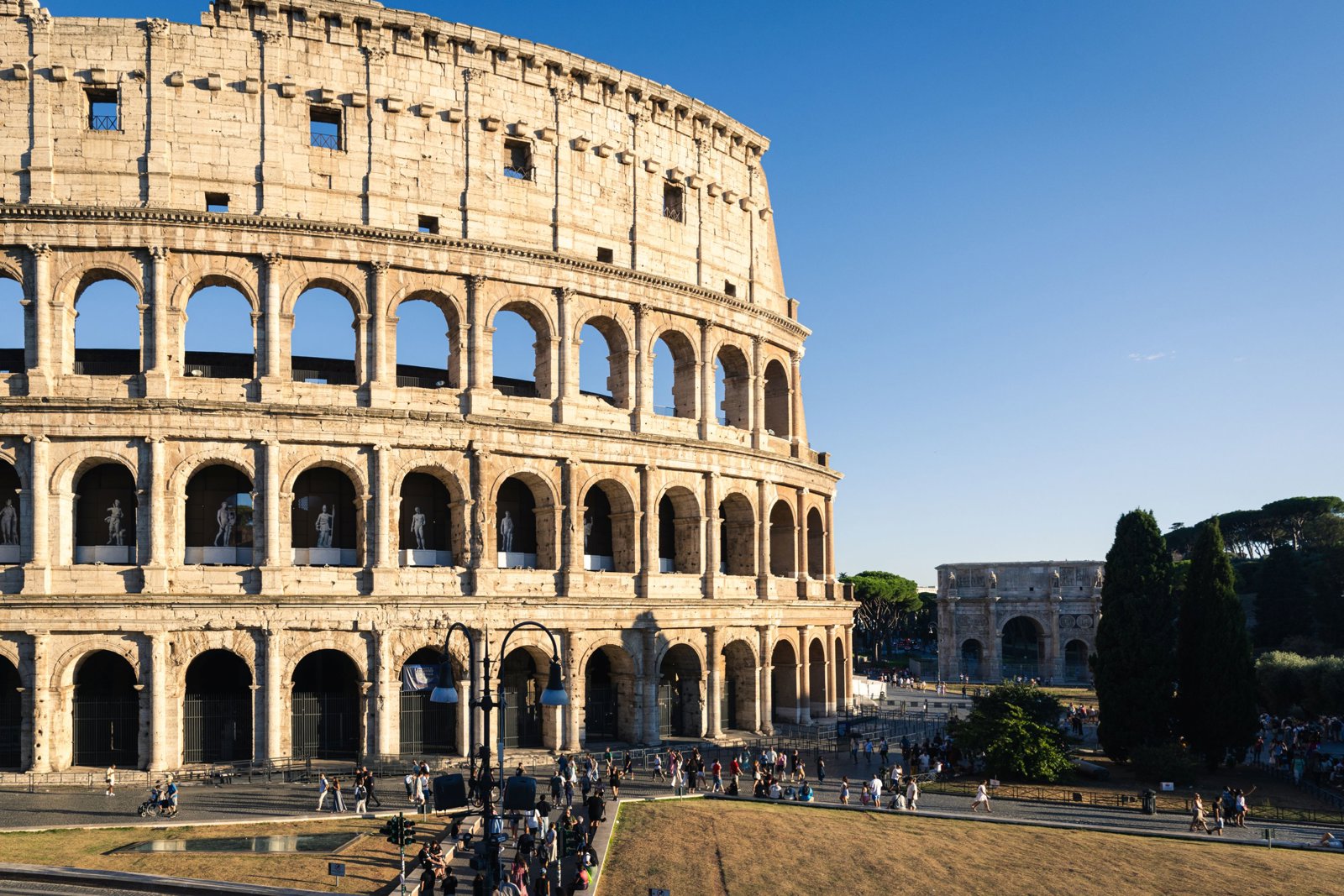
The Colosseum is the most recognisable ancient structure in the world — a 50,000-seat amphitheatre completed in 80 AD that hosted gladiatorial combat, animal hunts, and public spectacle for four centuries. The engineering achievement is staggering even by modern standards, and the sheer scale communicates something essential about Roman power and ambition. Adjacent to the Colosseum, the Roman Forum was the commercial, legal, and civic heart of the ancient world — today an atmospheric field of columns, arches, and temple foundations that rewards even a brief walk through. The Arch of Constantine stands between them as one of the best-preserved triumphal arches of antiquity. Pre-booked combined tickets are strongly advised; independent queues are lengthy throughout the main tourist season and can consume a significant portion of a shore day before you set foot inside.
Trastevere & the Historic Centro Storico
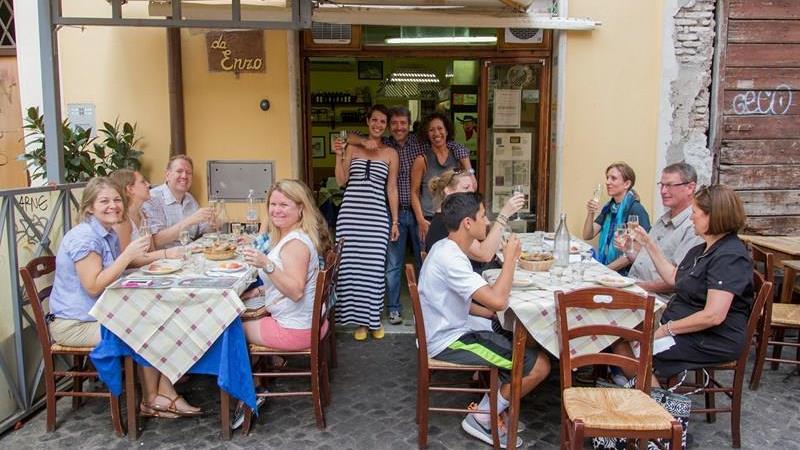
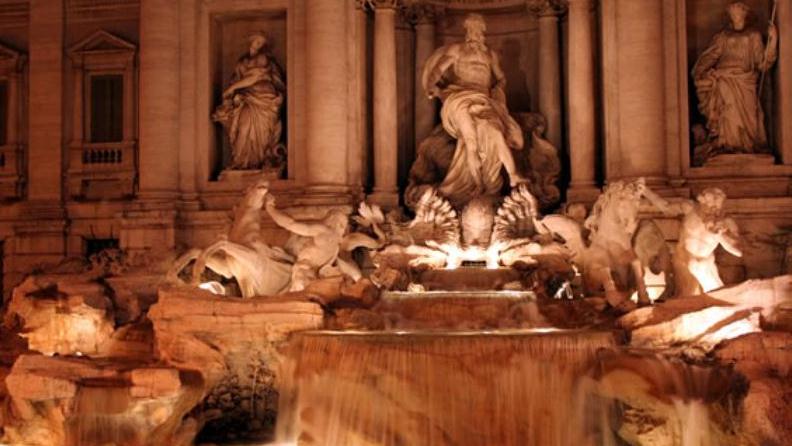
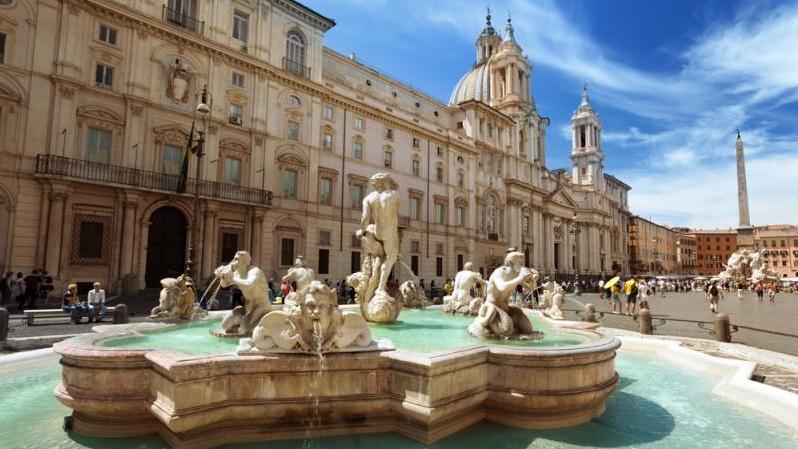
Trastevere — literally 'across the Tiber' — is Rome's most characterful residential neighbourhood: a tangle of cobbled lanes, ivy-covered walls, and ochre-painted apartment buildings that feels genuinely lived-in despite considerable tourist footfall. It is at its best in the early evening when the light turns golden and restaurants begin filling with locals. The Piazza di Santa Maria in Trastevere, anchored by its glittering 12th-century basilica, functions as a natural gathering point. Across the river, the historic centre holds the Pantheon — arguably the most perfectly preserved ancient building in the world — alongside Piazza Navona with Bernini's Fountain of the Four Rivers, the Campo de' Fiori morning market, and the narrow lanes of the Jewish Ghetto. This entire area rewards unhurried walking; architecture, piazzas, and incidental discoveries repay attention in a way that no fixed itinerary can fully capture.
Testaccio: Rome's Authentic Market Neighbourhood
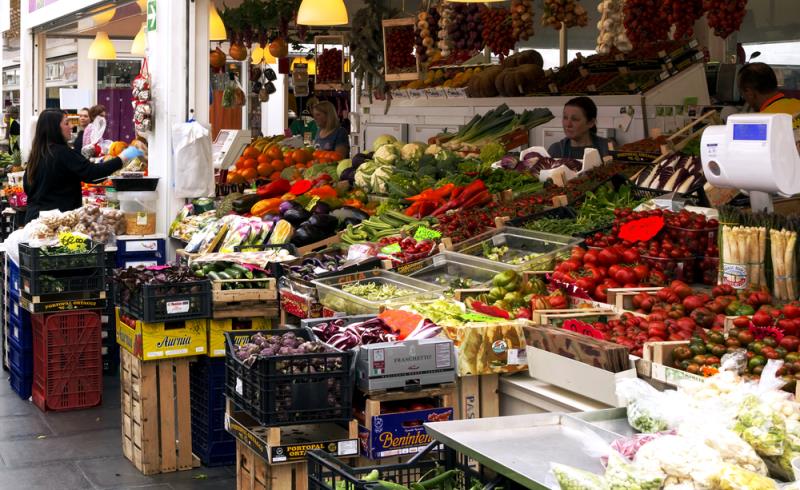
Testaccio, south of the Aventine Hill, is one of Rome's most authentically working-class neighbourhoods — a district that maintained its market traditions and local character long after much of the historic centre became predominantly touristic. The Testaccio Market, relocated to a purpose-built space in 2012, remains a genuine daily market where locals buy produce alongside curious visitors. The neighbourhood's culinary identity is built on the offal-based dishes that originated in the nearby former slaughterhouse: coda alla vaccinara (oxtail stew), rigatoni con pajata, and various preparations of the 'fifth quarter' that define Roman cooking at its most traditional. For visitors interested in authentic Roman food culture rather than tourist-facing trattorie, Testaccio offers one of the most genuine neighbourhood dining experiences in the city and a compelling destination for a food-focused shore day.
Tivoli & the Villa d'Este
Perched on a hillside 30 kilometres east of Rome, Tivoli is one of the most rewarding excursions from the city — a small medieval town that contains two UNESCO World Heritage sites within its boundaries. The Villa d'Este, a 16th-century cardinal's summer residence, is celebrated for its extraordinary terraced gardens: a Renaissance masterwork of fountains, water features, allées, and ornamental grottos that continues to astonish four centuries after construction. Hundreds of fountains are fed entirely by gravity, without pumps — an engineering achievement that mirrors the ingenuity of the ancient Roman aqueduct system. Adjacent Hadrian's Villa — the Emperor Hadrian's enormous country retreat from the 2nd century AD — extends across 120 hectares of archaeological remains representing one of the most ambitious private building projects in Roman history. The two sites can be combined comfortably in a full day, or either visited individually as a half-day excursion from the city.
Day Trips: Pompeii, Assisi & Beyond Rome
For passengers with a full day available before or after embarkation, Rome's central Italian position opens remarkable day-trip possibilities. The ruins of Pompeii — the city preserved by the catastrophic 79 AD eruption of Vesuvius — lie approximately three hours south by road, making for a long but deeply rewarding day that reveals ancient Roman urban life with extraordinary completeness and immediacy. Assisi, 170 kilometres north in Umbria, is the birthplace of St. Francis and one of Italy's most beautiful medieval hilltowns, its Basilica containing Giotto's celebrated 13th-century fresco cycle. The Italian countryside visible on both journeys — rolling hills, vineyards, stone farmhouses, olive groves — is itself a pleasure that contextualises the landscapes Roman writers described. Each excursion requires an early start and a full day, but rewards those willing to invest the time.
Rome travel tips
Book Vatican & Colosseum Tickets Before You Arrive. Both the Vatican Museums and the Colosseum operate timed-entry ticketing systems and attract extraordinary visitor numbers throughout the main tourist season from March to October. Without pre-booked tickets, independent queue times of one to two hours are common at peak periods — time that cuts directly into your available hours in Rome. Book well in advance through official channels. If your cruise schedule means you cannot guarantee a specific timed entry slot, guided excursions with pre-reserved tickets offer the most reliable access to both sites without the queuing uncertainty that can derail a carefully planned shore day.
Dress for the Vatican's Dress Code. The Vatican Museums, Sistine Chapel, and St. Peter's Basilica all enforce a dress code: shoulders and knees must be covered for entry. This applies to all visitors regardless of the temperature outside. Sleeveless tops, shorts, and short skirts will result in being turned away at the entrance. Carry a scarf or lightweight layer that can cover shoulders, or pack a pair of lightweight trousers rather than shorts if visiting in summer. The same considerations apply when entering any Catholic church in Rome, where the dress code is generally observed — and Rome has many extraordinary churches worth stepping inside.
Stand at the Bar for Espresso. Roman coffee culture has an etiquette worth understanding: ordering espresso at the bar counter and drinking it standing costs significantly less than table service. The price difference — often double or more for the same coffee when seated — applies particularly at tourist-facing cafes near major attractions. For an authentic morning coffee, head a street or two away from the immediate vicinity of tourist sites. Ordering 'un caffè' at the bar delivers a short, intense espresso; 'un cappuccino' is the traditional morning choice and is considered inappropriate after 11am by most Italians, who regard milky coffee as a breakfast drink rather than an afternoon or post-meal option.
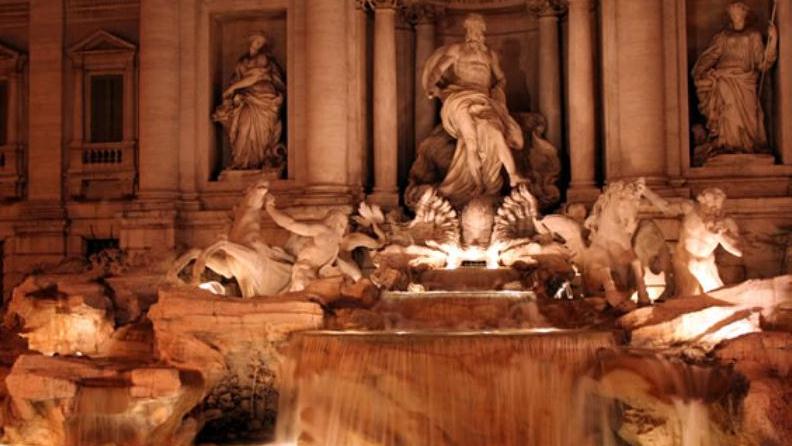
Consider Rome at Night. Rome's iconic monuments — the Trevi Fountain, Spanish Steps, Pantheon, Colosseum exterior, and Piazza Navona — are dramatically transformed after dark, illuminated against the night sky and freed from the densest daytime crowds. A Rome by Night itinerary, whether a structured tour or a self-guided evening walk, offers a fundamentally different experience of the city: cooler temperatures in summer, a more atmospheric quality to the piazzas, and the sensation of having the monuments almost to yourself compared with their midday incarnations. For passengers with an evening in Rome before embarkation, this is among the most memorable ways to spend it.
The Historic Centre is Best Explored on Foot. Much of Rome's historic centre — bounded roughly by the Tiber to the west, the Colosseum to the east, and the Pantheon at its heart — is not easily navigable by vehicle. Traffic restrictions, Limited Traffic Zones (ZTL), and the congestion of narrow medieval streets make walking the most efficient way to move between sights in this area. Distances are shorter than they appear on maps: the Pantheon to Piazza Navona is a five-minute walk; Campo de' Fiori to the Pantheon takes around ten minutes. Comfortable walking shoes are essential — Rome's cobblestones are unforgiving on inadequate footwear, and a full day of sightseeing covers considerable ground.
Allow Sufficient Time for the Civitavecchia Connection. The 80km journey between Rome and Civitavecchia cruise port deserves careful planning for embarkation passengers. The drive typically takes one to one-and-a-half hours depending on traffic, and Rome's congestion can extend this considerably. Trains from Roma Termini to Civitavecchia run regularly and take approximately one hour, offering a reliable timetable alternative to road travel. Build a genuine buffer into your return plan — arriving at the port at least 90 minutes before departure is prudent. Disembarking passengers heading into Rome face the same journey in reverse and should factor this travel time into their day's planning from the outset.
Port Facts Every Cruiser Needs To Know
Rome shore excursion FAQs
Civitavecchia is approximately 80 kilometres northwest of Rome city centre. The journey by road takes around one to one-and-a-half hours depending on traffic conditions. Trains from Civitavecchia railway station (a short distance from the port) to Roma Termini run frequently and take approximately 55–65 minutes, offering a reliable and practical connection for cruise passengers.
The Vatican is an independent sovereign state — the world's smallest — located within the city of Rome on the west bank of the Tiber. Established by the Lateran Treaty in 1929, it operates independently of Italy with its own government and radio station, though it uses the Euro. In practical terms, visitors cross from Rome into the Vatican simply by passing its borders. The Vatican Museums, Sistine Chapel, and St. Peter's Basilica all require separate entry tickets from Rome's other attractions.
Pre-booking Vatican Museums tickets is strongly recommended for visits between March and October and during Christmas and Easter periods. Walk-up queues at the Vatican can exceed two hours, significantly eroding available time in Rome. Timed-entry tickets purchased in advance allow you to bypass the main queue. Guided tours with pre-reserved access are the most reliable option for cruise passengers whose schedules may not accommodate a flexible timed entry — they include entrance tickets and eliminate most queuing entirely.
Rome's key visitor areas include: the Vatican (west bank of the Tiber) — Vatican Museums, Sistine Chapel, St. Peter's Basilica; the ancient centre (southeast) — Colosseum, Roman Forum, Palatine Hill; the historic centro storico (central) — Pantheon, Piazza Navona, Campo de' Fiori, Trevi Fountain; Testaccio (south of centre) — authentic market neighbourhood and culinary heartland; and Trastevere (west bank, south of Vatican) — atmospheric cobbled neighbourhood ideal for evening dining.
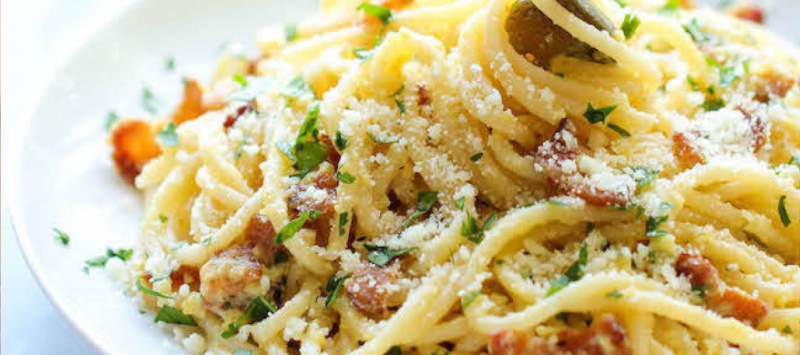
Rome's culinary identity is built on a handful of essential preparations. Key pasta dishes include cacio e pepe (pecorino and black pepper), carbonara (eggs, guanciale, and pecorino), and amatriciana (tomato, guanciale, and pecorino). Supplì — fried rice balls with a molten mozzarella centre — are the city's definitive street snack. Artichokes prepared alla giudia (deep-fried whole) or alla romana (braised with herbs) are a uniquely Roman speciality. For gelato, seek gelaterie with naturally coloured flavours in steel containers — a reliable indicator of quality over commercial production.
Italian is the language of Rome and Italy. English is widely spoken in tourist-oriented contexts — hotels, major restaurants, museums, and attractions — but knowledge of a few basic Italian phrases is appreciated and tends to improve the warmth of interactions. Away from tourist areas, English fluency becomes less consistent, and having an address or destination written down is useful when communicating with transport staff or asking directions from locals.
Italy uses the Euro (€). ATMs (called Bancomat) are widely available throughout Rome's city centre and accept most international debit and credit cards. Card payments are broadly accepted at hotels, restaurants, and shops. Smaller cafes, market stalls, and traditional neighbourhood restaurants may prefer cash — carrying €20–40 in notes is practical. Those attached to major Italian banks typically offer better fee terms than independent ATM providers.
Allow a minimum of two hours for the Colosseum alone; a combined Colosseum and Roman Forum visit takes three to four hours and is the recommended approach, as the Forum is immediately adjacent and provides essential context. Pre-booked timed-entry tickets are essential — independent queue times can exceed two hours during peak season. Some ticket tiers include access to the arena floor level or underground hypogeum, which require specific advance booking and are well worth the additional planning effort.
Several outstanding day trips are achievable from Rome for passengers with a full day available before or after embarkation. Tivoli (30km east) holds the UNESCO-listed Villa d'Este gardens and Hadrian's Villa archaeological site, requiring four to five hours on site. Pompeii (approximately 240km south) is a long but extraordinarily rewarding full-day excursion revealing the ancient Roman city preserved by the 79 AD eruption. Assisi (approximately 170km north) offers a beautiful medieval Umbrian hilltown experience with Giotto frescoes and deep connections to St. Francis. Each rewards the time invested.
Trastevere is a neighbourhood on the west bank of the Tiber, south of the Vatican, characterised by cobbled lanes, medieval churches, and an atmosphere that feels closer to a Roman village than the tourist-facing parts of the city centre. It is particularly enjoyed in the evening when restaurants, wine bars, and piazzas fill with a mix of locals and visitors. The Basilica di Santa Maria in Trastevere, with its glittering 12th-century mosaics, is the neighbourhood's architectural centrepiece. For cruise passengers with an evening or late afternoon in Rome, Trastevere offers some of the city's most enjoyable and authentically Roman dining experiences.
Filters
Select a filter to refine results.
Tour Type
Tour Activity
 Cart
Cart
 USD
USD GBP
GBP AUD
AUD EUR
EUR CAD
CAD