



Tours in Kona Hawaii


Cruising to Kona Hawaii in a group?
Skip the crowded ship excursion bus. One dedicated planner will design a private shore experience around exactly what your group wants — coordinated from first enquiry to the moment you're back on board. More memorable, more flexible, and more affordable than you might expect. Spend less time organising, more time enjoying.
Explore Group Travel →Cruising to Kona Hawaii
Kona sits on the sun-drenched western flank of the Big Island, sheltered from trade winds by the massive volcanic bulk of Mauna Loa and Hualalai. The coastline is raw and dramatic — dark lava benches giving way to coral gardens teeming with green sea turtles and reef fish. Inland, the elevation climbs quickly through macadamia orchards and into the misty coffee belt, where Kona-grown beans have been celebrated since the 1820s. The town itself is compact and walkable, strung along Ali'i Drive above the harbor, with a mix of surf shops, fish tacos, and open-air bars that keep the pace easy. Kealakekua Bay, a short drive south, is one of Hawaii's premier snorkeling sites and the location of a white obelisk marking where British explorer James Cook died in 1779. Whether your interest is marine life, Hawaiian history, agricultural heritage, or simply floating above a coral reef, Kona rewards almost any instinct.
Top things to do in Kona Hawaii on a cruise stopover
Snorkeling the Kona Coast: Coral Gardens and Calm Bays
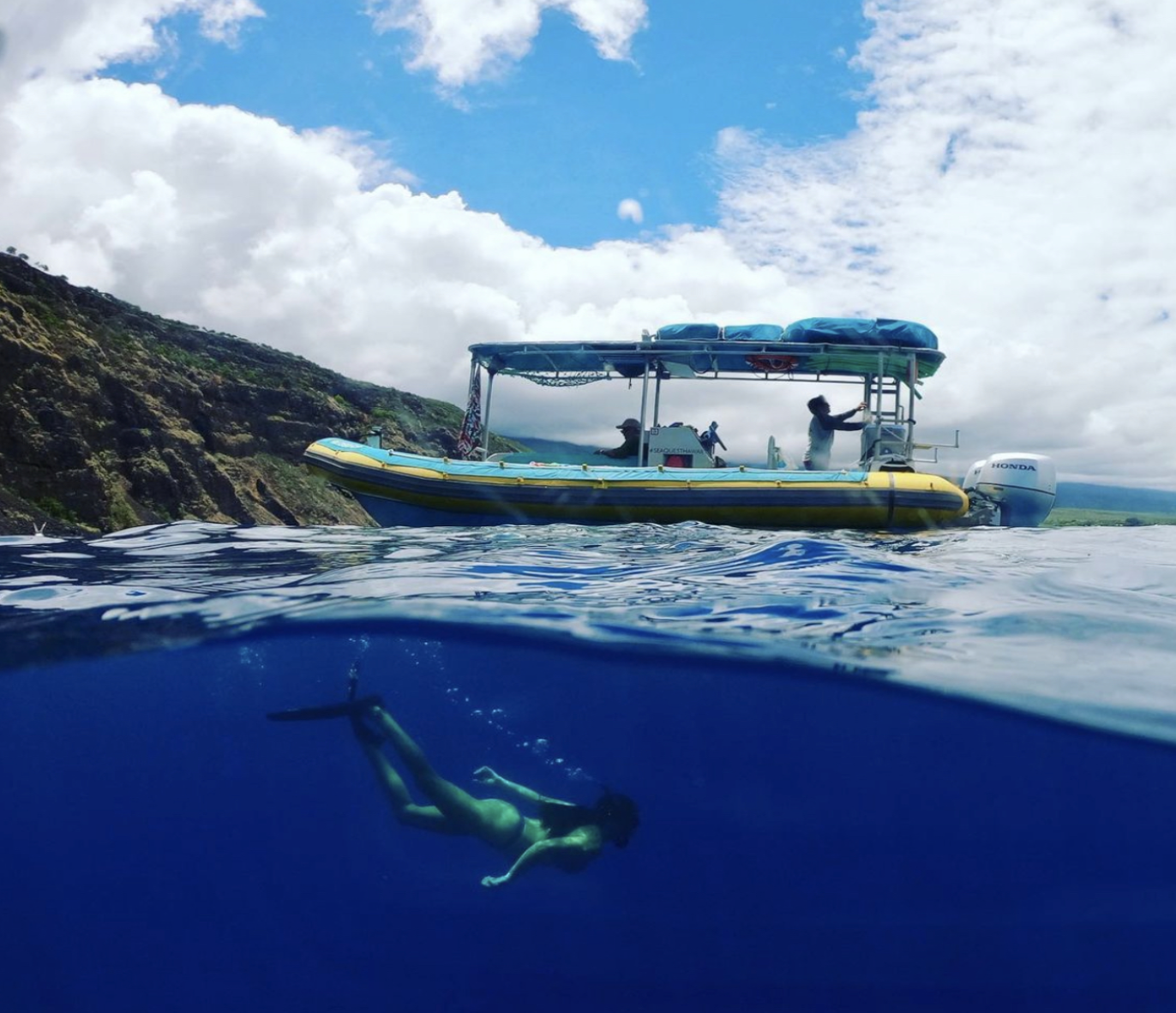
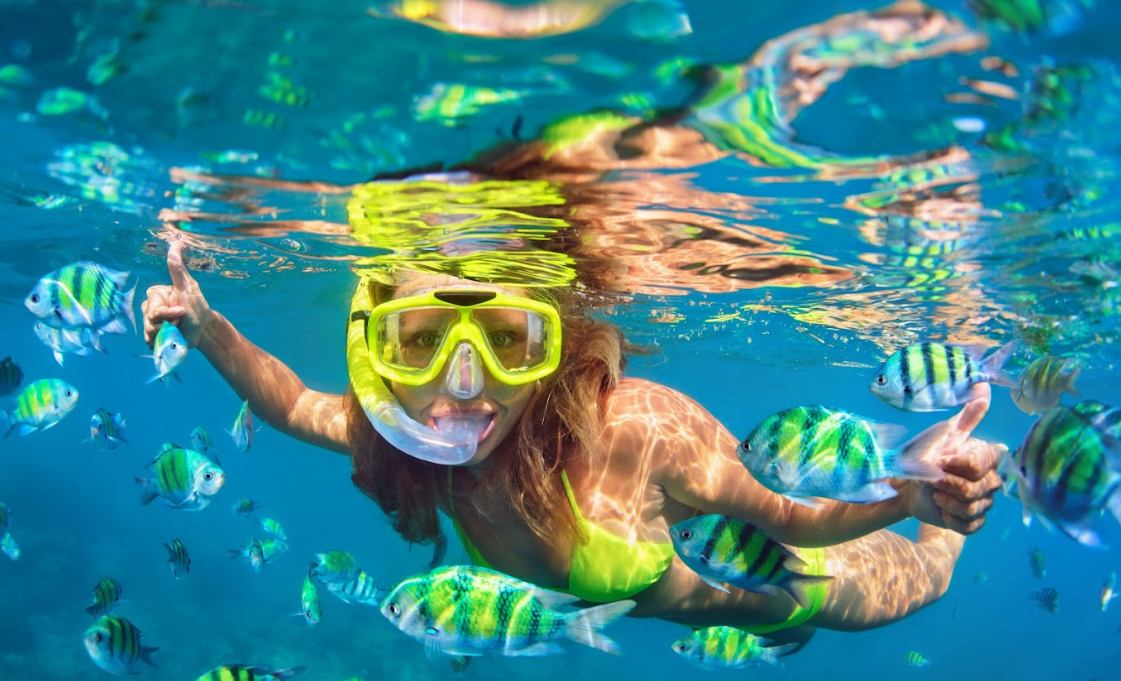
The waters along the Kona Coast rank among the most accessible snorkeling in Hawaii, thanks to the leeward position that keeps seas calm even when the rest of the state is windswept. Coral formations begin in shallow water and support a dense community of reef fish — parrotfish, triggerfish, moorish idols, and the ever-present humuhumunukunukuapua'a, Hawaii's state fish. Green sea turtles are a near-certain sighting at most sites, often resting on the bottom or grazing on algae within arm's reach of snorkelers. Water clarity regularly exceeds 60 feet, making even novice snorkelers feel they're looking into a living aquarium. Mornings tend to offer the calmest conditions and the best light for underwater visibility.
Kealakekua Bay: Marine Sanctuary and Living History
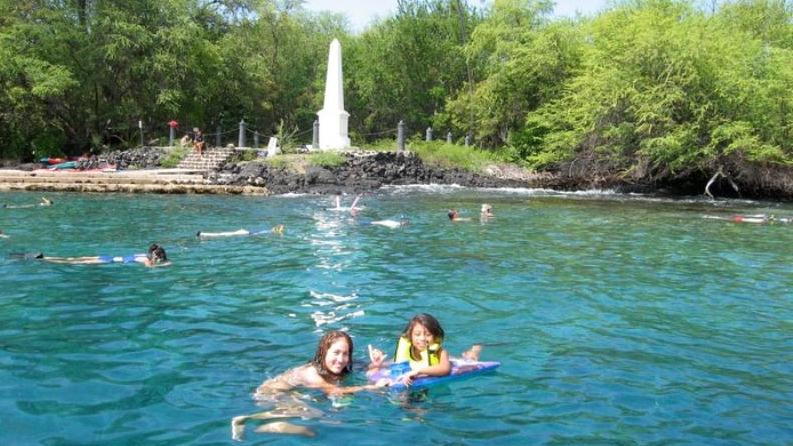
Kealakekua Bay is protected as a State Marine Life Conservation District, which means fishing is prohibited and marine life here is notably unafraid of people. The bay holds the richest coral ecosystem on the island's western coast, with spinner dolphins often resting in its sheltered waters during morning hours before heading offshore to feed. On the northern cliff face, a white marble obelisk marks the site where Captain James Cook was killed in February 1779 during a confrontation with Native Hawaiians — a pivotal moment in Pacific history. The bay is ringed by sea cliffs on one side and a small beach on the other, with the Hikiau Heiau, a traditional Hawaiian temple, visible near the water's edge. Access by boat preserves the calm that makes this site exceptional.
Night Manta Rays: One of Hawaii's Signature Wildlife Encounters
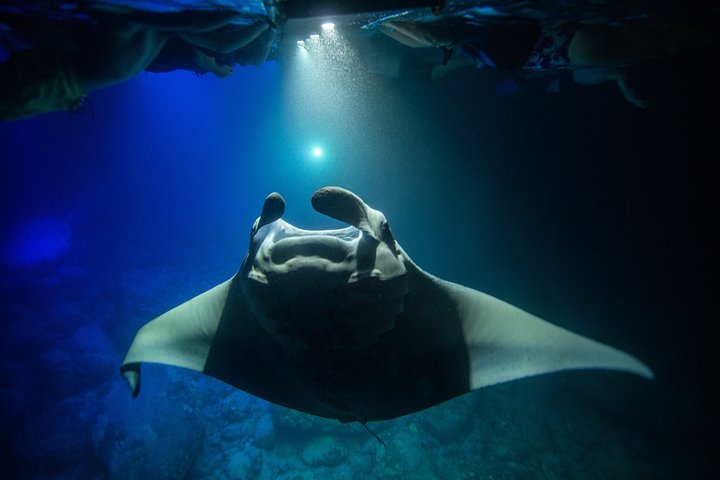
The waters off the Kona Coast host one of the most reliable manta ray viewing sites on the planet. Each evening, underwater lights attract plankton to the surface near Garden Eel Cove and Manta Village, and the mantas — wingspans reaching up to 14 feet — arrive to feed in balletic loop-the-loop patterns just below snorkelers and divers. Unlike many wildlife experiences, this one is genuinely predictable: manta rays appear on the vast majority of evenings, weather permitting. Snorkelers float on the surface using boards with lights, while divers kneel on the sandy bottom below the feeding animals. The experience requires no prior diving certification for the snorkel version and is considered appropriate for most ages and swimming abilities.
Kona Coffee Country: The Upland Belt Above the Coast
The slopes of Hualalai between roughly 1,000 and 2,500 feet elevation create an ideal microclimate for coffee cultivation — sunny mornings, cloudy afternoons that moderate heat, rich volcanic soil, and reliable rainfall. Kona coffee has been grown in this narrow belt since the 1820s, and today several hundred small farms produce beans that command some of the highest prices of any single-origin coffee in the world. Many farms offer tastings and mill tours that walk through the full cycle from cherry to cup. The belt road, Highway 180, passes through a landscape of tree ferns, flowering ginger, and cloudforest that feels nothing like the sun-baked coast below — a striking contrast achievable within a 20-minute drive from the waterfront.
Sea Turtle Encounters Along the Kona Shore
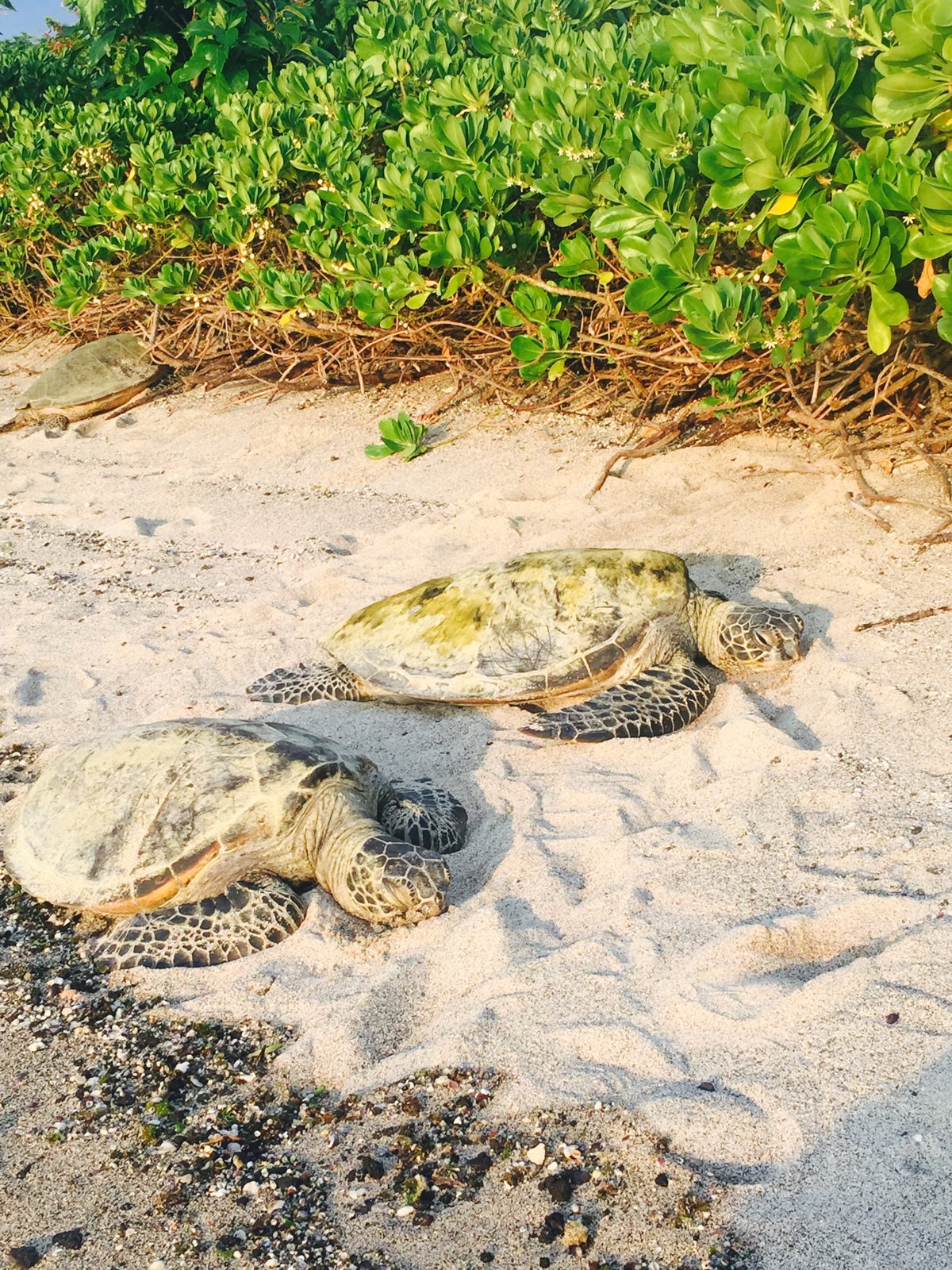
Hawaiian green sea turtles, known locally as honu, are a protected species under federal law and are encountered regularly along the Kona Coast, both in the water and resting on beaches and lava ledges. Kahaluu Beach Park, just two miles south of the pier, is one of the most reliable sea turtle sites in all of Hawaii, with turtles often visible from the shoreline without entering the water. State law requires people to maintain a 10-foot distance from turtles on land and avoid touching or chasing them in the water — rules locals take seriously and which help explain why the population has recovered well here. Watching a 300-pound turtle maneuver through coral with effortless grace remains one of the coast's most memorable wildlife moments.
Hawaiian Culture and Natural History: The Kona Interior
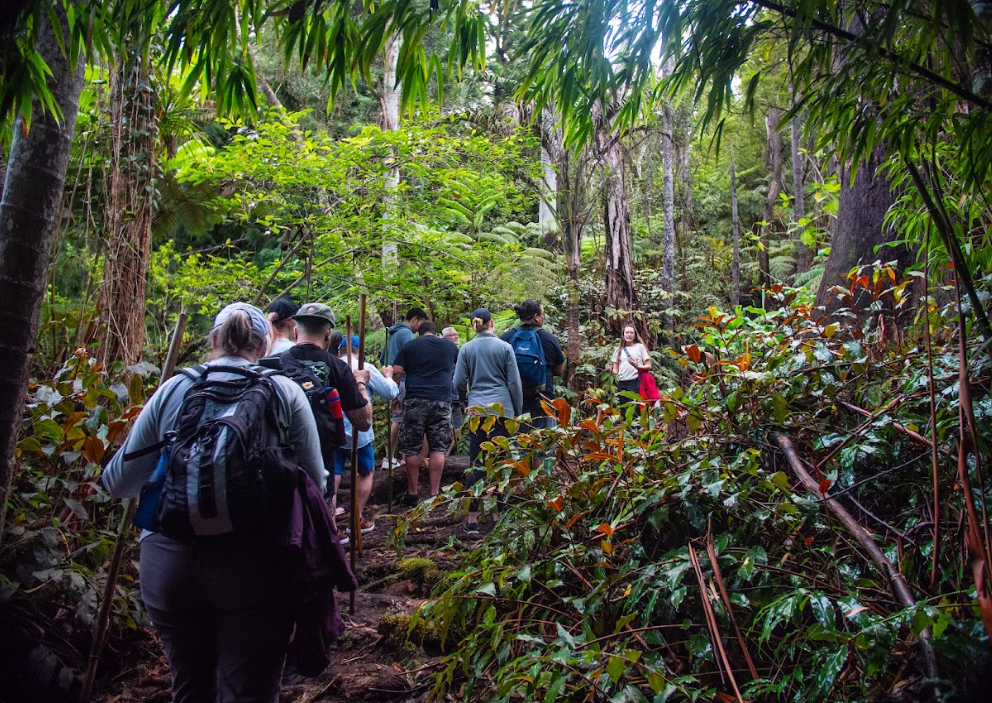
Beyond the coastline, the Big Island offers a layered natural and cultural landscape that rewards those willing to travel inland or a short distance south. Pu'uhonua o Honaunau National Historical Park — the Place of Refuge — preserves an ancient sanctuary where Hawaiians who broke sacred laws could seek absolution, and its reconstructed temple platforms and carved ki'i akua (deity figures) make for a powerful introduction to pre-contact Hawaiian society. The cloud forest zone above the coffee farms transitions quickly into native ohia woodland, where native birds including the endangered Hawaiian honeycreeper are still occasionally spotted. The dramatic contrast between the barren black lava fields near the coast and the lush upland zones a few miles away is itself one of the most vivid features of a day on the Big Island.
Kona Hawaii travel tips
Start on the Water Before the Wind Picks Up. The Kona Coast is sheltered but afternoon trade winds can still build surface chop, especially between November and April. Any snorkeling or open-water activity is best scheduled for morning hours, when visibility is sharpest and seas are calmest. Save inland activities — coffee farms, historical parks — for the afternoon.
Sun Protection Is Non-Negotiable at This Latitude. Hawaii sits closer to the equator than most visitors realize, and the tropical sun is significantly stronger than what most travelers from North America or Europe are accustomed to. Apply reef-safe sunscreen (required in Hawaii state parks), wear a rash guard for any water activity, and carry a hat and sunglasses for time on land. Sunburn can develop within 20 minutes during peak midday hours.
Respect the 10-Foot Rule Around Sea Turtles. Hawaiian green sea turtles are federally protected under the Endangered Species Act, and approaching or touching them carries significant fines. On beaches where turtles haul out, rangers and volunteers often post ropes to establish a perimeter — stay outside it. In the water, let turtles approach you rather than pursuing them, and avoid blocking their path to the surface to breathe.
The Manta Ray Experience Runs Late — Check Your Ship's All-Aboard Time. Manta ray encounters take place at or after dusk, typically beginning around sunset and running into the evening. Before booking any manta ray activity, confirm your ship's all-aboard time to the minute and factor in travel time back to the pier from Garden Eel Cove (roughly 10–15 minutes by water, longer by road). This is one of the most memorable experiences in Hawaii, but it requires careful timing coordination for cruise passengers.
Dress in Layers for the Coffee Belt. Temperatures along Ali'i Drive often reach the mid-80s Fahrenheit, but the coffee farms sit at elevation where it can be 15–20 degrees cooler, frequently misty, and occasionally rainy. A light layer or packable windbreaker transforms what can be a shivery afternoon back into a comfortable one. The contrast with the coast is abrupt — visitors who dress for the beach are often caught off guard.
Reef-Safe Sunscreen Is Hawaii Law. Hawaii was the first US state to ban sunscreens containing oxybenzone and octinoxate, chemicals shown to damage coral reefs. The law applies in all state waters. Bring a mineral-based reef-safe sunscreen from home or purchase one locally — some water activity operators check and will turn away guests using prohibited formulas. This is enforced, not a suggestion.
Port Facts Every Cruiser Needs To Know
Kona Hawaii shore excursion FAQs
Cruise ships tender into Kailua Pier, which sits at the heart of Kailua-Kona town. Ali'i Drive — the main strip of restaurants, shops, and the historic Hulihe'e Palace — begins immediately adjacent to the pier. Tendering can add 15–30 minutes to the beginning and end of your day depending on the ship's queue.
Most snorkel sites along the Kona Coast are accessible in sheltered, calm conditions ideal for beginners. Life vests and flotation noodles are standard equipment on most organized snorkel outings. Non-swimmers can often participate with flotation support, though individual comfort and sea conditions vary — it's worth confirming with operators in advance.
True Kona coffee is grown exclusively in the Kona Coffee Belt on the Big Island. Look for labels that say '100% Kona Coffee' — blends labeled simply 'Kona Blend' may contain as little as 10% Kona-grown beans. Prices for genuine 100% Kona beans reflect this: expect to pay $40–$60 or more per pound for quality-certified bags.
Manta rays are filter feeders with no teeth or stinging barbs — they feed exclusively on plankton and pose no physical danger to people. They are, however, large animals capable of knocking snorkelers accidentally, so guides instruct participants to remain still on the surface rather than swimming toward the rays. Most people describe the experience as completely serene.
Spinner dolphins use Kealakekua Bay and several other coastal areas as rest zones during daylight hours, and they are occasionally visible from elevated viewpoints along the cliff trail above the bay. Boat access dramatically improves your chances and brings you into the bay itself. Note that federal regulations restrict approaching resting dolphin pods within 50 yards — reputable operators follow these rules closely.
Pu'uhonua o Honaunau, or the Place of Refuge, is a National Historical Park about 20 miles south of Kailua Pier preserving an ancient Hawaiian sanctuary where those who violated kapu (sacred law) could seek absolution. The site includes reconstructed temple platforms, a royal fishpond, carved wooden deity figures, and excellent interpretive signage. It's one of the most evocative cultural sites in Hawaii and takes about 90 minutes to visit properly.
Ocean temperatures along the Kona Coast hover between 75–80°F (24–27°C) year-round, which most people find comfortable for extended snorkeling without a wetsuit. A rash guard or thin shorty wetsuit is recommended to protect against sunburn rather than cold, and most operators provide or rent them. Booties are useful if there is any entry over lava rock.
Ali'i Drive has a solid range of options within walking distance, from poke bowls and plate lunches at casual counters to sit-down seafood restaurants. The Kona Farmers Market (open most mornings) offers local fruit, baked goods, and prepared food. Malasadas (Portuguese-style fried doughnuts) are a beloved local snack sold at several spots along the strip.
The Big Island is the largest island in the US state system — larger than all other Hawaiian islands combined — so covering it in a day is not realistic. From Kona, you can reasonably visit one or two destinations: the snorkel sites and Kealakekua Bay to the south, the coffee belt inland, or the Place of Refuge. Kilauea volcano and Hawaii Volcanoes National Park are nearly 100 miles away on the opposite coast — a full day's commitment in each direction.
Kamakahonu Beach is a small, protected cove directly adjacent to the pier and is suitable for calm swimming and casual wading. Kahaluu Beach Park, one of the island's best snorkeling beaches and a reliable sea turtle site, is about two miles south along Ali'i Drive. Beyond that, the best beaches are accessible primarily by vehicle.
Filters
Select a filter to refine results.
Tour Type
Tour Activity
 Cart
Cart
 USD
USD GBP
GBP AUD
AUD EUR
EUR CAD
CAD