



Tours in Salvador Da Bahia


Cruising to Salvador Da Bahia in a group?
Skip the crowded ship excursion bus. One dedicated planner will design a private shore experience around exactly what your group wants — coordinated from first enquiry to the moment you're back on board. More memorable, more flexible, and more affordable than you might expect. Spend less time organising, more time enjoying.
Explore Group Travel →Cruising to Salvador Da Bahia
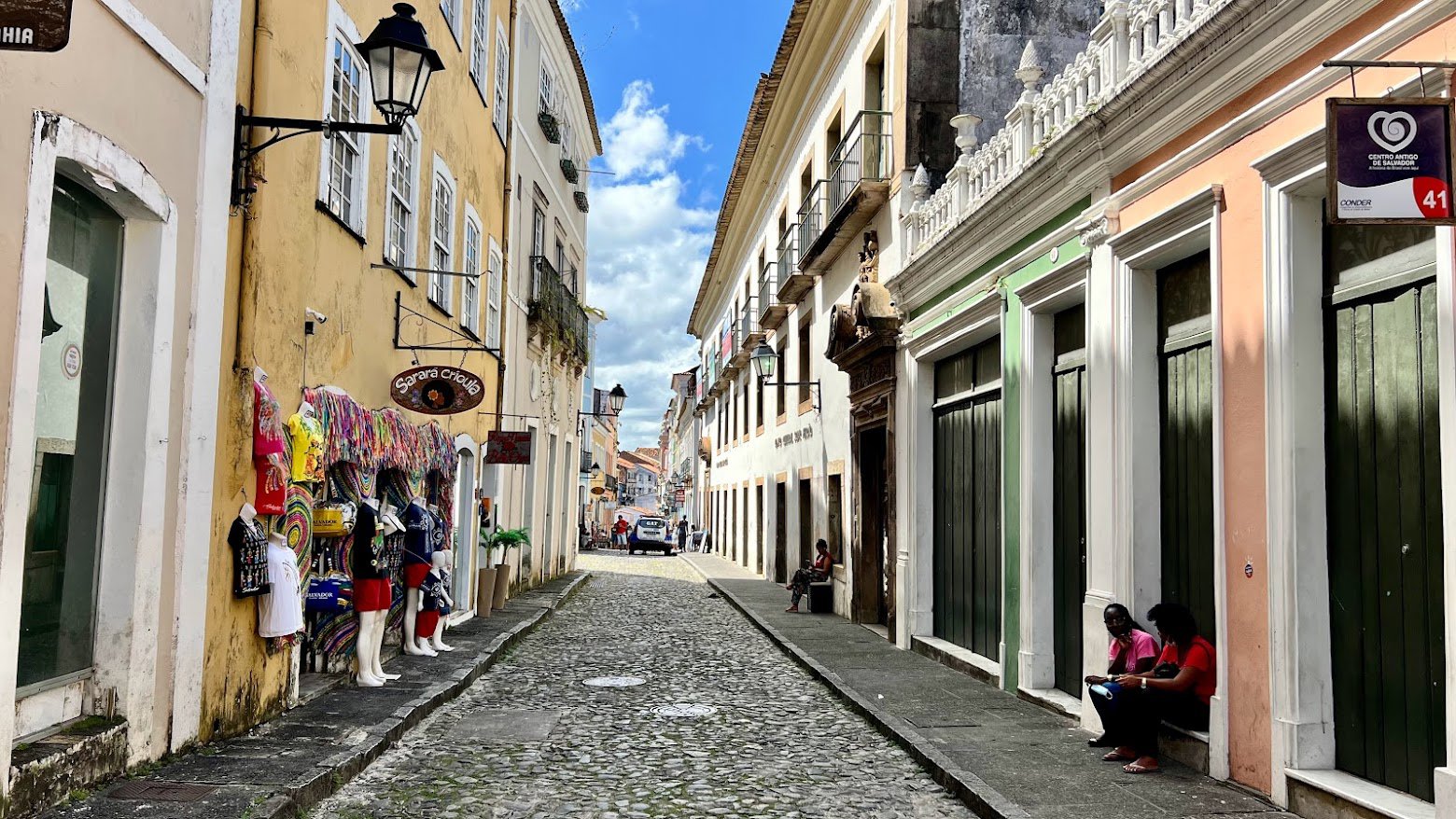
Salvador da Bahia wears its history openly. The first capital of colonial Brazil, it spent three centuries as the gateway for the transatlantic slave trade, and that legacy — painful and profound — shaped a culture unlike anywhere else in the Americas. Today Pelourinho, the cobblestoned hilltop historic center, pulses with capoeira circles, candomblé ceremonies, and the percussive thunder of Olodum drummers. Brightly painted baroque churches jostle for space above streets where the smell of acarajé frying in dendê oil drifts from clay pots carried by women dressed in traditional white. Salvador is also a city of two levels: the historic Cidade Alta (upper city) and the commercial Cidade Baixa (lower city), connected by the iconic Elevador Lacerda. Beyond the urban maze, the Coconut Coast stretches north to Praia do Forte, where clear water laps white sand beaches and a marine research station has protected Loggerhead sea turtles for decades. A day here rewards curiosity — about history, about faith, about a resilient culture that transformed suffering into one of the world's most distinctive artistic traditions.
Top things to do in Salvador Da Bahia on a cruise stopover
Pelourinho Historic Center
Walking the cobblestones of this UNESCO World Heritage district means stepping into four centuries of layered history, from baroque churches to abolitionist meeting halls. The square's colored facades and musical street performances create an atmosphere found nowhere else in the Americas.
The Roots of Afro-Brazilian Culture
Salvador is the spiritual and artistic heartland of Afro-Brazilian culture. Encounters with capoeira, candomblé traditions, and the music of Olodum reveal a living heritage of extraordinary depth — one that has shaped Brazilian identity far beyond the borders of Bahia.
Colonial Architecture and Historic Churches
The Church of São Francisco, with its gold-leaf interior, and the Cathedral Basílica represent the apex of colonial-era religious architecture in the Americas. A half-day historical tour threads through these monuments with the context to understand what you're seeing.
Praia do Forte Coastal Escape
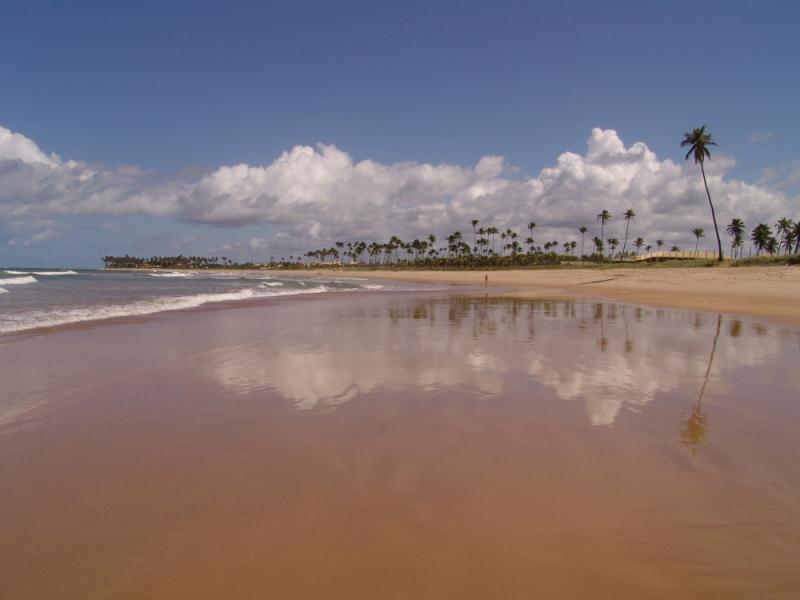
Roughly 80 kilometers north of Salvador, this former fishing village offers calm reef-protected waters and a dramatically different pace from the urban bustle of the capital. The coconut-fringed waterfront and village streets reward those willing to commit to the full-day journey.
TAMAR Sea Turtle Conservation
The research station at Praia do Forte has protected endangered Loggerhead and other sea turtle species on Brazil's northeastern coast since 1980. Visiting offers a rare opportunity to observe active conservation science and, depending on season, see turtles up close in a responsible setting.
Bahian Cuisine and Market Culture
From the Mercado Modelo to street-side acarajé stands, Salvador's food culture is inseparable from its African heritage and worth exploring as a destination in itself. The aromas, flavors, and rituals of Bahian cooking are a direct continuation of West African culinary traditions transplanted and transformed over centuries.
Salvador Da Bahia travel tips
Wear Sturdy, Comfortable Footwear. Pelourinho's cobblestones are beautiful but uneven and often slick in humidity. Comfortable, closed-toe shoes with good grip will prevent slips and preserve your feet after several hours of uphill and downhill exploration.
Stay Aware of Your Belongings. Like any major city, Salvador's tourist areas attract opportunistic theft. Keep cameras and phones close, avoid displaying expensive jewelry, and be especially attentive in crowded market areas and during street performances.
Embrace the Rhythm of the City. Salvador operates on its own tempo. Build flexibility into your itinerary — an impromptu drumming performance or a conversation with a local artisan can be the genuine highlight of the day. Rigid scheduling fights the city's nature.
Try Street Food Thoughtfully. Acarajé (black-eyed pea fritters) and abará are unmissable culinary experiences. If your stomach is sensitive, stick to freshly prepared items from busy, established vendors where turnover is high and food is not sitting out.
Take Sun Protection Seriously. The equatorial sun is intense even on overcast days. Sunscreen of at least SPF 30, a wide-brimmed hat, and sunglasses are not optional — they are essential for a comfortable and safe day ashore in Salvador's heat and humidity.
Respect Religious and Cultural Spaces. Candomblé temples and Catholic churches are active places of worship, not tourist attractions. Dress modestly (shoulders and knees covered), ask before photographing people or ceremonies, and treat any rituals you encounter with quiet, attentive respect.
Port Facts Every Cruiser Needs To Know
Salvador Da Bahia shore excursion FAQs
The historic center of Pelourinho is roughly 3–5 kilometers from the Porto de Salvador terminal — typically a 10–15 minute drive, though traffic can add time depending on the time of day.
Like any large Brazilian city, Salvador requires standard urban awareness. The Pelourinho area is patrolled and generally safe during daytime hours, but visitors should remain alert, avoid isolated side streets after dark, and avoid carrying unnecessary valuables.
Yes, but it requires an early start. Praia do Forte is approximately 80 kilometers north of Salvador — about 75–90 minutes each way in normal traffic — making it a full-day commitment best combined with the TAMAR turtle project for a complete excursion.
It is a historic public elevator — and one of Salvador's most recognizable landmarks — that has connected the Cidade Alta (upper city) and Cidade Baixa (lower city) since 1873. It operates continuously and is used daily by residents and visitors alike.
Brazilian Reais (BRL). ATMs are available near Pelourinho, and many tourist-facing businesses accept credit cards, but small bills in cash are useful for markets, street food vendors, and tips.
Capoeira is an Afro-Brazilian martial art that combines dance, acrobatics, and live music. Demonstrations happen regularly in Pelourinho's main squares — often informal, sometimes with a collection afterward — and are genuinely worth pausing to watch at length.
Light, breathable clothing suited to tropical heat. For churches and religious sites, shoulders and knees should be covered — a light scarf or sarong in your bag solves this easily. Comfortable, non-slip footwear is critical for the cobblestoned streets of the historic center.
In Pelourinho's main tourist areas, basic English is common at restaurants, museums, and cultural sites. Away from the center, Portuguese is essential. A translation app on your phone is a practical and worthwhile backup.
Acarajé (deep-fried black-eyed pea fritters filled with shrimp and vatapá), moqueca (seafood stew in coconut milk and dendê palm oil), and fresh tropical juices are the culinary highlights of Bahian cuisine — all rooted in West African cooking traditions.
Generally no. Salvador businesses deal exclusively in Brazilian Reais. Currency exchange is available at the port area and in Pelourinho, but ATMs typically offer more favorable rates than exchange counters.
Filters
Select a filter to refine results.
Tour Type
Tour Activity
 Cart
Cart
 USD
USD GBP
GBP AUD
AUD EUR
EUR CAD
CAD