



Tours in Ushuaia


Cruising to Ushuaia in a group?
Skip the crowded ship excursion bus. One dedicated planner will design a private shore experience around exactly what your group wants — coordinated from first enquiry to the moment you're back on board. More memorable, more flexible, and more affordable than you might expect. Spend less time organising, more time enjoying.
Explore Group Travel →Cruising to Ushuaia
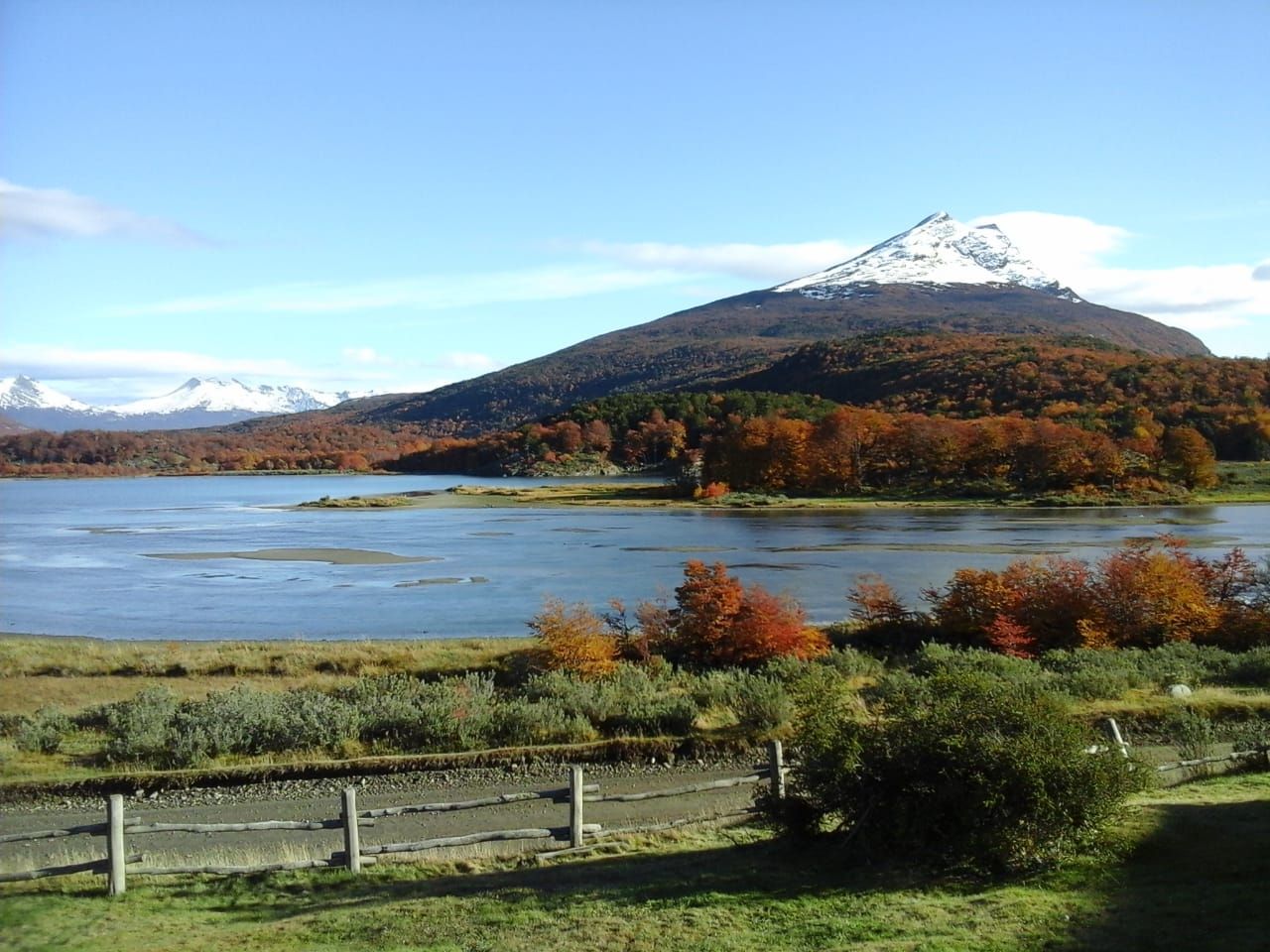
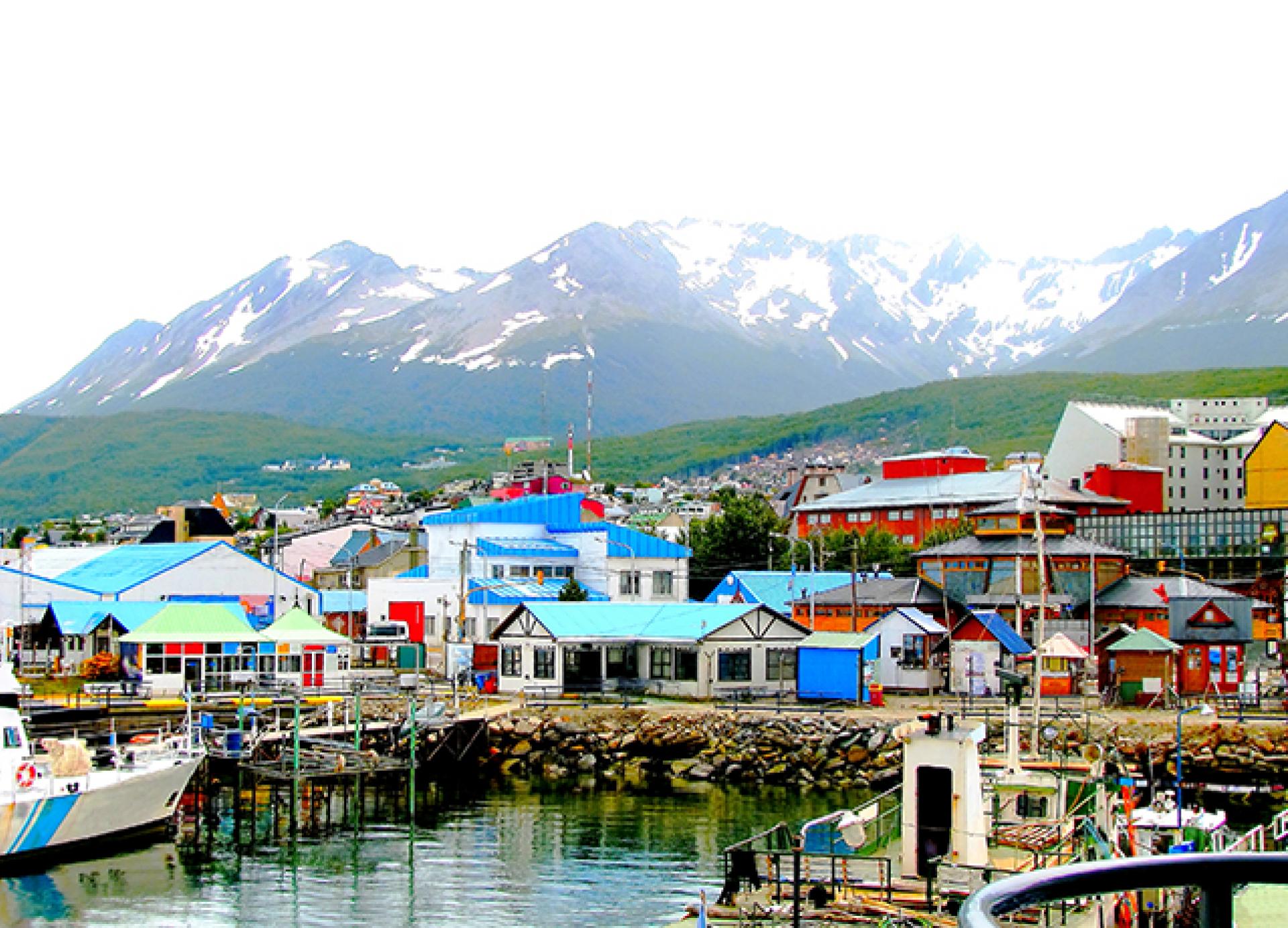
Ushuaia occupies a singular address: the southernmost city on Earth, hemmed between the snow-dusted peaks of the Martial Range and the steel-grey waters of the Beagle Channel. Named for a strait that Charles Darwin and the crew of HMS Beagle navigated in 1832, the channel still commands the landscape — a broad reach of sub-Antarctic water flanked by Argentine and Chilean territory, its shores home to Magellanic penguins, South American sea lions, rock cormorants, and the occasional sweep of an Andean condor overhead. The city itself is a functional frontier town that has reinvented itself as an ecotourism hub, but the real draw lies outside: Tierra del Fuego National Park, Argentina's only coastal national park, unfolds just west of town in a mosaic of lenga beech forest, peat bogs, glacial lakes, and mountain passes streaked with snow even in midsummer. Further along the mountain road, hidden Lago Escondido sits in a valley few visitors reach, offering a rare sense of solitude in a region already defined by its remoteness. Whether navigating the channel by boat past wildlife colonies, trekking forest paths that end at the continental shore, or simply standing at the southern terminus of the Pan-American Highway watching the light shift over the Beagle, Ushuaia delivers the particular satisfaction of having gone genuinely far.
Top things to do in Ushuaia on a cruise stopover
Tierra del Fuego National Park
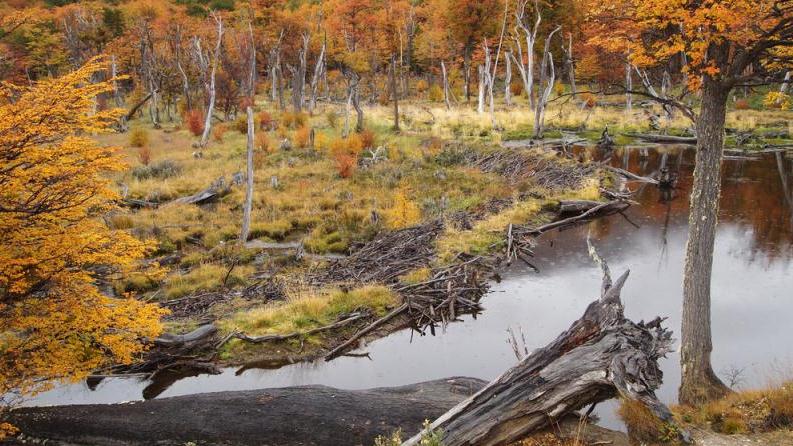
Argentina's only coastal national park encompasses 63,000 hectares of lenga beech forest, glacial lakes, beaver-dammed rivers, and Andean peaks. Trails of varying difficulty thread through a sub-Antarctic ecosystem that feels genuinely remote, ending in some cases at the rocky shore of the Beagle Channel itself.
Beagle Channel Navigation
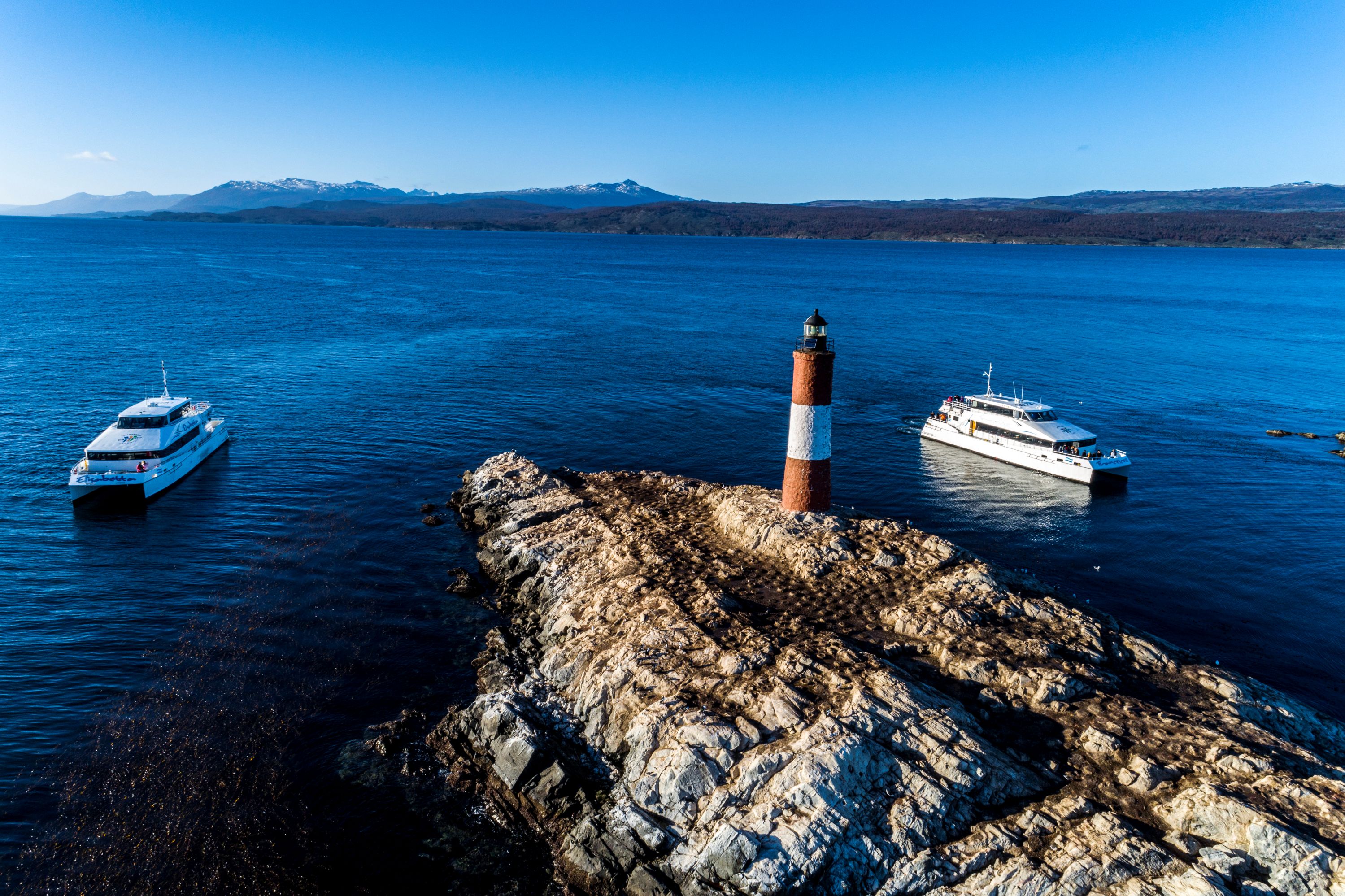
Tracing the same waters Darwin documented in the 1830s, a boat excursion on the Beagle Channel offers close encounters with wildlife colonies — sea lions, penguins, cormorants — set against a backdrop of mountain peaks and forested shores that have changed little since the Beagle's voyages.
Bridges Islands Wildlife Encounters
The rocky outcrops scattered across the eastern Beagle Channel host dense colonies of Magellanic penguins, South American sea lions, and rock cormorants. Organized boat approaches bring visitors within meters of these animals in their natural habitat.
Lago Escondido Scenic Journey
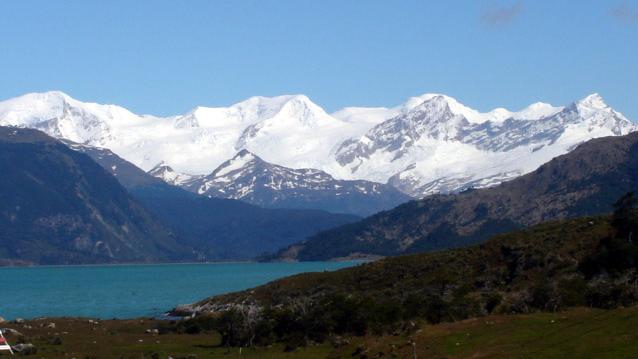
The mountain road east of Ushuaia climbs through lenga beech forest to reach a glacial lake of striking stillness surrounded by Andean peaks. Significantly less visited than the national park, it rewards the journey with a quality of solitude rare in a region that draws increasing numbers of visitors.
National Park Trekking and Forest Trails
Trails within Tierra del Fuego range from gentle lakeside walks to more demanding mountain routes, all threading through a sub-Antarctic ecosystem found nowhere else on the continent. The combination of forest, coastline, and mountain scenery within a single trail system is unusual anywhere in the world.
The End of the World Experience
Ushuaia's geographical drama is itself a destination: the southern terminus of the Pan-American Highway, the proximity to Cape Horn and Antarctica, the sense of standing at a continental edge above open Southern Ocean. It is one of those places where the setting alone justifies the journey.
Ushuaia travel tips
Layer Aggressively. A moisture-wicking base layer, a mid-layer fleece, and a waterproof windproof shell are the minimum sensible kit for any outdoor activity in Ushuaia — regardless of what the morning forecast suggests. Conditions change without warning.
Pack Everything in One Day Bag. Sunshine, rain, and cold wind can arrive within the same hour. A day pack with rain gear, an extra layer, water, and snacks means you're prepared for whatever the afternoon delivers without being burdened on the trails.
Confirm Beagle Channel Boat Schedules Early. Channel navigation trips operate on set departure schedules with limited passenger capacity. If a boat excursion is a priority for your day, confirm departure times and availability before leaving the ship in the morning.
Allow Adequate Time for the National Park. Tierra del Fuego National Park is not a brief stop. Even a moderate experience of it — a lakeside walk, a coastal trail, the scenic road — takes a minimum of 3–4 hours including transit from town. Plan accordingly and do not arrive late in the day.
Carry Local Currency for Small Purchases. While credit cards function at most tourist businesses in town, some park-adjacent vendors, food stalls, and smaller shops prefer or only accept Argentine Pesos. Having local cash on hand avoids unnecessary complications.
Respect the Ecosystem. Tierra del Fuego is a fragile subpolar environment under real ecological pressure. Stay on marked trails, maintain distance from all wildlife, and carry out every piece of waste. The park's condition depends directly on the behavior of the visitors passing through it.
Port Facts Every Cruiser Needs To Know
Ushuaia shore excursion FAQs
The main park entrance is approximately 12 kilometers west of Ushuaia. By local bus from Avenida Maipú the journey takes roughly 40–45 minutes; organized excursions include all transit between the pier and key park locations.
Magellanic penguins on the Beagle Channel islands, South American sea lions, rock cormorants, kelp gulls, and Andean condors are regularly observed. Inside the national park, Patagonian foxes and North American beavers (an introduced species and significant ecological concern) are also commonly encountered.
Yes. The pier is centrally located, and the main street, shops, restaurants, and the Museo Marítimo are all within easy walking distance. The town is compact and relatively flat along its main axis, though it rises steeply toward the Martial Range behind.
Expect temperatures of 5–15°C (41–59°F) during cruise season with highly variable conditions. Wind is constant, rain is frequent, and snow is possible at higher elevations even in January. Dress in waterproof layers regardless of how calm the morning appears.
It is possible but requires careful timing. Both experiences reward 3–4 hours each. With an 8–10 hour port call and an early start, a compressed version of each is feasible; with a shorter call, choosing one and doing it properly is the better approach.
Lago Escondido (Hidden Lake) is a glacial lake in the mountains east of Ushuaia, reached via a scenic road that climbs through lenga beech forest. It is significantly less visited than the national park, offering a quieter, more contemplative alternative for those who have already seen the park or want to avoid larger groups.
The accessible coastal areas of the park have limited penguin activity. Magellanic penguin colonies are most reliably and closely observed on the Bridges Islands and rocky outcrops within the Beagle Channel, reached by organized boat excursion.
Argentine Pesos (ARS) are the local currency. Argentina's exchange rate situation can be complex and subject to rapid change; verify current conditions before your visit. Major tourist businesses in town accept credit cards, but local cash is useful for smaller purchases.
The standard channel navigation is primarily a passive boat experience, suitable for virtually all fitness levels. The mini-trek variation on Bridges Islands adds a short walk over rocky terrain, which is manageable for most visitors with reasonable mobility and appropriate footwear.
The channel was named after HMS Beagle, the British Royal Navy survey vessel that navigated these waters in the 1830s with a young Charles Darwin aboard as naturalist. Darwin's observations of Fuegian landscapes, wildlife, and indigenous peoples contributed directly to his later development of evolutionary theory, making this one of the most scientifically consequential stretches of water in history.
Filters
Select a filter to refine results.
Tour Type
Tour Activity
 Cart
Cart
 USD
USD GBP
GBP AUD
AUD EUR
EUR CAD
CAD