



Tours in Napier


Cruising to Napier in a group?
Skip the crowded ship excursion bus. One dedicated planner will design a private shore experience around exactly what your group wants — coordinated from first enquiry to the moment you're back on board. More memorable, more flexible, and more affordable than you might expect. Spend less time organising, more time enjoying.
Explore Group Travel →Cruising to Napier
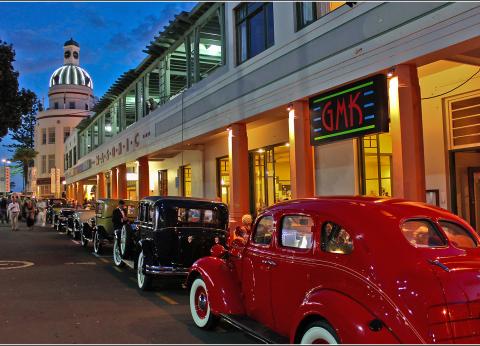
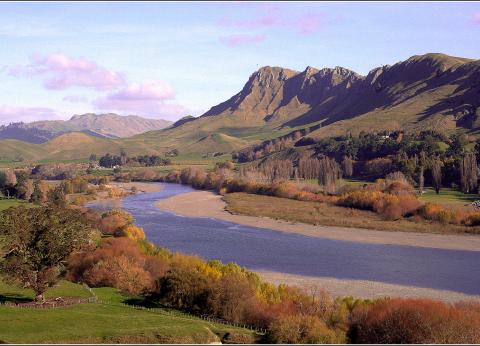
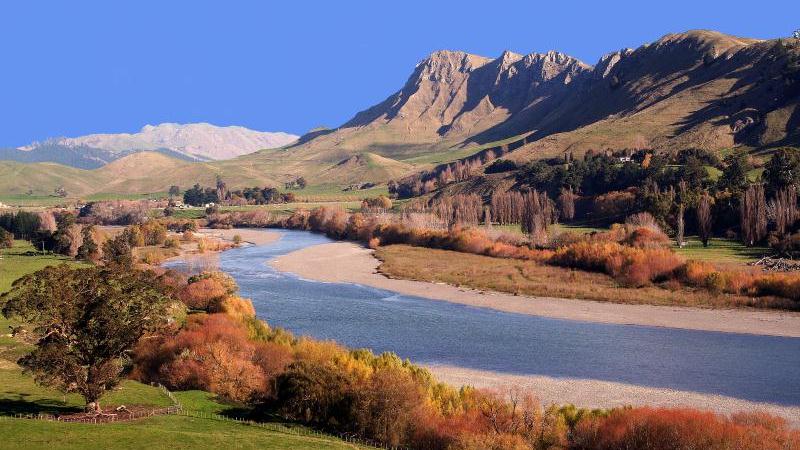
Few ports in New Zealand offer as compact and rewarding a combination as Napier. The city's dramatic rebirth following the 7.8-magnitude Hawke's Bay Earthquake of 1931 produced a streetscape rebuilt almost entirely in the Art Deco and Spanish Mission styles fashionable at the time — the result is a city centre that feels remarkably coherent and visually unified, unlike anywhere else in the Southern Hemisphere. Beyond the architecture, Napier sits at the northern edge of Hawke's Bay, a sun-drenched wine region producing outstanding Chardonnay, Syrah, and Bordeaux-style blends from estates that range from small family operations to internationally recognised labels. The surrounding landscape is flat and intensely agricultural — orchards, vineyards, and market gardens extending to the Kaweka and Ruahine ranges. Cape Kidnappers, a dramatic coastal headland 40 kilometres south, shelters the world's largest mainland gannet colony. Cruise ships berth conveniently close to the city centre, making Napier unusually accessible without requiring significant travel time.
Top things to do in Napier on a cruise stopover
Hawke's Bay Wineries: New Zealand's Premier Wine Region
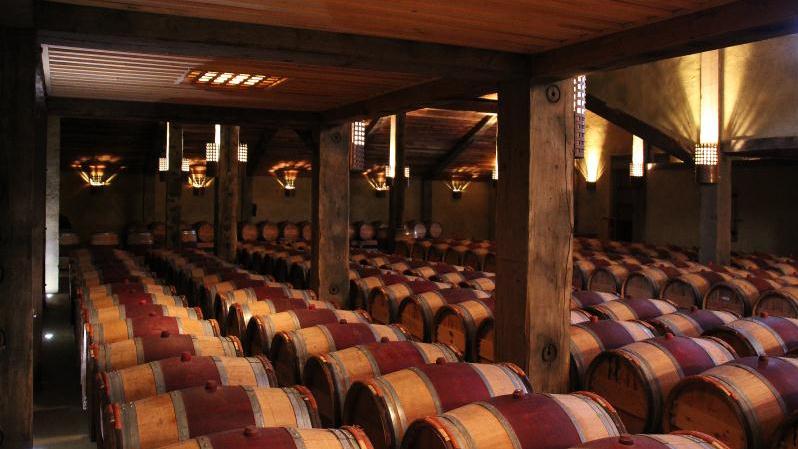
Hawke's Bay is New Zealand's second-largest wine region and arguably its most diverse in terms of terroir — a patchwork of gravel beds, clay soils, and free-draining river flats producing dramatically different expressions from adjacent vineyards. The region built its reputation on big, structured reds — Bordeaux blends from the famous Gimblett Gravels sub-region particularly — alongside some of New Zealand's most complex Chardonnays. Estate cellar doors range from intimate family wineries poured by the winemaker themselves to architecturally striking visitor centres with full restaurant kitchens. Lunch among the vines, particularly during harvest season in April and May, is a genuine New Zealand experience: casual, generous, and rooted in the landscape. Many estates offer barrel room tours and vertical tastings that provide real depth for visitors with a serious interest in wine.
Art Deco Napier: A City Rebuilt in a Decade
When the earthquake of 3 February 1931 levelled Napier's commercial centre and killed 256 people, the city's reconstruction happened with remarkable speed — and remarkable stylistic cohesion. New buildings rose through the 1930s in the Art Deco and Spanish Mission styles then dominating progressive architecture, and because so much was built in so short a window, the streetscape has an unusual consistency. Emerson Street, Tennyson Street, and Dalton Street form the core of the heritage precinct; the National Tobacco Company Building and the Masonic Hotel are among the most photographed facades. The Napier Art Deco Trust runs guided walking tours and maintains an informative heritage trail that visitors can follow independently using free maps. The architecture is most striking when viewed in context — block by block, with attention to the decorative detailing of sunrises, stepped cornices, and stylised Māori motifs incorporated into the designs.
Craft Beer and the Rise of Hawke's Bay's Brewing Scene
Alongside its wine reputation, Hawke's Bay has developed a legitimate craft beer culture rooted in the region's agricultural abundance — locally grown hops, barley, and fruit finding their way into a range of ales, lagers, pilsners, and experimental styles. Small brewing operations have opened across the region, each with a distinct character: some occupy converted warehouses on the urban fringe, others sit on working farms. Tasting paddles allow side-by-side comparison of styles, and brewery visits often include a view of the brewing process and conversation with the people making the beer. For visitors who prefer beer to wine, or who want a contrast to a primarily winery-focused day, the craft beer circuit offers a genuinely local alternative that reflects a different dimension of the region's food and drink culture.
Cape Kidnappers Gannet Colony: An Extraordinary Wildlife Encounter
At the southern end of Hawke's Bay, a series of dramatic coastal cliffs and headlands culminates at Cape Kidnappers — named by Captain James Cook after a 1769 incident in which local Māori attempted to take a crew member. The gannet colony here is remarkable not just for its scale — thousands of breeding pairs occupy the clifftop platforms from July to March — but for its accessibility. Australasian gannets, sleek white seabirds with golden heads and a two-metre wingspan, nest within metres of the viewing path, apparently indifferent to human observers. The colony is the world's largest known mainland gannet nesting site, and watching the courtship rituals, chick-feeding, and spectacular diving displays is genuinely compelling. The approach involves a coastal walk or tractor-pulled transport along the beach, dependent on tides — advance planning is essential for cruise passengers.
Wine and Dine: Hawke's Bay's Food Culture Beyond the Cellar Door
Hawke's Bay's food scene has grown significantly in step with its wine reputation — the region now supports a range of restaurants and dining destinations that treat local produce with the same seriousness applied to viticulture. Restaurant kitchens in Havelock North and on estate properties draw on lamb raised minutes away, stone fruit from Hawke's Bay orchards, and seafood from the nearby coast. Evening dining among the vines — particularly at winery restaurants that close to day-trippers and open to dinner guests as the light changes — offers a distinct quality of experience: unhurried, place-specific, and reflecting the agricultural character of the landscape. Food and wine pairing menus at several estates demonstrate the considered relationship between the region's cuisine and its viticultural identity.
Marine Parade and Napier's Waterfront
Napier's Marine Parade is a long, leafy oceanfront boulevard that defines the city's relationship with the sea — and the land itself. Much of the flat ground on which the Parade stands was lifted from the sea floor during the 1931 earthquake, raising the lagoon that once occupied this space into productive land. The boulevard is lined with Norfolk pines, public gardens, and a series of heritage attractions including the National Aquarium of New Zealand and the Soundshell, a heritage performance venue. The beach itself is shingle rather than sand, but the Parade's combination of architecture, gardens, and sea views provides a pleasant orientation walk for visitors getting their bearings. At its southern end, the Parade connects to Ahuriri, Napier's restored fishing village precinct, where converted industrial buildings house galleries, cafes, and restaurants.
Napier travel tips
The Art Deco Precinct is Genuinely Walkable from the Berth. Napier's cruise terminal is located close to the city centre, and the core Art Deco heritage area is reachable on foot within 10 to 15 minutes. The Napier Art Deco Trust visitor centre on Tennyson Street provides free heritage trail maps and self-guided walking routes. This is one of the more unusual ports in New Zealand where meaningful sightseeing requires no transport at all.
Wineries Require Planning — They Are Not Within Walking Distance. The main winery concentrations — particularly the Gimblett Gravels and the estates around Havelock North — are 15 to 25 kilometres from the port. The region is not served by frequent public transport suitable for winery hopping. Visitors planning a wine-focused day should arrange transport in advance rather than expecting to improvise on arrival.
Cape Kidnappers Access Depends on Tides — Check in Advance. The coastal approach to Cape Kidnappers involves a section of beach that is only accessible at low tide. If you are planning a self-arranged visit, check the Hawke's Bay tide tables before sailing into Napier — not all tidal windows align with cruise schedules. Organised visits are typically timed around this constraint and include beach tractor transport. Gannet breeding season runs roughly July to March; the colony is closed at other times.
Ahuriri is Worth the Short Walk for Food and Character. The Ahuriri precinct, a short walk north of the city centre, occupies converted fishing industry buildings on the inner harbour and has developed into Napier's most characterful eating and drinking neighbourhood. It operates at a different pace from the tourist-facing city centre — the clientele is largely local, the food quality is high, and the setting around the tidal inlet is attractive. It is a good alternative to the more formal winery lunch circuit for visitors who want to eat well without travelling far from the port.
Wine Regions Can Be Explored Independently on a Bicycle. Hawke's Bay has invested in a network of cycling trails collectively known as the Hawke's Bay Trails, connecting Napier to Havelock North and passing through the wine country. The terrain is flat and the routes are well signposted — genuinely usable for a cycle-and-taste day, reaching several estate cellar doors by pedal. Hire outlets operate near the city centre and typically offer helmets, which are legally required in New Zealand for all cyclists.
Book Restaurant Lunches Early — Winery Dining Books Out. The most popular winery restaurant lunches — particularly at estates with strong reputations for both food and wine — book quickly, especially during the summer and harvest seasons. If a winery lunch is a priority for your day, make reservations before the ship arrives. Walk-in availability at busy times cannot be relied upon, and the experience at a less-prepared alternative is noticeably different.
Port Facts Every Cruiser Needs To Know
Napier shore excursion FAQs
The cruise berth in Napier is close to the city centre — the main Art Deco heritage streets are reachable on foot in 10 to 15 minutes. This makes Napier one of New Zealand's more accessible cruise ports for independent exploration. The Napier Art Deco Trust visitor centre on Tennyson Street is the logical starting point and offers free walking maps.
Napier was almost entirely destroyed by the 1931 Hawke's Bay Earthquake and rebuilt rapidly in the Art Deco and Spanish Mission styles fashionable at the time. Because so much construction happened within a single decade, the city centre retains an unusual stylistic cohesion not found in cities that evolved more gradually. UNESCO and international architectural organisations regard Napier's intact Art Deco streetscape as one of the finest examples in the world.
Hawke's Bay is best known for its Bordeaux-style red blends (Cabernet Sauvignon, Merlot, Cabernet Franc) from the Gimblett Gravels sub-region, and for complex, barrel-fermented Chardonnay. Syrah has become increasingly prominent over the past decade, attracting international attention. Local Sauvignon Blanc and Viognier are also worth trying, as the regional expression differs noticeably from Marlborough's style.
The standard approach to the gannet colony involves either a 4-kilometre beach walk or a tractor-pulled trailer along the beach. Neither option is straightforward for visitors with significant mobility limitations. Advance enquiry with organised visit providers is recommended, as some options offer a higher-access alternative via farm tracks. Tidal timing adds an additional logistical constraint regardless of mobility.
The Gimblett Gravels is a defined winegrowing sub-region within Hawke's Bay, occupying what was once the bed of the Ngaruroro River. Its deep, free-draining gravel soils absorb heat during the day and release it at night, creating warm ripening conditions ideal for thick-skinned red varieties. The wines produced here — particularly Bordeaux blends and Syrah — have gained an international reputation and are among New Zealand's most collectible reds.
Public bus services in Napier are limited and do not provide convenient access to the main winery areas around Havelock North or the Gimblett Gravels. The GoBay network covers some local routes but timetables are infrequent and not designed around cruise passenger schedules. The flat terrain makes cycling via the Hawke's Bay Trails a viable independent alternative for visitors comfortable on a bicycle.
Yes — the region has a growing craft beer scene with several breweries operating taprooms open to visitors. Beyond drinks, Hawke's Bay's food culture stands independently: regional produce markets, strong cafe and restaurant options in Havelock North, and the Cape Kidnappers wildlife experience provide full-day alternatives. The Art Deco heritage and Marine Parade waterfront are also entirely independent of the wine region.
Grape harvest in Hawke's Bay typically runs from late February through April, with the peak for red varieties in March and April. Visiting during harvest means seeing working vineyards at their most active — bins of fruit, sorting tables, and fermentation tanks in operation — and many estates open their harvest operations to visitors. The atmosphere at winery cellar doors during vintage is distinctly different from the quieter off-season experience.
The Australasian gannet colony at Cape Kidnappers is active from July through March, with peak breeding activity (chicks in nests, courtship displays) occurring between October and January. Outside this window the headland is closed to visitors. The surrounding cliffs also support shearwaters, and the coastal approach via the beach passes areas where fur seals occasionally haul out.
Napier's own dining scene centres on the Ahuriri precinct and the Emerson Street area, with a range of cafes, wine bars, and restaurants drawing on Hawke's Bay produce. The city has a strong cafe culture by New Zealand standards — flat whites and well-made espresso are easy to find. For a meal that reflects the region's agricultural identity without travelling to a winery, the Ahuriri inner harbour area offers the best combination of quality and local character.
Filters
Select a filter to refine results.
Tour Type
Tour Activity
 Cart
Cart
 USD
USD GBP
GBP AUD
AUD EUR
EUR CAD
CAD