



Tours in Tauranga


Cruising to Tauranga in a group?
Skip the crowded ship excursion bus. One dedicated planner will design a private shore experience around exactly what your group wants — coordinated from first enquiry to the moment you're back on board. More memorable, more flexible, and more affordable than you might expect. Spend less time organising, more time enjoying.
Explore Group Travel →Cruising to Tauranga
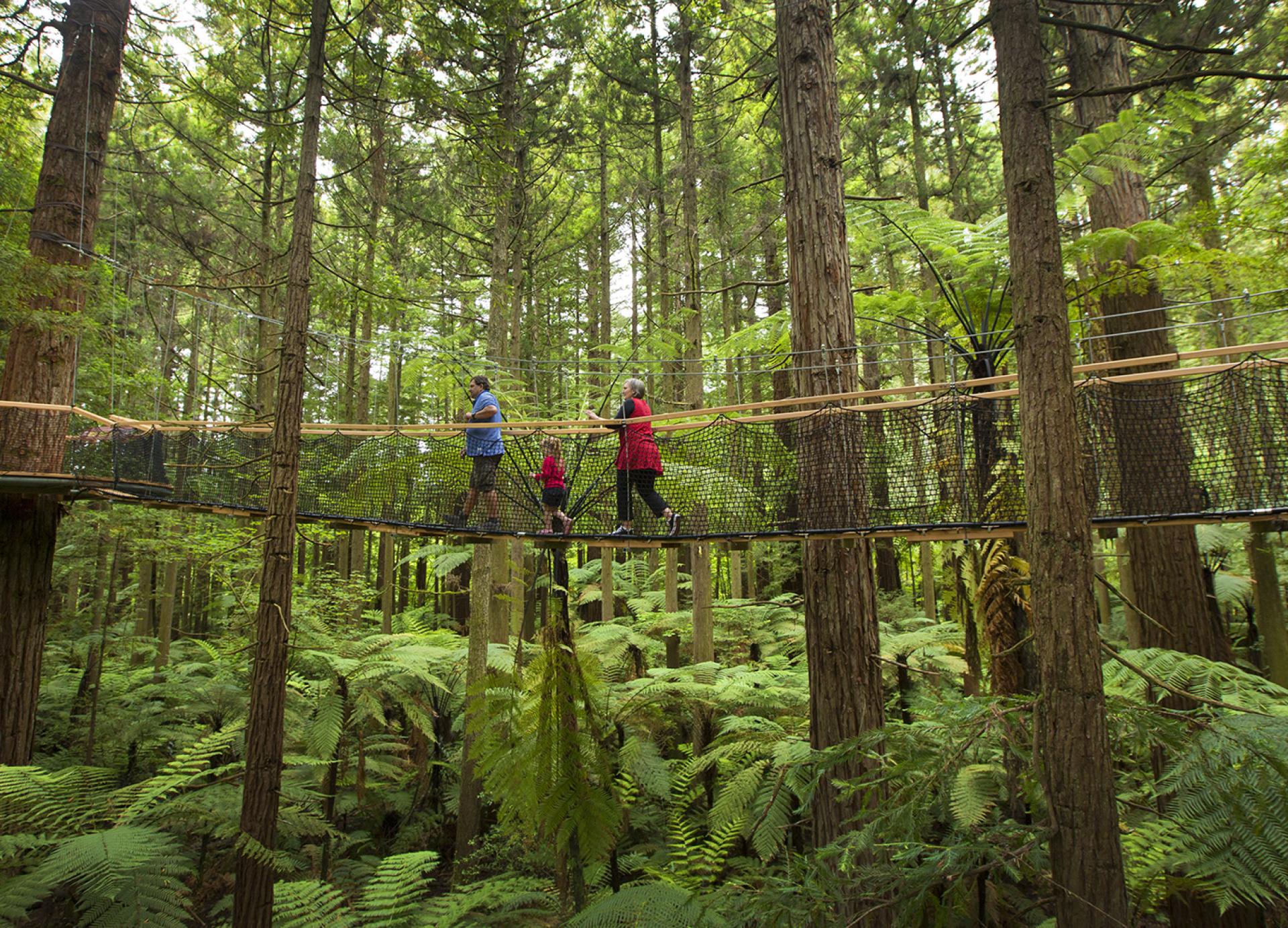
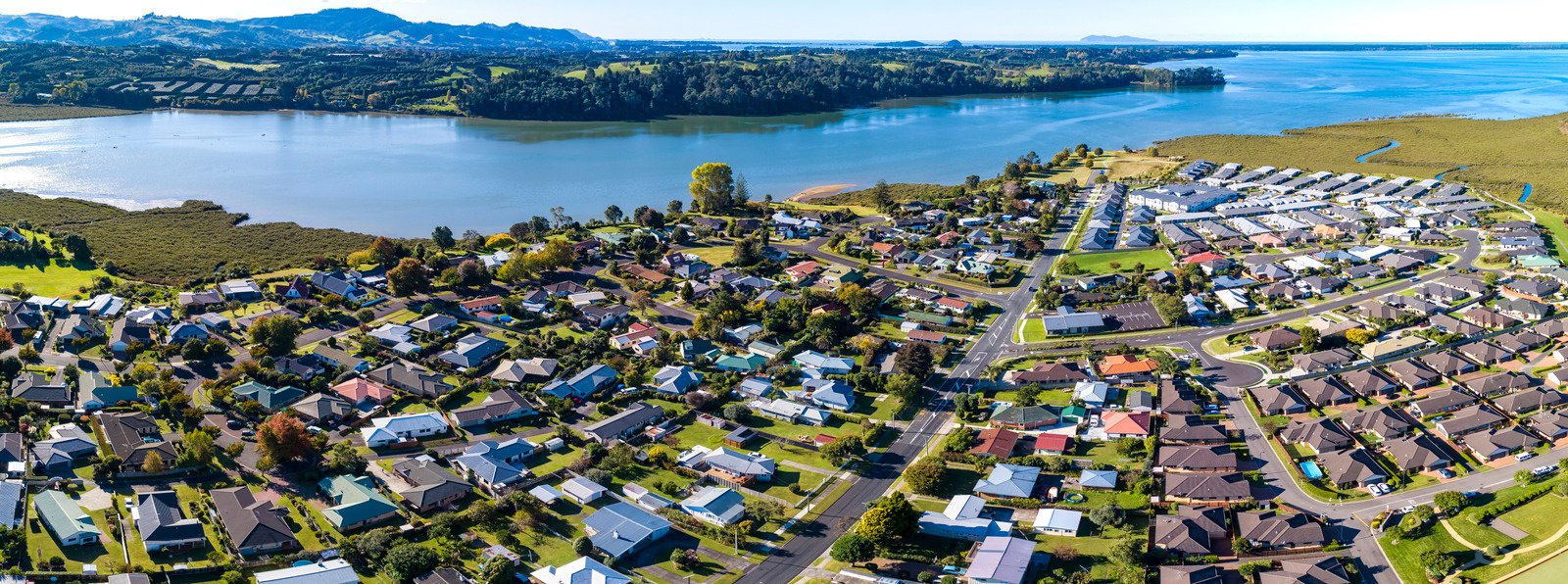
Tauranga sits at the heart of New Zealand's Bay of Plenty, a harbor city that punches well above its size when it comes to day-trip possibilities. The port itself is compact and walkable, but the real draw lies in what radiates outward: the volcanic plateau of Rotorua, where mud pools bubble and geysers erupt against a backdrop of Māori cultural heritage; the surreal darkness of Waitomo's glowworm caves; and the photogenic film set of Hobbiton, tucked into Waikato farmland about 90 minutes away. Back in the city, the volcanic spit of Mount Maunganui offers a gentler counterpoint — a beach walk, ocean hot pools, and unobstructed views of the harbor. Tauranga is also the commercial heart of New Zealand's kiwifruit industry, and the surrounding orchards give the region an agricultural character that distinguishes it from other North Island ports. Whatever direction you head, the landscapes are unmistakably, emphatically New Zealand.
Top things to do in Tauranga on a cruise stopover
Hobbiton Movie Set: Middle-earth in the Waikato Farmland
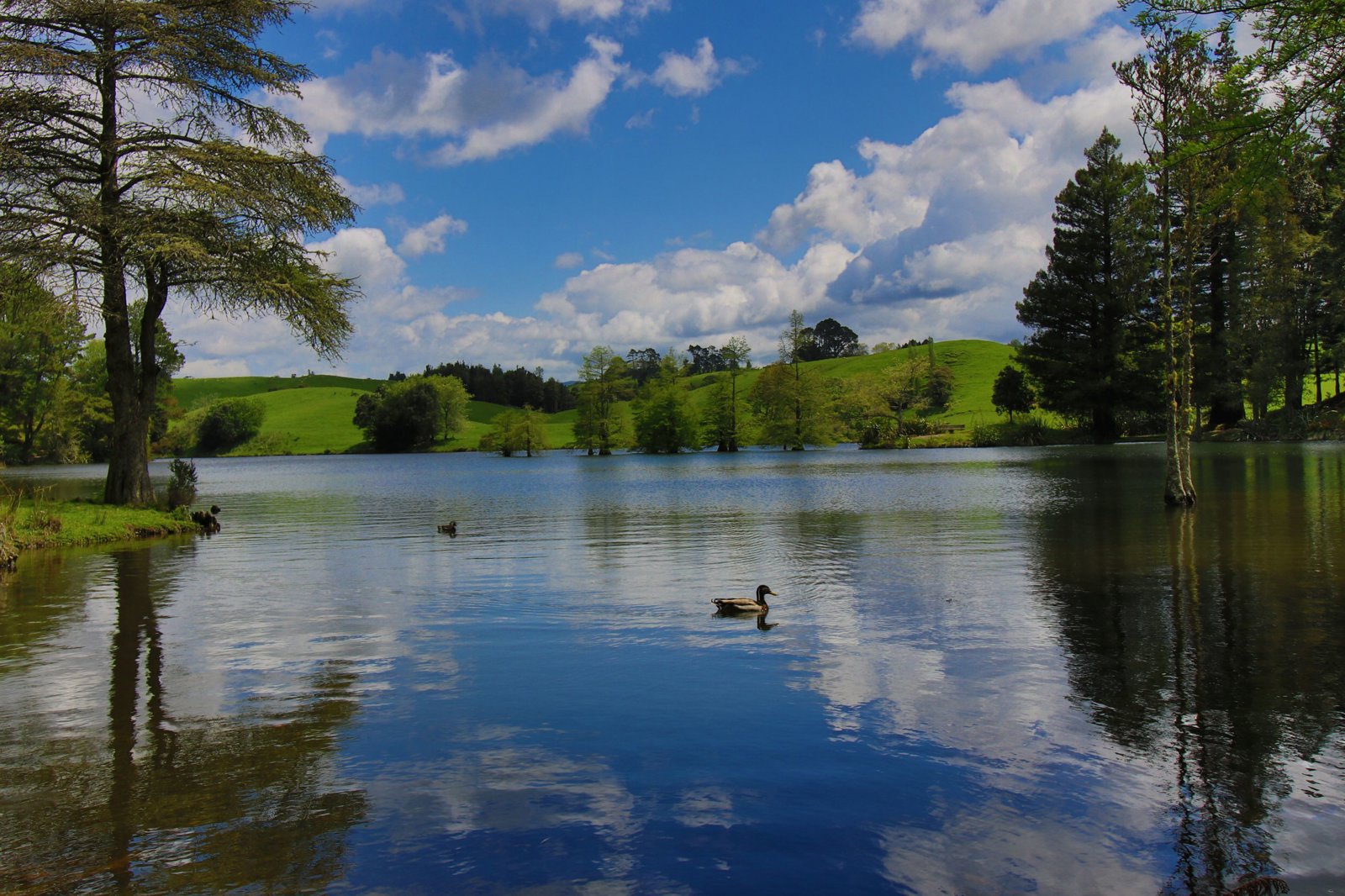
The Alexander sheep farm near Matamata was permanently transformed for Peter Jackson's Lord of the Rings and Hobbit trilogies into a working village of 44 Hobbit holes set into sculpted green hillsides. Unlike most film locations, Hobbiton was built to stay — each hole is furnished with authentic detail, from vegetable gardens and clay pots to tiny round windows, and the Green Dragon Inn at the far end of the set serves local ales. The guided walk through the site takes about two hours and covers the full sweep of the property. The surrounding Waikato countryside, with its broad pastoral views and native tree plantings, adds to the sense of deliberate, unhurried immersion. Timed tickets are required and sell out well in advance during peak cruise season.
Rotorua: Geothermal Spectacle and Māori Cultural Depth
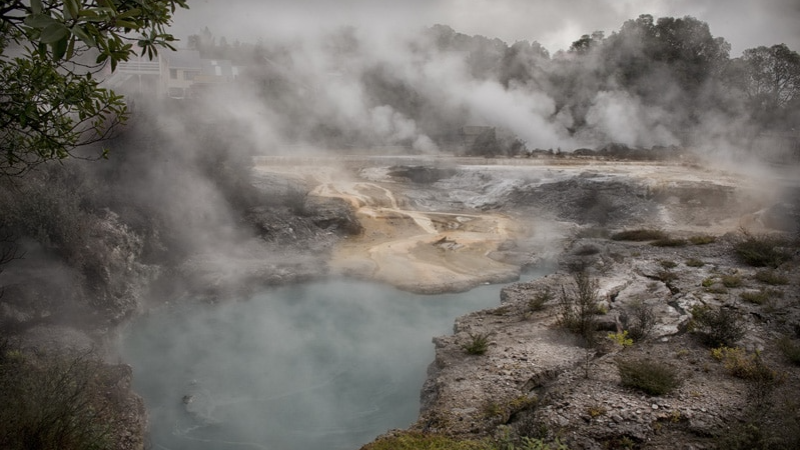
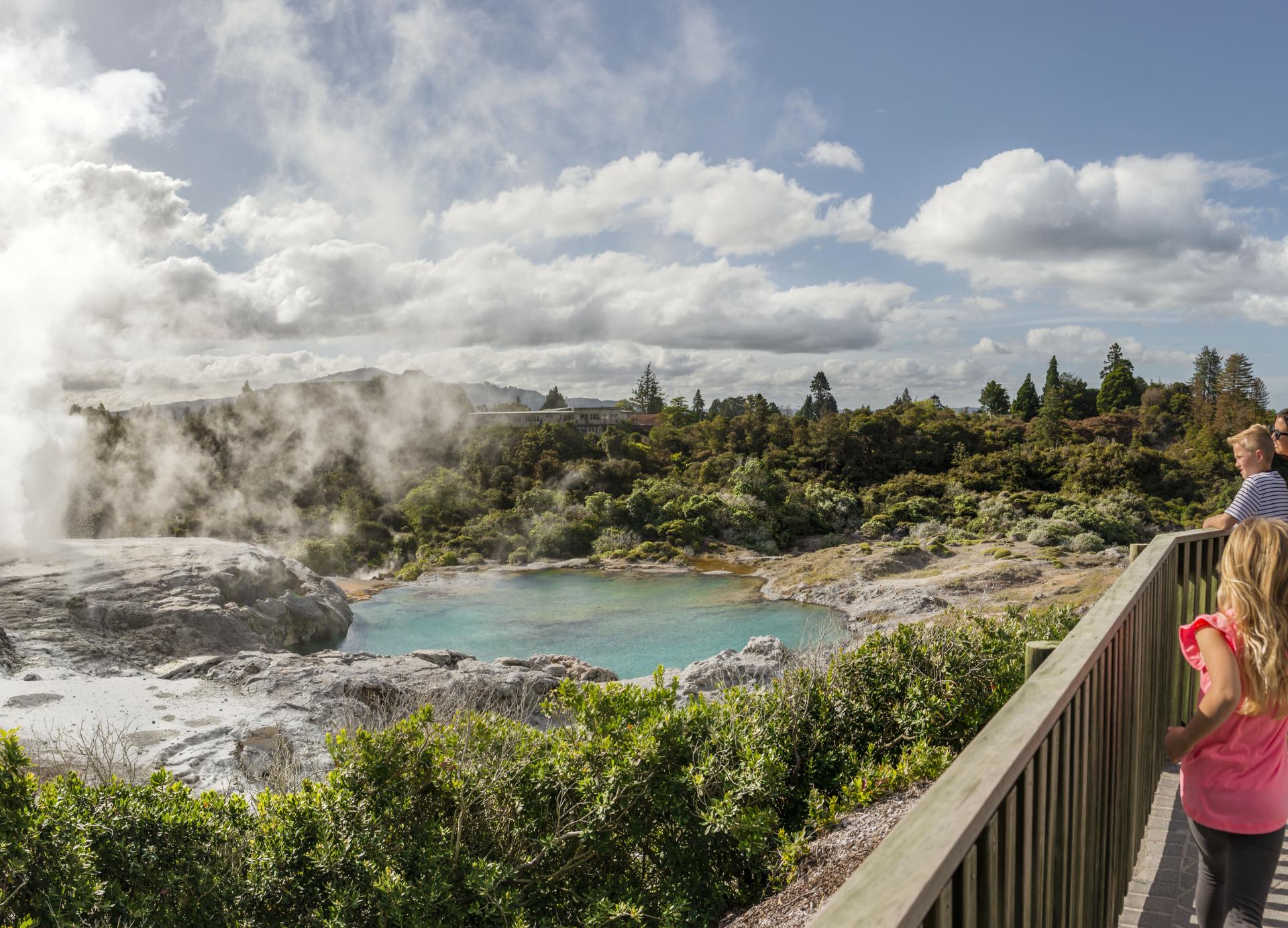
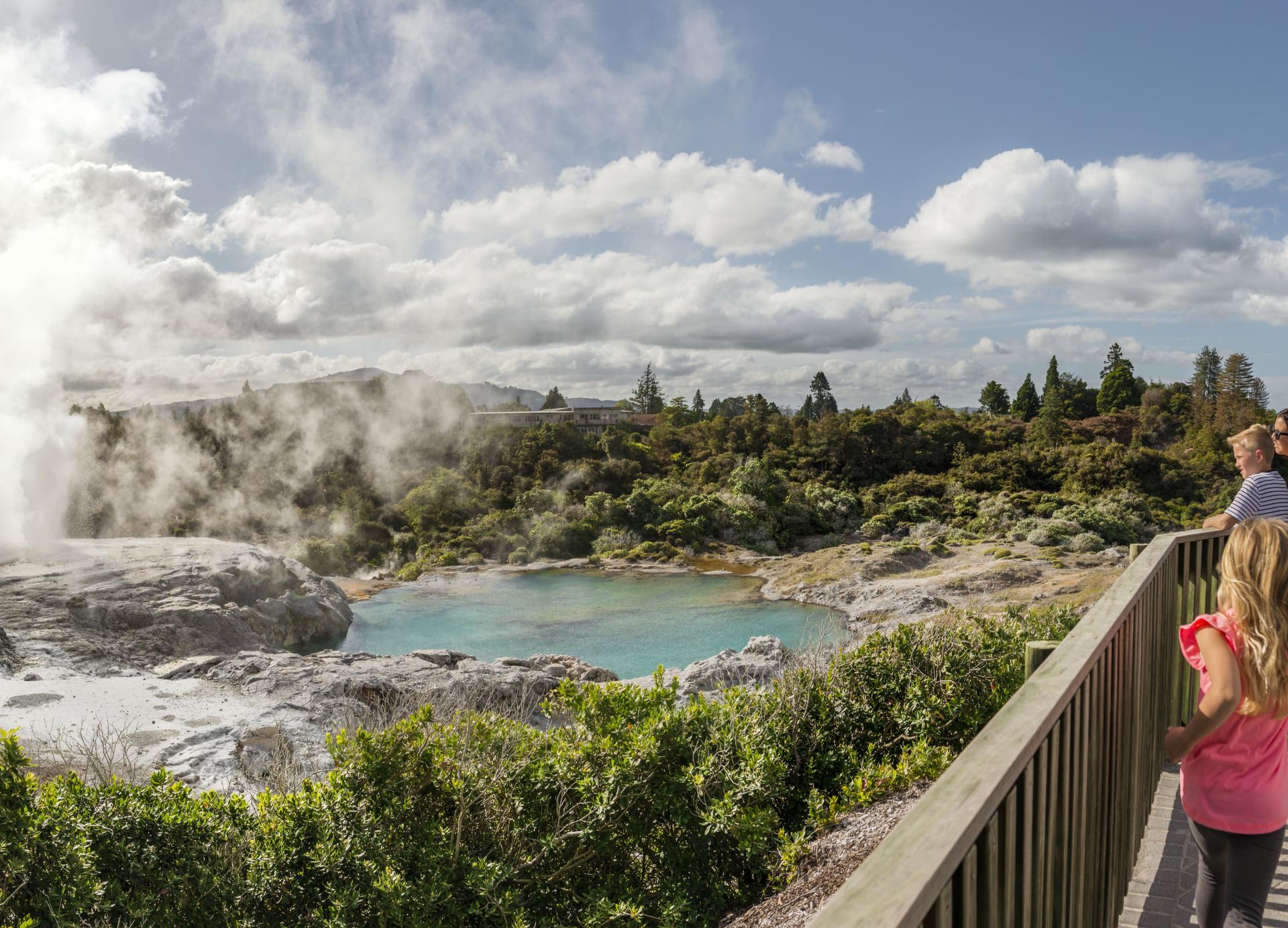
Rotorua sits atop one of the world's most active geothermal zones, and the landscape makes that immediately clear: crater lakes in shades of turquoise and jade, silica terraces painted in orange and white, mud pools that bubble with slow, sulphurous rhythm, and geysers that erupt on rough schedules. Te Puia in the Whakarewarewa Valley combines the thermal spectacle with New Zealand's leading Māori cultural institute, where traditional carving and weaving schools operate alongside the geysers. Other key sites — Wai-O-Tapu Thermal Wonderland, Hell's Gate — each have their own character and degree of intensity. Rotorua town itself carries the pervasive smell of sulphur, which becomes, for most visitors, an oddly pleasant part of the memory. The town is about 60 minutes from the Tauranga wharf and manageable in a full port day.
Waitomo Glowworm Caves: A Subterranean Galaxy
In the limestone hill country south of Hamilton, the Waitomo Caves shelter one of nature's quieter spectacles. The glowworm Arachnocampa luminosa — found only in New Zealand and eastern Australia — lines cave ceilings in tens of thousands, emitting a cool blue-green bioluminescence that transforms the underground chambers into something resembling a slow-turning night sky. Visitors drift through the dark on flat-bottomed boats guided by wires in near-total silence, looking upward at a ceiling alive with light. The caves are at least two hours from Tauranga's wharf, making careful timing essential for cruise visitors, but those who make the journey consistently rate it among the most distinctive experiences of any New Zealand port call. Several cave systems in the area offer different tour formats, from walking tours to black-water rafting for the more adventurous.
Mount Maunganui: Summit Walk and Beach Town Character
The volcanic cone of Mount Maunganui rises 232 meters from the sand spit that separates Tauranga's harbor from the open Pacific. A well-maintained summit track takes 45–60 minutes return from the base and rewards walkers with a panorama that takes in the Bay of Plenty, the harbor, Tauranga city, and on clear days, the distant Coromandel Ranges. At the base, Pilot Bay offers calm swimming on the harbor side, while the ocean beach on the eastern flank has reliable surf. The Mount Hot Pools — heated by geothermal water — provide a more relaxed option for those who would rather soak than climb. The strip of cafes, bakeries, and surf shops along Marine Parade has the character of a prosperous, unpretentious New Zealand beach town and makes a pleasant end to any time ashore.
Tauranga and Kiwifruit Country: Bay of Plenty's Agricultural Heart
Tauranga is the commercial center of New Zealand's kiwifruit industry, and the Bay of Plenty produces roughly 80 percent of the country's crop. The landscape between the coast and the inland hills is defined by orderly rows of kiwifruit vines stretching across flat river terraces — a distinctly productive, agricultural character that sets this region apart from New Zealand's more dramatically marketed landscapes. During the harvest season (March–June), some properties open for tastings and orchard walks. The city itself has evolved considerably in recent years, with a waterfront precinct offering galleries, a weekend farmers' market, and restaurants that reflect a prosperous regional hub rather than a sleepy port town. Even outside harvest season, the drive through the inland orchards gives a grounded sense of what the Bay of Plenty actually produces.
Huka Falls and Lake Taupo: Volcanic Landscape at Scale
About two hours south of Tauranga, the Waikato River narrows to a 15-meter channel before erupting over the Huka Falls in a torrent of electric-blue water that carries around 220,000 liters per second. The falls are accessible by a short walk from a well-marked car park and the sheer volume of water — disproportionate to the modest drop — is startling in person. Lake Taupo, just upstream, is the largest lake by surface area in Australasia, filling a caldera left by one of the largest volcanic eruptions in recorded geological history. The lake's shores offer trout fishing, jet boating, and clear views of the Tongariro volcanic peaks on good days. The distance from Tauranga makes this a long day, but the combination of falls, lake, and volcanic scenery is compelling for those who have already seen Hobbiton or Rotorua.
Tauranga travel tips
Book Hobbiton Tickets Well Before Your Port Day. The Hobbiton Movie Set operates on timed-entry guided tours and frequently sells out weeks in advance during peak cruise season. Walk-in access is not available, and independent exploration is not permitted — all visits are led by guides. Assuming you can simply arrive and join a tour on the day is a reliable way to miss the experience entirely.
Choose One Major Destination — Not Two or Three. Rotorua, Hobbiton, and Waitomo are all 60–120 minutes from the wharf in different directions. Cruise visitors who attempt to combine two long-distance destinations typically see both superficially and spend most of the day in transit. One well-paced destination with time to stop, eat, and genuinely look around is almost always more satisfying than a rushed double itinerary.
Carry New Zealand Dollars for Local Purchases. Credit cards work at most major attractions, restaurants, and shops throughout the region, but local markets, roadside stalls, and some smaller cafes prefer cash. ATMs are available in central Tauranga and in Rotorua, but queues can be long when several cruise ships are in port simultaneously. Drawing some NZD before going ashore is a small effort that pays off.
Pack a Light Waterproof Layer Regardless of the Forecast. The Bay of Plenty has a reputation for sunshine, but mornings can be cool even in midsummer, and the Rotorua plateau sits at higher elevation where cloud cover appears unpredictably. A packable waterproof layer adds almost no weight and is genuinely useful at the region's major outdoor attractions, particularly Waitomo, the geothermal parks, and the Mount Maunganui summit.
Follow the Tikanga at Māori Cultural Sites. Māori cultural venues operate under tikanga — customary protocols — that visitors are briefed on at the start of their visit. These typically cover photography permissions, behavior near taonga (treasured objects), and conduct during performances. Following host guidance is both respectful and practically important; the briefing is usually clear, brief, and delivered in a welcoming manner.
The Mount Hot Pools Charge an Entry Fee and Fill Quickly. The Ocean Pools complex at the base of Mount Maunganui charges a modest entry fee and can become crowded when multiple ships are in port on the same day. The summit track itself is free, open at all hours, and requires no booking — but sturdy footwear is recommended, as the upper sections involve loose rock and moderate inclines that flip-flops handle poorly.
Port Facts Every Cruiser Needs To Know
Tauranga shore excursion FAQs
Hobbiton is located near Matamata, approximately 90 minutes by road from the Tauranga wharf, traveling through the Waikato farming district. The guided tour itself takes around two hours, so plan for a minimum of five to six hours round trip. Timed-entry tickets must be booked in advance — walk-ins are not accepted.
Technically possible but rarely satisfying — Rotorua is roughly 60 minutes from the port in one direction, and Hobbiton is 90 minutes in a different direction, leaving very little time for either experience. Visitors who attempt to combine both almost always end up rushing through both. Choosing one destination and seeing it properly is consistently the better approach.
Waitomo is at least two hours each way from the Tauranga wharf, making it one of the more demanding day trips from this port. That said, visitors who make the journey almost universally rate the glowworm cave experience as unlike anything else they have done — the bioluminescent cave ceiling is genuinely extraordinary. Confirm your ship's all-aboard time carefully before booking, and allow no margin for delays.
Most daytime Māori cultural experiences in Rotorua include a pōwhiri (welcome ceremony), demonstrations of traditional games and weaponry, guided walks through culturally significant sites, and explanations of traditional arts including weaving and carving. Evening experiences at venues like Te Puia and Tamaki Māori Village add a hāngi (earth-oven feast) and extended kapa haka performance, though these are rarely accessible to cruise visitors on short port stays.
Yes — Mount Maunganui is one of the most time-efficient and genuinely rewarding options for visitors who want to stay close to the ship. The summit walk takes 60–90 minutes return, the beach is immediately accessible at the base, and the cafes and waterfront strip along Marine Parade make a comfortable end to the morning. It offers an authentic sense of New Zealand coastal life without the long drives required for outlying attractions.
Credit cards are accepted at virtually all major attractions, restaurants, and shops in Tauranga and Rotorua. Cash is useful at local markets, roadside fruit stalls, and smaller cafes. ATMs are readily available in Tauranga's city center and in Rotorua. New Zealand dollars are the only currency accepted — USD is not used in everyday transactions.
Ships call most commonly between November and April, which is New Zealand's summer. Days are typically warm (20–28°C) with good sunshine, but rain can arrive at any time of year, and conditions at higher-elevation sites like Rotorua can change quickly. The Bay of Plenty has a reputation for being sunnier than much of the North Island, though this should not be relied upon absolutely.
The Tauranga cruise terminal at Sulphur Point is roughly a 15–20 minute walk from the main shopping and dining precinct via the waterfront path. A free port shuttle also operates when ships are in port, connecting the terminal to the city center. For destinations beyond the city — Rotorua, Hobbiton, Waitomo, or the Mount — organized transport is necessary.
Yes — English is the primary everyday language throughout the region, and visitors will have no difficulty communicating at attractions, restaurants, shops, or cultural venues. Māori language is increasingly present in signage, place names, and cultural contexts, and a few basic greetings are warmly received. No knowledge of Māori is required or expected of visitors.
The smell of hydrogen sulphide — often compared to rotten eggs — is noticeable throughout Rotorua city and particularly strong near active geothermal sites. It is entirely harmless at the concentrations found in public areas, and most visitors find it fades from awareness within a short time. It is considered part of the Rotorua experience rather than a problem, and locals treat it with considerable good humor.
Filters
Select a filter to refine results.
Tour Type
Tour Activity
 Cart
Cart
 USD
USD GBP
GBP AUD
AUD EUR
EUR CAD
CAD