



Tours in San Francisco California



Cruising to San Francisco California in a group?
Skip the crowded ship excursion bus. One dedicated planner will design a private shore experience around exactly what your group wants — coordinated from first enquiry to the moment you're back on board. More memorable, more flexible, and more affordable than you might expect. Spend less time organising, more time enjoying.
Explore Group Travel →Cruising to San Francisco California
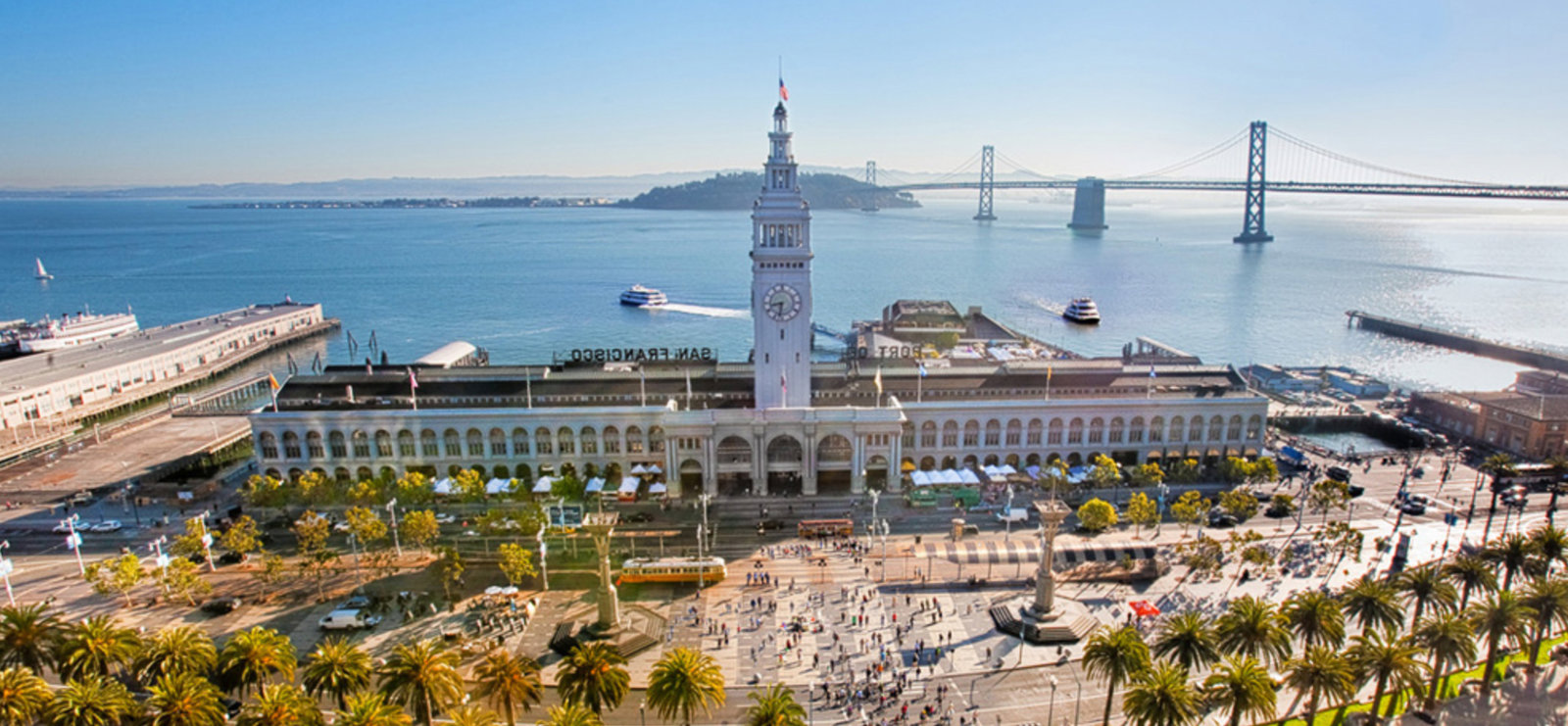
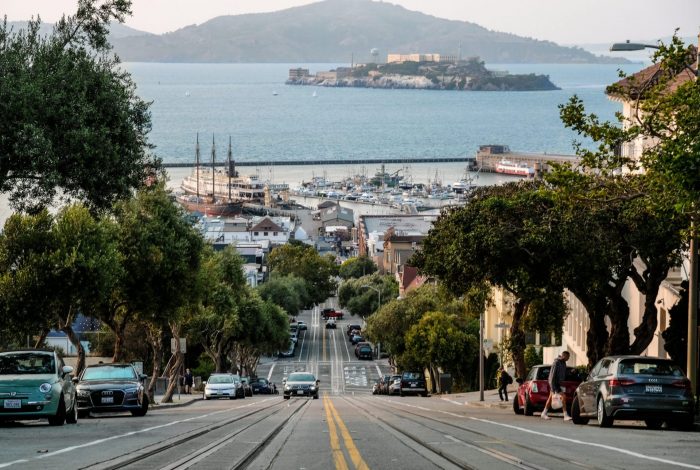
Few ports on earth pack this much variety into a single day ashore. San Francisco delivers fog-draped bridges, brooding island prisons, towering coastal redwoods, vineyard-covered hillsides, and one of the world's great urban waterscapes — all within reach of the cruise pier. Ships dock at Pier 27 on the Embarcadero, a handsome waterfront boulevard that places visitors within walking distance of the Ferry Building Marketplace, Fisherman's Wharf, and the broader city beyond. From there, the options radiate outward in every direction: north across the Golden Gate Bridge to Muir Woods National Monument; east by ferry to the cellblocks of Alcatraz Island; northeast to the wine estates of Napa and Sonoma; or simply inward into a city of steep hills, painted Victorians, cable car bells, and neighbourhoods each with their own distinct personality. San Francisco rewards the planner and the wanderer in equal measure — the key is knowing what you want most, because there is never quite enough time to do it all.
Top things to do in San Francisco California on a cruise stopover
Iconic City Landmarks
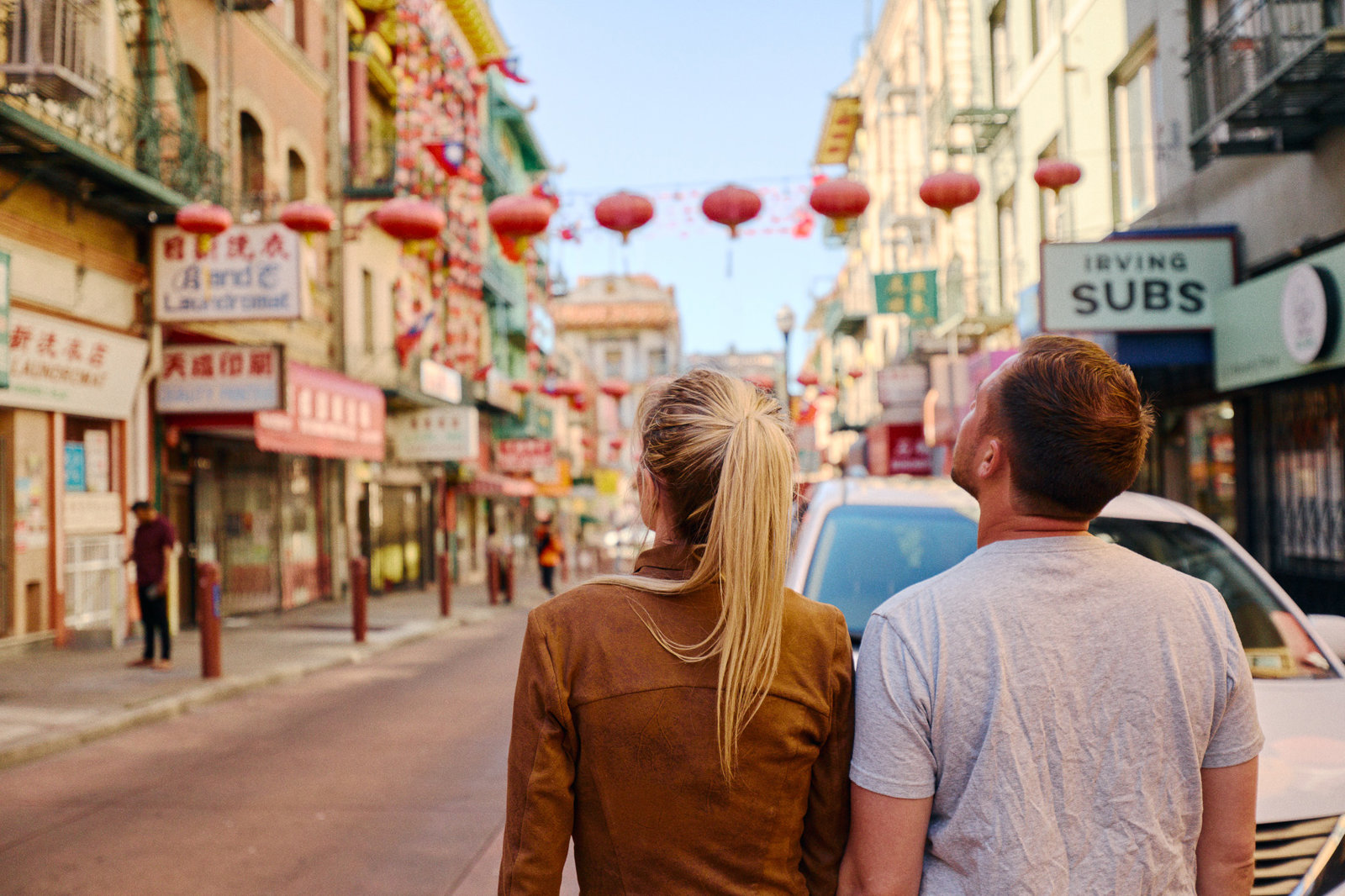
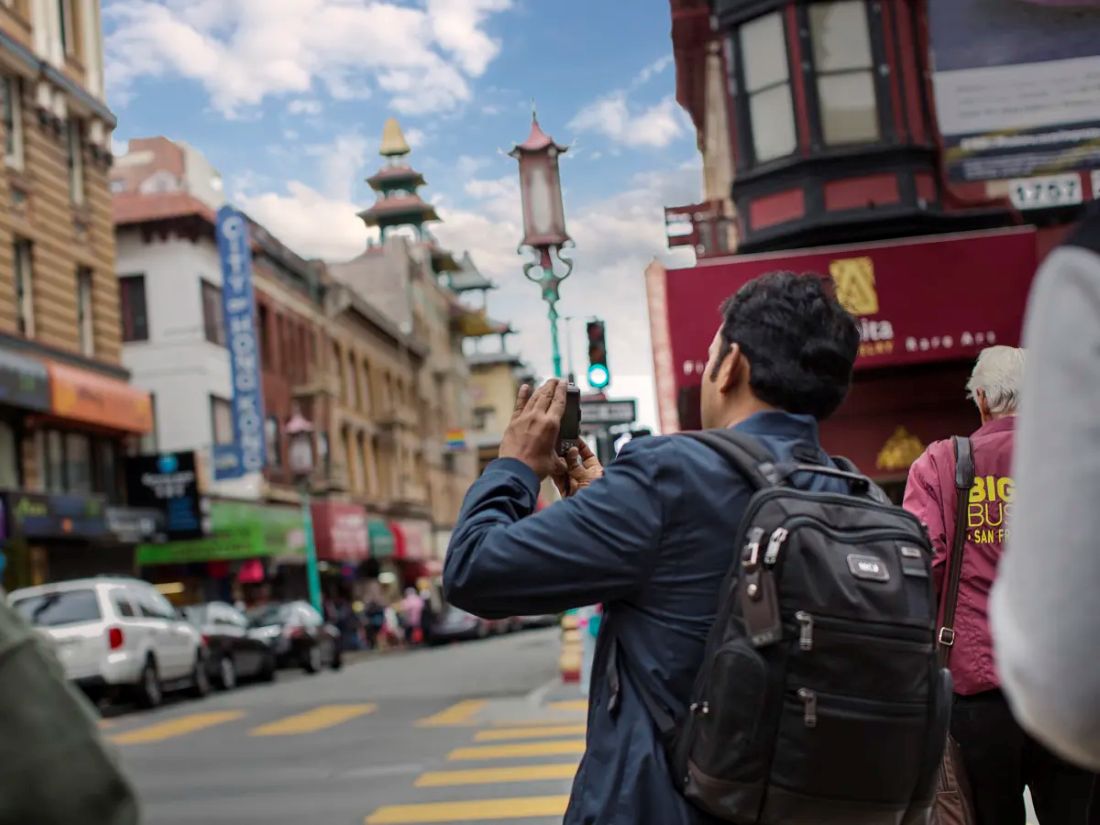
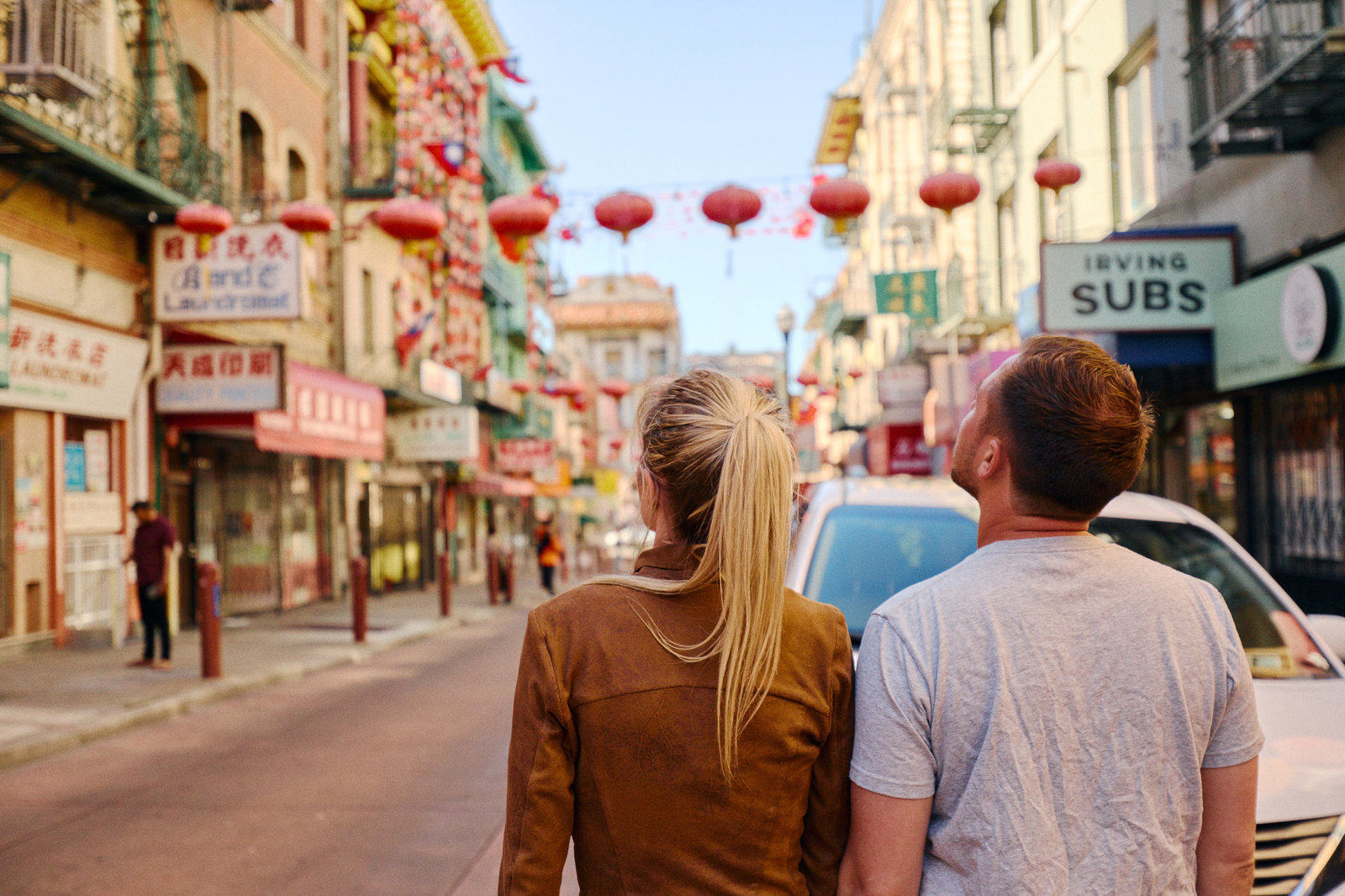
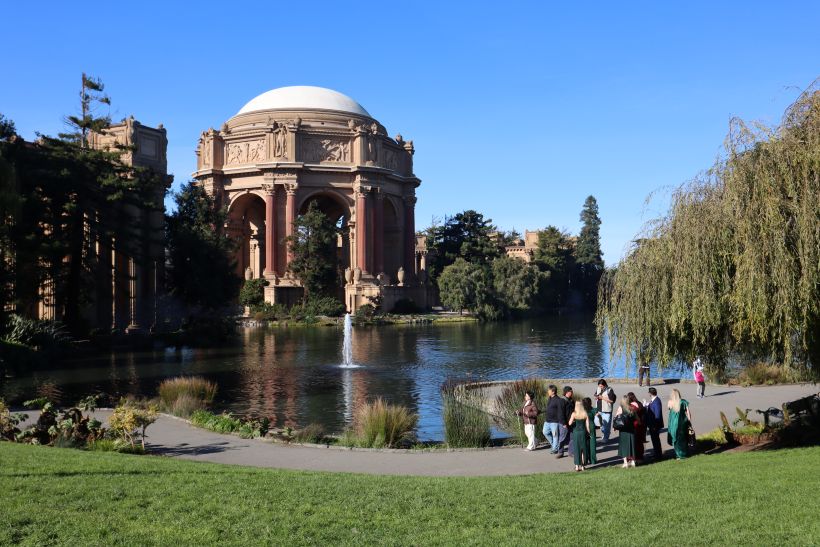
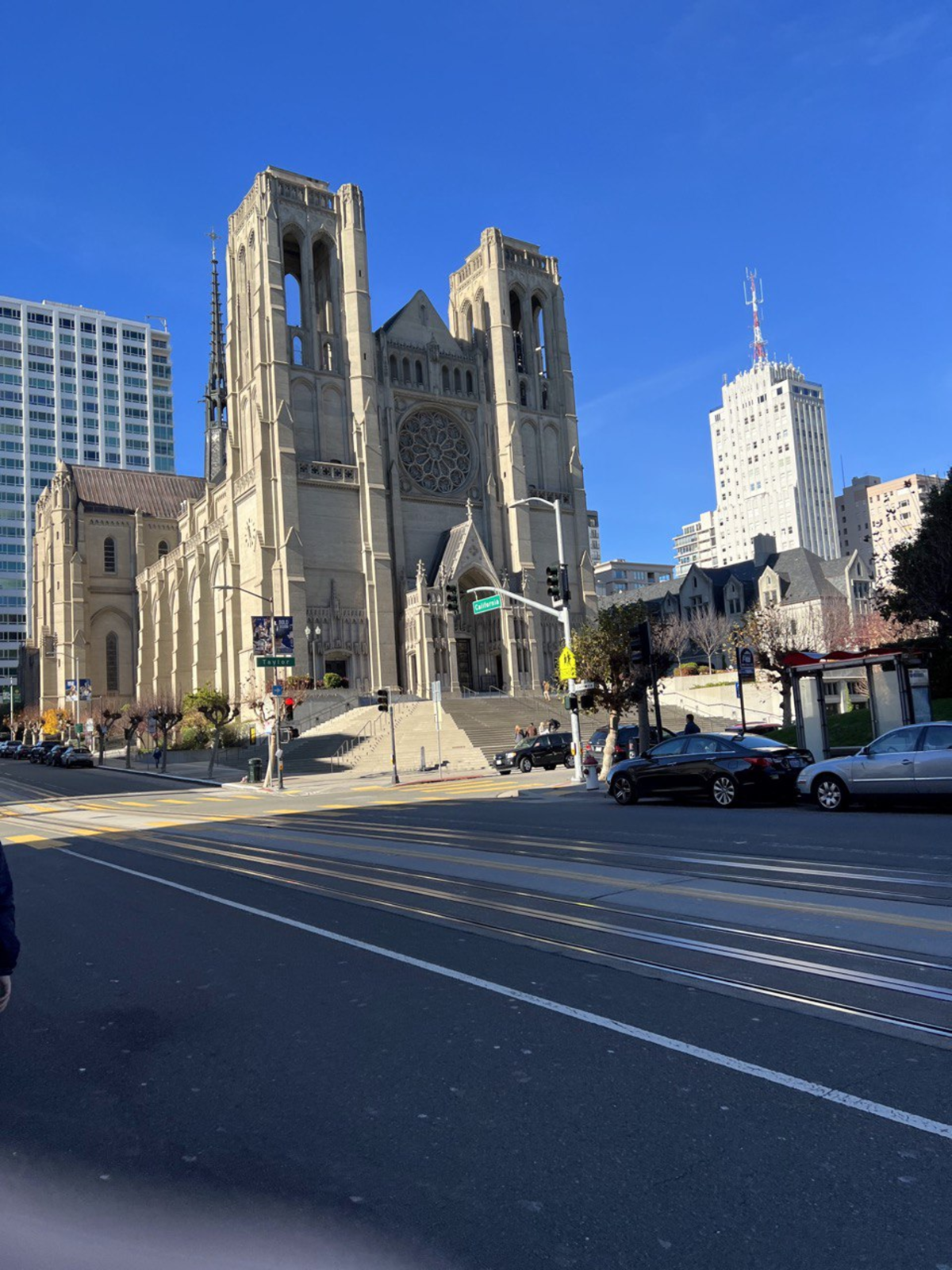
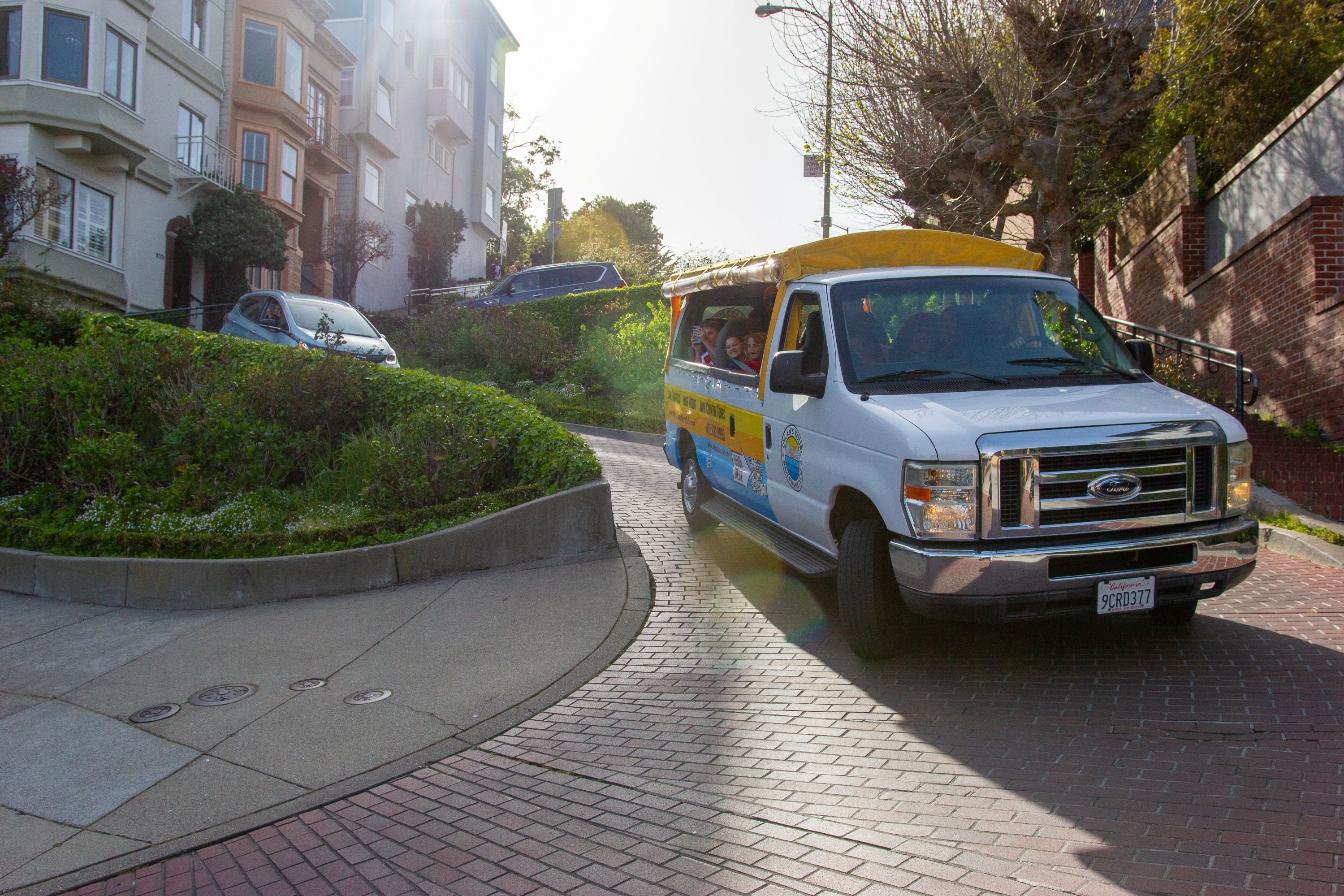
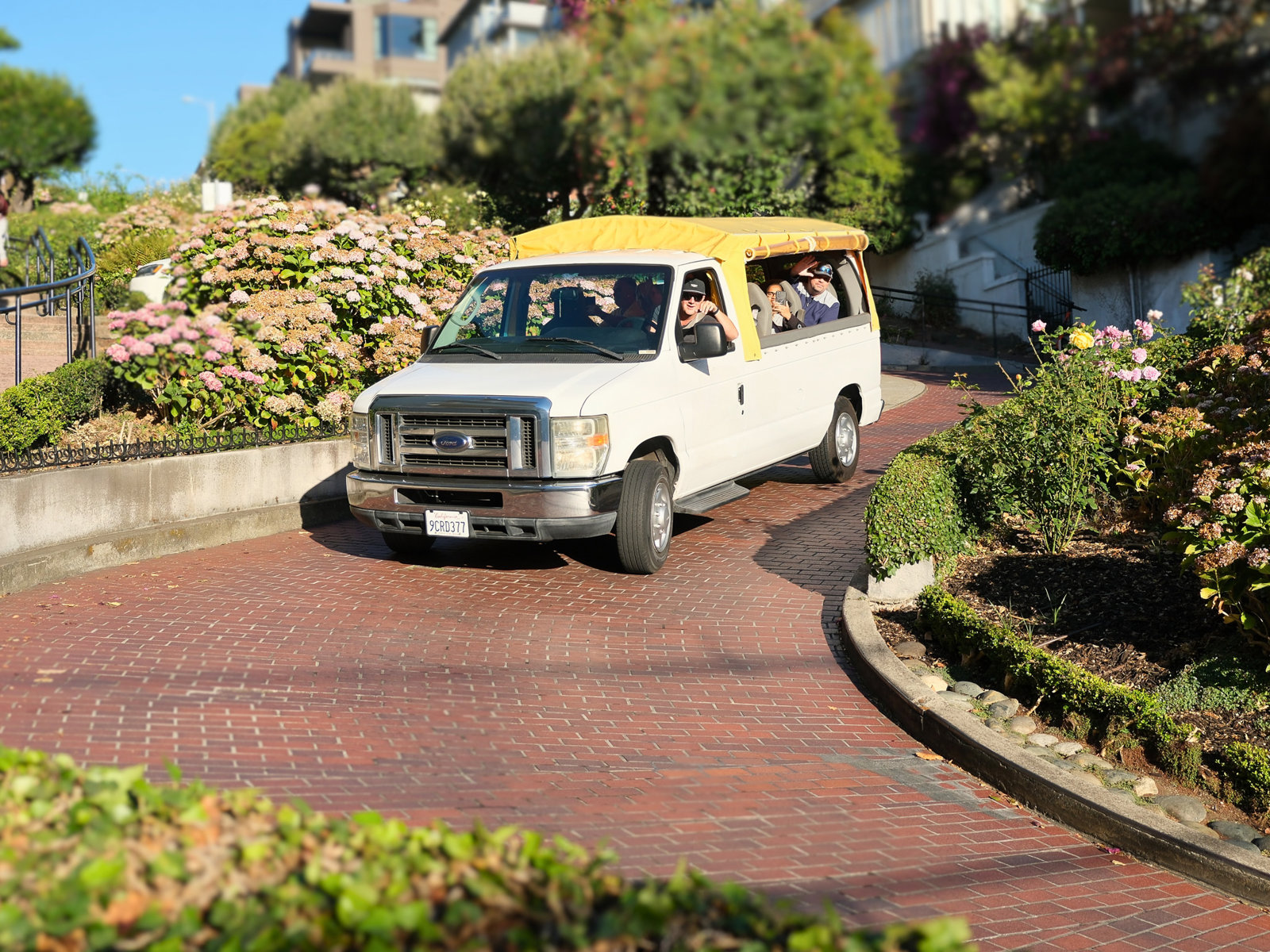
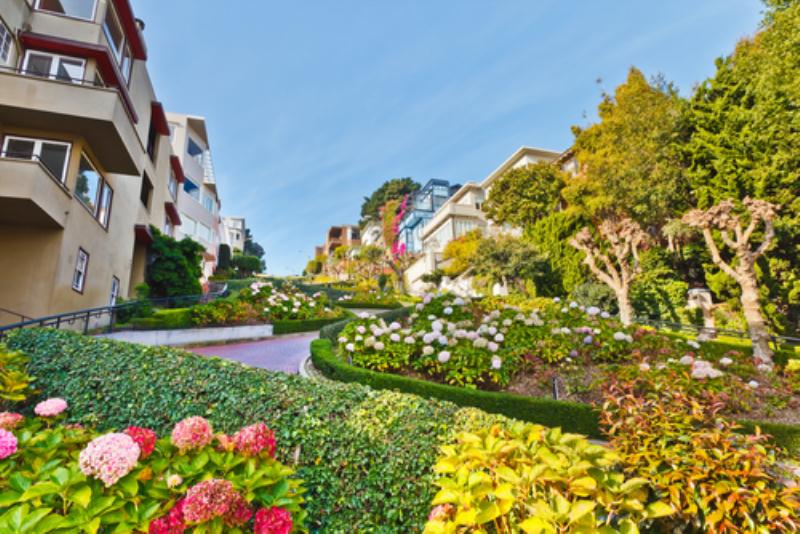
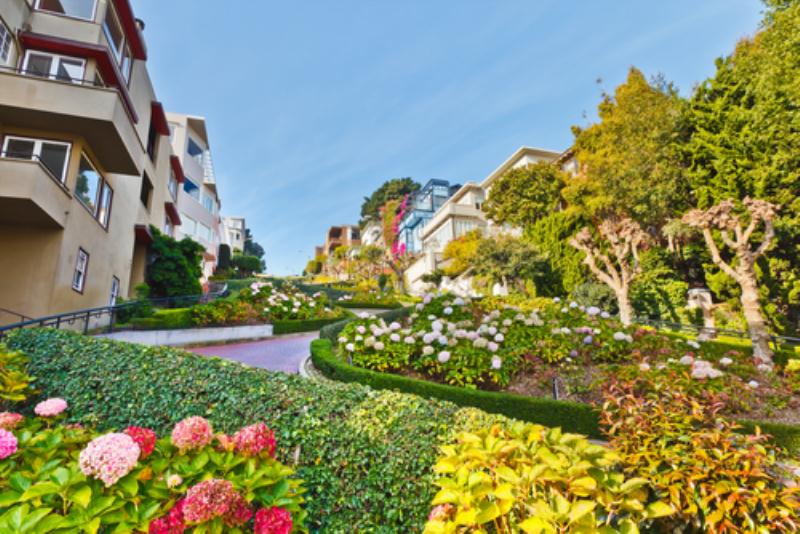
San Francisco's roll call of landmarks is extraordinary: the switchback curves of Lombard Street, the Painted Ladies of Alamo Square, Coit Tower rising above North Beach, the dragon gates of Chinatown, and the Powell and Market cable car turntable where conductors manually spin cars for the return journey. A city tour connects these icons in a way that reveals the character between them — the hills, the street art, the views that open unexpectedly around each corner.
Alcatraz Island
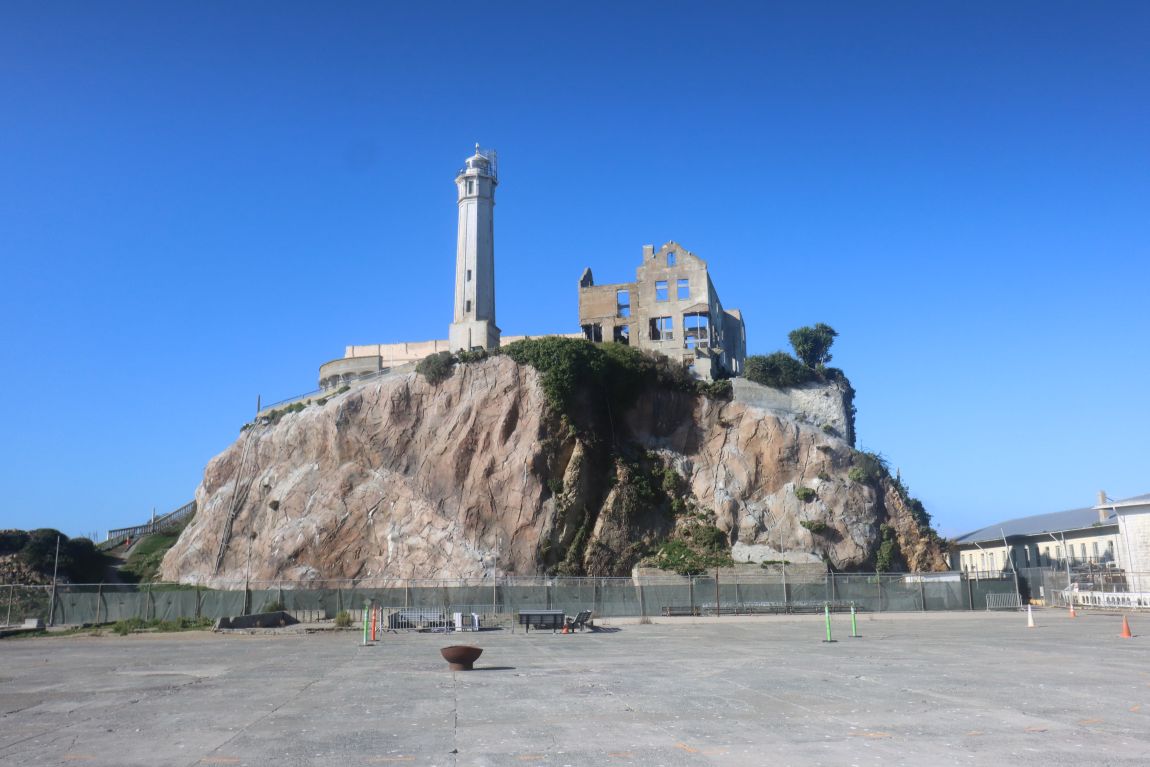
The Rock sits just 2.4 kilometres off the Embarcadero, its concrete cellblocks and guard towers visible from the waterfront. Once America's most notorious federal penitentiary, Alcatraz Island is now a National Park site whose award-winning audio tour — narrated by former guards and inmates — brings the history to life with unsettling clarity. The ferry crossing alone offers some of the finest views of the San Francisco skyline available anywhere on the bay.
Muir Woods and the Coastal Redwoods
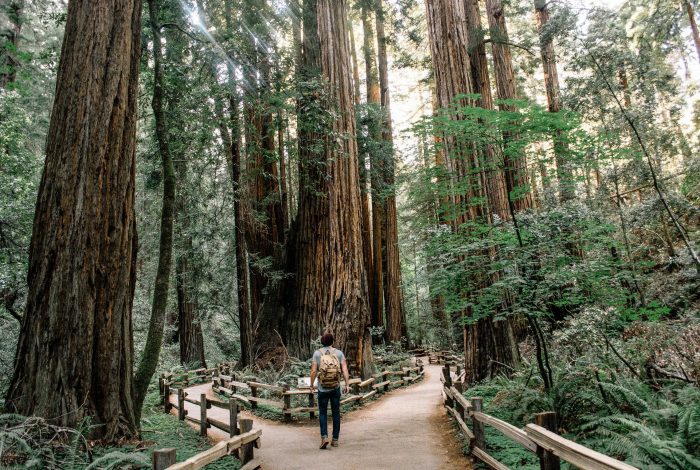
North of the Golden Gate Bridge, ancient coast redwoods rise to over 75 metres in Muir Woods National Monument, their canopies filtering light into cathedral-like quiet. Walking among trees that were already centuries old when European explorers first reached California is genuinely humbling. Combine the visit with the charming waterfront town of Sausalito — where the ferry back to San Francisco offers a memorable bay crossing to close the day.
Napa and Sonoma Wine Country
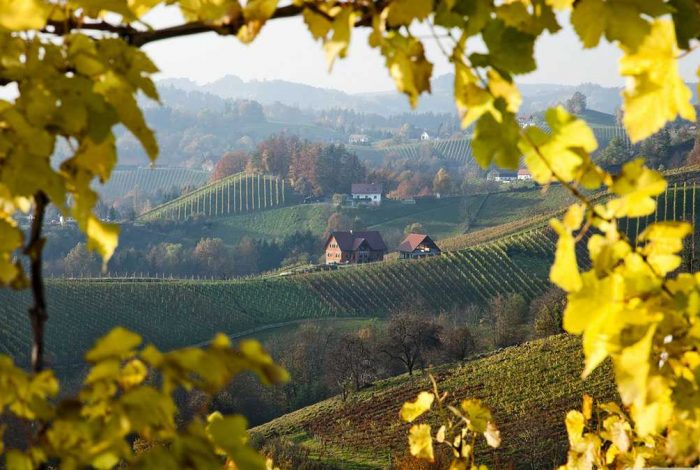
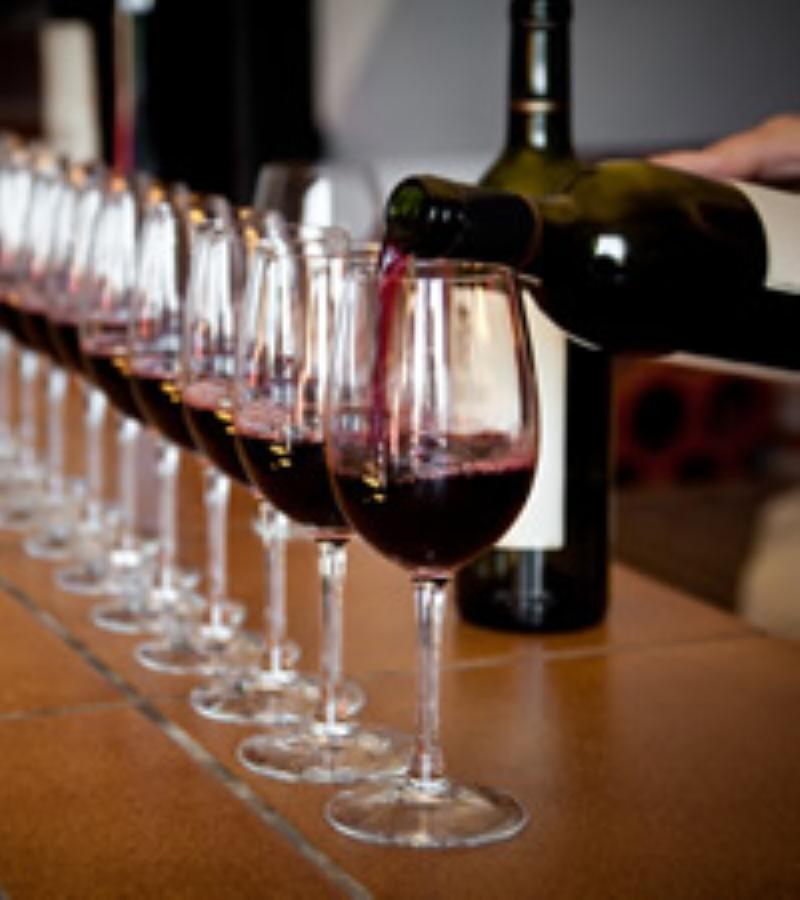
Within 90 minutes of the pier lie two of the world's most acclaimed wine regions. Napa Valley's grand estates and structured Cabernet Sauvignons defined California's arrival on the global fine wine stage. Sonoma's hillier, more relaxed landscape produces extraordinary Pinot Noir, Zinfandel, and Chardonnay across a patchwork of family wineries and boutique tasting rooms. Dedicated wine country excursions are the only way to experience both regions with the depth they deserve.
San Francisco Bay Cruise
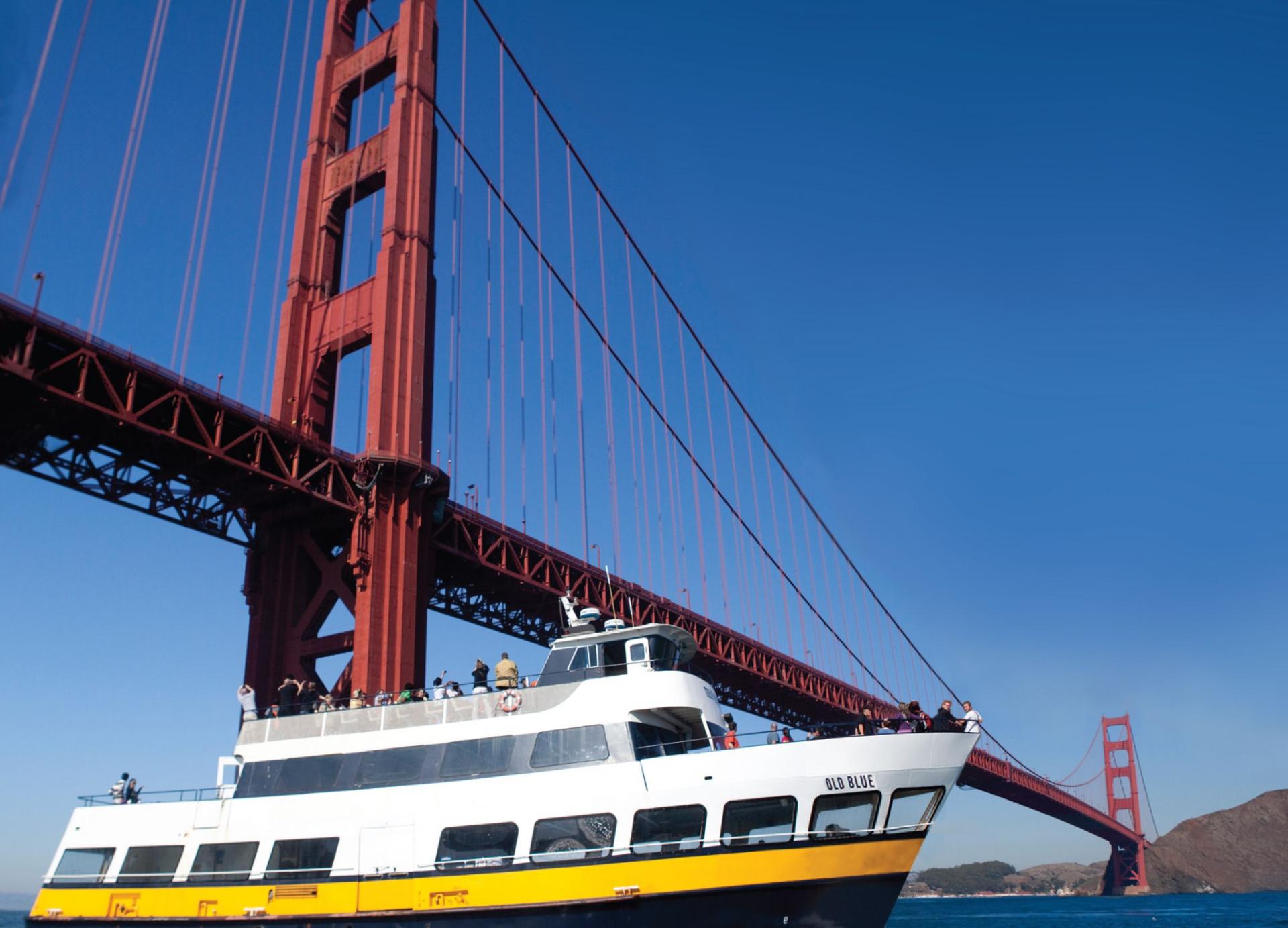
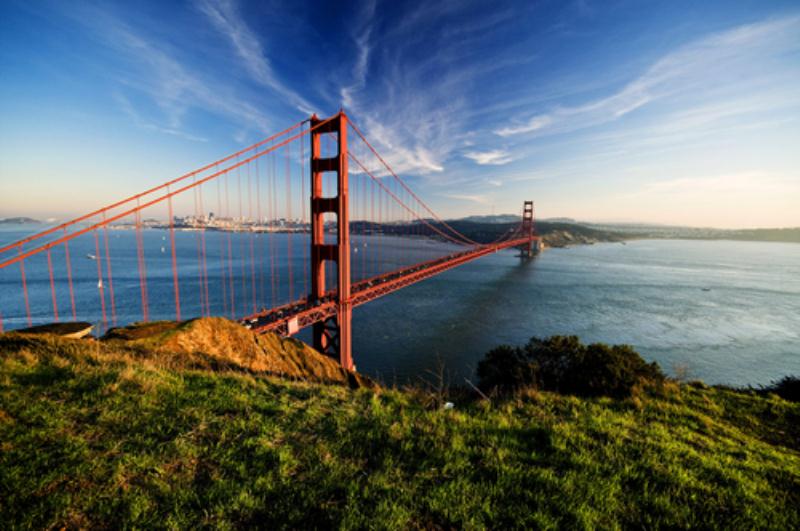
The bay that defines this city is best understood from the water. A San Francisco Bay cruise passes beneath the colossal span of the Golden Gate Bridge, skirts the shoreline of Alcatraz Island, and frames the city's glittering skyline against the hills of the East Bay in a panorama that no land-based viewpoint can replicate. Whether combined with a city tour or enjoyed as a standalone experience, the cruise is a perspective on San Francisco that stays with you.
Hop-On, Hop-Off City Exploration
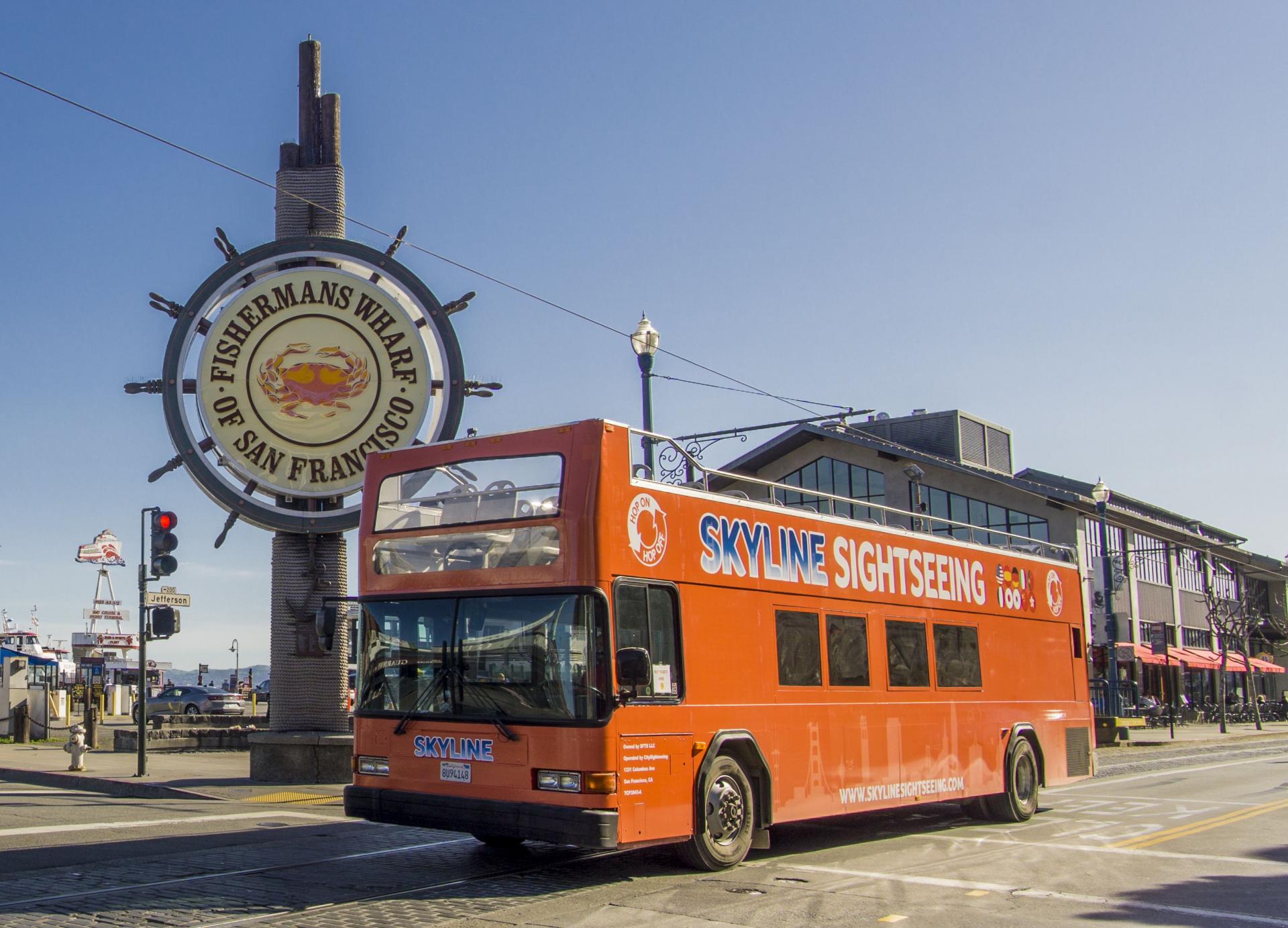
For visitors who prefer to set their own pace and follow their own curiosity, San Francisco's hop-on, hop-off network covers all major neighbourhoods and viewpoints — from the Haight to Fisherman's Wharf, from Chinatown to Twin Peaks. The flexibility to linger at an unexpected gallery, a waterfront café, or a hilltop viewpoint makes this format particularly well-suited to a city that rewards spontaneity as much as planning.
San Francisco California travel tips
Layer Up Without Exception. San Francisco's microclimates are genuinely notorious — the kind of thing locals laugh about and visitors learn the hard way. A warm, sunny morning on the Embarcadero can become a cold, wind-driven afternoon at the Golden Gate viewpoints within the same hour. Carry a windproof layer regardless of what the morning sky suggests.
Alcatraz Tickets Sell Out Weeks Ahead. If an independent Alcatraz visit is anywhere on your itinerary, book your ferry ticket online well before your cruise — not the night before, not the week before. During summer and holiday periods, tickets routinely sell out three to four weeks in advance. The evening tour, if available, offers a particularly atmospheric experience.
Muir Woods Requires a Timed Entry Reservation. Entry to Muir Woods National Monument requires an advance timed entry reservation purchased through recreation.gov — tickets cannot be bought at the gate, and the lot fills early regardless. Secure your reservation as soon as your cruise itinerary is confirmed. Without one, access to the park is not guaranteed.
The Ferry Building is a Destination in Itself. Just 2 kilometres along the waterfront from Pier 27, the Ferry Building Marketplace is home to outstanding artisan food vendors, local cheese producers, specialty coffee roasters, and a farmers market on Tuesday, Thursday, and Saturday mornings. Allow an hour to wander before committing to the rest of your day — it sets the standard for what San Francisco does with good food.
Wear Shoes You Can Actually Walk In. San Francisco's hills are steep and the distances between landmarks are real. Nob Hill, Russian Hill, the streets around Coit Tower, and the climb to most cable car stops all involve genuine elevation gain. A modest half-day of independent sightseeing can accumulate 150–200 metres of climbing. Comfortable, supportive footwear is not optional.
Wine Country is a Full-Day Commitment. Round-trip travel from Pier 27 to Napa Valley takes 3–4 hours on its own, with Bay Area traffic adding unpredictability. A meaningful visit to even two wineries — with tasting time, a lunch stop, and the inevitable browsing — requires a dedicated full day. Attempting to combine wine country with city sightseeing on the same day consistently disappoints on both counts.
Port Facts Every Cruiser Needs To Know
San Francisco California shore excursion FAQs
Cruise ships dock at Pier 27 on the Embarcadero, San Francisco's main waterfront boulevard. The terminal is in an excellent location — within walking distance of the Ferry Building, Fisherman's Wharf, and the city centre, and well-served by public transport for excursions further afield.
Yes. Alcatraz Cruises ferries depart from Pier 33, a short walk from the cruise terminal at Pier 27. However, ferry tickets must be booked well in advance through the official website — they sell out frequently, weeks ahead during peak periods. Showing up at Pier 33 without a ticket on a summer day is likely to result in disappointment.
The main valley floor loop at Muir Woods is a paved, accessible path suitable for most mobility levels, including pushchairs and wheelchairs. Steeper unpaved loop trails extend into the hillsides for those who want a more challenging walk. All visitors — regardless of mobility — require a timed entry reservation purchased in advance through recreation.gov.
Napa Valley is approximately 80–90 kilometres from Pier 27, typically 60–90 minutes by road depending on traffic. Bay Area traffic is famously unpredictable, particularly on the Bay Bridge and the highways north of San Francisco. Any itinerary involving Napa should build in buffer time at both ends of the journey.
San Francisco's cruise season spans much of the year. Summer months (June through August) are often cool and foggy, with temperatures around 14–18°C (57–65°F) — the famous Karl the Fog frequently rolls in off the Pacific. September and October typically bring the clearest, warmest conditions, making autumn an excellent time to visit. Layers are always advisable regardless of the season.
Absolutely — San Francisco's cable cars are a piece of living urban history, not a tourist novelty. The Powell-Hyde and Powell-Mason lines climb through Nob Hill and descend to Fisherman's Wharf, offering some of the city's most scenic urban riding. Single-ride tickets are purchased at staffed stations. Queues at the Powell and Market turntable can be long in summer; boarding mid-line reduces the wait.
The Embarcadero waterfront, the Ferry Building Marketplace, Fisherman's Wharf, and the edge of North Beach are all comfortably walkable from the cruise terminal. Chinatown, Union Square, and the Financial District are within about 30 minutes on foot. The hills of Nob Hill and beyond are walkable for the fit and determined, though the MUNI network makes them effortlessly accessible for everyone else.
Yes — this is one of the classic San Francisco day-trip combinations. Sausalito, a picturesque waterfront town just south of the Muir Woods road, pairs naturally with a redwoods visit. Many visitors explore Muir Woods in the morning, then walk or take a local bus down to Sausalito for lunch on the waterfront before catching the Golden Gate Ferry back to the San Francisco Ferry Building — a beautiful and efficient way to close the day.
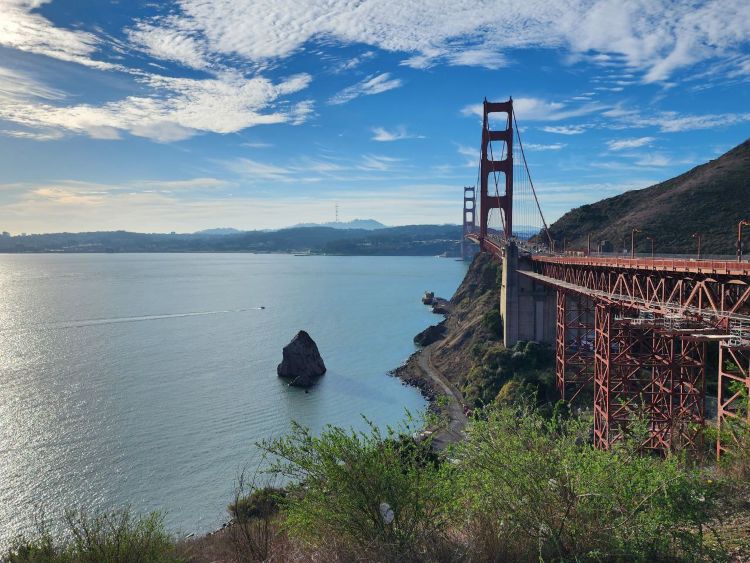
The Golden Gate Bridge is one of the world's most recognised structures, spanning 2.7 kilometres across the mouth of San Francisco Bay. Pedestrians can walk the eastern footpath during daylight hours free of charge — the crossing offers extraordinary views of the bay, the city skyline, the Marin Headlands, and on clear days, the Pacific Ocean beyond. The round-trip walk takes approximately one hour.
Both regions produce world-class wine but with distinct characters. Napa Valley is known for its grand estate wineries, structured Cabernet Sauvignons, and polished tasting room experiences — it is one of the most celebrated fine wine destinations on earth. Sonoma County is larger, more geographically diverse, and generally more relaxed in atmosphere, with outstanding Pinot Noir, Chardonnay, Zinfandel, and Syrah produced across a patchwork of smaller family operations. Both are excellent; your preference depends on the style of experience you are looking for.
Filters
Select a filter to refine results.
Tour Type
Tour Activity
 Cart
Cart
 USD
USD GBP
GBP AUD
AUD EUR
EUR CAD
CAD