



Tours in Santorini


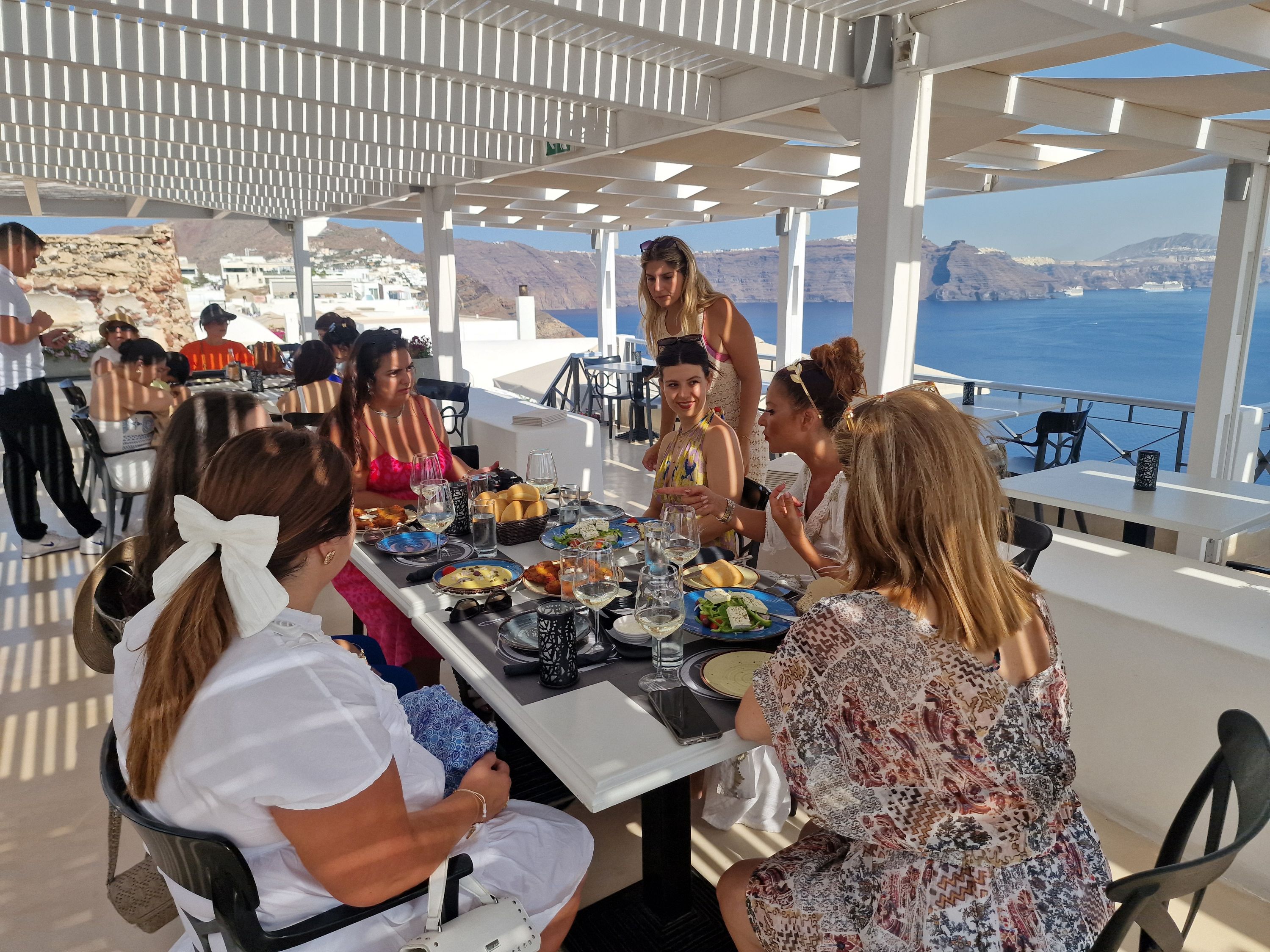
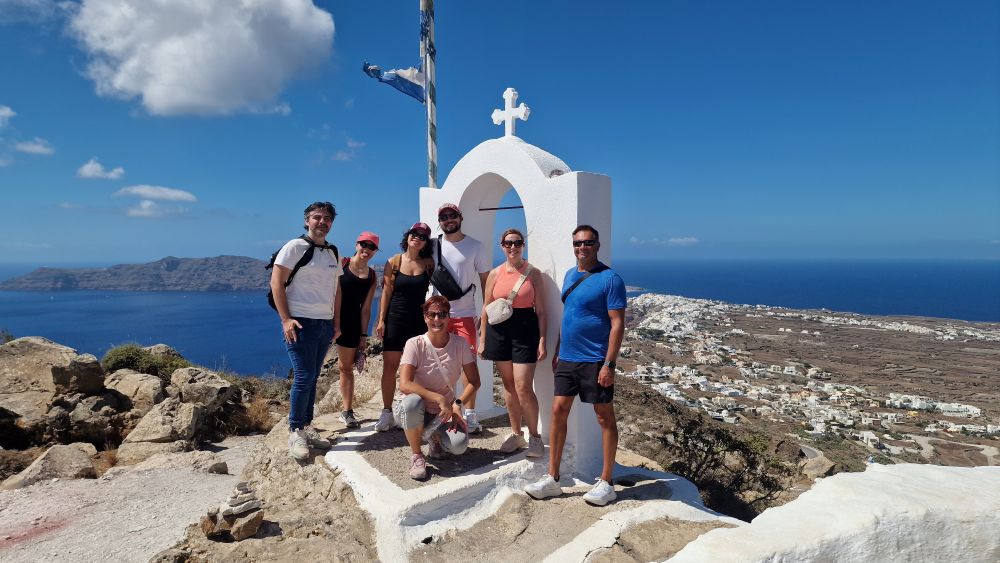

Cruising to Santorini in a group?
Skip the crowded ship excursion bus. One dedicated planner will design a private shore experience around exactly what your group wants — coordinated from first enquiry to the moment you're back on board. More memorable, more flexible, and more affordable than you might expect. Spend less time organising, more time enjoying.
Explore Group Travel →Cruising to Santorini
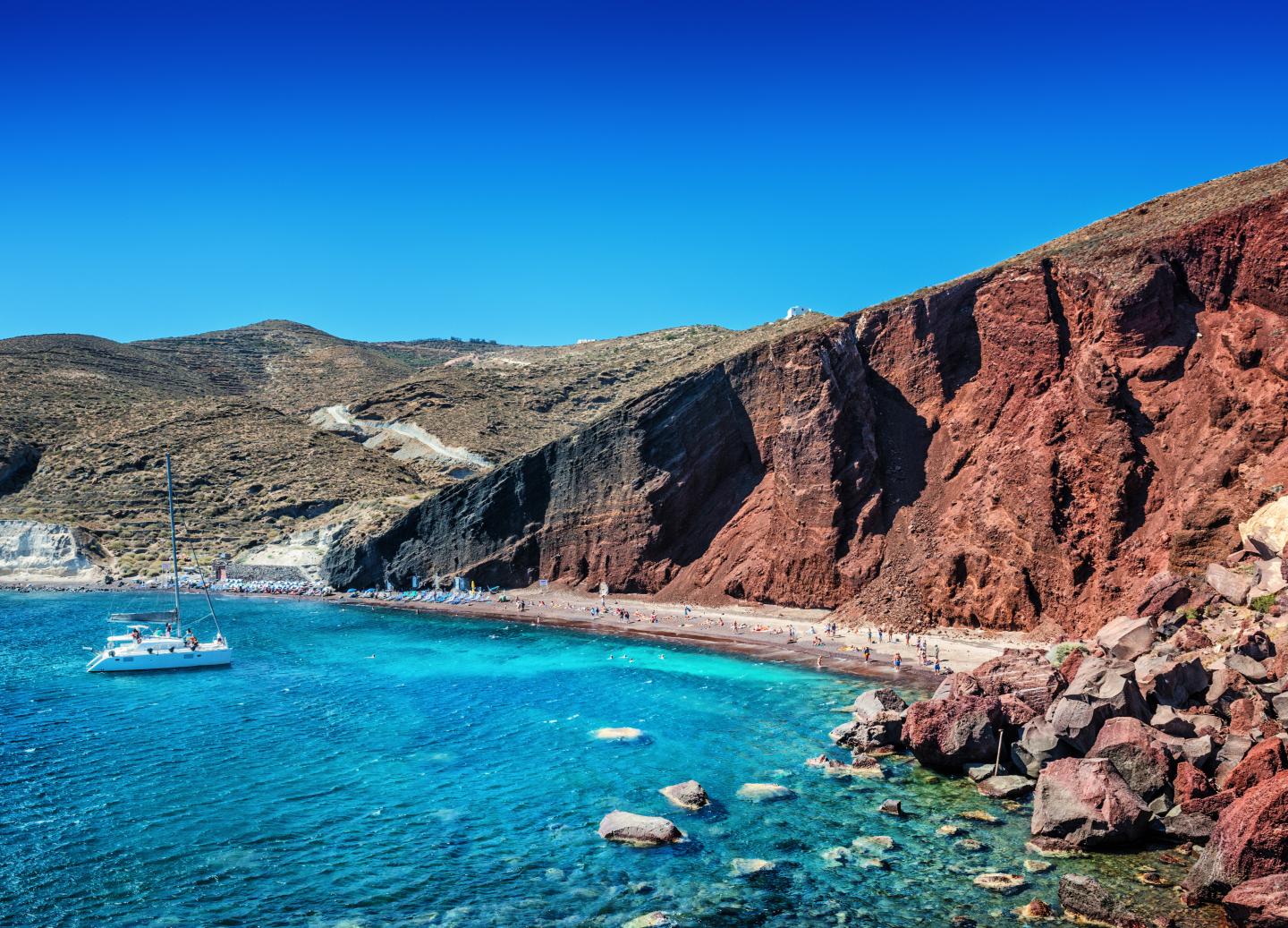
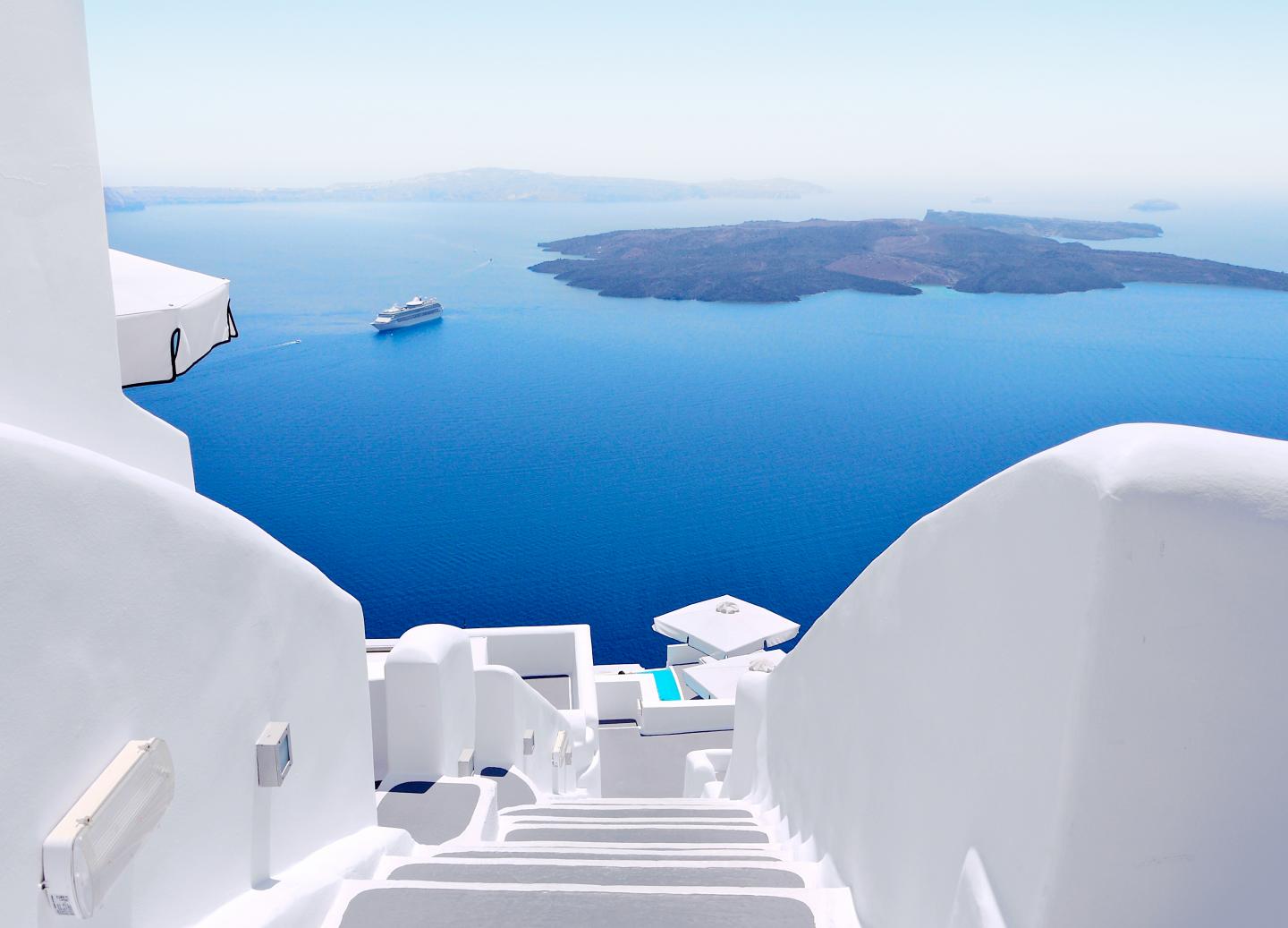
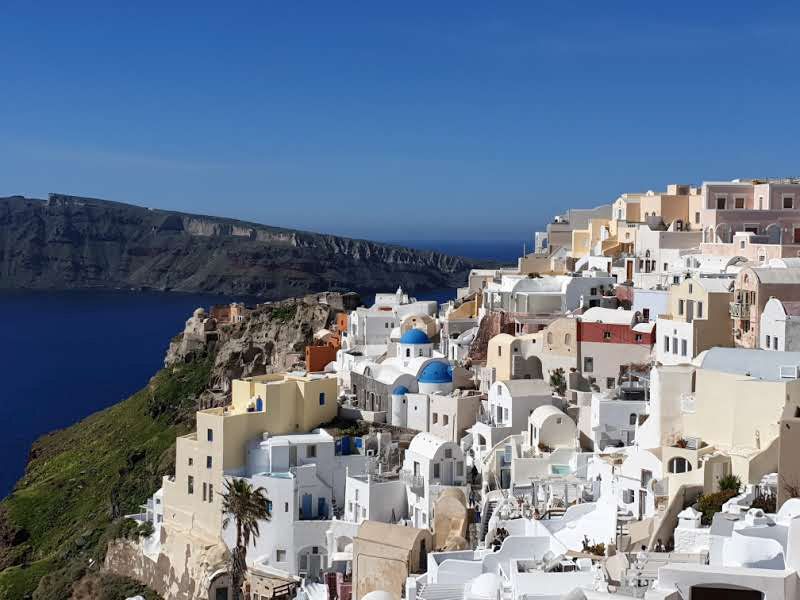
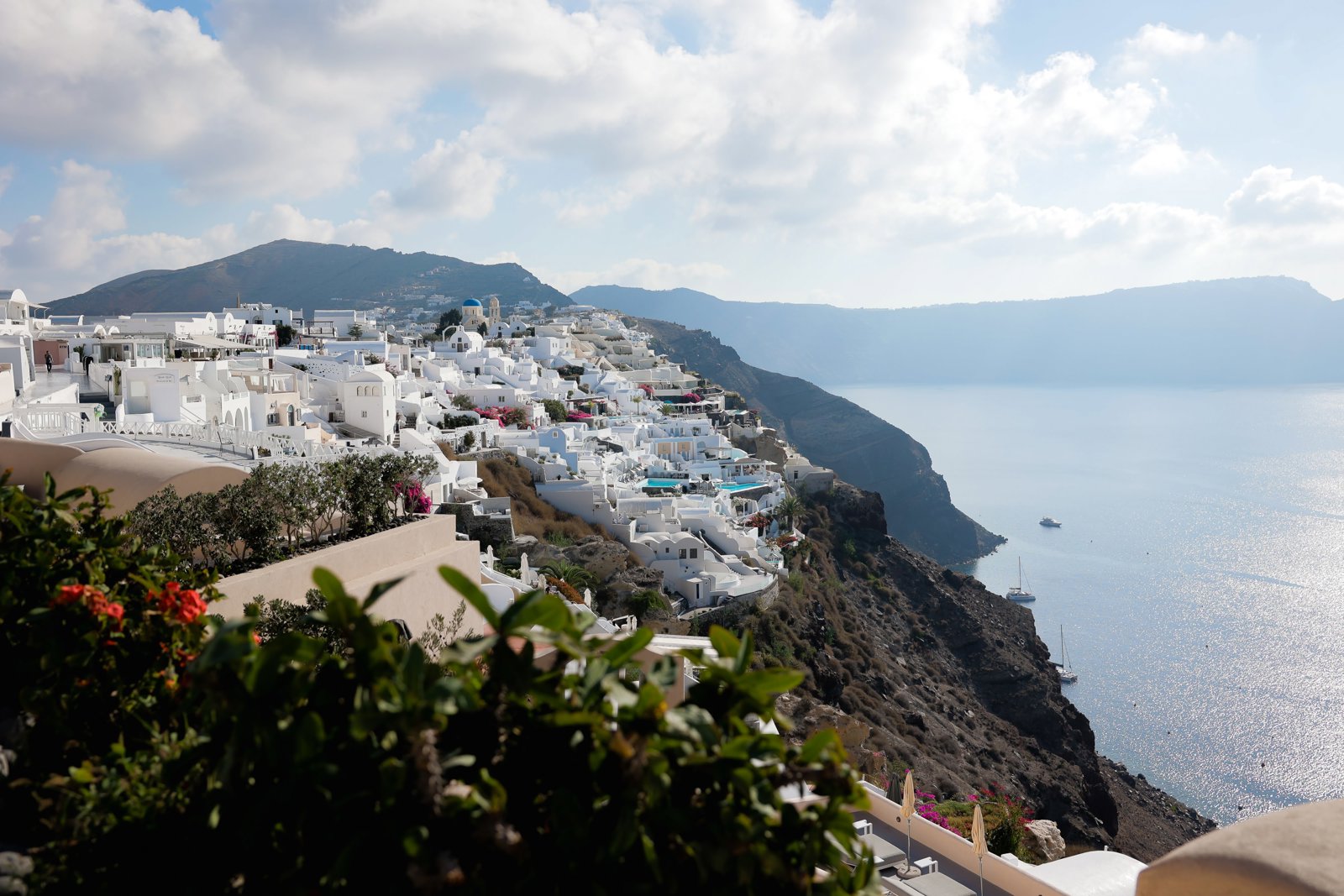
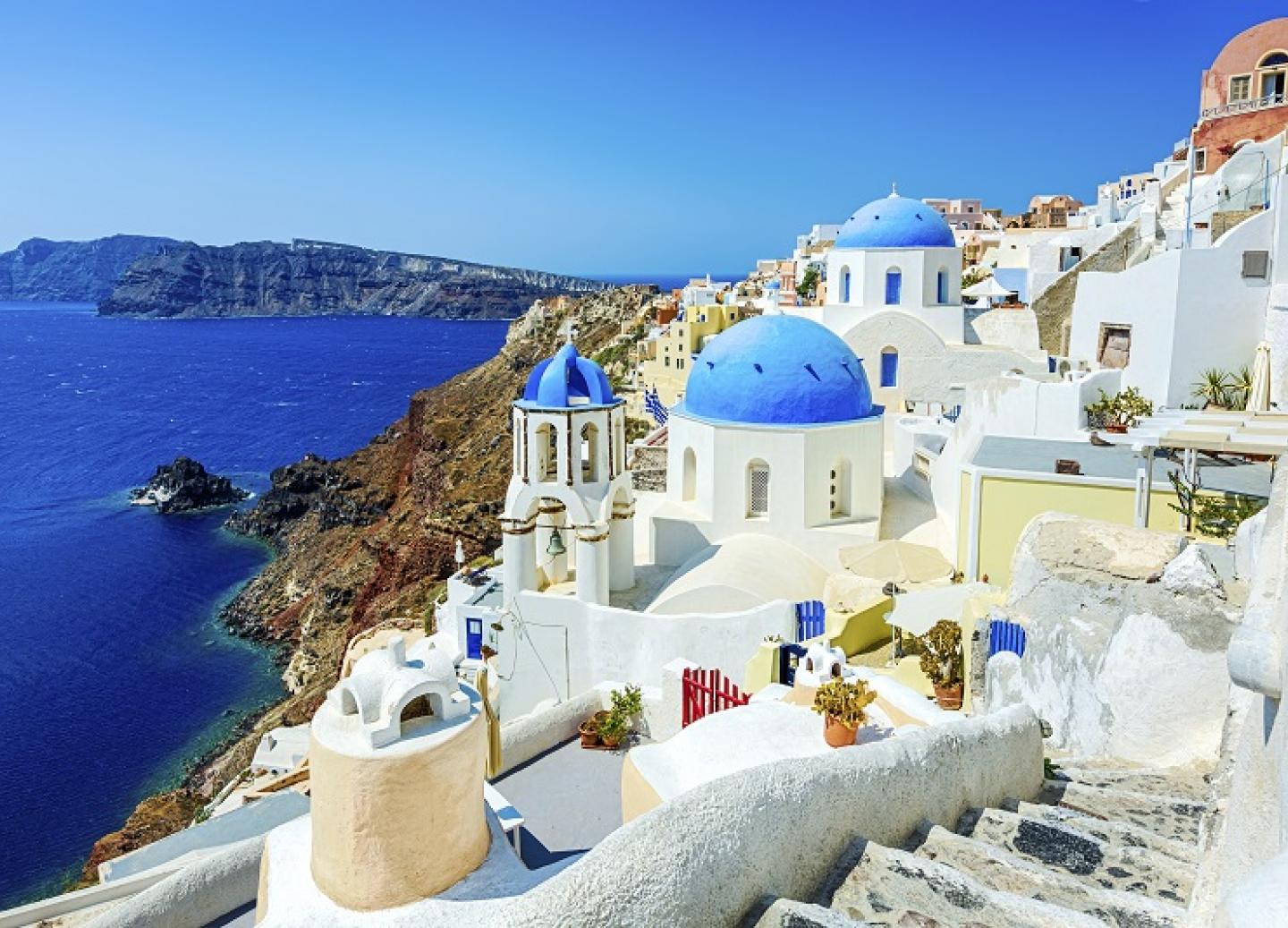
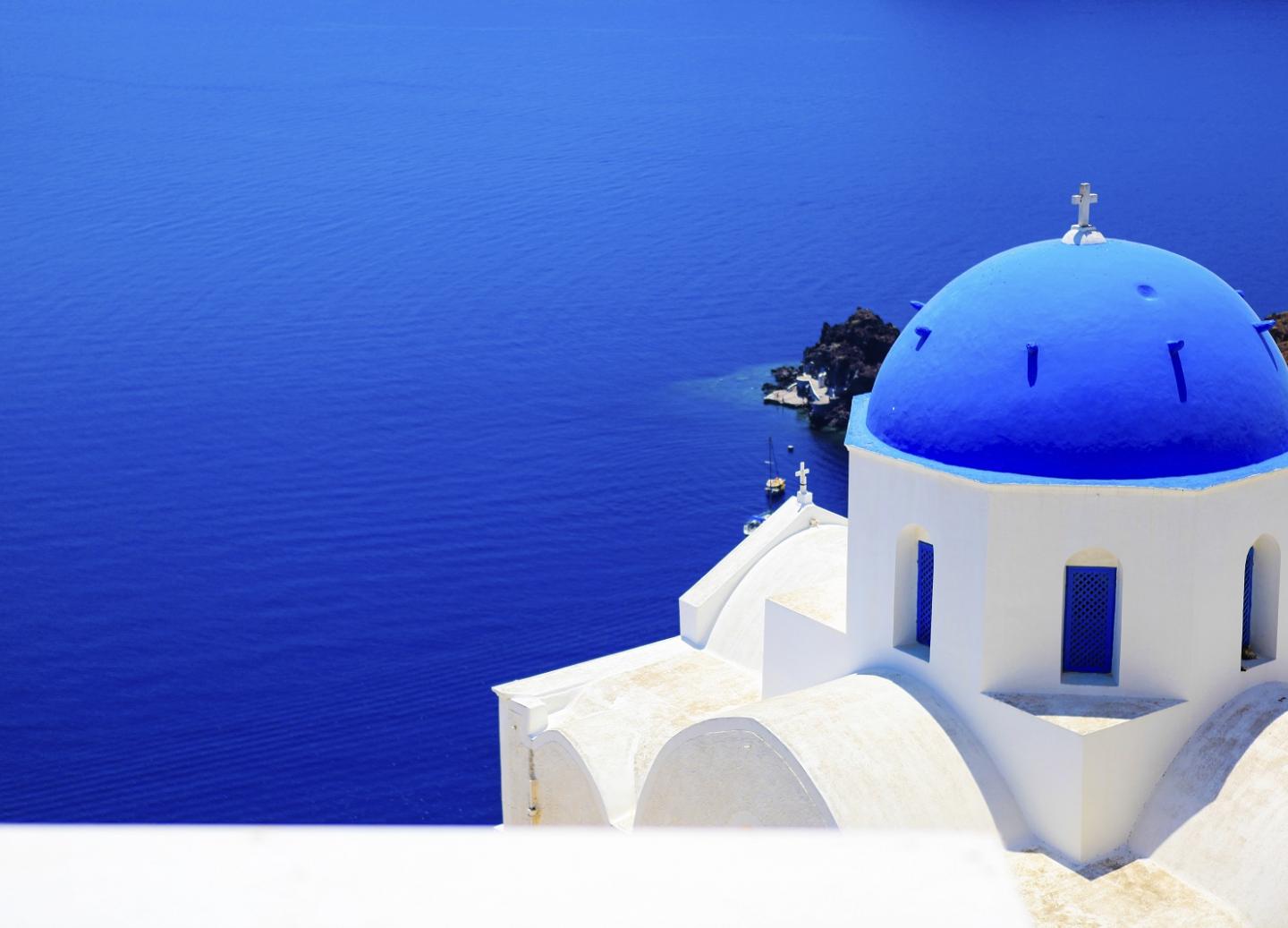
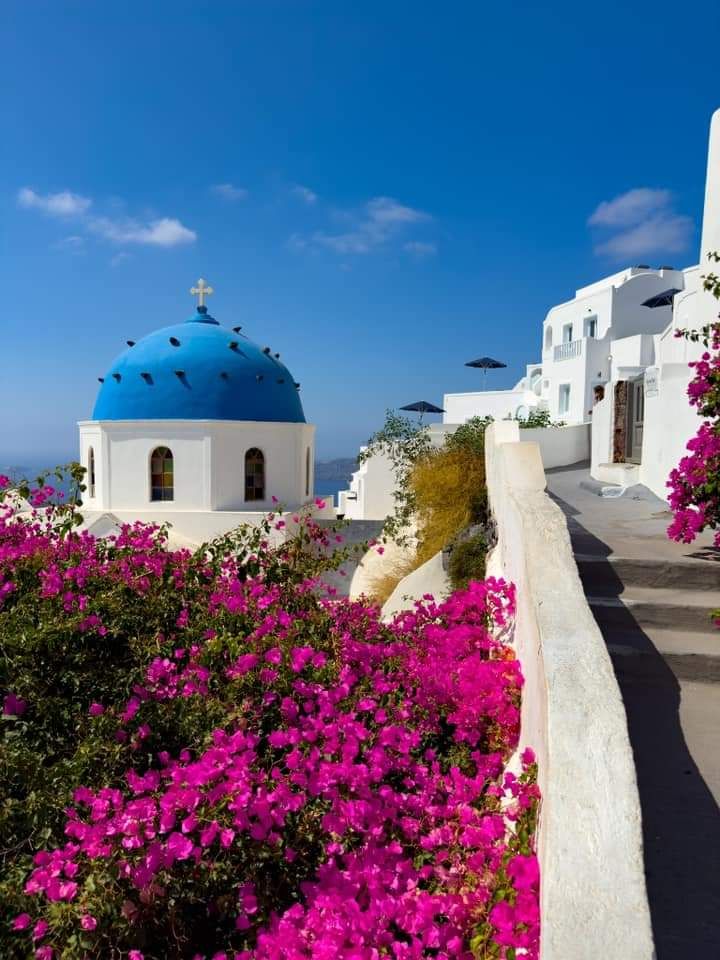
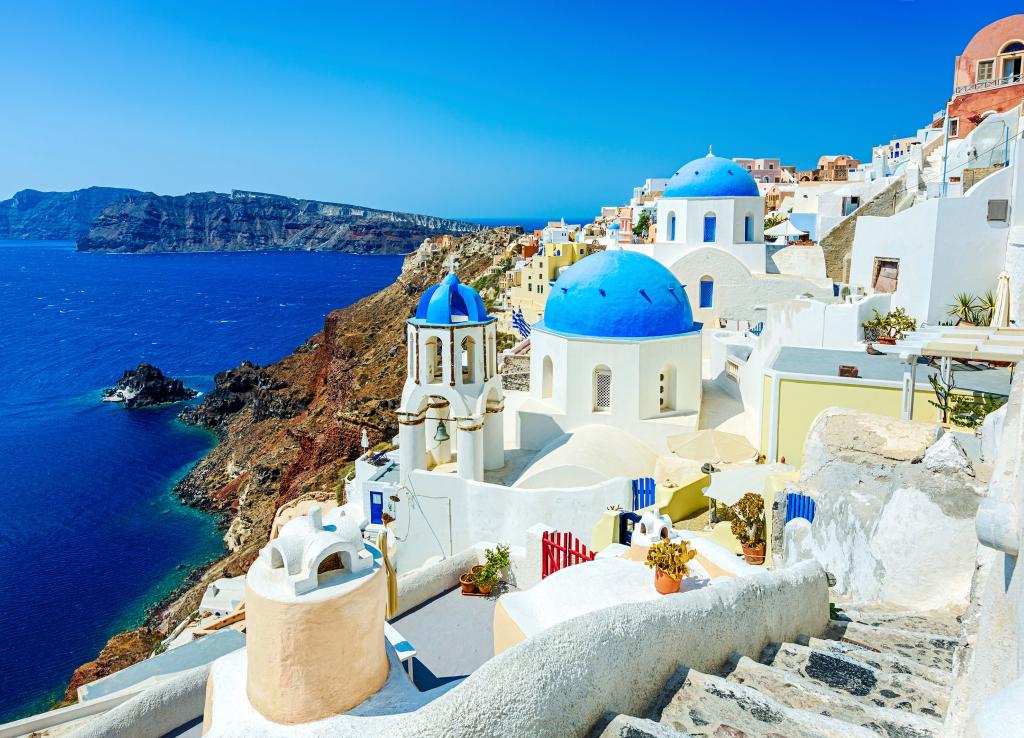
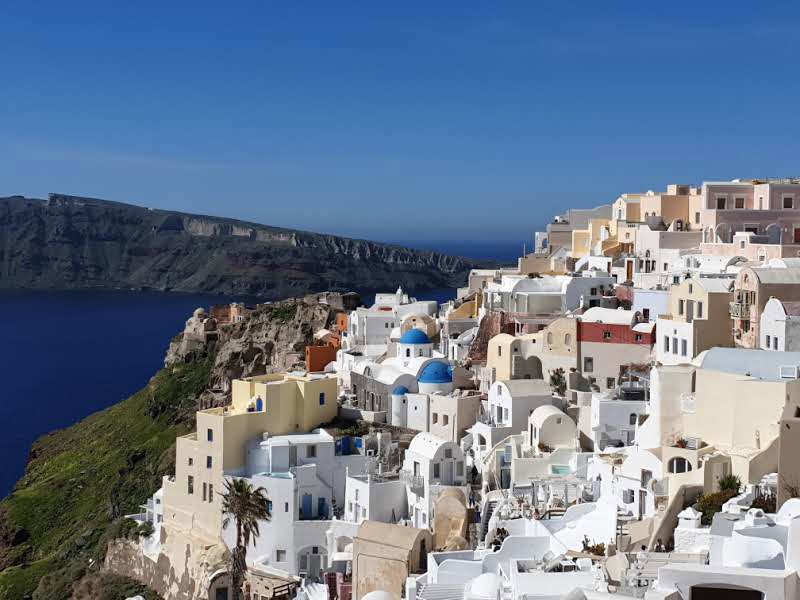
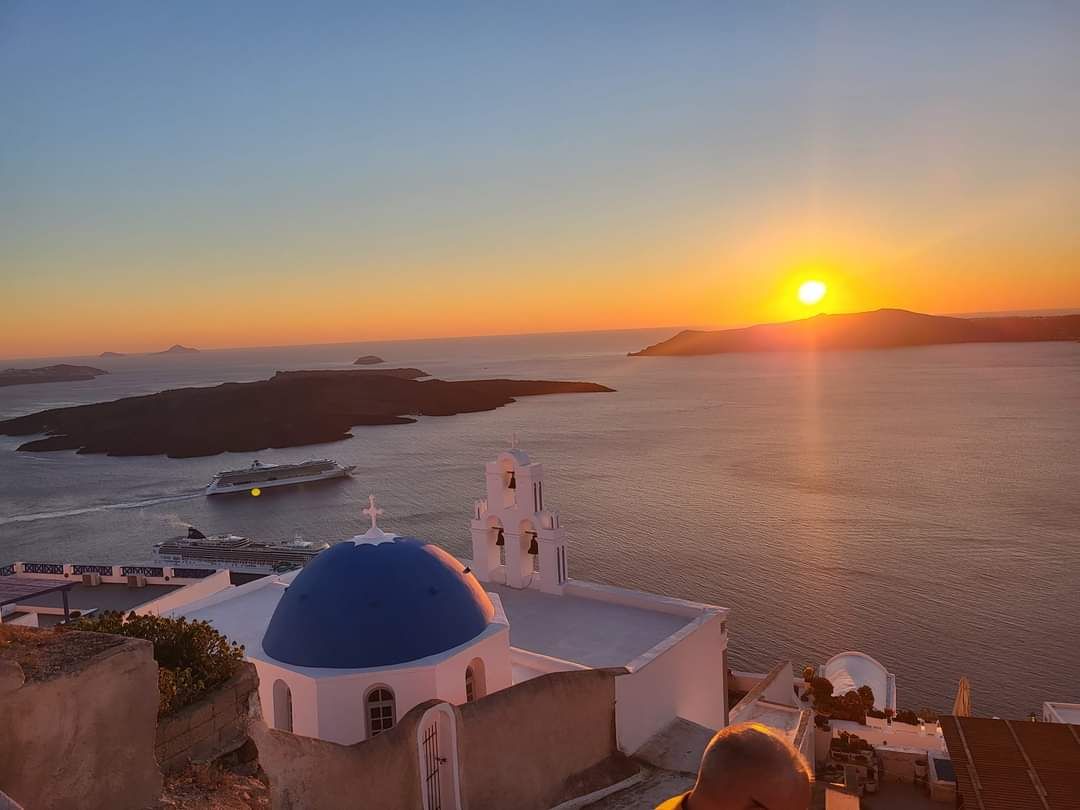
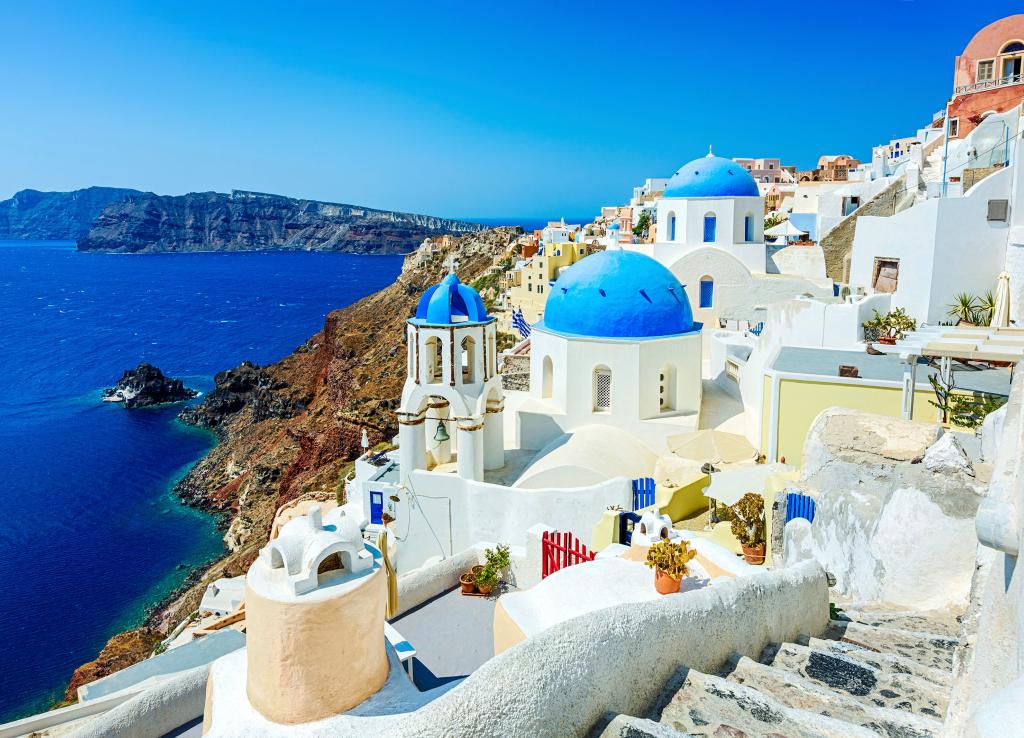
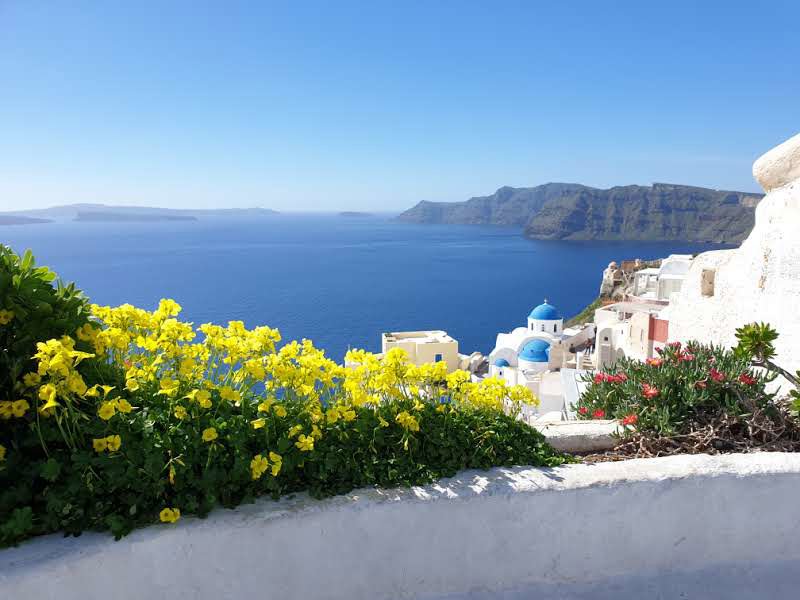
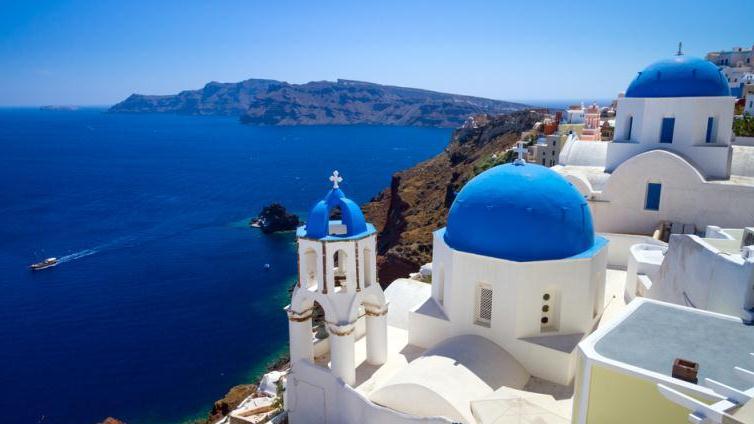
Santorini occupies a unique position in Mediterranean geography and in the collective imagination of travellers. The island is the remnant of a massive volcanic eruption around 1600 BCE — one of the largest in recorded human history — that collapsed the centre of a much larger island into the sea, creating the circular caldera now flooded by the Aegean. What remains is a crescent of sheer cliffs dropping 300 metres to the water, topped by the white-washed villages whose blue-domed churches have become among the most reproduced images in travel photography. The visual impact on first arrival, whether by tender from the caldera or through the main port at Athinios, is genuinely dramatic.
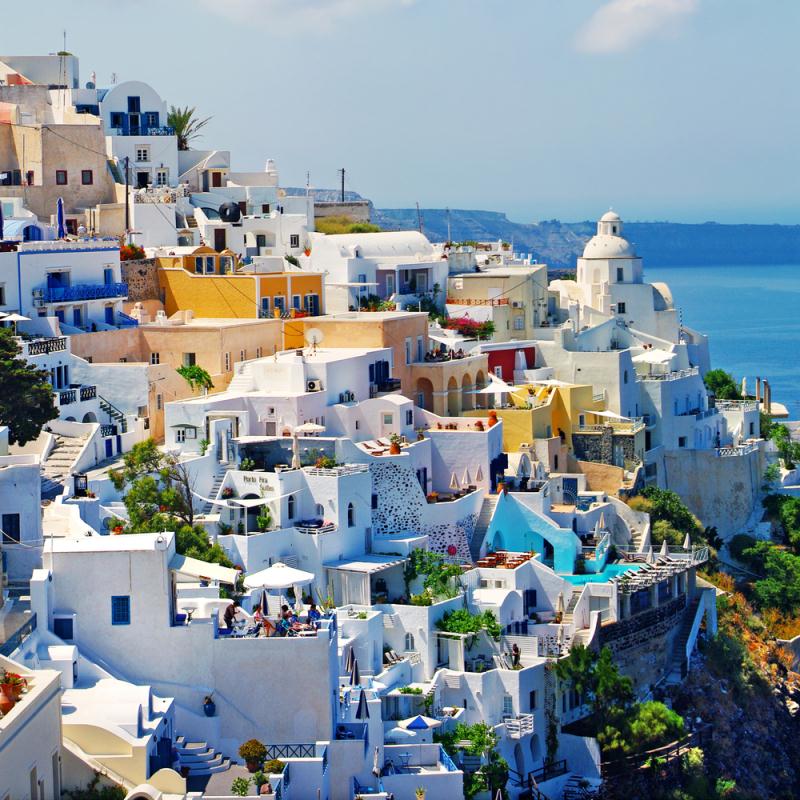
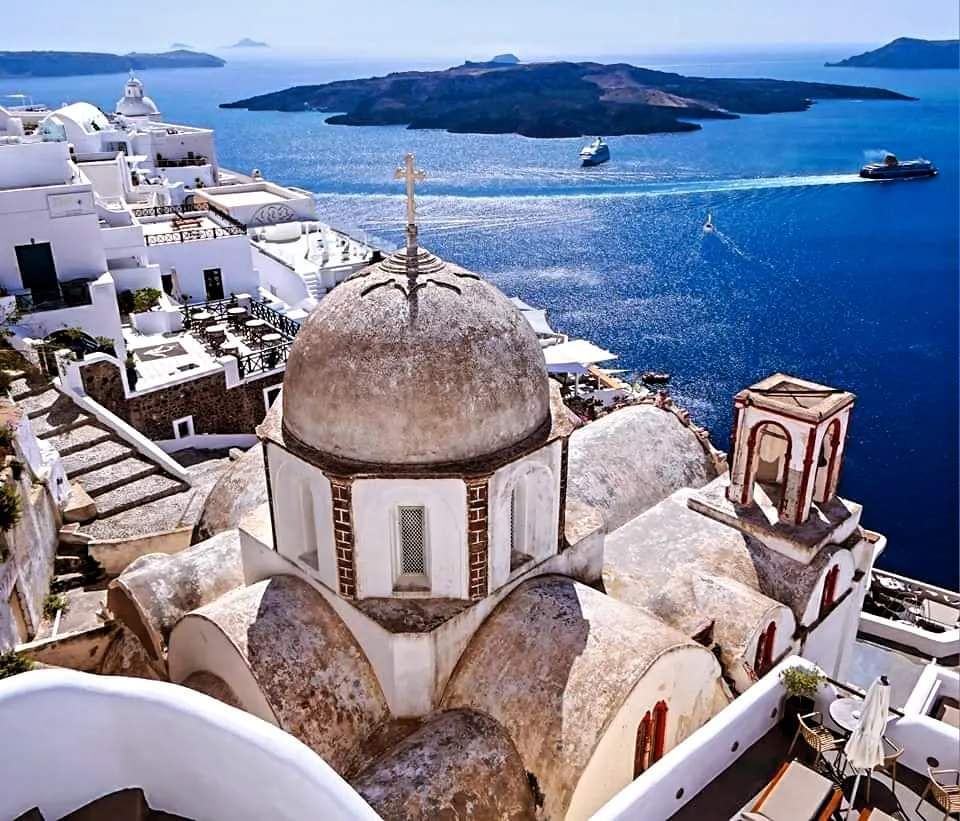
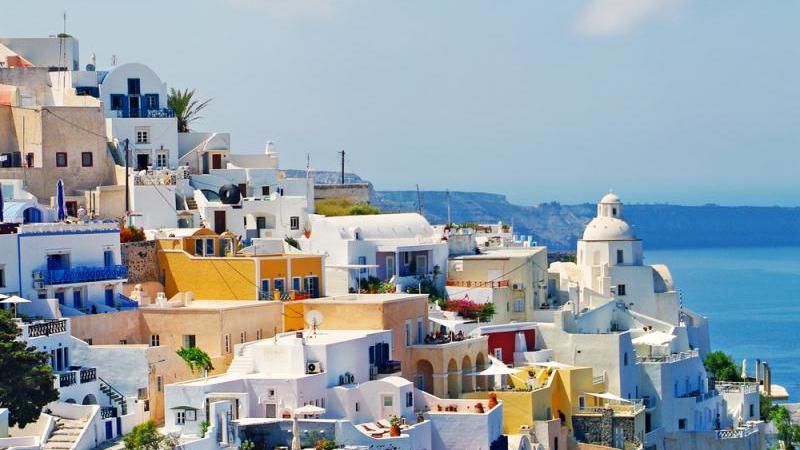
Fira, the island's capital, clings to the caldera rim and serves as the commercial and social hub. Its narrow lanes are dense with restaurants, jewellers, boutiques, and viewpoints from which the caldera and its submerged volcanic islets fill the entire horizon. North along the rim, Oia is the village most associated with Santorini's famous sunset — a theatrical daily event that draws crowds from across the island to its castle ruins each evening. Between and beyond these two anchors lie quieter villages: Imerovigli, Pyrgos on its inland hill, Megalochori in the south, each with their own character and a fraction of the foot traffic.
Beneath the contemporary tourism industry lies a layer of deep historical significance. Akrotiri, on the southern tip of the island, preserves the excavated remains of a sophisticated Bronze Age settlement buried by the volcanic eruption — a Minoan-era city that predates the catastrophe by centuries and rivals Pompeii in its state of preservation. The Prehistoric Museum in Fira holds artefacts recovered from the site. Santorini's volcanic origins also shaped its wines: vines trained into low circular basket shapes called kouloura protect grapes from the Aegean wind and draw mineral character from the pumice-rich soil, producing the Assyrtiko variety that has earned serious international recognition.
The volcano itself remains active in a subdued sense. The island of Nea Kameni in the caldera centre is still warm underfoot and emits sulphurous gases, while the natural hot springs at Palea Kameni tint the surrounding sea a milky yellow-green. Traditional wooden boats have carried visitors out to both for generations, and the excursion remains one of the most memorable activities the Aegean offers — volcanic geology experienced at first hand from open water.
Top things to do in Santorini on a cruise stopover
The Volcanic Caldera and Hot Springs by Boat
The most viscerally memorable experience Santorini offers is a boat journey into the caldera itself. Nea Kameni, the active volcanic islet at the caldera's centre, can be walked across in under an hour; the ground is warm, the sulphur vents active, and the views back to the white-cliffed crescent of the inhabited island are extraordinary. The natural hot springs off neighbouring Palea Kameni turn the seawater a milky jade colour and are warm enough to linger in. Traditional wooden gulets still make this crossing in a more unhurried style. The VA excursion covers both the volcano hike and hot springs in a single outing, combining geology, swimming, and some of the best caldera perspectives available.
Oia: The Village of Blue Domes and Sunset Theatre
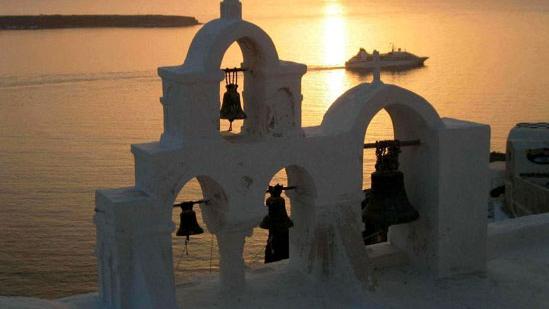
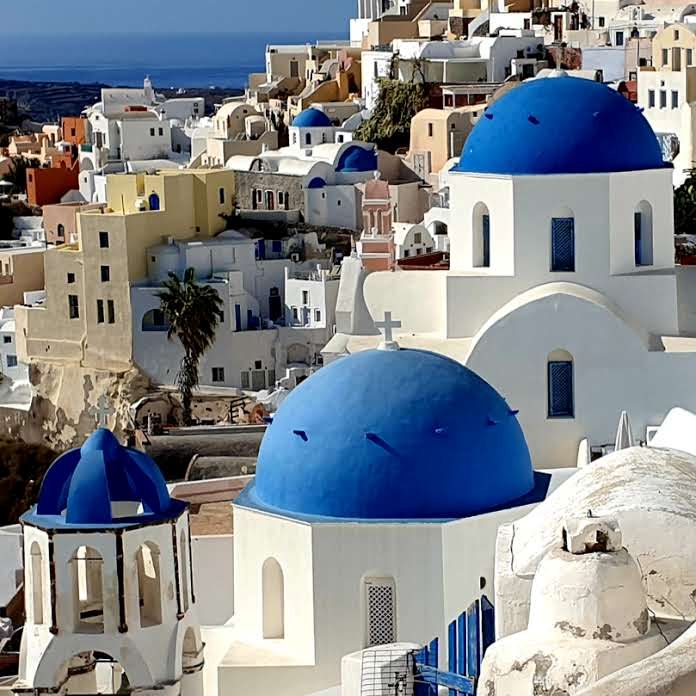
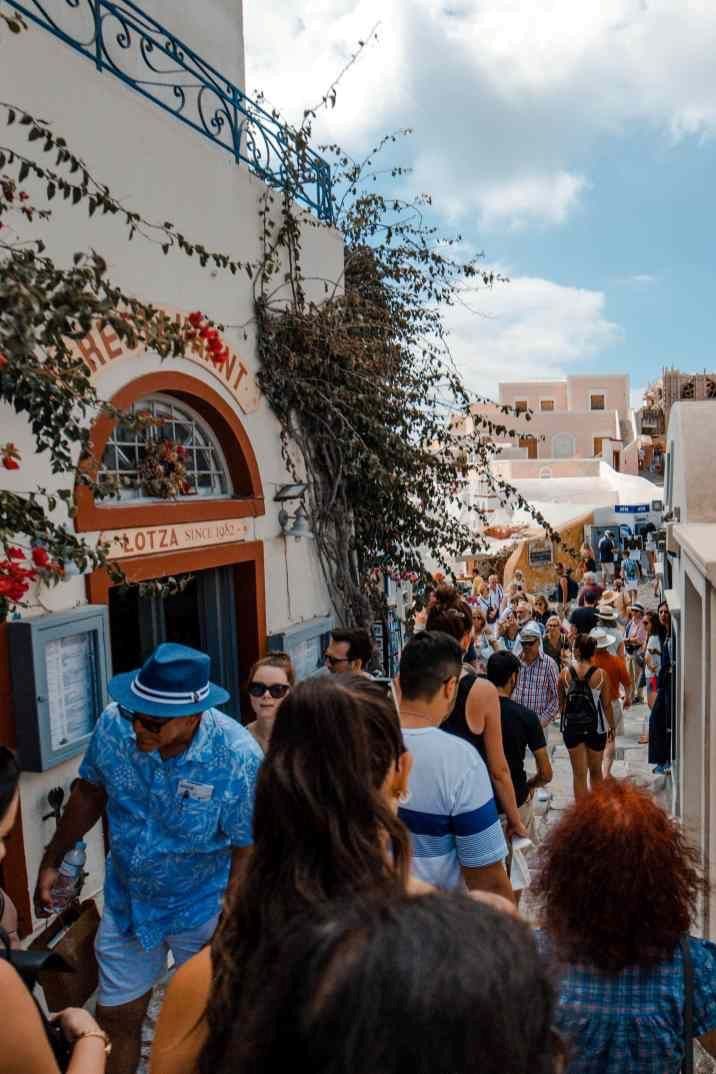
Oia occupies the northern tip of Santorini's crescent with a drama that no photograph fully conveys. The village is carved into the cliff face — houses, hotels, and churches cascading down the rock in layered tiers of white, with blue domes catching the light above a 300-metre drop to the caldera. The lanes are narrow enough to require passing single file, opening unexpectedly onto terraces with views that extend to the volcano and the outer sea. The sunset from the Byzantine castle ruins at the village's western edge has become one of the most attended natural events in Mediterranean tourism; arriving early is essential in summer. Beyond the sunset spectacle, Oia rewards slower exploration of its cave houses, art galleries, and the surprisingly good cafés tucked into the cliff.
Fira and the Caldera Rim
Santorini's capital sits at the top of the cable car ascent and immediately immerses visitors in the island's signature aesthetic — whitewashed walls, blue shutters, and the caldera filling every view to the west. The Prehistoric Museum and the Archaeological Museum hold artefacts from Akrotiri and ancient Thira that provide essential context for what the island was before tourism arrived. The caldera path from Fira through Firostefani and Imerovigli to Oia is one of the great pedestrian experiences of the Aegean — a continuous clifftop walk with the volcano and submerged caldera visible the entire way. Fira's restaurants and cafés are a sensory contrast: contemporary Greek cuisine served on terraces where the view makes the food taste better.
Akrotiri: The Bronze Age City Beneath the Ash
On Santorini's southern peninsula, protected beneath a modern roof structure, Akrotiri preserves an entire Minoan settlement frozen at the moment of the Bronze Age eruption around 1600 BCE. Multi-storey buildings survive with their walls, staircases, and painted frescoes largely intact — a level of preservation that rivals Pompeii and predates it by fifteen centuries. No human remains have been found, suggesting the population evacuated before the ash fell, but their city survives in extraordinary detail: grain storage vessels, furniture impressions in the solidified pumice, and the ground plans of streets and squares. The VA Akrotiri and Oia excursion combines the archaeological site with leisure time in the island's most iconic village, balancing ancient history with Santorini's contemporary beauty.
Santorini Wine: Assyrtiko and the Basket Vines
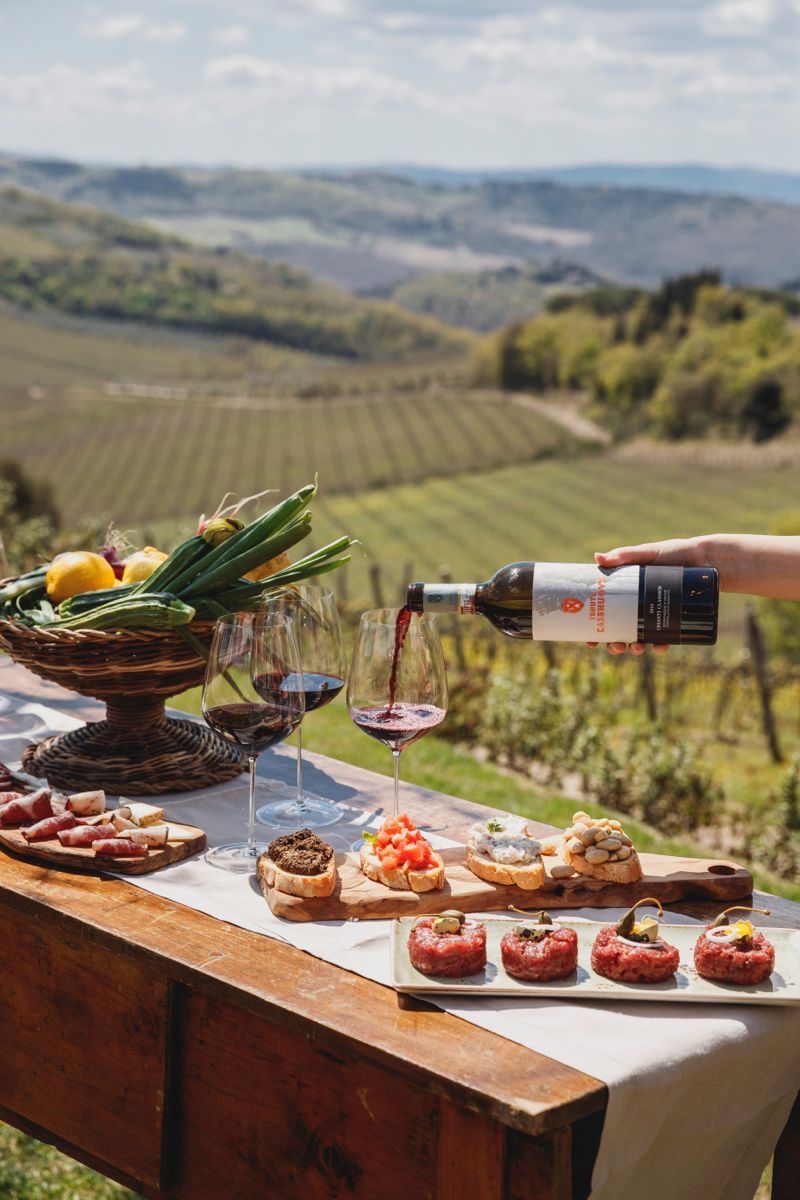
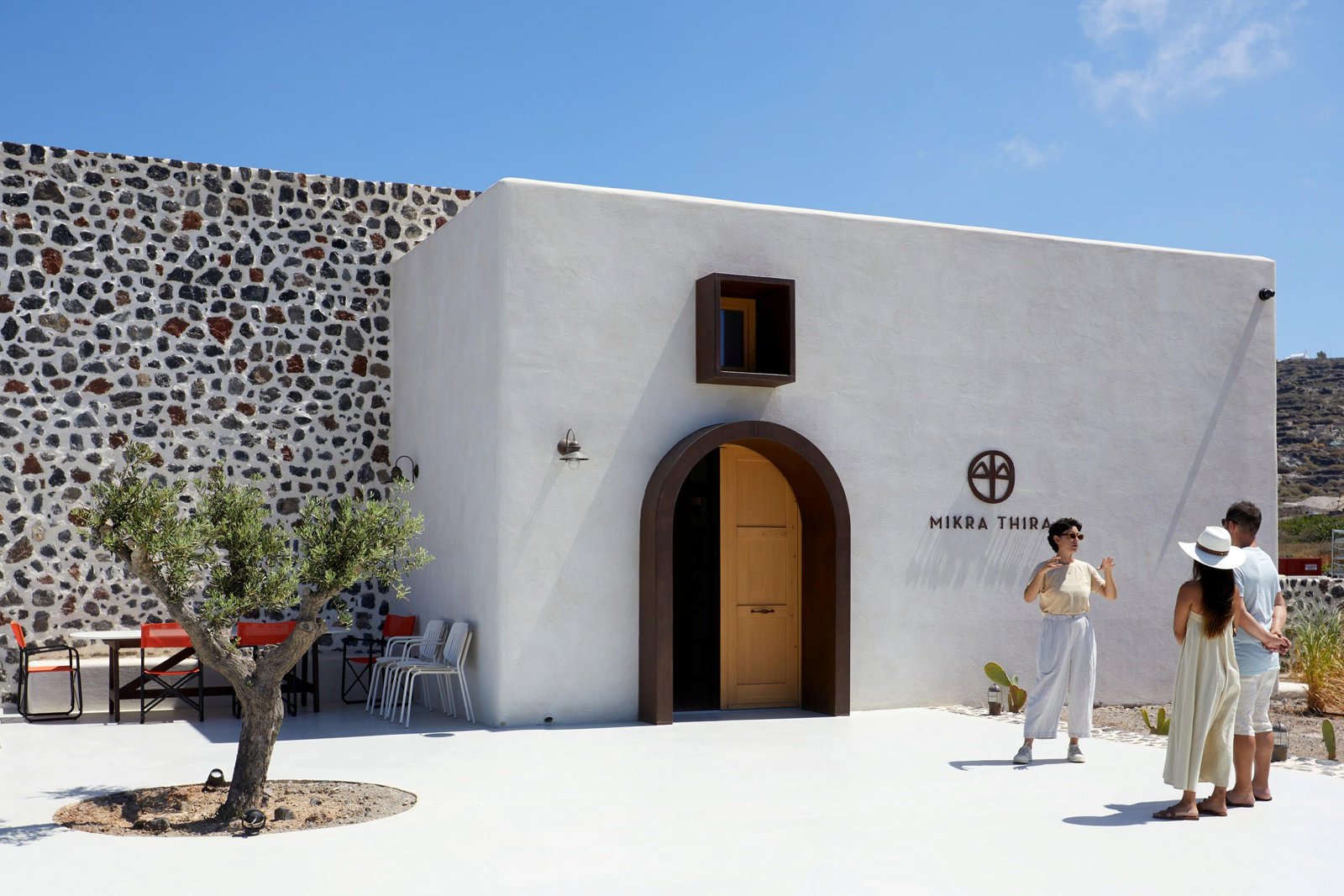
Santorini's wine culture is unlike anything else in the Aegean. Vines here are not trellised upright but trained into low circular basket shapes called kouloura, which protect the grapes from the relentless north wind and allow them to draw moisture from the volcanic soil during the dry summers. The resulting Assyrtiko white wine has achieved international critical recognition for its mineral intensity, high natural acidity, and ability to age — qualities that derive directly from the volcanic terroir. Several of the island's wineries sit on the caldera rim or are carved into the cliff, combining tasting with one of the more theatrical settings in European oenology. VA offers multiple options that incorporate winery visits, from small group tours to private half-day experiences built around tasting.
Sunset Sailing on the Caldera
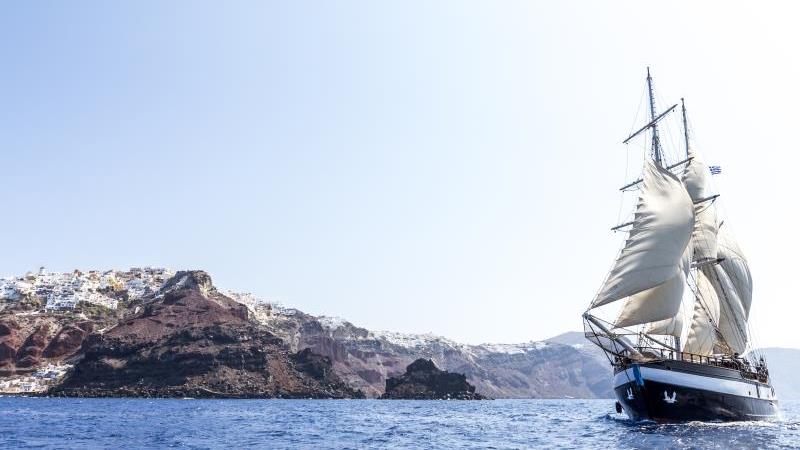
Santorini's caldera is best understood from sea level, and a sailing excursion provides a perspective impossible to achieve from the cliff-top villages. The scale of the cliffs, the depth of the caldera, and the relationship between the inhabited crescent and the volcanic islets only become apparent from the water. VA offers both catamaran half-day excursions and dedicated sunset cruises that time the return journey to the most celebrated light in the Aegean. Watching the sun descend behind the crescent rim from a boat on the caldera is notably more peaceful than watching the same event from Oia's crowded castle ruins, and the photographs — with the white villages reflected in the darkening water — require no filtering.
Santorini travel tips
Plan the Cable Car Into Your Schedule — It Is Not Instant. The cable car from the Old Port to Fira is the most comfortable way to ascend the 220-metre cliff, but in peak season the queue can add 30–45 minutes to your journey time. Arriving at the Old Port on the first or second tender of the day significantly reduces waiting time. The alternative — 587 steps on the zigzag path — is feasible if you are reasonably fit, though the donkey traffic on the same path makes it less pleasant than it sounds. Budget extra time for either option when calculating your day's schedule.
Arrive in Oia Early to Avoid Sunset-Crowd Logistics. If you plan to watch the sunset from Oia's castle ruins — and it is genuinely worth doing once — position yourself at least 60–90 minutes before sunset in July and August. The area around the ruins fills completely, and latecomers end up watching from less optimal vantage points on the lane above. Sunset times vary through the season; check the current time for your visit date. Alternatively, the sunset is equally beautiful from the caldera-facing terraces of Imerovigli or from a boat on the water, both of which involve fewer people and less jostling.
Book Akrotiri Tickets in Advance During Peak Season. The archaeological site of Akrotiri operates timed entry during summer and can sell out to individual visitors by mid-morning. Booking through a VA excursion that includes the site resolves this problem, but if you plan to visit independently, checking the official site for advance tickets before your cruise port day is strongly advisable. The site is covered (which provides welcome shade in summer heat) and is best visited with some background reading; the context transforms what you see from impressive ruins into a comprehensible Bronze Age city.
Try Santorini Fava — It Is Unlike Any Other Version. Santorini's fava is a PDO-protected product made from a specific yellow split pea variety grown on the island's volcanic soil, and it tastes noticeably different from the generic version served elsewhere in Greece. Served as a smooth purée topped with raw onion rings, capers, olive oil, and sometimes bottarga, it is one of the most complete expressions of the island's terroir available on a plate. Order it as a starter at any caldera-view restaurant. The volcanic soil that makes Assyrtiko wine distinctive also apparently makes legumes more interesting — Santorini's cherry tomatoes (also PDO-protected) are similarly concentrated in flavour.
Wear Appropriate Footwear for Cobblestones and Cliff Paths. Santorini's caldera-rim villages are built on slopes and accessed via narrow, often steep cobblestone lanes that can be genuinely slippery, particularly if worn smooth. Sandals with flat leather soles are a common mistake. Comfortable walking shoes or trainers with grip are practical for any amount of exploration in Fira or Oia. If walking the caldera path from Fira to Oia (10km), dedicated walking shoes make the difference between a pleasurable three hours and an uncomfortable one. The path is not technical but is exposed and rocky in sections.
The Caldera-Side Terraces Command Higher Prices — Plan Accordingly. A coffee or a glass of Assyrtiko on a caldera-facing terrace in Oia or Fira costs considerably more than the same drink one lane back from the view. The premium reflects the view, not the quality of the product — and the view is extraordinary enough to justify it once. For a full meal at reasonable prices, restaurants in the back lanes of Fira, in the village of Pyrgos, or in the quieter southern villages offer better value. The island as a whole sits at the premium end of Greek tourism pricing; building in a realistic food-and-drink budget for the day avoids unpleasant surprises.
Port Facts Every Cruiser Needs To Know
Santorini shore excursion FAQs
Cruise ships anchor inside the caldera and operate tender boats to the Old Port (Fira Skala) at the base of the cliffs. From the Old Port, passengers reach Fira town either by cable car (approximately 3 minutes, subject to queues), on foot via the 587-step path, or by donkey (an experience itself, though the welfare of the animals is a debated topic). Some ships may dock or tender at Athinios port on the outer coast, where buses and transfers connect to the caldera towns. Confirm your ship's arrangements before arrival.
Yes — the caldera rim path from Fira to Oia is approximately 10 kilometres and takes around 2.5–3 hours at a comfortable walking pace, passing through Firostefani and Imerovigli. The views throughout are exceptional. The path is largely unpaved and involves some rocky sections; appropriate footwear is recommended. It is a one-way walk, so you will need to return by bus, or arrange to be picked up in Oia. Consider the return timing carefully against your ship's last tender departure.
Oia is 11 kilometres from Fira and is accessible by public bus, pre-arranged transfer, or by walking the caldera path. The sunset from the Byzantine castle ruins on Oia's western edge is justifiably famous, but the area fills completely in summer — arriving at least an hour before sunset is essential for a good position. For cruise passengers, timing the sunset against the last tender can be challenging; a VA sunset sailing excursion on the caldera provides an equally spectacular alternative without the cliff-top crowds.
Akrotiri is a Bronze Age settlement on Santorini's southern tip, preserved under volcanic ash from the massive eruption around 1600 BCE. Multi-storey buildings, frescoes, and storage vessels have survived in extraordinary condition — it is sometimes described as the Aegean's Pompeii, though it predates that catastrophe by over fifteen centuries. The site is covered and therefore comfortable in summer heat. It is genuinely one of the most significant archaeological sites in the Mediterranean and is worth prioritising if you have historical interests. VA offers a dedicated Akrotiri and Oia excursion combining the site with village exploration.
Santorini's signature grape is Assyrtiko, a white variety that thrives in the island's volcanic soil and produces wines of notable mineral intensity and acidity. It is considered one of Greece's finest indigenous grapes and has attracted serious international attention. Vines are trained into low basket shapes to protect against the wind. Several caldera-rim wineries offer tastings, and VA includes winery visits in multiple excursion options from small group tours to private half-day experiences. Ordering a glass at any restaurant on the island is a straightforward introduction.
Yes — boat excursions from the Old Port in Fira visit the active volcanic island of Nea Kameni, where a 30–40 minute walk crosses warm ground to the summit crater with caldera views. The natural hot springs at Palea Kameni, a short sail away, allow swimming in thermally warmed seawater that runs a milky jade-green from the minerals. The VA excursion covering the volcano and hot springs departs by traditional wooden boat and remains one of the most distinctive experiences available in the Aegean. Wear swimwear you do not mind staining, as the minerals can discolour light-coloured fabric.
Santorini in July and August is among the busiest destinations in the Mediterranean. The cable car queue can take 45 minutes, Oia is almost impassable at sunset, and caldera-rim restaurants require reservations days in advance. May, June and September offer a significantly better experience — weather remains warm and sunny, most businesses are fully operational, and the crowds are noticeably smaller. Cruise passengers have limited control over timing, but being aware of peak pressure points (cable car, Oia sunset, Akrotiri entry) allows for more strategic day planning.
Santorini has several PDO-protected products that are specific to the island. Fava — a purée of the local yellow split pea variety, served with capers and raw onion — is the most distinctive. Cherry tomatoes, dried or used in sauces, have an intensity of flavour that reflects the volcanic soil. White eggplant (melitzana aspri), smaller and sweeter than the standard variety, appears in summer menus. Grilled fresh octopus and local seafood are consistent throughout the caldera restaurants. Pair any of the above with a glass of Assyrtiko for a lunch that is genuinely of this place.
Santorini presents real accessibility challenges. The caldera-rim villages are built on slopes with steep, cobbled lanes and many steps; independent exploration of Fira or Oia requires reasonable fitness and surefootedness. The cable car is accessible but subject to queues. VA offers a dedicated Private Accessible Highlights Tour designed as a four-hour wheelchair-accessible experience that captures the island's key viewpoints and sites from adapted vehicles. This option is strongly recommended for passengers with mobility limitations who wish to experience the island's beauty without the physical demands of the caldera terrain.
At peak times, the complete process from ship to Fira town — tender, Old Port, cable car — can take 60–75 minutes each way. In the early morning the whole process may take 20–30 minutes. Plan your departure from the town against the last tender, building in this travel time plus a buffer. VA excursion participants are managed to meet ship departure requirements. If exploring independently, note that the cable car can have queues on the return that rival those in the morning, particularly as multiple ships complete their port days at similar times.
Filters
Select a filter to refine results.
Tour Type
Tour Activity
 Cart
Cart
 USD
USD GBP
GBP AUD
AUD EUR
EUR CAD
CAD