



Tours in Buenos Aires




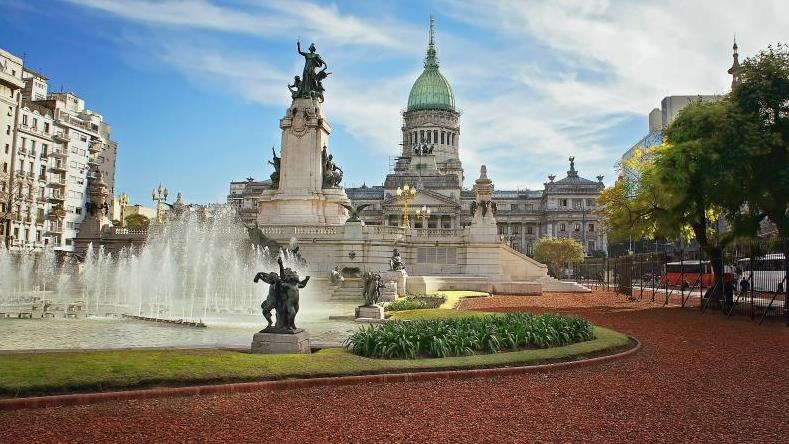
Cruising to Buenos Aires in a group?
Skip the crowded ship excursion bus. One dedicated planner will design a private shore experience around exactly what your group wants — coordinated from first enquiry to the moment you're back on board. More memorable, more flexible, and more affordable than you might expect. Spend less time organising, more time enjoying.
Explore Group Travel →Cruising to Buenos Aires
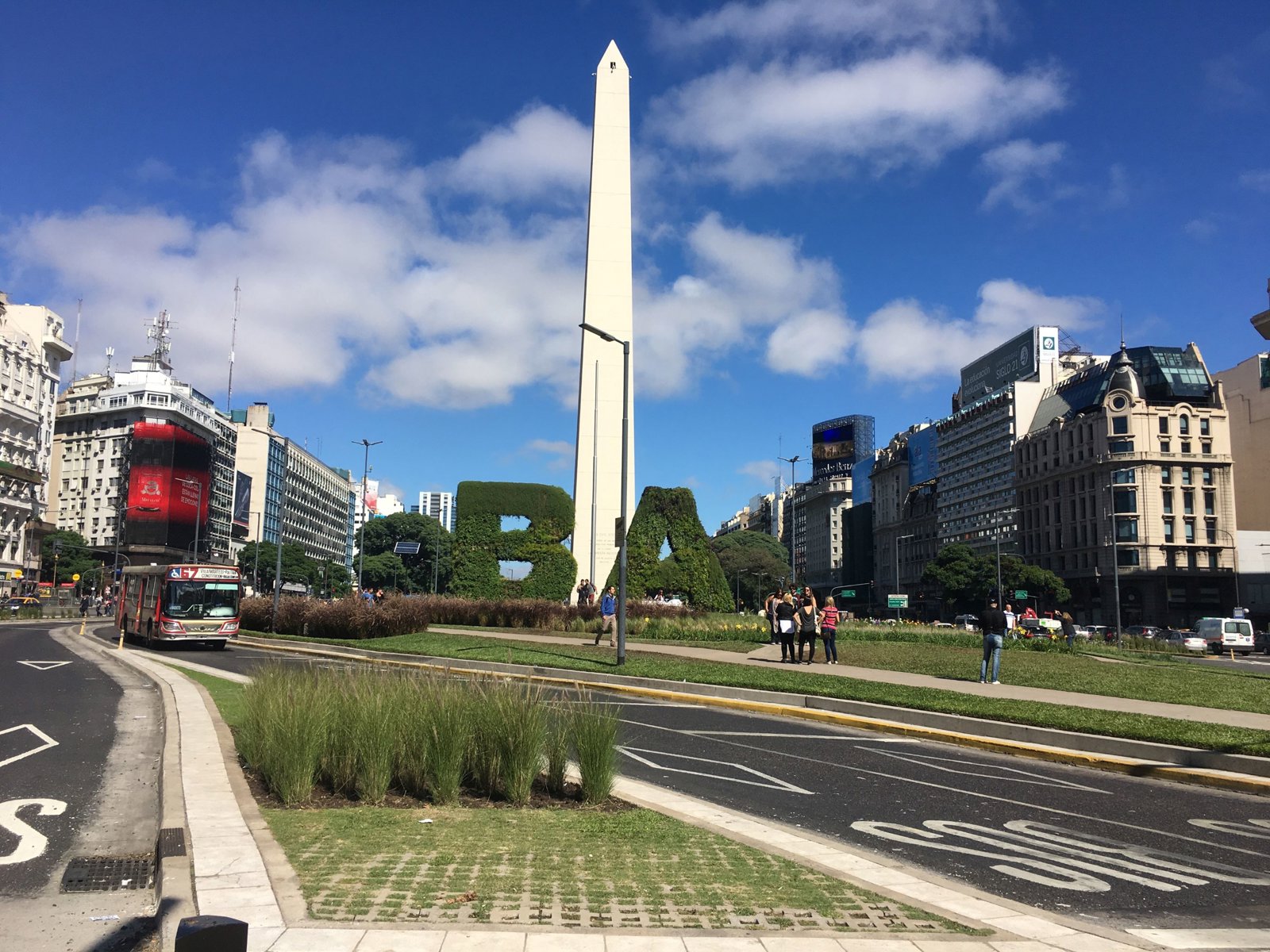
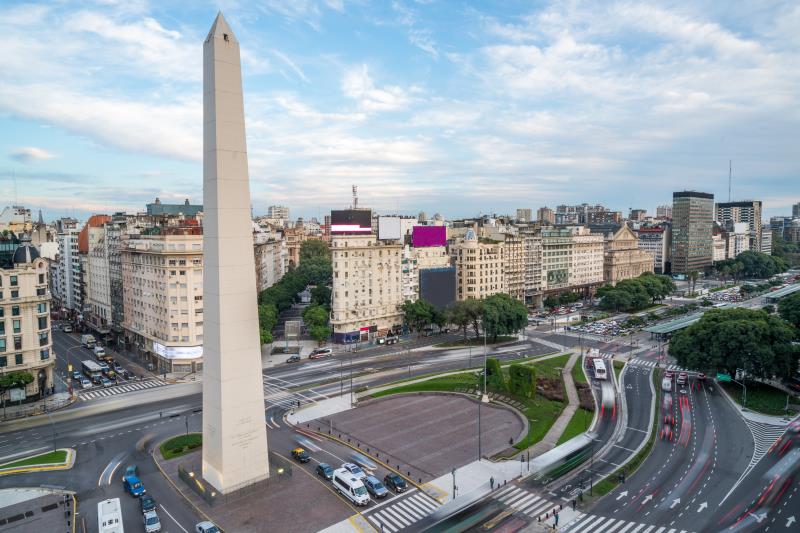
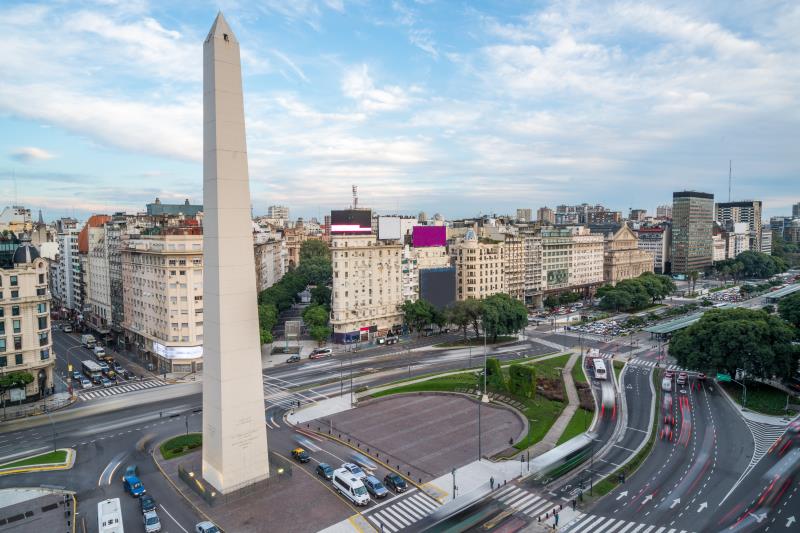
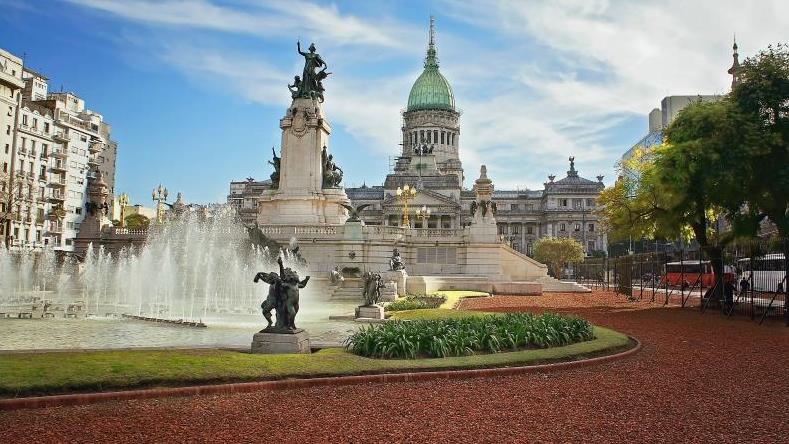
Few cities in the world carry the weight of Buenos Aires's cultural mythology - and fewer still live up to it. Argentina's capital is a city of extraordinary contradictions: intensely European in its architecture and café culture, yet utterly South American in its passion, politics, and the soulful melancholy of its tango music. Porteños - as Buenos Aires residents call themselves - take enormous pride in their city's boulevards modeled on Haussmann's Paris, its world-class opera house, its sprawling literary heritage, and above all its food. The city spreads across dozens of distinct barrios, each with its own character: bohemian San Telmo with its antique markets and cobblestone streets; flamboyant La Boca with its painted houses and football fervor; elegant Recoleta with its famous cemetery where Eva Perón rests; and Palermo with its parks, restaurants, and street art. Beyond the city, the Tigre Delta offers a completely different world - a vast subtropical network of river channels, islands, and wooden houses just an hour from the city center. For cruise passengers, Buenos Aires offers something genuinely rare: a destination rich and varied enough that no two visitors need have the same day ashore.
Top things to do in Buenos Aires on a cruise stopover
Tango: Dinner Shows and Authentic Culture
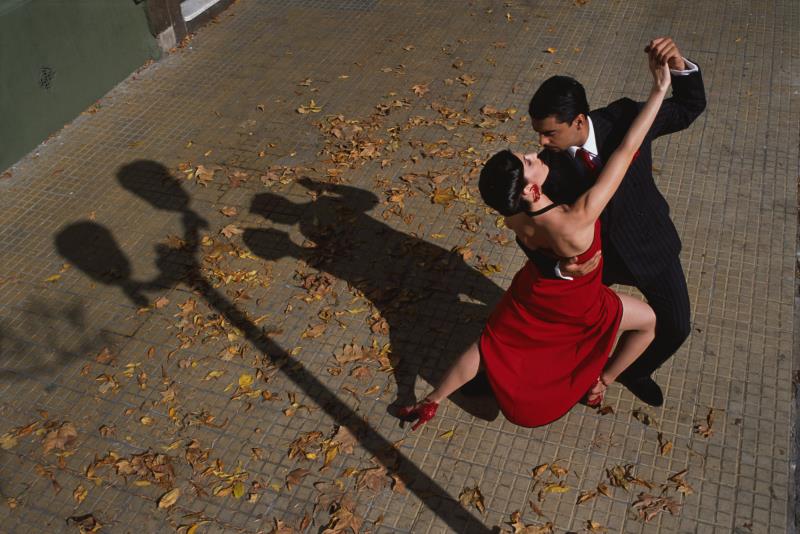
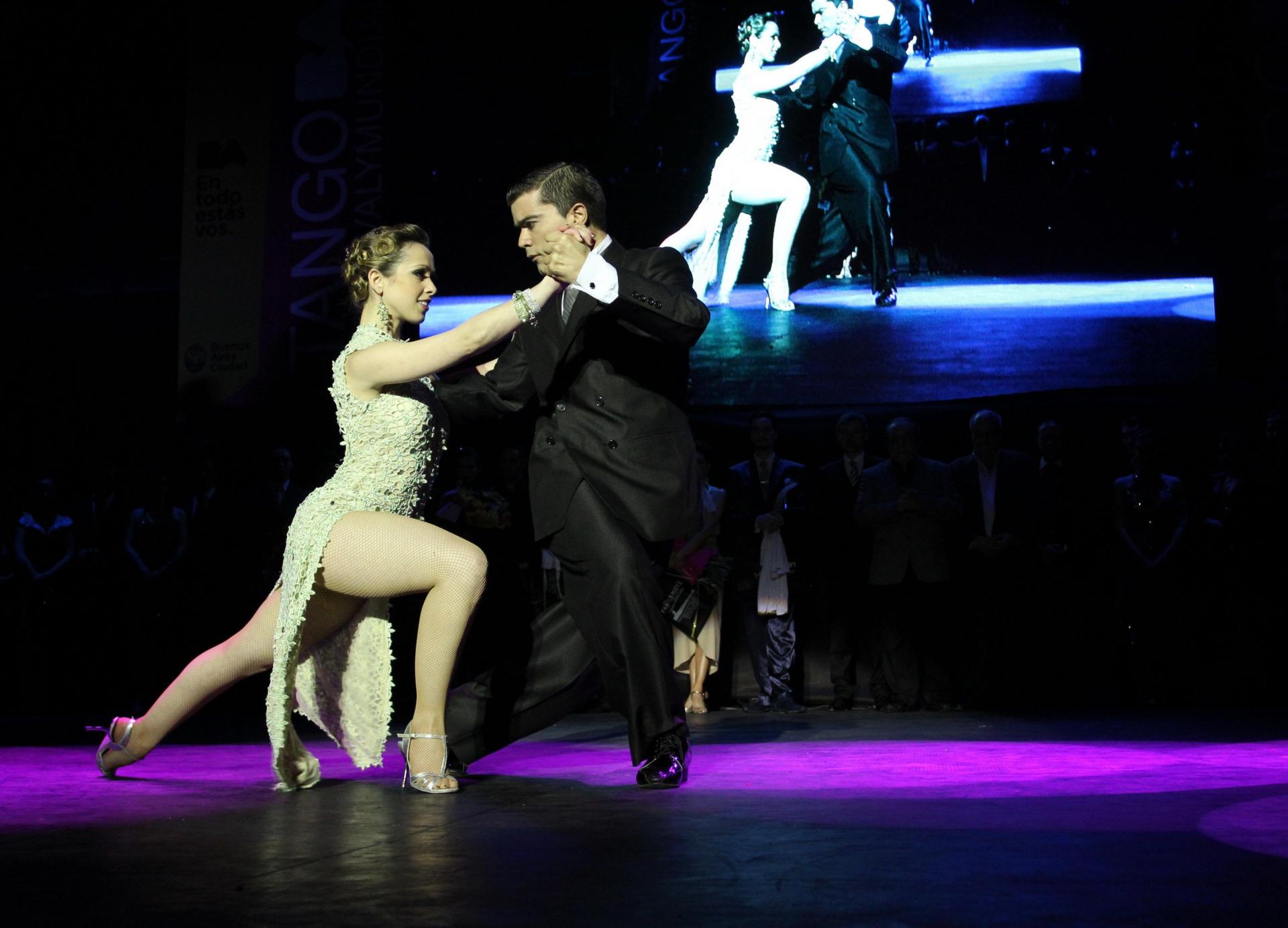
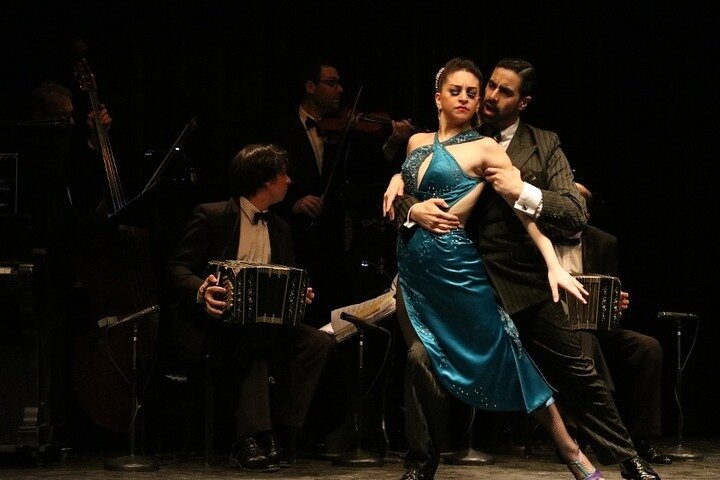
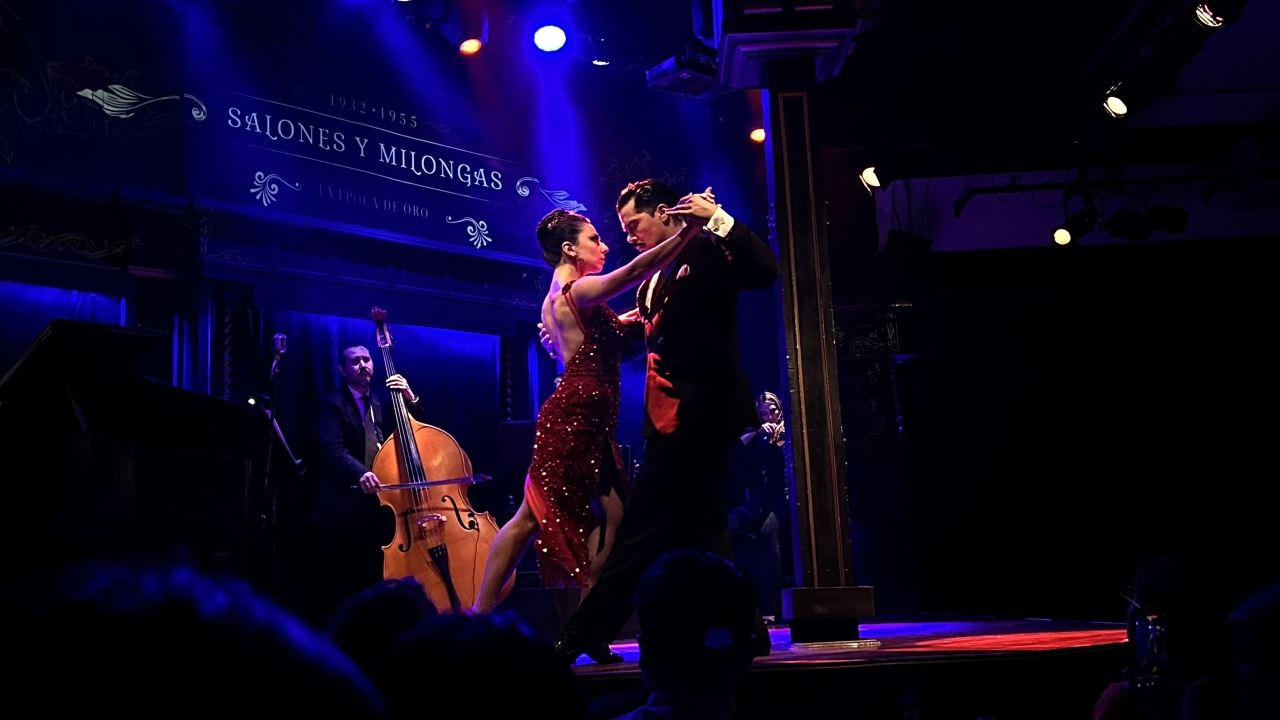
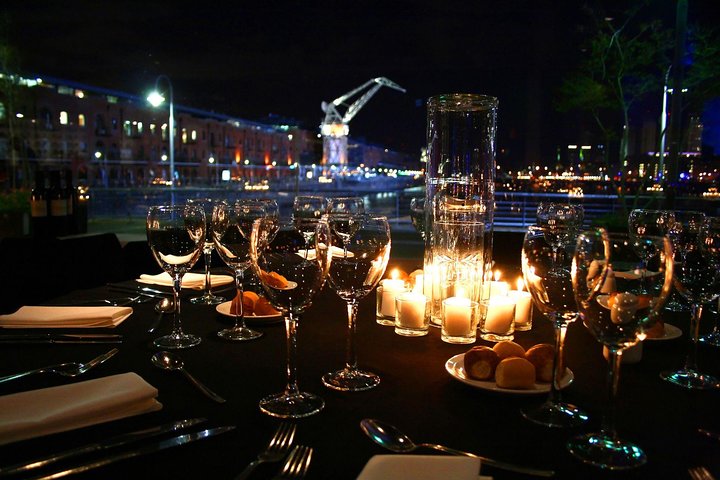
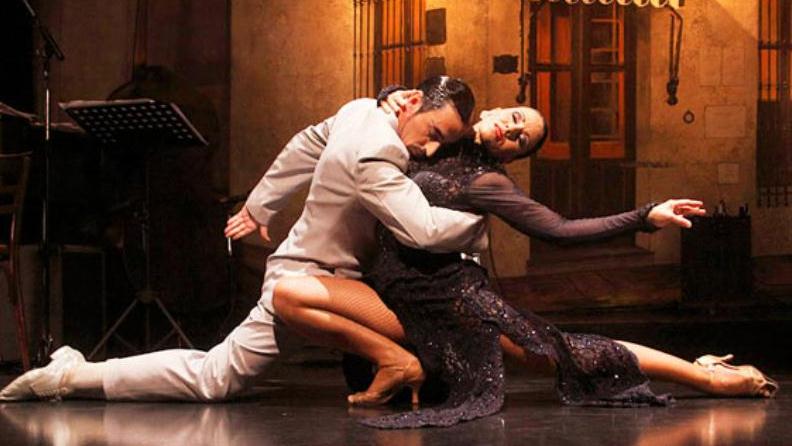
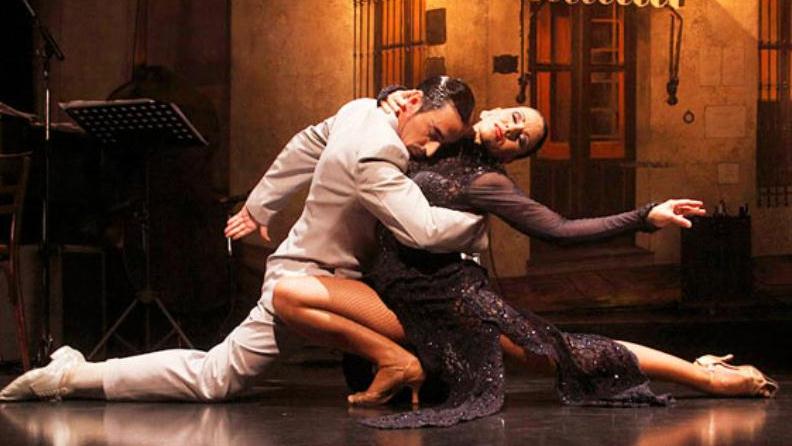
Buenos Aires is the birthplace of tango, and experiencing it here is unlike anywhere else on earth. Grand dinner-theater productions at iconic venues blend world-class performance with Argentine cuisine and Malbec wine in an atmosphere of theatrical passion. Evening shows range from spectacular stage productions to intimate dinner experiences in historic San Telmo venues - some of the oldest tango halls in the world. For those drawn to social dance culture, afternoon milongas offer a more authentic glimpse of how porteños actually dance.
The Tigre Delta and Paraná Waterways
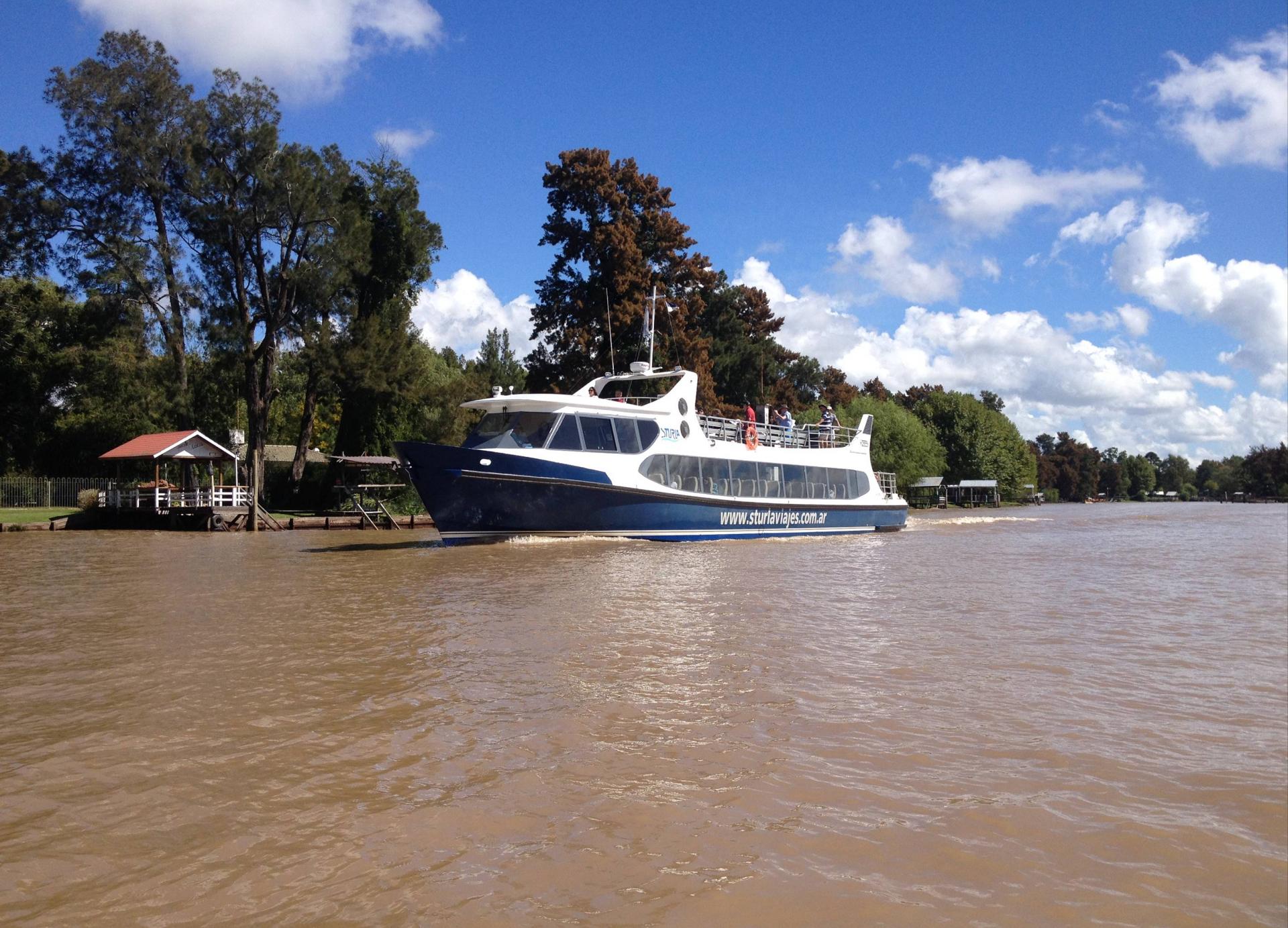
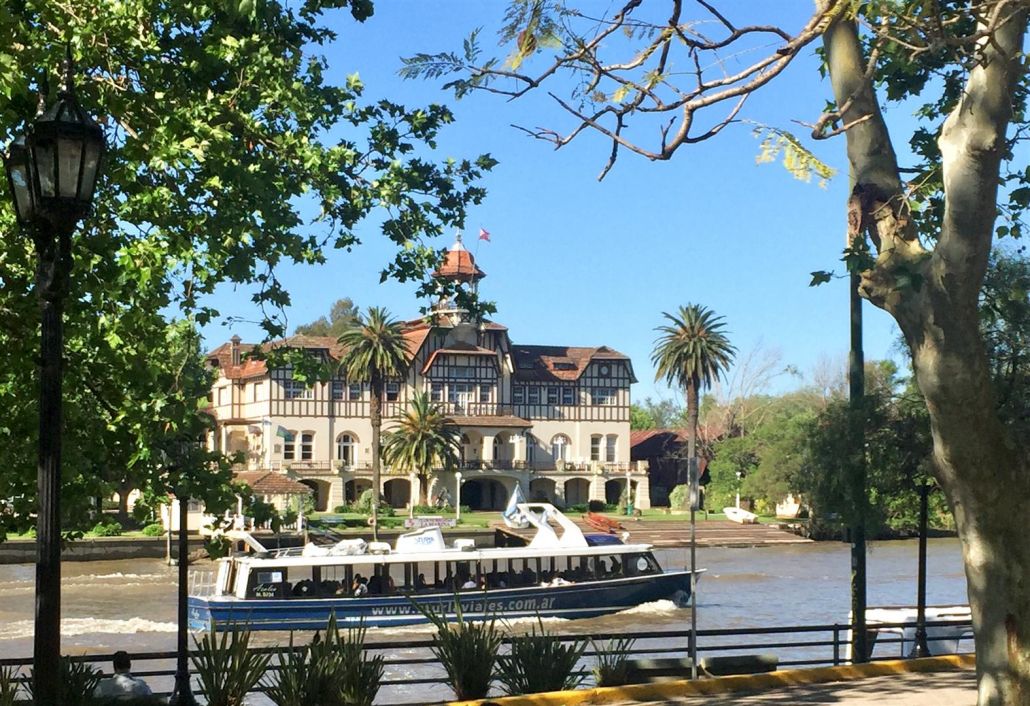
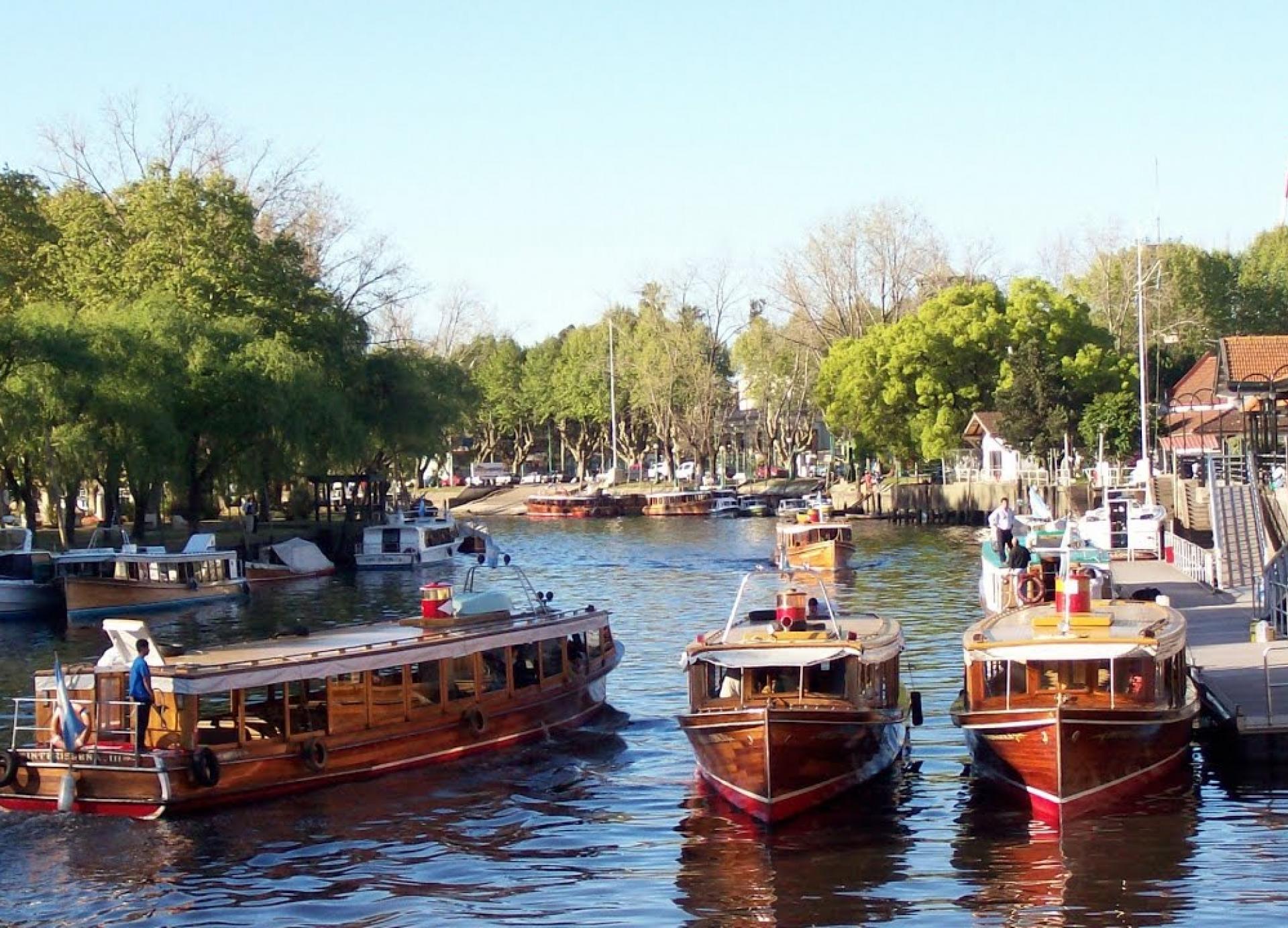
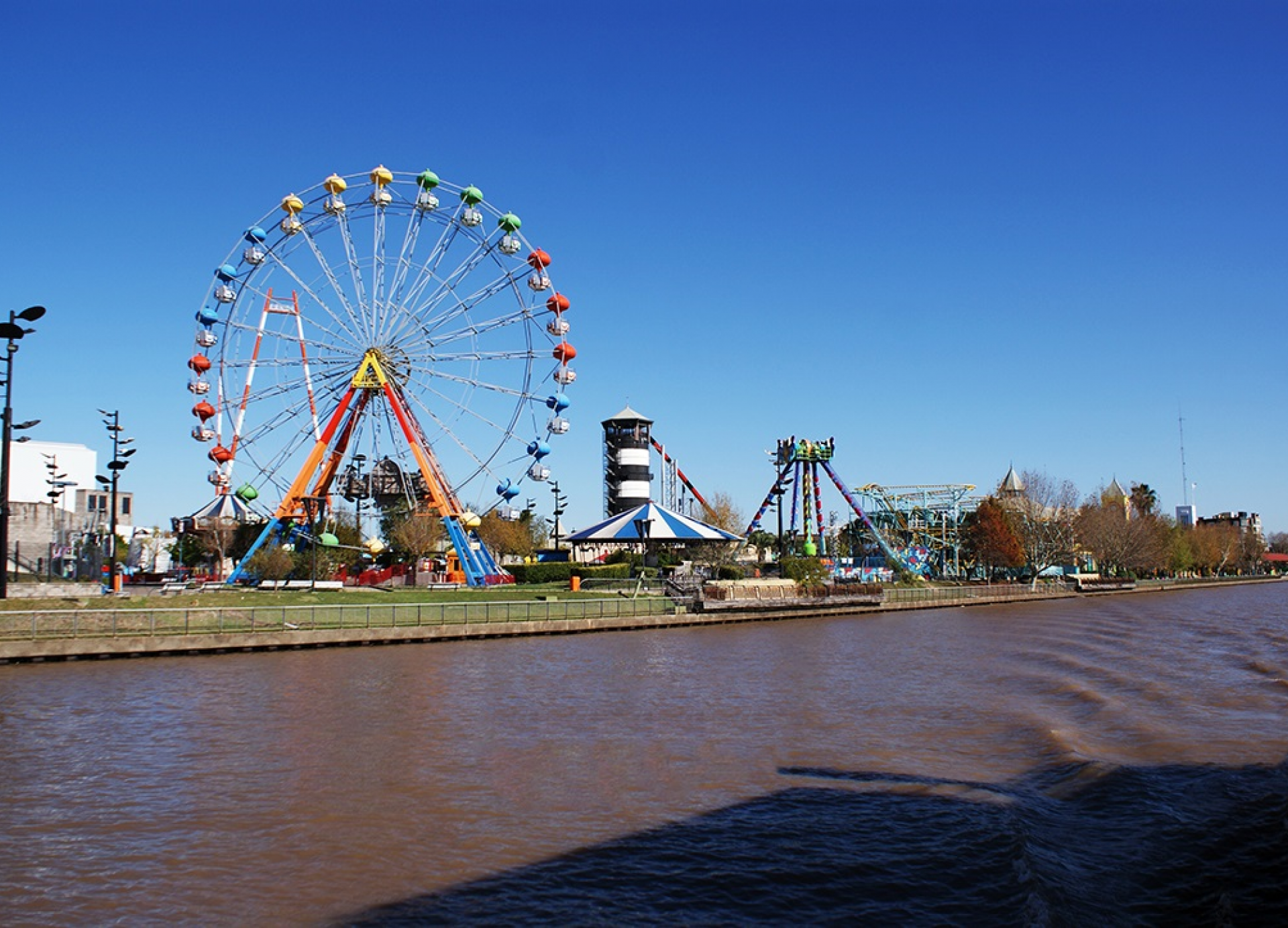
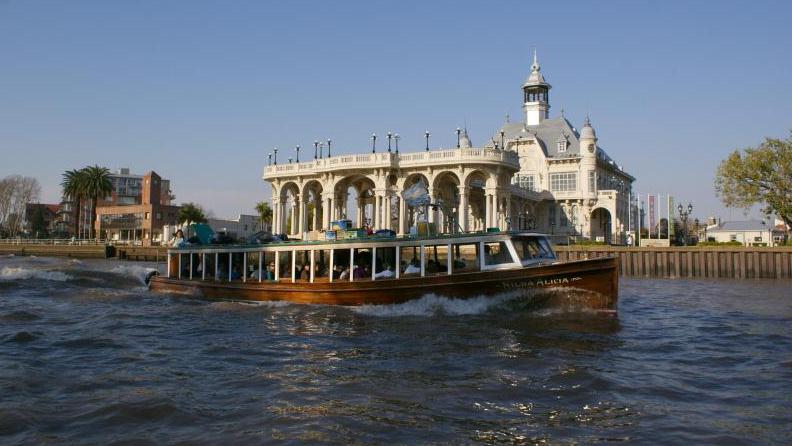
Just an hour from the city, the Tigre Delta is one of Argentina's most atmospheric natural escapes. A vast network of river channels, subtropical vegetation, and wooden island houses spreads across the Paraná Delta. Morning catamaran cruises offer serene exploration of the main waterways; full-day tours venture deeper into channels rarely reached by visitors, including lunch stops on the delta. The commuter train journey from central Buenos Aires to Tigre is itself a local experience worth savoring.
Football Passion: Boca Juniors and River Plate
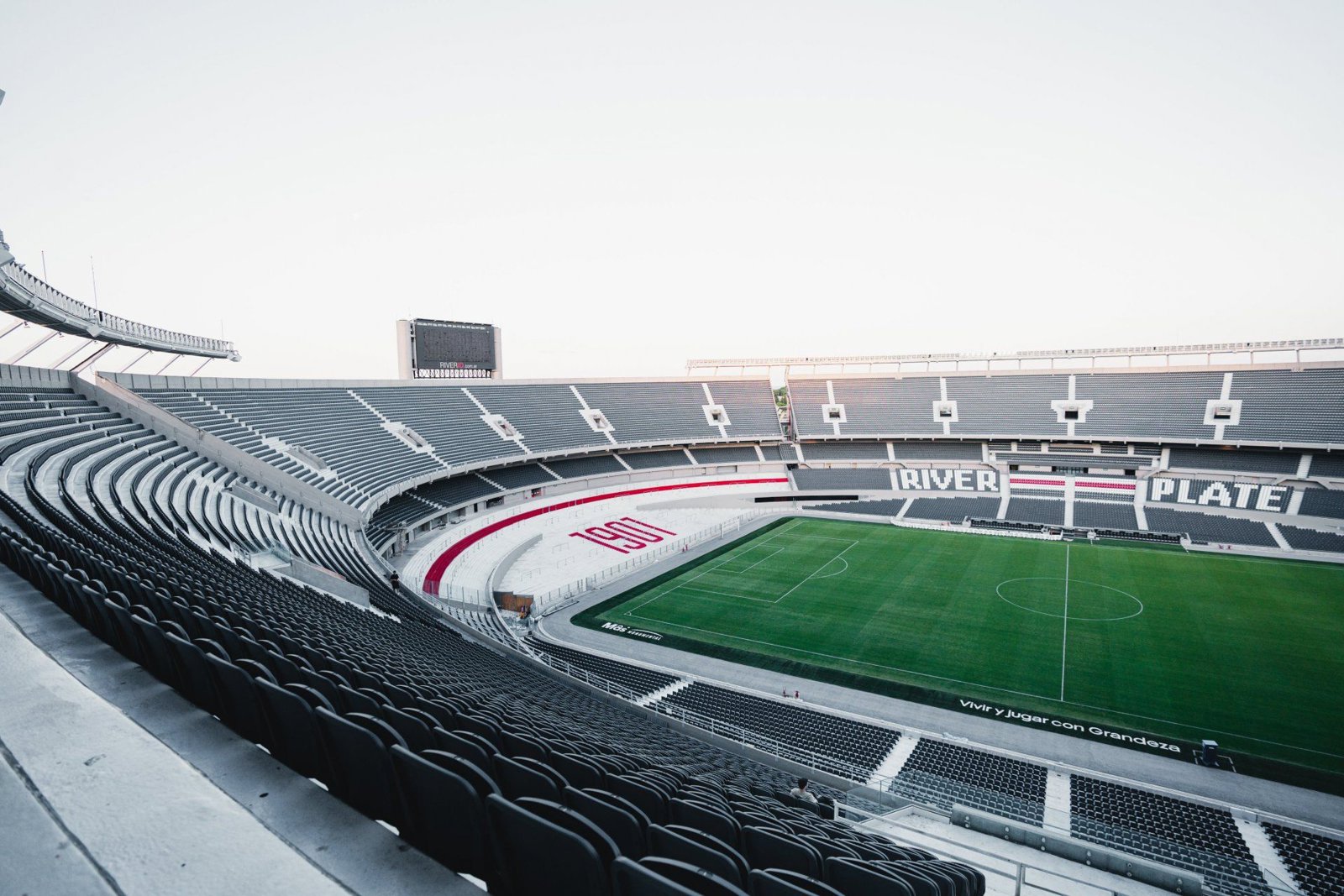
Argentine football is a religion, and nowhere is this more viscerally felt than at Buenos Aires's two legendary rivals. La Bombonera in La Boca - home of Boca Juniors - and El Monumental in Núñez - home of River Plate - are sites of mythological sporting drama. Museum tours and stadium visits go far beyond sport, revealing the extraordinary stories, passionate identities, and working-class and middle-class cultures that have shaped two of the world's most storied clubs.
San Telmo: Cobblestones, Parrillas, and Street Art
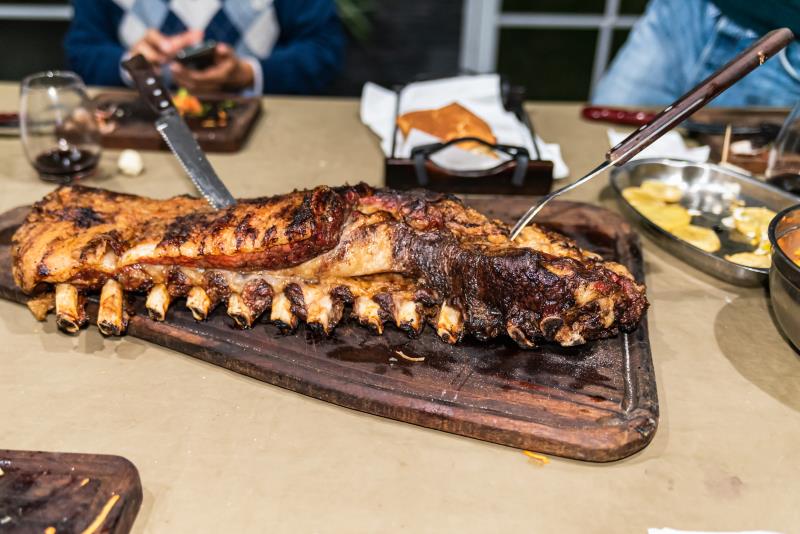
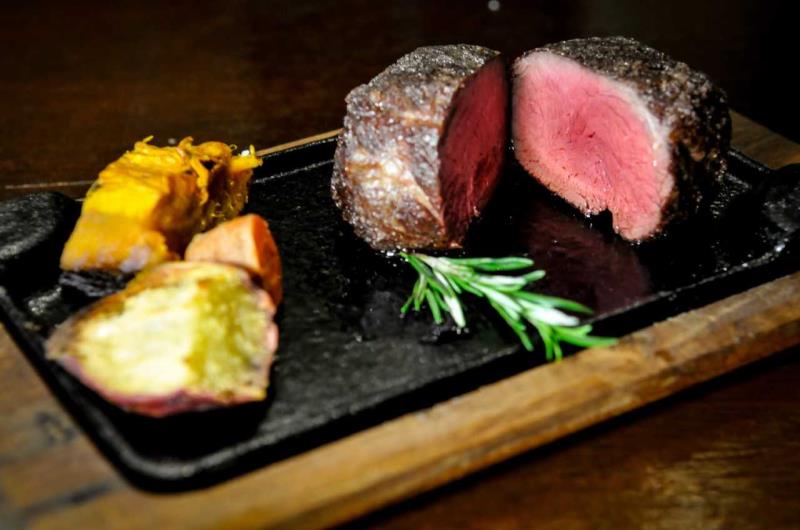
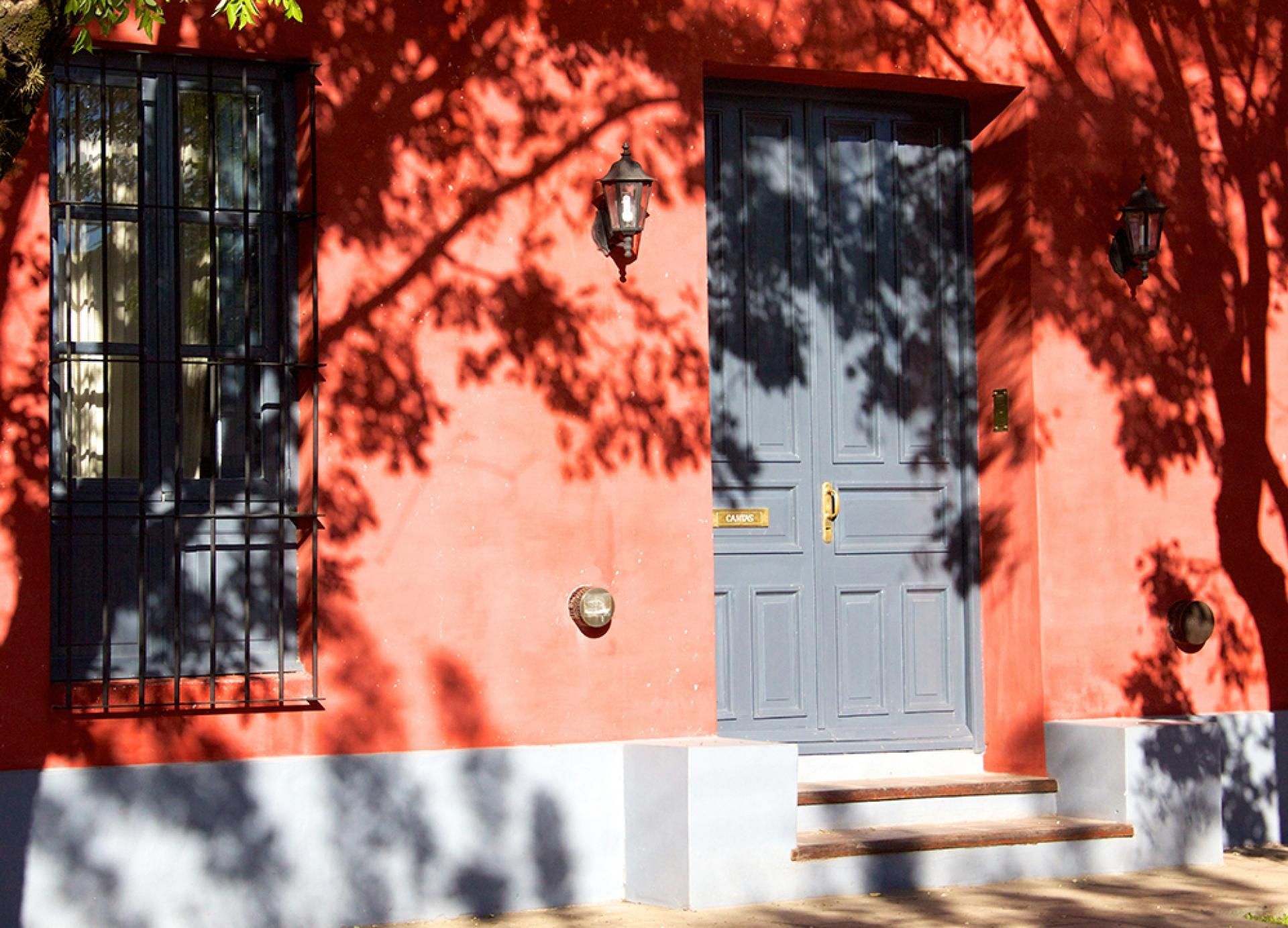
Buenos Aires's oldest neighborhood is a living archive of colonial architecture, antique shops, and bohemian energy. San Telmo's cobblestone streets host some of the city's best parrilla grills, where a grill-hopping experience moves between traditional Argentine steakhouses and explores legendary cuts like asado and bife de chorizo. The neighborhood's vibrant urban street art adds contemporary color to its historic streetscape, creating a barrio that simultaneously looks backward and forward.
Gaucho Heritage and the Pampas Estancias
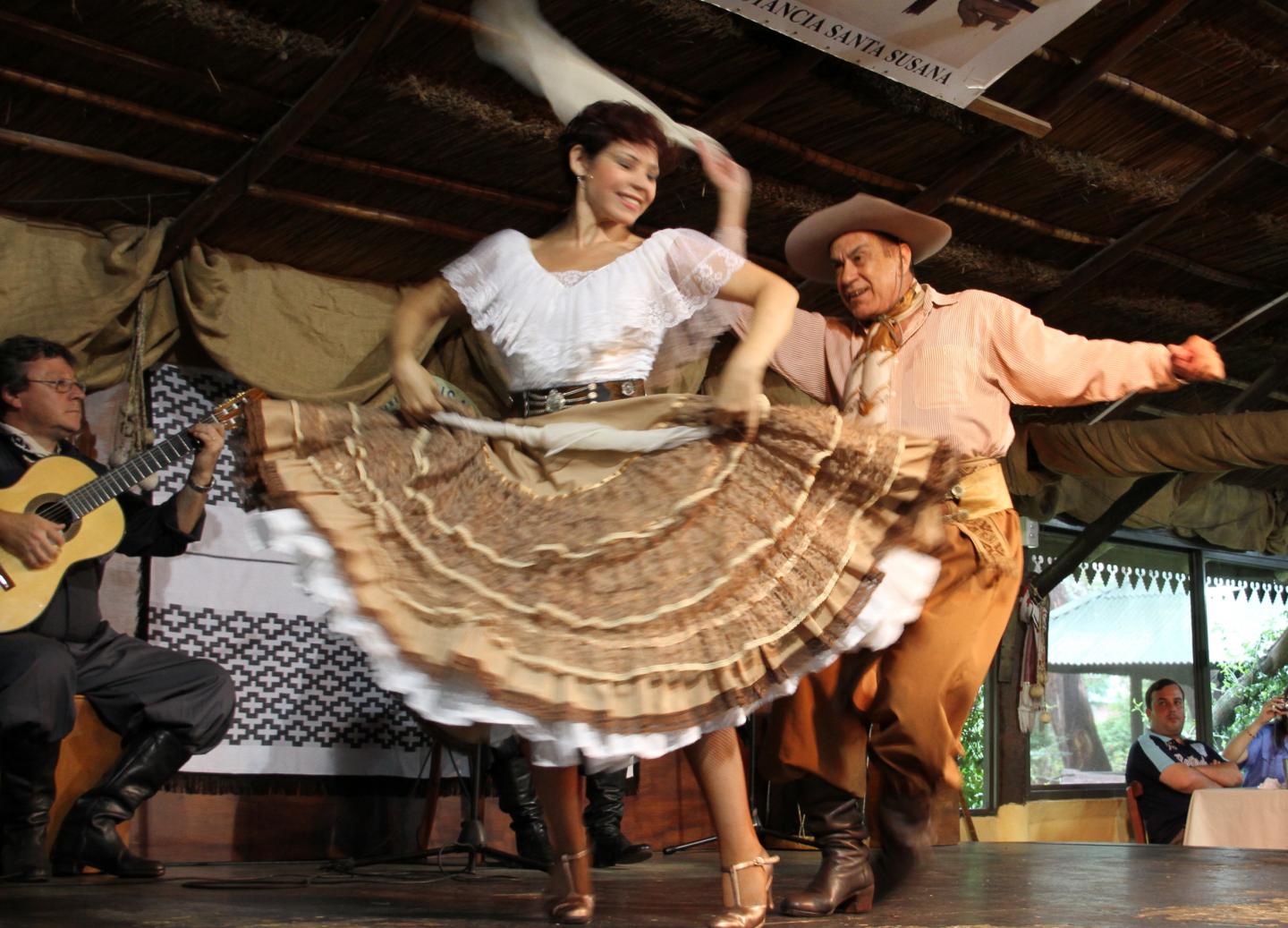
Beyond the city, the Argentine Pampas is the landscape that shaped the nation's soul. Day trips to estancias in the colonial town of San Antonio de Areco or the rolling grasslands of Santa Susana offer full immersion in gaucho culture: traditional folk music, skilled horsemanship demonstrations, asado feasts under open skies, and the vast horizon of the South American grasslands. These experiences connect Buenos Aires to the rural Argentina that underlies its urban sophistication.
Architecture, History, and the Legacy of Eva Perón
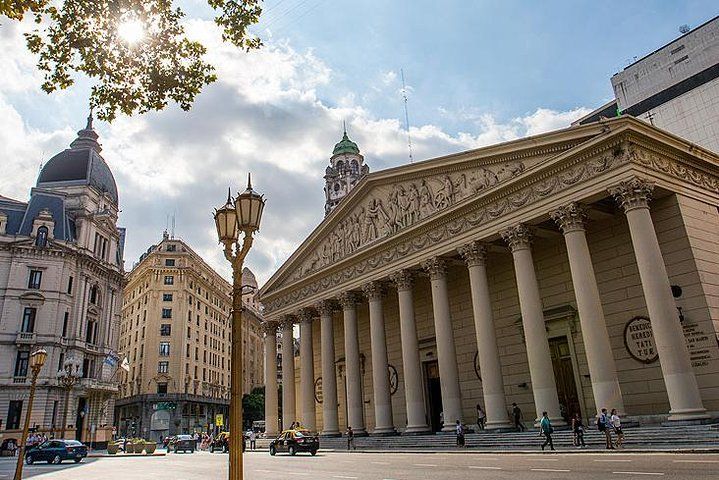
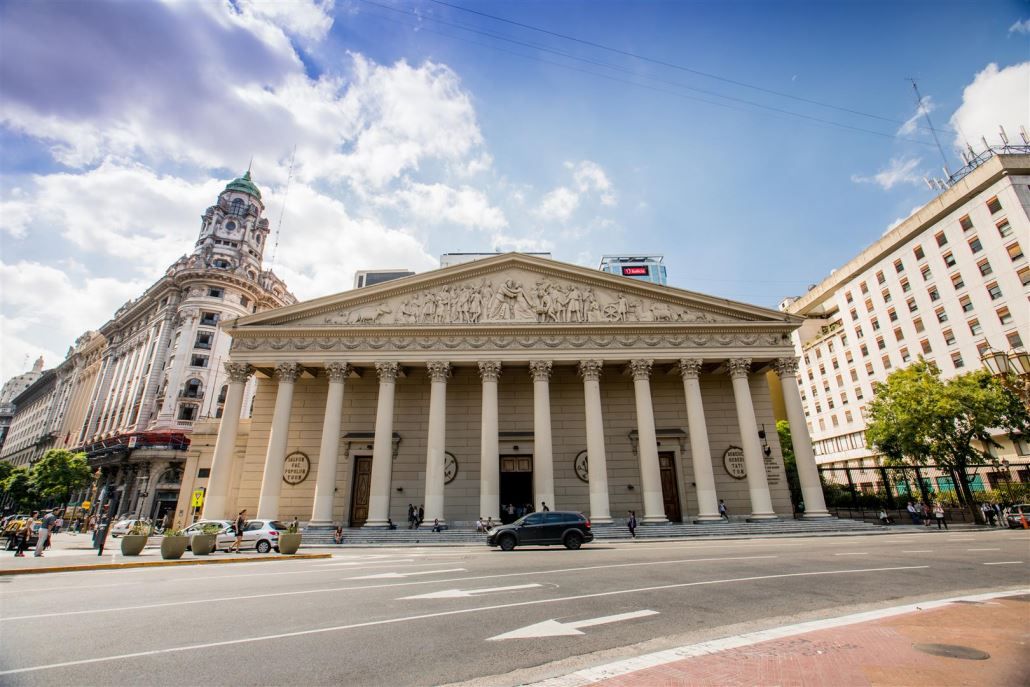
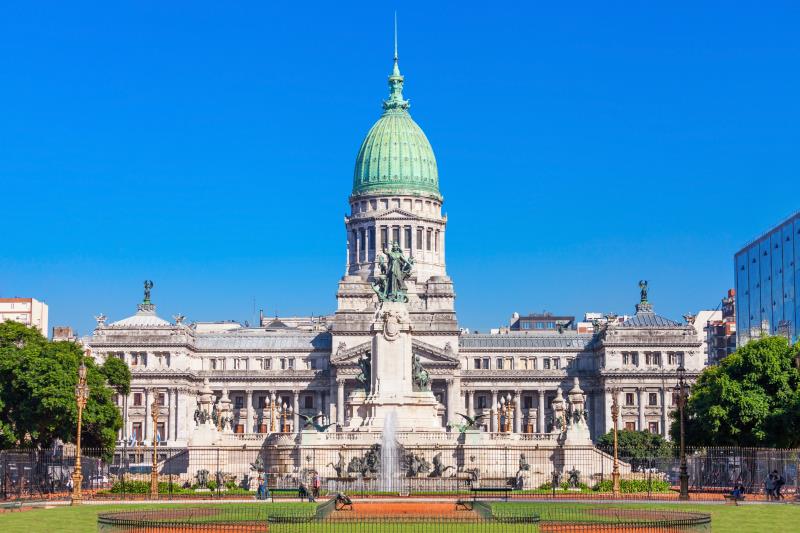
Buenos Aires is an open-air museum of architectural ambition and political drama. From the pink facade of the Casa Rosada - where Eva Perón addressed the descamisados - to the elaborate mausoleums of Recoleta Cemetery, the ornate Teatro Colón opera house, and the Belle Époque palaces of the city's grand boulevards, each barrio reveals a new layer of Argentine identity. Dedicated architecture tours, Eva Perón and Peronism experiences, and cultural walking tours offer a depth of historical understanding unavailable in any other South American city.
Buenos Aires travel tips
Understand the Currency Situation Before You Arrive. Argentina's economy means exchange rates and best practices for accessing money can shift meaningfully. Research current conditions specific to Buenos Aires before your port call. Carry a mix of payment options - credit cards work broadly in tourist-facing businesses, but local currency is essential for markets, street food vendors, and smaller neighborhood establishments.
Dress for Tango Evening Shows. Buenos Aires tango dinner shows are theatrical events, and porteños dress well for them. Smart casual is the minimum expectation at most established venues. A light jacket or wrap is also practical since many dining rooms are kept notably cool regardless of outside temperatures. Arriving appropriately dressed makes the experience feel genuinely local rather than tourist.
San Telmo's Sunday Market is a Separate Experience. If your port call falls on a Sunday, San Telmo's outdoor antique and artisan market transforms the neighborhood's main plaza and surrounding streets into one of South America's great open-air bazaars. The Sunday market is a completely different atmosphere from weekday visits - vastly larger, more festive, and more social. It is worth timing a visit around if your itinerary allows.
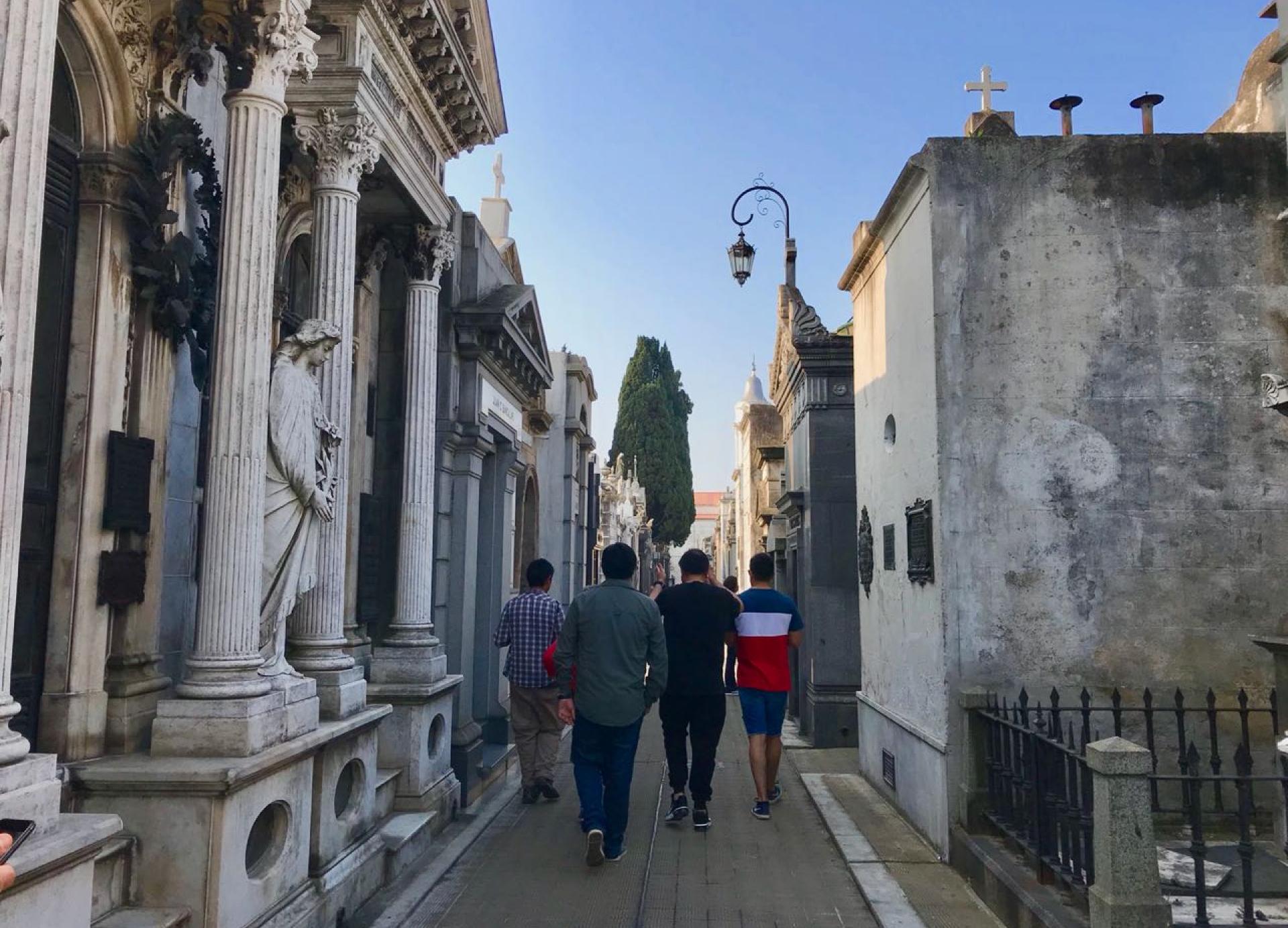
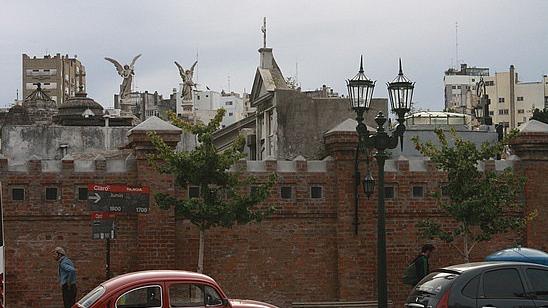
Recoleta Cemetery Requires Proper Time. The famous Recoleta Cemetery is far more than Eva Perón's tomb. It is an extraordinary city within a city, covering several city blocks with mausoleums ranging from neoclassical to art nouveau. Allow at least 90 minutes to explore it properly - the site is far larger than it appears from the entrance, and the architectural detail rewards slow, attentive walking.
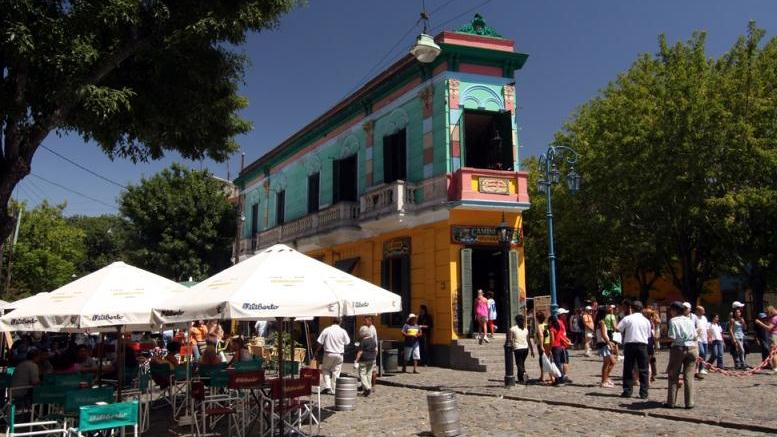
La Boca Beyond the Caminito. The colorful Caminito street in La Boca is Buenos Aires's most photographed corner, but the neighborhood extends well beyond this tourist corridor. The streets surrounding La Bombonera stadium, the Italian immigrant heritage in the architecture, and the vibrant street art scene reward those who venture a few blocks further - ideally with a guide who knows which areas to explore confidently.
Factor Travel Time to the Tigre or Estancias. Both the Tigre Delta and Pampas estancias are genuinely worthwhile excursions, but both involve significant travel time. The commuter train to Tigre takes around an hour each way; San Antonio de Areco and nearby estancias are approximately 90 minutes by road. Treat either destination as the sole focus of your port day rather than combining with extensive city sightseeing.
Port Facts Every Cruiser Needs To Know
Buenos Aires shore excursion FAQs
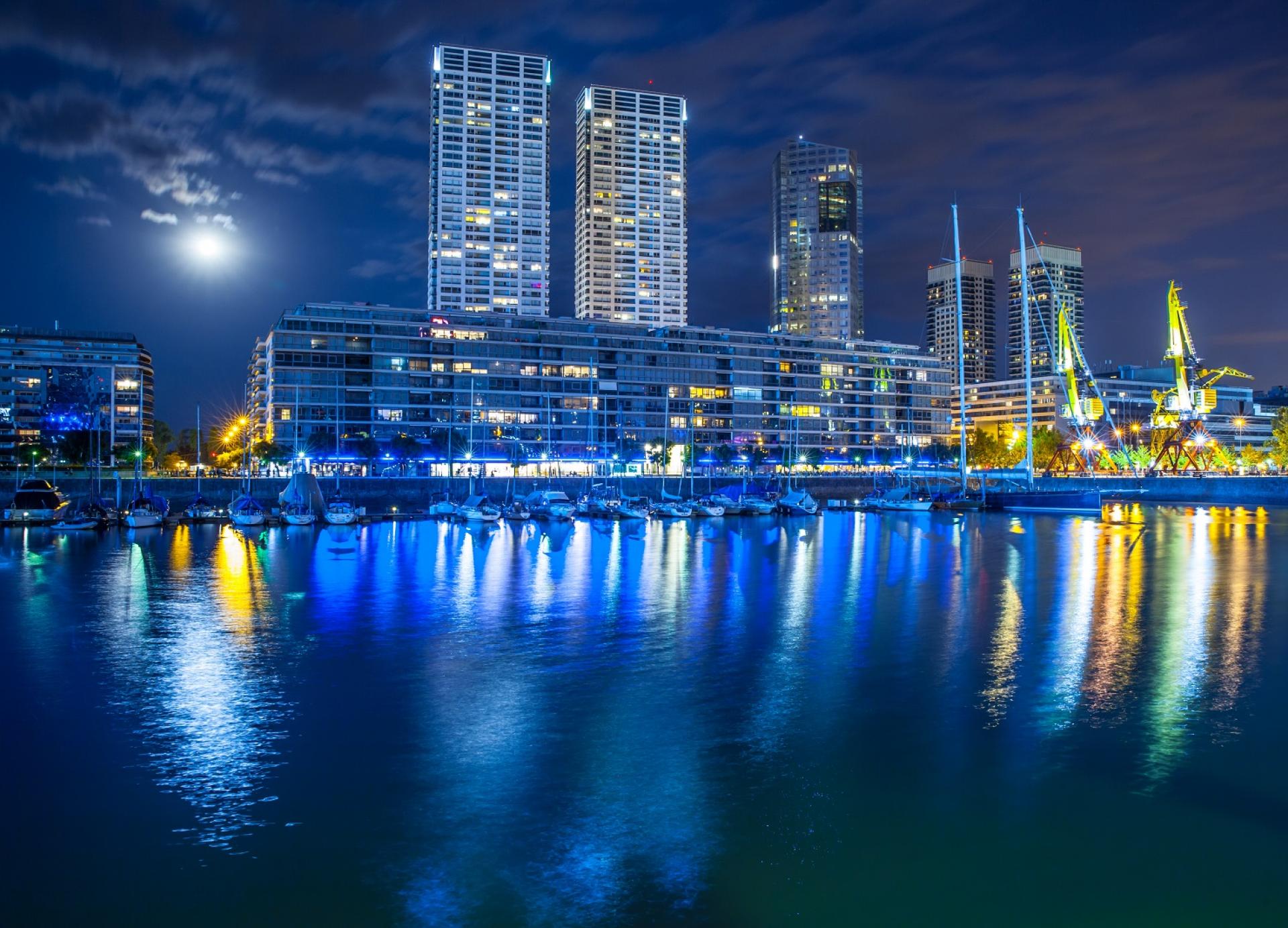
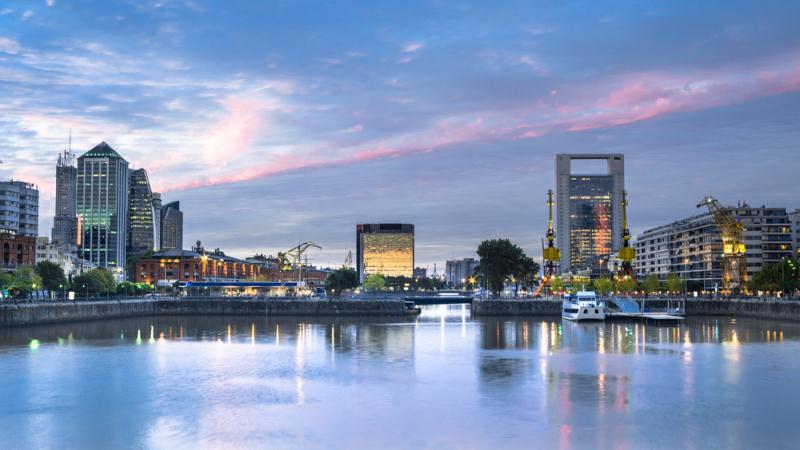
Most cruise ships dock at the terminals in Puerto Madero, Buenos Aires's renovated waterfront district. The area sits directly adjacent to the historic city center and within walking distance of San Telmo. Puerto Madero itself has waterfront restaurants and the Ecological Reserve if you wish to stay close to the ship.
Buenos Aires is a major cosmopolitan city and, like any such city, requires awareness. Tourist-heavy areas including Puerto Madero, San Telmo, Recoleta, and Palermo are generally safe during daylight hours. Petty theft can occur in crowded areas; keep cameras and phones secure and avoid displaying expensive jewelry. Organized tours and guided excursions remove most logistical concerns.
Evening dinner shows at established venues offer the most accessible and complete tango experience for first-time visitors, combining performance, dinner, and Argentine wine in one sitting. For those more interested in authentic dance culture, some afternoon milongas (social tango gatherings) operate in San Telmo and elsewhere, offering a less theatrical but more genuine glimpse of how porteños actually dance.
The Tigre Delta requires a dedicated half-day at minimum. The commuter train to Tigre takes approximately an hour each way, and a meaningful river cruise or launch experience adds further time. A half-day morning tour is the minimum for a worthwhile visit; full-day options that include lunch on the delta are the most rewarding way to experience the waterways.
Argentine beef cooked on a parrilla grill is the non-negotiable culinary experience. A traditional asado or a bife de chorizo at a neighborhood parrilla is essential. Beyond meat, Buenos Aires has excellent Italian-influenced pasta, empanadas from street vendors and cafés, and a world-class helado (ice cream) tradition that rivals Italy's finest. Malbec from Mendoza is the wine of choice.
Yes, if architecture and performing arts interest you. The Teatro Colón is consistently ranked among the world's finest opera houses and is an architectural masterpiece of extraordinary detail. Guided tours of the interior are available during the day without attending a performance, covering the main hall, backstage areas, stage machinery, and costume workshops.
San Antonio de Areco is approximately 113 kilometers (70 miles) northwest of Buenos Aires, about 90 minutes by road. This means a full-day commitment is required to visit an estancia and the colonial town properly. For those interested in gaucho culture and the Pampas landscape, it is one of South America's most authentic rural experiences and worth dedicating the entire port day.
Peronism - the political movement founded by Juan Perón and his wife Eva (Evita) in the 1940s and 50s - remains the defining force in Argentine political identity. It shaped the country's labor movement, welfare state, and political culture, and continues to structure Argentine politics today. Understanding Peronism transforms visits to the Casa Rosada, Recoleta Cemetery, and many city monuments from sightseeing into genuine political and social history.
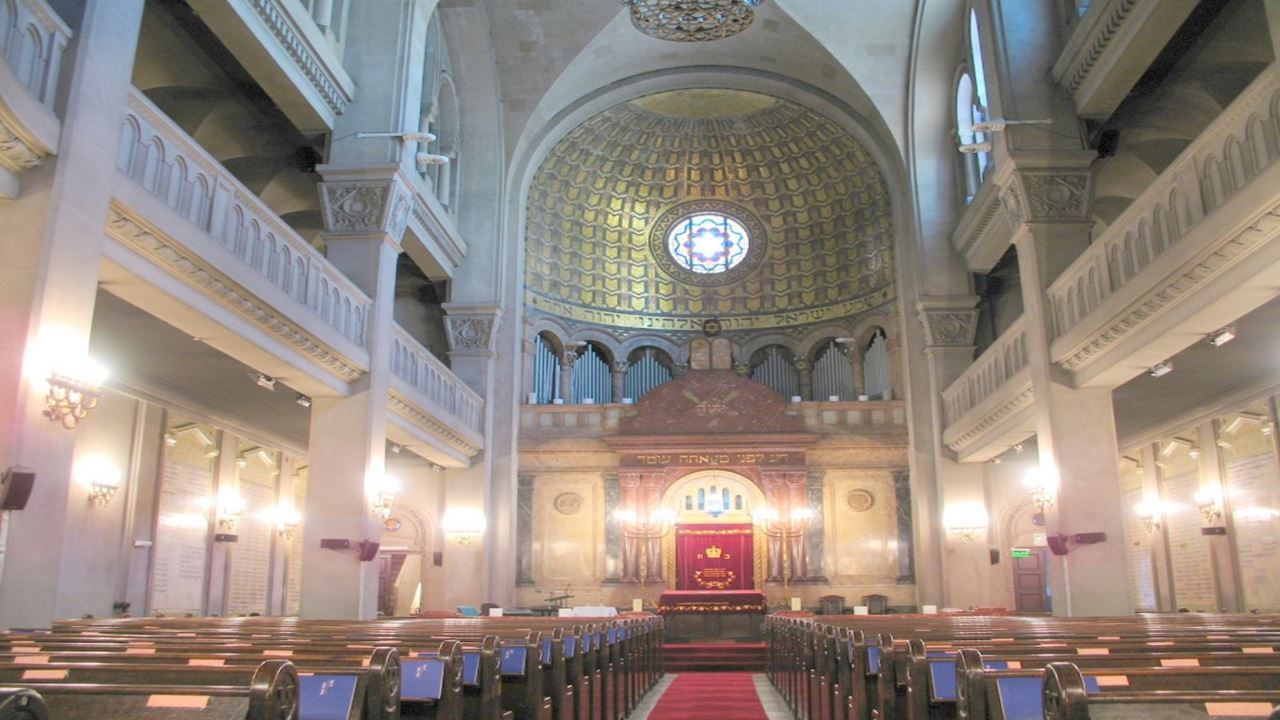
Buenos Aires has one of the largest Jewish communities in Latin America, with roots in late 19th-century immigration from Eastern Europe and the Middle East. The Once neighborhood and surrounding areas preserve synagogues, cultural institutions, and community life reflecting this heritage. Dedicated cultural tours visit significant sites, explore immigration history and community building, and provide a distinct perspective on the city's multicultural identity - often including the history of the AMIA Jewish community center.
Yes. Popular tango dinner shows at established venues fill up quickly, particularly during peak cruise season. Booking in advance through your excursion provider secures your seats and, in many cases, preferred table placement. Walk-in availability exists but is unreliable for the best-known venues. If tango is a priority for your Buenos Aires visit, treat it as the first booking you make.
Filters
Select a filter to refine results.
Tour Type
Tour Activity
 Cart
Cart
 USD
USD GBP
GBP AUD
AUD EUR
EUR CAD
CAD