



Tours in Papeete (Tahiti)


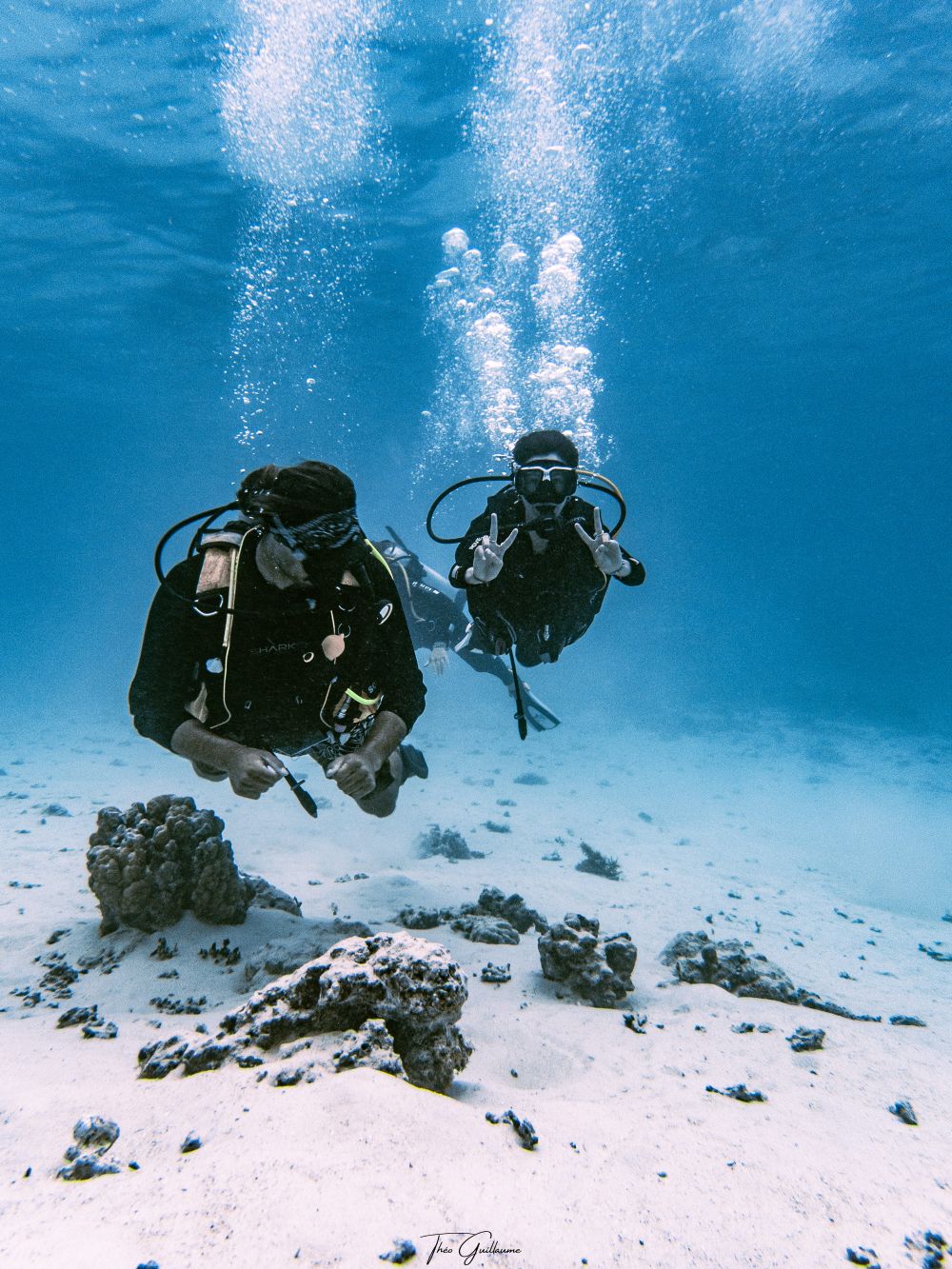
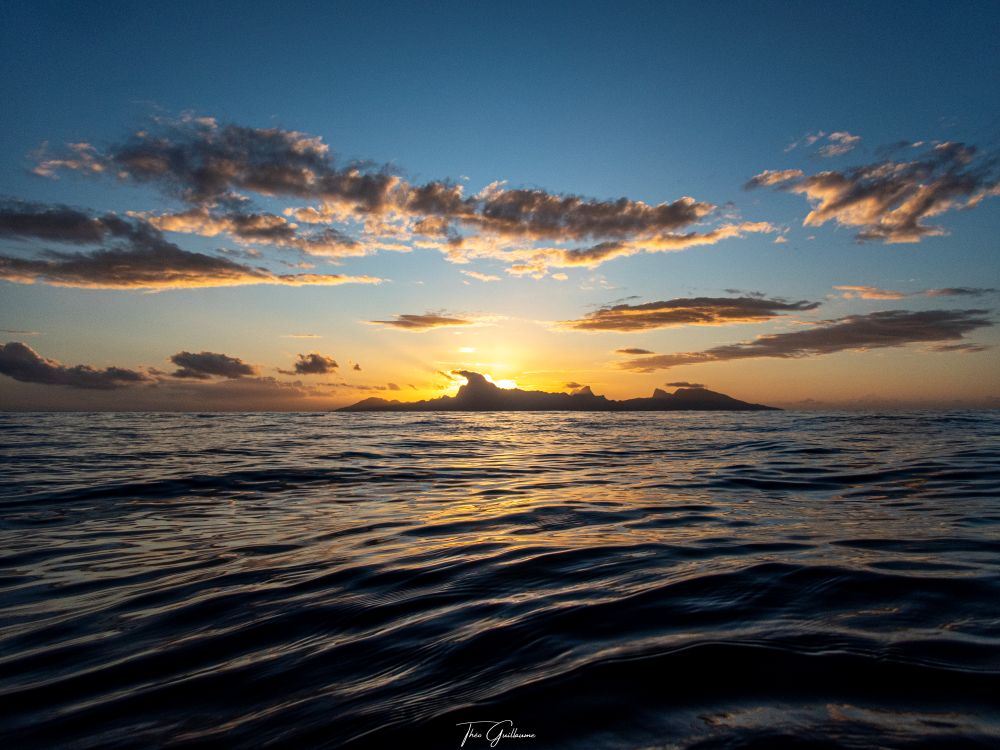
Cruising to Papeete (Tahiti) in a group?
Skip the crowded ship excursion bus. One dedicated planner will design a private shore experience around exactly what your group wants — coordinated from first enquiry to the moment you're back on board. More memorable, more flexible, and more affordable than you might expect. Spend less time organising, more time enjoying.
Explore Group Travel →Cruising to Papeete (Tahiti)
Papeete sits on the northwest coast of Tahiti, the largest island in French Polynesia, and serves as both the territorial capital and the cultural crossroads of the South Pacific. The city itself is a compact, walkable place where Parisian-style boulangeries stand beside open-air produce stalls heaped with vanilla pods and fresh tuna. Beyond the harbor, Tahiti reveals its wilder character: a volcanic interior draped in cloud forest, cascading waterfalls hidden along the Route de la Montagne, and a coastal road that circles the island through villages where traditional dance and tattooing remain living art forms. The neighboring island of Moorea — visible across a channel from the port — offers dramatic ridgelines and turquoise lagoons within easy reach. Cruise visitors with six to ten hours ashore can experience both urban Papeete and a meaningful slice of Tahiti Nui, the larger of the island's two lobes, making this one of the more rewarding port days in the Pacific.
Top things to do in Papeete (Tahiti) on a cruise stopover
Papeete City and the Village of Faa'a
Papeete is a city that refuses to sit still. The waterfront promenade buzzes from early morning, when fishing boats unload their catch alongside cruise tenders, through the afternoon, when locals gather at Place Vaiete for cold Hinano beer and poisson cru — raw tuna marinated in lime and coconut milk. The covered market at the heart of the city is a sensory landmark: stalls overflow with monoi oil, black pearls, hand-stamped pareos, and pyramids of tropical fruit. A short distance west, the village of Faa'a (home to the international airport) represents a more workaday Tahitian community, where the rhythm of daily life plays out against the backdrop of the lagoon. Together, the city and its surrounding neighborhoods offer a window into what French Polynesian urban life actually looks like — a layered, occasionally contradictory blend of Pacific tradition and French administrative culture.
Tahiti Nui: The Island's Volcanic Interior and Coastal Circuit
The road that circles Tahiti Nui — Route 1 — is one of the more scenic coastal drives in the Pacific, threading between the lagoon and the dramatic volcanic peaks of the interior. Along the way, it passes through small communities, roadside roulotte food stalls, and historic sites including ancient marae stone temples that predate European contact. The interior, accessible via several mountain roads, is dense with tropical vegetation and threaded by rivers that feed a series of waterfalls. The Faarumai Waterfalls, accessible from the east coast, include a short walk through forest to a pool beneath a tall cascade. Combining the coastal road with at least one interior detour gives visitors a far more textured understanding of Tahiti than the port area alone can provide.
Polynesian Culture: Dance, Tattooing, and Living Tradition
Tahitian culture is not a museum exhibit — it is practiced daily. Ori Tahiti, the fast-hipped traditional dance, is one of the most technically demanding dance forms in the Pacific and is taught from childhood across the islands. Cultural centers and village demonstrations allow visitors to watch performances in context, rather than as a cruise-ship show. Polynesian tattooing, which predates the word 'tattoo' itself (the English term derives from the Tahitian 'tatau'), has undergone a significant revival since the 1980s after being suppressed during the colonial era. Master tattooists work from traditional geometric motifs that encode genealogy and social identity. Vanilla cultivation and weaving are additional craft traditions that survive in Tahiti's rural communities, and a visit to an agricultural area reveals how these products move from plant to market.
Moorea: The Island Across the Channel
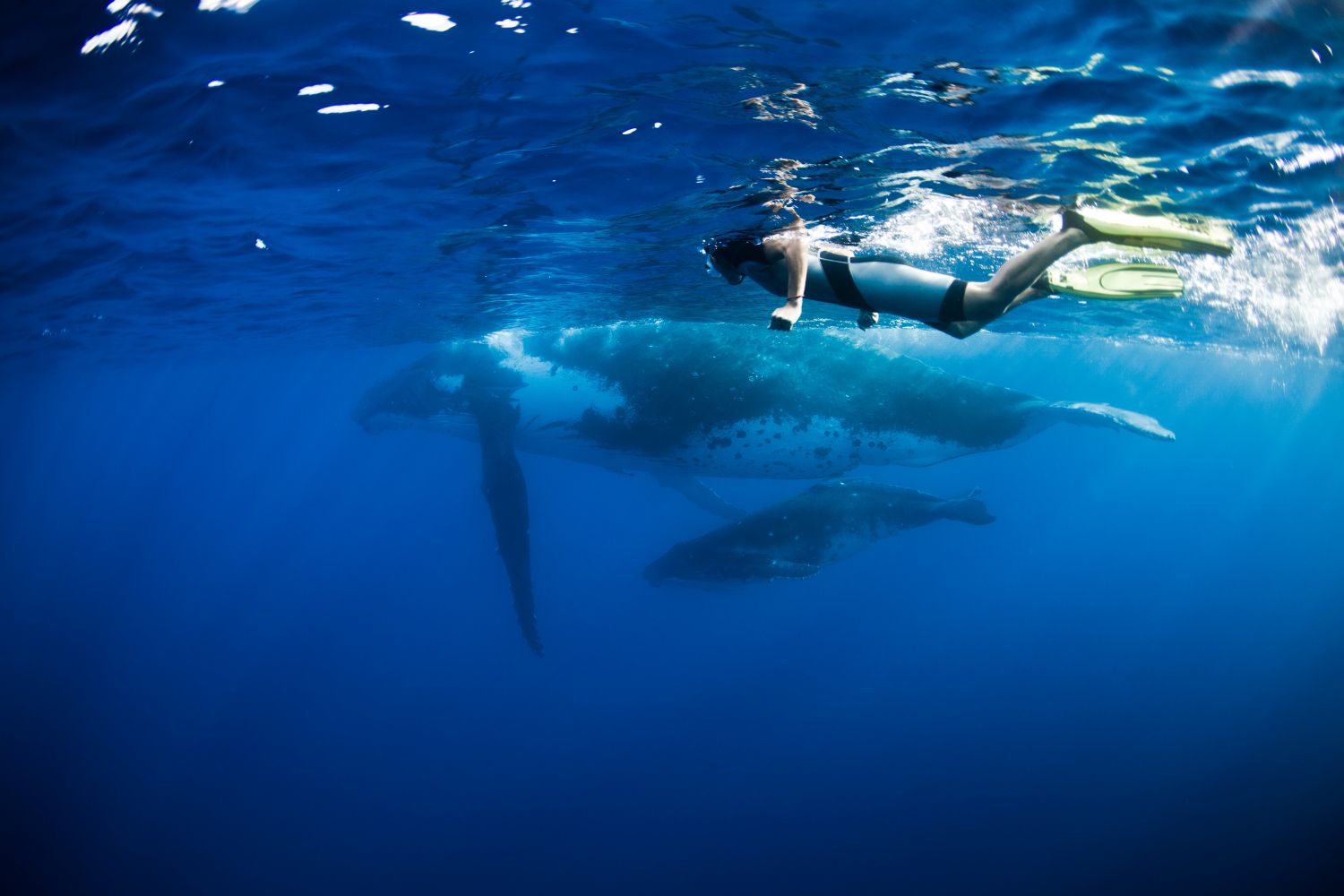
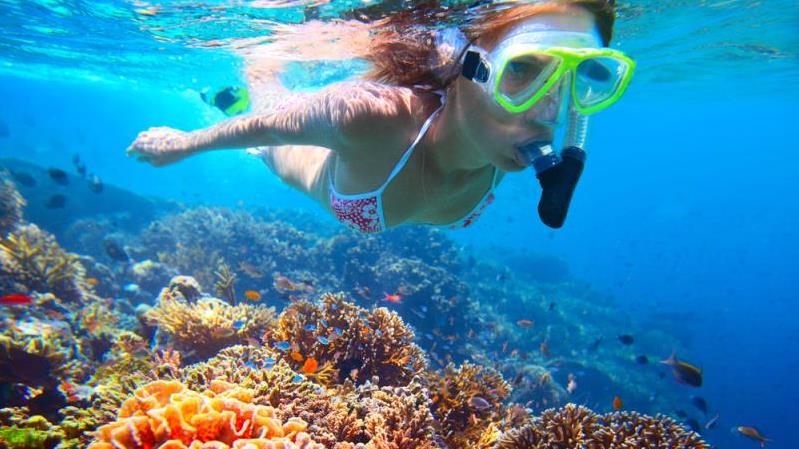
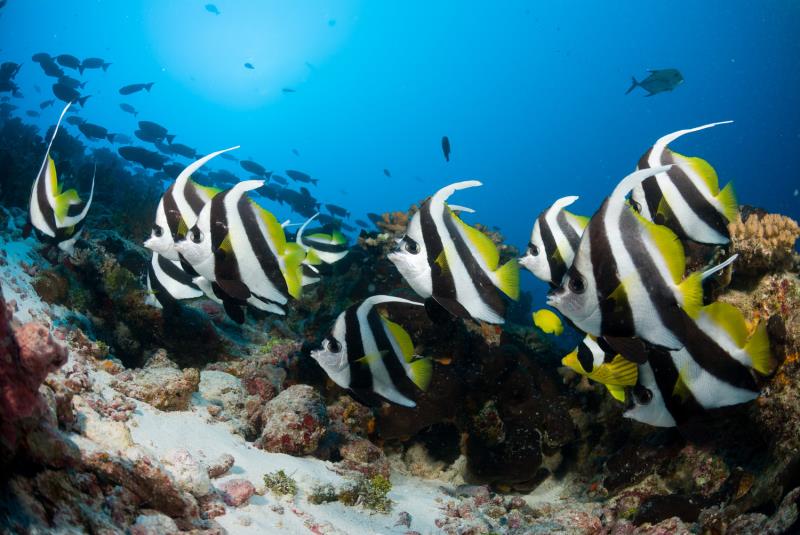
Moorea, visible from Papeete's waterfront on clear days, is one of the most visually dramatic islands in French Polynesia. Its twin bays — Cook's Bay and Opunohu Bay — cut deep into an interior ringed by jagged volcanic peaks, and the surrounding lagoon shifts between shades of turquoise, green, and deep blue depending on the light and depth. The island is less developed than Tahiti, with a slower pace and more direct access to the reef ecosystem. Snorkeling in the lagoon can bring encounters with blacktip reef sharks, rays, and coral gardens in good visibility. The Belvedere Lookout above Opunohu Bay offers one of the definitive viewpoints in the South Pacific. A catamaran crossing adds the experience of the channel itself — often breezy and energizing — before arriving at an island that feels, against all odds, even more serene than the one you left.
Black-Sand Beaches and the Lagoon Coast
Tahiti's beaches are not the powder-white variety of travel poster cliché — its volcanic origins have produced striking black and dark gray sand beaches along the north and west coasts, where the contrast between the dark shoreline and brilliant turquoise water is genuinely striking. The lagoon on the west coast (the leeward side) is calmer and better suited to swimming and snorkeling than the more exposed east coast. Plage de Taharuu on the south coast and the beaches near Mahina on the north are among the more accessible stretches. The reef that encircles much of Tahiti Nui keeps wave energy moderate in sheltered areas, and the warm water temperature year-round makes swimming comfortable without a wetsuit.
Waterfalls and the Faarumai Valley
The Faarumai Waterfalls on Tahiti's east coast represent one of the more accessible natural highlights on the island for cruise visitors. A short, well-maintained trail through forest leads to Vaimahuta Falls, which drops from a considerable height into a rocky pool below, while two additional cascades — Haamarere Iti and Haamarere Rahi — require a slightly more ambitious hike. The surrounding vegetation is dense with tropical ferns, wild ginger, and the ubiquitous tiare flower that defines the scent of French Polynesia. The valley setting, enclosed by steep ridges and animated by birdsong and running water, offers a genuine contrast to the port environment and a reminder that Tahiti's interior remains largely wild despite the development along its coast.
Papeete (Tahiti) travel tips
Visit the Market Early. The Marché de Papeete operates two levels: the ground floor holds fresh produce, fish, and food stalls, while the upper level is devoted to crafts, black pearls, and souvenirs. The market is at its most atmospheric in the early morning, when local vendors are set up and the food stalls are serving fresh-cooked breakfasts. By midday it thins out considerably. The market is within easy walking distance of the cruise pier.
Budget Time Carefully for Moorea. The Moorea ferry crossing takes approximately 30 minutes each way, with departures every 30 to 60 minutes depending on the time of day. Factor in embarkation time at both ends and the need to return to Papeete with a comfortable buffer before your ship departs. A Moorea day typically requires at least eight hours ashore in Papeete to be worth the crossing without feeling rushed.
Carry Small Bills in CFP Francs. While larger establishments accept credit cards, roulotte food stalls (the roadside catering trucks that are a fixture of Tahitian street food culture), market vendors, and village shops generally work in cash. Exchanging currency before you travel or withdrawing from ATMs near the port upon arrival will make purchases along the coastal road much smoother.
Sun Protection is Non-Negotiable. Tahiti sits at roughly 17 degrees south latitude, and the tropical sun is intense even on overcast days. UV exposure is significantly higher than at temperate latitudes, and visitors routinely underestimate it. Apply high-SPF sunscreen before leaving the ship, bring a hat and UV-blocking clothing, and reapply after any water activity. The combination of reflection off the lagoon and direct overhead sun makes midday particularly unforgiving.
Poisson Cru is the Essential Meal. Tahiti's signature dish — raw tuna marinated briefly in fresh lime juice and then mixed with coconut milk, tomato, cucumber, and spring onion — is served everywhere from market food stalls to restaurant kitchens. It is inexpensive, fresh, and genuinely representative of local cuisine. The roulotte trucks that gather near the waterfront at Place Vaiete offer affordable, authentic versions alongside other local dishes. Eating at least one meal ashore is worthwhile at this port.
Respect Cultural Sites Along the Coastal Road. Several ancient marae — ceremonial stone platforms used for religious and social gatherings in pre-European Polynesia — are preserved along Tahiti's coastal road and in the Opunohu Valley on Moorea. These are considered sacred by many Tahitians and should be treated accordingly: avoid climbing on the stones, follow any posted signage, and approach with the same quiet respect you would give any active place of worship. Explanatory signage at most sites provides useful historical context.
Port Facts Every Cruiser Needs To Know
Papeete (Tahiti) shore excursion FAQs
Cruise ships dock at the Papeete cruise terminal on the waterfront, which places passengers within easy walking distance of the city center. The central market is approximately a 10-minute walk from the pier, and the main waterfront promenade begins essentially at the terminal entrance. No transfer is required to reach the heart of the city.
Yes. Ferries to Moorea depart from the Gare Maritime (ferry terminal), which is located a short walk from the cruise pier. The crossing takes approximately 30 minutes, and services operate throughout the day. Purchase tickets at the terminal on arrival. Be sure to check the return ferry schedule carefully so you return to Papeete well before your ship's departure time.
Papeete is generally considered safe for tourists during daylight hours. The city center, market area, and waterfront are well-trafficked and present few concerns for independent visitors. As with any urban destination, normal awareness of your surroundings and keeping valuables secured is advisable, particularly in crowded market areas.
Tahiti has a tropical climate with warm temperatures year-round, typically between 25°C and 32°C (77°F–90°F). The dry season from May to October offers the most stable conditions for outdoor activities. The wet season (November to April) brings higher humidity and periodic heavy rain, particularly in the afternoons, though mornings are often clear. Rain showers are usually brief in the wet season but can be intense.
French and Tahitian are the main languages. In central Papeete, at the market, and in tourist-facing businesses, English is generally understood. On the coastal road through smaller villages and in the interior, French is more commonly needed. Having a translation app available on your phone is a practical backup, as is knowing a few basic French phrases for greetings and ordering food.
French Polynesia is the world's primary producer of Tahitian black pearls, which range in color from silver-gray to deep green and aubergine. Papeete's market and dedicated pearl shops offer a wide selection at varying price points. As with any luxury purchase, buy from reputable vendors who can provide certification of authenticity. The market upstairs level has numerous vendors, and prices are generally competitive compared to resort boutiques.
The waterfront in Papeete itself is a working harbor and not suitable for swimming. For lagoon swimming and snorkeling, the beaches along the west coast of Tahiti Nui or the lagoon at Moorea are the better options. Moorea's lagoon, in particular, offers excellent clarity and accessible snorkeling with abundant marine life, including reef sharks and rays.
A full circuit of Tahiti Nui by road covers roughly 120 kilometers and takes three to four hours including stops. In a six-to-eight-hour shore day, it is realistic to combine the Papeete market with a partial or full coastal circuit, including stops at one or two points of interest such as the Faarumai Waterfalls or a coastal viewpoint. Doing both a full island circuit and a Moorea crossing in one day is very ambitious and generally not advisable.
Poisson cru (raw tuna in coconut milk and lime) is the signature dish and available at market food stalls and roulotte trucks. Ma'a Tahiti, a traditional feast cooked in an underground oven called an ahima'a, is less commonly encountered casually but can be found at cultural events. Fresh tropical fruit — papaya, pineapple, and starfruit — is excellent and inexpensive at the market. French-influenced boulangeries throughout the city offer good pastries and sandwiches for a quick breakfast.
Tahitian culture places high value on respect and warmth. Greeting people with 'Ia Ora Na' (the Tahitian hello) is appreciated and often met with genuine pleasure. When visiting churches, villages, or marae sites, modest dress (shoulders and knees covered) is appropriate. Accepting a tiare flower when offered is a gracious way to acknowledge local hospitality. Photography of people should always be preceded by asking permission.
Filters
Select a filter to refine results.
Tour Type
Tour Activity
 Cart
Cart
 USD
USD GBP
GBP AUD
AUD EUR
EUR CAD
CAD