



Tours in Wellington




Cruising to Wellington in a group?
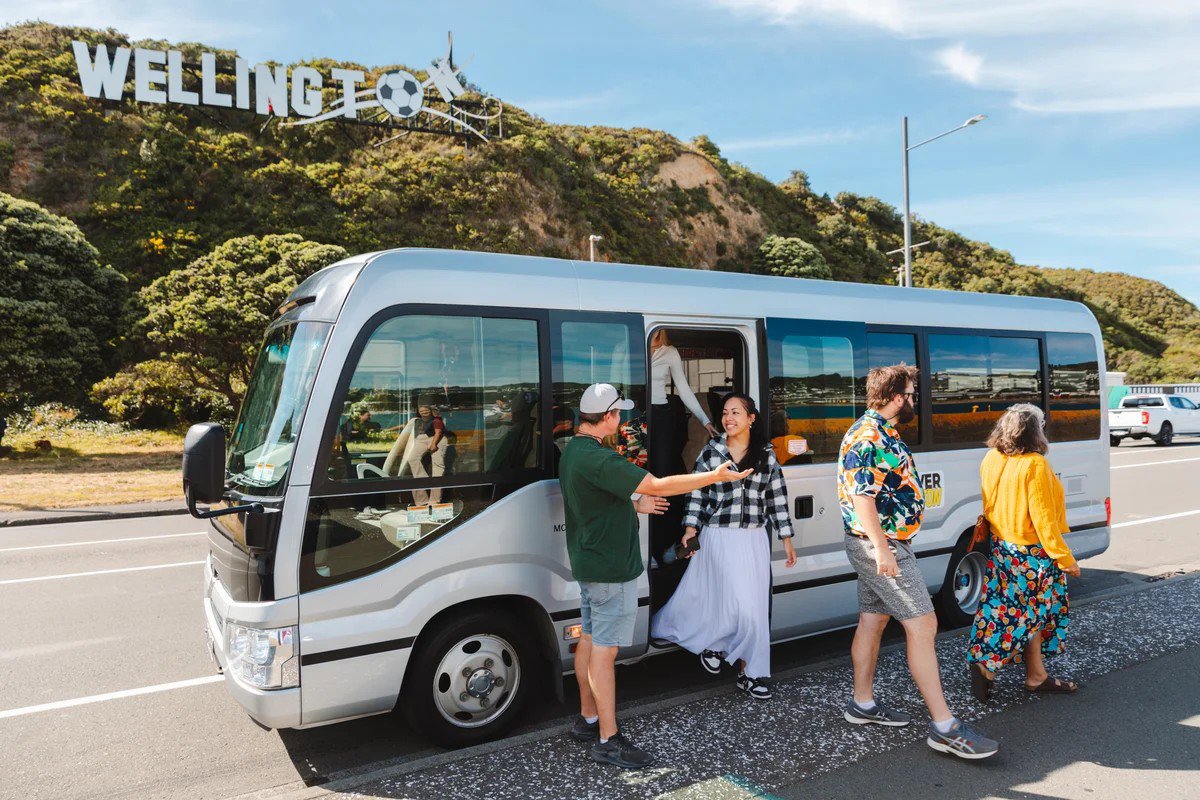
Skip the crowded ship excursion bus. One dedicated planner will design a private shore experience around exactly what your group wants — coordinated from first enquiry to the moment you're back on board. More memorable, more flexible, and more affordable than you might expect. Spend less time organising, more time enjoying.
Explore Group Travel →Cruising to Wellington
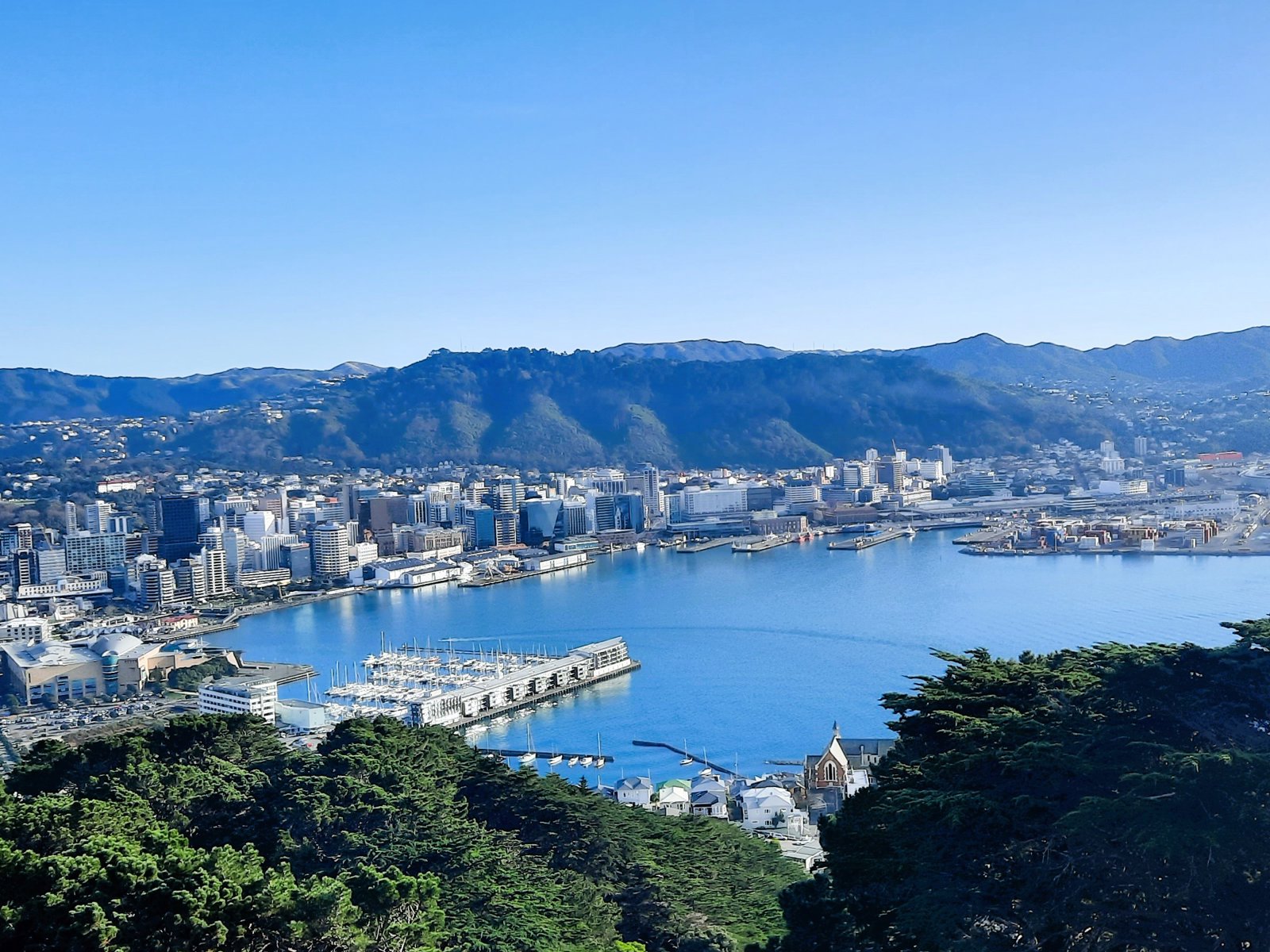
Wellington is New Zealand's compact capital — a city that punches well above its size in culture, cuisine, and creative energy. Set on a natural harbour at the southern tip of the North Island, it is home to the national parliament, a thriving arts scene, and one of the most celebrated film production industries outside Hollywood. Te Papa Tongarewa, the national museum, warrants a long visit on its own, while the Weta Workshop draws fans of the Lord of the Rings trilogy from around the world. The waterfront hums with activity — cafés, galleries, and the museum all within walking distance of the cruise berths. Beyond the city centre, the Zealandia eco-sanctuary offers encounters with native wildlife mere minutes from downtown, and the Martinborough wine region lies roughly an hour to the northeast for those inclined toward a pastoral escape. Wellington's famously blustery weather is simply part of its character.
Top things to do in Wellington on a cruise stopover
Wellington Cable Car and the View from Mount Victoria
Wellington's red cable car — a city icon since 1902 — climbs from the busy shopping thoroughfare of Lambton Quay to the leafy suburb of Kelburn, where the National Botanic Garden spreads across the hillside and a small museum chronicles the line's long history. The harbour views from the top are among the finest in the city. A short walk further brings visitors to the Mount Victoria lookout, where panoramas stretch across the harbour, the Hutt Valley, and on clear days across Cook Strait to the South Island. The lookout is also recognisable to Lord of the Rings fans as the forest where the Hobbits first hid from the Nazgûl. The 360-degree perspective gives first-time visitors an excellent sense of Wellington's compact geography — hills rising sharply from a narrow coastal flat — and explains why locals have always embraced the vertical dimension of their city.
Te Papa Tongarewa: New Zealand's National Museum
Te Papa Tongarewa — 'our place' in te reo Māori — is New Zealand's national museum and one of the more ambitious museum experiences in the Southern Hemisphere. Opened in 1998 directly on Wellington's waterfront, it spans six floors of permanent and rotating exhibitions covering the country's natural history, Māori culture and taonga (treasures), Pacific heritage, and contemporary art. The Māori galleries are particularly striking, housing elaborately carved meeting houses and artifacts of deep cultural significance. A colossal squid specimen preserved in the natural history wing tends to stop visitors in their tracks. The building itself is architecturally bold, sitting on the harbour edge with sweeping water views from upper floors. Entry to the permanent galleries is free, and even a single visit barely scratches the surface — most cruise visitors should allow at least 90 minutes, though two hours is a more realistic minimum.
Weta Workshop: Behind the Scenes of Modern Film Production
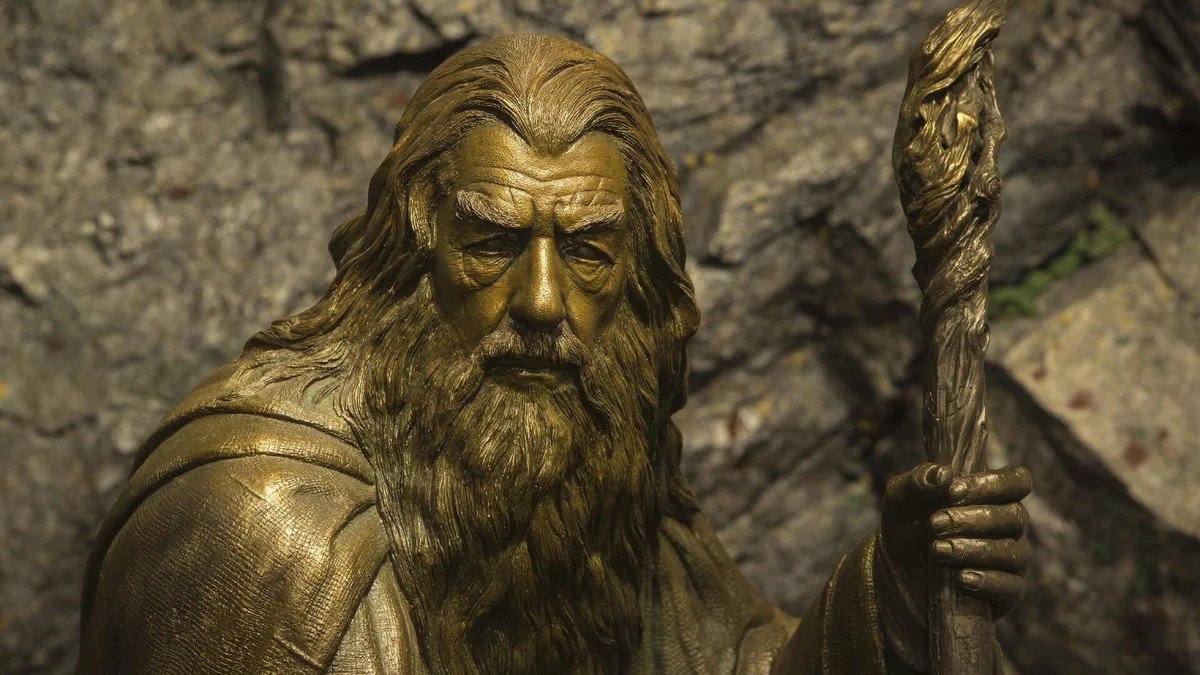
In the eastern suburb of Miramar, Weta Workshop has grown from a small special-effects studio into one of the most acclaimed film production facilities in the world — the creative force behind the prosthetics, weapons, armour, miniatures, and creatures of the Lord of the Rings and Hobbit trilogies, as well as dozens of other major productions. Guided tours of the working studio take visitors through design studios and creature workshops where craftspeople are often actively at work, offering an unusually candid look at the physical side of modern filmmaking. Visitors handle props, examine scale models, and learn how practical effects are conceived, sculpted, and built. Miramar is approximately 15 minutes from Wellington's waterfront by bus. Advance booking is essential — popular morning sessions fill quickly on days with multiple ships in port, and walk-in availability is limited.
Zealandia: An Urban Eco-Sanctuary for Native New Zealand Wildlife
Zealandia is an extraordinary conservation project — a 225-hectare valley ecosanctuary enclosed within a predator-proof fence, situated just minutes from Wellington's central business district. The reserve was established to restore the ecological conditions of pre-human New Zealand, allowing species driven to near-extinction by introduced predators to recover in a protected environment. Visitors walk through ancient forest and regularly encounter tuatara (a living reptile largely unchanged since the dinosaur era), kākā parrots calling noisily overhead, kiwi in a nocturnal house, and various wading birds at the central reservoir. Unlike many wildlife encounters, sightings here are frequent and unhurried — animals are habituated to quiet human presence but genuinely wild. Evening guided tours offer the chance to observe kiwi in their natural habitat after dark, one of the most sought-after wildlife experiences in New Zealand.
Wellington's Craft Beer and Food Scene
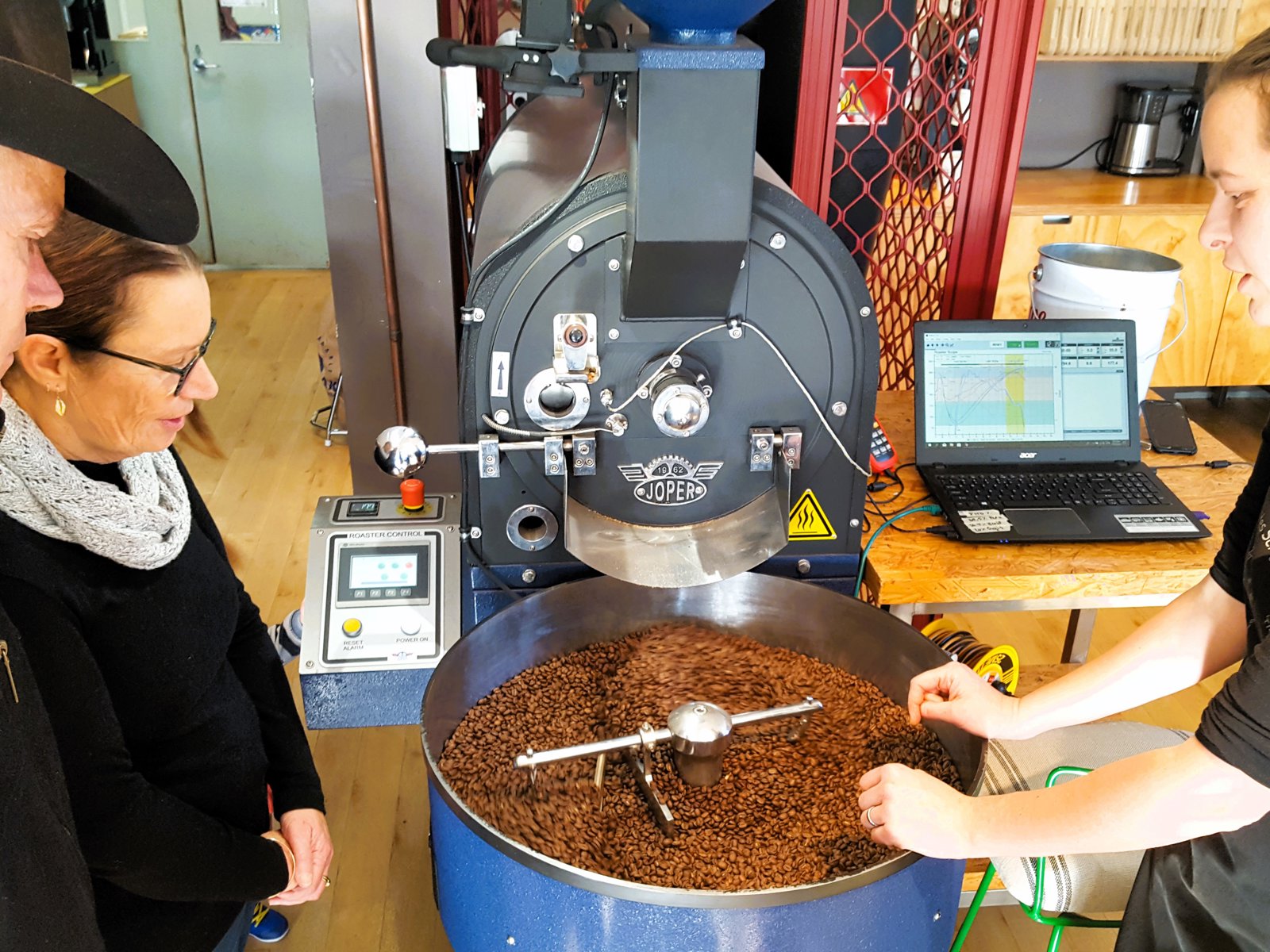
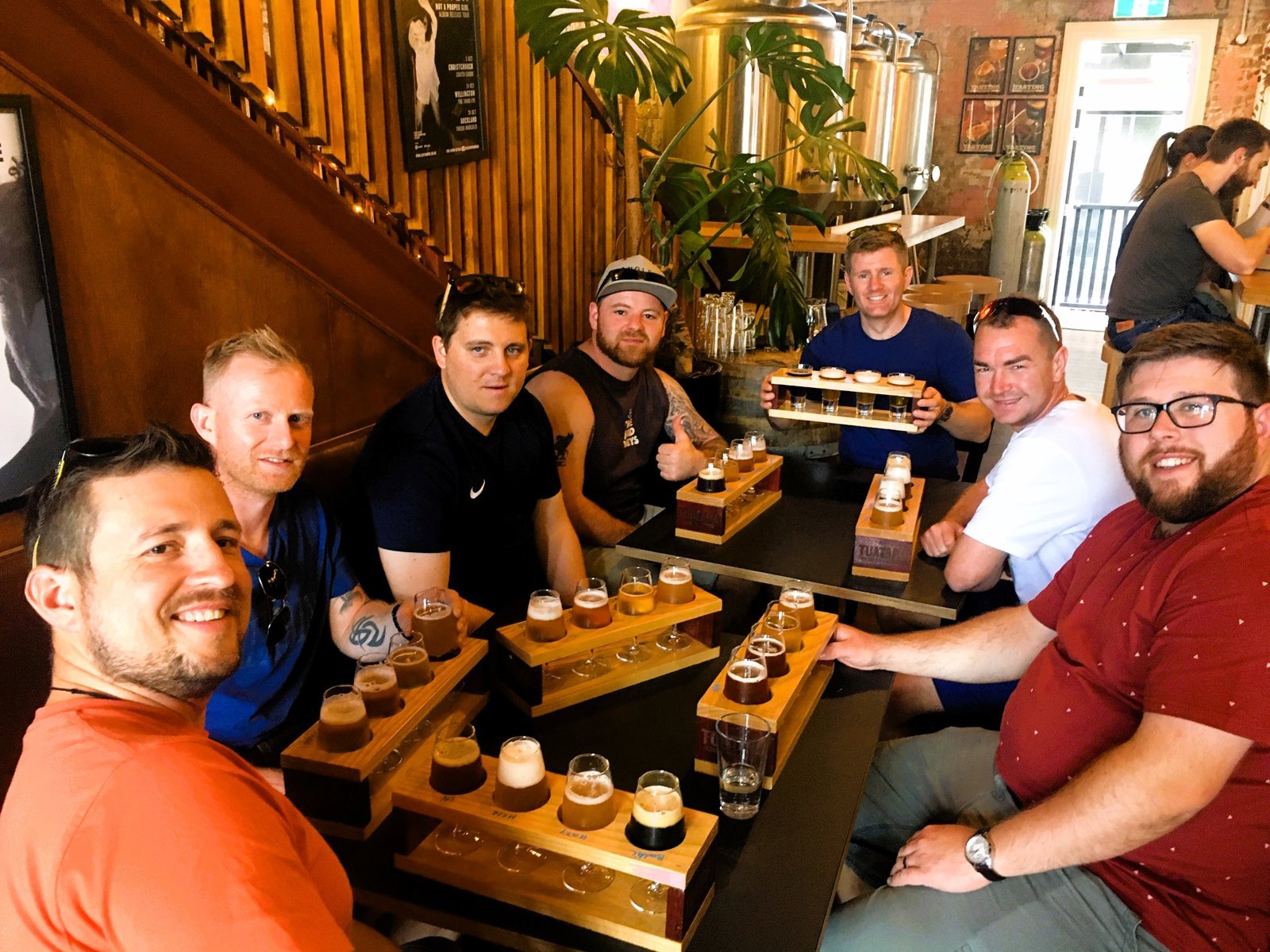
Wellington has built a reputation as one of New Zealand's most food-forward cities — a place where independent café culture, artisan producers, and a thriving craft brewing scene coexist in a compact urban environment. Cuba Street and the surrounding lanes form the heart of the independent scene, lined with cafés, bars, and restaurants that reflect the city's eclectic, creative character. Wellington's craft breweries range from small taprooms to larger brewpubs, many offering seasonal and experimental brews alongside locally sourced food. The city also regularly tops national surveys for coffee quality — the espresso culture here is taken seriously, and even a short stroll yields a notable concentration of good options. For cruise visitors, a few hours in the café and bar district offers an authentic taste of daily Wellington life that larger cities rarely deliver so accessibly.
Lord of the Rings Filming Locations and Wellington Wine Country
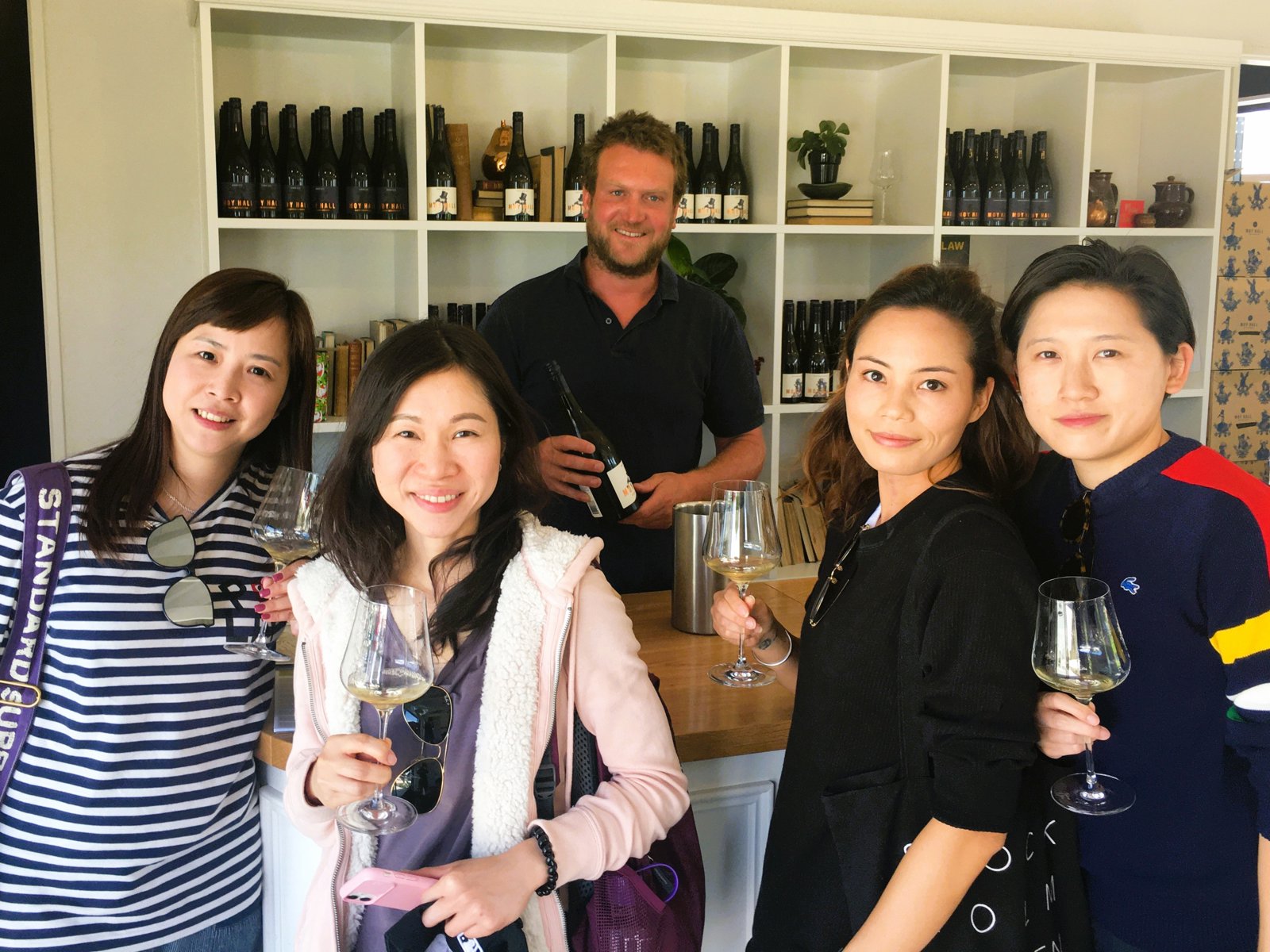
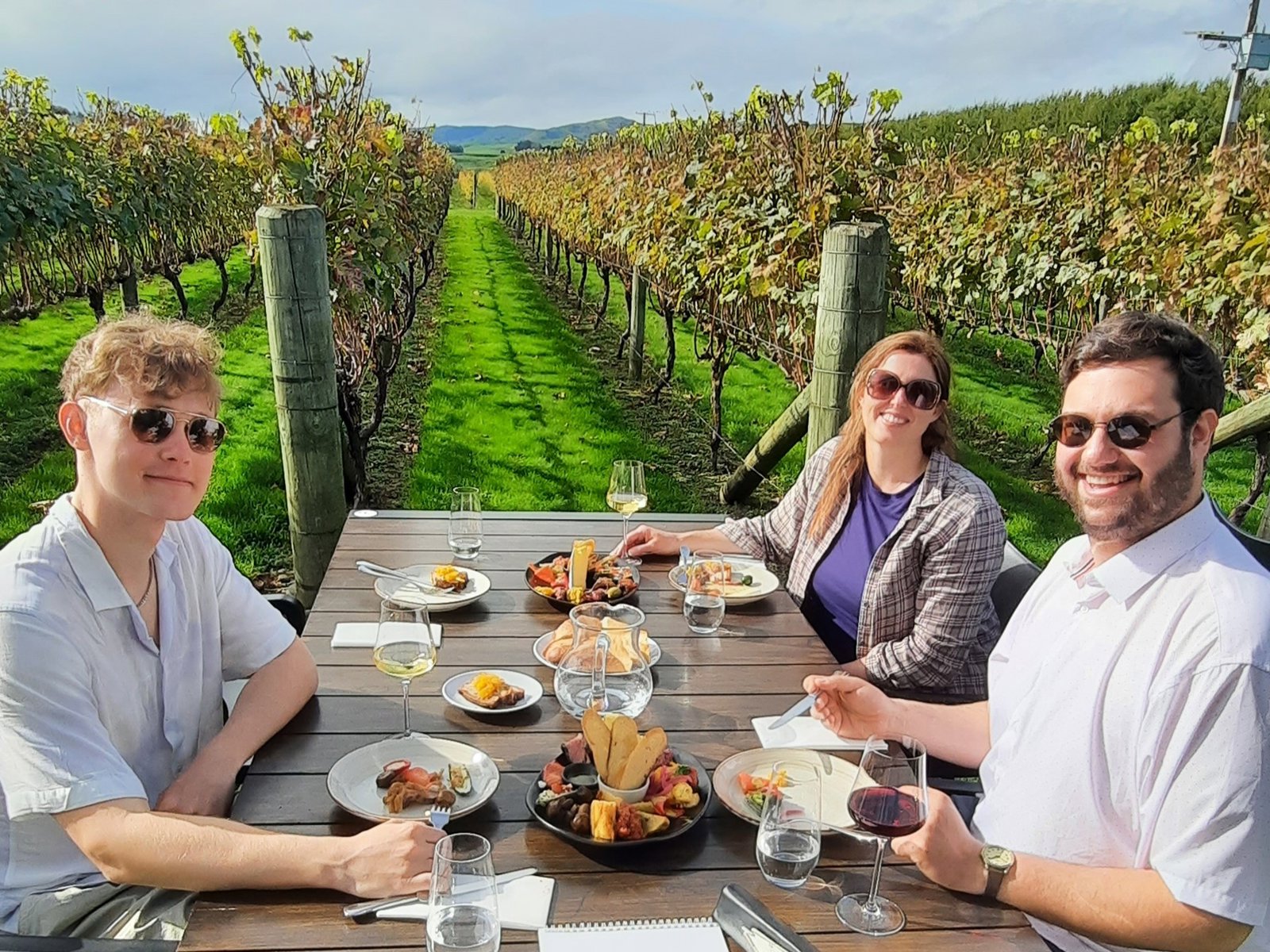
Wellington and its surrounding landscape served as backdrop for key scenes in Peter Jackson's Lord of the Rings and Hobbit trilogies, and the city wears that connection with genuine pride. Recognisable locations exist within easy reach of the city centre, including sites in the Hutt Valley, the hills above Miramar, and Harcourt Park in Upper Hutt. Beyond the film geography, the Wairarapa and Martinborough wine regions lie roughly 90 minutes from Wellington by road, offering a contrasting day-ashore experience. Martinborough is known for its pinot noir, produced by small family-owned wineries gathered within walking distance of the village centre. The town itself is charming and unhurried, with good restaurants and a weekend farmers market. For cruise visitors with sufficient time in port, the combination of Wellington's urban energy and the calm of wine country makes for a day of real variety.
Wellington travel tips
Pack a Windproof Layer, Regardless of the Season. Wellington is ranked among the windiest cities in the world, and conditions can change quickly even on summer days that start warm and clear. A compact windproof jacket — ideally one that also sheds light rain — is the single most useful item a visitor can carry. Sunscreen is equally important on bright days, as UV levels in New Zealand are notably higher than visitors from the Northern Hemisphere typically expect.
Reserve Your Weta Workshop Spot Well Before Your Ship Arrives. Weta Workshop guided tours are genuinely popular, and morning sessions sell out well in advance — especially during peak cruise season when multiple ships may be in port the same day. Walk-in availability exists on quieter days but cannot be relied upon. Book through the official Weta Workshop website before your voyage departs. The studio is in Miramar, about 15 minutes from the waterfront by bus.
Wellington's Metlink Bus Network Covers Most Visitor Destinations. Metlink buses connect the cruise terminal area to the city centre, Miramar, Zealandia, and the Hutt Valley suburbs. A Snapper card offers the cheapest fares, though cash is accepted on most services at a slightly higher rate. Route maps and real-time arrivals are available through the Metlink website and app. The cable car runs every 10 minutes from Lambton Quay and is worth riding for the harbour view alone.
Cuba Street Is the Most Distinctive Neighbourhood for a Short Walk. Running parallel to the main shopping strip, Cuba Street is the hub of Wellington's independent café, bar, and gallery scene. It's an easy 15-minute walk from the waterfront and gives visitors an unfiltered sense of the city's creative character. The street is lively most days of the week and offers a solid cross-section of local food and coffee without requiring a guide or pre-planning.
Budget at Least 90 Minutes for Te Papa — Entry to Permanent Galleries Is Free. Te Papa's permanent collections span six floors covering New Zealand's natural history, Māori culture, Pacific heritage, and art. Entry is free of charge. A single pass through the highlights requires at least 90 minutes; visitors with particular interest in the Māori taonga or natural history could spend three or four hours. Arriving early in the morning avoids the mid-morning crowds that typically arrive from cruise ships.
Morning Visits to Zealandia Offer the Best Wildlife Sightings. Native birds and tuatara at Zealandia are most active in the cooler morning hours. The sanctuary opens at 9am, and arriving early gives the best chance of spotting kākā, tūī, and tuatara before midday heat quiets activity. The reserve is a 10-minute bus ride from the city centre or a 25-minute walk through the Botanic Garden. Allow at least two hours to explore the main walking circuit.
Port Facts Every Cruiser Needs To Know
Wellington shore excursion FAQs
Most cruise ships berth at either Aotea Quay or Queen's Wharf, both on Wellington's waterfront. Queen's Wharf sits right at the edge of the CBD; Aotea Quay is approximately 15 minutes on foot from the main shopping district and Te Papa. Check your ship's docking information in advance, as the berth significantly affects how close you are to key attractions.
Yes — Metlink buses serve both Aotea Quay and the wider waterfront, connecting to the city centre, Miramar (for Weta Workshop), and Zealandia. The walk from Queen's Wharf to Te Papa and the central city is under 15 minutes on flat ground. Aotea Quay passengers can take a short bus ride or walk the waterfront path in about 20 minutes.
Entry to Te Papa's permanent galleries is free of charge, making it one of the best-value stops on a Wellington day ashore. Some temporary and special exhibitions carry an admission fee. The museum is open daily and sits directly on the waterfront, making it easy to combine with time in the adjacent harbour precinct.
Advance booking is strongly recommended. Guided tour spots fill quickly, particularly on days when multiple cruise ships are in port simultaneously. Walk-in availability exists on quieter days but cannot be guaranteed. Tours run throughout the day from the studio in Miramar, which is about 15 minutes by bus from the city centre.
Wellington is one of the world's windiest cities, and the notorious Southerly can arrive with little warning, creating dramatic conditions on the waterfront and exposed hilltops. That said, many days — particularly in summer — are perfectly calm and sunny. Layering is the practical response: the wind is less about constant gales and more about unpredictability, which is why locals always carry a jacket.
Most first-time visitors prioritise Te Papa Tongarewa for its Māori cultural collections, Weta Workshop in Miramar, and a ride on the cable car to Kelburn for harbour views. Cuba Street is worth a short detour for coffee and local colour. Those with specific interests may prefer Zealandia for wildlife or Martinborough for wine — both require more travel time and suit longer port stays.
The city centre is very walkable — flat along the waterfront, with hills beginning as you move inland. Most major attractions including Te Papa, the cable car, and Cuba Street are within a 20-minute walk of the cruise berths. Outlying destinations such as Weta Workshop (Miramar) and Zealandia require a bus or other transport and are not practical on foot from the port.
Zealandia is in the Karori suburb, about 10 minutes by bus from the city centre. Buses depart from stops on Lambton Quay and Willis Street. Alternatively, it's a 25-minute uphill walk through the Botanic Garden, which is itself a pleasant detour. Zealandia opens at 9am daily, and mornings offer the most active wildlife sightings.
Martinborough is about 90 minutes from Wellington by road, which means the journey significantly cuts into a day-ashore itinerary. It suits cruise visitors with at least 8–10 hours in port who are content to make wine country the day's primary focus. Those with less time may find Wellington's own café and dining scene offers a satisfying local food experience without the transit commitment.
Tipping is not customary or expected in New Zealand — restaurant and hospitality staff are paid standard wages, and service charges are not added to bills. Rounding up or leaving a small tip for genuinely excellent service is appreciated and becoming more common in cities like Wellington. There is no obligation to tip in cafés, transport, or tour settings.
Filters
Select a filter to refine results.
Tour Type
Tour Activity
 Cart
Cart
 USD
USD GBP
GBP AUD
AUD EUR
EUR CAD
CAD