



Tours in Puerto Madryn


Cruising to Puerto Madryn in a group?
Skip the crowded ship excursion bus. One dedicated planner will design a private shore experience around exactly what your group wants — coordinated from first enquiry to the moment you're back on board. More memorable, more flexible, and more affordable than you might expect. Spend less time organising, more time enjoying.
Explore Group Travel →Cruising to Puerto Madryn
Puerto Madryn exists for wildlife encounters of a caliber rarely found anywhere on earth. Set on the Gulf Nuevo on Argentina's Atlantic Patagonian coast, this unpretentious seaside town is the launching point for one of the planet's most concentrated wildlife corridors: the UNESCO-listed Peninsula Valdes, where southern right whales calve in sheltered bays, orcas beach themselves in pursuit of sea lions, elephant seals haul out in thundering colonies, and Magellanic penguins nest by the hundreds of thousands. The town itself — a compact grid of shops, restaurants, and a long public beach — is agreeable without being remarkable. The reason to be here is entirely what lies beyond it. Punta Loma's sea lion rookery sits less than 20 kilometers from the pier; the penguin colony at Punta Tombo, one of the largest on the continent, is within day-trip range; and the Peninsula Valdes peninsula offers hours of wildlife-focused exploration through landscapes of wind-sculpted steppe, salt flats, and cliff-edged coastline. A day ashore here is measured in species counts and moments of genuine wildness.
Top things to do in Puerto Madryn on a cruise stopover
Peninsula Valdes UNESCO Wildlife Reserve
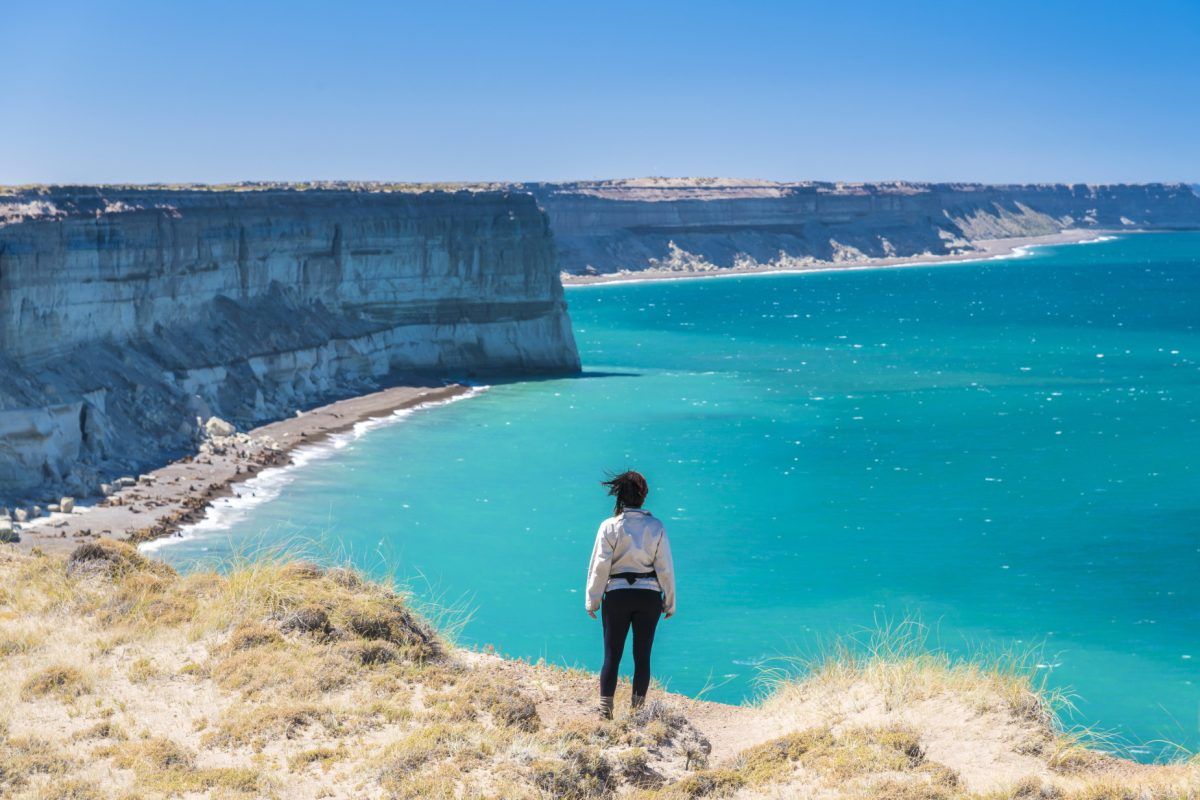
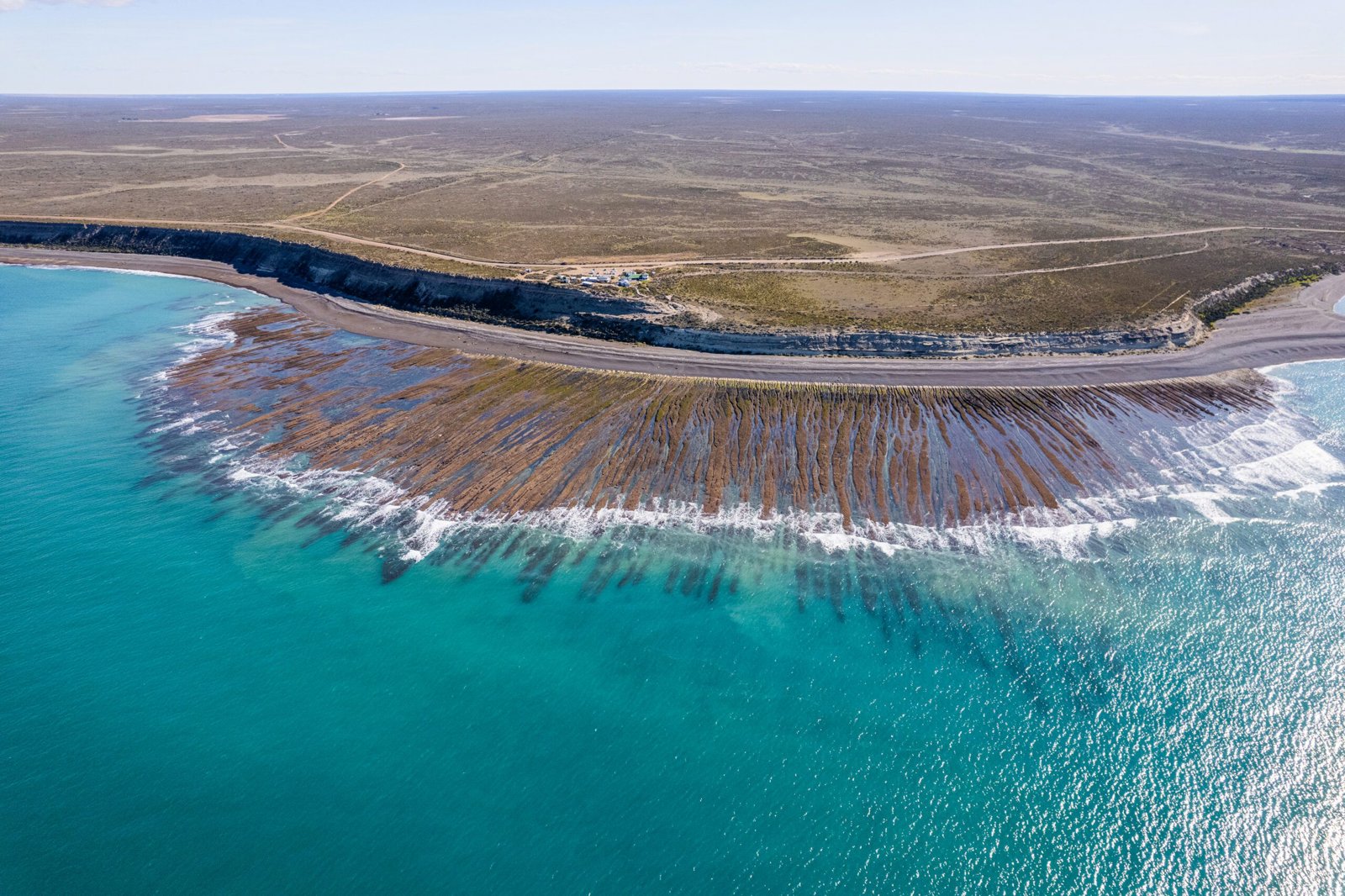
Designated a UNESCO World Heritage Site for its exceptional marine mammal populations, the peninsula is Argentina's premier wildlife destination. Depending on season, a drive through the reserve can yield southern right whales in the Golfo Nuevo, elephant seals at Punta Delgada, guanacos crossing dirt roads, maras grazing the steppe, and rheas in surprising numbers. No safari park approximates the scale or authenticity of this Patagonian landscape.
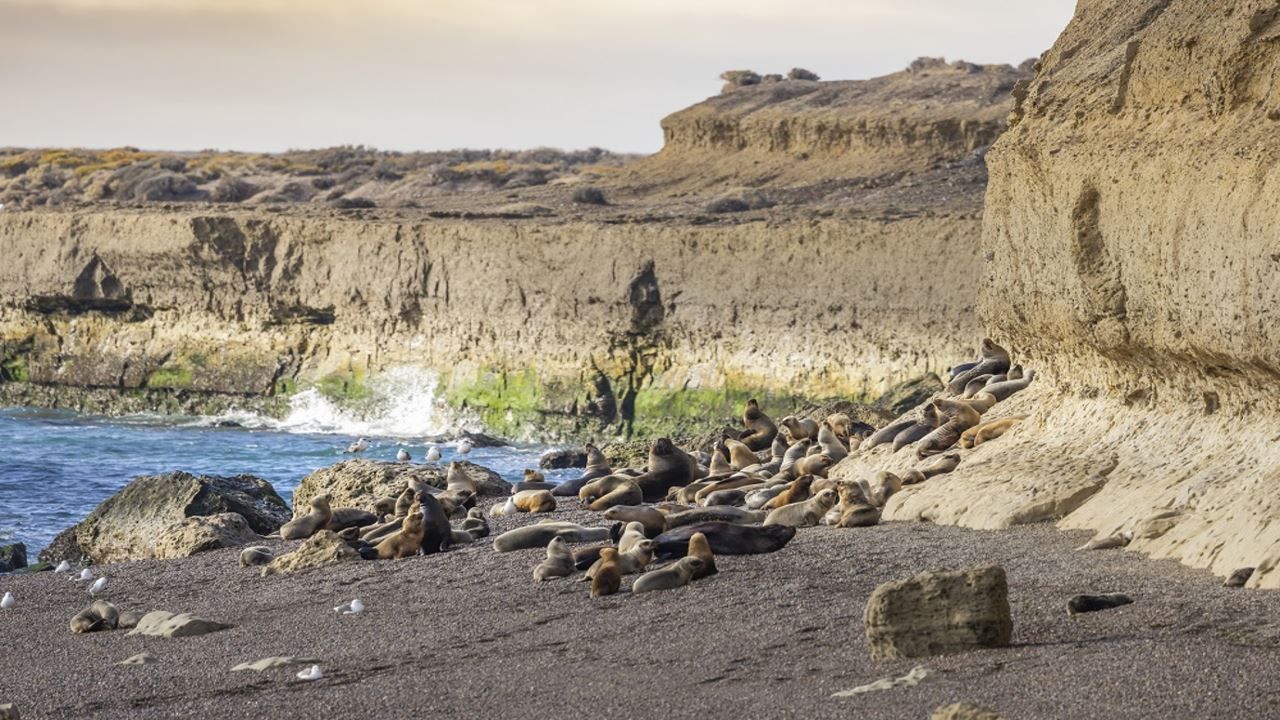
Punta Loma Sea Lion Reserve
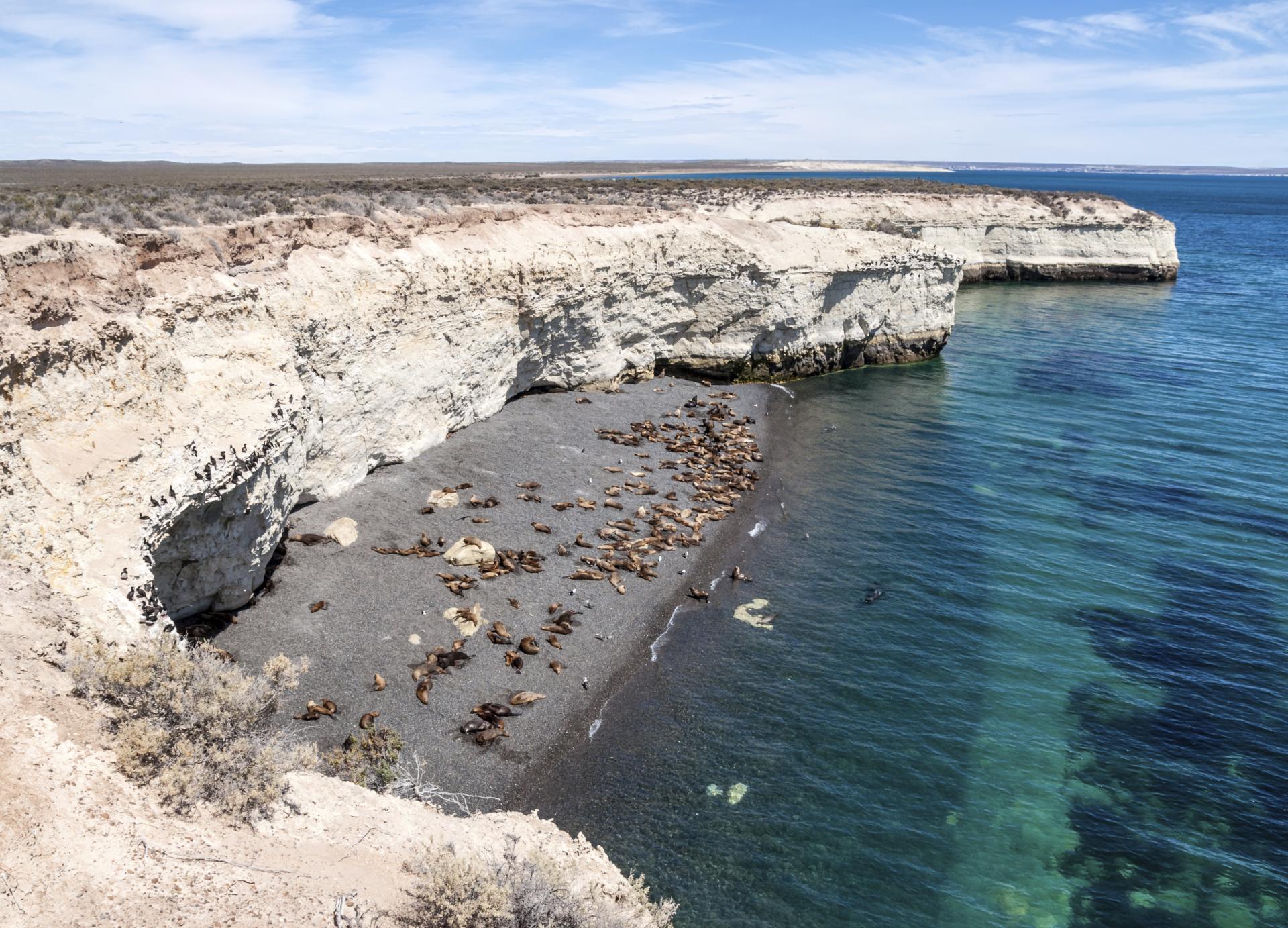
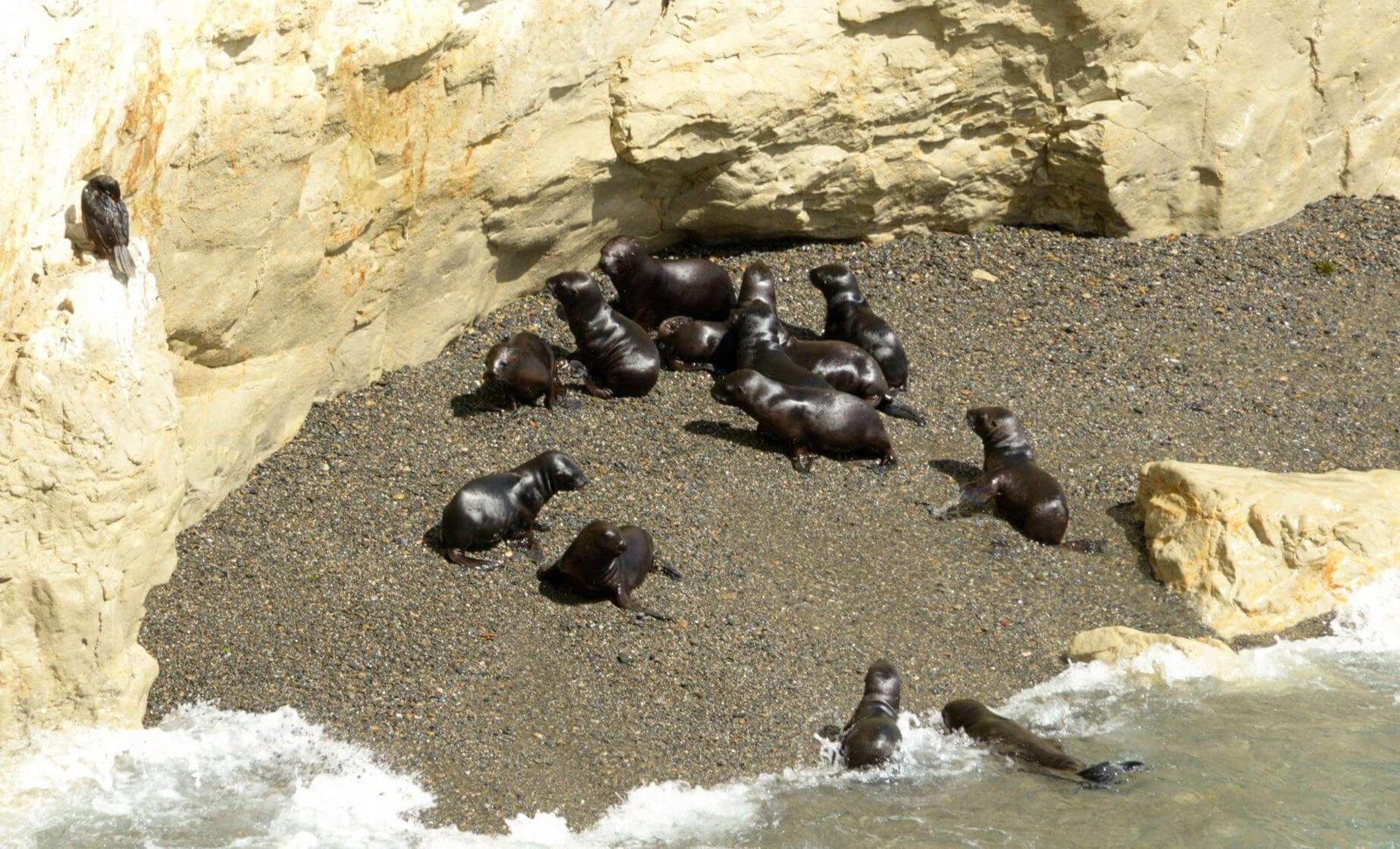
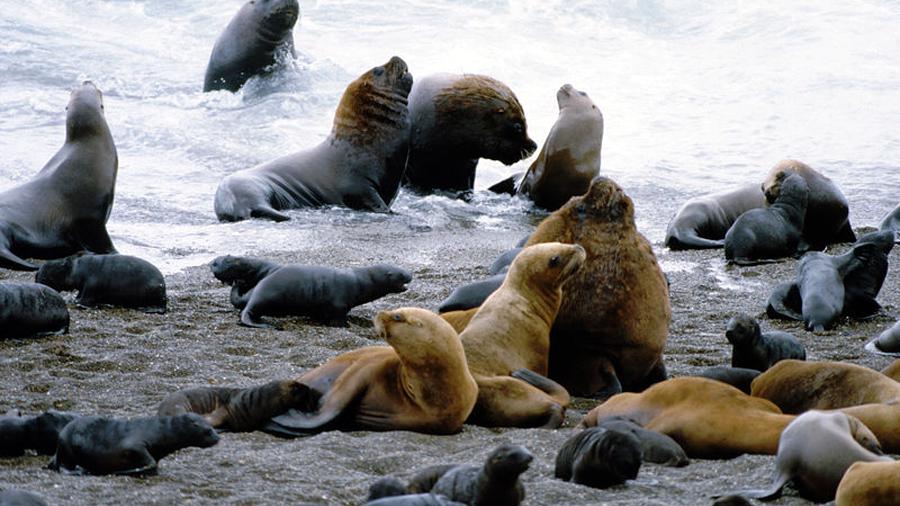
A compact headland 17 kilometers south of town hosts a permanent South American sea lion rookery that operates year-round in spectacular, noisy, and emphatically fragrant fashion. Viewing platforms overlook the colony at close range, where dozens to hundreds of animals haul out, fight for territory, nurse pups, and make their ungainly way into the surf. It is the most accessible wildlife encounter in the Puerto Madryn area and reliably delivers, regardless of season.
Punta Tombo Penguin Colony
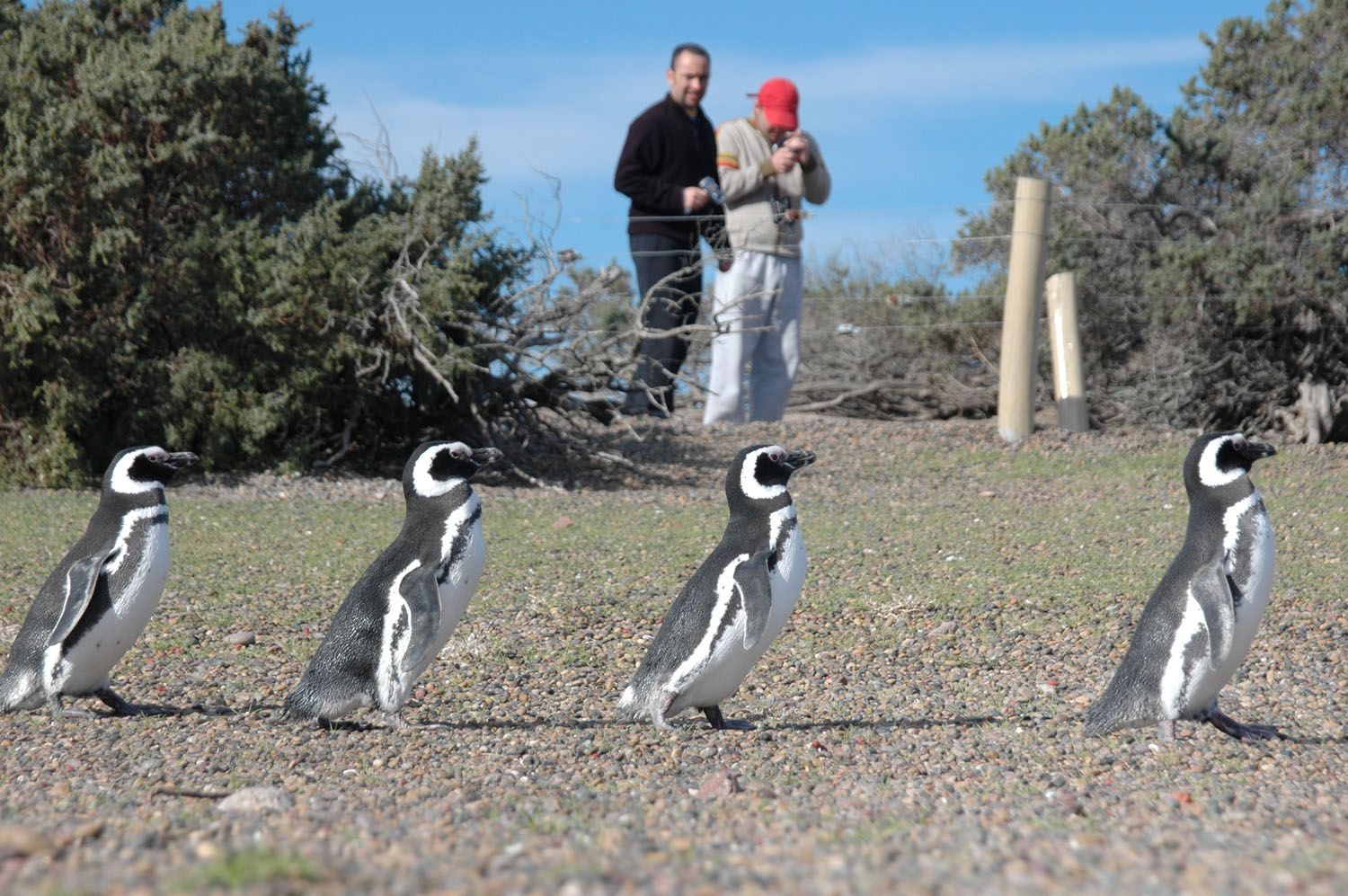
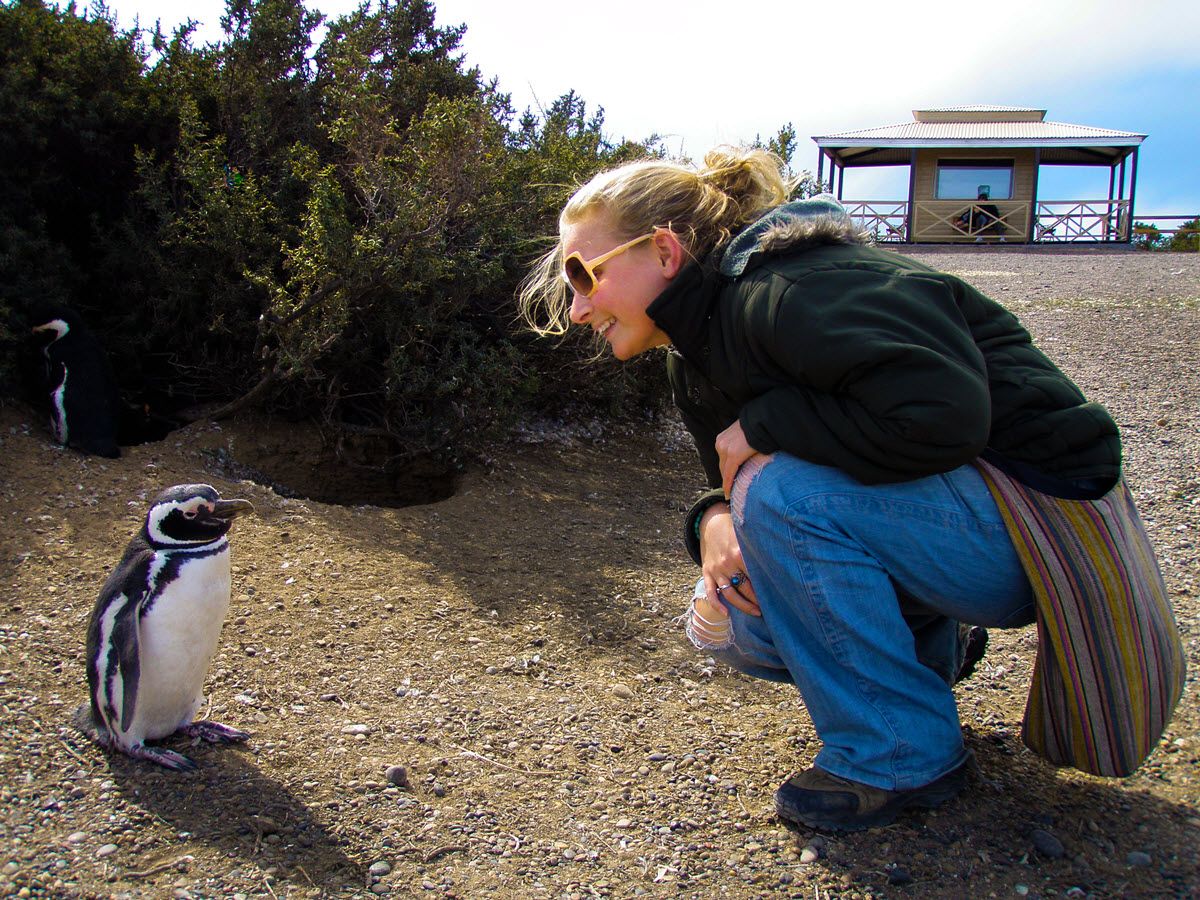
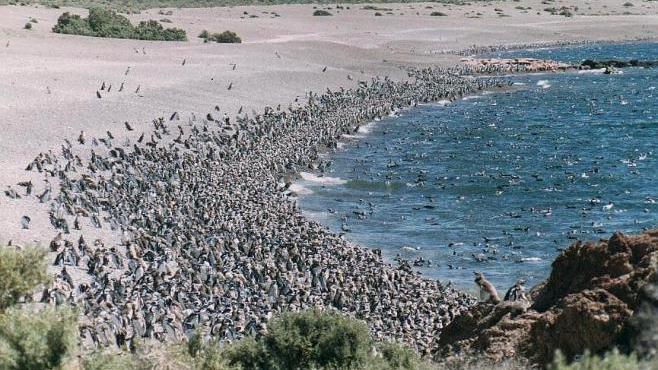
The largest Magellanic penguin colony in South America occupies a stretch of Patagonian coastline 170 kilometers south of Puerto Madryn. During nesting season (September through April), more than a million penguins crowd the landscape — nesting in burrows, waddling purposefully along established pathways, and carrying on the noisy, chaotic business of raising chicks within arm's reach of boardwalk visitors. The scale is frankly staggering.
Sea Lion Snorkeling at Punta Loma
For visitors willing to enter cold Patagonian water in a full wetsuit, guided snorkeling alongside the sea lions at Punta Loma Natural Reserve offers a perspective no observation platform can replicate. Sea lions are intensely curious underwater, approaching and circling snorkelers in spiraling passes that constitute a genuinely wild interaction — not a trained performance, but an animal choosing to engage on its own terms.
Puerto Madryn City Highlights
The town itself offers an agreeable few hours for those seeking context before or after a wildlife excursion. The Ecocentro marine interpretation center sits on a clifftop above the gulf and provides excellent background on Patagonian marine ecosystems. A small Welsh heritage museum reflects the 19th-century Welsh colonization of the Chubut valley, and the beachfront promenade is a pleasant place to decompress over a coffee or a plate of local seafood.
Full-Day Patagonian Wildlife Immersion
For visitors who want to range across multiple ecosystems in a single day — combining the peninsula's coastal cliffs, salt lake interior, and steppe grasslands — a comprehensive full-day excursion across Peninsula Valdes covers the breadth of Patagonian wildlife habitats at a pace that allows genuine observation. The reward is a layered portrait of one of the world's last great temperate wilderness regions, experienced from within rather than glimpsed from a distance.
Puerto Madryn travel tips
Dress for Patagonian Wind, Not Just Cold. Wind in Patagonia is not a weather event — it is a permanent condition. Even on summer days when the thermometer reads pleasantly, sustained gusts at open coastal viewpoints make light layers wholly inadequate. A properly windproof outer shell, sunglasses that fit close to the face, and a hat secured with a chin strap or worn under a hood are practical essentials, not optional extras.
Apply Sunscreen Even on Cloudy Days. UV exposure in Patagonia is more intense than most visitors expect, particularly near the coast and during spring and summer. Overcast skies provide little protection — cloud cover does not meaningfully filter UV radiation at this latitude. Apply a high-SPF sunscreen generously before going ashore and reapply after any water activity or extended time outdoors.
Respect Wildlife Boundaries at Punta Tombo. Penguins at Punta Tombo are accustomed to human presence and appear entirely unconcerned — which makes it tempting to approach nesting burrows more closely than the established paths permit. The distance rules exist because stress during the nesting period has measurable effects on chick survival rates. Staying on boardwalks and at permitted distances is not a formality; it matters ecologically.
Treat Peninsula Valdes as a Full-Day Commitment. The entrance gate to Peninsula Valdes is 77 kilometers from the pier, and the most productive wildlife sites are spread across a further large area of unpaved reserve roads. Meaningful time at the peninsula cannot be done in a half-day. If a full-day excursion is not available on your port call, Punta Loma — 17km from town — is the correct alternative.
Confirm Argentine Peso Conditions Before Departure. Argentina's currency and exchange rate situation has been unusually fluid in recent years. The practical reality for visitors changes frequently. Confirm current conditions with your bank or excursion provider before going ashore. US dollars in cash have historically been practical to carry, but the landscape shifts regularly and current advice matters more than past practice.
Start with the Ecocentro for Context. Puerto Madryn's Ecocentro marine interpretation center, built on a promontory above the gulf, is worth an hour of any visitor's time even if wildlife reserves are the main objective. Its exhibits on Patagonian marine ecosystems, whale behavior, and sea lion biology provide context that makes subsequent encounters at Punta Loma or Peninsula Valdes significantly more meaningful. It fits naturally into the start of a port morning before departing for the reserves.
Port Facts Every Cruiser Needs To Know
Puerto Madryn shore excursion FAQs
The answer depends on season and distance traveled. Sea lions at Punta Loma are reliable year-round and close to town. Penguins at Punta Tombo are accessible September through April. Peninsula Valdes offers elephant seals, guanacos, and rheas year-round, with southern right whales from June through December. Spring (October–November) is the single best window for encountering multiple species on one excursion.
No. The entrance to the reserve is 77 kilometers from the cruise pier, and the productive wildlife areas are spread across a further considerable distance on unpaved roads. A half-day at the peninsula produces rushed, unsatisfying visits to a site that rewards time and patience. Visitors with only a half-day available are better served by Punta Loma, which is 17 kilometers from the pier and offers excellent sea lion viewing.
Punta Tombo is approximately 170 kilometers south of Puerto Madryn — roughly a two-hour drive each way on Patagonian roads. It is achievable as a long day excursion during penguin season (September through April), but early departure and disciplined return timing are essential. It is emphatically not a half-day option, and the distance makes ship-time management critical.
Layering is the fundamental strategy. Start with a moisture-wicking base layer, add an insulating mid-layer, and bring a genuinely windproof outer shell — not merely water-resistant, but wind-blocking. Sturdy closed-toe walking shoes or light hiking boots handle the terrain at most reserves. Polarized sunglasses and a secured hat complete the practical kit for open coastal viewpoints.
Patagonian waters are cold year-round, ranging from approximately 10°C to 16°C (50–61°F) depending on season. Guided snorkeling excursions provide full wetsuits, hoods, and gloves, making the experience genuinely comfortable. The sea lions' curiosity and acrobatic energy underwater more than compensate for the temperature, and most participants describe the encounter as among the most memorable wildlife experiences of their lives.
Welsh settlers arrived on this Patagonian coast in 1865, founding a colony they called Y Wladfa in the hope of preserving Welsh language and culture far from British assimilation pressures. Puerto Madryn and the nearby Chubut valley towns of Gaiman and Trelew retain Welsh cultural institutions, chapels, street names, and afternoon tea traditions that have persisted for more than 150 years — a genuinely unexpected cultural discovery in a remote corner of Argentine Patagonia.
The town makes an agreeable hour or two of independent walking — the beachfront promenade, the Ecocentro interpretation center, the small craft market, and a lunch of Patagonian lamb or fresh centolla (king crab) are all worthwhile. That said, Puerto Madryn's reason for existence as a cruise destination is the wildlife beyond town, and spending an entire port call in the city alone would be a significant underuse of the opportunity.
Yes. Puerto Madryn's main commercial strip has a solid range of parilla restaurants and seafood spots, most open for lunch from midday. Patagonian lamb is the regional land-based specialty; centolla (king crab) and fresh local fish are the standout seafood options. The best options are generally a block or two from the immediate waterfront tourist corridor rather than directly on the beach strip.
Patagonian weather is famously and genuinely unpredictable. Clear skies can give way to cold rain and high winds within an hour, and calm days can reverse just as quickly. Check conditions the evening before your port call, but dress for cold and wind regardless of the forecast. Any calm, sunny day in Patagonia is a welcome gift rather than an expectation.
The town center and beachfront promenade are accessible on flat, mostly paved ground. Viewing platforms at Punta Loma include paved sections with good sightlines. Peninsula Valdes and Punta Tombo involve unpaved tracks, uneven terrain, and walking distances that may be challenging for visitors with significant mobility limitations. Anyone with specific accessibility needs should discuss them in detail with their excursion provider before booking.
Filters
Select a filter to refine results.
Tour Type
Tour Activity
 Cart
Cart
 USD
USD GBP
GBP AUD
AUD EUR
EUR CAD
CAD